1 free read left. Create a free account for unlimited reading + AI research.
Create free account
Mobile Gaming: Conquering the Esports Market PG Connects Digital #2
Key insights
6 takeaways- 01Competitive mobile titles like PUBG Mobile, Call of Duty: Mobile, and Free Fire have reached hundreds of millions of downloads and millions of daily active users, proving that mobile is no longer limited to casual gaming.
- 02Hardware advancements, including 144Hz refresh rates and active cooling, combined with software optimizations, are enabling high-quality competitive experiences to run effectively on lower-end devices.
- 03Mobile devices currently account for over 70% of total gaming watch time on YouTube, demonstrating a powerful synergy between mobile gameplay and content consumption.
- 04Mobile esports is a major growth sector that has already achieved massive scale in Brazil, India, and Southeast Asia, while remaining an under-leveraged 'sleeping giant' in Western markets.
- 05Industry success requires regional customization rather than a universal growth model, as developers must navigate specific local infrastructure and balance casual engagement with competitive integrity.
- 06Future industry expansion will be driven by 5G technology and cloud gaming, which are expected to remove remaining hardware limitations and facilitate AAA-quality experiences on mobile platforms.
Ask AI about this video
Transcript
so next up we're gonna be talking about uh conquering the esports market with uh matt rutledge of complexity gaming uh i don't know if he's there when he's getting started i just wanted to uh take oh here he is mark's coming where where how are you doing matt i'm doing great thank you so much for having me where are you based it looks kind of like it's sunny there well a little bit it's a little foggy i'm based in san francisco california ah san francisco california from from from london london england then um lovely to have you on board so are you are you about ready to go i i we i've managed to get spit behind but don't worry you can do your thing don't worry i'm not gonna no problem i'm a quick talker so uh we're good to go whenever you guys are a quick talker from california i don't believe it um okay i shall disappear into the background and if you need us just put your hand up and we'll
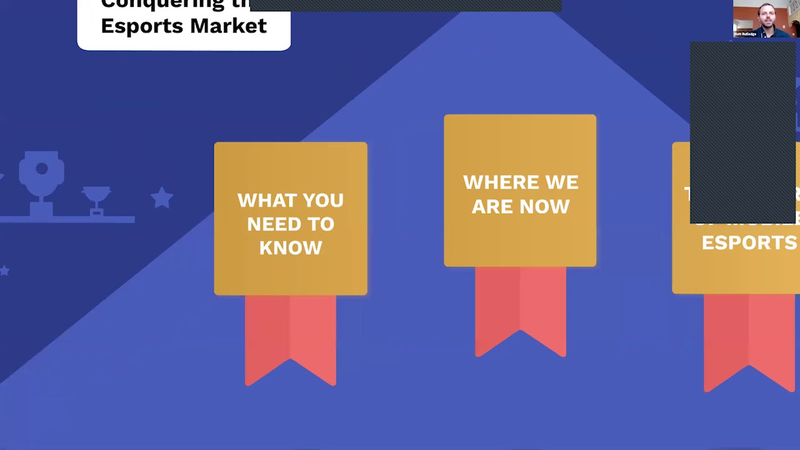
all right appreciate that so much [Music] excellent so uh in this talk this is mobile gaming conquering the esports market uh we're gonna be focusing on mobile esports which is one of the biggest topics right now in the esports industry in my opinion it's one of the largest sleeping giants but one of the things that's really missing right now in the industry is just an awareness of what is specifically going on in the scene what makes it unique and what really you need to know about this industry and so um in this discussion this is going to be pretty quick i got 20 minutes but i'm going to try to make it so that everybody gets something out of this so i'm going to do a general overview but then also make sure that i get to some really actionable tips we'll start out by identifying exactly what you need to know about the bubbly sports industry diving into some of the unique strengths of this market um as well as talking about some of the myths and maybe some of the preconceptions that you ought to forget about secondly we're going to talk about where we are now in the current market um identifying some of the key successes and what uh really we ought to learn as far as lessons from some of these successes
that we've seen so far and then also talking about some of the unique challenges uh because of esports being driven through a different platform with mobile compared to the predecessors of pc and console what things have we discovered ought to be taken a little more seriously and a bit more attention uh in order to navigate the nuances um and then finally i as an entrepreneur i love talking about the future of mobile esports so i outlined a few uh topics that also kind of illustrate and and will hopefully uh help educate you about the mobley sports industry by identifying a few short-term opportunities and a few long-term um so just a quick overview about myself uh i work currently as director of mobile gaming for the esports organization uh complexity gaming i've been involved in the mobile sports industry from pretty much the beginning going back to 2016 when clash royale launched at that time i was actually working as entrepreneur in residence for a investment firm and tech incubator and got the nod to start an in-house startup and so um i was able to uh convince our investors that esports was
a pretty solid play and then um that's kind of how i got first started in the industry and when i first entered in 2016 i got a real sense that there was something huge coming specifically for for mobile gaming um and i've been a specialist and kind of building at the forefront ever since so um over my time in the industry i've been really fortunate to be in a position to be the first mover in a lot of different areas experimenting uh with a lot of novel marketing campaigns i was the first to contract professional clash royale team um the first to go out and sponsor events online as an endemic sponsor for clash royale i was also the first to run a recurring live event series in north america for a mobile esports title when i ran the mobile gaming monday series out of the tcl chinese theater and so uh really fortunate to be able to be in this position where i can focus all of my attention on the mobile sports industry because of just how complex and nuanced it is so i'm really excited to be able to share some of these lessons today and i really appreciate all of your
interest in the mobile sports industry so first of all what do you need to know um so i did mention that mobleysports really is a sleeping giant there's so much hype and excitement about mobile but it seems like at least in the west we're still waiting for uh you know these key titles to really explode and take off in the u.s markets in the european markets um even though we're seeing a lot of success right now in uh brazil and india southeast asia and of course in china so what exactly are some of the unique strengths that has allowed it to succeed in these areas and what are some of the preconceptions that you probably ought to forget so let's jump into some of the strengths so first of all at the top is the mobility and this is a bit of a pun but i actually do want to highlight exactly what that means um which is you can bring your device anywhere and that makes this the only gaming platform that you can just pop into a game anywhere with a friend uh no matter what you're doing and so it's it's a platform that allows for gaming to fit into your lifestyle in a much more natural way than pc gaming or console gaming does um
the way that that's manifested into the mobile esports industry right now and is how gamers consume their their games um and so as an example uh kids nowadays are going to be playing these top mobile titles with their friends and on the buses on the way to school they're going to be playing in lunch break at school they're going to be playing anytime they go to the bathroom they're going to be go you know after school they're going to be playing as well so it's so flexible um that it fits into your lifestyle without you having to make any core adjustments another big benefit of the mobility is that everybody has their own device and they're able to bring their own devices so i mentioned that i ran a live event series at the tcl chinese theater actually that was structured in a really unique way it was supposed to be a mobile first format and so instead of a tradition traditional lan event where you have pc stations or console stations throughout the venue where people come up to and sit at in order to play it was actually an open floor format there were no
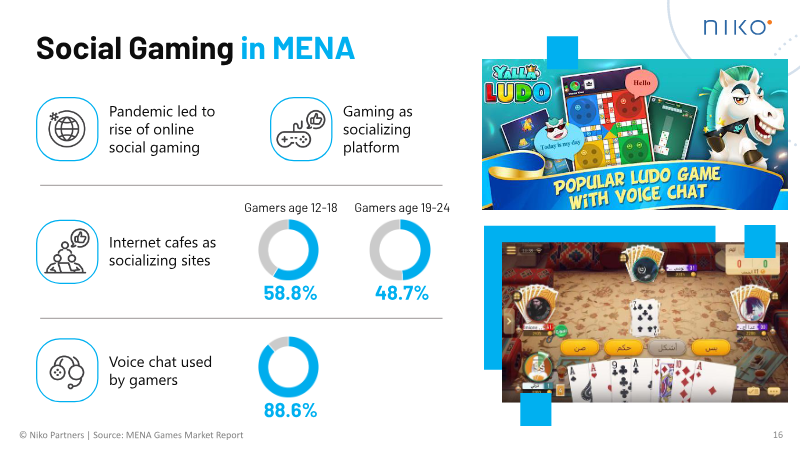
chairs um but there were stations throughout the venue and so it was a lot more like a carnival or a festival format where the participants would walk up to a station bring their own device and participate in a game related activity or a challenge or uh an activity in a scavenger hunt and then they would complete that activity they'd check it off their list and get a prize or a raffle ticket in order to win some pretty awesome swag so um that is a mobile first format that only this platform would have allowed for because of the mobility of these devices secondly of course is the social aspect of the mobile device so not only is this now becoming one of the primary platforms for gaming but it's also already even before this boom the primary platform for social engagement creating content sharing content connecting with people and there also are a ton now of uh extremely popular social media platforms that are mobile first so of course platforms like instagram um tick tock especially so um there's so much synergy because of these other developments in mobile
technology that are taking place on this platform when you combine gaming and especially uh social gaming into the mix and lastly is the accessibility and so what i mean specifically by this is that first of all everybody has a mobile phone nowadays realistically speaking and what's really great about the mobile esports industry is all of these top tiles are free to play titles and so anyone in the world can hop into one test it out with a quick download and to be able to hop in and become a gamer now and that is one of the the biggest things in my opinion that the mobility sports industry has offered to the broader esports industry as a whole which is unlocking this new customer segment of of gamers so it's a great uh entry point in that way it's very very accessible um so with that in mind what are some things that you may be thinking about the mobile esports industry in particular uh that you probably have to forget so a few myths that i have kind of outlined here is first of all that mobile is only casual um so of course one of the things that comes up generally with mobile
gaming is a reference or two to games like candy crush and uh there's no doubt that there is a very robust and successful casual mobile gaming market but the reality of the situation is in recent years there's been a broader trend toward games becoming a lot more competitive and also gamers taking them more seriously so in the most recent years you'll notice that multiplayer titles obviously ones like pubg mobile or call of duty mobile are becoming the most played games in the world and then also the gamers themselves now are not just the ones that are just playing in their spare time but they're actually so in love with the game that it's become such a fixture in their lives and things that they share with their friends um that they care a lot more about it as well versus just a casual gamer so um while there is obviously still a healthy casual gaming scene in the mobile landscape um that is certainly a myth that goes a little bit too far secondly is the bad control mechanics this is something especially that i hear a lot from
those in the pc esports industry and they just don't seem to be able to take it seriously until there is a mechanical skill cap but what i would say to this point is first of all the control mechanics for a mobile device certainly ought to be different than what the control mechanics are for pc and console and i think what we've seen at the very beginning are games that were successful on the other platforms being transferred over and so naturally there may be things that may not be able to work um you know if you think about other titles as an example rocket league is very smooth to play on a on a console controller but if you try to play it with your pc you're gonna have a hard time um and it's just natural that games are being able to be a lot more intuitive and smooth based on the platform that you're playing it on so there are mobile specific controls and mobile first games that do have intuitive controls and i think we're seeing a lot more of those be able to develop as well and the last myth of course is that the technology is not there
i've seen this a few different ways so i want to make sure that i can kind of cover this on all bases first of all um you may be impressed by what type of mobile technology there is so i actually have myself a mobile phone that is capable of 144 hertz refresh rate um it's got a 1080p screen and it also actually has a active cooling system it's got fan intake and outtake and also has liquid cooling inside the phone itself it is an absolute beast it's called the red magic 5g so also 5g capable and it may shock you if you take a look at the specs of the latest mobile gaming devices what the technology really is but there's also a flip side which is that the mobile games themselves are now being designed and optimized to run on practically any device and that was especially the case with a title named free fire which you may or may not be aware of but it actually got 500 million downloads last year but that was optimized in order to run on practically any phone and bring
a quality battle royale experience to literally anyone and it was for that reason primarily that it it was able to explode in brazil in particular um it has become what it is today so i'll be able to dive into free fire more later on but so the technology aspect is certainly a myth when it comes to mobile gaming all right so with that in mind now where are we now so i want to make sure that i can outline a few key examples of success to really illustrate what it is that the bubbly sports industry has to offer and then i can also talk about some unique challenges that i've noticed from my perspective along the way um so without a doubt the first key success is in content um so youtube content in particular for mobile games is absolutely taking off um if you take a look at what the top games were on youtube last year in 2019 you'll notice a huge prevalence of mobile titles i put an asterisk next to the ones that are mobile only i mentioned free fire pub g mobile brawl stars and mobile
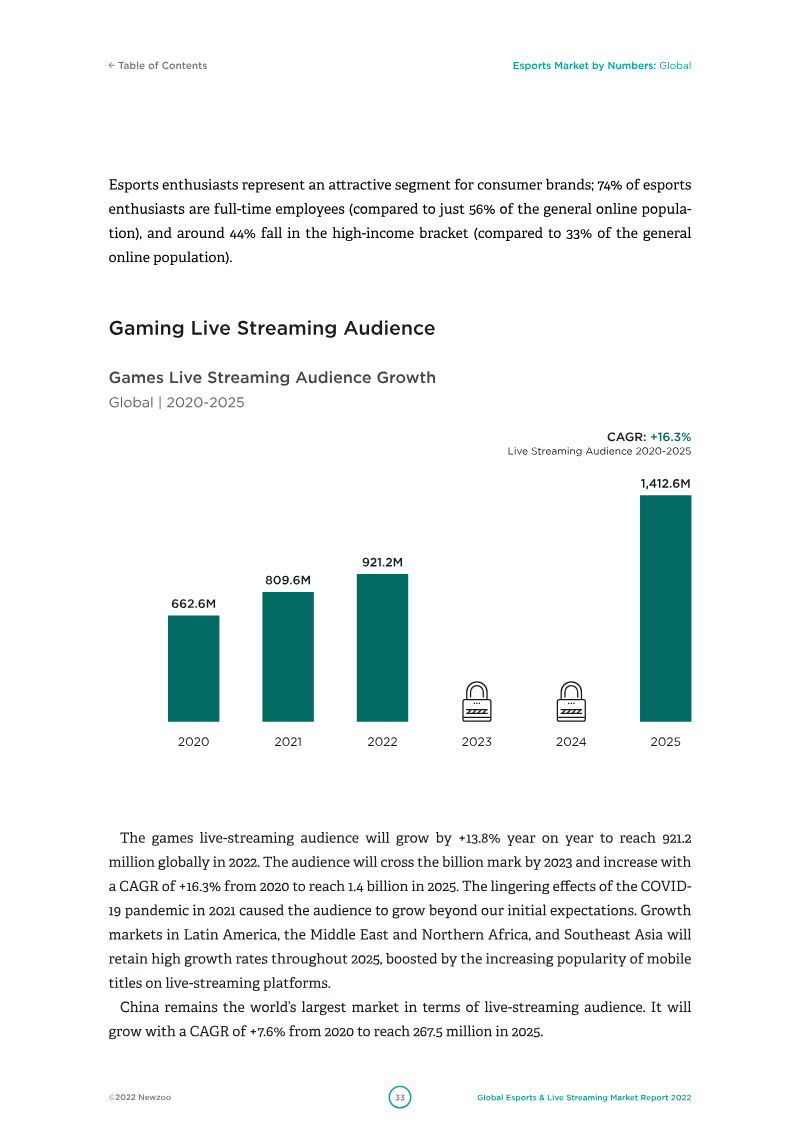
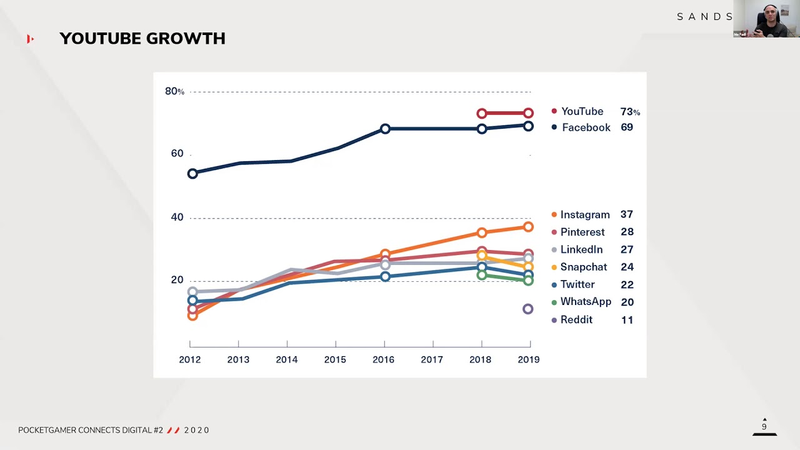
legends in particular but take a look deeper look at those other titles ones like minecraft fortnite roblox all have a mobile version as well for their game and then two of the other ones are league of legends and pub g pubg of course has pudgy mobile and later this year we're going to get league of legends mobile or wild rift so you really see all across the board how mobile is excelling on youtube as a platform and what is actually striking is is i discovered that over 70 percent of the watch time on youtube comes from mobile devices and so this was a situation where there was already a huge prevalence of mobile users on youtube that are now also being able to find content for the games that they play um so it's a very natural thing that youtube is starting to take off and particularly around mobile gaming the second is the growth rate i wanted to pinpoint a few examples of this just to put into perspective um pub g mobile of course is one of the more prominent mobile titles at the moment
um they actually are the most popular in 50 million daily active users which is remarkable and that actually excludes china there's a chinese version of the game called peacekeeper elite which was actually uh the highest grossing game period uh from a revenue perspective last month um but the pubg mobile specifically has 50 million daily active users um what this means though is for everybody else in the esports ecosystem you have this incredible growth ability and so i want to pinpoint one example for pubg mobile which was in india actually um a live event series called do arena which was uh they've been in existence for a few years in 2018 they ended up running events that engaged 70 000 participants which was i mean for all intents and purposes that's a pretty decent number seventy thousand um however last year when they added pubg mobile to the mix that skyrocketed to one and a half million participants across their events in do arena that's in india and pakistan um absolutely phenomenal to see that
type of growth another example is call of duty mobile which of course in the west is one of the largest titles a lot of excitement they just are in the midst of their uh esports championship this year that they announced what's remarkable about their growth rate in particular was that when they launched that title about seven months ago they ended up getting 100 million downloads in the first week it shattered records um and another interesting fact is that over 40 percent of their revenue is actually coming from the us market so while it's obvious that there are successful mobile esports titles in a lot of emerging markets india brazil call of duty mobile actually has penetrated the u.s market which is really exciting and i think we're getting a glimpse of the future of what's to come for the the primary western countries as well um and also free fire so i mentioned that they had 500 million downloads last year the number one most downloaded game um what's remarkable is just what that has become in the brazilian market
it has absolutely taken over everybody is playing this game on the streets celebrities are talking about it and interacting with the pro free fire players on social media um you have people like neymar who are you know a regular figure in the free fire scene um and it's absolutely incredible actually so they were the first stream to eclipse one million concurrent viewers on youtube um and they quickly followed that up a few months later with a stream that eclipsed two million concurrent viewers on a single stream it's absolutely remarkable what they're doing and gateway to esports this is something i touched on a little bit earlier this is from a report by nuzu where they segmented different categories of gamers in the industry and the largest one actually over 27 percent are what they consider the time filler which is the person that isn't necessarily a hardcore gamer but they love to game when they have spare time or at social events and mobile games are the go-to one and this is something i think is a bit underrated in the broader esports industry as far as what mobile
can offer which is actually to engage an entirely new segment that your platform or your title that you're involved in may not be able to engage and so mobile is a great uh tool in order to be used to bring esports into the mainstream by engaging this casual player base all right so what are some of the main challenges um this is something that i could really go on a lot about a mobile esports industry is very nuanced um but certainly one of them is the stigma so for whatever reasons uh people in the pc and console esports industries have this stigma against mobile gamers they don't really feel like they're real uh i don't personally understand that none of us in the mobile sports industry really understand it or care about it because we get what's going on here and we're just going to kind of keep doing us type of thing and if nobody else wants to enter and have success then hey that's more for us you know what i mean so um but there is certainly a stigma and i think it's a bit sad that some you know companies
have not entered because they just perceive mobile as a platform different than others so certainly missed opportunities there um lots of nuances that i can talk about uh one of the struggles is that when companies enter mobile esports as a category they don't always take the time to really learn the differences based on their prior experience in pc and console industries and i've seen a lot of things flop just because of very simple things even you know large-scale productions that have been delayed days um live events because someone forgot a cable so it really is incredible but this industry is incredibly nuanced every single game is different the reason why games are successful in each country around the world has been completely different i mentioned a couple in the past india was uh the quick growth of pubg mobile in india took place in large part because the network provider expanded coverage across the country very rapidly so for the first time all those people were unlocked uh free
fire was successful in brazil because of that game's capability to run on low-end devices so all of those people were unlocked and call of duty mobile in the u.s has been a wild success because of the call of duty brand and the ip so really no cookie cutter model for success in this industry and then the casual and competitive balance so this is what i personally consider to be the holy grail of the mobley sports industry which is how can you sustain a healthy industry uh ecosystem within your game for both the casual and competitive stakeholders um so any type of mobile game is going to be primarily held up by a casual player based on a casual viewer viewership um and that's just a requirement that's just you know where mobile gamers are right now is they are primarily casual or at least not hyper competitive um and so the game itself needs to be tuned to cater to them you need to make balances and game modes that engage that player base um and the publisher really makes decisions based on what their players want at the same time there needs to be a competitive ecosystem that develops and the
stakeholders in the industry need to have healthy competition there's got to be events there have to be winners so you have to make sure that also the esport is tuned in order for healthy competition and what has been the holy grail is the middle ground because there can be things that ha excuse me that happen that are made in service of the casual players but that sacrifice the competitive ecosystem i've seen that in a lot of different areas actually and then okay this is what i love to talk about which is the future of the mobile esports industry let me just hop into a few key examples so first of all in the short term it's really obvious that mobile is uh continuing to become a core part of a game developer's strategy so um obviously it used to be that you launch on a specific platform but we're seeing a lot more cross-platform capabilities uh you know built in from the very beginning um publishers just love how mobile allows people to engage with the game in a really natural way at any time and
especially with a title like fortnight which has done a great job at cross-platform play it's continuing along those those trends for sure so mobile is starting to become a core part of game development strategy another continuation of the trend from casual to competitive both from the games themselves and from the players um and then also we have a couple of mobile esports titles uh coming out in the near future particularly wild drift and apex legends mobile which i personally am really excited about and then the long-term future which is um a couple things that are really going to impact the mobility sports industry obviously rolling out 5g mobile technology so the ability to just have a lot more data coming in and out um it's going to be really exciting and then also the implementation of cloud gaming so what is going to happen once the processing itself is taken off of your local device well that means one one impact is that perhaps you're going to be able to have aaa games playable on your phone right
so you won't need to download 100 gigabytes worth of uh game you you'll actually be able to play that without even installing a title so um i think that's going to have massive implications for the mobile esports industry in particular um and the continuation of cultural penetration uh in gaming in general um that pc and console just can't do because it fits into your lifestyle in a really natural way um and and we've seen that in a lot of really key examples with free fire in brazil and even in china as well so um that's essentially it i wanted to make sure that i can breeze through a lot of these and get to the questions because i know that there are a lot of questions so uh thank you very much for having me wow thank you matt that was uh wow that's a lot in there i was trying to think of some questions and then just when i thought you'd go damn he's answered it again but yeah very good and um yeah that was packed that was basically the essential 101 of mobile esports where it's gone where it's going to so thank you so much for that that's uh it was really hard to leave stuff out
but i wanted to make sure i could get to as much as possible i know everybody watching this is busy so you clearly know your onions but these videos for this video everyone else will be available um for uh streaming and downloading afterwards so if you people missed it we'll get to it then um let's have a look let me have a look um you might have kind of covered this a bit but i'm going to try and not repeat too much ground oh there we go you mentioned esports this is a question from the floor you mentioned esports as a sleeping giant on mobile and in the west especially which is something i've kind of talked about as well it's huge in asia when do you think it will kind of wake up or take off what's what's the kind of catalyst there do you think that's a great question um i do hear that a lot as well what's really interesting is that mobile actually has already taken off in so many other regions um we talked about it being the primary platform in china in india and brazil but what really is it going to be that's going to allow it to take off in that same way to that same degree in the north american or european markets to be quite honest i think all of the other infrastructure is there you look there's a really healthy
sponsorship landscape for the mobile market there are already a lot of people that are playing mobile games i i really think this is it's as simple as a hit title needs to come along where the publisher also prioritizes esports and really leans into it um to the degree that they have in all these emerging markets and we haven't quite had that we've had a lot of hit mobile games and we've had a lot of uh successful mobile games but not like you know cultural penetration levels um where the publisher has done esports successfully so i think it's as simple as that wild drift is really what most of us in the mobile sports industry are waiting for and we think this is going to be the one um but at the same time a lot of people thought that about call of duty mobile and yet it took them six months to even mention and plan for esports so um you were talking about earlier about kind of clash of clans and you've been uh i mean i mean supercell tried to get ahead of the game really as they often do very good at that with these sports and sad these these huge looking tournaments i went to
the one in london of the world finals and it was it was incredible it was massively impressive at the time there'd be nothing like that in the west that i'd seen and it was just a huge show and um but yeah i mean i i guess that ties in another question like do you think some of the big publishers are still seeing this as more of a ua and engagement tool and uh than a thing in itself i mean maybe that's how the console publishers see it as well but is is that fair yeah i mean that's a that's a great question um i i do think what we've yet to see is a publisher come along and and really try to build out an ecosystem in esports to the same degree that we see it in league of legends in overwatch um so that is really what i'm hopeful for i do want to credit supercell they've done a phenomenal job with their games they're in a really unique position where their titles are very strongly casual for the average player and when i talk about all these nuances and you know things that come up i've learned a lot of that because of supercell's uh commitment to you know running crl and all these other premier
leagues for their games there's just a lot of complexity that comes along with that but they have done a great a great job to their own credit um i've got i've skipped something completely different you mentioned free fire from from garina we actually have green at a conference somewhere uh uh looking around the hiring at the moment who wants to work from um but that there someone said here garina is a listed company in singapore and they owned shopi which is amazon southeast asia before or similar by amazon jeff it's not your jeff bezos it's not yours i think um before but they did that before they chatted for gaming industry with free fire the question is do you think smaller studios kind of have a chance in esports or is that again we talk about supercell to mount garina is it harder for small studios to kind of play in this space yeah so it's interesting that that is used an example um i i was looking into this and there's not much information about it but free fire was actually made by a small studio in southeast asia i believe it's called i can't recall the name i saw it once it was like one two one
something um but but uh but yes so actually i've seen a lot of really successful uh mobile esports titles being you know put on by uh smaller studios and actually obviously with with so many robust game engines now um it's becoming very powerful uh with with a much smaller team another thing that's very unique to the mobile sports industry is that in general mobile publishers are much smaller than pc or console just as a whole and so they actually have to rely on a lot more third-party uh partners um so actually if you are a smaller company that is one advantage in the eco in the industry which is that you'll be able to come across a lot more fully equipped partners that you can rely on exactly on here earlier i know they do a lot on mobile as well i'm gonna i've i'm gonna say hello from from valley pekka veronine who's pronounced his name badly but he said he said hello but i'm also going to i'm just going to combine the last sort of two questions into one and i'll have to ask you into the digital ether but um there's a question here that that says
uh you touched on technology you talked about your phone incredible phone but you also said that you know enhanced phone technology and connected a better future and a kind of small separate question does it lag when you stream and play pubg on mobile at the same time so i guess that's tekken and fight in 5g really because 5g going to be a going to be really helpful for esports on mobile yeah and to your point about streaming i think that's exactly what's going to be unlocked as soon as 5g fully rolls out which is you're going to be able to have the data in order to play smoothly and stream at the same time and especially with you know the the way that mobile gamers consume and behave around these types of titles they love sharing so if streaming also can become a natural part of a mobile gamer's experience i just think that that is going to really uh cause a lot of streaming platforms to explode with the mobile games industry
as well cool on that note i'm going to have to sadly i'd love to get a chance to um i'm going to have to sadly send you into disney for now and thank you a virtual digital round of applause uh from from us we don't have we were thinking about putting uh canned applause on but we thought it might be like a 70s tv show so um but thank you for your time um feel free to chat with with matt in the discord or in the meet to match i'm sure he'd love to hear from you thank you very much matt rutledge absolutely thank you so much i'll just say feel free to reach out to me on twitter i'm at the mobilemat and you can also reach me by email at matt mobileesportslab.com fantastic good stuff you
Summary
Mobile esports represents a significant, under-leveraged sector within the broader gaming industry, characterized by high accessibility and deep social integration. Despite its status as a sleeping giant in Western markets, the sector has achieved massive success in regions like Brazil, India, and Southeast Asia. The primary thesis is that mobile gaming’s unique strengths—specifically its inherent mobility, low barrier to entry, and ability to fit seamlessly into daily life—position it to capture a massive, untapped audience that traditional PC and console platforms cannot reach.
Key findings highlight that mobile gaming is no longer strictly a casual endeavor; competitive titles like PUBG Mobile, Call of Duty: Mobile, and Free Fire have demonstrated immense growth, with some titles reaching hundreds of millions of downloads and millions of daily active users. Data indicates that mobile devices account for over 70% of YouTube’s gaming watch time, underscoring a strong synergy between mobile play and content consumption. Furthermore, the industry is evolving through hardware advancements, such as 144Hz refresh rates and active cooling, alongside software optimizations that allow high-quality experiences to run on low-end devices.
The industry faces specific challenges, including a persistent stigma from the PC and console sectors and the difficulty of balancing casual player engagement with competitive integrity. Success in this space requires a nuanced approach, as there is no universal model for growth; strategies must be tailored to regional infrastructure and specific title mechanics. Looking forward, the integration of 5G technology and cloud gaming is expected to further dissolve hardware limitations, enabling AAA-quality experiences on mobile devices. The short-term outlook remains focused on cross-platform development and the entry of major competitive titles, while long-term growth will likely be driven by deeper cultural penetration and the normalization of mobile-first streaming.

















Comments