MMORPG reports and market data
Documents
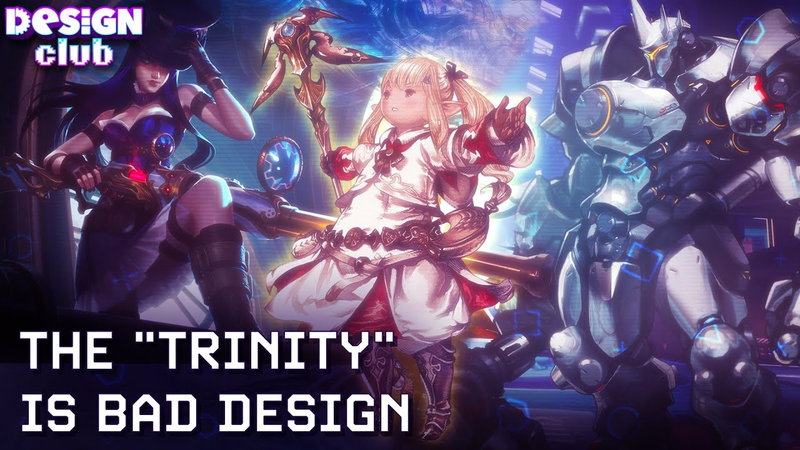
The Archetype Trap | Design Club
The traditional Holy Trinity of tank, healer, and damage dealer (DPS) serves as a pervasive, yet increasingly contentious, framework in modern game design.
- The 'Holy Trinity' of Tank, Healer, and DPS is a design shorthand used to simplify party management and matchmaking in large-scale games like Final Fantasy 14 and Warhammer Online, rather than a fundamental requirement of game design.
- Strict adherence to archetypes can lead to poor gameplay if developers prioritize these roles over the actual needs and mechanics of the game they are building.
- Game archetypes are often fluid; for example, modern tanking roles frequently incorporate crowd control to manage player-controlled opponents, whereas traditional aggro tables are primarily designed for NPCs.
Discord Data Breach, Warcraft Goes Aggro on Mods & Where Can you Buy an Xbox? | Games For Breakfast
The modern gaming industry is currently defined by a tension between aggressive monetization strategies and the practical realities of consumer behavior.
- World of Warcraft is restricting third-party add-ons in the upcoming 'Midnight' expansion, aiming to end a long-standing 'silent arms race' of UI customization while retaining specific accessibility hooks like text-to-speech.
- Discord is facing a data breach, prompting industry criticism regarding the storage of age-verification data and calls for more secure, ephemeral verification methods.
- The game 'Mind's Eye' has struggled commercially, holding only a 39% positive rating on Steam after 2,206 reviews, highlighting broader publisher-side issues in game development and marketing.
Build an Online Game In a Simple Database
SpacetimeDB functions as a cloud-native relational database designed to serve as an operating system for real-time multiplayer games.
- SpacetimeDB is a real-time relational database that integrates directly into a program's memory, eliminating the need for network serialization and deserialization between the application and the database.
- The architecture allows game clients to act as read replicas of the server's state, enabling developers to build admin tools, AI agents, or third-party integrations without writing additional server-side code.
- By executing code in a transactional context directly alongside the data, the system simplifies infrastructure and reduces latency compared to traditional client-server models.

From MMOs to Web3: James Hursthouse on What’s Next in Gaming
The gaming industry is undergoing a fundamental transition from passive consumption toward a model of co-ownership, where players function as active stakeholders in the intellectual property they engage with.
- Mobile gaming currently dominates the industry, accounting for 51 percent of the total market and serving as the primary driver of consumer spending.
- The industry is shifting from a passive consumption model toward player co-ownership, utilizing Web3 frameworks like smart contracts and tokenization to grant fans equity and royalty streams.
- Technological convergence, including cloud-based access and AI-driven user-generated content, is dismantling traditional industry silos and allowing smaller development teams to compete with established gatekeepers.
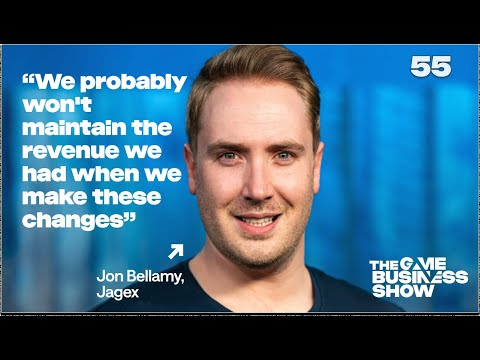
Jagex prepared to take financial hit to save RuneScape
Jagex is currently undergoing a strategic pivot to prioritize the long-term health and integrity of the RuneScape franchise over short-term revenue gains.
- Jagex is prioritizing the long-term sustainability of the RuneScape franchise over short-term revenue by re-evaluating and potentially reducing microtransactions in RuneScape 3.
- The company has abandoned third-party publishing and large-scale acquisitions to focus exclusively on its core MMO portfolio: RuneScape, Old School RuneScape, and RuneScape: Dragonwilds.
- Old School RuneScape maintains its market position through a democratic development model that requires a 70% player approval rating for all content updates.
Game Dev Recap: Should You Make an MMO?
Developing a Massively Multiplayer Online (MMO) game as an independent developer is a high-risk, high-reward endeavor that requires a fundamental shift in design philosophy.
- MMOs offer a path to consistent, predictable cash flow that breaks the cycle of constant funding rounds, as evidenced by CipSoft’s 'Tibia,' which has been operating since 1997 and currently generates $25 million in revenue with $10 million in profit.
- Persistent worlds are more resilient than session-based multiplayer games because they do not suffer from a 'death spiral' when player counts drop; the game remains playable for individuals even with a smaller active population.
- Developing an MMO requires a 'funnel-based' design mindset, where developers continuously test and optimize user acquisition, retention, and progression metrics—often through early advertising—long before the game is fully released.
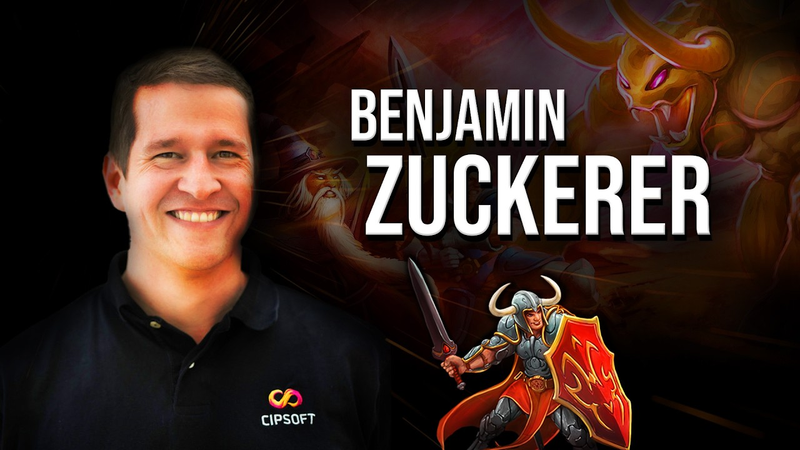
Make An Online Game That Lasts 30 Years
The longevity of online gaming services depends on a disciplined transition from hobbyist development to professional business operations, prioritizing long-term sustainability over short-term gains.
- Online service games offer superior long-term revenue stability compared to single-player titles, which typically experience a sharp decline in sales after the initial launch week.
- The free-to-play model allows developers to capture a wider range of player value by enabling high-engagement users to spend more than a fixed purchase price while still allowing lower-budget players to participate.
- Rigorous stage-gate processes, which require ideas to be evaluated and validated against defined criteria before proceeding, are essential to avoid wasting resources on features that lack player appeal.
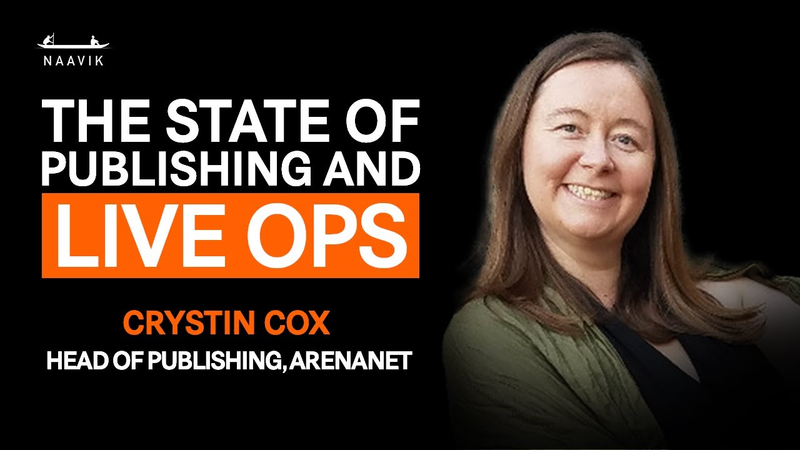
The State of Publishing and Live Ops
The video game industry has undergone a fundamental transformation over the past two decades, shifting from the production of static, boxed products to the maintenance of persistent, social virtual worlds.
- Effective live operations require high-level flexibility, such as the ability to deploy events via web-based tools rather than relying on pre-baked code updates that require months of lead time.
- The industry has shifted from the short-term mobile strategy of aggressively monetizing high-spenders and churning the rest, toward a model focused on long-term player retention and sustainable community relationships.
- Publishing is primarily a function of capital allocation, where publishers act as financiers for developers who cannot self-fund, necessitating a strategic alignment between the developer's growth goals and the publisher's investment thesis.
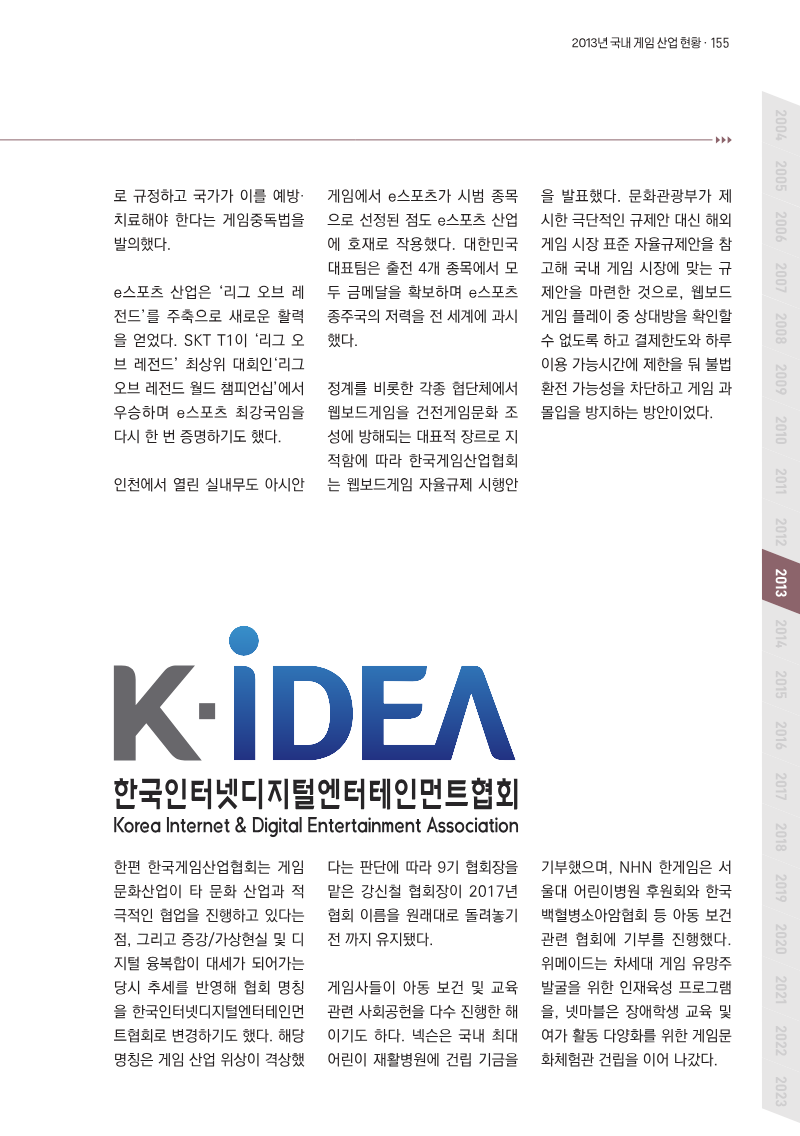
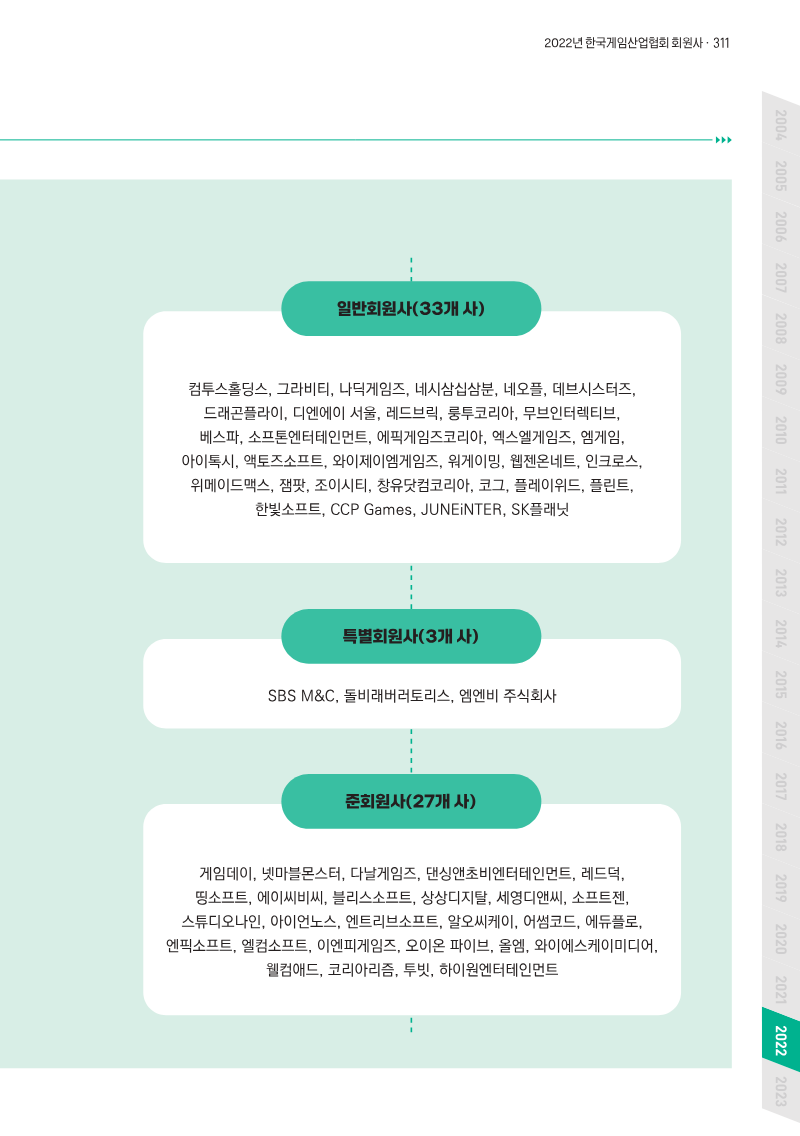

20 Years of the Korean Game Industry
The South Korean game industry has undergone a transformative evolution over the past two decades, growing approximately fivefold to reach a market valuation of 20 trillion KRW by 2023.
- The South Korean game industry grew fivefold over the last two decades, reaching a total market valuation of 20 trillion KRW by 2023.
- Mobile gaming became the industry's primary growth engine in 2017, officially surpassing PC-online revenue.
- The sector successfully pivoted from a niche PC-online focus to a multi-platform ecosystem, recently diversifying into console and subculture genres with international hits like 'P의 거짓' (Lies of P) and 'Dave the Diver'.
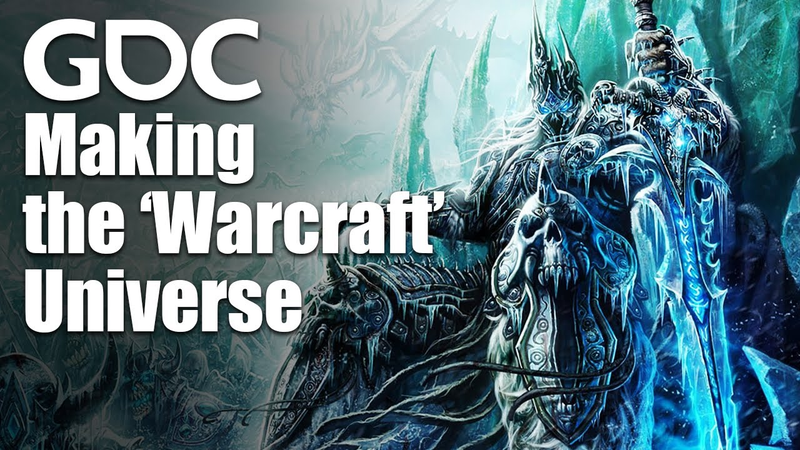
The First 30 Years of 'Warcraft': The Making of a Game Universe
The Warcraft franchise has maintained its status as a cornerstone of the gaming industry for three decades by evolving from a foundational real-time strategy series into a multifaceted, global fantasy ecosystem.
- Blizzard transitioned from being a game developer to a community steward after realizing that the success of BlizzCon was driven by players gathering for each other rather than just for the developers.
- The Warcraft 3 modding community created the Defense of the Ancients (DOTA) mod, which effectively launched the MOBA and Tower Defense genres, demonstrating the power of robust in-game creation tools.
- World of Warcraft achieved record-high subscriber retention during the end of an expansion cycle by adopting mobile-style live service disciplines, such as data-informed content updates and frequent player feedback loops.

Inside NCSoft: Strategy, Partnerships, and Korean Gaming Trends
NCSoft’s strategic evolution reflects a broader transition within the Korean gaming industry, moving from rigid, subscription-based PC models toward diversified, globalized revenue streams.
- NCSoft shifted its business model starting around 2008, moving away from rigid subscription-based PC gaming toward diversified revenue streams driven by microtransactions and mobile platforms.
- The company’s internal transformation required integrating data science and artificial intelligence to refine player engagement and support large-scale international expansion.
- The Korean gaming market leverages high-density infrastructure and a history of PC-cafe culture to act as a primary testing ground for global-scale mobile and technological innovations.
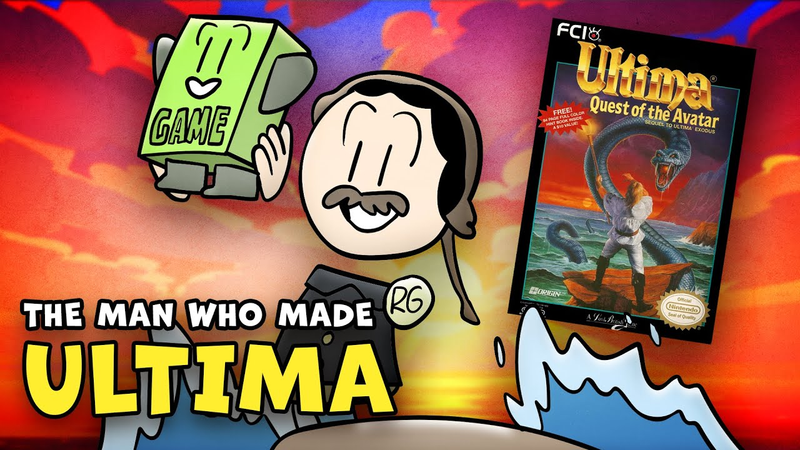
The Man Who Made Ultima: Lord British | Extra Credits Gaming
Richard Garriott, widely known by his persona Lord British, stands as a foundational figure in the evolution of computer role-playing games (CRPGs) and massively multiplayer online games (MMOs).
- Richard Garriott, known as 'Lord British,' pioneered the RPG genre with the Ultima series, which introduced the concept of the 'avatar' and shifted industry standards toward complex morality systems with 1985's Ultima IV: Quest of the Avatar.
- Garriott founded Origin Systems, which was acquired by Electronic Arts in 1992 for $30 million in stock and later produced the groundbreaking 1997 title Ultima Online, one of the first successful graphical MMOs to utilize a recurring subscription model.
- The commercial success of Ultima Online led to internal conflict at EA, where the company's mandate to pivot toward multiple simultaneous MMO projects resulted in the cancellation of other titles and the eventual stagnation of Origin Systems.