1 free read left. Create a free account for unlimited reading + AI research.
Create free accountReport K-GAMES – Korea Association of Game Industry
1 free read left. Create a free account for unlimited reading + AI research.
Create free accountReportK-GAMES – Korea Association of Game Industry
Over the last two decades, the industry experienced approximately fivefold growth.
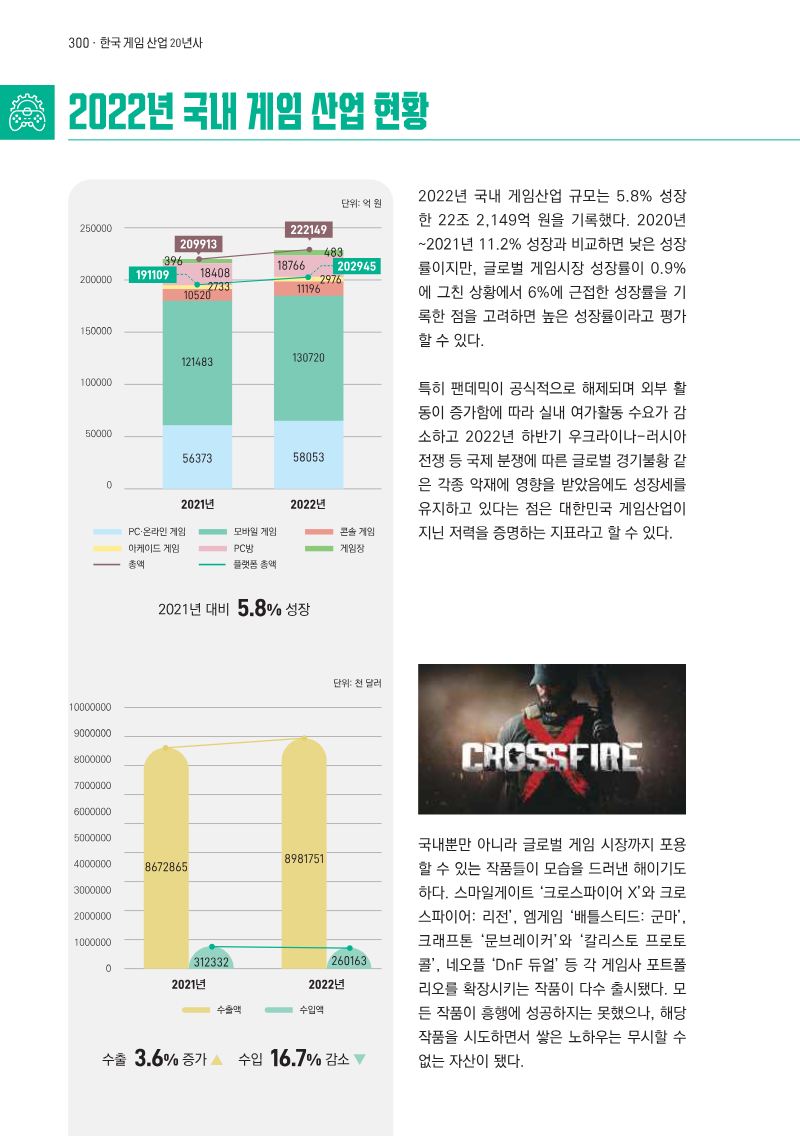
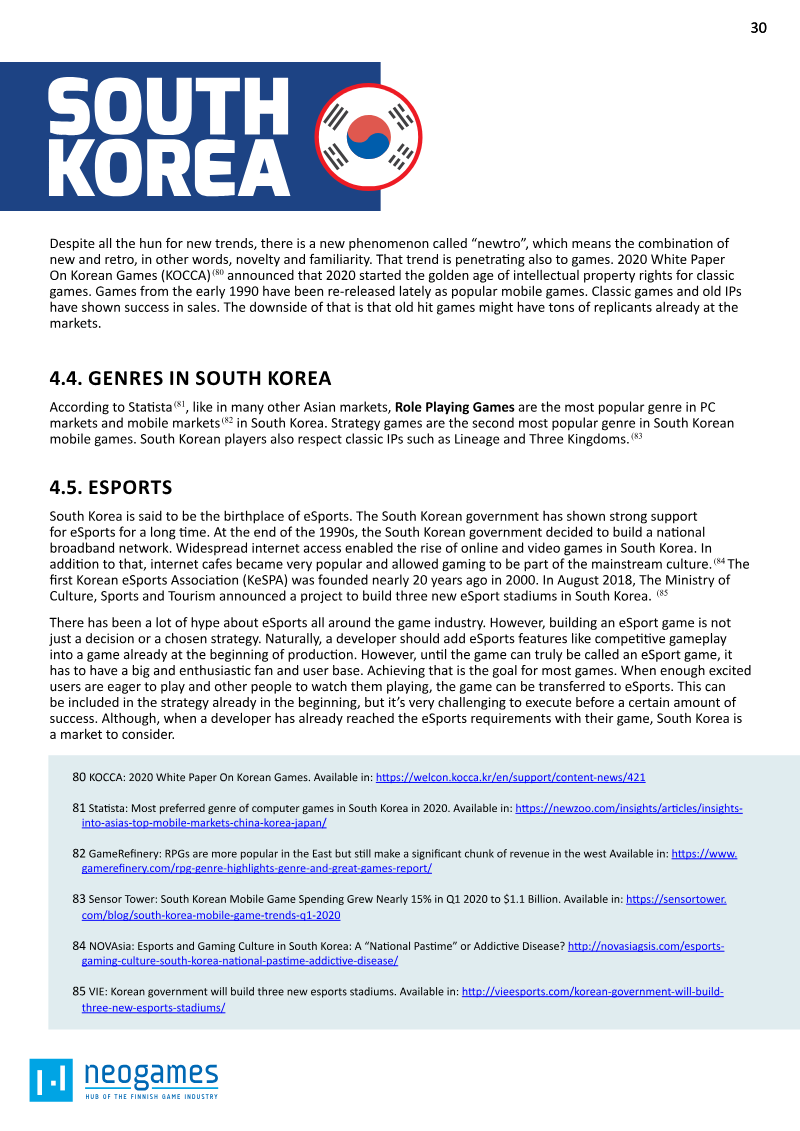
The South Korean game industry has undergone a transformative evolution over the past two decades, growing approximately fivefold to reach a market valuation of 20 trillion KRW by 2023. This period marks the industry's transition from a niche PC-online sector to a sophisticated, multi-platform ecosystem encompassing mobile, console, and e-sports. The industry’s trajectory reflects a complex interplay between rapid technological innovation, such as the rise of smartphones and high-performance gaming, and a challenging regulatory landscape characterized by debates over the mandatory youth shutdown system, loot box transparency, and the classification of gaming disorder.
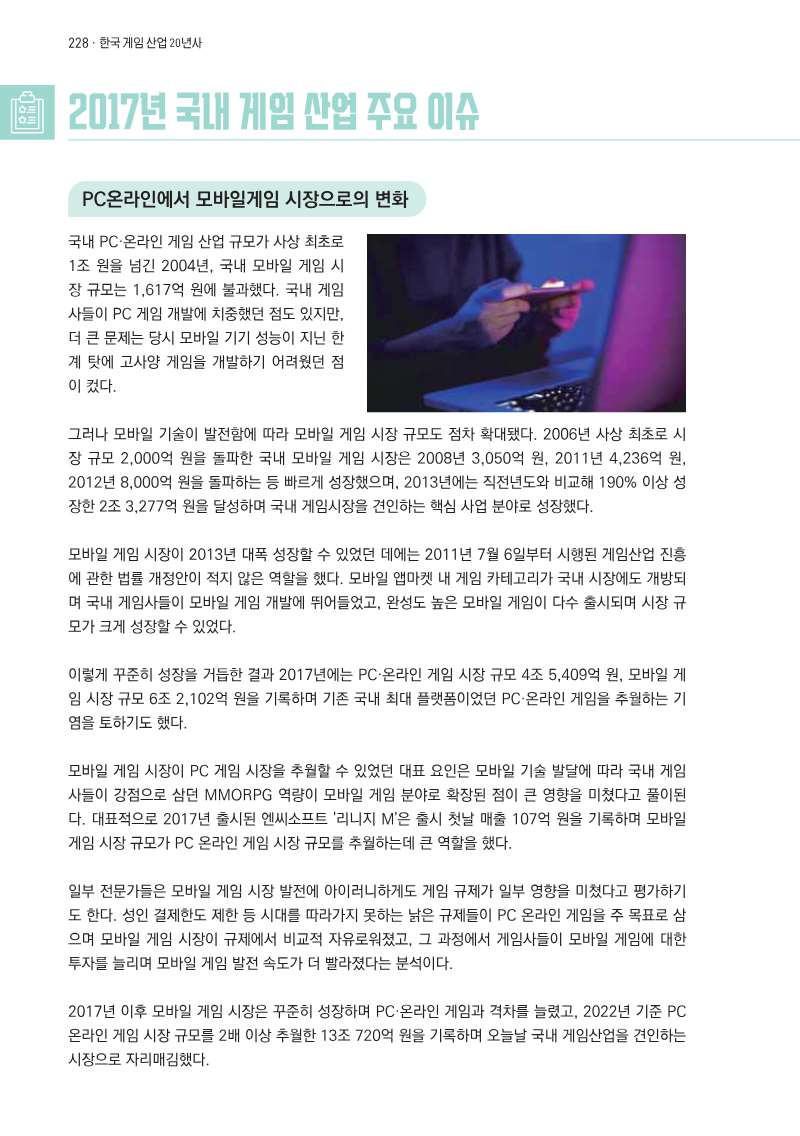
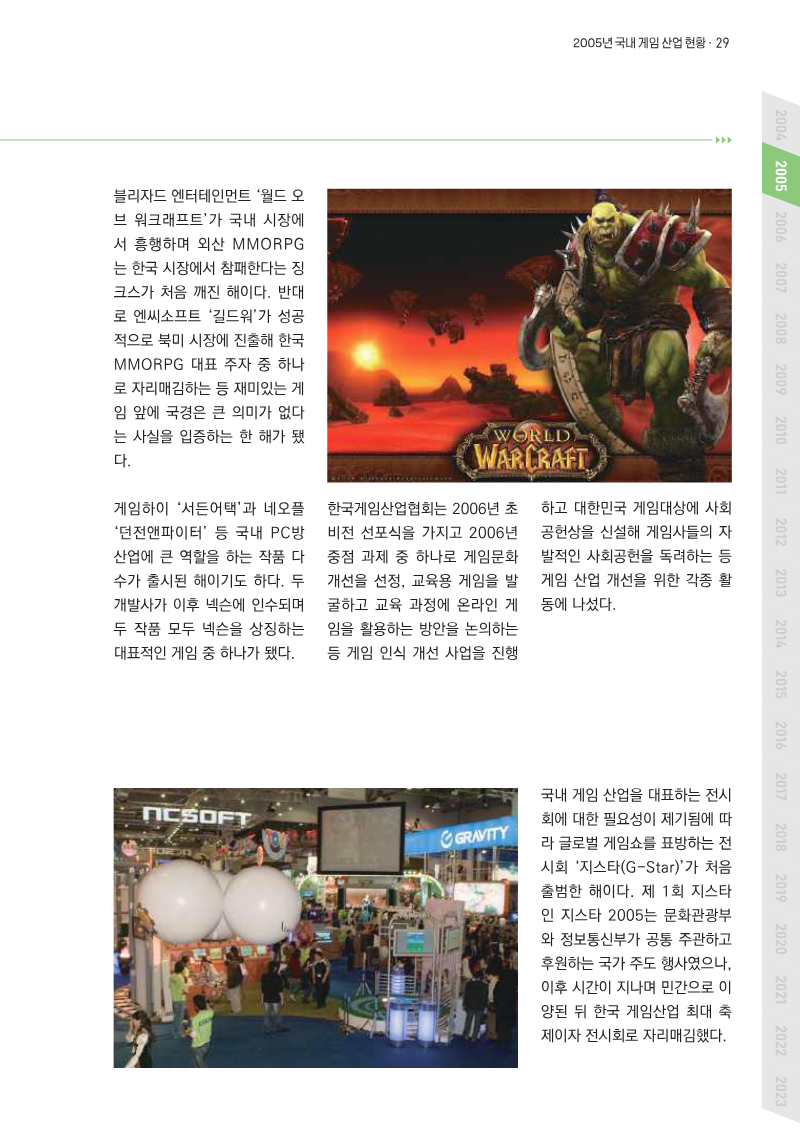
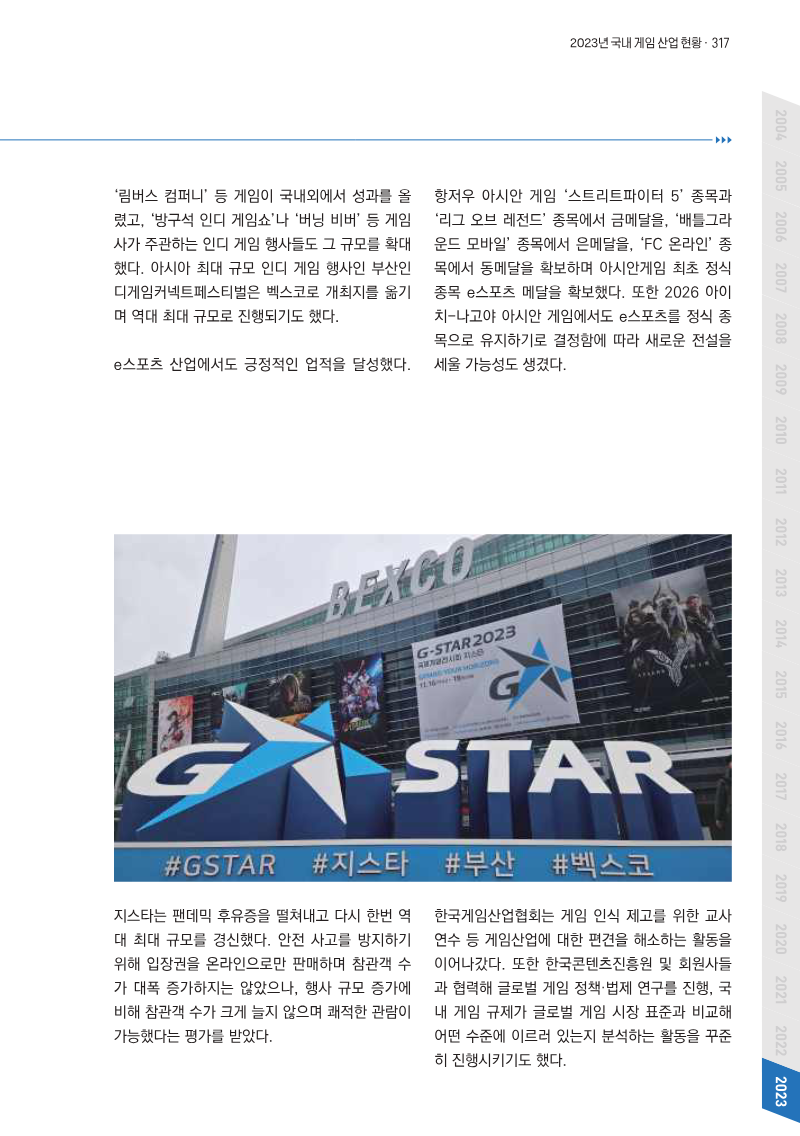
Key milestones define this growth, including the 2005 establishment of the G-STAR exhibition, which evolved into a premier international business and consumer platform, and the emergence of global hits like Dungeon & Fighter, PUBG, and Lost Ark. The industry successfully navigated significant crises, such as the 2006 arcade market collapse, by pivoting toward online and mobile dominance. By 2017, mobile gaming surpassed PC-online revenue, cementing its role as the primary engine of industry growth. Recent years have seen a strategic diversification into console and subculture genres, exemplified by the international success of titles like P의 거짓 and Dave the Diver, alongside the formal recognition of games as cultural and artistic assets.
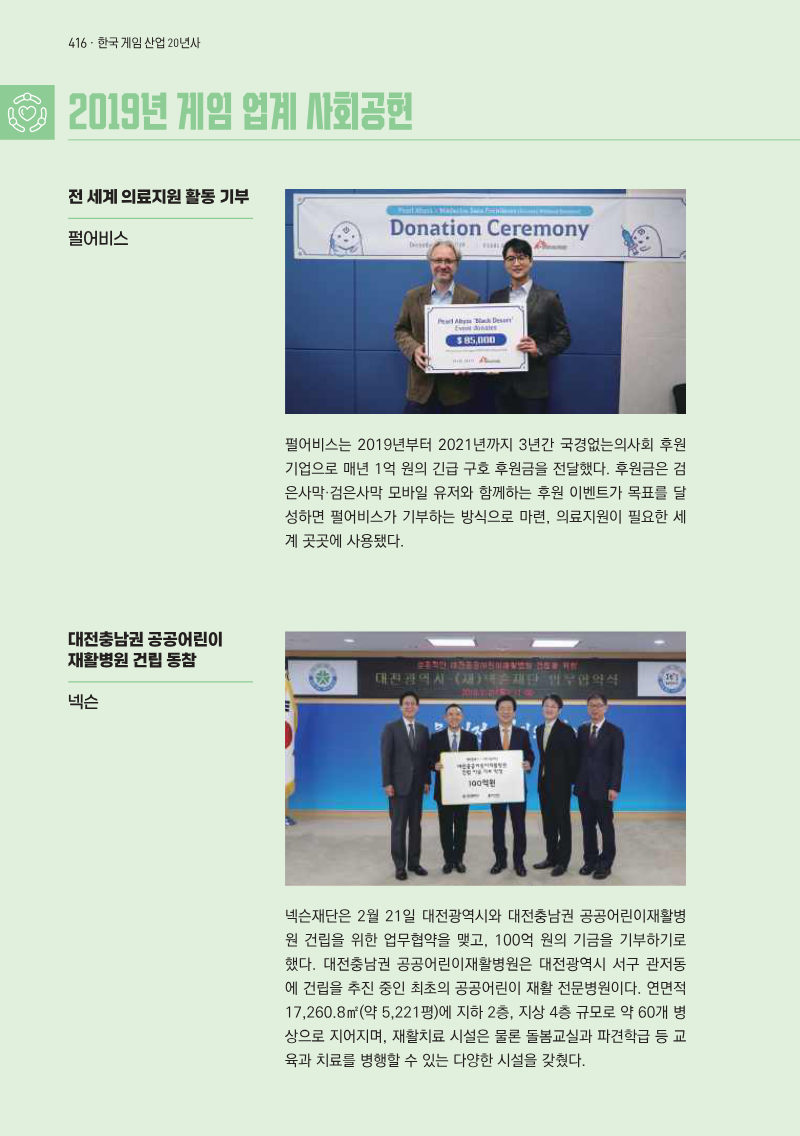
Beyond commercial success, the industry has consistently prioritized corporate social responsibility and sustainable growth. Major gaming firms have institutionalized social contributions through long-term projects, including the construction of children’s rehabilitation hospitals, cultural heritage preservation, and disability support initiatives. Through the adoption of self-regulatory guidelines for probability-based items and the professionalization of e-sports—culminating in its inclusion in the Asian Games—the sector has worked to improve public perception and foster a healthier gaming culture. Today, the Korean game industry stands as a mature, globally competitive force, balancing technological advancement with a commitment to ethical management and social value creation.
Korea Creative Content Agency · 2025
K-GAMES – Korea Association of Game Industry · 2024

K-GAMES – Korea Association of Game Industry · 2024

K-GAMES – Korea Association of Game Industry · 2024
Korea Creative Content Agency · 2024


K-GAMES – Korea Association of Game Industry · 2024
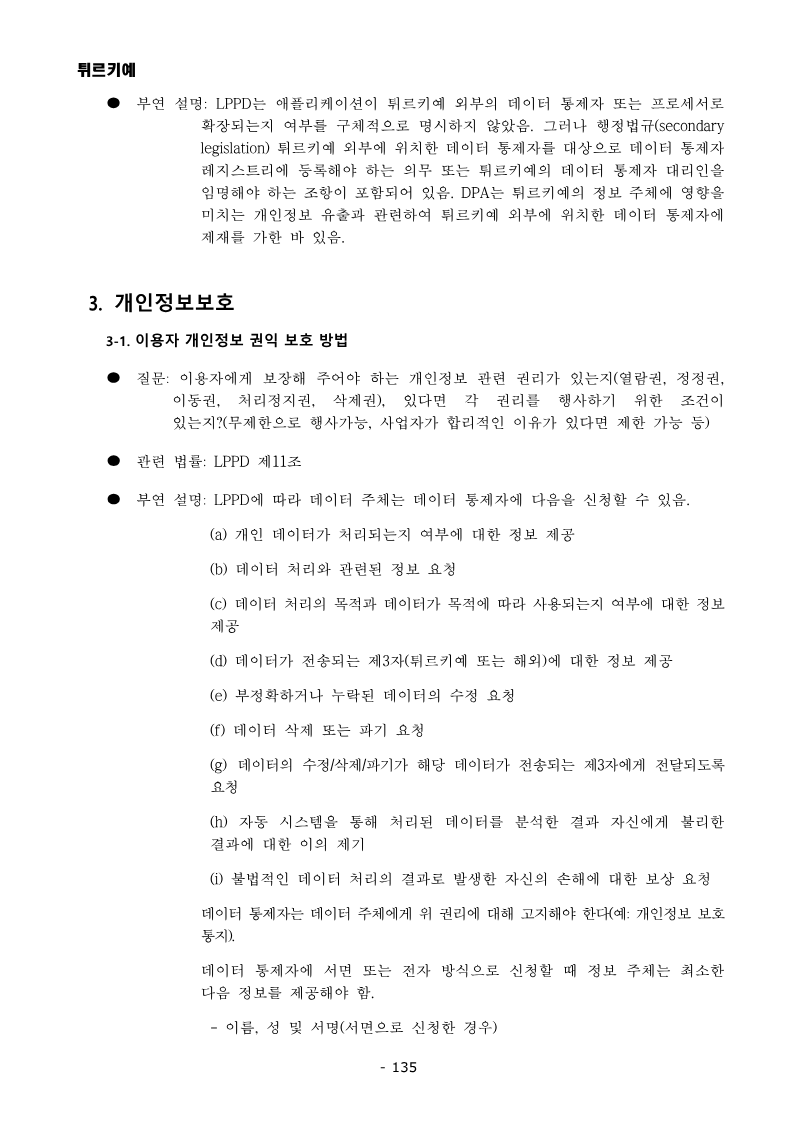
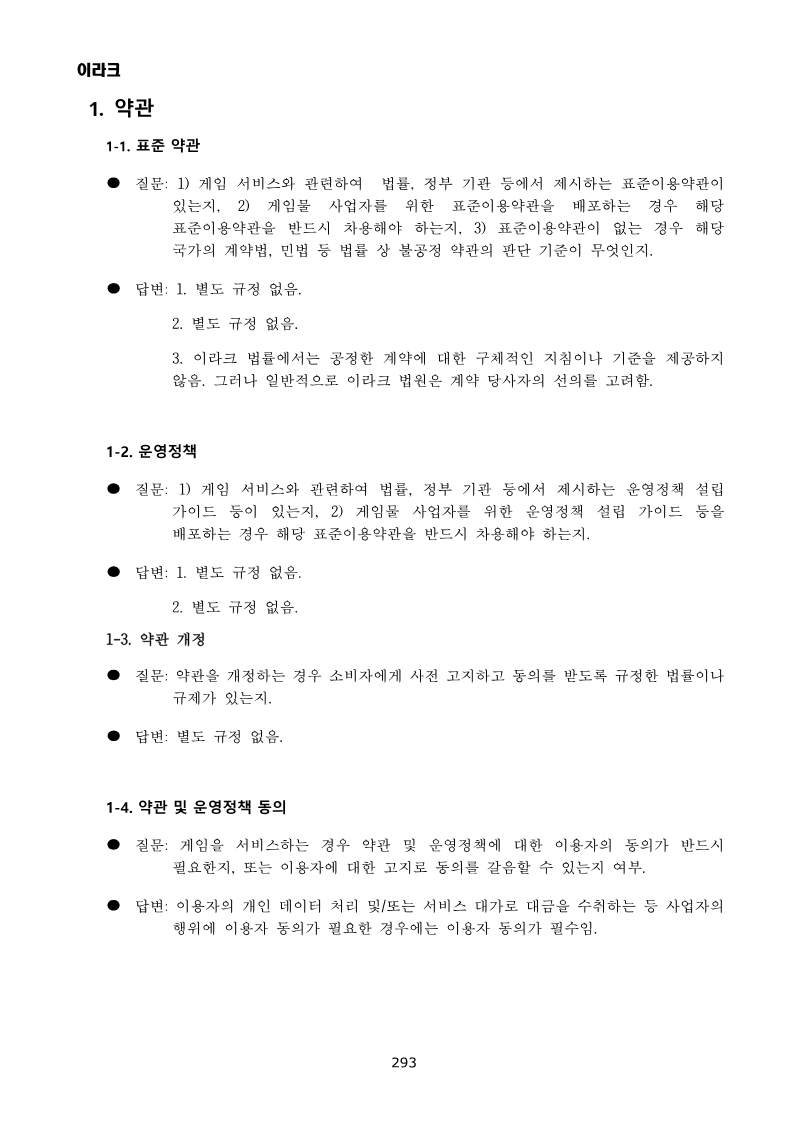
Korea Creative Content Agency · 2023
K-GAMES – Korea Association of Game Industry · 2022
Naavik · 2025