MMORPG reports and market data
Documents
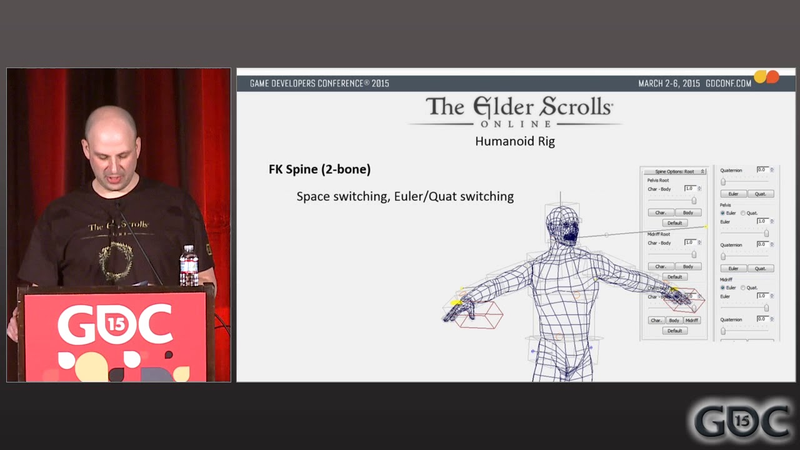
Tech Art in Tamriel: The Elder Scrolls Online's Character Tools and Pipeline
The development of The Elder Scrolls Online required a sophisticated, data-driven technical art pipeline to manage the massive scale of its character assets.
- The Elder Scrolls Online utilized a modular, XML-based rigging system in 3ds Max to manage character assets across ten playable races and ninety unique monster rigs.
- To meet DirectX 9 performance constraints, the team enforced a standardized humanoid rig limited to 77 bones, enabling automated asset creation and procedural animation for elements like robes and tails.
- A data-centric architecture allowed for the management of thousands of armor and character combinations while enabling tool updates across the network without requiring software restarts.
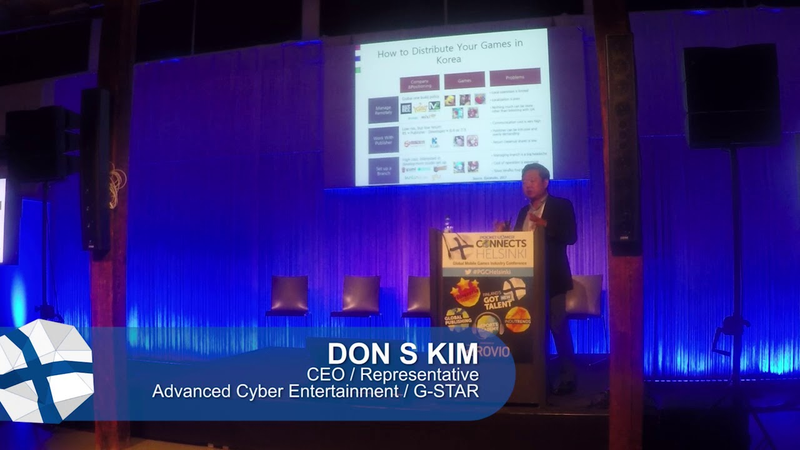
G-Star and the South Korean games market
The South Korean gaming market stands as a significant global player, currently valued at approximately $10 billion, with mobile gaming accounting for roughly 36% of the total sector.
- The South Korean gaming market is valued at approximately $10 billion, with online PC games holding a 46% market share and mobile gaming accounting for 36%.
- The mobile landscape is heavily Android-centric, with Google Play capturing 60% of all downloads, making a mobile-first development strategy essential for market entry.
- RPGs are the dominant genre, representing over half of the top 48 games and characterized by high player engagement and integrated automated gameplay features.
Intelligent Music For Eve Online
The integration of an intelligent, procedural music system into the sandbox environment of EVE Online addresses the inherent limitations of static, pre-composed audio.
- CCP Games integrated the CALMUS AI system, developed by Kjartan Olafsson over 20 years, to generate real-time, non-repeating orchestral music for the vast, 77,000+ solar system environment of EVE Online.
- The CALMUS system utilizes artificial intelligence to compose music based on defined composer frameworks, allowing for the creation of specific textures and styles rather than relying on static, pre-recorded audio files.
- The system operates by comparing new pitch and melody constructions against input cells, using probability distributions and set theory to ensure the generated music adheres to the intended harmonic and rhythmic structure.
Project Discovery: Lessons From Scientific Research in EVE Online
Project Discovery serves as a pioneering model for integrating citizen science into the AAA gaming landscape, specifically within the massive multiplayer online game EVE Online.
- Project Discovery, a collaboration between CCP Games and MMOS, successfully integrated citizen science into EVE Online, resulting in over 25 million protein location classifications by players.
- The project utilizes a consensus-based validation system where each data sample requires between 15 and 50 independent player submissions to ensure scientific accuracy.
- Scientific outcomes from the initiative include the identification of approximately 100 new protein candidates related to 'rods and rings' structures, which were subsequently published by researchers.
Still Logged In: What AR and VR Can Learn from MMOs
The development of virtual and augmented reality platforms represents a fundamental shift from hardware-centric design to the creation of complex, persistent social societies.
- AR and VR platforms must transition from hardware-centric development to prioritizing server-side social infrastructure and behavioral systems to ensure long-term viability.
- Developers should treat every game mechanic as a potential vector for abuse, requiring the implementation of granular permission controls, persistent identity systems, and administrative logging.
- Fostering personal investment through established digital identities is a primary strategy for discouraging griefing and promoting positive social interaction within virtual environments.
The Benefits and Challenges of Supporting Third-Party Developers in Eve Online
CCP Games maintains a highly successful third-party developer ecosystem for Eve Online by providing open access to static data, image servers, and web APIs.
- CCP Games offloads the development of niche, complex utilities—such as financial tracking and asset management—to the player base to preserve internal resources for core game development.
- The studio maintains control over the third-party ecosystem by retaining the authority to modify or revoke APIs that threaten game balance or facilitate market automation.
- Community-built tools like killboards serve as critical intelligence and marketing assets, often acting as prototypes for future official client features.
MMO Economies - Hyperinflation, Reserve Currencies & You! - Extra Credits
Massively Multiplayer Online (MMO) games frequently struggle with hyperinflation because their core gameplay loops involve the constant, infinite generation of in-game currency through monster drops and loot sales.
- MMO economies suffer from hyperinflation because core gameplay loops generate infinite currency through monster drops and loot sales without a central regulatory authority.
- Unchecked currency devaluation forces players to abandon official game gold in favor of more stable, player-determined commodities like rare items or shards.
- Traditional money sinks—such as auction house taxes, fees, and vendor-only consumables—frequently fail because they cannot keep pace with the volume of currency generated by player grinding.

Legacy Play - Thoughts on the Vanilla WoW Server - Extra Credits
The tension between developer control over live-service software and consumer desires for historical preservation is a central conflict in the modern gaming industry.
- The conflict between developer control and historical preservation arises because live-service updates effectively overwrite original versions of games, rendering them inaccessible to consumers.
- Developers prioritize a single, current build to streamline customer support, ensure security, and maintain a unified community, while avoiding the technical burden of managing fragmented codebases.
- High engagement on unofficial legacy servers indicates a significant, untapped market demand for official, developer-sanctioned classic experiences.

FTUE: Tome of the Sun
Tome of the Sun, an MMORPG developed by NetEase, exemplifies the design conventions prevalent in the Chinese mobile gaming market.
- NetEase’s Tome of the Sun utilizes a high-density UI and automated gameplay mechanics, including auto-attack and guided movement, to cater to mobile player demand for efficiency.
- The game architecture prioritizes long-term retention through traditional MMORPG loops, specifically focusing on character leveling, equipment upgrades, pet systems, and competitive PvP modes.
- The onboarding process rapidly transitions players from high-intensity boss combat into a central hub that serves as the primary nexus for social interaction, inventory management, and monetization.
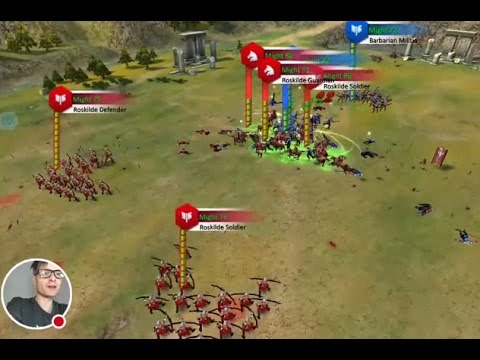
FTUE: Clash of Gods
Clash of Gods serves as a Westernized adaptation of the Chinese mobile title Papa Three Kingdoms.
- Clash of Gods is a Westernized adaptation of the Chinese mobile title Papa Three Kingdoms, replacing original aesthetic themes with Western and Egyptian mythology to target global markets.
- The game’s FTUE suffers from significant friction, including a confusing tutorial and an initial battle that results in an unexpected defeat for new players.
- The core gameplay mechanics—featuring card-based systems, complex formation management, and automated combat—are rooted in hardcore Chinese design philosophies that conflict with Western preferences for intuitive, streamlined onboarding.
Balancing an MMO Ecosystem - Getting a Mix of Player Types - Extra Credits
Maintaining a healthy ecosystem in massive multiplayer online games requires a strategic balance between four distinct player types: achievers, explorers, socializers, and killers.
- Long-term MMO sustainability depends on maintaining a balanced ecosystem of four distinct player types: achievers, explorers, socializers, and killers.
- Player types exist in an interdependent feedback loop where the dominance of one group often leads to content stagnation, new player alienation, or total population collapse.
- Achievers focus on progression and mastery, making them primary targets for killers, which creates a tension that can drive achievers out of the game if not properly managed.
Advanced Social Curve Design - Empowering the Community - Extra Credits
Effective social curve design in multiplayer games relies on treating social interaction as a core gameplay challenge rather than a secondary feature.
- Designers should treat social interaction as a core gameplay challenge, requiring players to solve problems through coordination rather than just mechanical skill.
- Social progression should follow a structured curve, starting with simple group objectives and advancing toward complex leadership and organizational roles.
- As players reach the endgame, social prestige—such as titles, leaderboard status, and visible gear—becomes a more effective motivator than minor statistical upgrades.