Market Analysis reports and market data
Documents
Game Developer Index: Sweden 2011
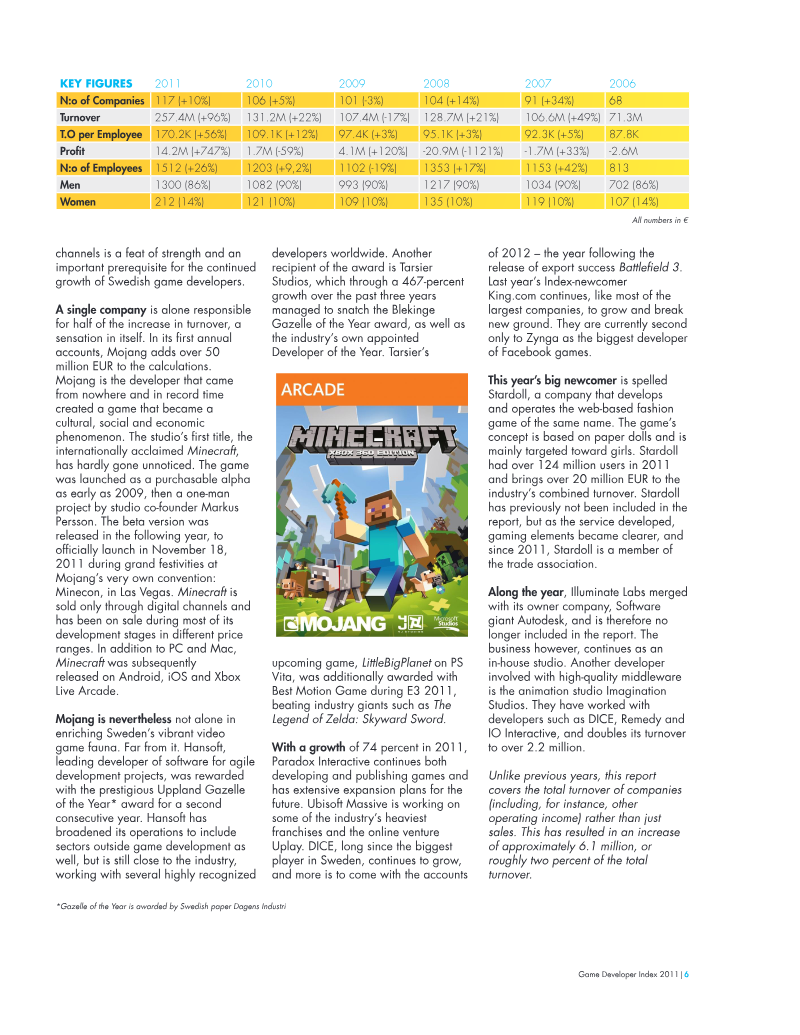
The Swedish game industry reached a pivotal milestone in 2011, characterized by record-breaking financial performance and a fundamental transition in business models.
- The Swedish game industry reached a turnover of 257 million EUR in 2011, reflecting a nearly 30 percent compound annual growth rate over the previous five years.
- The workforce grew by 26 percent to 1,512 employees across 257 active companies, anchored by major players like DICE and Mojang.
- Market concentration remains high, with the five largest firms generating 60 percent of the industry's total turnover.
Observatorio de Piratería y Hábitos de Consumo de Contenidos Digitales: Primer Semestre de 2011
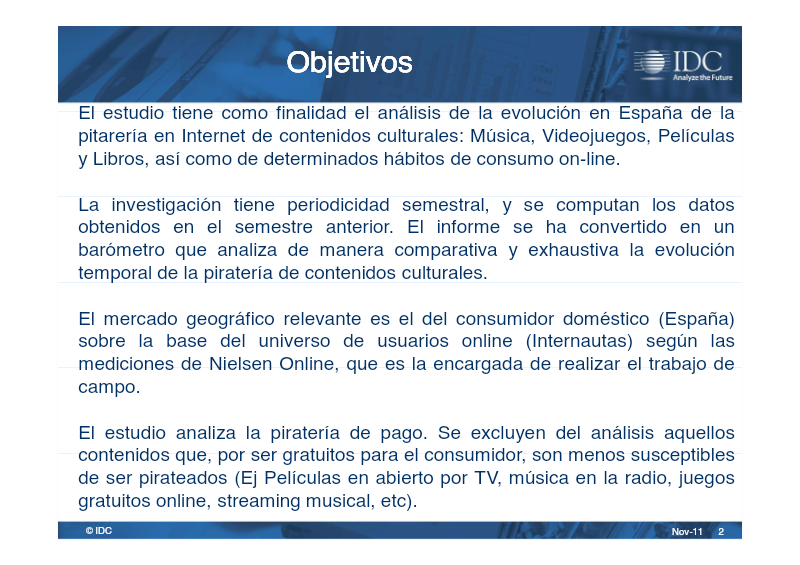
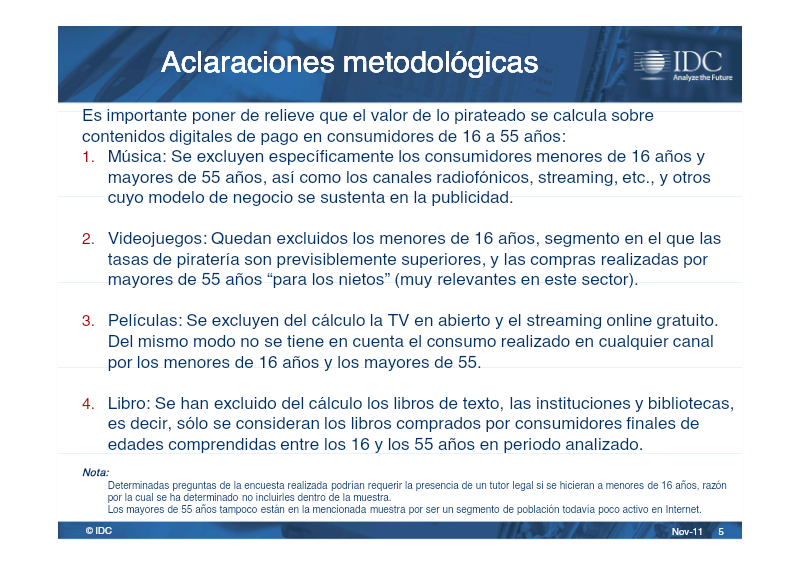
The study evaluates the evolution of online piracy of paid cultural digital content in Spain, focusing on music, video games, films and books during the first half of 2011 and comparing the results with the same period in 2010.
- In the first half of 2011, the value of pirated digital content in Spain reached €5.229 billion, which is nearly four times the size of the €1.538 billion legal market.
- The weighted average piracy rate for digital content in Spain rose to 77.3% during the first half of 2011, representing a 0.4% year-on-year increase.
- Music piracy accounted for the largest share of losses at €2.746 billion, followed by films at €1.402 billion, books at €0.793 billion, and video games at €0.288 billion.
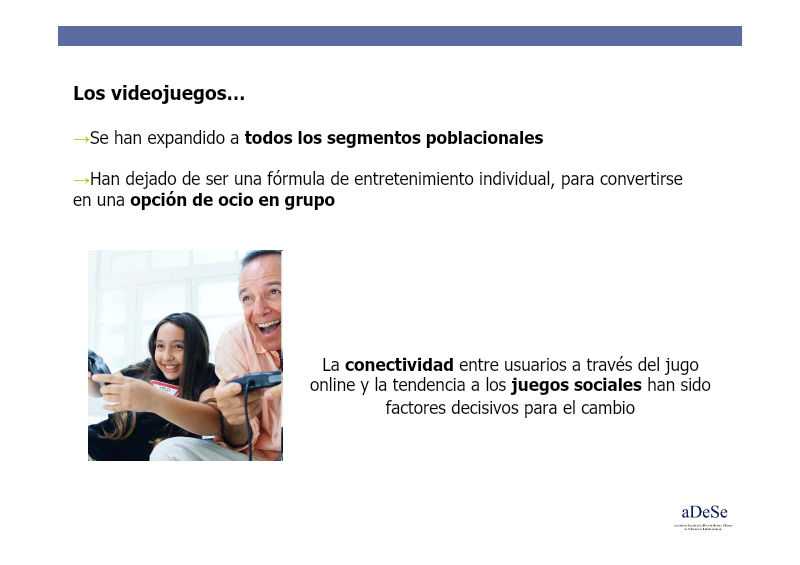
El Videojugador Español: Perfil, Hábitos e Inquietudes de Nuestros Gamers
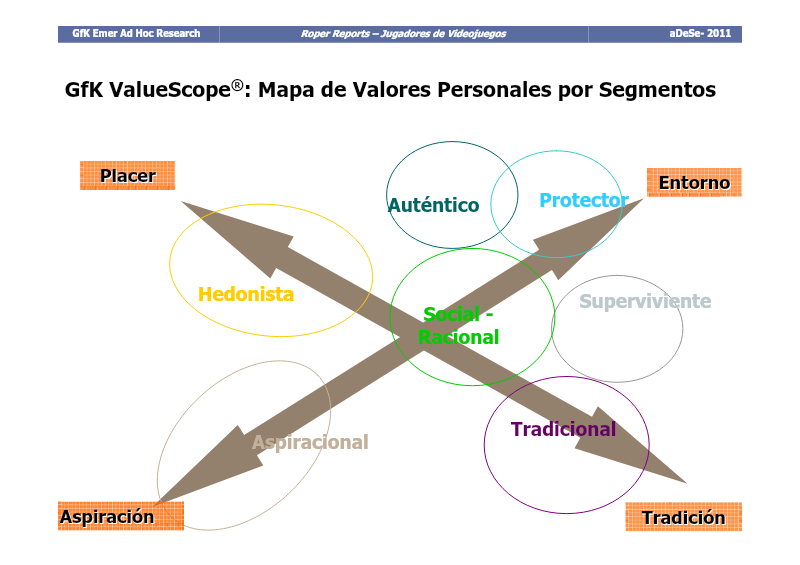
The study commissioned by the Spanish Association of Distributors and Publishers of Entertainment Software aims to map the profile, habits and concerns of Spanish video-game players as of 2011, positioning Spain within the broader European market.
- Spain is the fourth-largest video game market in Europe, generating over €1.245 billion in sales during 2010.
- Gaming penetration among Spanish adults stands at 24%, with the 7–34 age demographic representing 45.3% of the population.
- The typical Spanish gamer is 32 years old, with women comprising 40% of the player base aged 15 and older.
Nordic Game Sales: 2011
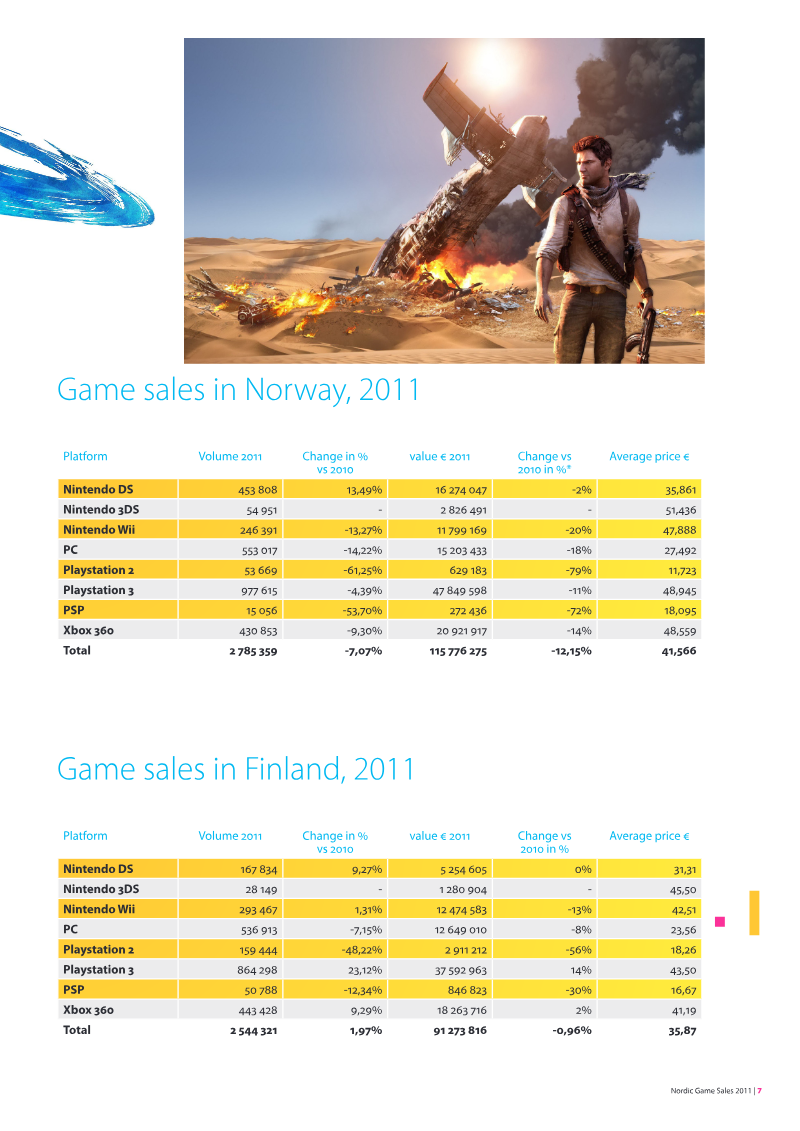
The Nordic gaming market in 2011 experienced a notable transition as physical sales volume and value declined in favor of an expanding digital distribution sector.
- The 2011 Nordic gaming market underwent a structural shift as physical retail sales declined in favor of an expanding digital distribution sector.
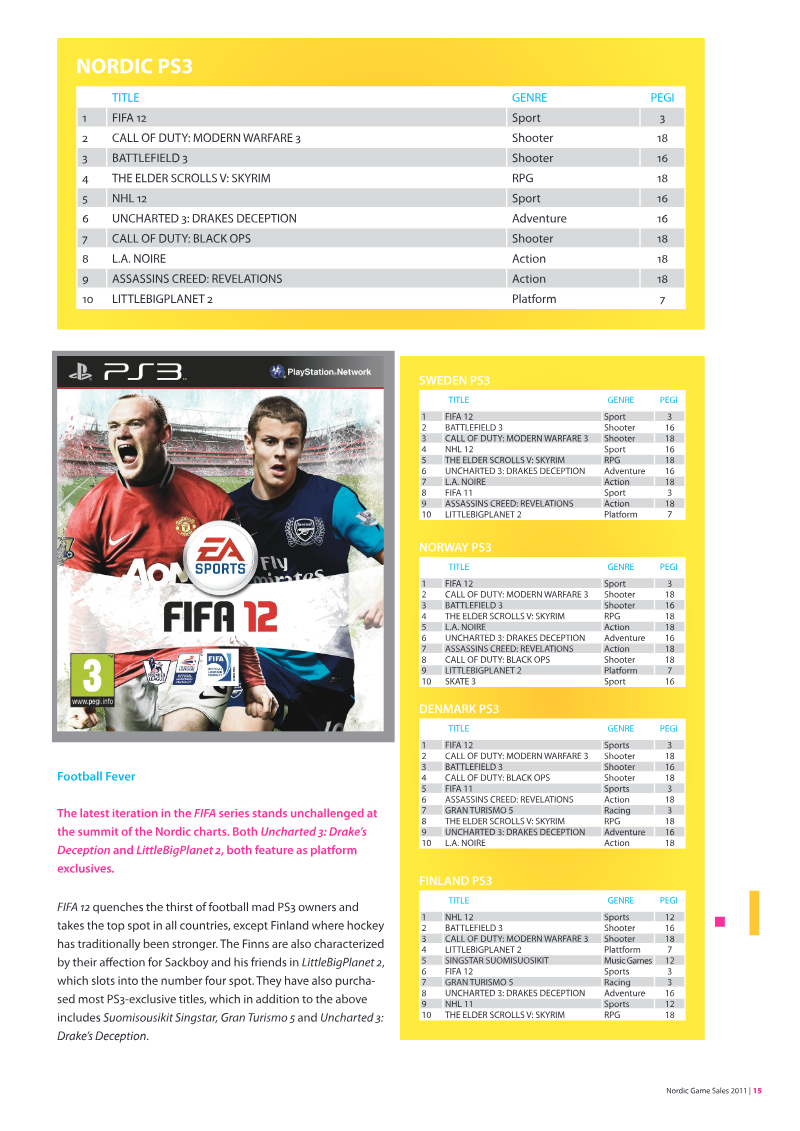
- High-definition consoles, specifically the PlayStation 3 and Xbox 360, remained the primary drivers of consumer engagement and physical media sales.
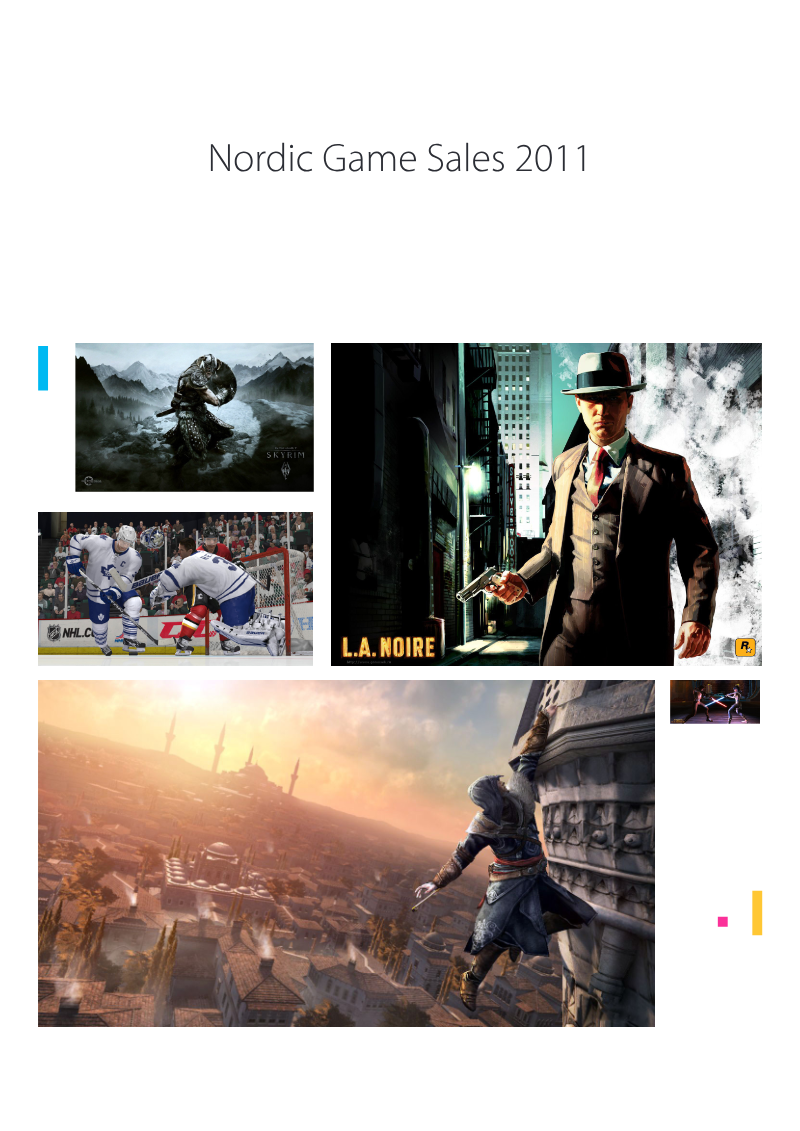
- Market demand was heavily concentrated on major blockbuster franchises, with Battlefield 3, Call of Duty: Modern Warfare 3, and The Elder Scrolls V: Skyrim emerging as the top-performing titles.
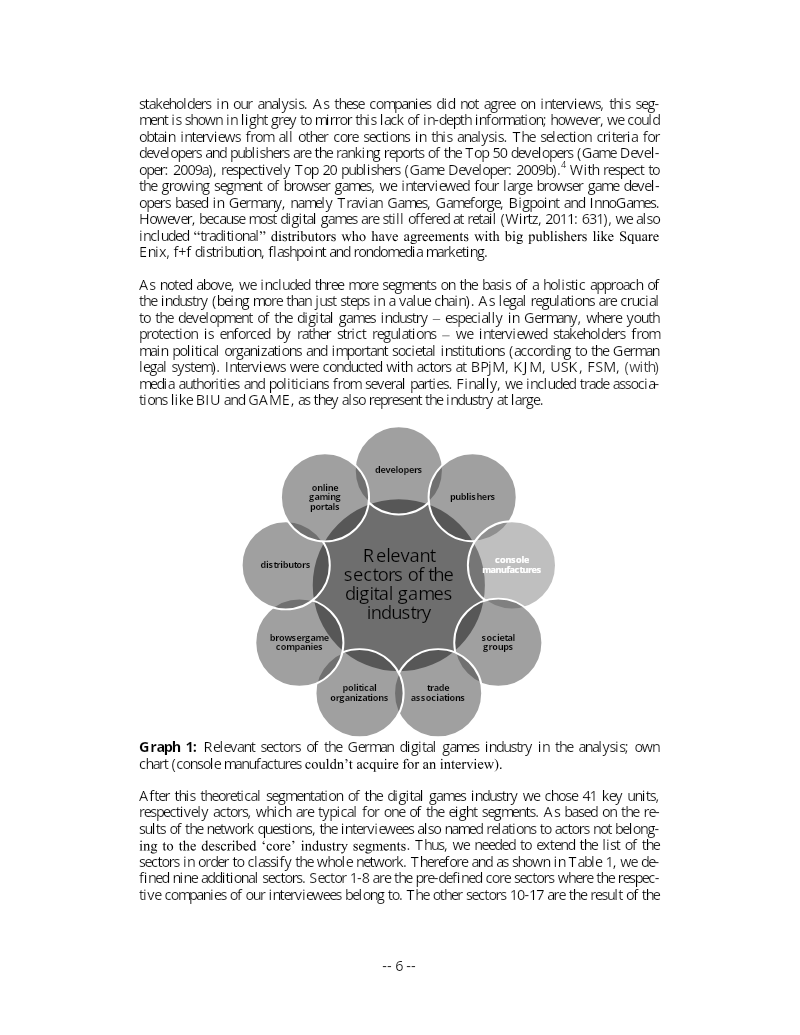
The Game Boys' Network: A Network Analysis of the German Digital Games Industry
This study maps the German digital games industry through a social network analysis built on 41 guided expert interviews, 37 with men and 4 with women, conducted in 2010.
- The study is built on 41 guided expert interviews (37 with men, 4 with women) conducted in 2010, and argues that understanding the German digital games industry requires mapping both value-chain actors and political/societal stakeholders such as regulators USK and KJM and trade associations BIU and GAME.
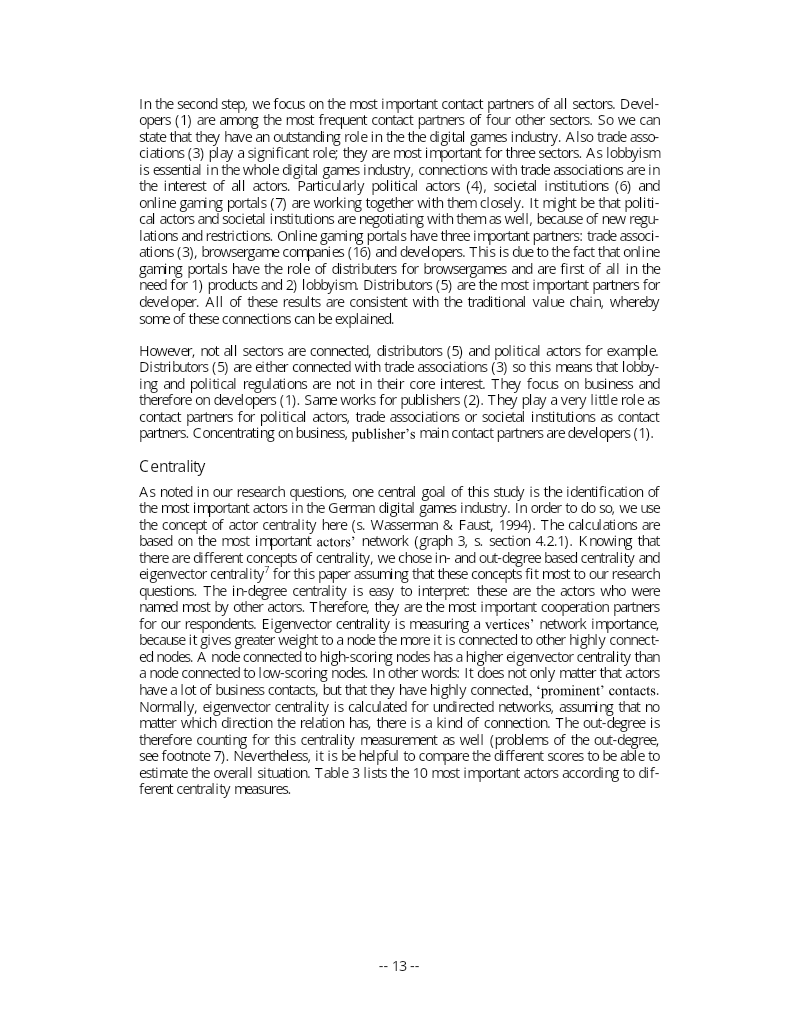
- The contact network comprises 217 actors and 384 relations but is sparse, with an average actor having only about 1.8 connections.
- After filtering to 87 highly connected actors, trade associations emerge as the most central, with GAME ranking highest on in-degree and eigenvector centrality, while developers and distributors act as the principal business partners; the authors caution these rankings largely reflect the ego-based sampling design and should be read as trend indicators rather than definitive hierarchies.
Observatorio de Piratería y Hábitos de Consumo de Contenidos Digitales: España
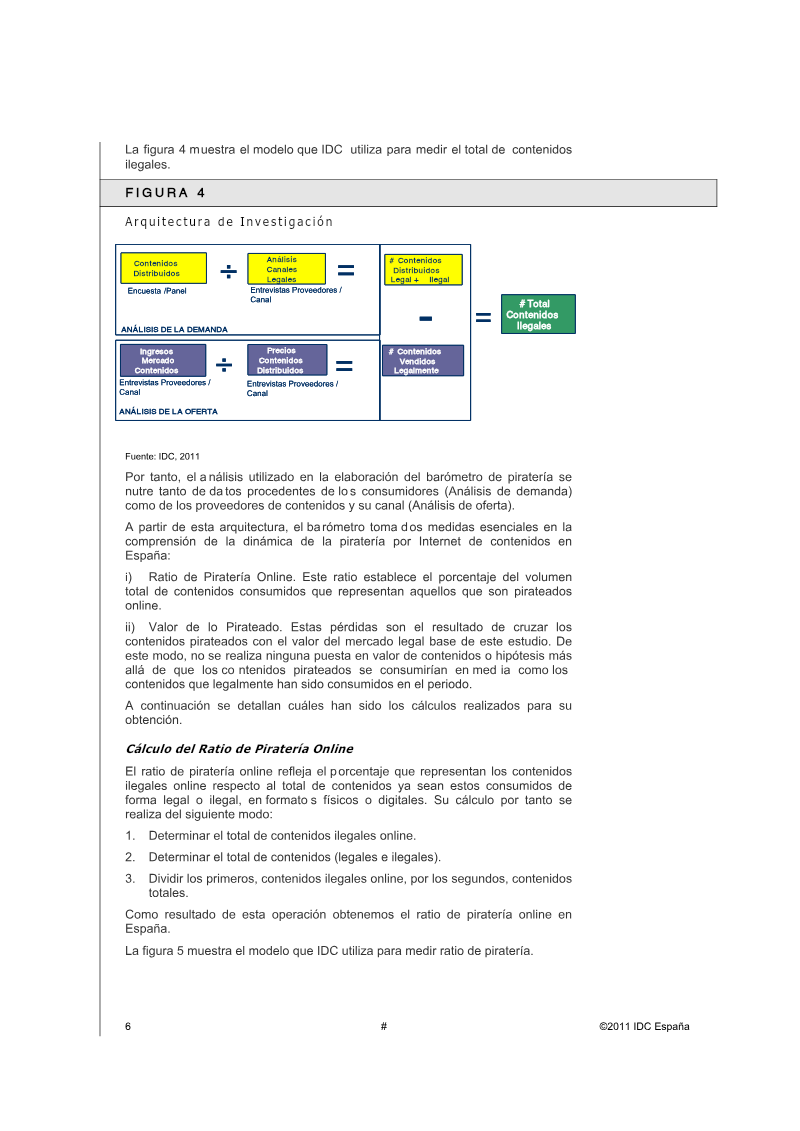
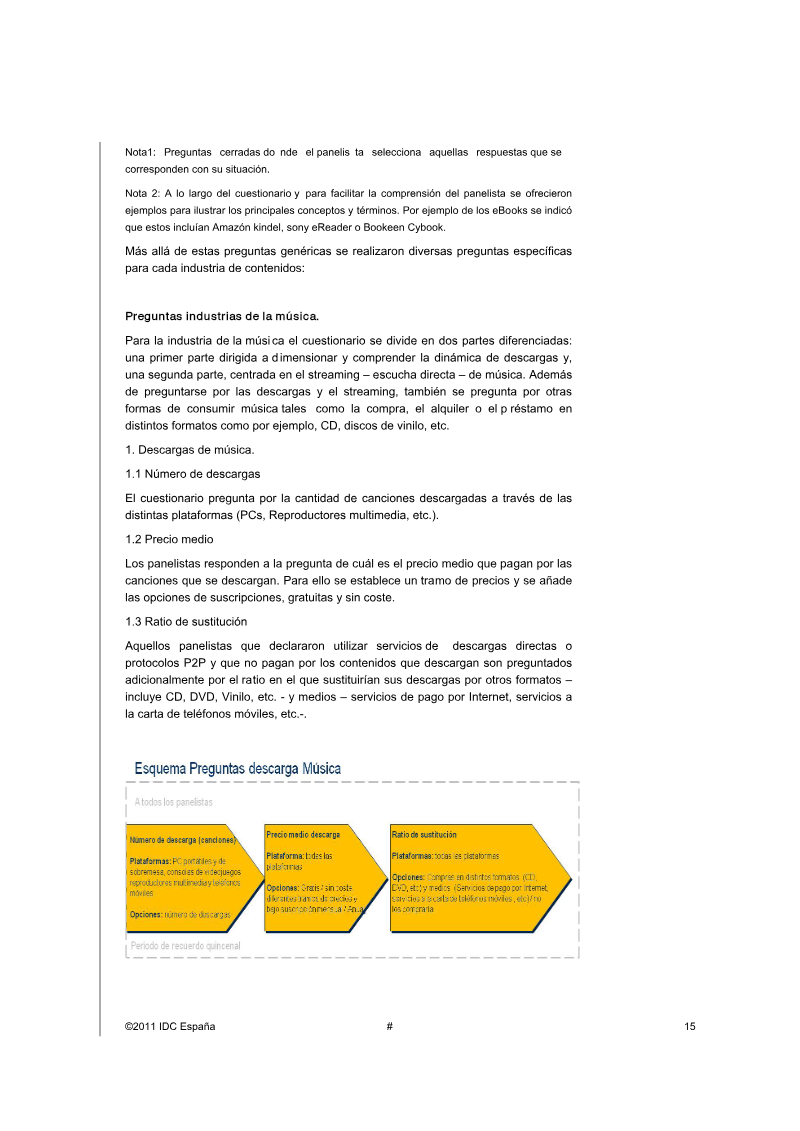
IDC España's fourth semiannual barometer on piracy and digital content consumption estimates that content pirated online in Spain in the first half of 2011 was worth €5,229.4M, almost four times the €1,538.1M legal market in the study's base.
- In the first half of 2011, digital piracy in Spain reached a total value of €5.23 billion, which is nearly four times the €1.54 billion generated by legitimate market sales.
- Music piracy is the most severe sector, with a 98.2% piracy rate accounting for €2.75 billion in lost potential revenue.
- Film piracy accounts for 73.9% of the market, representing a value of €1.40 billion in illicit consumption.


Essential Facts: About the Canadian Computer and Video Game Industry
The 2011 overview of Canada’s entertainment software sector presents a comprehensive portrait of an industry that employs roughly 16,000 people across nearly 350 firms and generates an estimated $1.7 billion in direct economic impact.
- The Canadian video game industry employs approximately 16,000 people across 350 firms, generating $1.7 billion in direct economic impact as of 2011.
- The sector experienced 11% growth over the previous two years and is projected to expand by an additional 17% in the next two-year horizon.
- Quebec serves as the primary industry hub with 8,236 employees and $733 million in spending, while Ontario shows the highest growth potential with a projected 21% expansion.


Faits Essentiels 2011 sur le Secteur Canadien des Jeux Vidéo et Informatiques
The study evaluates the Canadian entertainment-software industry in 2011, outlining its structure, economic contribution, and consumer profile to illustrate why the sector ranks third worldwide in revenue and first in jobs per capita.
- Canada’s video game industry generated C$1.7 billion in direct economic impact in 2011, ranking third globally in revenue and first in jobs per capita.
- The sector employed approximately 16,000 workers across 350 firms, with an 11% growth rate over the previous two years and a projected 17% increase for the following two.
- Quebec serves as the industry hub with 8,236 employees and C$733 million in spending, while Ontario exhibits the fastest growth trajectory at 20–21%.
Game Developer Index 2010: Sweden
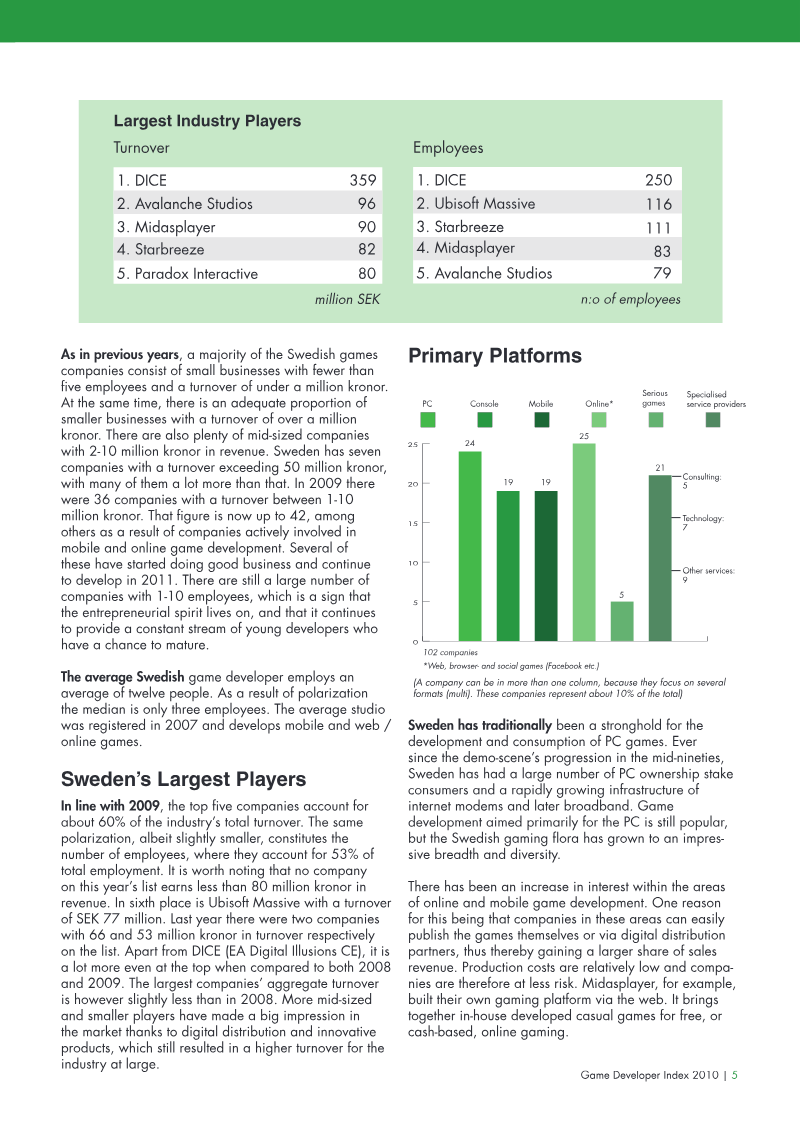
The Swedish game industry entered a period of significant expansion in 2010, characterized by a record turnover of 1.181 billion SEK and a 9.2 percent increase in total employment.
- The Swedish game industry reached a record turnover of 1.181 billion SEK in 2010, supported by a 9.2 percent increase in total employment.
- Market concentration remains high, with the five largest companies accounting for 60 percent of the industry's total revenue.
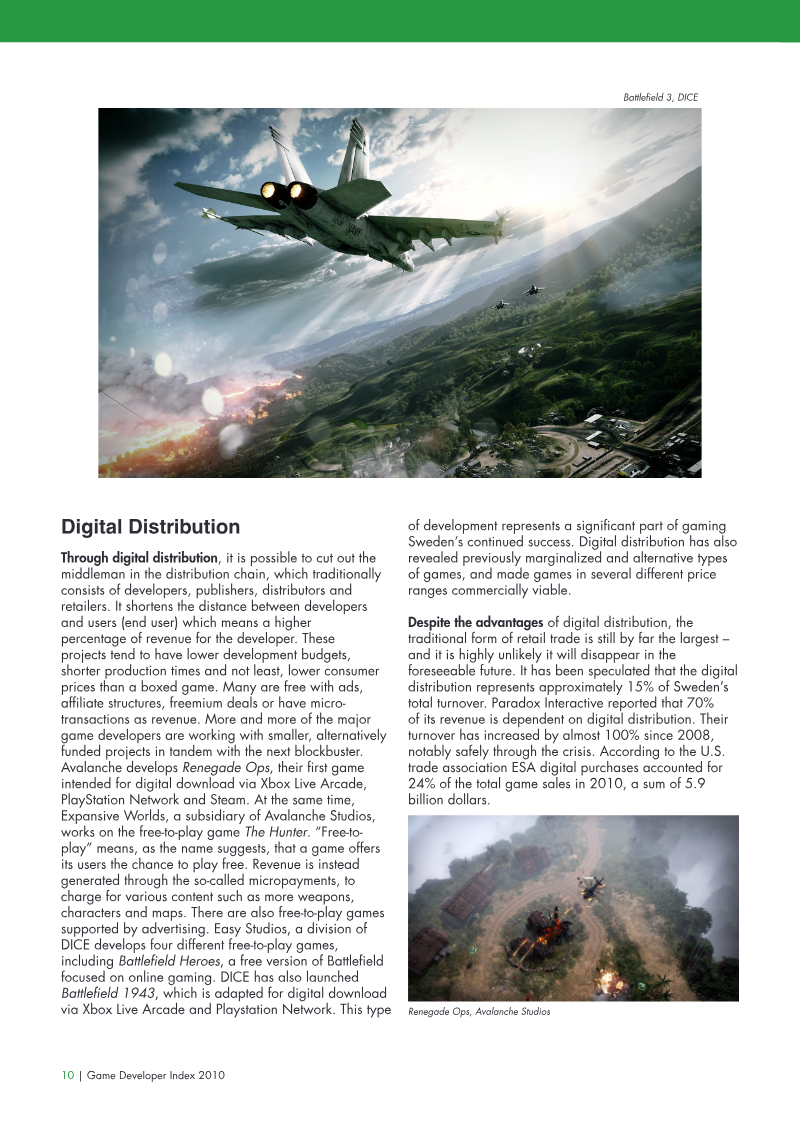
- The sector is successfully pivoting toward digital distribution and mobile platforms, utilizing diverse monetization strategies like free-to-play, freemium, and ad-funded models.
Nordic Game Solutions Report: 2010
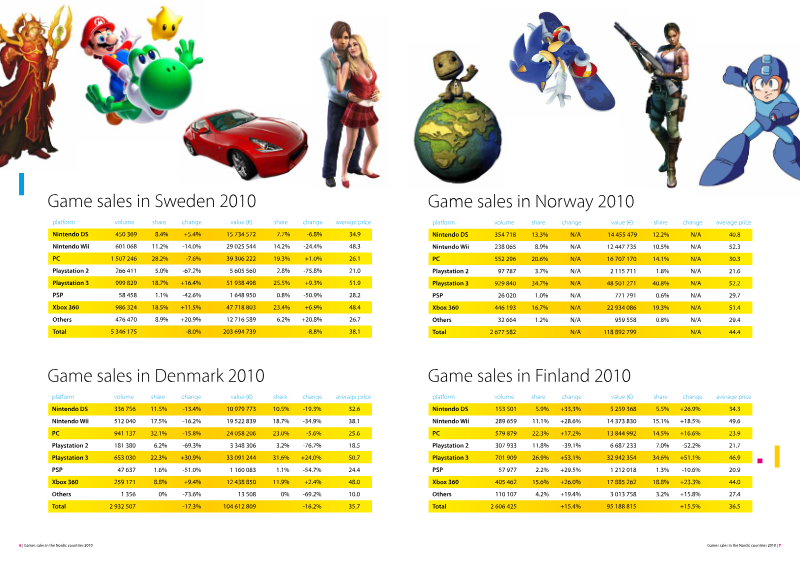
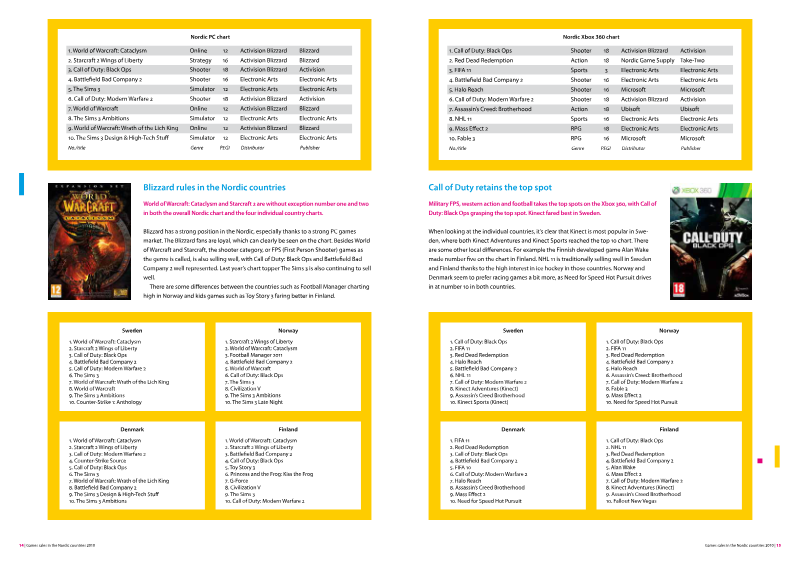
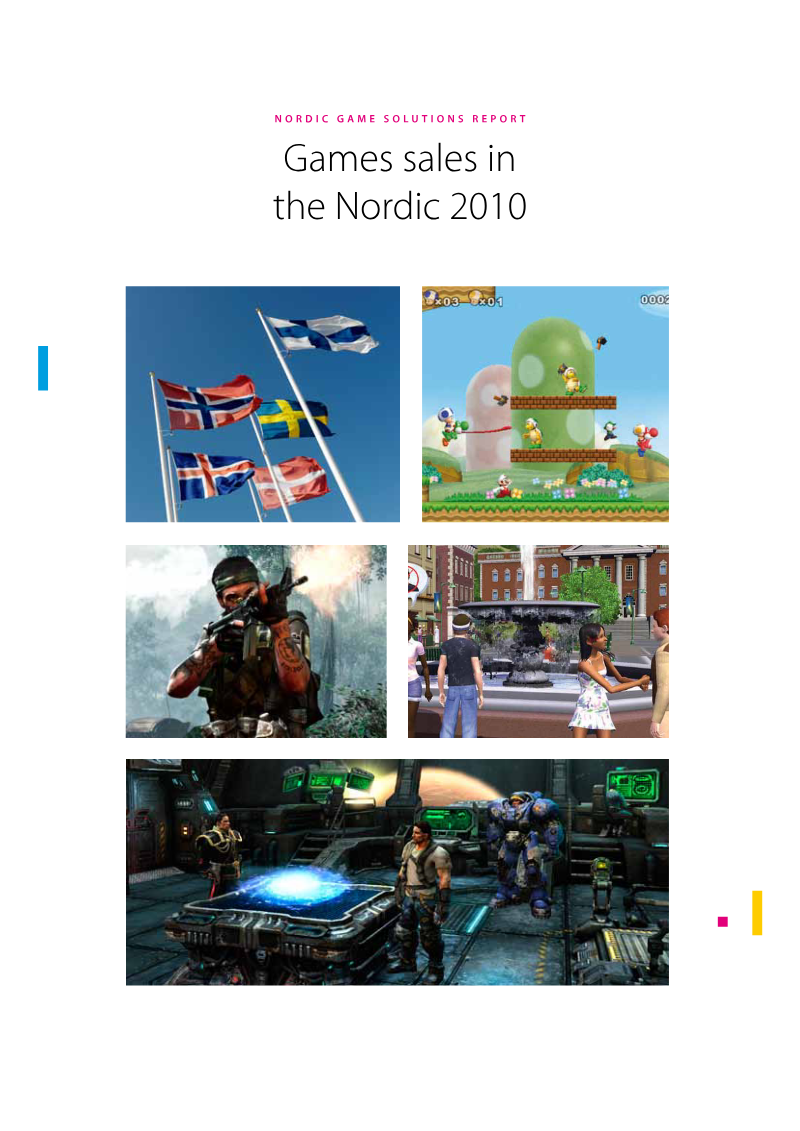
The 2010 Nordic gaming market underwent a pivotal structural transformation characterized by a 6.3 percent decline in traditional physical retail sales alongside a robust 158 percent surge in digital distribution, particularly within the PC sector.
- The Nordic gaming market saw a major structural shift in 2010, marked by a 6.3 percent decline in physical retail sales and a 158 percent surge in digital distribution.
- Activision Blizzard dominated the 2010 regional market, with Call of Duty: Black Ops as the top-selling title and World of Warcraft and Starcraft anchoring the PC sector.
- Consumer preferences shifted away from legacy hardware like the PlayStation 2 toward contemporary platforms including the PlayStation 3, Xbox 360, and Wii.
Informe de Resultados: Cómo se proyecta el videojuego del futuro
El estudio 9127 de ADESE analiza cómo se proyecta el videojuego del futuro en el mercado español. Combina buzz research, grupos de discusión y entrevistas a jugadores, padres y expertos.
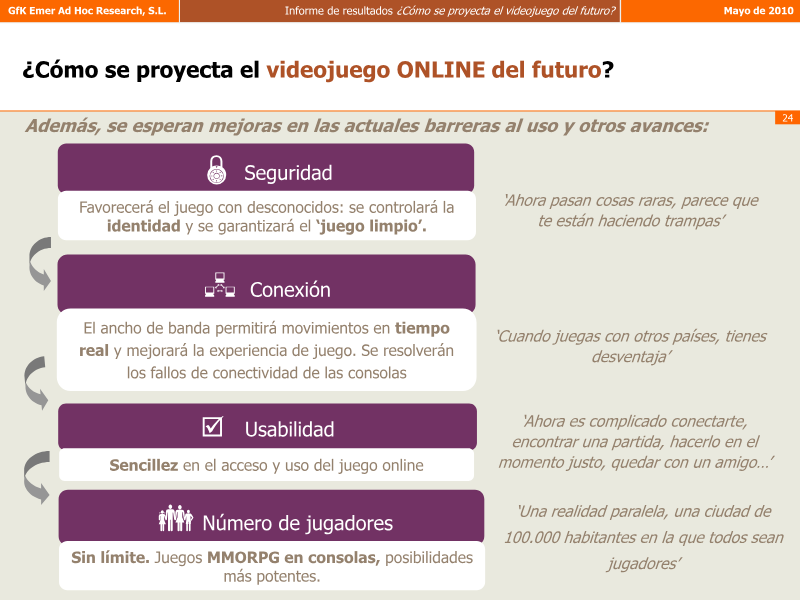
- Approximately 68% of all game sales are projected to transition to virtual stores or server-based platforms, effectively phasing out physical distribution.
- Immersive virtual reality is identified as the primary technological driver for the industry through the 2020-25 period.
- Network latency is a critical barrier for 53% of moderately hardcore gamers, necessitating a shift toward high-bandwidth, low-latency infrastructure to support immersive content.
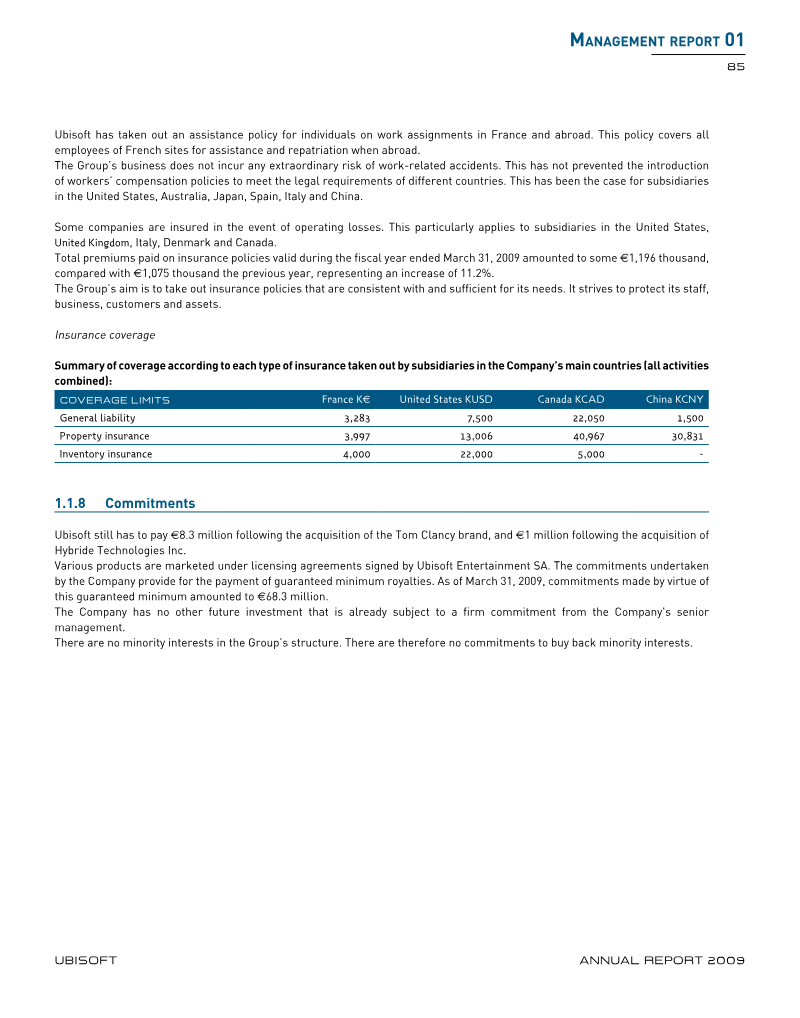
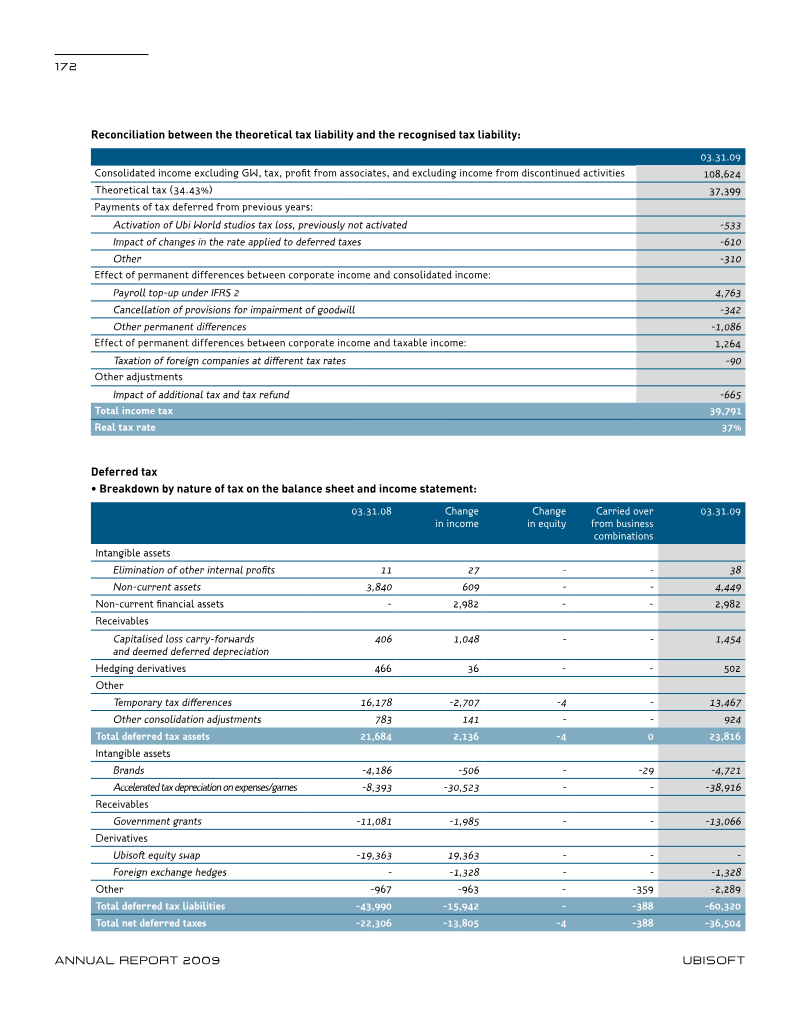

Ubisoft Annual Report 2009
The 2009 Ubisoft Annual Report details a period of significant expansion and strategic transformation for the company during the 2008-2009 fiscal year.
- Ubisoft surpassed €1 billion in annual revenue for the first time in the 2008-2009 fiscal year, achieving €1.06 billion in sales, a 14% increase over the previous period.
- Net income declined significantly to €68.8 million from €109.8 million, driven by a strategic shift toward lower-margin casual titles and increased marketing expenditures.
- The company expanded its global workforce to 5,765 employees across 28 countries, supported by the strategic acquisitions of Massive Entertainment and Hybride Technologies.