Loading the document
1 free read left. Create a free account for unlimited reading + AI research.
Create free accountWhitepaper ETC Press
1 free read left. Create a free account for unlimited reading + AI research.
Create free accountWhitepaperETC Press
Video games function as complex sites of meaning-making, where mechanical design, narrative structure, and social dynamics converge to shape player experience. By examining a diverse range of titles—from the historical inquiry of Assassin’s Creed III and the cinematic empathy of Heavy Rain to the collaborative storytelling of Fiasco—it becomes clear that game design is an intentional act of guiding player perception. Whether through the intuitive, tutorial-less discovery found in Ninja Gaiden Black or the self-reflexive stealth mechanics of Mark of the Ninja, developers effectively use interface and interaction to challenge players to think critically about history, morality, and their own cognitive habits.
Beyond individual play, the industry is undergoing a fundamental shift in how value is assigned to digital goods. The transition from physical media to server-based, intangible assets, as seen in FarmVille 2, forces a reevaluation of ownership and social capital. In these environments, the value of virtual items is not inherent but is instead derived from the strength of the player’s social network and the specific design constraints governing scarcity and progression. This economic evolution highlights a growing tension between traditional notions of possession and the modern reality of purchasing access to ephemeral digital experiences.
Ultimately, the study of games requires a multifaceted approach that accounts for both formal rules and the performative nature of play. As demonstrated by the deckbuilding mechanics of Ascension, success in game design often relies on the elegant integration of complex systems that remain accessible while offering deep strategic depth. By analyzing these diverse titles, it is evident that the most compelling gaming experiences are those that treat the interface as a primary site for meaning, encouraging players to learn through iterative experimentation, social collaboration, and critical reflection on the medium itself.
 Assassin's CreedGame · Ubisoft Montreal · 2007 · 441 documents
 Heavy RainGame · Quantic Dream · 2010 · 19 documents
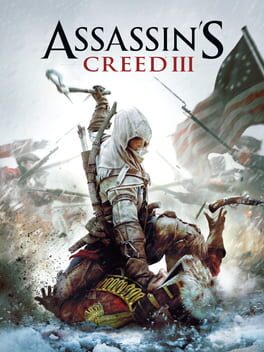 Assassin's Creed IIIGame · Ubisoft Montreal · 2012 · 12 documents
 Mark of the NinjaGame · Klei Entertainment · 2012 · 6 documents
Each row is a game or company this document names, each column a document, oldest first. A mark means that document names it. Select a row to see those documents.
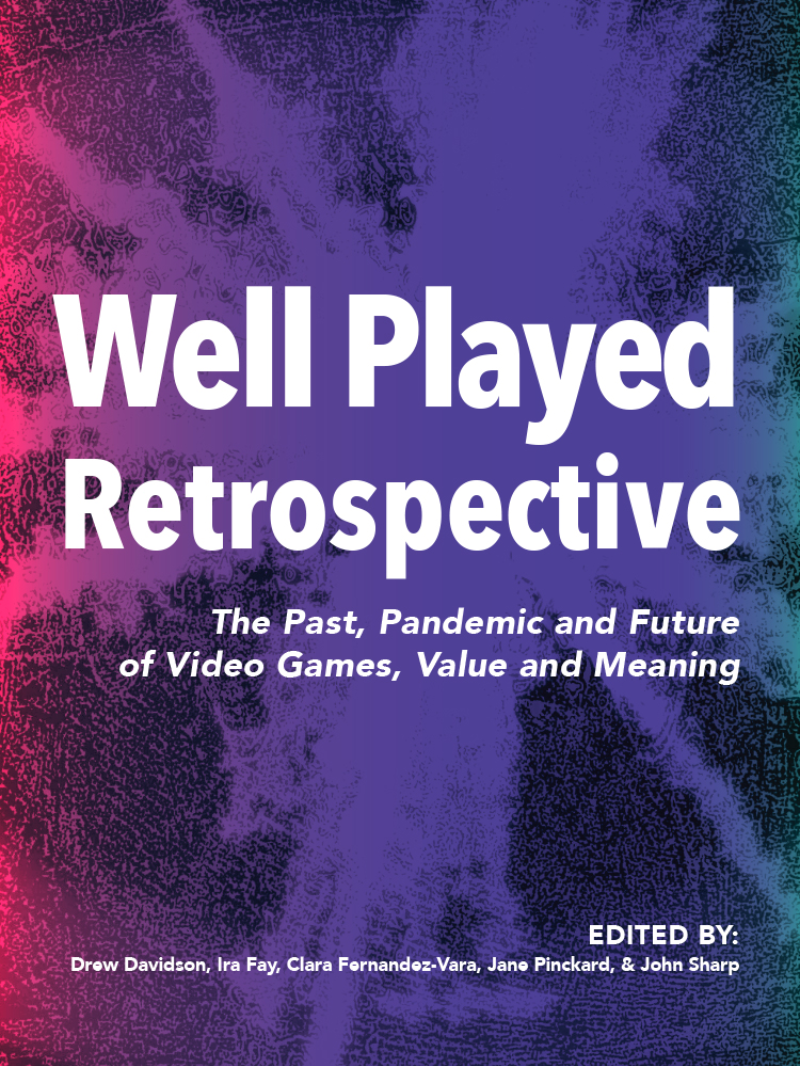
ETC Press · 2022
University of York · 2026
Karlsruhe Institute of Technology · 2026



DiGRA · 2026



DiGRA · 2026



DiGRA · 2026



DiGRA · 2026



DiGRA · 2026



game · 2026
DiGRA · 2025
DiGRA · 2025
DiGRA · 2025
DiGRA · 2025