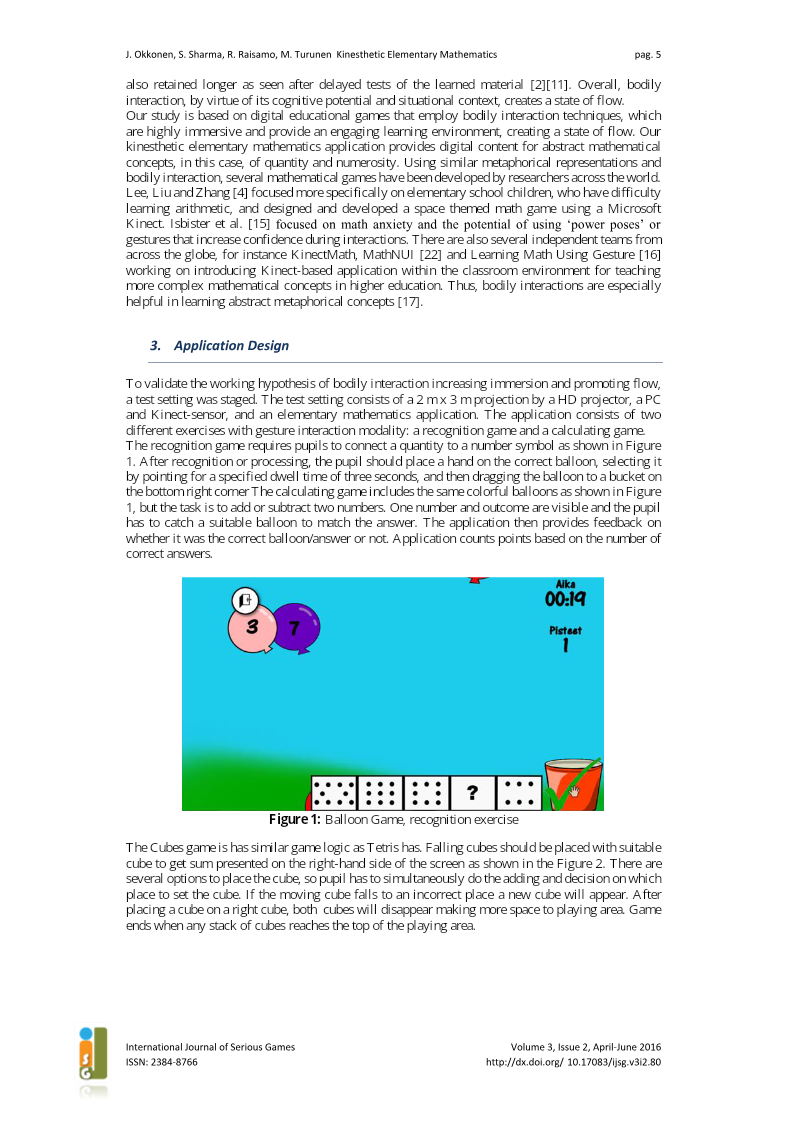
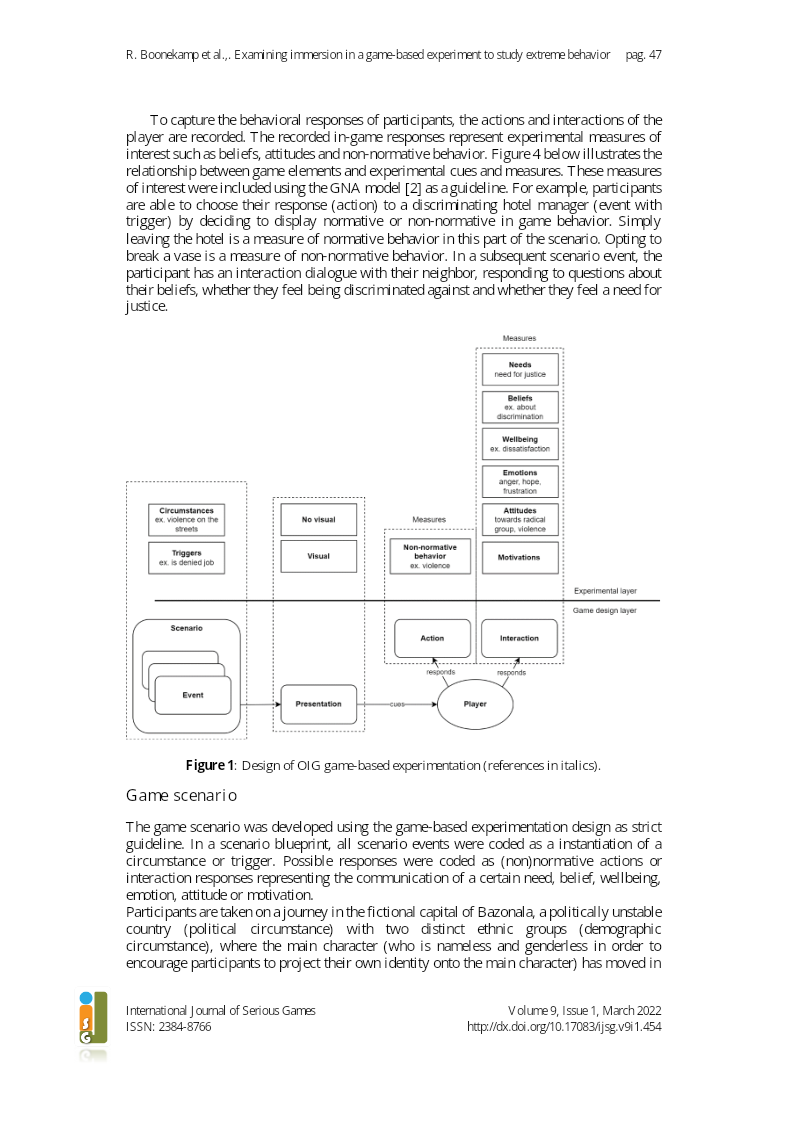
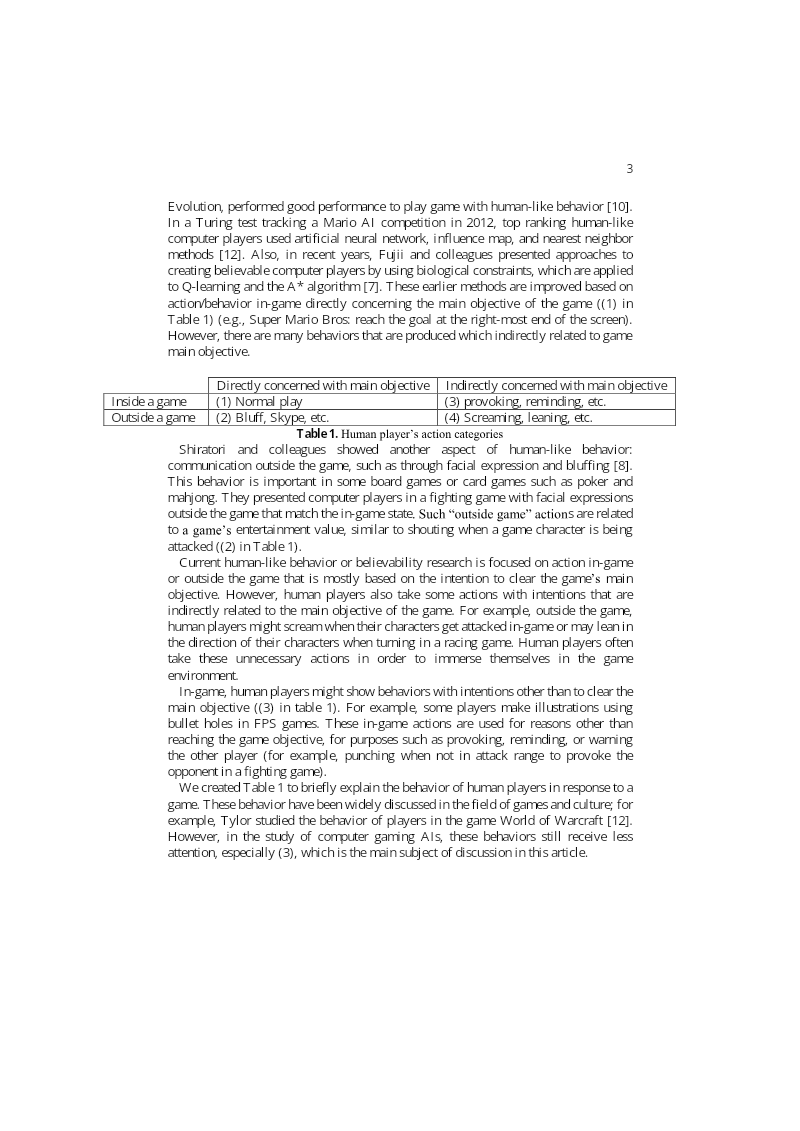
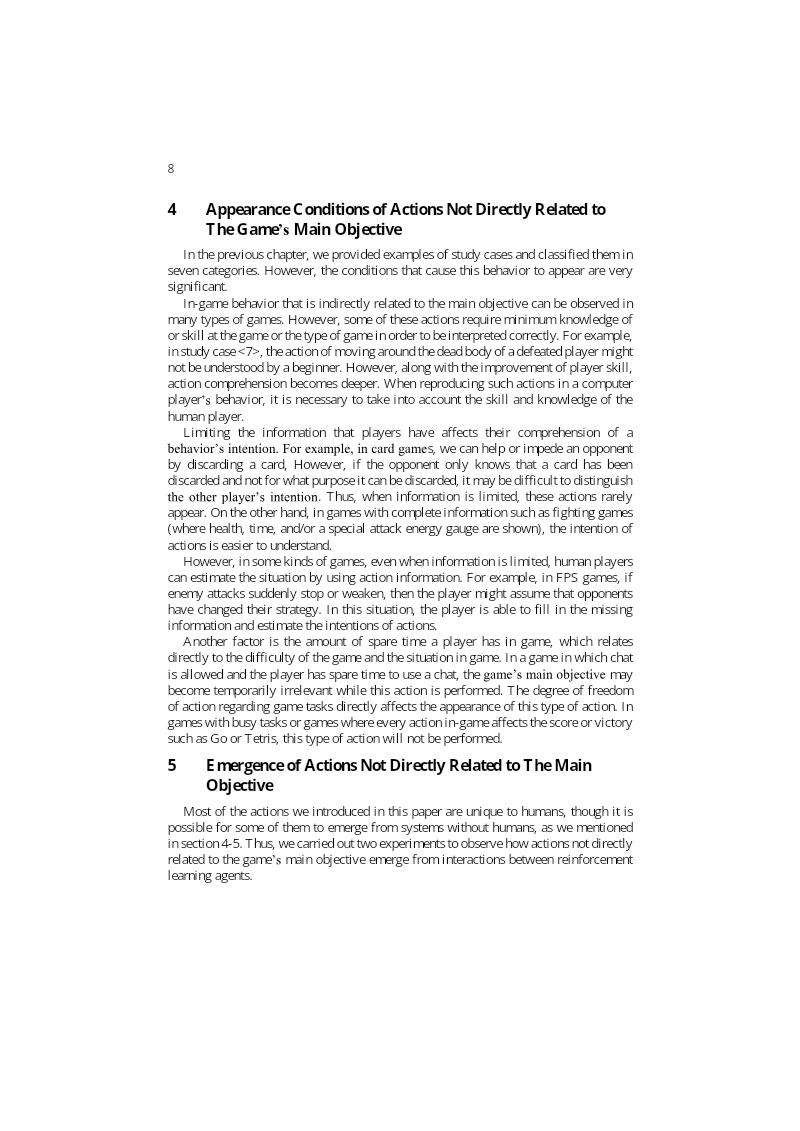
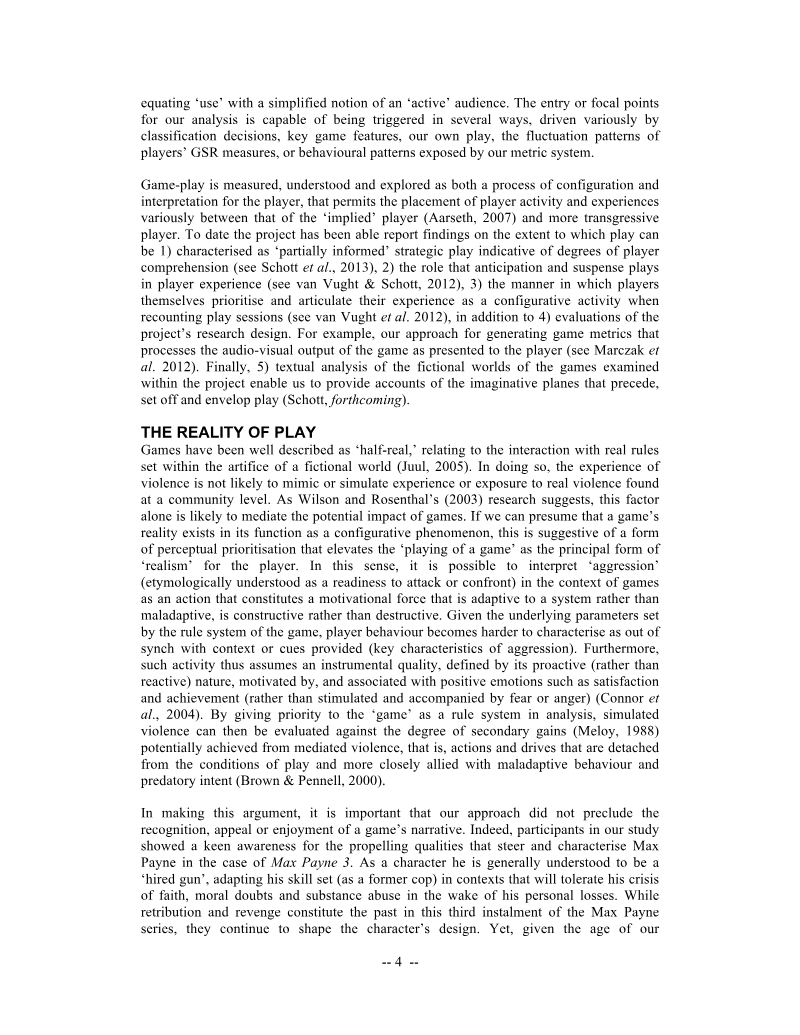
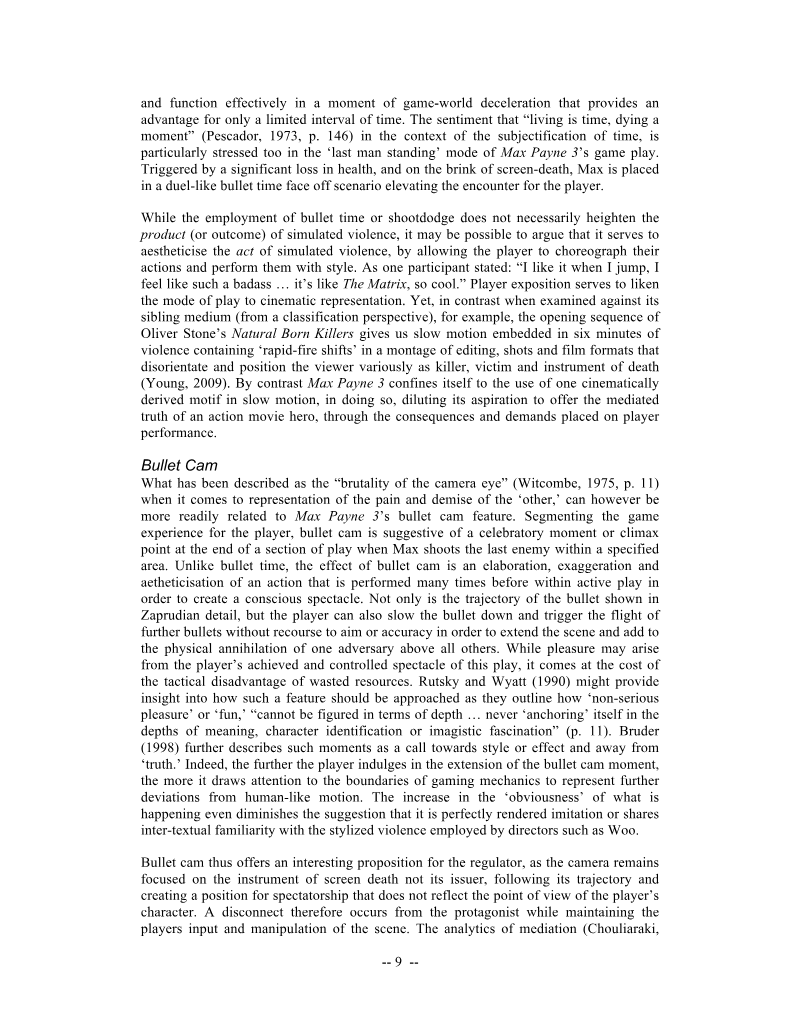
Digital games serve as highly effective experimental stimuli due to their capacity for high ecological validity, deep participant engagement, and the ability to simulate complex, real-world environments. By leveraging these interactive platforms, researchers can elicit targeted emotional and cognitive responses that are often difficult to replicate in traditional laboratory settings. However, the inherent variability of gameplay presents significant methodological challenges, particularly regarding the lack of standardization across different player skill levels and the limitations of utilizing commercial, off-the-shelf software.
To ensure scientific rigor, researchers must implement a structured framework that balances the immersive nature of gaming with strict experimental control. This involves selecting titles based on specific cognitive tasks and utilizing established taxonomies to minimize confounding variables. Because individual gameplay experiences naturally diverge, success depends on isolating relevant actions through event-based coding and standardizing game settings. By focusing on games that feature repetitive, measurable events—such as racing simulators—investigators can simplify data segmentation and improve the reliability of performance metrics.
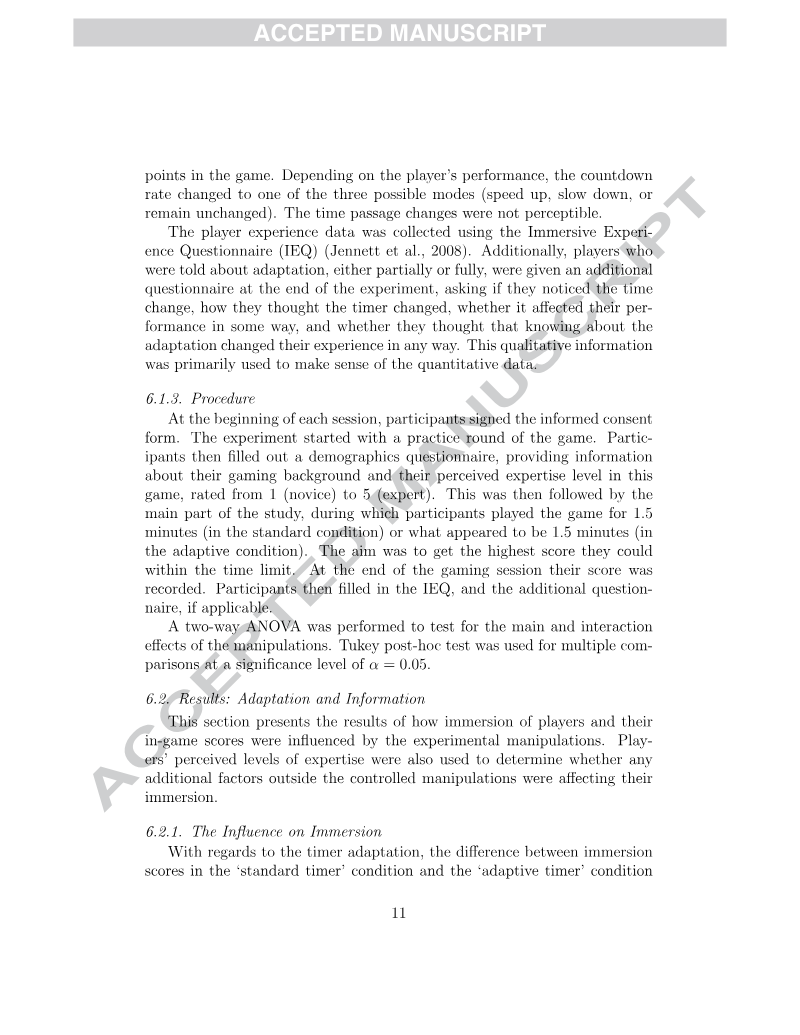
Effective data collection requires a systematic approach that integrates built-in game logs with external recording tools, ensuring precise timestamp synchronization across all data streams. Addressing the disparity in participant skill levels is essential for maintaining consistent experiences or establishing comparable performance benchmarks. By adhering to a four-step process of matching task types, defining clear segmentation, ensuring participant compatibility, and planning rigorous collection procedures, researchers can successfully mitigate the complexities of interactive media. This disciplined methodology transforms digital games into robust, replicable tools for psychological and behavioral analysis, ultimately bridging the gap between naturalistic play and controlled scientific inquiry.