Global reports and market data
Documents



The Take-Two Diaspora: Why Alumni Win Big in Mobile, Not AAA
The analysis examines the investment trajectory of companies founded by former senior executives from Take-Two Interactive and its subsidiaries.
- Former Take-Two senior executives founded 23 startups between 2020 and 2025, securing $1.2 billion in capital across 43 deals.
- Dream Games, a prominent alumni-led studio, achieved a $2.5 billion exit in July 2025, highlighting the high valuation potential of these ventures.
- Alumni-led firms significantly outperform industry benchmarks, with a 60% rate of raising a second funding round within one year compared to the 20% industry average.


Beyond the Game: How Gamification is Becoming Mainstream
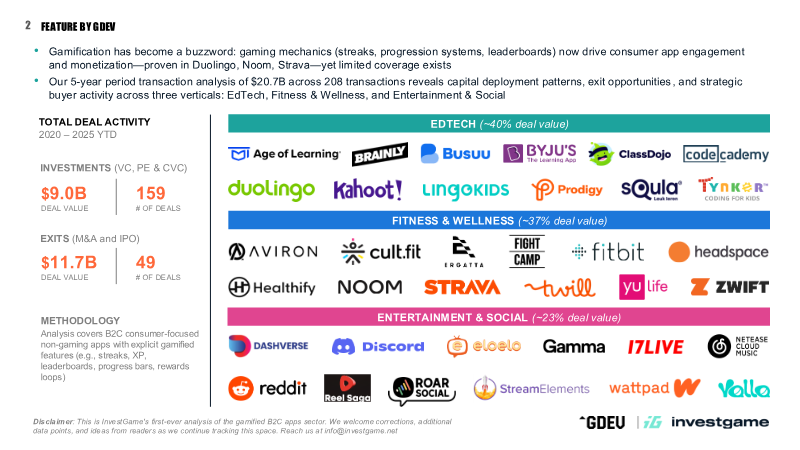
The analysis examines how gamification—applying game-like mechanics such as streaks, leaderboards, and reward loops—to non-gaming consumer apps has shifted the mobile app economy over a five-year period (2020-2025).
- Gamified non-gaming apps have surpassed mobile games in net revenue, generating $21.2 billion in Q2 2025 compared to $19.8 billion for games.
- Gamified apps are driving a 24% year-over-year growth in mobile consumer spending, while traditional mobile gaming revenue has stagnated.
- EdTech, Fitness & Wellness, and Entertainment & Social account for $20.7 billion in transaction value, with EdTech dominating deal volume (43%) and exit activity (45%).

Investing and Financial Management App Market and Advertising Trends 2025
Investment-management and crypto trading applications have accelerated growth in 2025, with global downloads rising 12% to about five billion.
- Global downloads for investment and crypto trading apps rose 12% in 2025, reaching approximately five billion total downloads.
- User demographics are heavily male-skewed, with crypto apps reaching over 90% male users and emerging markets like India and Vietnam reporting only 13–17% female participation.
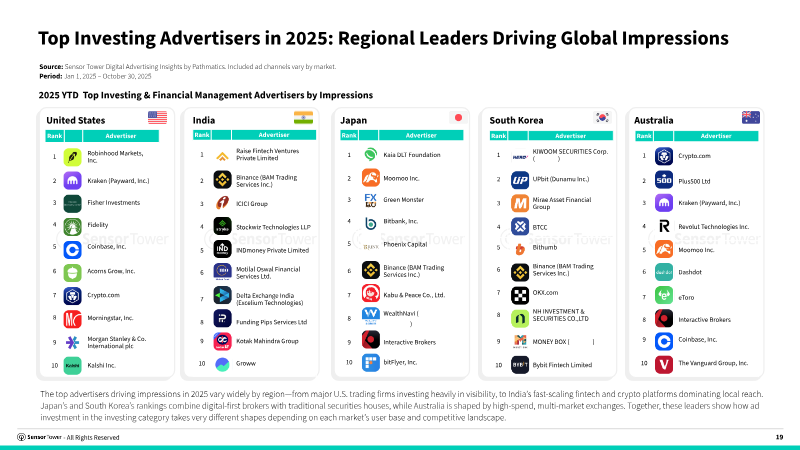
- Market preferences are geographically fragmented: U.S. and Japanese users favor established brokerages, while consumers in India and Southeast Asia prioritize local, mobile-centric platforms.


1H 2025 Amazon Retail Media: An Inside Look at How Brands Are Showing Up
Amazon Retail Media dominated the first half of 2025, capturing $618 million in ad spend—more than double Walmart’s $236 million and nearly six times Chewy’s $105 million—while attracting 9,542 unique advertisers, a figure nine times larger than Walmart’s 1,076.
- Amazon Retail Media dominated the market in 1H 2025 with $618 million in ad spend, significantly outpacing Walmart ($236 million) and Chewy ($105 million).
- Amazon’s advertiser base is nine times larger than Walmart’s, hosting 9,542 unique advertisers compared to Walmart’s 1,076.
- Samsung, Unilever, and L’Oréal were the top spenders in 1H 2025, contributing $7.1 million, $5.7 million, and $5.3 million respectively.
State of Mobile 2025: Why Community Wins on Mobile
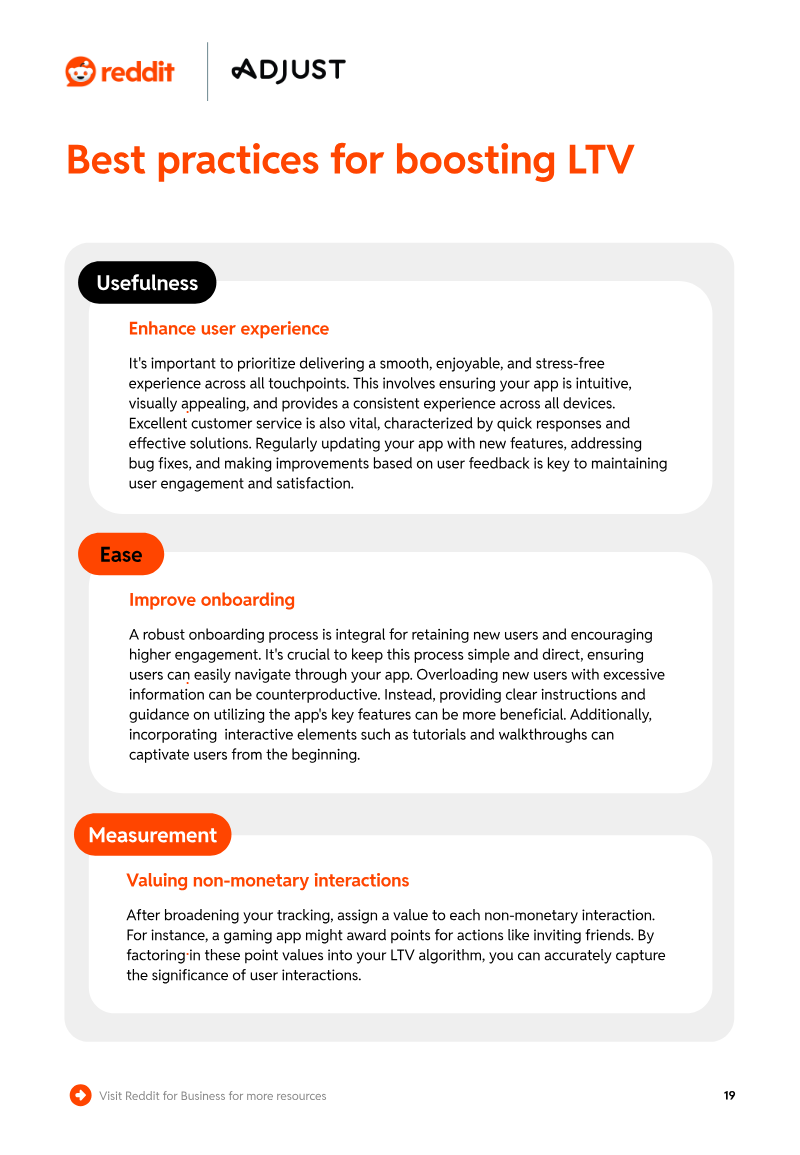
The State of Mobile 2025 report examines the current mobile ecosystem, emphasizing how community engagement—particularly on Reddit—drives sustained app growth.
- Reddit-acquired users demonstrate significantly higher lifetime value, with 41% higher Day-1 spend than other social platforms and 159% higher than digital media.
- Reddit users exhibit superior long-term retention and engagement, spending 55% more time in-app on Day 1 and 103% more by Day 30 compared to other channels.
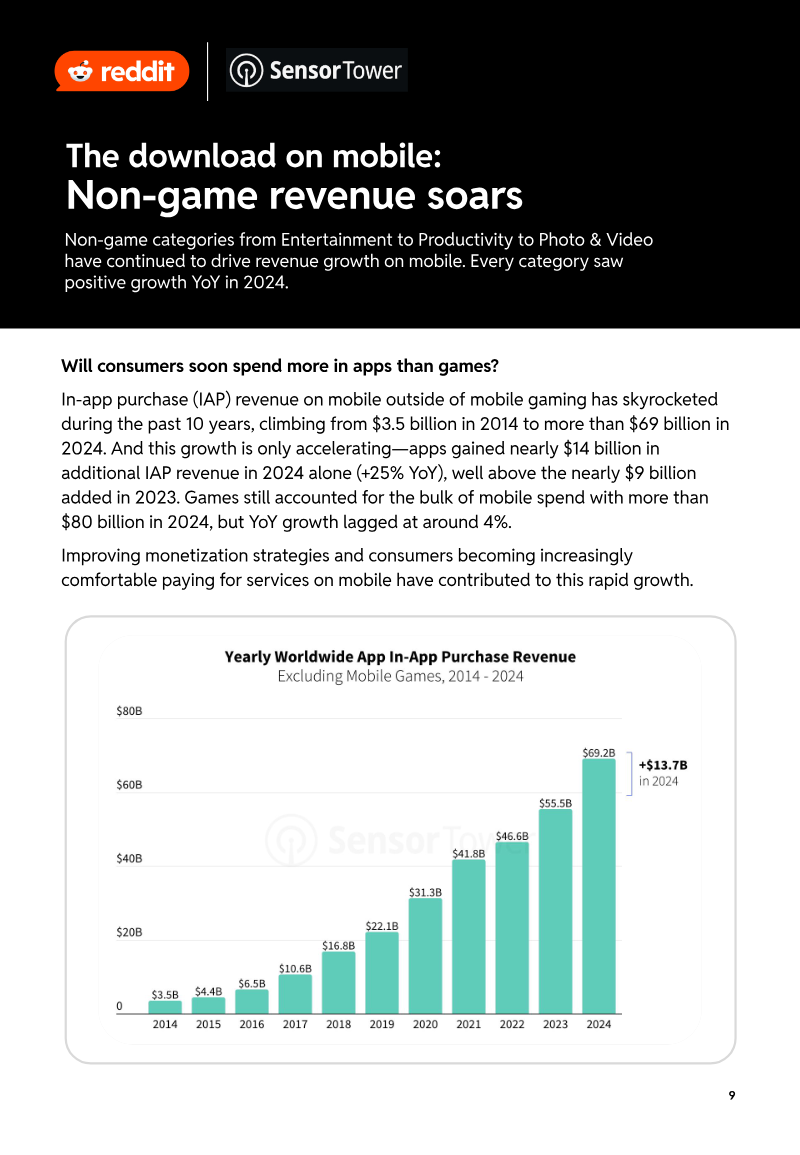
- Global mobile in-app purchase revenue reached $150 billion in 2024, representing a 13% year-over-year increase, while total usage hit 4.2 trillion hours.


Where the UGC Dollars Flow: Mapping $9B Investments in Creator Economy
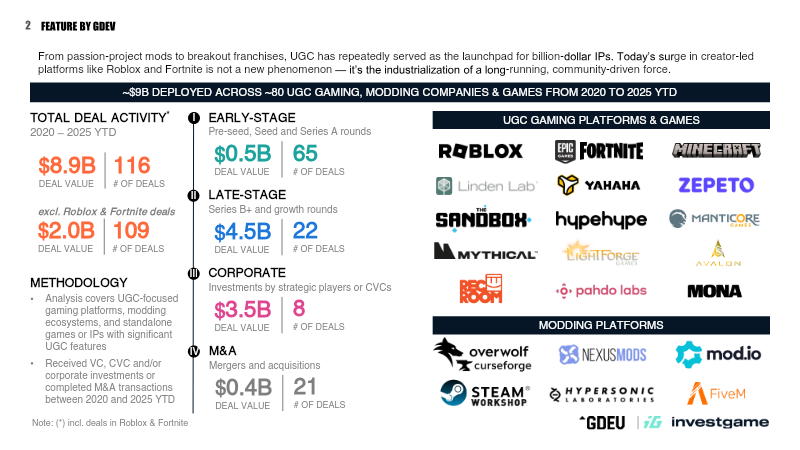
The analysis maps a $9 billion investment wave in user-generated content (UGC) gaming from 2020 to 2025, covering roughly 80 companies and titles.
- The UGC gaming sector attracted $9 billion in total investment between 2020 and 2025, with $8.9 billion concentrated in late-stage and corporate deals.
- Strategic investment from industry incumbents is a primary driver, highlighted by Sony/Kirkbi’s $2 billion commitment in 2022 and Disney’s $1.5 billion investment in 2024.
- Creator monetization is scaling rapidly, with Roblox and Fortnite collectively disbursing approximately $1.5 billion to developers in 2024 and reporting a 38% quarterly earnings increase between Q2 and Q3 2023.

Game Data: Building vs Buying
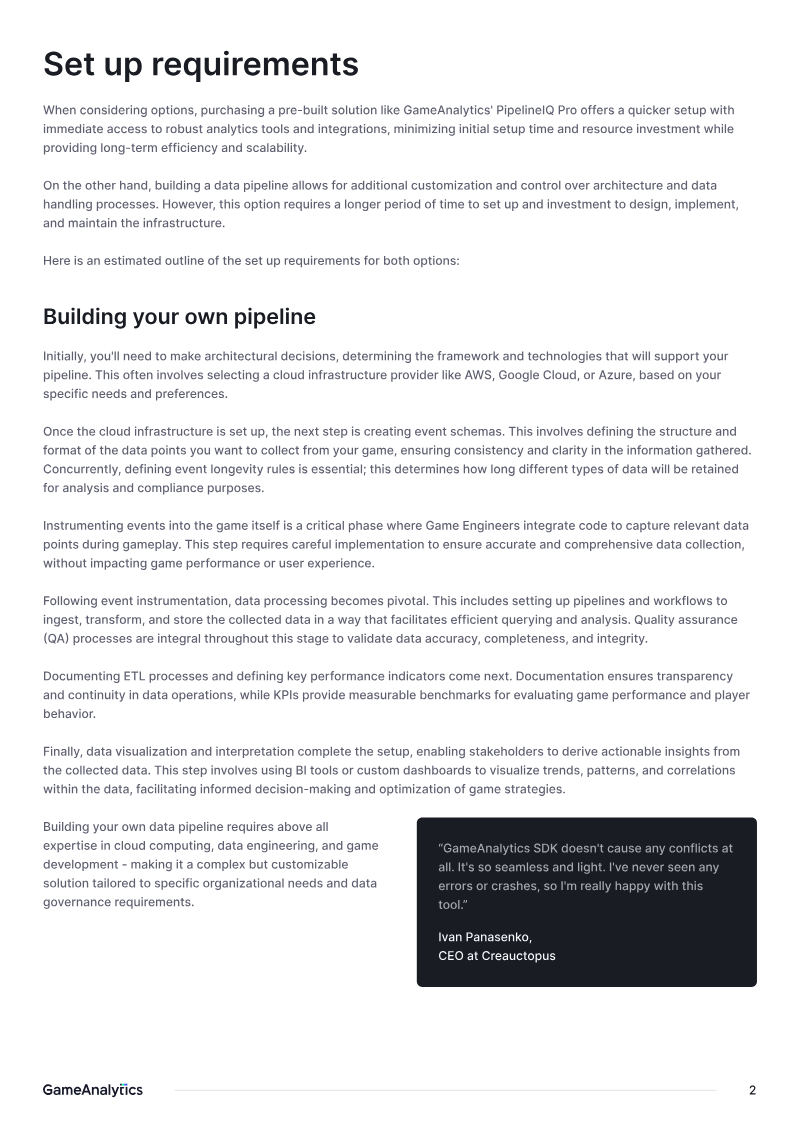
The document evaluates the trade-offs between building an in-house data pipeline and purchasing a third-party solution for game analytics, using GameAnalytics’ PipelineIQ Pro as the primary example.
- Building an in-house data pipeline for a studio with 5 million MAU costs approximately $50,000 per month, compared to $5,900 per month for a third-party solution like GameAnalytics’ PipelineIQ Pro.
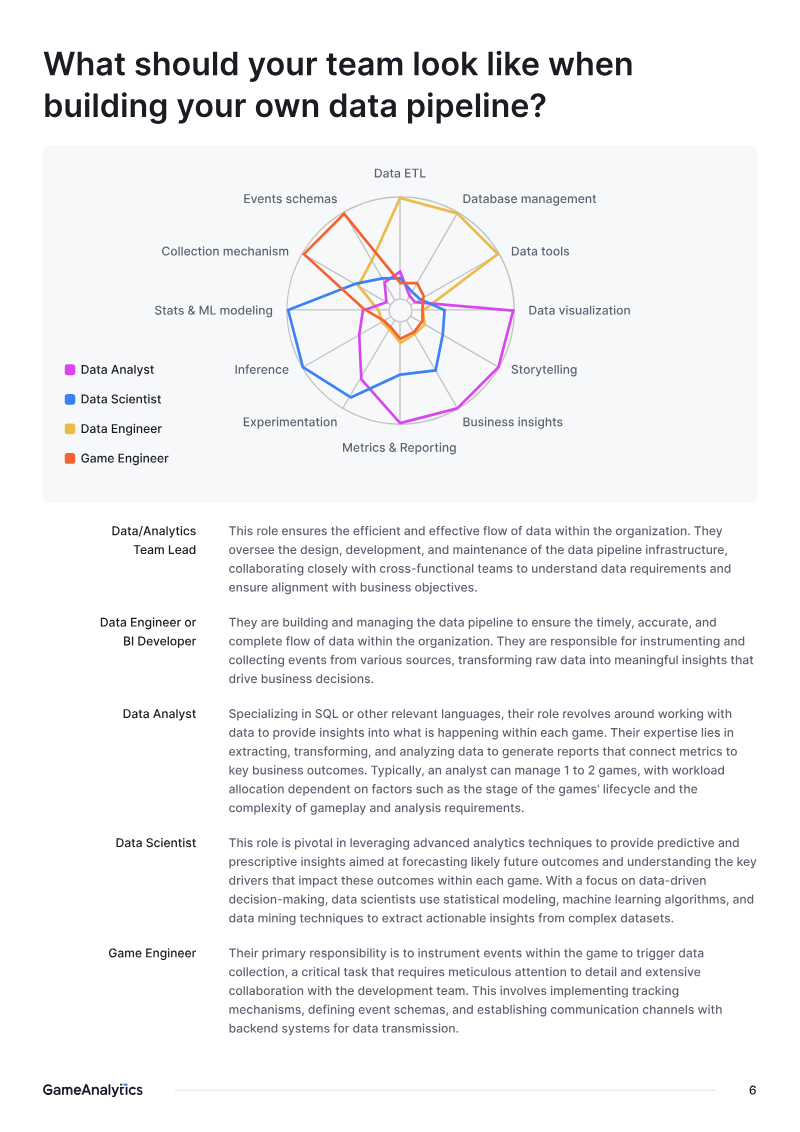
- Human capital is the primary cost driver for both approaches, accounting for 89% of the budget for in-house builds and 78% for vendor-managed pipelines.
- Third-party solutions offer significantly faster deployment timelines, ranging from hours to days, whereas custom in-house pipelines typically require months to implement.
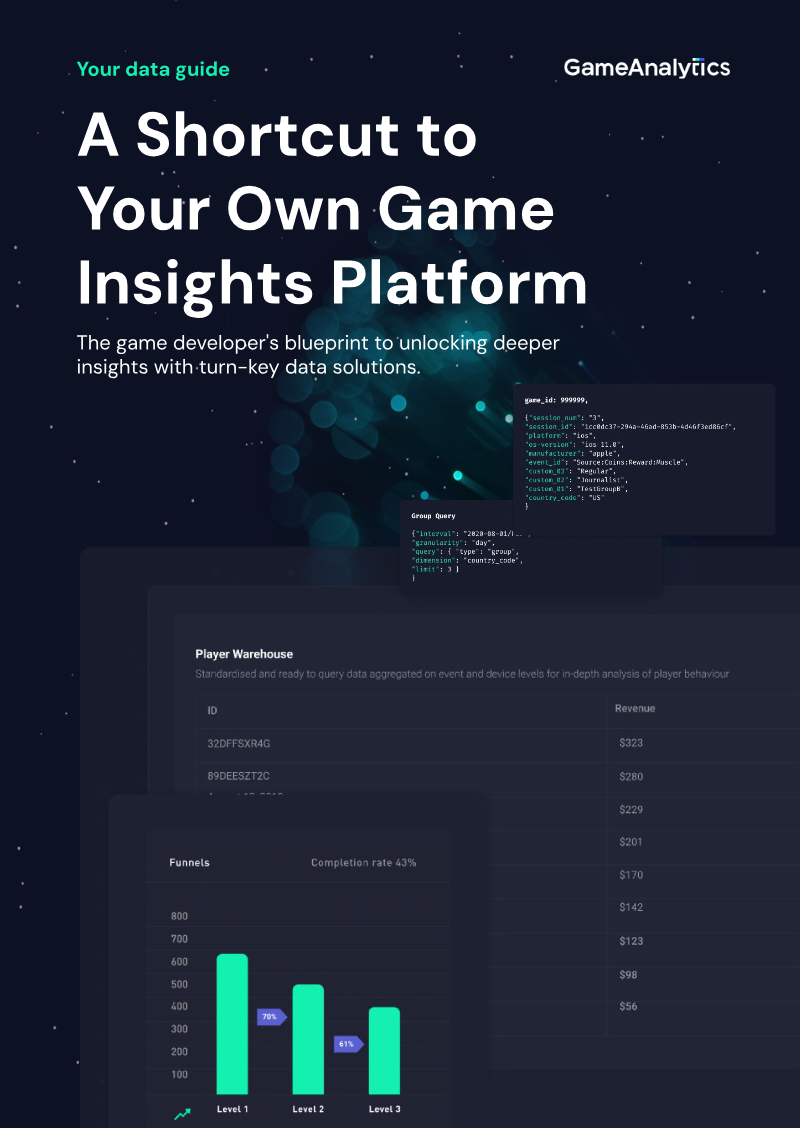
A Shortcut to Your Own Game Insights Platform
The guide presents a turnkey solution for game studios to build an in-house data pipeline without the high costs of custom engineering.
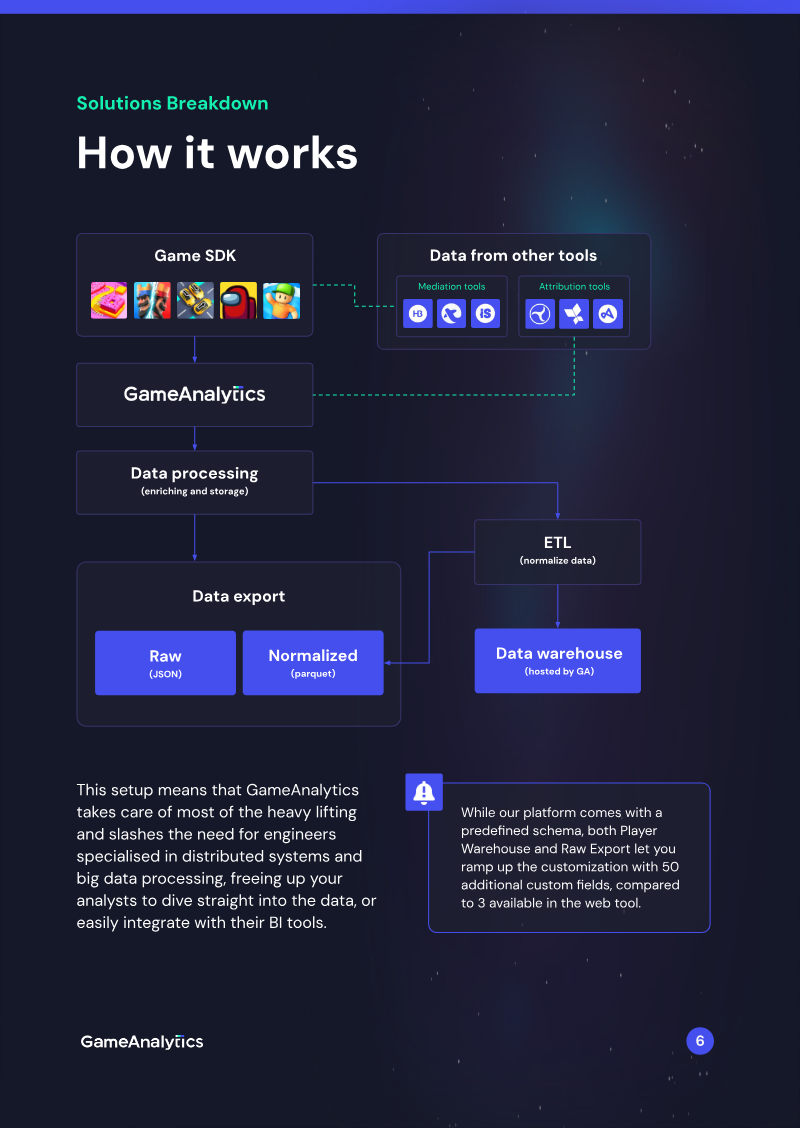
- GameAnalytics provides a turnkey data pipeline that eliminates the need for custom ETL development, proprietary SDKs, and ongoing infrastructure maintenance.
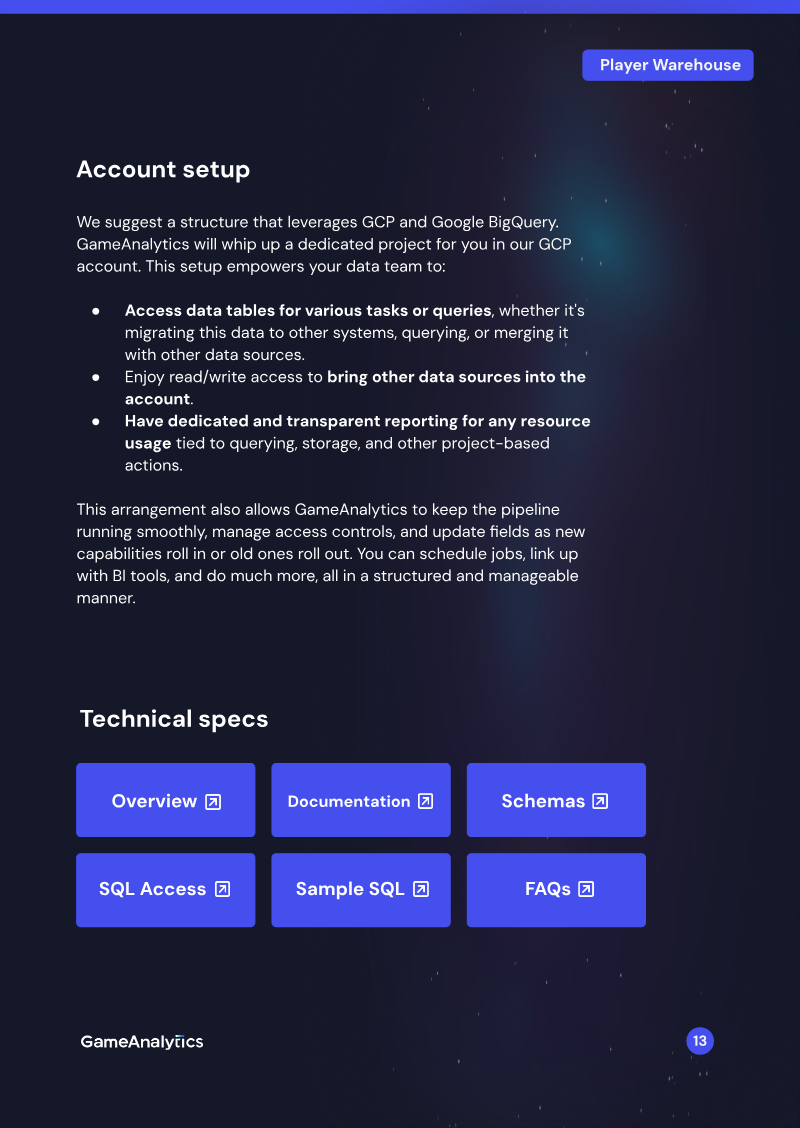
- The platform offers two primary data delivery methods: Player Warehouse for daily refreshed, SQL-ready event tables and Raw Export for real-time JSON streaming.
- A publisher utilizing Raw Export achieved a 50% increase in lifetime value (LTV) across 19 titles, while a VR MMO leveraged Player Warehouse to improve player engagement.

Your Data Tracking Plan: A Step-by-Step Guide for GameAnalytics
GameAnalytics presents a structured framework for designing and implementing data tracking within games, emphasizing the creation of a comprehensive tracking plan that aligns analytics teams with development stakeholders.
- Establish a structured tracking plan by aligning business objectives and player behavior questions with seven predefined event categories: Session, Business, Resource, Progression, Error, Ads, and Impression.
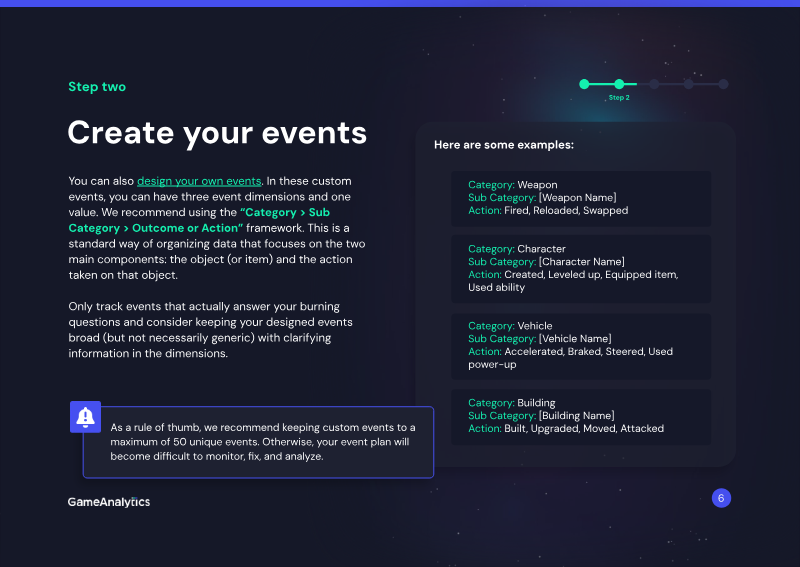
- Limit custom events to a maximum of 50 unique identifiers to maintain data integrity and prevent system clutter.
- Adopt a consistent Category > Sub-Action naming framework to ensure clarity and prevent redundant or misleading data collection.
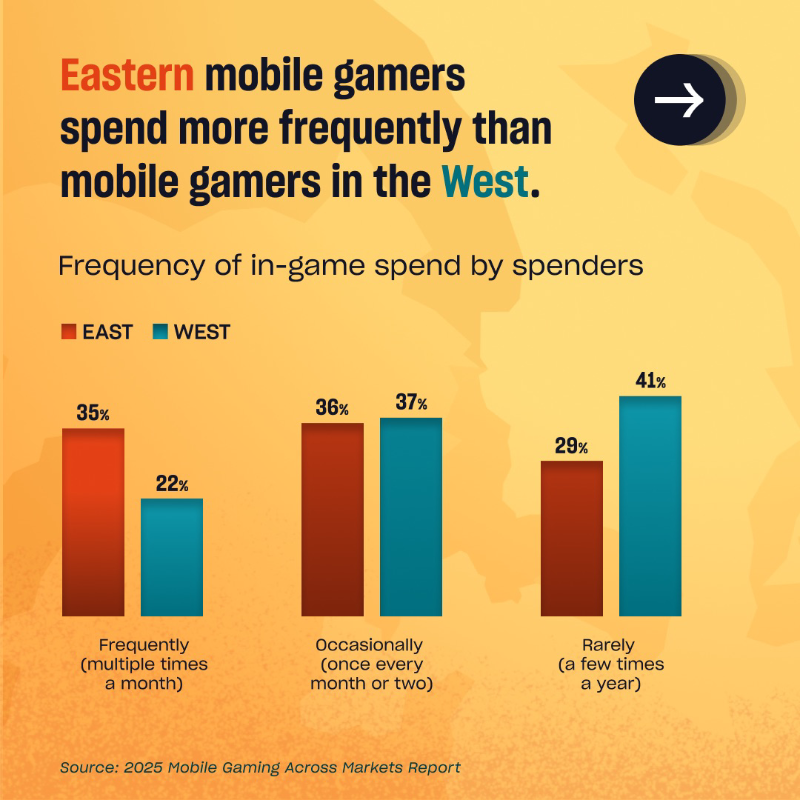
East vs. West: Monetization Trends
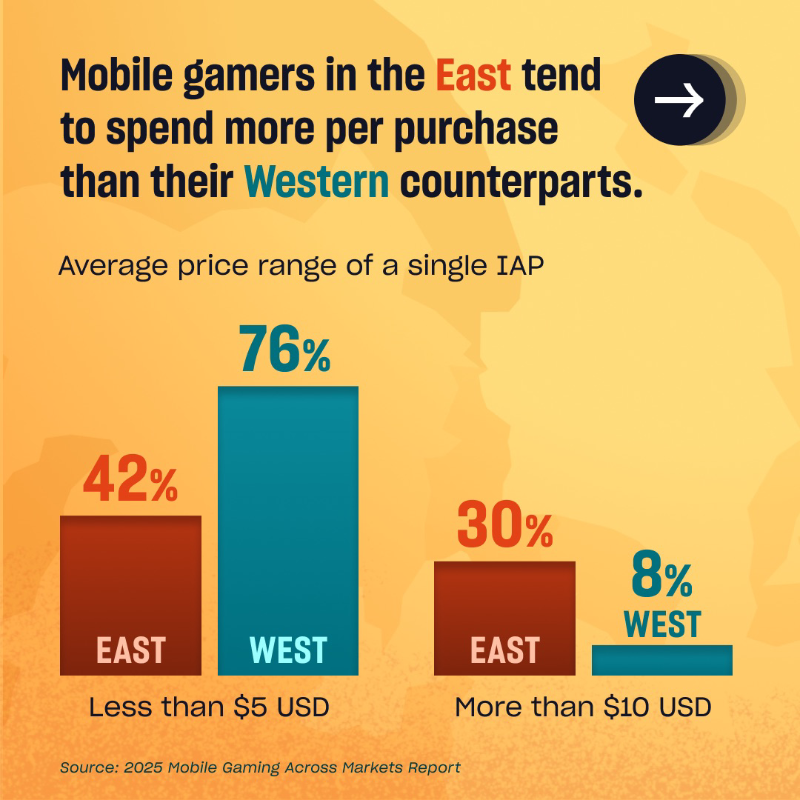
Mobile gaming monetization strategies reveal distinct behavioral patterns between Eastern and Western markets, driven by differing consumer motivations and spending habits.
- Eastern mobile gamers demonstrate a significantly higher propensity for large transactions, with 76% of purchases exceeding $10 compared to only 42% in Western markets.
- Western mobile gamers are more likely to make small-scale purchases, with 8% of spenders in the West opting for transactions under $5, contrasted with 30% in the East.
- Monetization strategies in the West should prioritize value-based bundles, as these resonate more effectively with the purchasing preferences of Western players.



Oświadczenie dotyczące zrównoważonego rozwoju: Polska 2025
The statement establishes MTG’s commitment to a comprehensive sustainability agenda for 2025, integrating environmental stewardship, social responsibility and robust governance across its entire value chain.
- MTG has committed to a 46.2% reduction in Scope 1–2 greenhouse gas emissions by 2031, with a 2030 target of a 40% cut in Scopes 1–2 and 25% in Scope 3 against a 2024 baseline.
- Executive accountability is reinforced by linking 5% of executive pay to ESG performance outcomes, overseen by a board committee with 29% female representation.
- The company aims to increase its S&P Global CSA score by 20 points by 2027 while aligning its decarbonization roadmap with the EU Fit for 55 framework.

AI in MTG: Moving Beyond Theory
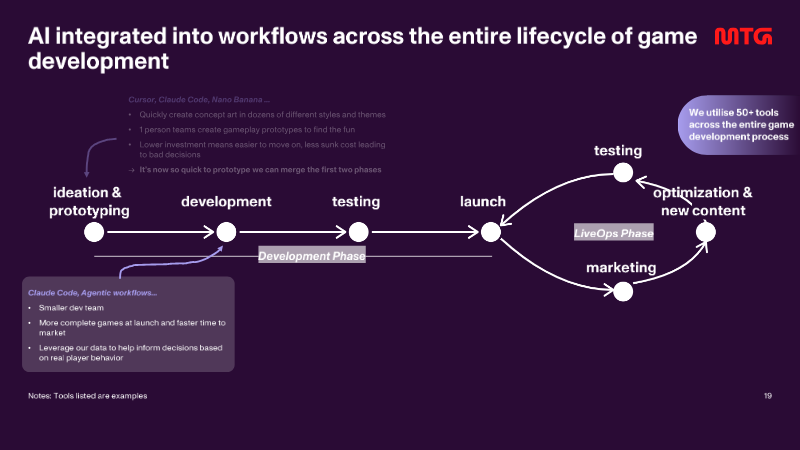
The document argues that artificial intelligence has become a strategic asset in mobile game development, transforming every phase of the lifecycle from ideation to live operations.
- Adopting an 'AI-first' development approach enabled the launch of five new mobile games in 2026, facilitating rapid iteration and simultaneous production of specialized content.
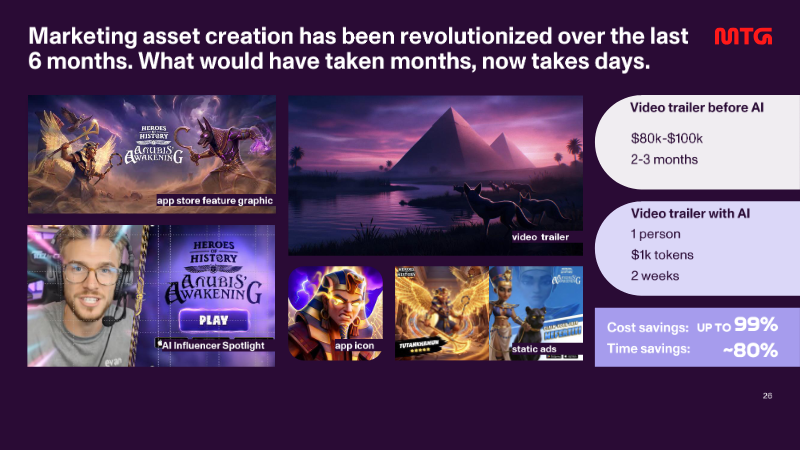
- AI integration has achieved significant operational efficiencies, including a 99% reduction in marketing asset costs and an 80% time saving on influencer spotlight production.
- Data analysis turnaround times have been reduced by 75% by utilizing AI agents to query large-scale datasets, allowing analysts to focus on high-level strategy.