Global reports and market data
Documents
Manning the Oars or Raising the Sail?
The management of EVE Online demonstrates a highly effective model for scaling community operations through the integration of player-driven labor and democratic governance.
- EVE Online maintains a lean internal team of seven developers by leveraging a vetted volunteer workforce of approximately 100 people to handle forum moderation, bug reporting, and onboarding.
- The Council of Stellar Management, a democratically elected body of players, functions as a formal feedback loop and early warning system to align development roadmaps with user interests.
- The studio scales game utility by providing API access and direct developer support to third-party tool creators, offloading resource-intensive community needs to dedicated users.
Lessons Learned Creating UI for The Division
The user interface for The Division represents a significant shift in development methodology, moving away from traditional canvas-based systems toward a node-based, immediate-mode architecture within the Snowdrop engine.
- The Snowdrop engine UI system uses a node-based visual scripting architecture instead of a traditional canvas, allowing for 5,500 nodes to be utilized across game systems by the time of the Survival DLC release.
- Prioritizing rapid iteration is a core pillar of the engine, supported by keeping compile times around one minute and ensuring editor startup times remain within a few seconds.
- Moving loop execution from the node-based script system into the underlying C++ code can yield massive performance gains, such as reducing a specific graph's execution time from 20 milliseconds to 0.6 milliseconds.
The debating game
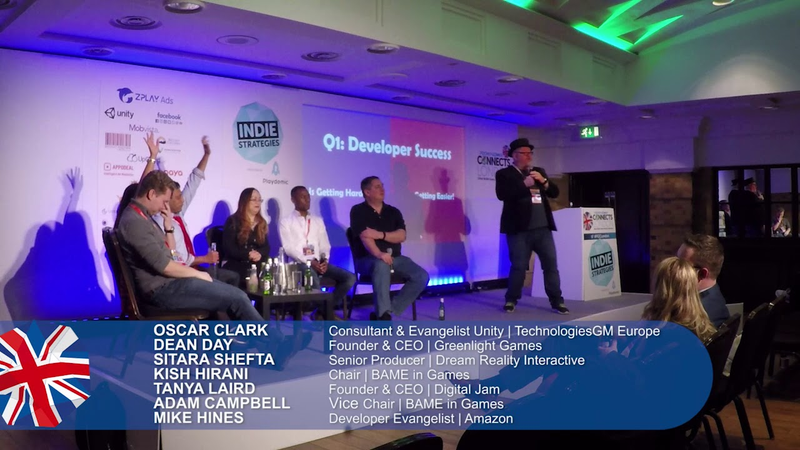
The gaming industry currently faces a profound divide regarding the accessibility of development and the long-term viability of emerging technologies and monetization models.
- The gaming industry is currently polarized by the tension between the democratization of development tools and the extreme market saturation caused by intense competition for sustainable audiences.
- Monetization models, specifically loot crates and cryptocurrency integration, remain the most contentious issues, with ongoing disagreement over whether they provide necessary financial sustainability or constitute predatory and speculative practices.
- The World Health Organization’s classification of gaming addiction has created a divide regarding whether such oversight promotes responsible game design or invites harmful and stigmatizing regulation.
Live ops for indies – The DNA of an effective mobile team
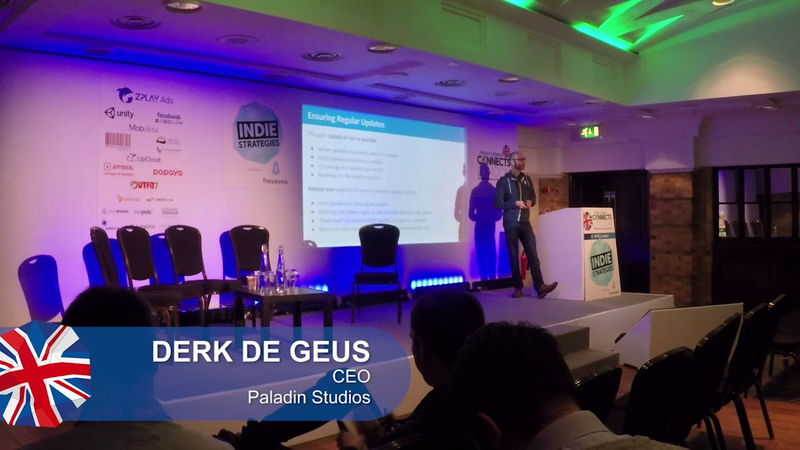
Effective live operations for independent mobile game developers require a fundamental shift in mindset from the creative, milestone-driven development phase to a data-informed, stability-focused maintenance phase.
- Transitioning to live operations requires shifting from a milestone-driven development mindset to a disciplined, stability-focused maintenance phase.
- An effective live ops team for indie studios consists of four to eight members who balance creative vision with technical conscientiousness.
- Consistent, smaller updates generate recurring performance spikes that extend a game's lifecycle, effectively transforming a declining revenue curve into a sustainable long-tail asset.
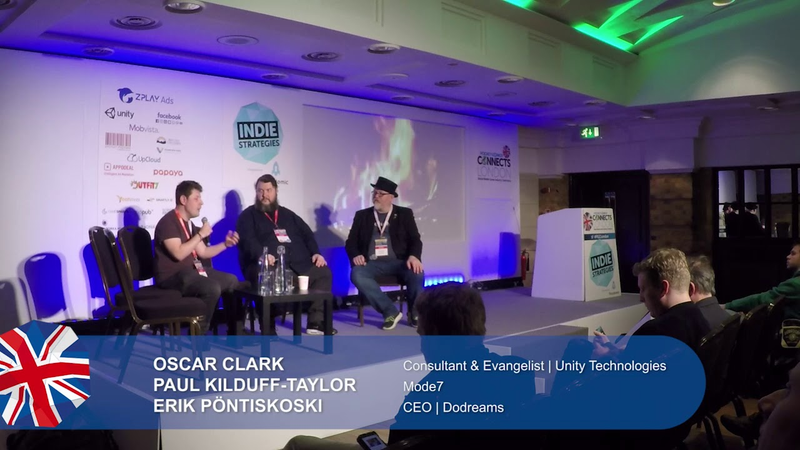
Switching from developer to publisher
The discussion explores the evolving landscape of game publishing, focusing on the shift from traditional developer-publisher relationships to modern self-publishing and hybrid models.
- Developers must treat game projects as businesses by prioritizing product-market fit and market-oriented strategies rather than relying solely on creative focus.
- The decision to engage a publisher should be a strategic choice based on specific needs like funding, marketing, or distribution, rather than a default industry path.
- Studios like Mode7 and Dodreams demonstrate that using early access, soft launches, and prototyping to gather retention data provides the necessary evidence to successfully pitch to investors.
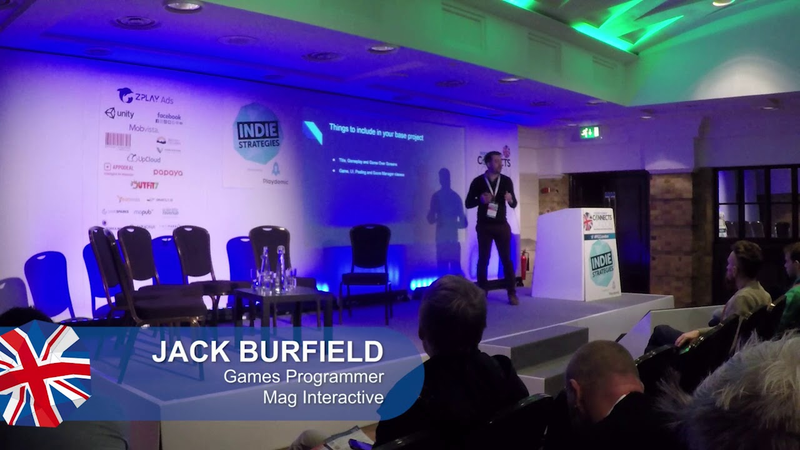
Rapid prototyping for mobile games development
Rapid prototyping serves as a risk-mitigation strategy in mobile game development, allowing studios to validate core gameplay mechanics before committing to long-term production cycles.
- Successful prototypes should target specific retention benchmarks: approximately 60% to 70% day-one retention, 40% week-one retention, and 10% to 20% month-one retention.
- Rapid prototyping functions as a risk-mitigation strategy by using a strict five-day development window to validate core mechanics before committing to long-term production.
- Prototypes must be released without ads or in-app purchases, as success is measured exclusively through player retention metrics rather than monetization.
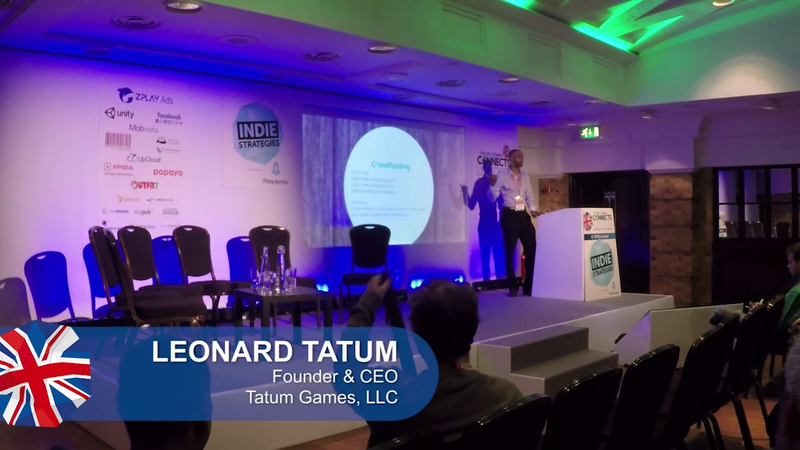
New start-up? No money? No problem!
Securing capital for a startup requires a strategic understanding of different funding types and a resilient approach to networking.
- Successful fundraising relies on building genuine professional relationships rather than cold outreach, as personal connections are more effective for securing seed-round investment.
- Angel investors typically provide approximately $50,000 in seed capital, necessitating that founders present a realistic valuation and a documented plan for fund allocation.
- Entrepreneurs must distinguish between fixed capital for tangible assets, working capital for daily operations, and growth capital for expansion to maintain a disciplined financial ratio.
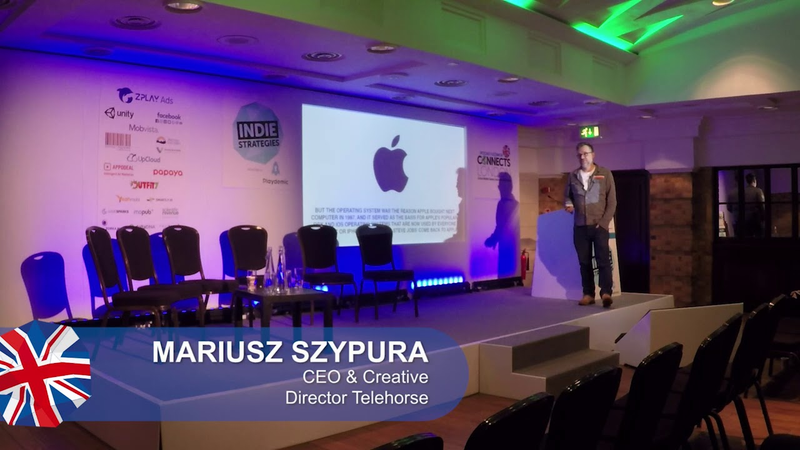
The art of failure
The CEO of Telehorse, Mariusz Szypura, presents a candid analysis of the game development industry, framing professional success as a byproduct of persistent failure.
- Solo-developer models often lead to inefficient resource management and 'everlasting crunch' due to the lack of specialized roles in programming, marketing, and localization.
- Non-coding developers can bridge technical gaps and accelerate production by utilizing visual scripting tools like Playmaker.
- Failing to localize games for specific regional markets, such as Japan, significantly limits user acquisition and global growth potential.
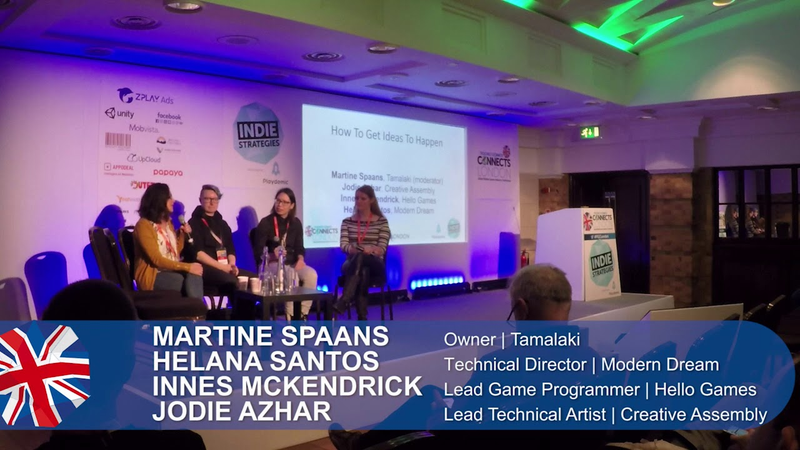
Panel: How to get ideas to happen
Successful game development hinges on the ability to translate abstract creative concepts into polished, shippable products through a disciplined balance of vision and pragmatism.
- Successful game development requires balancing ambitious creative vision with the practical constraints of budget and technical feasibility.
- Teams must foster an ego-free environment where the best ideas are prioritized regardless of their source to ensure the most effective product outcomes.
- Early prototyping and consistent player feedback act as essential filters to refine the core game experience and validate design choices.
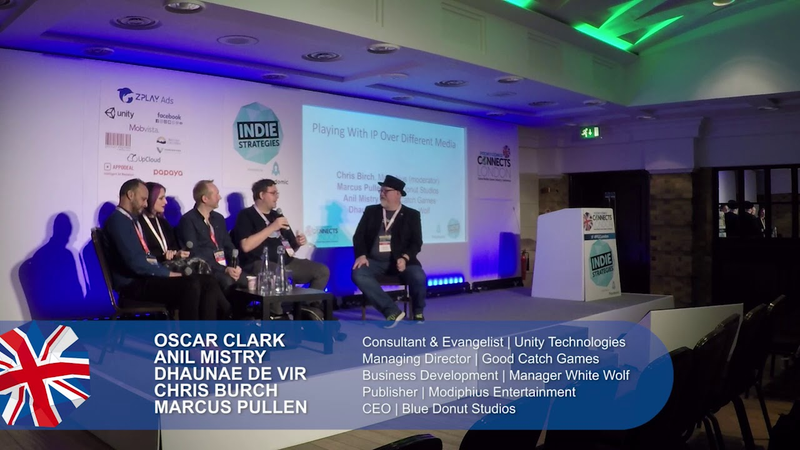
Playing with IP over different media
Successful intellectual property adaptation in the gaming industry hinges on a delicate equilibrium between commercial viability, fan engagement, and an unwavering commitment to the authenticity of the source material.
- Successful IP adaptation requires balancing commercial viability and fan engagement with a non-negotiable commitment to high-quality, authentic game mechanics.
- Strategic IP selection must align directly with a studio’s existing technical capabilities and toolsets to ensure development efficiency.
- Effective partnerships require IP owners to act as active collaborators by providing organized asset libraries, streamlined approval workflows, and robust marketing support.
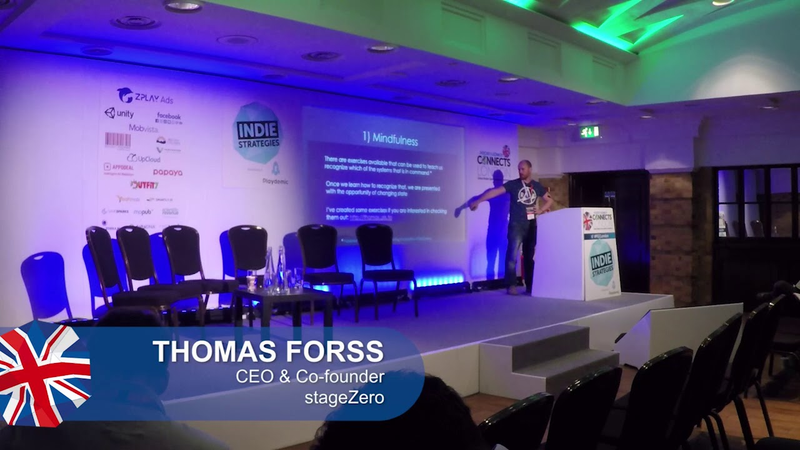
Increasing productivity and preventing burnout
The primary objective of this presentation is to provide strategies for increasing professional productivity and mitigating the risk of burnout within the high-pressure environment of the game development industry.
- Burnout is caused by the nature of stress rather than long working hours, specifically resulting from external pressures that trigger negative stress responses.
- The human mind spends approximately 50% of its time lost in thought, which is governed by an impulsive system that hinders productivity.
- Mindfulness exercises should be used to transition the brain from an impulsive state into a logical, controlled state to strengthen focus.
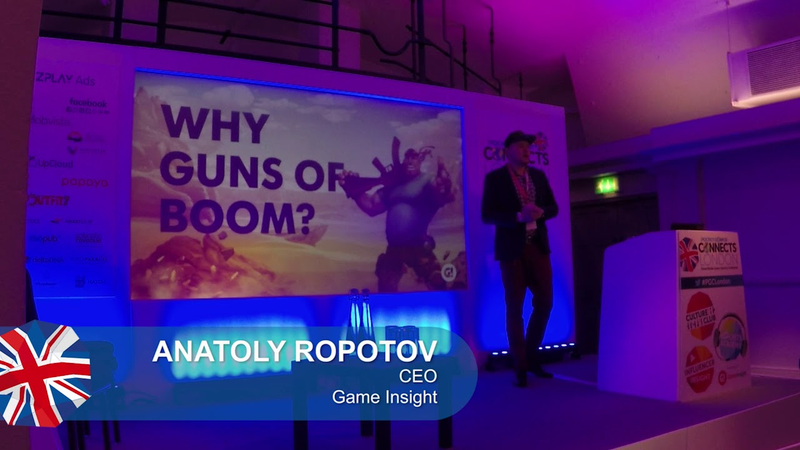
Bringing esports to mobile
The mobile esports landscape is currently undergoing a pivotal shift, transitioning from isolated titles to a broader ecosystem of competitive gaming.
- Successful mobile esports require a balance of high-level competitiveness and inherent streamability, supported by community-led tournament organization.
- Developers must prioritize accessibility by removing complex PC-style controls, such as jumping or crouching, to ensure a seamless mobile experience.
- The shooter 'Guns of Boom' achieved 30 million downloads and 25 million players within eight months of launch, demonstrating significant market penetration without initial Asian market exposure.
Writers
Games and companies
Games