1 free read left. Create a free account for unlimited reading + AI research.
Create free account
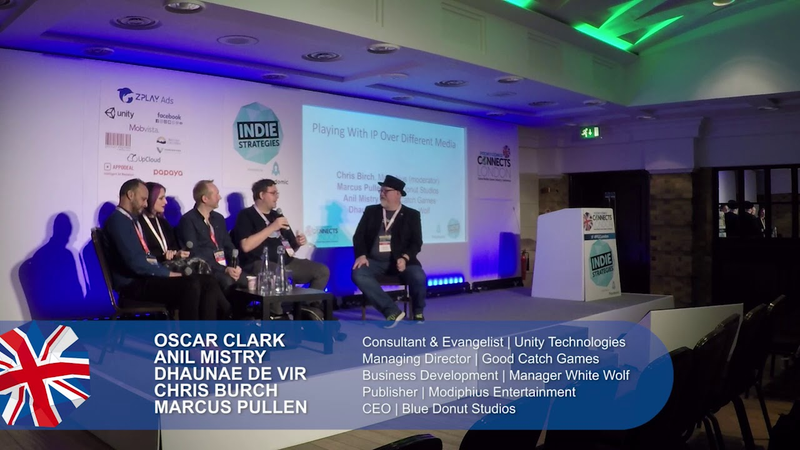
Playing with IP over different media
Key insights
6 takeaways- 01Strategic IP selection must align directly with a studio’s existing technical capabilities and toolsets to ensure development efficiency.
- 02Long-term success for an adapted property is ultimately tethered to the quality of the gameplay experience rather than the inherent market awareness of the brand.
- 03Effective partnerships require IP owners to act as active collaborators by providing organized asset libraries, streamlined approval workflows, and robust marketing support.
- 04Vetting potential partners for operational transparency and shared long-term strategic goals is essential to mitigating the risks associated with licensed development.
- 05Successful IP adaptation requires balancing commercial viability and fan engagement with a non-negotiable commitment to high-quality, authentic game mechanics.
- 06Developers should avoid licensing agents who prioritize short-term revenue over brand health, as these entities often impose micromanagement that threatens budgets and timelines.
Ask AI about this video
Transcript
[Music] [Music] the kind of quality of experience that's being created using a game engine is amazing it's like TV quality film quality material and that's got me thinking well actually where is the boundary of what gaming is about what game creativity is about and so why don't we look at people who are doing things in other media so I don't talk about your background and obviously what you guys are doing now cool my name is Anil mystery I am the MD of good catch we are a game development company that's owned by the Endemol shine group so we get we can do deals with IP owners for TV shows animations cartoons we build mobile free-to-play
games out of those as well as creating our own IP games throughout my career I've been kind of lucky enough to work with a lot of TV brands film brands and sports brands making gambling games mobile free-to-play games and lots more I'm the beer and Business Development Manager for white wolf entertainment so we are an AP owner our main IP is world of darkness whit has brands such as one for the masquerade where will the Apocalypse make the Ascension refuse etc and we work with partners to create products in three different in four different main areas which are video games obviously and events and life experiences physical products such as marriage books and everything in between and TV series and films a quick question an event planner masquerade players out there yeah Chris your background yeah -
Chris Burch I've got two coming from the doofus I started in the music business and and then my first licensing experience was with a company called joystick junkies which I stood up in 2000 which we licensed Atari for the first time and space invaders and other video games brands to make cool fashionable t-shirts and after getting sick a t-shirt soft about 13 years I went back to my first love which is tabletop games and we started on Kickstarter actually five years ago almost to the month and with a thing called act and cthugha which is world war two in the Cthulhu Mythos and we raised a load of money set up a company just me and my wife and then took on lots of licenses went through Thunderbirds Star Trek more recently in fallout so we had a lot of experience in kind of growing through that process of our very first baby license to the much bigger ones I just have a very fond memory of Jerry Springer turning up but one of the joys to junkie part is about maybe 15 years
ago but also don't don't be fooled with the Thunderbirds license it's not just a kids game it's a brilliant board game genuinely brilliant ball game introduce yourself as well thanks so on the empty of blue donut studios and we make comics we also make card games we use augmented reality and virtual reality and blend all these things together with animations we also do storyboards because we're storytellers making the point books but we do stuff with pop videos or we work with Joss Stone don't videos the love we had we worked with them on that and we work with other properties as well so as you can see we've got lots of people lots different illnesses all of which cross over with game and it will have kind of fundamental kind of creative and narrative and and kind of experiences that are emotionally charged you know that's the kind of common thread I would say between them so what I'm trying to explore is particularly their kind of route of an IP how we look at an
intellectual property and how it then is delivered in these different media so all I'm thinking is you know think about a show or a game or a comic book why would you make a game out of it I know Jonah have a go now well there's yeah there's lot see earth moves when you speak absolutely so why would we why we make it wealth from our point of view for games I mean working with ip's brings a lot of value in terms of awareness for the brand certainly in mobile games there's so much competition there's so many games released every day every week an IP a good brand can kind of help you kind of stand out kind of look over the wall and people will take notice also you've if the IP and brand are good you've got fan base there so if you can tap into that fan base early enough you
can get good feedback as you're developing your game whether whether it's in beta and when it launches you're in a good position to get off to a very good start I guess the pitfalls of that are that that's only gonna last for a certain amount of time it's going to give you a good start but if your core game underneath isn't any good you've got no chance of kind of extending the long tail of your game but how do you look at a show or something like that and work out there's a game to be had in there okay so I mean I've worked with game shows before and typically that's very very easy if the mechanic is good and if you can translate it well with the controls that you have available to you it's pretty much a no-brainer as long as you can make the say the content and the questions that go with it we're currently working with the Simon's cat brand at the moment which is very different and there's a little universe that exists you've got a character that doesn't speak which is also a cat and
usually within that universe you mean you get well if it was any IP you can look at that universe and go or we connect we can make the cat run we can make the cat jump we can make the cat catch things all of a sudden mechanics come out of that and usually that's your starting point you just have to think what you think is going to be appealing and also make sure that the IP owner and the brand owner are on board with what you're going to suggest as well so it's kind of like keeping true to your tentative what that item is that expect IP is yeah absolutely because if you start doing something really I mean like we wouldn't make a mid chord our of Simon's cottages wouldn't work so it kind of lends itself to a more kind of casual offering automatically that takes you down a certain path and the IPO know if they care about their IP would want you want would want you to make something that's going to augment their brand their overall offering I just thinking about Simon's Cat is bad he's back he's got bigger guns it's not
gonna happen so there's gonna work so obviously you know this is another it's obviously a game it's a game I've been playing for long as I remember I think I got like the first ever copy of Magic the Gathering the UK which was on sale you know it's how sad I am but you know it's it's already a game it's already in the experience why would you try to take something like that and do a video game where you can't do the things which make vampire magical the way we certainly like to comment on that so I didn't do what O'Neil said because that's yeah very important recent reasons we have plenty of developers coming to us wanted to create games for our IP because they have been fans themselves for over 20 years and now they can add to that world that was already part of them or their hobby or of their lives so they want to create games out of sheer passion and that's amazing we we like to work with people that are fan of our brands like
Lego yourselves are so that's that's great so it's about bringing out the emotion of the people you're working with as much as it is about realizing the brand that you're representing is that fair yeah that's that's true so I mean obviously universe a different angle because you're the kind of guy making the games that I'm talking about so you know I mean obviously things like I'm with Star Trek okay I can kind of guess you got a certain interest in that but is it is it the opportunity as it arises is it finding the IP how do you actually decide what you're gonna chase as a business owner let's face it you end up working 9 a.m. on a Sunday 11:30 at night on a Saturday so it's got to be something I enjoy or I love it should be commercially cool you know we're business so it's got to make money but I've long since given up trying to do stuff that's just for the bucks otherwise I'd be adding a lot more money somewhere else not making the board games so you know John Carter of
Mars is a big Kickstarter we've got on it right now and it didn't have any artwork doesn't it's very well known amongst a sort of science fantasy fan base obviously there's a Disney movie if you've seen that it was were okay not too bad yeah and but it's not like a major major brand like starch I could fall out but it's something I really cared about passion because I remembered reading the books as a kid and and so I went after that and we and we got that I've been able to do sort of a really good line of products around it and so when I have to work on a Saturday night I care about it and I don't mind doing it so it there's a real balance between is it a big audience has it got work in our line of work we need a lot of assets so we're looking for things that have got you know fallout is a fantastic example huge huge range of artwork in you know the videogames assets the in-game models can be you can use those to inspire the 3d sculpts for the miniatures that kind of thing so that's a perfect example an enormous audience that we can tap into
and John Carter is the complete opposite but in both cases it's something we really care about and love but I think that's the interesting is because obviously the passion is the thing that's driving John Carter and I completely understand why I mean I remember some of the covers of some of the linear the old books here we've still got them somewhere and it's when you look at them they can have very stylized and there but you kind of wish constrained because that's an expectation a whole bunch of people have of what that should look like and yet they aren't because ailable is so limited yeah John Carter's very good example because most people think of the artwork and the artwork much like Conan was very much drawn after Ganon was life so classically with with John Carter you see well virtually naked people all naked people there's a famous dejah thoris book which has pictures of Dejah Thoris clothes and pictures of dead iris naked and that's not what he described he described them as being nearly naked which is someone who wrote at the time in sort of in that period if they'd seen some people on the beach at beefer they
would be nearly naked but we know they're not so it's very much you have to treat properties like this with real authenticity and you know we engage with the estate we work with the with scholars of the work to ensure that we're getting across the true spirit of the product it's something you have to work very closely with the license is to be seen to the fanbase to be authentic and that's very hard with Star Trek because everyone has a different experience and a different passion about Star Trek and it's very hard to keep it will debate discovery over beer later [Laughter] I mean is it most of your own properties that you're kind of realizing from comic to game or are you working the other way as well funny enough took about an old science fiction props here they did some sketch cards for war the worlds and that's one of the things is you do you really want to be respectful for that for that whole tradition of that that
property and a research is a really good thing as an artist you know you want to spend a lot of time going in what what has gone before you and so in the comic book side one of the things we were asked to do was to create graphic novel series for the legends of beavis which I went beavis and butthead know yeah so beavis the letters of beavis was a medieval story apparently henry v absolutely loved Azhar Arts Council England and National Lottery and the council where we were working with the art centre asked us to work with a historian fantastic story and again you know we had to make sure we captured the story made sure we understood the legends of the culture around it but critters to the audience that we weren't we're supposed to be reaching out to and understand their sensitivities as well so that's quite tricky I think I'm pairing a pattern that we're
talking about you know finding the right IP with the right audience the right design there's a lot of things to juggle here so have you how do you get started feel if you're reaching out for a new IP what are the decision-making processes that you go through for the when you're working what are the thing that drives your this is the right product at the right time because we started I mean I had a lot of experience in picking up licenses for clothing but you know when I started the business five years ago as me and my wife raised her in a little basement flat in London and yes we'd funded this game project on Kickstarter but we we were a nobody tiny little really even a not even a business so you know how on earth do you get to the point of CBS going yes okay we'll give you Star Trek and it's quite a long process so we had to you know I was looking at apps that had interesting stories and you know various kind of projects that were quite small but I
thought all that would be make a good game and you know but I had a few rebuffs at the beginning because well who are you and you know we don't really know what we want to do and or it didn't really make sense for us and then I got lucky and there was a brand called Mutant Chronicles that was a media few years back all right an okay movie and was kind of like a competitor to Games Workshop in the 90s and I I knew the company because we talked to the girl there about licensing t-shirts from her when she was at Midway and they said well we've got this old brand you know if you're interested in doing something with it not like wow I love that but I remember playing the game I had all the books and the figures I said yeah we'll do that and that was our next project on Kickstarter we raised 150 thousand pounds and it catapulted us into something we've got I mean not a famous license now we've got a license so I used that and they went in I also had been talking to ITV about some projects and I said you know Thunderbirds would you be up for doing board game and they said look we're already doing this license property amusing Chronicles and oh yeah okay you
sure you don't want the new one because no no I want the old two Thunderbirds and so that was a lot cheaper of course because they're like he wants the old Thunderbirds were doing this big new big-budget series so that was my second license and so is its trading game so that when I had funder birds I then got Conan off the same people around meeting chronicles so that now we've got three licenses then I went to DreamWorks and happened to meet the people by accident and said oh look we're doing Thunderbirds we've got Cohn and we'd love to do Kung Fu Panda as a big board game and so and then before you know it I'm talking to CBS oh we've got all these other properties we would love to do Star Trek that took a long time but it's very much this you know don't go after the big names if you're just starting out go after the little but resting it's not just a serendipity of the meetings and the people you knew it's being able to plan how you then build on each Beach moment is that oh is that a fair summary yes I mean I don't so you need you need to know what they're looking for they're not they're not looking for someone to go oh I could do this great game I can't
pay you any money and we don't want to pay much percentage you need to know what they're looking for in terms of a commercial agreement so that helped having that experience but doesn't take much to find that out and there's people just ask around people will give you advice but once you know the kind of level expectation that you are and there's no point doing it unless you can guarantee a certain amount of money because why make the game in the first place so it's it's having that level of professionalism to approach them but then being able to know okay once they've got that out I'm thinking ahead I'm not just doing this project I'm thinking I mean already as a business we're like what are we gonna do in 2020 and 2021 and I think is an interesting sort of balancing as a hold the commercial thinking commercial planning but also the personal passion then we are sitting here with the Rocky Horror Show yeah license and you know trying to make a game out of that and it's like constant battle between trying to make sure I've got the right game to the right audience at the right time but also not just thinking about this game being the thing it's happy to then take
the the mechanics of that game and then reapply that to other licenses so I'm thinking you know I think we're all thinking about these things in a very complicated and complex way so when you've got somebody coming out to use it I want to make a Chris says to you on like a board game using I know the mummy what was the money one quarter hermit mummy the resurrection let's say we all remember the resurrection for some reason what are you looking for somebody income students had they they're gonna passion for this particular thing maybe they got some track record but one of the things they're gonna make you say yeah that's the guys I wonder sis so often times when developers come to they already have an idea in mind if they are passionate about the run they already have an idea in mind which is the game they always wanted to play but never got made and they now want to make that game because now they have the capability of doing it so we can - they come to us with a lot of experience and a lot of so this game would be great to be released now because these and these and that so they come with a lot of information and yeah so I need to come
with you my Fisher Kings scenario I literally wrote a Fisher Kings module for White Wolf which I never ever did anything other than play with my mates but it's not the kind of thing that happens though is you genuinely get people who've just made that thing that they did to their mates and then come to you and try it on or are you getting much more professional sort of people who really do understand the economics behind the structure what they're trying to make so most of the time we get super professional people are great part of that professional people are also great fans of some of the brands and then there are some times that we have pitches from from fans that are still not you know in the very much into the videogames industry or the other industries and those are the pitches that have the flaws and the you know on the commercial side of that it's like they would like to see that game but they cannot prove that actually that game would be successful what sort of characteristics are you looking for in the mechanics that they took is there any kind of pattern the
war really feels like World of Darkness experience so every game is different every game line that we have we have eight different main game lines and we advise our our partners as to what would be more interesting for one or the others I was saying just a while before that for example an isometric kind of game would probably not work for vamper The Masquerade because you you lose on the on the personal horror it needs to be you know closer to the scene to what's happening but it would work great for our well with the apocalypse or hunter directing kind of game because they go in packs so you can see like all the pack mates in there so we help them to make the most out of the IP with the technology that they are using the JIRA that they're you know of their choosing that's part of what we do as a licensed source yeah it's understanding the right experience for the broker and I think it's resonating right because you can see how am i doing RTS for Hunter because you'd
be talking about taking over domain and having your client and all its kind of stuff but that probably wouldn't work for major probably wouldn't work for vampire although there are aspects of vampire you can imagine really working in that way if you're looking about political and social power and that was such a power high rock and to me what this says is it's all about really understanding thoroughly understanding the IP and its value and how that value transcends into in particular for the guys in the room video games so it kind of talked about the kind of the decision making I mean did you have any kind of well the only I mean from a slightly different perspective it was more there when we're selecting IP it's whether their IP is globally known as a big fact for us obviously the IPS to lend itself to games which we've already said but having a global reach it cost the same to make pretty much the same to make a game for one territory as it does globally for so from a business perspective that's always a big thing
certainly making sure your tier 1 territories are covered in terms of popularity of that IP other than that from a more kind of development perspective when we're considering even IPs and games that go with that we're thinking about the tools that we have what we've done before what can be reused how efficient can we be and build on what we've got rather than having to start from scratch every time if the mechanics so left-field to what we've been normally been doing it's a bigger stretch therefore ISM yeah I think that's an interesting problem is new I mean I'm thinking about Nick X in and the guys have made this Dancing with the Stars game which is called Strictly Come Dancing in the UK and of course it's the same game but because it's got a different brand IP elsewhere you've got to I don't want to talk fitting it's right in the room but um my feeling is that there's a lot more complexity when you have to deal with or at rebranding and localization like that I mean the rebranding thing is the worst I've worked in scenarios where ages ago with the Deal or No Deal brand
and it's a huge it was was a huge show and it was in lots and lots of different territories but from a development perspective it mean it'll it had a different logo but different set a completely different yeah completely different look and feel in every single country so but the mechanics the same so I want to make things efficiently and well but I couldn't and you know this cost just spiral out and at the end of the day it we just took a lot more work and as I recalled Miller who had been in it had a similar problem but it was more the different hosts rather than if you're actually I would argue that who once we met at the best and I don't think many brands have done it well since I mean that was like 20 years ago yeah pretty much that the set and the logo was the same everywhere you went when I'm talking to the kind of IP owners you know shareholder company I'm always pushing going I know you've got this great new show but don't let them change it and they still still it's also
thinking about things that jeopardy and and you know prices rights of that which are enormous games in the States and we all know them but we don't have the same emotional connection with them or at least not anymore and so I it is it Sony had that license for a while I can't remember and that never seemed to really go elsewhere I remember them trying to sell it to me back in the Java days really old times anyway so this is gonna move before so obviously we want to get these guys in the room some advice what lessons from your areas where you sit in this juxtaposition between IP and video gaming from your experiences what lessons should these guys who paying attention to you know what's the thing that they can benefit from what what advantages are they by thinking about the I piece of what we're in a wider way Marcus what's up yeah so from my perspective first of all I mean well I think we'd all say the same thing you've
got to be really passionate about the IP you've got a you've got to love it but the other thing is you can get involved in conversations with IP owners and they will think you know what throw it at them so you're going to be very careful about when you have a conversation I remember having a conversation with a large film maker of a big big temple production that sucked and I'm not going to say what it is but basically they said we'll we'll do you a special price on the IP and you can have exclusivity on these territories and we kind of thought thought wow this is really good and then we sat down and the cold law day we thought this is gonna suck we're gonna lose a lot of money on that so you'll be very careful on your investment where you put that money but if you're passionate about the IP you can find that it will really help your business I think for me the key thing is work with a few licenses now and it's it's people who are willing to work with you and and there are a lot of big companies out there that will happily take your contract and your money and
just go look set me a check in three months send me another check in another three months and that's all they care about and you really need someone who's willing to work with you and so we've been actively and I found actually video games companies are generally the best to work with you know that's why we've you know done I deal with with Fallout and we're talking to other people because they're often game as they play games by the very nature there's often tabletop gamers in the business and they understand the more contemporary social media and marketing and promotion where is the bigger film companies are very much dinosaurs of the 70s and they're still struggling to you know I've had a conversation recently with a very major brand and I said well you know you've got a giant Facebook page so will you be able to promote our project there oh no we can't you know we don't promote any of our licensees I was like so okay well that's a no then and it's just like it's you know why don't you well because then we'd have to promote all of them well
you probably should so I'm really not interested now in a licensee and it's you're not the one pleading to work with their brand you're bringing something very special you're gonna give them extra exposure to an audience they don't maybe reach at the moment and you really want to find someone that is going to work with you as Dana was saying you know they're very good at so white wolf a very good at helping advise people and guiding them and sporting them through their audience and there are a lot of companies out there that want to work with you and help you and use their audience to support you and so I'd always say you know of course they're a project and I've done deals where they're not particularly supportive but because you really want to do the project and we think there's a really good commercial value in it but try to find companies that will support you through their community through their social media outreach through their marketing campaign as much as they can because that's a much healthier relationship especially when you're committing your business behind their IP yeah a part of that I completely agree
with you both and the part adding to what Chris said is the approval process so of course the license or needs to approve what you're doing and I would recommend you to make sure that you partner with a company that doesn't give you headaches every day because the approval process is just a nightmare so even even though the may be the IP from the outside might seem super juicy and interesting maybe working with them is not so interesting so I would encourage you to to find partners you really like to work with because in its placement so yeah yeah concur with everybody else's points there I think often in your example you're kind of halfway through and then you realize it's a bad thing that you having to get approvals every week about the very very my newest things I guess I would urge people to really try and look at the IP from the
IP owners perspective what did they want from their game if they're passionate about their brand and not just trying to farm it out for a bit of cash then they're gonna wanna want to uphold their IP and their brand values and where does the game that you're pitching fit alongside everything else they're doing and I think often if you do that I think you've got a better chance of success of getting the IP so I think it's very interesting I talked about to explore a little bit further because it seems to me that there's a whole bunch of things that the IP owner needs to bring to you and what strikes me you know it's the what is that responsibility when is there ever any funding anymore I'm assuming not is it all about just the cash is there all that what the constraints like how do you operate within those so I'm kind of interested in what do you think is the IP owners responsibility actually in this situation at the moment we we're currently working with an IP
holder has had a Storybrooke IP that was serialized in the 90s and it sold 30 million copies worldwide so it was a it was a big IP and they actually came to us because they want to resurrect the IP because they realized the timings right and that's the thing is you learn a lot from them about the business side but so obviously I'm interested in the business side but as one of the creative team as well it's working with that IP you feel like you've got the crown jewels in your hand and it's really exciting that you pick that up because then you sit with these guys that have come up with an IP that you know people like so they say when you come with them and you sit down with them and they share their experiences they also talk about their characters and for me as a storyteller you know I love that when they say oh they did this because that this that the other and it might not be there in black and white but they know when they wrote all that stuff although drawing the characters that was behind that you know that's in their heads and as a creator
when you're working with them that's really exciting I have a similar experience with the rocker aside because we basically give accomplish it looks on the surface like they're not doing but actually it's just really nice to be trusted and we've already had the conversations about what the feel and the emotions are we tell them all want to do and they just go yeah that's it so there's having that kind of dialogue is really nice but it's still focusing again on the Sun River of what they're bringing to it so in my case it's not they're not bringing a lot directly but they're bringing a lot emotionally to that support what about yourselves I mean what kind of things you expect the IP owner to provide to you well typically you know an organized asset library always helps and you'd be amazed get out of brass set library yeah it's like you've amazed when that doesn't happen and and also a menu of what you could have been I was actually really shocked I mean I did mention film companies are not great but CBS were fantastic with Star Trek you know this is a major company and we're are a very very small deal but that was
being done during the fiftieth anniversary and of course they're preparing for discovery so and you know I sort of said oh you know what can we do to help with it and they actually sent me there's a long email where we can do this we can push you and put you on Star Trek comm if you give us this banners I was blown away by the amount of stuff they could offer so I think if you're an IP owner you should be considering about all the stuff that you can do that costs you nothing that actually benefits you to say to the whole world look at all the other stuff that we're doing around our universe and and they're so kind of having the more you've got like that the more it makes it easier for companies like us or you guys to go out there and do these deals and make fantastic games because we could focus on doing what we do well and not trying to root around some movie stills or ancient piles of comic books for you know to scan artwork and things like that so I think IP owners need to to protect their brands and they need to try to make their community their fan
base happy and they need to make the lives of their partners easy so that together you with the partners can actually accomplish those two first goals of protecting the brand and making the community happy and these implies a lot of things like not making a nightmare of the approval process of helping the developers that might approach you that are not so familiar with your brand so you will educate them in you know how your brand is and all these kind of things that help in the end or having the library Highsmith's please mention these will help in the end to to accomplish your your your goals and make everyone happy right I think that's a key point at the end of the day it should be treated as a partnership the whole thing whether it's from the artists allowing access to audiences on social Media or whatever community that's available and yeah commercially at the
end of the day as well is him everyone's interest that it succeeds so if you don't get on with the people that's going to be a problem though is that the brand licensing event ended last year and it's just be an awful lot of people whose job titles are licensing who don't really seem to have any passion for the brands they were representing I mean that was my personal story I mean there are very good exceptions but it was fascinating how much more basically agents trying to get the percentage and their interest as a percentage is that is that something that we should be watching what we're watching out for wary of yeah I mean I think totally I mean they are agents they are salespeople and they've got targets to hit and I see it from when people from our parent company are licensing and some are really into what they do and some are just going I really need to get this number that's the only motivation so yeah do you want to work with a
partner like that I'm not so so sure because these people are generally doing t-shirts and and backpacks and toys and I don't think a video game particular board game or in a comic is just another t-shirt it's a it's a creative outlet for the identity of that brand and sorry and often it goes on for a very long time it's not about the year that you do the deal in it's about the next three or four years and yeah it's a different mentality is needed I would like to say employ the brand you need to to have a grand vision as a the LP owner and have products that are cohesive among them and that they work together and that and that are true to the brand so that people don't when you for example let's see you release a new game based or RFP people think oh yeah that's another game that has the brand slap on it but it does it's not for tweet so that's that's
part of it if there's no passion if there's no cohesiveness that's a problem just find the right person I guess you know I think another day it might be that want to get past the licensing guy and finally got the product owner and a product on it if it's anything like any proper trained professional marketer will really absolutely love every aspect some detail of that game and we'll worry about the pixel being wrong in the way the eye is shaped there you guys I want to talk - yeah yeah yes so you know when you go directly to the to the guy that's created the IP you do have a wonderful experience but they will tell you you know that's not quite right they they wouldn't really do it that way and you're kind of there is a negotiation and you do have to realize you know sometimes there isn't there is give and take on both sides and though when it does work well you find that you you are allowed to contribute and that's a magic
feeling when you get to contribute yeah I think I mean a good agent and I I work with internal licensing managers often who are a buffer between you and the creative people and it is great working with creative people sometimes but they can be sometimes a little too precious and a good licensing manager is the guy that's like it'll be fine just get on with it and and it's like you've got it it's got it he's just being a bit of an idiot don't worry and getting the brand right and no that doesn't need to be separate because that's going to cost you loads of money I get that and there needs to be someone who understands the commercial realities of user license or that you also you want to get to be right but you know sometimes it you I mean a good example is the the heads of our little Star Trek because we do these like 32 mill scale Star Trek figures and of course the actors get to see them and
go all doesn't it like me it's like what a minute actually it's like about five millimeters not even that tall so actually we have to then resubmit it with a kind of a quarter next to the head just so you can see how bigger and the licensing to like they had to find whatever don't worry about it and so they kind of if you were dealing directly with the talent you would be constantly going back some forwards backs and forwards and as great as it might be not always the best best I think it's probably the best defense I've ever heard for the license in teams I think it's all a perfect place to end the panel guys thank you so much for taking part and hope it was useful and interesting we're gonna now break for lunch don't forget that this is only possible [Applause] I'm obviously obliged to remind you this this session is only possible because of our sponsors a player's yoongi Facebook movie mr. put up map there's British cumbia Thank You Victoria nup tower lackaday old papaya outfit 7y mo b sponsor smartly die o GameSpot's mo pots on take wherever needs look at mobile
density they first parallel liftoff play the Rick and hatch thank you [Music] you [Music]
Summary
Successful intellectual property adaptation in the gaming industry hinges on a delicate equilibrium between commercial viability, fan engagement, and an unwavering commitment to the authenticity of the source material. While established brands provide a significant advantage in market awareness and audience acquisition, long-term success remains tethered to the quality of the underlying game mechanics. Developers must approach these projects with a blend of genuine creative passion and rigorous research to ensure the final product resonates with existing fan bases while maintaining high standards of gameplay.
Strategic selection of an intellectual property is a critical operational decision that should align with a development team’s existing technical capabilities and toolsets. Effective partnerships are characterized by proactive collaboration, where IP owners function as partners rather than mere licensors. This involves providing organized asset libraries, streamlined approval processes, and robust marketing support. Developers are encouraged to prioritize relationships with owners who are invested in the brand’s long-term health, as this alignment fosters better creative outcomes and protects the integrity of the property.
Conversely, developers should exercise caution regarding licensing agents who view properties solely as short-term revenue streams. Engaging with entities that impose burdensome, micromanaged approval processes or offer minimal promotional support creates unnecessary risk, often derailing development timelines and budgets. By vetting potential partners for operational transparency and shared strategic goals, studios can mitigate these risks. Ultimately, the most successful adaptations occur when both the developer and the IP owner treat the project as a collaborative venture, ensuring that the brand identity is preserved while the game delivers a compelling, high-quality experience to the player.
















Comments