1 free read left. Create a free account for unlimited reading + AI research.
Create free account
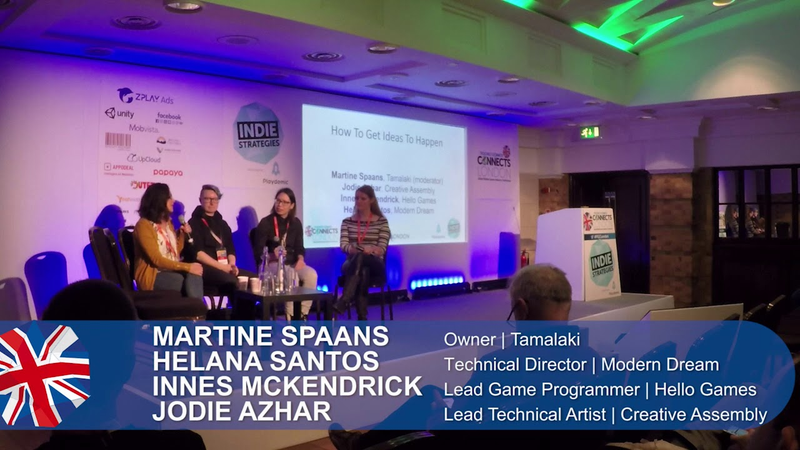
Panel: How to get ideas to happen
Key insights
7 takeaways- 01Teams must foster an ego-free environment where the best ideas are prioritized regardless of their source to ensure the most effective product outcomes.
- 02Clear communication and team self-motivation are critical operational pillars for maintaining alignment when making difficult trade-offs during production.
- 03Early prototyping and consistent player feedback act as essential filters to refine the core game experience and validate design choices.
- 04Developers must exercise discernment when interpreting player feedback to distinguish between actionable constructive criticism and subjective preferences that could dilute the project's vision.
- 05Constraints should be utilized as a catalyst for ingenuity, encouraging developers to look beyond traditional tropes and focus on unique, high-quality player experiences.
- 06Strategic decisions, such as focusing on a single platform or utilizing outsourcing, are necessary to maintain technical integrity and production quality throughout the development lifecycle.
- 07Successful game development requires balancing ambitious creative vision with the practical constraints of budget and technical feasibility.
Ask AI about this video
Transcript
[Music] [Music] all right it's good so welcome everyone welcome to the panel about making you know getting ideas to happen you know I'm sure that all of our heads are always all the time full of any ideas but you know realistically how many how many of those actually turned into a game and I got three people here who had some some wonderful game ideas and first of all I'm gonna ask them to introduce themselves hello I'm Joe Diaz ha and I'm the lead technical artist on Total War at Creative Assembly so a large part of my job is working with our art teams across all our total war games to help them realize their artistic vision in
the game hi I'm innocent Kendrick and I'm a programmer at hello games I've been there for about six years so right through working on no man's sky right till this day and so I focus on tech stuff procedural generation but also how the company comes together as a team and I work on a bunch of indie stuff in my own time as well hello my name is Alana Santos I found in my own company called modern dream we made titles like la cops for consoles and and steam and our latest game was the dragon putt for mobile and I recently joined lock word publishing and as a technical manager in our newest you do lamington spa to join the very talented team in Nottingham to work in a very successful game called advocate life alright and my name is Martita spawns I am a mobile game publisher and with Tom Milwaukee games we focus on hidden object games match-three time management's and on the other side my partner company FGL focus
on runners clickers and RPGs right ideas so thinking back of like the latest game project you worked on or the one that you're working on now basically how how did that idea happen and was the original idea for the game much different and what it's turning out to be who'd like to start in this one I can start I mean you know it was like a zombie she was a small sort of procedural mini-golf game and that was the basic idea it is going to be as small as say Crossy roads even and suddenly a year and a half later and is something completely different so we had I think any game really progresses with a team and how well the team works together and any idea is no bad idea right however you have to put the game out there and really try it out and see what the players you know think of it so
I'm no man's sky that's obviously a quite a long project and I would say that there's so much that's true to the game now even post-release even working on things that we never expected to there's really true to the core idea of the game and that's that you have something that's relaxing where you explore this procedurally generated universe but that's kind of misleading to say as well because there are so many little ideas that sprung up along the way that no one could have predicted so it's kind of like the idea stayed really true to the vision that people had really early on but it's not like there was a roadmap for everything that we were ever going to do it's not like I could have told you even you know whether we'd be working on updates I wouldn't have known that as a developer or what would be in them or anything like that or where the game would be today so I think it's about having that core idea and iterating on it yeah we're an interesting example because we've been working on an IP it's about 17 maybe 18 years old now so each of our game titles for Total War we have to think about what interesting theme or
topic do we want to make and what will our fans enjoy so we do a lot of historical games so we sometimes take an era in history that we've done before so we've done Rome and then made Rome two years later and we've also tried to do new areas that we haven't done before at all so our next title will be total war three kingdoms so going back to ancient China and then our last released game we've got a trilogy of total war Warhammer games so that's working with an IP holder so as a team we want to think about what new fresh ideas we can to each of our titles but are still within scope we want to make each title bigger and better but we still have to release and and not get carried away because at the core of our games we have a we have a fanbase and we want to build on that fan base with each game and we don't want to completely redesign how we are doing strategy games with each title
so kind of about the idea that you just talked about you know that's also I think it's quite interesting because you've worked with you know of course you have your own IP like you said you built up during the last 17 years but next to that aliens me a Warhammer what's it like to work with with such IPS as its kind of limits you or does it give a good direction I think Posen comes to it and the main thing to remember is it's a relationship both sides want to release a really good game but you'll have different priorities as a developer you you're thinking about the the games and the mechanics and especially working with Games Workshop they have a really good idea of of game balancing they've made the tabletop game but they might not have the technical understanding of how that translates into a video game and different relationships work differently so with alien isolation and that our
console team made the IP holder was Fox but it went through Sega who had the license for making alien games at that time and we're a Sega studio so our relationship is very close and you can get good feedback sort of very regularly on other titles such as halo was - we were working with Microsoft and three-for-three studios so they there are very much invested there it's their IP it's their game and we're the ones making it so they want to ensure that everything is as good as possible that we're going to release a really good game and they're putting trust in us as a developer working with Games Workshop again a very different relationship but it was it was very good and it all of these relationships depend on trust if the publisher or the IP holder trusts you to do a really good job they will give you a lot more freedom so it's about showing them the ideas that you have and being upfront and letting them
know what is and isn't technically possible there's no point telling them that you're going to deliver the Stars and the moon if within the budget that they are that you have and they're willing to pay and the agreement that you've come up with between you if you can't deliver that then your relationship breaks down very quickly so really it's trying not to think about it too much as a demin and you it's you you are two entities that are in a relationship to make one game together um and she was kind of going back to sort of the complete world of creative freedom you know it's I was thinking back of a story I heard of of booga where they said like you know an indie company we might have a thousand ideas and like hundred of those actually yeah we prototype and of those like ten we put a certain amount as as you know beta games and one actually sort of makes it
I'm not sure if those were the exact numbers but that was kind of like the fun or they go to do at your Studios do you have like a similar sort of funnel or kind of way a process that you work around it yes so I think probably almost every studio has an infinite number of ideas like not having enough enough ideas in the history of game development no company has ever had that problem so you have to have a way of cutting those down and choosing the good ones I think that I really value about where I work is that we don't have a lot of ego in ideas so if I propose something but someone else proposes something better I don't feel any personal pressure to push for the thing I suggested just because I did you know to further my career or anything like that and I think that's so important in getting the best ideas out that I can commit fully behind something someone else said just because it's better for the game or better for players or better for a development whether that's a tech thing or a design thing and not have to worry about the consequences of that I think from an indie perspective and when I say
indiagen I don't I'm not just talking about just the one developers I'm talking about even a big team that is just independent from publishers or any other people that have a huge say of what your game should be is that so but I would say as an independent developer you have this very amazing sort of creative process that you're there is like where you're all our whole team for example dragonpad we all came up with all the ideas it doesn't matter if you're an artist if your programmer whatever you are in a team you're a member of that team you have a passion you're invested in what the game is going to be but I think it's talking a little bit about ego it's like you can't have that because ultimately as developers we're all developing games for the players right so we have to come up with what we think will be the best ideas and sort of have a bit of instinct
as well so I tried to play those of other different games and come up you know see what works for other people as well but I think he's so important not try to imitate what other people are doing as well I think he's super important to have creative vision to try to be diverse to try to be different to try to bring something unique you know refer to the process because I think the players will appreciate that you know I think we heard so many talks already in these two days of people just saying you know we're going to the App Store and then suddenly we have 50 clones of the same games I mean we need something that is completely diverse I think it's it's not just about volume as well it's about being self analytical and critical of your ideas because a good idea isn't sort of I've come up with 50 ideas and then I finally stumbled on the good idea it's taking an
idea and whittling it down and going what can I take away from this to reach the core idea and also understanding what it will take to make that idea happen I work at a big studios everyone has their individual roles so if an artist comes up with an idea if they want feature to look a particular way in game we have to break it down into write what are the what's the cost to make the art what's the cost to support that in code does it have any design implications so sometimes we'll work on a project that's more art led or more design led and certain features might be more code or more design or more art lead but it's working together now if you're that one person on an indie team then that's having the discussion with yourself what can I achieve within the time and if you're working on a bigger indie team or any other bigger team communication is key to make sure that that idea is
realistic and you're not getting carried away so the earlier on you are within sort of your kind of development of a studio the more it's important to keep your ideas as as small as possible and focus on what makes that idea good what can I take away from it and essentially what can I afford to ship without but I've still got that core idea that will still be good and it will still be a playable fun game I think I'll just add to it as well that is like as developers sometimes we we sort of brew our ideas of it for too long and we sort of try to iterate internally ourselves thinking that you know oh no I need to polish this or oh I need to like expand this idea into something else and and then we put it out there and actually players don't really care about it and sometimes are the very very little things that we hadn't thought about it that you know players will really value so I think as developers I don't know if you had that
luxury in a bigger studio but you know in a more independent studio you can sort of release your game I trait a lot faster to really get that feedback earlier on you know because because you'd be really really surprised and you really can't you know again about egos are all feeling you know hang really hard feelings about oh this is my idea it's like I really want everyone to love it but it's like there's no guarantee ultimately we are making games for other people yeah I think that's a really good point and it's something that Dean Carter said some of these smart stuff on before about the importance of trusting in your ideas because for the longest time you might be working on something that's not really playable or you can't really see it through the eyes of a player so you don't know how your ideas panning out you don't know whether your games coming together but not you need enough trust in them to see it through that period and see a finished game and get it out there but not so much that you keep working on it indefinitely and trying to whittle it away when you don't actually know what people are looking for from it there's definitely a difficulty in
calling it a day and shipping something and knowing that that's the right thing to do kind of yeah I mean I think we hit a really interesting point here and I see that a lot of you know developers especially developers maybe a little bit less experienced are really struggling with is when do you sort of test if a game can actually be fun and successful you know is that is that something that you try to already test it in concerts do a phase where are you sort of you know discuss the concept or is it empro to typing or or beta you know and and and how do you do that only in the studio or do you have a test panel I would just say as early as possible I think that's simple just as early as you can I totally agree with that but I also think the industry has this fixation with ideas that are one core idea that you can just iterate on and make work whereas actually like most games are a huge combination of different ideas that
come in at different times you don't always have that one simple mechanic that's always fun and you have to see an idea through even at the points where it doesn't quite look like it's fun because there's almost no basic core game idea that you couldn't polish into something that's playable and enjoyable if you put the work in and have the right ideas and resources is about judging those core ideas for their potential to do that sure but you also have to see them through once you start it on them yeah I'd also agree as early as possible and there is that fear of you don't want people to see it when it's in that roughest state but it the testing doesn't have to be public testing you can get friends and family people that you care about that will give you honest feedback and there's there's different types of testing and you need to be able to work out what feedback you're almost looking for in a way so if you take your game to expose or conferences where people can play it the ability to stand back and
watch people play without you inputting and telling them how to play is really valuable and also noticing behavior because you might you know how your game is supposed to play you might put it on a show floor and suddenly you realize that most people are walking away within 20 seconds try and find out from them Oh what wasn't quite working you can even have at the end of a demo a sort of exit question and I'd say question max sort of three questions really easy for them to answer because most people don't want to spend time telling you how how to improve your game unless they have an idea and will chew your ear off over it but it's it's finding really easy ways of getting that feedback right why weren't people getting past that first twenty seconds was it too difficult is it that they sort of looked at it and realized it wasn't a game for them and also the ability to distinguish between personal player feedback and something
constructive so the worry of having your game on the internet or an early demo is that everyone will tell you exactly what they hated about it or they think that you should improve but very rarely will they tell you they'll tell you a lot less when there was something that they really loved and you also have to filter that information of old that didn't work I wasn't enjoying this into what is worth you fixing what plays into the idea that you want to present because you are making a game for others but you're also the only person or you're the team that knows what game it is that you want to release if you you take the ideas of the masses you'll end up with a really weak game that's sort of trying to please everyone you'll still know your core audience and how to tailor feedback to improving your game yeah I think trust in your idea there is so important when you get feedback because it's so easy to see big list of things you should change and immediately try to act on all of it when
really you need to filter that and use it to influence what you do next but definitely not don't take players words on exactly what your game should be because we're just going to try to relate it to games they already like come up with new mechanics in place of bugs and it you need to have confidence in the vision that you already had and use it to contribute to that and not like steer it away to something different I would just say something it's just one small thing about player feedback he's like don't you have to listen to your players obviously feedback is very very important however you have to interpret what that feedback is because sometimes clay are complaining about specific things in your game but actually they're talking about a problem that they are having that you just need to be sort of a bit more clever and trying to find a solution for what they are really complaining about all right specific question to Ennis about no man
sky actually you know thank God we all of us in the room realize it's it's a huge project with dare I say more to explore in it and any game before how how did you kind of finalize a project that has like you know big game that basically has no real ending it's not like a platformer like okay and then the user saves the princess and it's done you know I can imagine that you know you you you kind of constantly wants you're like you know like we just discussed like add on to it so when was like the call like this is it it's done so with no man's sky obviously it's a project with huge scope and it's not just a project with huge scope in its own right but it's project with huge scope for the team that was making it I mean we were a tiny team when we still shipped and were working on this project I'm gonna use that term um I think we were about 20-ish maybe so I know I know it's not comparatively it's not tiny but for making like a physical based game and
sim shipping on ps4 and PC and for making the the game ones that we were it felt like a really small team so I think most of the problems with that with that scope are to do with the same problems that anyone has across any game like it's easy to look at no man's sky and be like it's anomalous because it's using procedural generation or because it's this big open world game but actually the biggest challenges were you know for me came from the fact that we were a really small team working to a deadline trying to ship that game and the the problems with shipping are the same across almost any title third that you need to step back and move into a mode where all you're doing is focusing on getting the product out and getting it as good as possible for the people that are going to play it and that means making those really hard decisions about which bugs are the the most significant and which things you can't quite have time to polish off and which things you might address in an update and where you spend your time every single moment of the day trying to make sure that that
counts towards the thing that you're working on and I think that's that's a small team specific problem I don't think that's unique to us necessarily um Oh going into that small team thing with modern dream I think you you know you guys have quite a how big is your team so for our latest game we we were four so that's why when you said 20 because you know when I when I kind of to prep for this panel and I went to your portfolio I thought it was interesting to see that you guys did so many different things you know there's la cops and then this dragon boots so you know this is every one of the team like always on boards to work on a game or do you specifically like group people and so like okay these people love this project let them work on it how do you manage that so our team sort of changed quite a lot so not the same people were always there however Ollie and I were always sort of the core team all these tends to come up with sort of the ideas and we develop them together and then we
get other people or the creative people on board I think there's two things if if you have people that really don't like your ideas or don't like the type of game that sort of that you're developing maybe they should go and find another job somewhere else you know because they might not be happy and you need a team that really works together very well to have a successful title I think but also as a developer I think that any title no matter what the type of game it is I think will always bring interesting challenges so I think it is really down to the individual to be self-motivated to be you know creative to really want to challenge yourself it doesn't matter what game you're making because I think as a developer what really excites me is the creative process of any game because any game will bring challenges any game will be
unique so I think it's really more about how you work together how great the team is and not so much about this is not so much the game that I want to play he's like in the beginning if you told me you know go and develop a mini golf game and I'll be like I don't really like playing mini golf games you know however I actually surprised myself and the guys on the team they were like I didn't think I was going to like this but we were actually challenging each other and trying to get that on the leader board on the top position all the time it's like you'll be surprised at what you will find and what you can gain and how you can develop yourself as a developer if you work on something completely different and that's why I think I keep saying that diversity is so important you know because you can have a diverse team and a team that work so well together communication I think it's important to have a team that is super passionate
about the games itself the games industry and the process of creating games and creating experiences for other people Thanks um kind of uh you know I only published games on mobile so like for me the leading platform for me is like very clear it's always you know touch screen but you know I mean I think all of you make games for multiple platforms how how leading is sort of the platform that you choose and your design decisions and and in there later if you go cross-platform and you release the game you know and on something else for example first was console and then for example you go you go mobile sort of how leading is that in the creative decision-making our main title that I work on in total war it's a PC strategy game and because of the control that we give players we keep it on PC Mac Linux so that players can play
with a keyboard and mouse so we know we have the freedom of a keyboard and mouse to allow users to map commands and and use a full range of keyboard for for interacting we've explored moving the title on to console and what that would mean and obviously you want to give the same amount of control to a controller which is very difficult so our main focus is make the best experience on PC and if we want to then take those same titles to another platform we would then tackle it later with experts on how to do that so it means our developers can just focus on making the best strategy game for PC desktop machines essentially for our console titles where especially if you're releasing on Xbox one now I think you also have to get it working on
Windows 10 knowing upfront what your hardware is going to be and knowing any issues with that I think with more modern consoles developing on ps4 and switch it's a lot easier than it used to be to understand the API and work with the hardware so it's it's a bit less of an issue if you're sort of working on console and then wants to take it on to pc i've not really worked on mobile games too much so i don't know the interaction between doing mobile to console or vice versa i don't know about mobile either but i would say for me at least as a programmer in a company that is largely programmers tech is a huge driving force for our creativity so for an immense guy that's a game that's made up of voxels and all the terrain and everything around you is generated on the fly that requires a huge amount of computing power and memory and things in might it probably
wouldn't have been possible to make a game in a similar way on say the previous console generation the title that we ended up with in terms of gameplay would have ended up really different because the hardware constraints would have been really different so it's not just on two input devices and things we have to look at what we can achieve technically and then base a game around that so it all ties in together and it means that your role working in tech doesn't really separate you from the creative process at all no I absolutely agree I mean when you're designing a game it can be so different especially if you're going from mobile to console for example you have all the UI decisions you have you know the platform specifications as well that you have to take into consideration how much you can actually add to your game and and also it's like when you go to consoles you suddenly have the TRC's in CCR's that you have to take into consideration as well and you have to think about how long those things are actually going to take as well and and how that will affect in terms of your development process as well so for
example without a cups we we always thought that we were going to release the game for PC and also on mobile we actually had the game working on mobile and suddenly we had a publisher that came along and they wanted to release on console and sort of that changed the path of what we're doing but also we were 100% happy with how the controls are working because ultimate was a shooting game we had like a 3d isometric V so it had quite a lot of challenges to actually bring that into mobile we just didn't want to go to another platform just for the sake of it just just to have like another audience we wanted to maintain the quality of the experience no matter which platform you're in I think it's it's good to think about early on whether you want to tackle writing the game to work on multiple platforms to begin with or whether you want to focus on one platform and what Elena was saying about publishers is that that might influence that decision
because you might have a publisher who's really interested in releasing on a particular platform or that publisher might be a have an investment in a particular console so I mean if if your publisher is Sony they're going to want to release on the PlayStation platform so that might skew your development but there's also the idea of getting another company to do your ports if you want to focus on developing on one console and wait to see if that's a success before investing any other time into looking at other platforms if it is a success and you can get another company who might be more specialized in porting games between platforms it might be actually worth your time to get another team to to go and do the port while you can then focus on your next game a lot of indie games now do that I know Ryan I think had a a separate team to do their ports
and we've also done it with some of our early total war games have gone on to tablet and we're not specialized specialists in it so we've had another company who understands the touchscreen interaction yeah true this there's definitely a few like specialized porting companies out there that for my you know going the other way around for mobile looking into handheld consoles I yeah kind of looks as that as well and yeah this is definitely a lot more to its than than just the code anyway we've we have a few more minutes for questions so I'd like to kind of open it up to the audience to see if there are any any questions here or not so to to avoid an awkward silence I was wondering also if if any of you
have any wonderful anecdotes that you can kind of share you know did one of your ideas sort of was it a typical sort of bar night and someone says well that could be a game or you know any other any other formal wonderful anecdote as you can share I don't I don't have any other dogs a question okay I don't have any anecdotes but I do have a question that I'd be interested to hear from my panelists on and that's about who we let have ideas and the kind of ideas that we tend to develop so how do we ensure that we're having that diversity of ideas in the industry and going forward with ones that break from the norm of the kind of games that we already see out there that let people you know represent their own backgrounds and games and things like that I think I think it comes down to the team itself again it's like who is going to make the game who is going to develop who is going to maintain who and how the the team is working together no
that was good so on Total War we now develop more than one game at a time so we have different teams working on total world products we also have people will focus on one project at a time but we also have people who will move between projects so campaign coders are really specialized in writing our campaign code then they'll work on the project that they need to and depending on sort of who the leads of the team who's leading the direction there's a you can get sort of different dynamics working on different teams and we're all sort of under the same umbrella everyone can get on we communicate and we're all focused on making the best game possible but I think it's that's good to give different people a chance it's sort of like being the leader and that doesn't mean only the leader can have the ideas we in terms of ideas it tends to be relatively
flat so we have a lot of employees so we do have hierarchy in terms of sort of responsibilities and who reports but anyone can come up with an idea and it tends to be the sort of like the the big sort of story the big themes of the game will be decided by our design team and our lead designers but when it filters down into we we have a big game you play for hundreds of hours there are different mechanics within our games and we'll have sub teams working on it and whether you're a graduate or a seasoned senior developer your idea is just as valuable but the experience that you've had of years of developing will give you better skills at analyzing your ideas and analyzing other people's ideas and critically analyzing it so that you can come up with the best solution but if someone who has got a year in the industry comes in with a comes up with a great idea for a system where we're not
going to neglect it so we tend to work in sort of teams of up to say six people which means that you can communicate quite well within that sub team and as long as it fits back with that the main core design of the game so you can't go off and create a sub system that you like this is the best idea and everyone looks at in game and goes one percent of players will ever see this sort of one percent of the time it still has to work with the overall theme anyone in anyone working on the game can come up with it and the idea of failing early with ideas is very good because if you come up with something everyone on the team might be might think it's amazing but until you've kind of proved that you can technically do it it's it's it's worthless you don't want to leave your ideas till sort of halfway through development to go oh actually we don't a ssin which means it's going to take twice as long to develop and we'll run out of time I would just say that
ideas can come from anywhere it can come from any people with any background and if you are lacking on ideas then you know try to get outside the games industry or you know go to the movies to art galleries try to find inspiration on absolutely anything else you know the Monument Valley guys yesterday Dan was saying that they had like this thing that would put a lot of you know the Russian images or you know you just go go in and and live different cultures and go and see from music from paintings from TV from anything and bring those ideas into the games I think that's where we'll get diverse and that's where it will get rich because there's so many things that we can learn from muscles from the past and from other industries you know and create even better experiences and don't be afraid of failing you know just just try them yeah definitely agree there personally the studios that I work with come from all over the world so you know
so they're from Indonesia from the US from Ukraine Korea I name it and yeah I find that yeah it's like all these all these different people with different backgrounds and what they were brought up with you know what they saw on TV and and what this all around them it's it really kind of shows in in the game ideas that to come up with and yes it's really refreshing to then kind of your try to combine those kind of things and I think like you say it's everyone's having these ideas all the time and if you have that diverse team then you're coming forward with this diverse pool of ideas they can be diverse games but it's like this panel was talking about is about making sure that you're choosing those ideas that that are diverse and you're listening to people when they have a different background to the rest of the team and putting those ideas forward and acting on them and not just acting on the ones that tie into what people expect from games or what's true to the industry at the moment I think I said carry on playing games know what's happening in the industry around you but
also don't be limited to just thinking of things in terms of games you can get ideas from anywhere whether that's films books going to an art gallery and don't be afraid to have crazy ideas as long as you can rein it in and tailor it to your product if you look at something like Nintendo labo who would have thought hey I'll make some cardboard work with my game but it works and it works for them and Nintendo are really good at making fun games so you know that they're going to make a really good job of it but if you can come up with a crazy idea that tailors to the product that you want to make then that will make your game stand out so in the early stages of coming up with ideas and deciding what you want to make feel free to go as as crazy as possible and then use that stage of ideas to to whittle it down into an actual end product that you will release good well I think it's about
time to wrap it up isn't it I was gonna try and chuck something else in there because we thought it's fantastic but actually surely were the things we're gonna remember is that this is almost a problem that we have too many of these ideas and in some ways a constraint aspect of production is kind of the core of what how you get ideas to propel you forward and and how many I mean in your experiences I'd be really to know what constraints have been the ones that really pushed you've beyond to getting the really good finished product that if you hadn't had that constraint it wouldn't have made it work that we really don't know if you have any views on that so I think that's a tough question so in work I would say there are a lot of really interesting contraint which you know come down to time the vision of the the game that we want to make and then ideas having to feed into that the text that we have but then outside that
there are a lot of other constraints and barriers that I think can stop us taking the best ideas forward like you say we've got this big pool of ideas and at that point is probably a load of really diverse and interesting ideas but we can consistently pick ideas from the same people that tie into the the same type of games and I think those are the barriers and constraints that impact a lot of the ideas that we see in the games industry and the ones that are hardest to fight and most important for us to be trying to combat I think we're almost spoiled in a way with hardware limitations now because back in the ps2 era when you didn't have a huge amount of memory and processing power people had to come up with really interesting ways of getting especially the visuals and audio to be the quality that they want but using hardware that couldn't get to that so you'd have images stored in audio registers and mirrored textures using specific parts
of the shader language and these days because our hardware can deal with storing so much in in memory and on disk and I think one of the sad things that I find is when I download something from a digital store and it's like gigabytes of data and you just sort of sit back and go why wasn't anyone constraining themselves and thinking about the end-user and one of the things that I like is when somebody's looked at how to optimize their game and performance is a really big optimization that everyone kind of hits right at the end of game because they still need it to run but even the size of something on disk we we don't we don't really think about it anymore especially if you've got a mobile game as long as it all fit on somebody's mobile phone we don't tend to think of creative ways of of packing it but constraints can be really good with in the development process still so we
we always know sort of when we have to ship a game so that we can be making money and can continue to pay everyone on the team and can continue making games and I think the time constraint is the big one of right what do we want to do what is our end goal in terms of visual quality and design quality when do we stop designing the game and just make it so in big companies we have pre-production and then production so the end of pre-production we need to have everything sort of we need to know that everything that we want to make we can make so all the features if we're doing new features that involve new tech that we have a proof of concept and that we prove that during the production cycle we can get everything worked and everything polished and if we find that we can't we might have to find ingenious ways of working around it so if you want to do cloth simulations there's various
ways that we could do that we could put on the shader we can do cloth dynamics we can do any number of physics simulations we could write it from scratch we could buy a third party library but we are constrained by time and also the amount of money that we want to spend the with indie development having deadlines is really important especially if you're just paying yourself or if you're paying a team as well because then it's their livelihood on the line as well so imposing deadlines and being strict with them those deadlines aren't necessarily a negative of I wasn't able to do exactly what I wanted if it means that you find creative ways of having that same visual quality but coming up with a different way of solving the problem I think I think I'll just quickly say they say any team will always have constraints in terms of time budget what you're trying to achieve what are your goals of the company that you are trying to achieve and also the team the constraints of the team itself is like can the team
actually develop those ideas or not you know they have budget to go and you know buy assets from the asset store is that enough will there be enough quality on that as well so that's why I think it comes down to that I to raishin process that we were talking about earlier so it's like you have to prioritize your ideas it's like all of them might be good you know but you have to prioritize and you have to iterate and get it out there you won't be able to to develop all your ideas however you know you might even find new ideas by releasing your is and on the note we've released we've reached our deadline haven't we yeah we are constrained because I remember we work on playstation home there was some amazing features we were definitely going to do that never made the cut and that told us a lot in the end they didn't make it a cut for a reason because they actually weren't important enough to do and I think in a scenario you know they're being careful about the cultural impacts you know are
on comfort zones can actually constrain our concepts we need to break out from those if we're actually to make things we're going to capture people's interest from a wider community so guys thank you so much it was been fantastic and [Music] [Music]
Summary
Successful game development hinges on the ability to translate abstract creative concepts into polished, shippable products through a disciplined balance of vision and pragmatism. The core thesis posits that while studios naturally generate an abundance of ideas, the true challenge lies in rigorous self-analysis and the implementation of a collaborative, ego-free environment. By prioritizing the best ideas regardless of their source and fostering a culture where diverse perspectives are encouraged, teams can effectively navigate the tension between ambitious innovation and the practical realities of technical and budgetary constraints.
Strategic project management requires a commitment to early prototyping and consistent player feedback, which serve as essential filters for refining a game’s core experience. Developers must exercise discernment when interpreting feedback, distinguishing between actionable constructive criticism and subjective player preferences that could dilute the intended vision. Clear communication and self-motivation are identified as critical operational pillars, ensuring that teams remain aligned even when faced with the difficult trade-offs necessitated by platform-specific requirements or limited resources.
Ultimately, the industry thrives when developers look beyond traditional gaming tropes for inspiration and utilize constraints as a catalyst for ingenuity. Whether through strategic outsourcing to maintain quality or focusing on a single platform to ensure technical integrity, the objective remains the delivery of a unique and enjoyable player experience. By integrating these creative, unconventional concepts with the discipline required for production, studios can successfully bring their visions to fruition, ensuring that passion and technical execution remain in constant, productive alignment throughout the development lifecycle.






























Comments