Game Studies reports and market data
Documents
Gamification, Employee and Emotional Engagement: Leveraging Gamification to Boost Employee Emotional Engagement
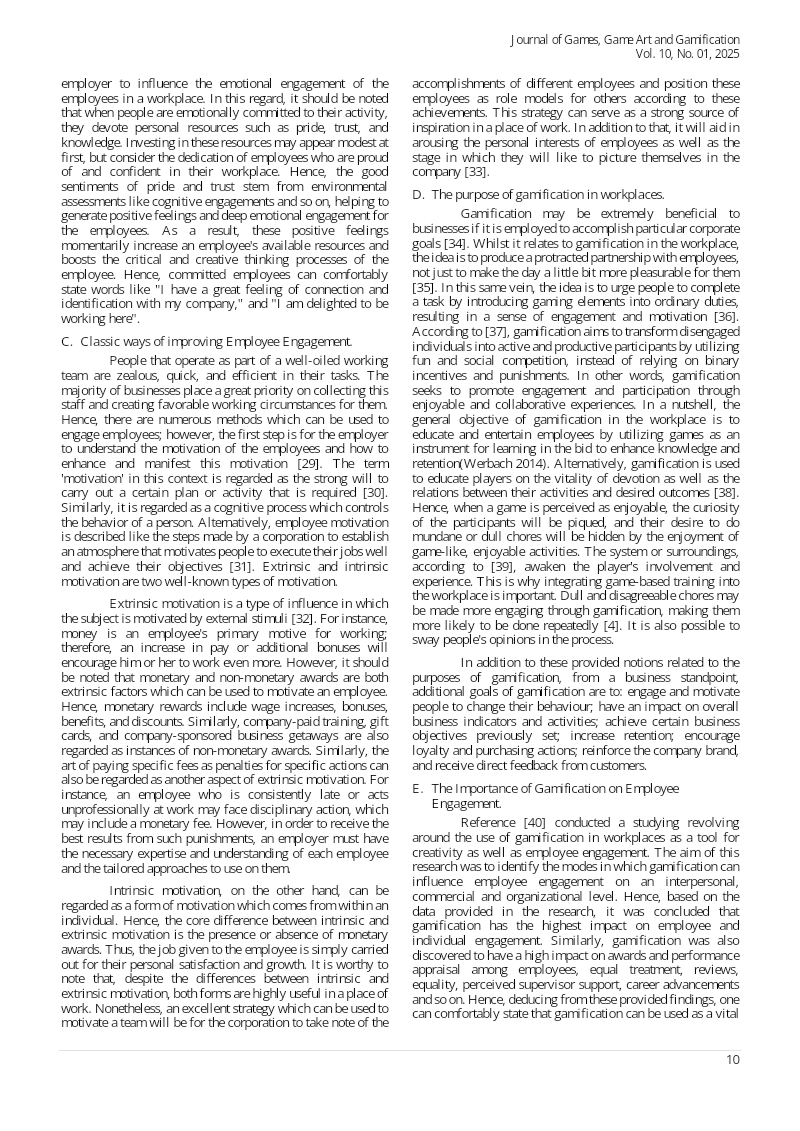
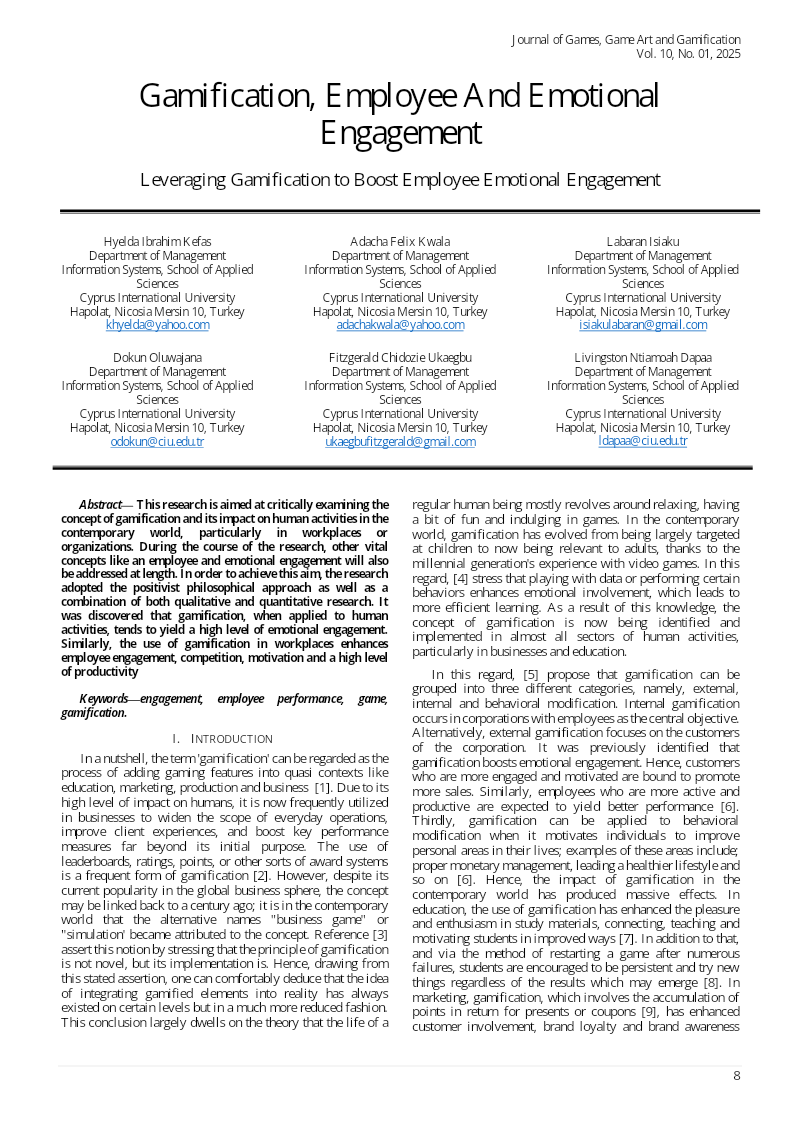
Integrating game design elements into non-gaming workplace environments serves as a strategic mechanism to enhance employee emotional engagement, motivation, and productivity.
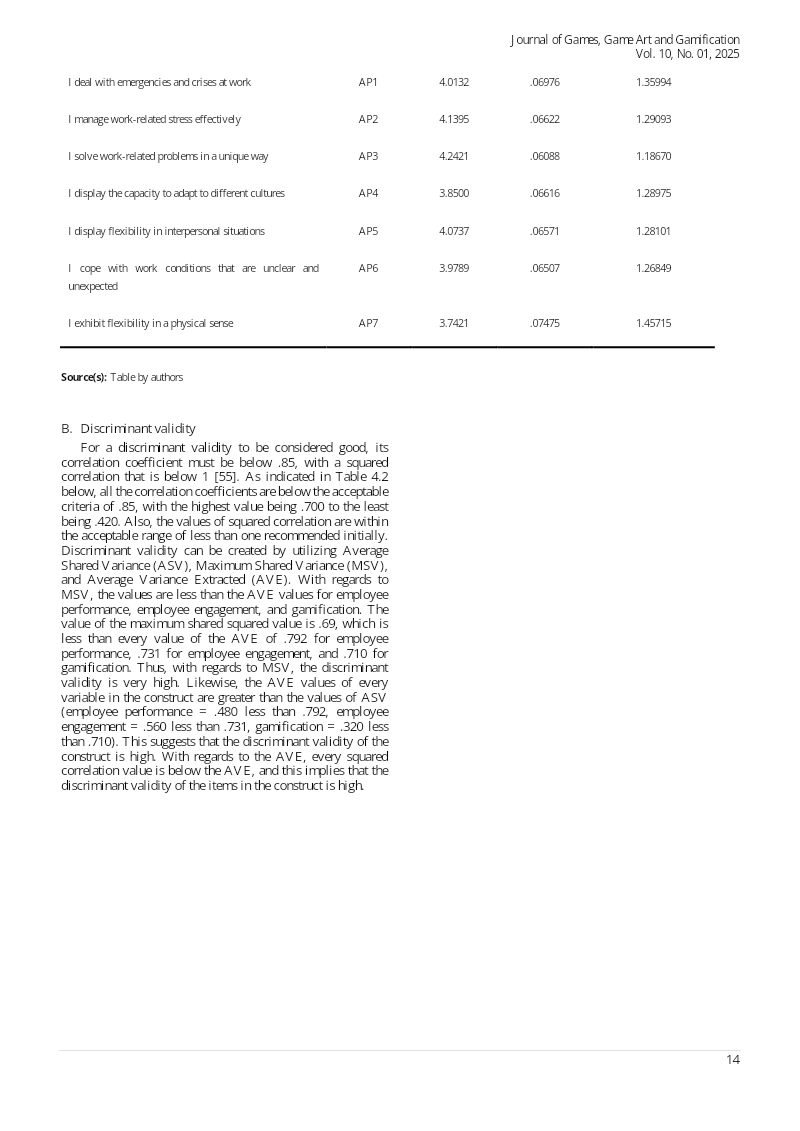
- Employee engagement acts as a full mediator between gamification and workplace performance, meaning gamification does not directly improve productivity on its own.
- Gamification functions as a strategic catalyst that boosts productivity only by first increasing the emotional engagement and motivation of the workforce.
- To be effective, gamification must be implemented as a holistic human resources strategy rather than as a standalone performance management tool.


Black Sun in the Land of Shadow: DLCs and Textual Depletion in Shadow of the Erdtree
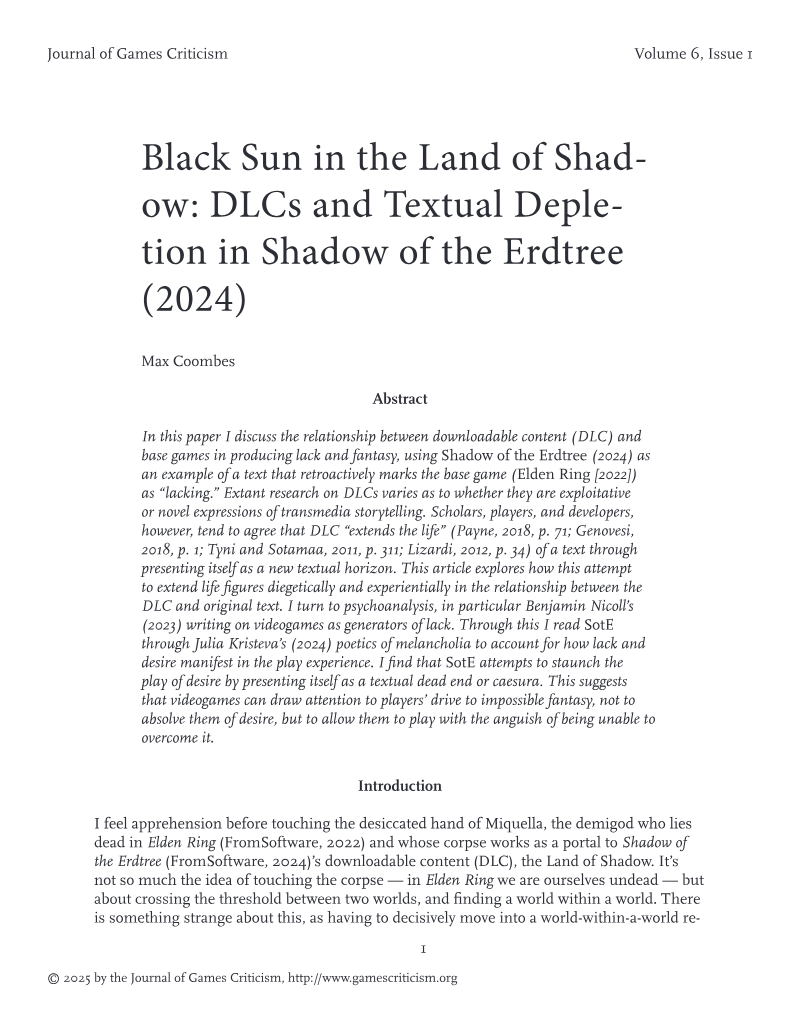
Shadow of the Erdtree functions as a critical intervention in the structure of downloadable content, challenging the industry standard that expansions must necessarily extend or complete a base narrative.
- Shadow of the Erdtree subverts industry standards by refusing to provide narrative resolution or completion to the base game.
- The expansion functions as a site of 'textual depletion,' retroactively framing the original game as incomplete rather than extending its story.
- By intentionally thwarting player expectations for closure, the content transforms the gameplay experience into a 'doomed pilgrimage' focused on symbolic loss.


A Thinly Veiled Formalist Temptation: A Critique
Antunes's critique examines Johan Huizinga's Homo Ludens (1938), which elevates "play" to a foundational element of culture.
- The critique argues that Johan Huizinga's Homo Ludens (1938) amounts to a "thinly veiled formalist temptation" by abstracting play into a metaphysical, universal essence and treating it as the foundation of civilization rather than analysing it historically.
- The author faults Huizinga for conflating "play" with formalized "game," importing rule-governed structure into all of cultural life.
- The critique identifies reliance on Platonic and theological interpretations, such as the notion that man is made God's plaything, as a weakness that displaces socio-cultural and historical analysis.


From Play to Prediction: Assessing Depression and Anxiety in Players Behavior with Machine Learning Models
Machine learning models offer a highly effective, non-intrusive method for identifying depression and anxiety by analyzing behavioral patterns within serious games.
- Machine learning models, specifically NuSVC and Gradient Boosting Machines, achieved 93.75% accuracy in identifying depression and anxiety through gameplay analysis.
- Gameplay-based assessment provides a non-intrusive, objective alternative to traditional self-reporting, which is often hindered by social stigma, respondent fatigue, and subjective bias.
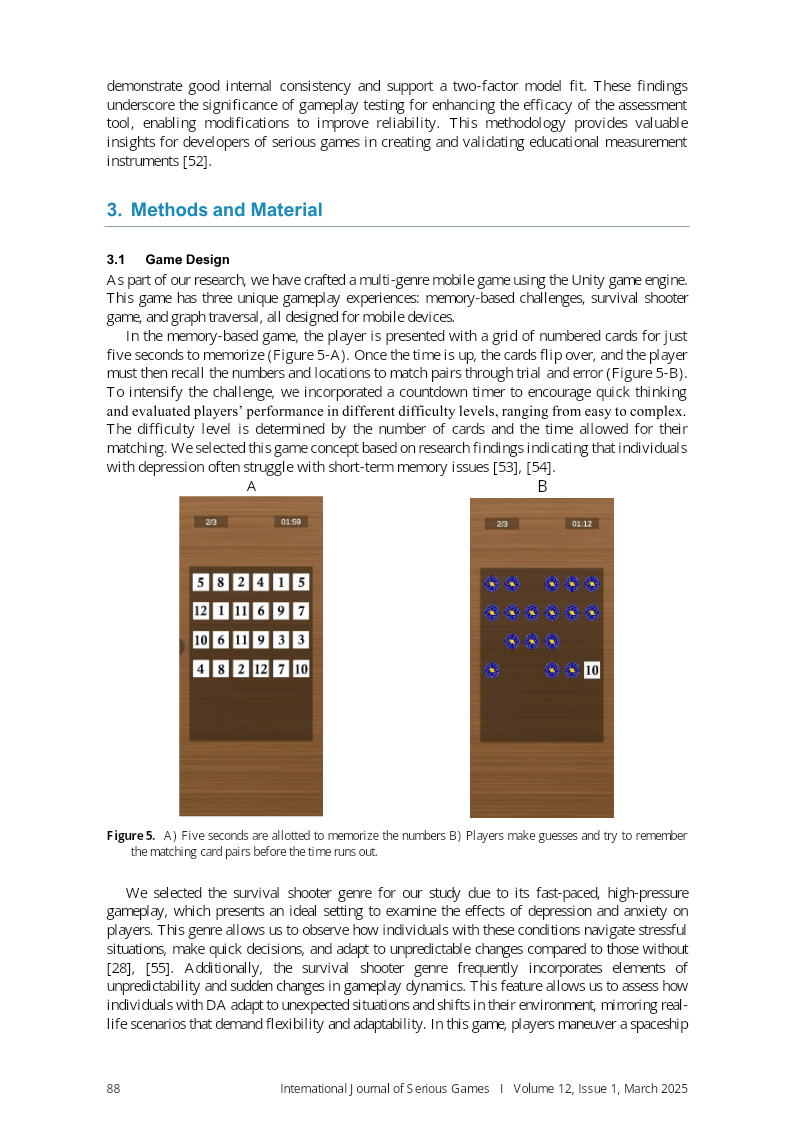
- Researchers identified approximately 127 distinct behavioral features from a custom mobile game suite involving memory, survival, and traversal challenges.

Exploring Educational Exergames in Well-being Education: A Study in a Finnish Primary School
The integration of interactive gaming systems into primary education serves as a critical mechanism for enhancing student well-being through physical activity.
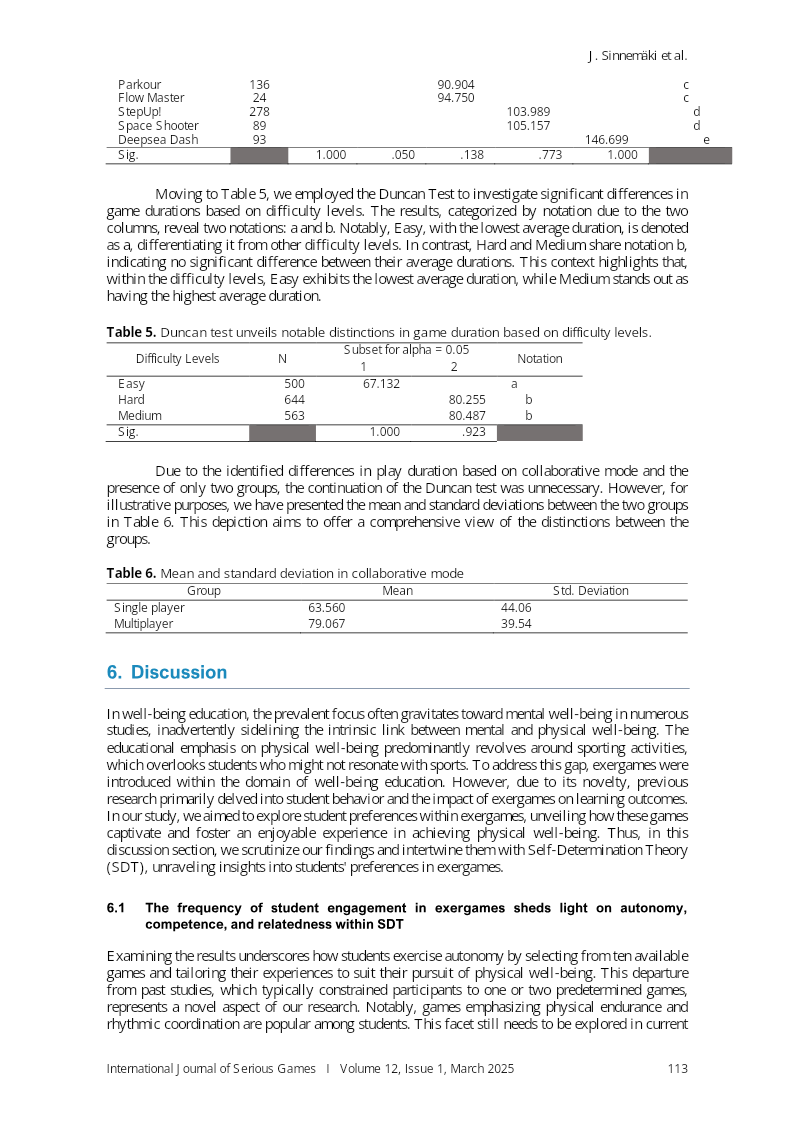
- Multiplayer modes are the primary driver of sustained engagement in exergames, consistently outperforming solitary play in student preference.
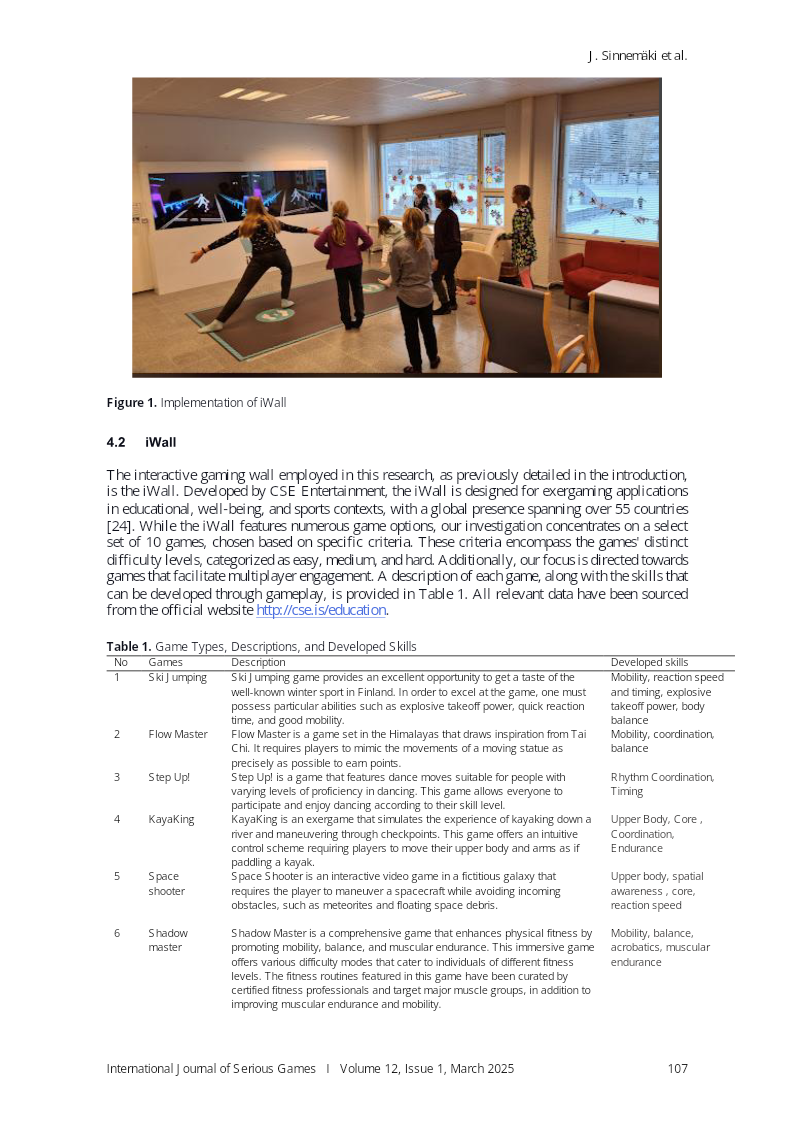
- Analysis of 1,707 sessions using the iWall system confirms that collaborative play combined with medium-difficulty settings creates the most effective environment for student participation.
- Game mechanics that emphasize physical endurance and rhythmic coordination, such as parkour-style movement, result in significantly longer play durations.
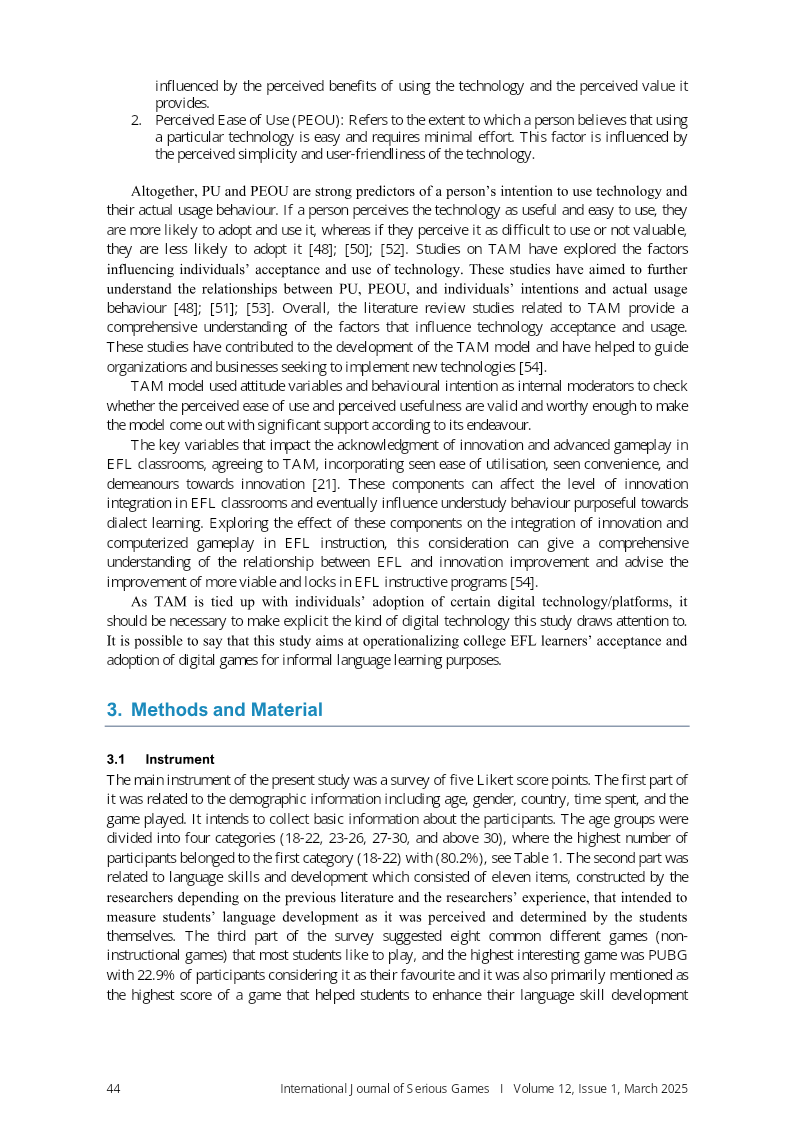
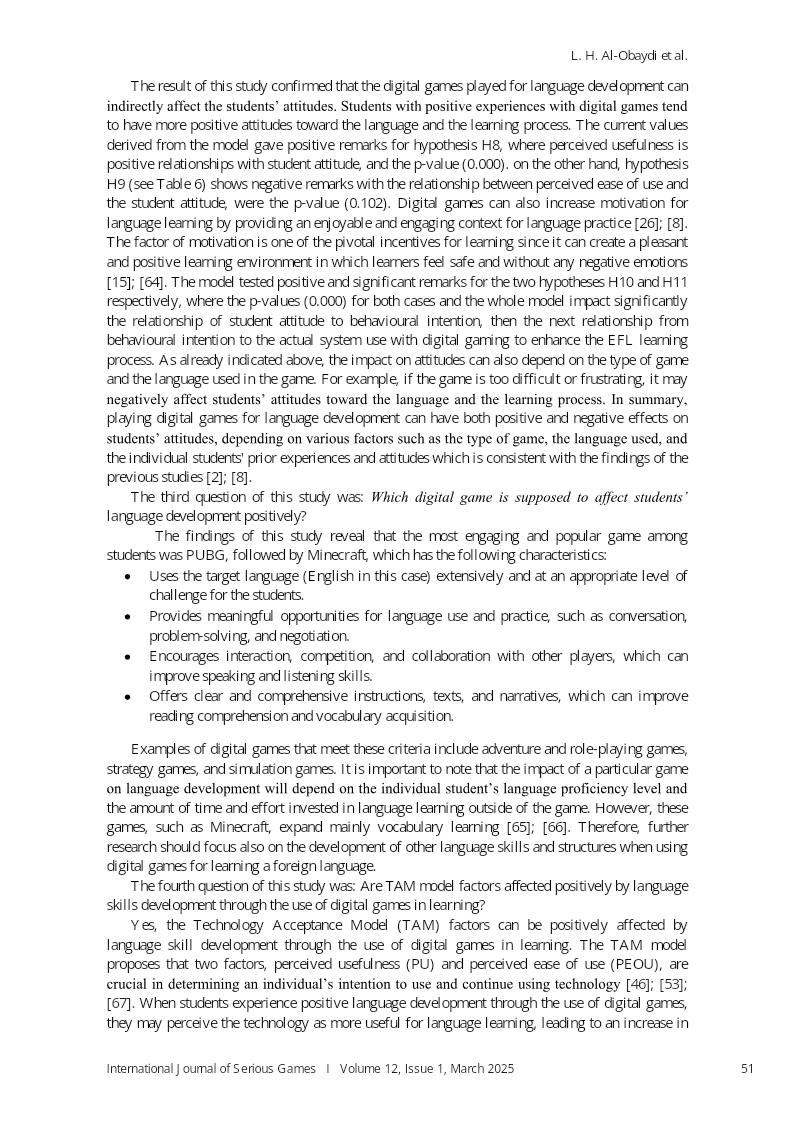
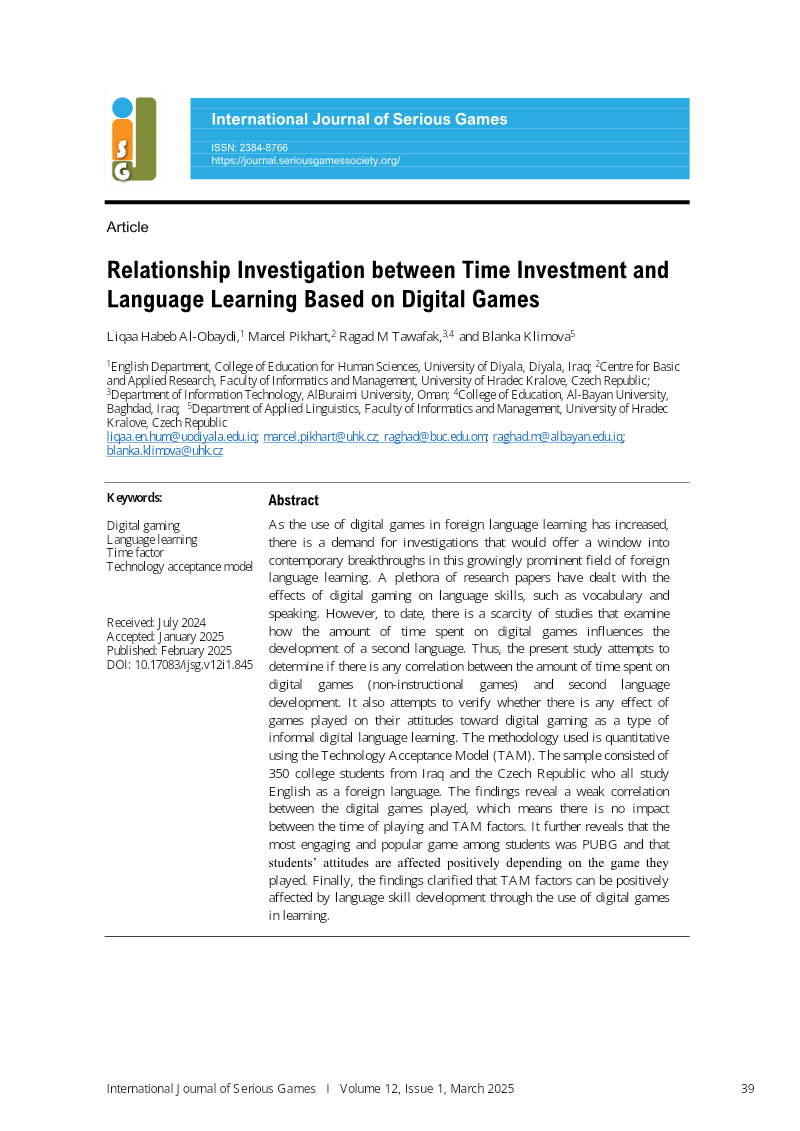
Relationship Investigation between Time Investment and Language Learning Based on Digital Games
Digital games serve as effective, informal tools for second language acquisition, though their educational value is determined by qualitative factors rather than the sheer duration of engagement.
- Total time spent gaming does not correlate significantly with second language acquisition, indicating that duration is a poor metric for measuring educational progress.
- The effectiveness of game-based learning is driven by qualitative factors, specifically the learner's perceived usefulness of the platform and the game's interactive, narrative-rich mechanics.
- Research involving 350 university students in Iraq and the Czech Republic confirms that meaningful interaction and specific game design are more critical to language development than frequency of play.


Influence of Gamification on Skill-Based Training of Surgical Residents
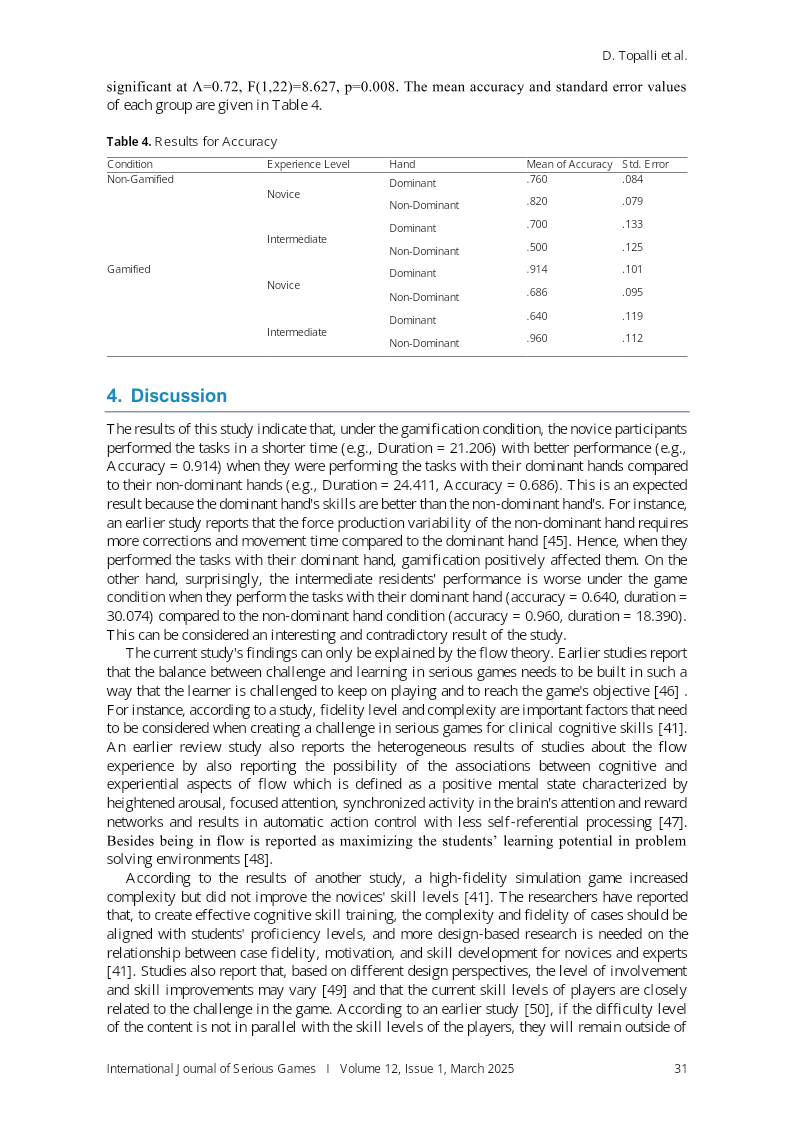
Gamification serves as a potent pedagogical tool in surgical education, significantly enhancing the technical proficiency and cognitive engagement of residents during endoscopic simulation training.
- Gamification significantly improves technical proficiency and cognitive engagement in surgical residents by integrating game-based mechanics into haptic-based endoscopic simulations.
- The effectiveness of gamified training is highly dependent on the learner's existing skill level, requiring adaptive curriculum design to prevent cognitive overload or disengagement.
- Performance gains are most pronounced when task difficulty is meticulously calibrated to the trainee's proficiency, as evidenced by improvements in both dominant and non-dominant hand conditions among novices.

Serious Games to Improve Privacy and Security Knowledge for Professionals: A Systematic Literature Review
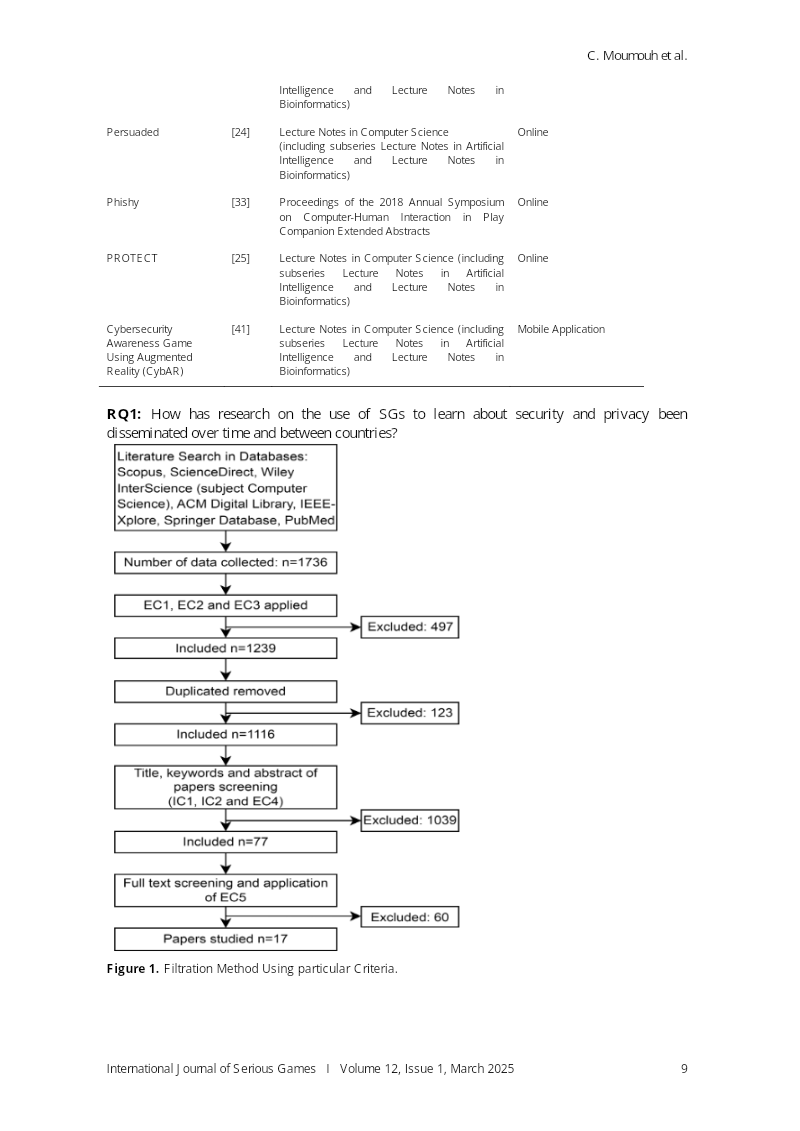
Serious games serve as a potent pedagogical tool for enhancing cybersecurity and privacy awareness among professionals, offering risk-free environments where users can learn from simulated errors.
- Serious games effectively improve cybersecurity and privacy awareness by providing risk-free, simulated environments that utilize role-playing and competitive mechanics to enhance critical thinking.
- The industry currently lacks standardized design frameworks, which prevents the consistent measurement of long-term efficacy across different professional environments.
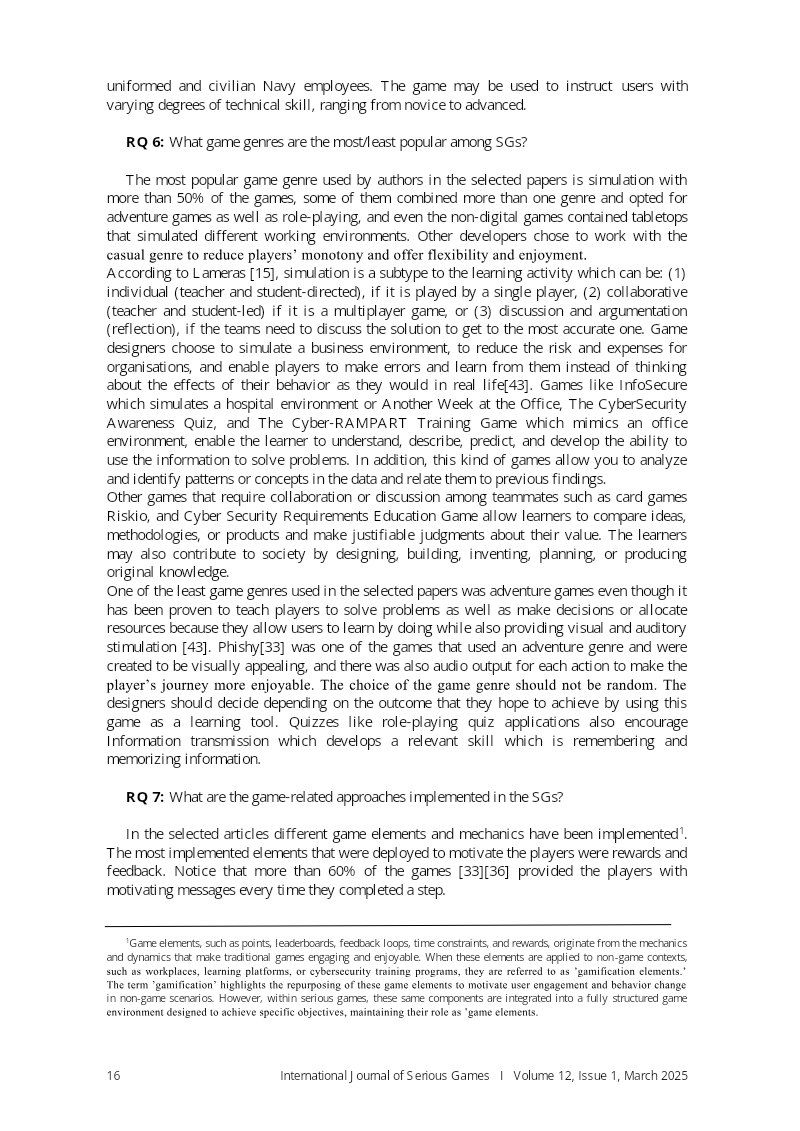
- There is a significant gap in sector-specific applications, as current offerings focus on general awareness rather than the nuanced, high-stakes requirements of industries like healthcare.
Historical Consultants in the CEE Video Game Industry: Part 1
This study, published in Homo Ludens by Mochocki and Kot in 2024, examines how historical consultants shape video game development in Central and Eastern Europe.
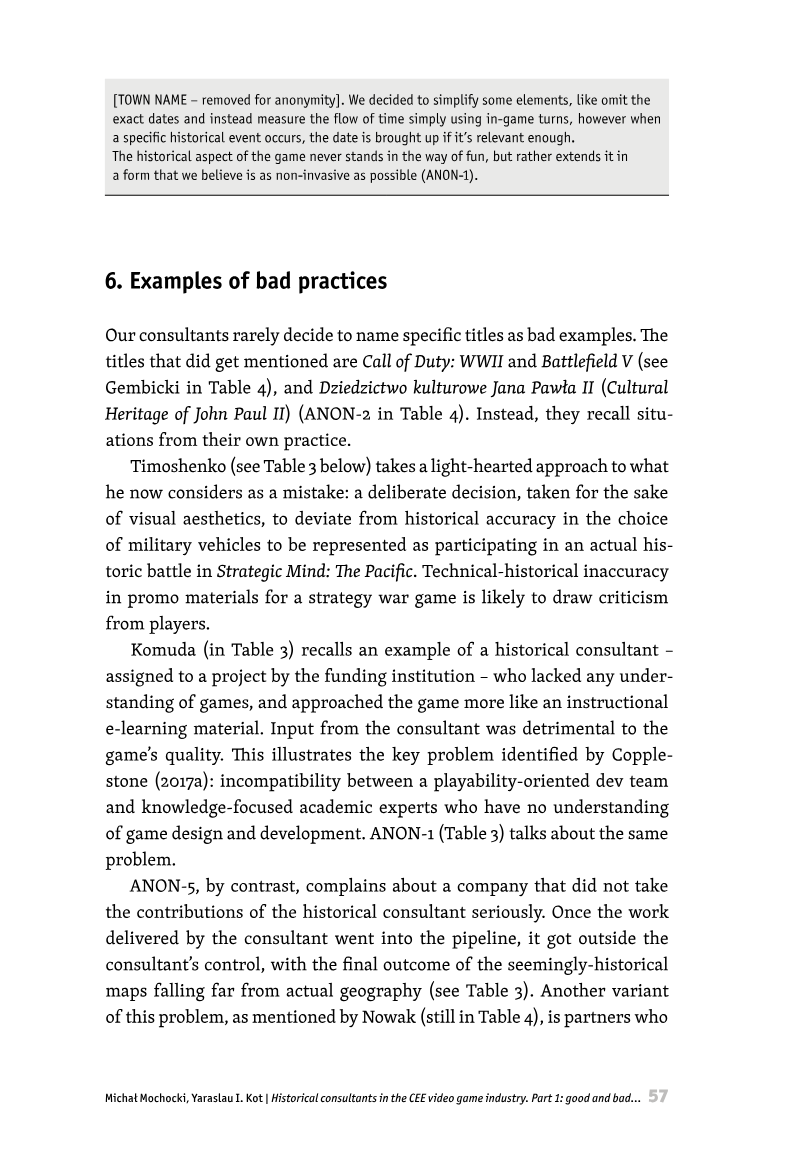
- Historical consultancy in Central and Eastern European game development has matured into a distinct professional specialisation, and its value depends on clearly defined roles, early and continuous collaboration, and a deliberate balance between historical authenticity and gameplay.
- The study is based on an online survey of 16 professionals working as historical consultants or alongside them at studios in Poland, Czechia, Slovakia, Ukraine, Belarus, and Serbia, and it was published in Homo Ludens by Mochocki and Kot in 2024.
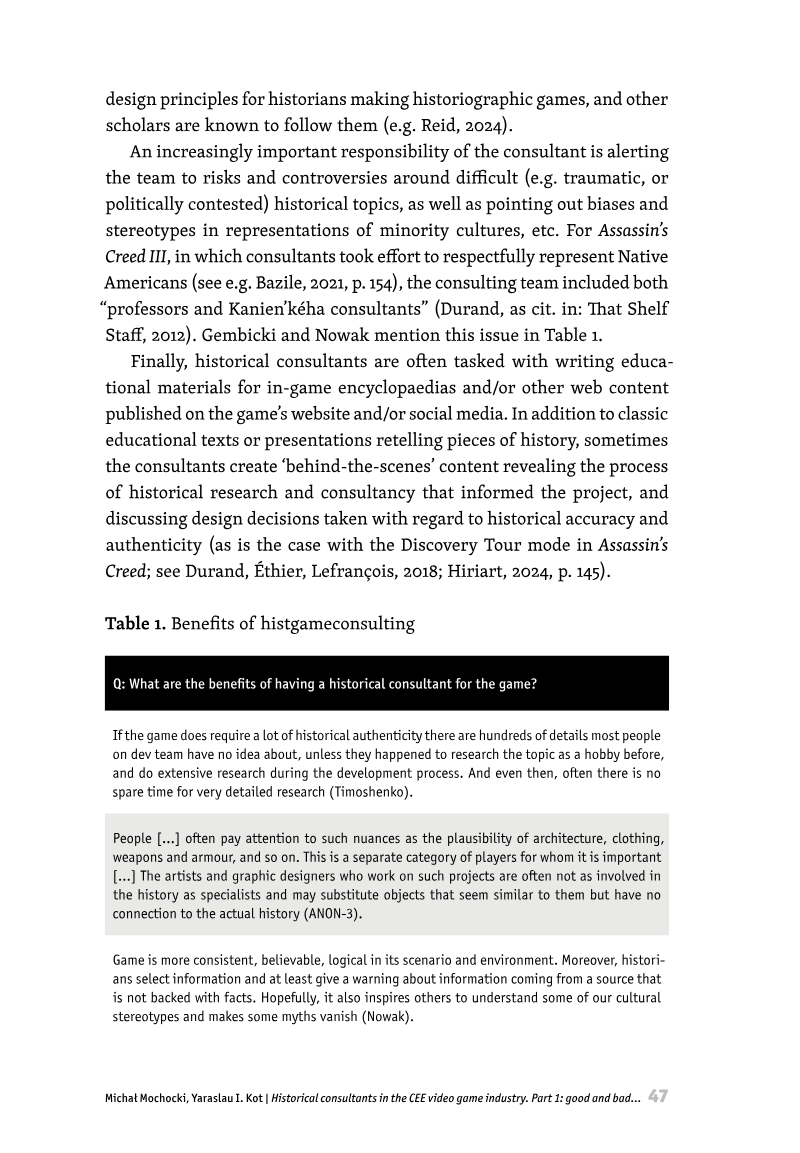
- Consultants are typically academics or enthusiasts hired temporarily per project, and their core duties include supplying reference material, teaching research methods to teams, and validating scripts, visuals, and mechanics for accuracy, often alongside productive writing or design work.
Historical Consulting for Digital Games: From General Reflections to CEE Game Industries
Historical consulting for digital games, the practice of engaging historians and other subject experts to inform game development, has moved from an informal and often decorative role toward a more established professional field.
- Historical consulting for digital games has evolved from an informal, often decorative role, especially in the 2010s when it was frequently used for marketing value, into a more established professional field by the 2020s, with consultants more visible in credits and academic-industry partnerships growing.
- Prominent examples such as Ubisoft's Assassin's Creed series and Warhorse Studios' Kingdom Come: Deliverance show expert involvement becoming a central selling point, though the overall job market for historical consultants remains modest.
- Case studies of Warhorse Studios, Wargaming, Creative Assembly, Ubisoft Montpellier, and Charles Games found that academic historians are the most common consultants, while Wargaming favors military-technical specialists.
Web Series Petscop as an Example of Internet Horror: New Means of Narrative Expression
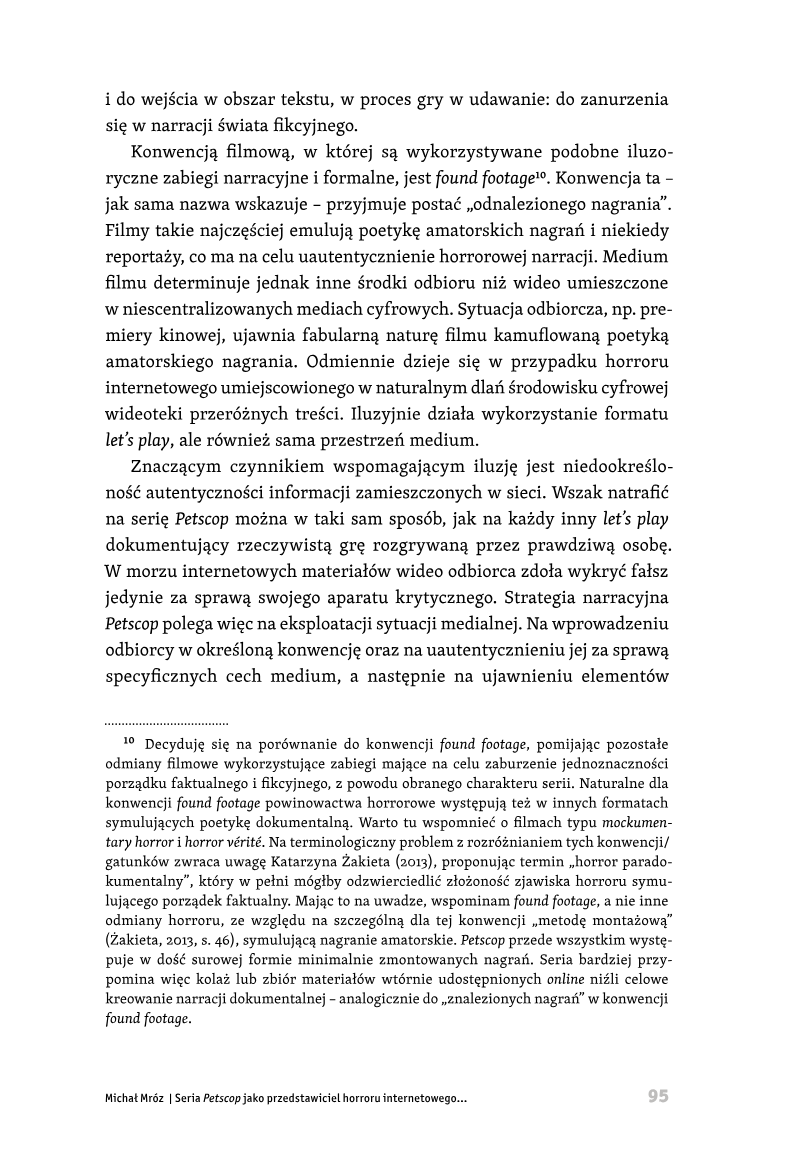
Michał Mróz's article in Homo Ludens (2024) examines Petscop, a multi-part YouTube web series that imitates let's play gameplay videos with player commentary while being a fully scripted fictional narrative.
- Michał Mróz's 2024 Homo Ludens article argues that Petscop, a fully scripted YouTube web series imitating let's play videos, is a narratively complex example of internet horror whose effect depends on video-platform conventions, documentary styling, and decentralized distribution.
- The series builds an illusion of authenticity through PlayStation-era visuals, a fictional studio, and a family-run channel, then disrupts it with "deviation points" such as the hidden-level entrance in the first episode.
- Its horror draws on subverted 1990s nostalgia, particularly Pokémon-style mechanics and console aesthetics, using silence, ambiguous character design, and the uncanny (das Unheimliche).
An Analysis of Poetic and the Evolution of the Subgenre of Soulslike Games
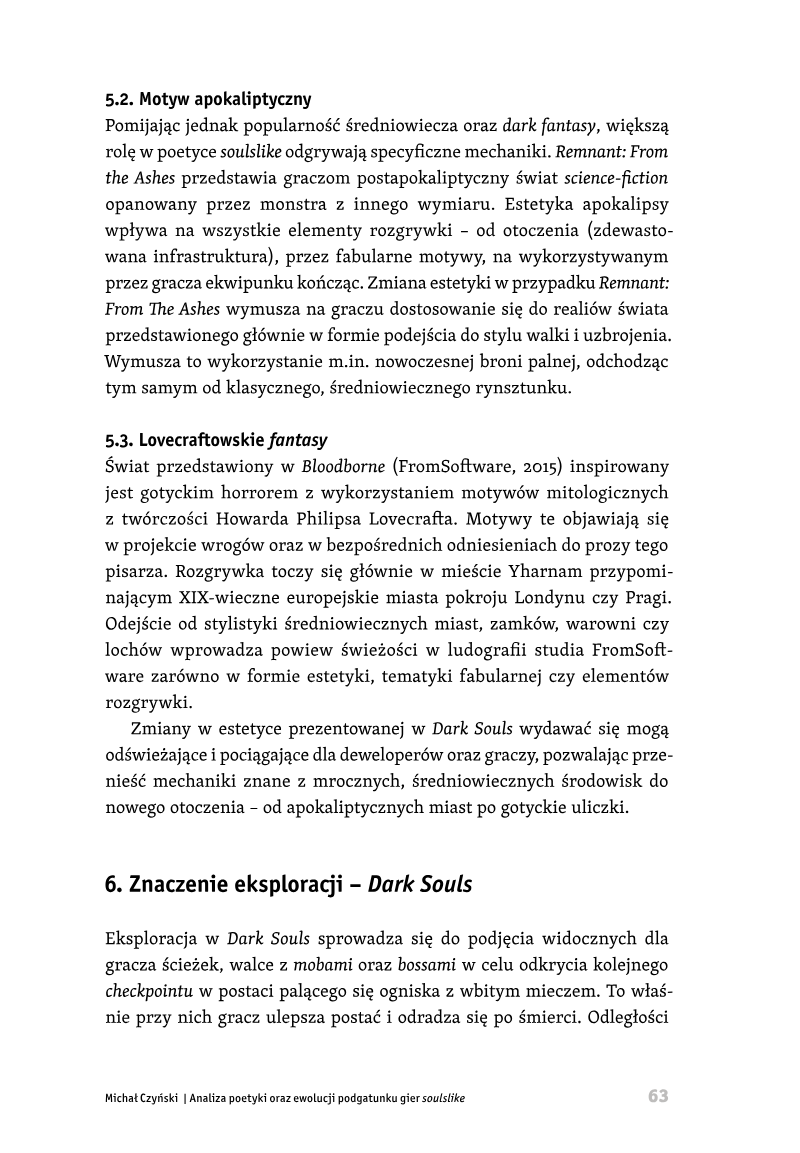
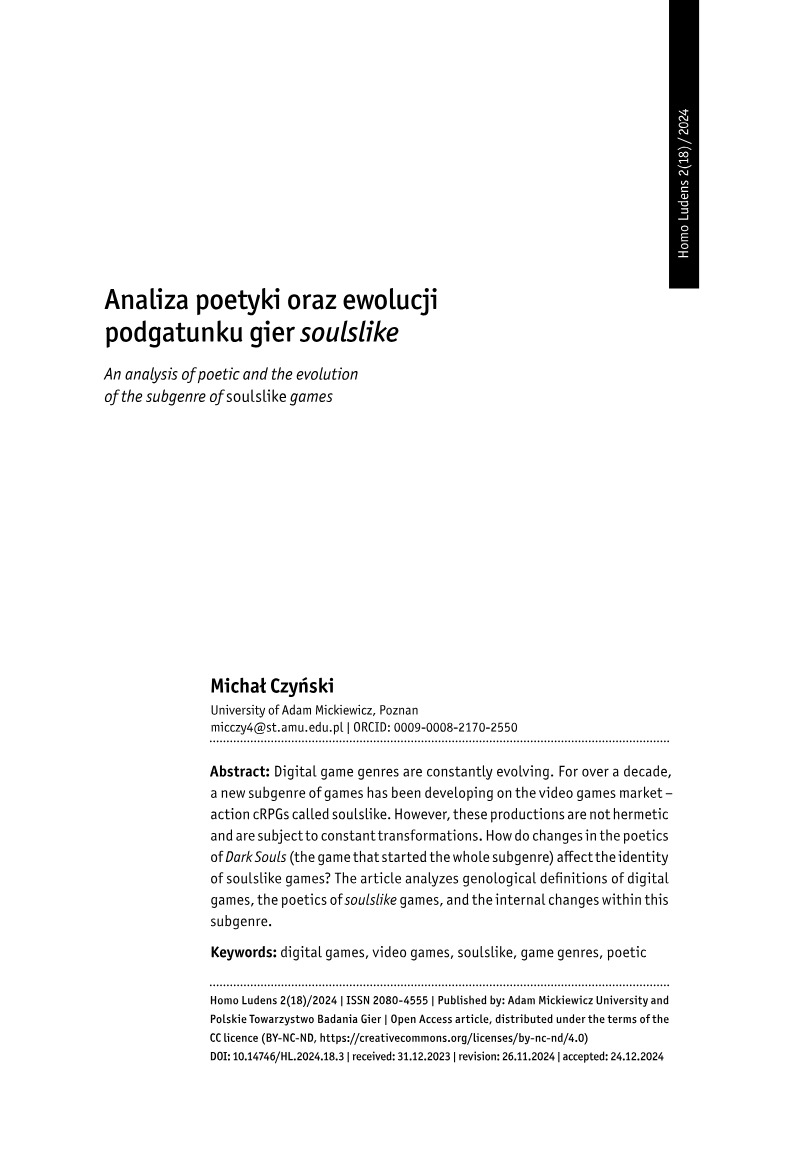
The analysis examines the soulslike subgenre of action role-playing games, tracing its development over more than a decade from its origin in Demon's Souls (2009) and its principal reference point, Dark Souls (2011).
- The soulslike subgenre originated with Demon's Souls (2009) and was shaped by Dark Souls (2011), and the study traces its development over more than a decade.
- The analysis uses Wittgenstein's family-resemblance model and Chandler's prototype model to treat soulslike games as a loosely connected group sharing core traits rather than a rigidly defined category.
- The subgenre's core poetics combine a punishing dark medieval-folklore aesthetic, demanding third-person combat, checkpoint and failure mechanics, and oblique narrative exposition.