1 free read left. Create a free account for unlimited reading + AI research.
Create free accountWhitepaper Journal of Games, Game Art, and Gamification
1 free read left. Create a free account for unlimited reading + AI research.
Create free accountWhitepaperJournal of Games, Game Art, and Gamification
Integrating game design elements into non-gaming workplace environments serves as a strategic mechanism to enhance employee emotional engagement, motivation, and productivity. By moving beyond traditional binary incentive structures, organizations can foster a more persistent and collaborative workforce, effectively aligning individual contributions with broader corporate objectives. This approach transforms routine professional tasks into more compelling experiences, thereby cultivating a deeper psychological connection between the employee and their organizational role.
Quantitative analysis confirms that gamification does not exert a direct influence on workplace performance in isolation. Instead, it functions as a critical catalyst that elevates employee engagement, which subsequently acts as the primary driver of improved productivity. Structural equation modeling validates this relationship, demonstrating that employee engagement fully mediates the link between gamification and performance outcomes. Consequently, the efficacy of gamification as a management tool is contingent upon its ability to successfully foster this heightened state of engagement.
This research, grounded in a positivist methodological framework, underscores the necessity of viewing gamification as a holistic human resources strategy rather than a standalone performance solution. By synthesizing academic literature on organizational behavior and HR practices, the findings suggest that when gamification is implemented to intentionally boost emotional investment, it yields measurable improvements in overall organizational performance. These insights provide a clear roadmap for firms seeking to leverage digital engagement strategies to optimize human capital and achieve sustainable productivity gains within the modern workplace.
Journal of Games, Game Art, and Gamification · 2026
Journal of Games, Game Art, and Gamification · 2026
Journal of Games, Game Art, and Gamification · 2025
Journal of Games, Game Art, and Gamification · 2025
Journal of Games, Game Art, and Gamification · 2025
Journal of Games, Game Art, and Gamification · 2025
Journal of Games, Game Art, and Gamification · 2025
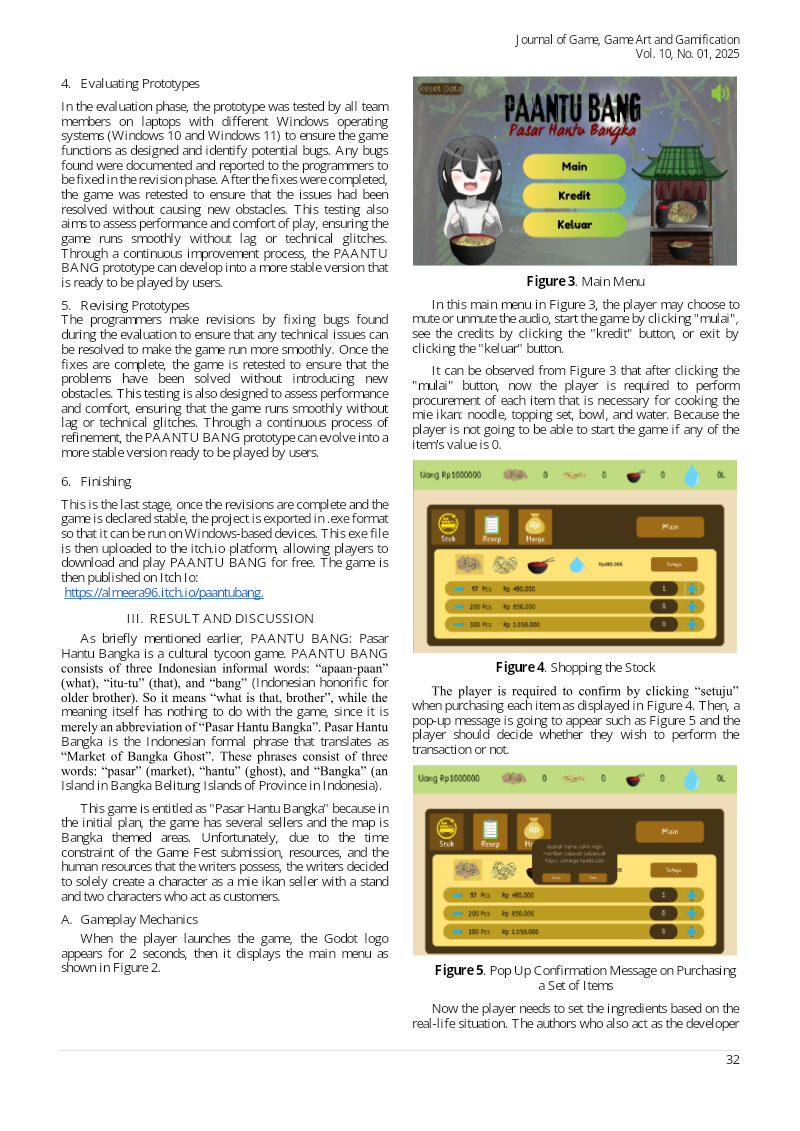
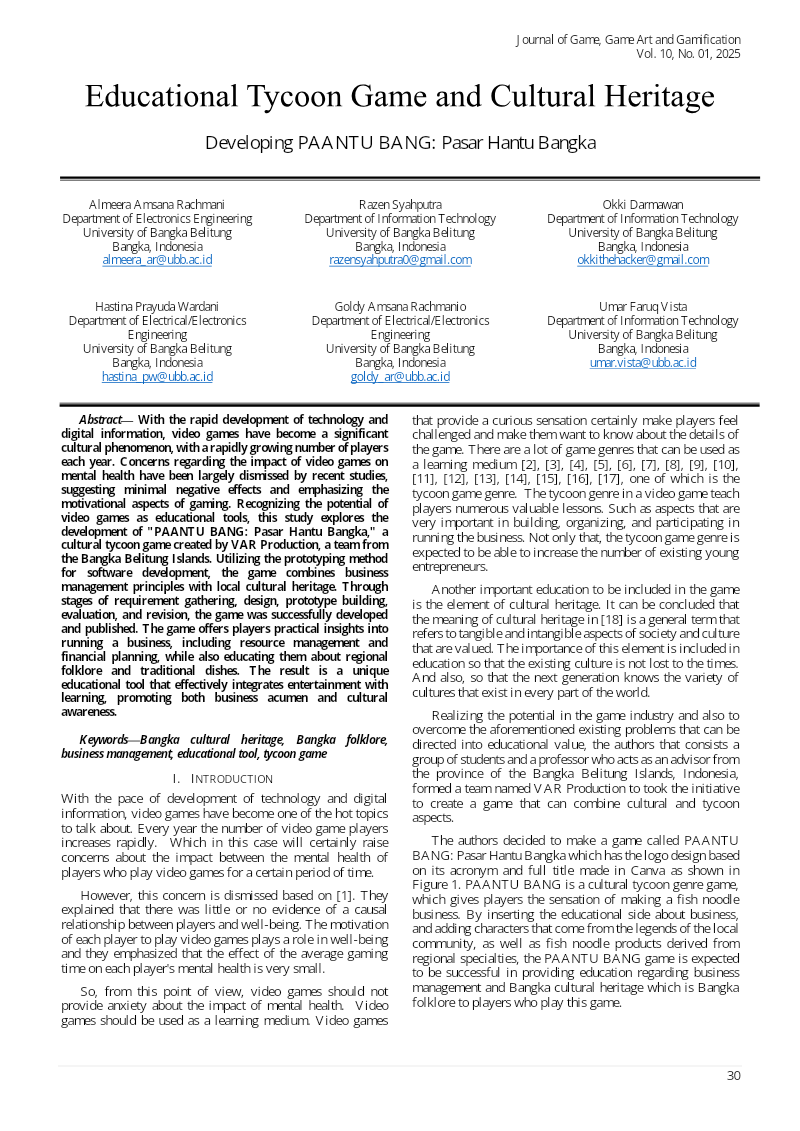
Journal of Games, Game Art, and Gamification · 2025
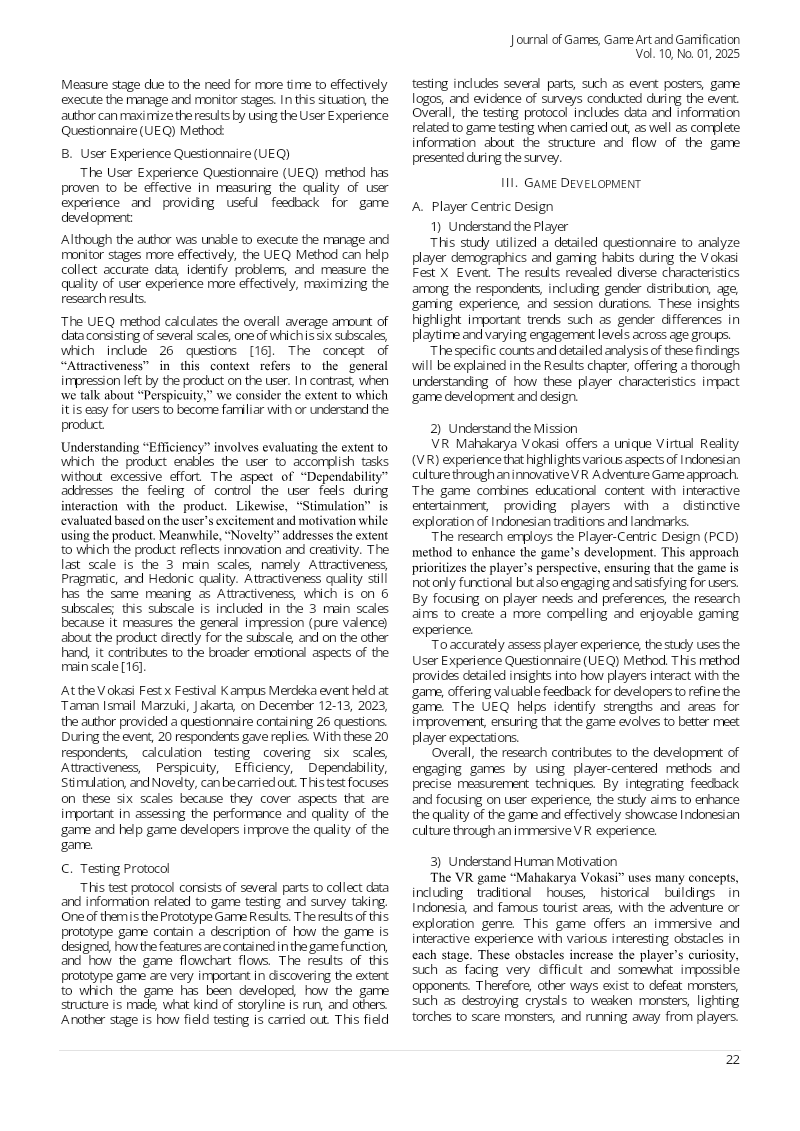
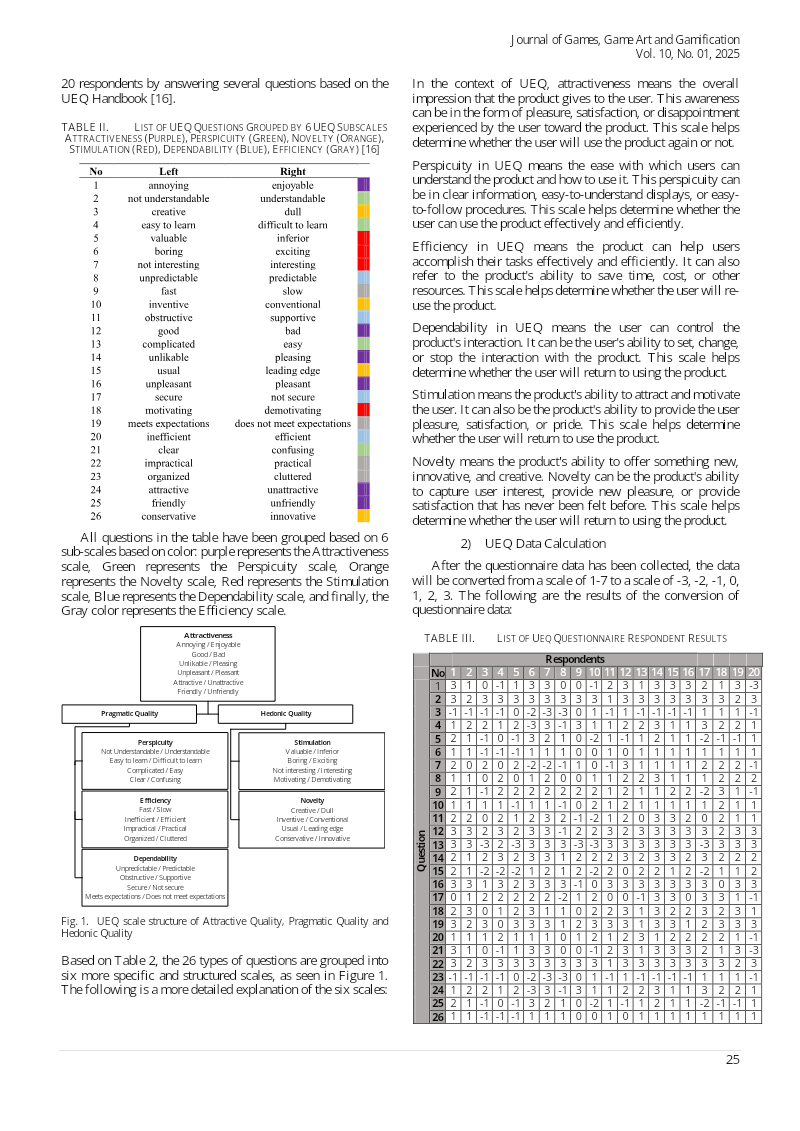
Journal of Games, Game Art, and Gamification · 2025
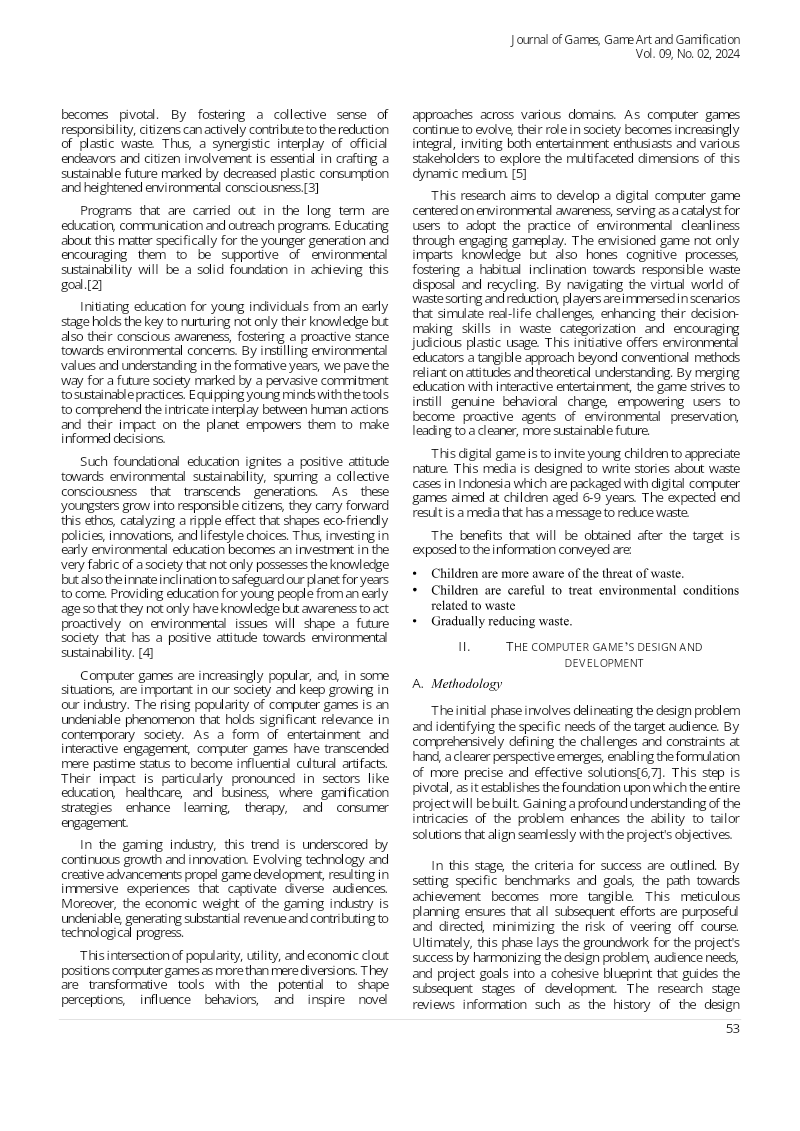
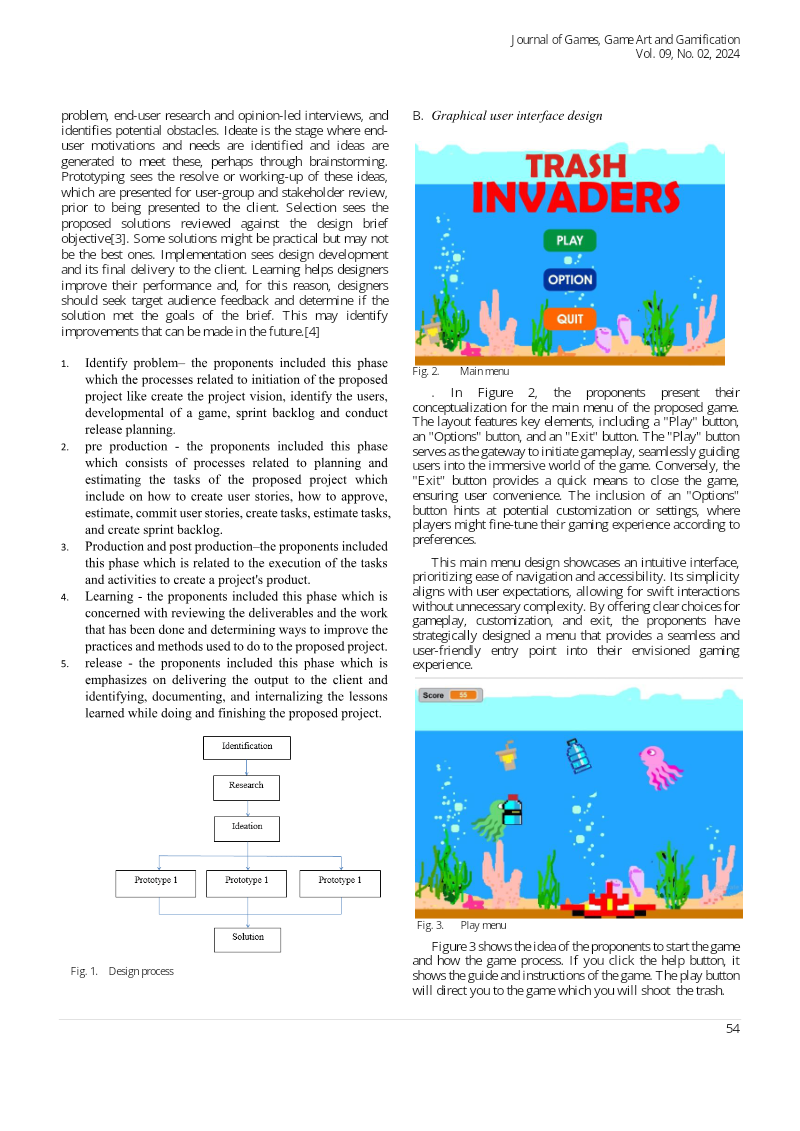
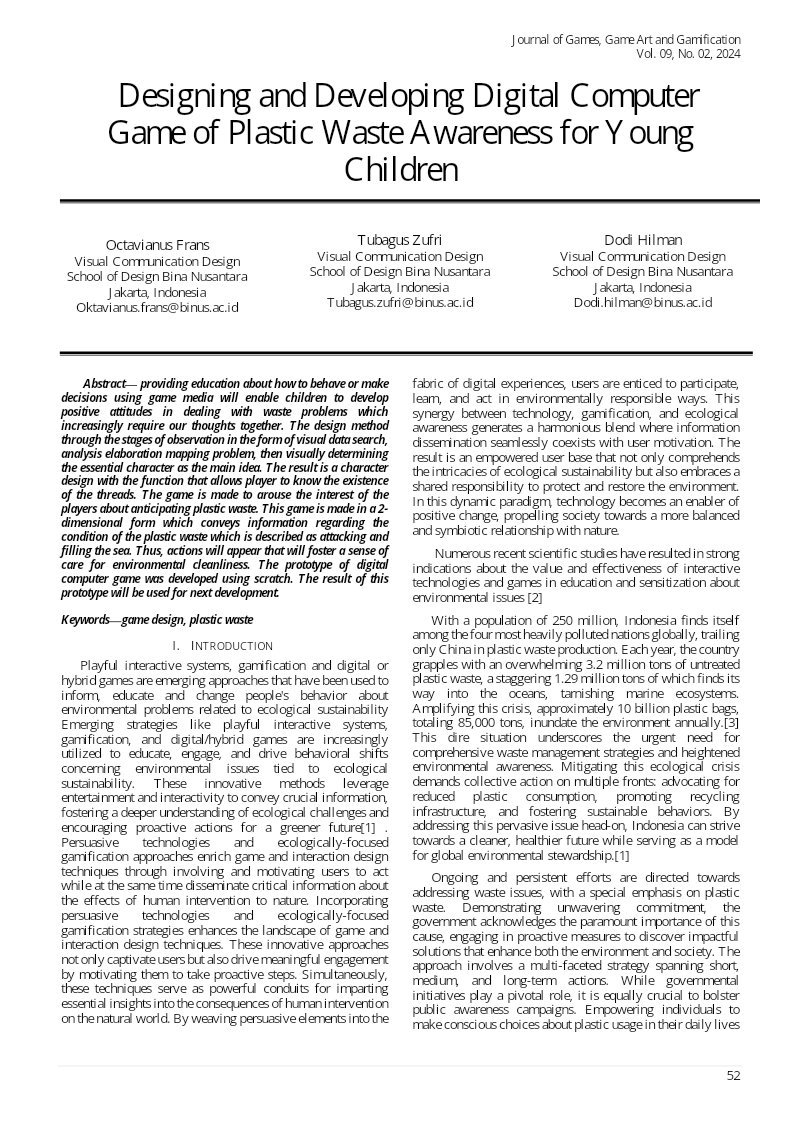
Journal of Games, Game Art, and Gamification · 2024
Journal of Games, Game Art, and Gamification · 2024
Journal of Games, Game Art, and Gamification · 2024
Serious Games Society · 2026