Game Publishing reports and market data
Documents
Superstar Session: Making Your Game MENA Ready
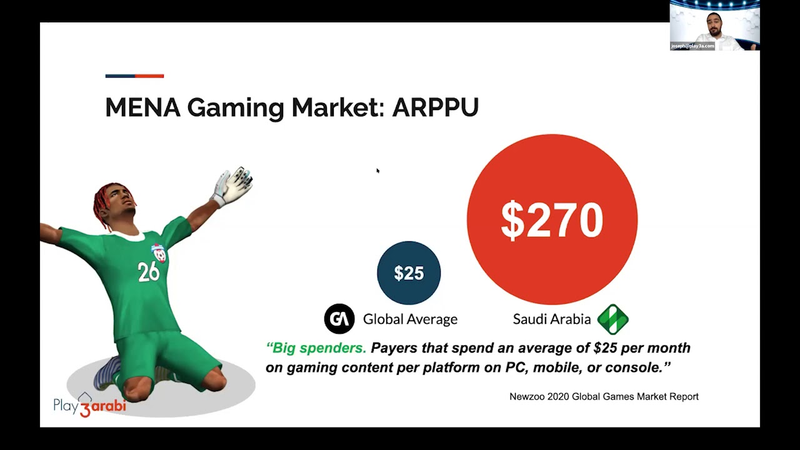
The Middle East and North Africa represent the fastest-growing gaming market globally, encompassing 18 countries and a population exceeding 400 million.
- The MENA region is the world's fastest-growing gaming market, serving a population of over 400 million people across 18 countries.
- Saudi Arabia serves as the primary revenue driver, with average revenue per paying user (ARPPU) frequently exceeding global benchmarks.
- Successful monetization requires a shift toward high-value packages and VIP programs rather than standard global models, as these resonate more effectively with regional spending habits.
Fireside Chat: You Need to be in South Korea! Everything You Need to Know About G-STAR (and Beyond)
South Korea stands as the world’s fourth-largest gaming market, representing approximately 6% of the global industry.
- South Korea is the world’s fourth-largest gaming market, accounting for 6% of the global industry and experiencing 15% growth during the pandemic.
- G-STAR, held annually in Busan, is the essential strategic gateway for foreign companies to access B2B networking and incubation support.
- Successful market entry relies on partnerships with established local publishers such as Nexon or Kakao to navigate the sophisticated, relationship-driven ecosystem.

Game Licensing for Streamers? | Roundtable News | Game Dev Unchained Episode 241
The modern gaming industry faces a significant structural tension regarding the streaming of intellectual property, characterized by a debate over whether developers should implement formal licensing models for content creators.
- The gaming industry is debating a shift from the current 'wild west' streaming model toward a formal, permission-based licensing framework to ensure developers receive equitable compensation.
- Proponents argue that streaming platforms and creators currently monetize intellectual property without providing a direct financial return to the original developers.
- The lack of industry-wide standards and transparent data prevents developers from accurately valuing their contributions, leading to investment trends that disproportionately favor streaming-friendly titles.
How to Build A Huge Brand | Tom Kalinske (Former CEO SEGA of America)
Brand growth is fundamentally driven by a synthesis of rigorous consumer research and the courage to challenge established industry norms.
- Brand growth is driven by challenging industry norms and identifying untapped market segments rather than simply following existing trends.
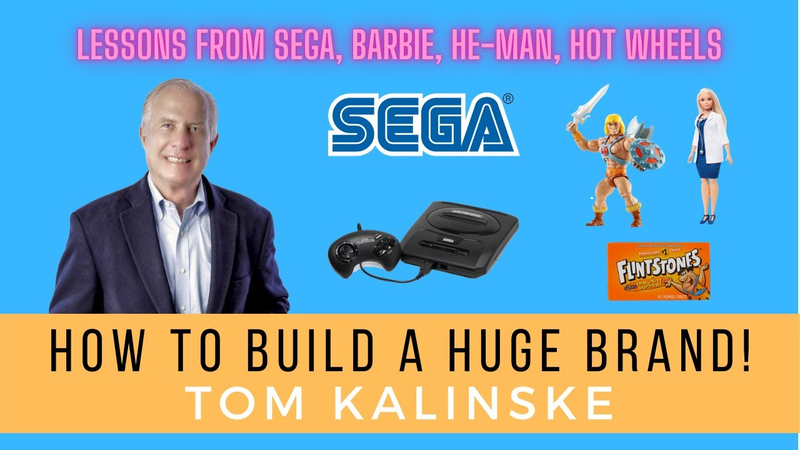
- Strategic media integration can drive massive revenue, as demonstrated by the expansion of the He-Man brand from $75 million to $750 million through a syndicated television model.
- Gaining market share against entrenched leaders requires identifying specific technical differentiators, such as the transition to 16-bit technology in the gaming sector.
Find Funding During CoVID Times with Pontus Mahler | Game Dev Unchained Episode 237
Securing capital in the modern gaming landscape requires a shift from creative-only focus to a rigorous, business-oriented strategy.
- Investors prioritize the team's business acumen and professional maturity over the game concept, requiring founders to demonstrate a clear growth strategy and adaptability to feedback.
- Studios should dedicate approximately 50% of their operational time to targeted networking and relationship building rather than generic outreach.
- Financial plans for budgets exceeding €500,000 must include a three-to-six-month buffer to mitigate risks associated with development delays and post-launch stability.
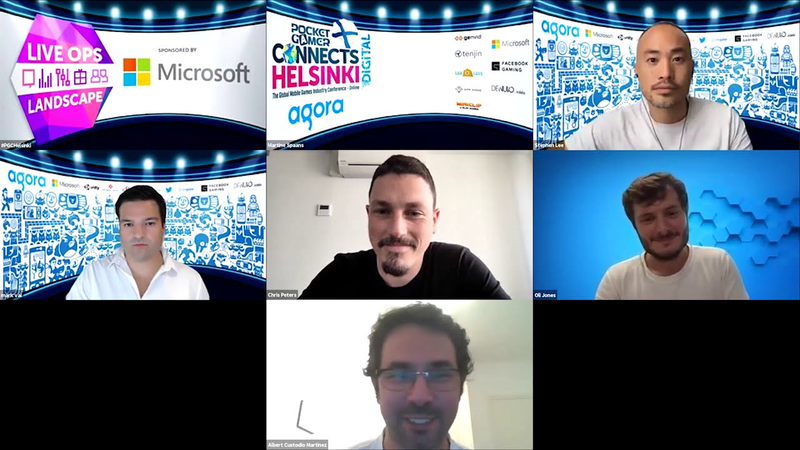
Panel: Stop Shooting Your Game in the Foot - The Damages of not Starting Live Ops Early
Integrating live operations into the earliest stages of game development is essential for avoiding technical debt and ensuring long-term product viability.
- Live operations must be integrated into the earliest stages of game development to prevent technical debt and avoid the rigid, shoehorned systems that result from treating services as an afterthought.
- Technical architecture should be designed to support frequent updates, A/B testing, and player segmentation without requiring constant code redeploys.
- Operational tools, including analytics, crash reporting, and content management systems, must be accessible to non-technical staff like product managers to enable rapid, data-driven adjustments.

Panel: What do Publishers do for Their Money?
Publishers serve as essential partners for game developers by providing critical infrastructure, risk mitigation, and specialized expertise in an increasingly saturated mobile market.
- Publishers provide critical value by managing user acquisition (UA) in an increasingly competitive mobile landscape where costs are high, and by leveraging established IP and large, captive audiences to drive game discovery.
- App Store Optimization (ASO) requires a holistic approach where icons, videos, descriptions, and screenshots are tested and optimized as a single unit, alongside keyword optimization to improve organic rankings.
- Developers should prioritize transparency in publishing agreements, specifically regarding how marketing budgets are spent, and be prepared to walk away from one-sided deals that lack clear communication or fair terms.
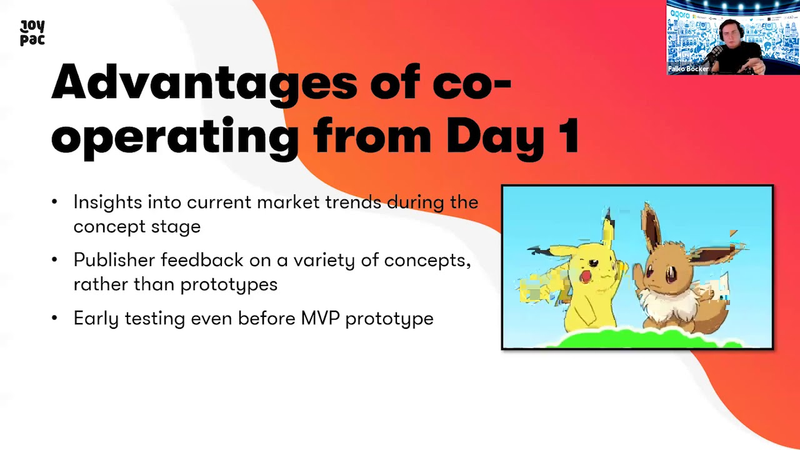
Why Working With a Publisher from Day One is Becoming the New Normal for Hypercasual Developers
The hypercasual mobile gaming industry is shifting toward a collaborative model where developers and publishers form long-term partnerships from the earliest stages of development.
- Hypercasual developers are shifting toward an accelerator model that provides ongoing funding and market data from the earliest stages of development in exchange for a 30% to 40% profit share.
- Unlike traditional work-for-hire models, this collaborative framework allows developers to retain intellectual property rights for prototypes that do not reach full publication.
- Publishers now utilize early-stage click-through rate (CTR) testing as a primary gatekeeper, requiring a minimum 4% CTR before committing significant resources to a project.
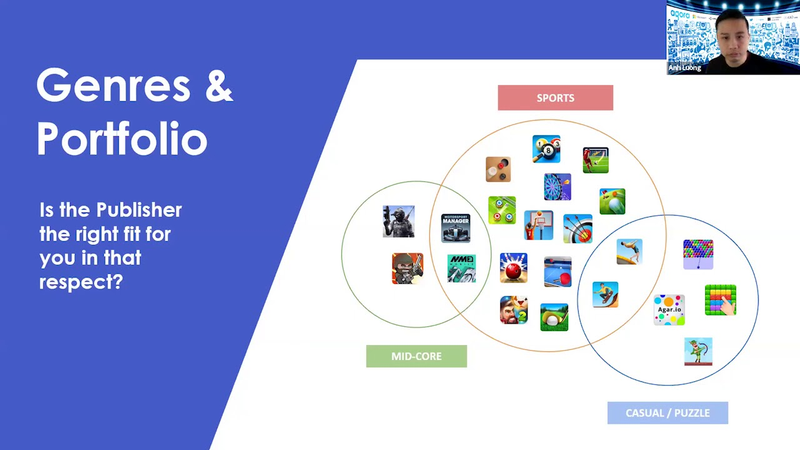
What to Look for in a Publishing Partnership
Effective game publishing partnerships are built on a strategic alignment of culture, scale, product fit, capability, and long-term relationship goals.
- A successful publishing partnership requires a clear division of labor where the publisher handles business-heavy tasks like user acquisition, live operations, and data analytics, while the developer retains creative control.
- Developers should prioritize cultural compatibility and shared values over immediate financial incentives, as these factors are the primary determinants of long-term collaboration health.
- Due diligence is essential; developers must verify a publisher's track record and business transparency by speaking directly with other studios previously published by that partner.
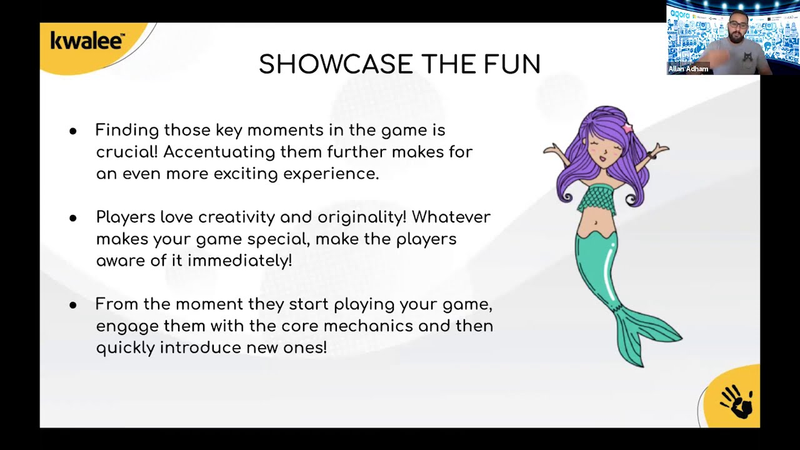
The Fundamentals of Hypercasual: Insider Publisher Knowledge
Hypercasual gaming centers on the rapid development of accessible, mass-market titles designed to generate immediate engagement through intuitive mechanics and vibrant, high-contrast aesthetics.
- Hypercasual success relies on a data-driven development cycle that prioritizes low cost-per-install (CPI) and high player retention through rapid, iterative testing.
- Marketing is as critical as game design, requiring the production of a high volume of diverse video advertisements to test hooks and identify effective messaging.
- Developers must implement simple, intuitive mechanics that provide instant gratification to capture a mass-market audience within seconds of interaction.

Panel: Building a Clear Vision for Your Brand
Successful brand building in the gaming industry relies on a long-term vision that prioritizes authenticity and deep empathy for a core fan base over the pursuit of fleeting market trends.
- Prioritize long-term authenticity and deep audience empathy over chasing fleeting market trends to ensure brand sustainability.
- Establish a robust, high-quality product foundation before attempting to expand into broader intellectual property or brand territory.
- Separate business development from brand protection to prevent short-term financial pressures from diluting the studio's core creative vision.
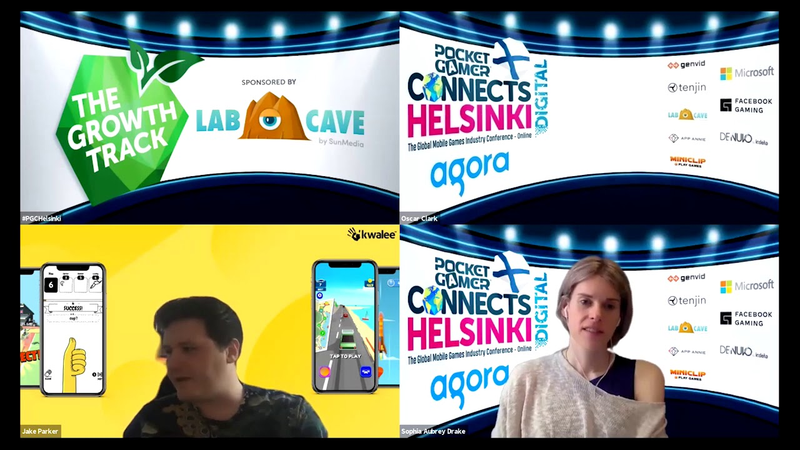
Fireside Chat: Why you Should Listen to a Publisher About Game Design
This discussion explores the strategic value of partnering with a publisher during the game design process, specifically within the hyper-casual mobile sector.
- In the hyper-casual mobile market, early collaboration between developers and publishers is essential for optimizing game mechanics and level design through data-driven refinements.
- Publishers drive project success by analyzing key performance indicators (KPIs), specifically cost-per-install (CPI) and retention rates, to guide iterative design decisions.
- The core gameplay mechanic is the primary driver of success in hyper-casual titles, outweighing the importance of initial visual polish.