1 free read left. Create a free account for unlimited reading + AI research.
Create free account
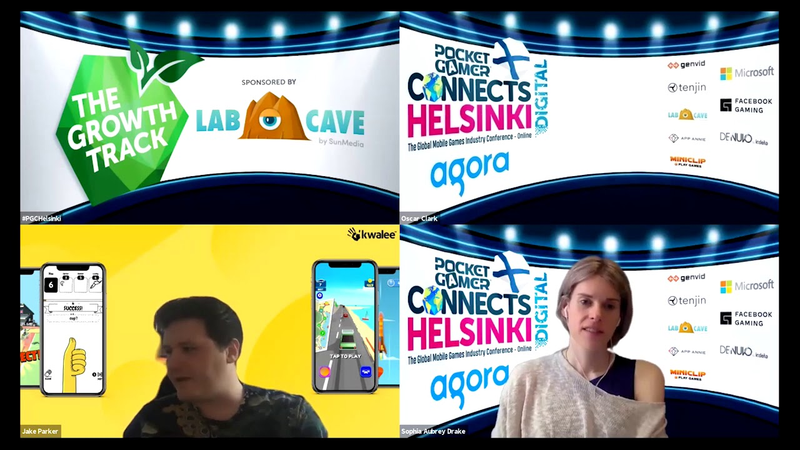
Fireside Chat: Why you Should Listen to a Publisher About Game Design
Key insights
6 takeaways- 01Publishers drive project success by analyzing key performance indicators (KPIs), specifically cost-per-install (CPI) and retention rates, to guide iterative design decisions.
- 02As of September 2020, the most effective path to marketability involves an iterative process that leverages publisher expertise in user acquisition and analytics.
- 03The publisher-developer relationship extends beyond the initial launch to include live operations, content updates, and creative optimization to sustain the game's lifecycle.
- 04The core gameplay mechanic is the primary driver of success in hyper-casual titles, outweighing the importance of initial visual polish.
- 05Successful development relies on rapid prototyping and a willingness to adapt game design based on empirical data rather than subjective creative choices.
- 06In the hyper-casual mobile market, early collaboration between developers and publishers is essential for optimizing game mechanics and level design through data-driven refinements.
Ask AI about this video
Transcript
hey jake how you doing hello not too bad how are you oscar not too bad not too bad i think we've got sophia about to join us as well so i'm really keen on this conversation because i know how important you guys think it is to make sure that the great gameplay uh particularly with hyper casualty it's got to be completely there off the bat and rather than me talking rubbish i'm gonna a much more eloquent sofia to come and talk to you and so i'll uh i'll leave you guys to it okay so we're over to you thank you yes first of all i will apologize to all of you for being ever so slightly late and to you jake i was uh in the other track room with the lovely uh langely from mixie so i'm sure if any of you want to check out that talk because you've been watching this
one and that'll be on the youtube and the links will be sent out to you ever so shortly but to get down to business i mean i know who you are and you know who me are but i will say my name's sophia drake uh to those of you who don't know i leave the big indie pitch of which quality are our digital season sponsors and have been our sponsors for uh before that in the the old days of the physical world for a while so it's great to be doing this fireside chat with you jake um you know we're obviously super grateful to quali but normally i'm the one introducing you to uh the the speaker to the pictures but i think this time let's let you do an introduction tell everyone about what you do with quality and who quali are just in case they don't know hello i'm a publishing manager at quality my name is jake parker and so we work with developers from the point of submission and even before that point building on a prototype and working on ideas all the way through to globally launching a game and we kind of get involved in every step of that process as publishing
managers and support the developer while liaising with the team at quality and all the different teams that get involved in the development of the game and to ensure that the game has the the best possible chance of success so as part of that we're kind of looking at data analytics we're looking at game design we're looking at um all sorts of kind of steps towards making that global hit essentially yeah and you're working with i mean i know we're going to touch on all of these things but you know just to reiterate to the audience as well you're working with different developers of different sizes as well and you know and really helping them make the most of their their hyper casual game and experience yeah so we're working with anything from a single developer to a small studio to even a larger studio yeah and and providing support that's kind of tailored to what that developer needs and where their specialty lies yeah exactly um but yeah i mean sticking on that topic let's let's dive straight in because i know some people have been waiting yourself included which again i'll apologize for
but um you know how involved are your in house designers and um you know the publishing team how you know how involved are all of these different aspects of quality with the developers whether you're a small studio or a one person team you know like to what level is it bespoke and how much or not are they involved so typically from a developer's perspective you have your publishing manager as your main point of contact but that publishing manager will then be liaising with every member of the kawaii team to give again the same support that any quality game would get so it it goes past the game designers we review levels we've had game designers jump into like unity for some of our games and create some levels change how levels are laid out so that we get the the kind of optimal flow through the game for players and so when we need to kind of support with that game feel we get game designers kind of working in tandem with the developer to set stuff like that up yeah fantastic yeah and uh and and i
suppose it it works as well depending on what the studio needs as well like how how involved they need people as well yeah of course it could be that it all it needs is kind of a conversation with the designer to talk through this stuff and then there's somebody who's already working on design like everybody's got some design thinking and when they're developing a game and when you're kind of conceptualizing what this game could be and but there's always support we can provide from our designers who can kind of help guide towards the goals of the hyper casual game yeah fantastic and and within the team you know people like yourself all be uh you know the publishing managers and and all the other aspects of the team i mean what kind of um experience do you guys have to offer to to the developers who are coming along you know i mean i i hasten to use words like credentials but you know what i mean like what what is your experience that sort of that you're offering to those guys to help so typically everybody on the publishing
team has made a game in the past and so there's there's some level of base credentials that we're looking for anyway but on top of that like uh alan one of our other publishing managers he's got a masters in game design and we've all got experience of working with many many games from the point of submission and from testing and reviewing and analyzing that data to kind of build up this knowledge that we continue to build on as we're kind of working through games but as well as that we've got i feel like i'm incredibly lucky to have this whole team of people that i can just kind of go and talk to and instead of and just asking kind of oh what information should i pass on it's the perfect opportunity for publishing managers and the publishing team to understand fully why these things are working in hyper casual why they make a difference and how that can be passed on to culture developers to kind of continue to improve their games they're making and continue to hit the mark for hyper casual i suppose that's really good as well because what it means as well is
not only can the team understand and appreciate where the developers are at if they're potentially a one-man team or a couple of people they you know you can empathize and understand where the thought process are coming from but i suppose you can also that allows you to give better advice easier because if you've been in that situation in the past you can be like oh i know exactly what they're doing give me a second i can i can help this because i've been there yeah it starts to get to a point where it's kind of like second nature yeah you can look at a game have a play of the game within a few minutes you've got some key points that would significantly improve one area or another area and ultimately the thing that the thing that proves that or disproves whether that advice is the right advice is when we when we test a game and it performs better or worse because of that change yeah exactly and i suppose it's just a constantly evolving knowledge base as well because it's not just using your past but it's then exploring new problems and finding solutions to them to help the devs yeah and i think
with the very na the nature of hypercasting is that it moves quite quickly and you'll get to a point where you think okay i understand what happened is now i i think i know what to expect and then somebody will release a game that is completely outlet field it's not something that you expected at all and it works and it's a hit and there's obviously something there that has worked really well so i think the thing that's really exciting to be a part of this publishing team and to be working on casual games is seeing that change and that growth of hyper cancer as a genre really yeah so the next one i think is always a question that people are interested in because it gives scope and now i'll have an insight into the answer from my days years and years ago working at chalingo but um you know i wanted to talk to you about you know how many games do you test how many developers are you speaking to because i think sometimes especially myself working with indies there's sometimes a misunderstanding that um you know oh i'm too small i shouldn't email because you'll be too busy
or anything like that you know like oh you must see loads so what's the point in sending over so i just wouldn't uh you know how many are you and what is this sort of usual what's a normal amount of developers where you're not thinking oh it's a busy day it's just a standard okay i think most days will be busy days but we love it um and i think there's no harm in kind of sending it across if there are concerns about whether somebody's going to be too busy to look at the game the worst case scenario is it'll be a couple of days and then somebody gets back to you with feedback on next steps yeah so we're working with a large number of developers and a lot of different games and but typically as soon as you have that relationship with a publishing manager or one of our publishing executives and that relationship will continue they'll be there to give you feedback and give you advice and you can even just throw ideas past them just to see just to get our first opinion before you put any time into investing into making a prototype they
can kind of advise on what areas to focus on or how to make sure that that prototype you're developing saves you time in terms of not having to dig too deep and work on too much before you've tested it and you understand what the cpi is for instance yeah yeah definitely i mean and i suppose a lot of the time if you get in there earlier that that i mean obviously there's a thing about being too early but if you get in there early enough that can really help because as you're talking about with the cpi's and everything like that if you're doing that collaboratively that can actually i'm guessing potentially alter the development cycle as you go later on through the learnings from these testing cycles basically yeah definitely there's always things that will kind of alter the development of a prototype while we're going through a level reasons from cpi tests and that's having that close working relationship with developers is something that i really i really enjoy because it means we can be closely collaborative and we can start understanding what avenues to kind of
go down in order to change how the performance of a strong prototype is is looking yeah i suppose just one thing i wanted to to flow in because i think again this is the kind of thing that might be of interest i mean in what ways do you normally communicate with your developers that you're working with and what i mean by that is it is is it you know an over you know is it using emails more or are you on zoom or are you meeting up in person is it a mix of the three or on and also what what do you prefer i mean i know at the moment in person's a little bit difficult but let's let's let's pretend we're back in the uh in the nice old days and the future days so i definitely prefer a meeting up in person where um but it might just be because i've missed that a lot since like that um but meeting up in person talking on zoom talking on skype on like we've got slack channels set up for some of our developers essentially anything that enables us to have that collaborative
relationship with the developer and as best as we can recreate kind of working as as a full team yeah when you're working as a team you're able to quickly kind of it's the kind of thing where in an office you'd be able to look over someone's shoulder and like tweak little values and play around with little things to see how they look quite quickly and representing that as best as possible with quick communication and and a strong understanding of game design yes so it's basically exactly the same thing that i i prefer as well which is anything that replicates that quick instantaneous feel rather than the sending an email and waiting three days for a reply it's you know sort of having a time of like okay for this next hour let's work together on on this yeah and i think there's also a place for like emailing and waiting for replies maybe developers are doing this kind of thing in their in their spare time it's something that you you've got a full-time job and you're doing it outside of that there's still we're still able to kind of accommodate calls and and close working in those
situations but a lot of the time the most convenient way for developers like that is to talk to email and in that case it's a case of getting everything as clear as possible in that email so there's no need to wait for the next email to kind of see what their what their feedback is yeah and i mean i'm following on from that point but also touching base on on an earlier point about how you know as you say not only is every project different but the hyper casual space is evolving so fast that you're seeing things you maybe haven't seen before and great new ideas i mean how do you go about identifying with the game what the game developers experiencing and maybe identifying which team members uh are best to help in that particular project so typically we're quite heavily involved in each project so it becomes quite clear quite quickly what areas need a bit of targeting and sometimes even just playing the game for the first time you'll see okay i need to i need to chat with the designer i need
to play through this with one of the design team just to get a bit of feedback and input so i can kind of guide we can kind of guide where that is heading and make it feel more satisfying and more dynamic for the player and as opposed to feeling like really binary and feeling like instead of it instead of the player's choice kind of having some kind of impact on a level of how the game feels instead of it feeling like oh i've done the right thing and now i've got to wait and now i've done the right thing um so you can often spot ways of improving game feel quite quickly and that helps to identify like all right i need to talk to a designer or the game feel might be fantastic it might be great but the kpis might not be high enough you might have low retention you might see there's a specific level that is incredibly difficult so at that point you can talk to the data analytics guys and get um a set of reports from those guys for instance on okay how are players interacting with
these specific areas of the game to identify ways that we can improve it yeah typically collaborating with a developer once we have that information as well yeah and i mean once you've got that information and you're sort of analyzing the project and you're going into you know testing phases or you've done levels of testing phases do you get a good idea of what is and isn't going to market well or are you kind of driven largely by the data on on that side of thing or do you haven't done this for so long have an idea of we are going to need to change this bit before we even get to the testing stage yeah i think typically there are things you can spot that you can intuitively tell world market well based on having tried that fast and based on previous tests that we've seen come through and the results of those and and how they're like potentially there's no indication that that is going to start becoming something that is marketable and so yeah there are areas where we can see things quite early on
that could use improvement and there are also areas where we we can spot things early on that we see have really good potential and then we test them and see how they perform yeah fantastic and and on that point how closely are you working with the marketing and ads teams or are the developers working with the marketing and arts teams because you maybe have gone through all this testing you've got the project you've learned from from the test you know the well yeah i've used we're testing again but you take my point you've learned from all that incremental um you know soft launches potentially in all those areas how do you then go about working with the the you know the marketing and ads teams in order to take that final completed project to well you know as best as it can do in the market so once we once we run our initial tests with uh with the game we will get our marketing team involved then if we see some strong potential there we can get our marketing team started to work on kind of optimizing their creative but
also establishing some key points of feedback that a quick implementation but could have major impacts on the cpi and how successful that marketing is and so it's something that is ongoing and they're typically working with the developer and with the publishing manager to continue to push refreshing the creative and continuing to work on ads that could help their scalability in the performance of the game yeah and i suppose you know in the uh interest of having a holistic approach to the whole thing i wanted to also touch base on you know the the fact that as we all know hyper casual games uh a long-term experiences that require you know support and and backing as they go whether that be through timed events or whether that be through tweaks new content how long do you guys at quality typically support developers and the game post launch so typically it's for as long as the the game continues to work and rockets is one prime example of this
that was launched i think it was a year and a half ago and we're still supporting that we're still working with the with the developer to kind of keep that moving forward and there are there are some games that lend themselves really well to new content and new updates for fresh content and some games that will continue working with what is already in there for quite a while and i think we're we're willing to work with developers and more than happy to work with developers over a really long period of time after globally launching a game that's never the kind of end point of the publishing process it continues from there with probably typically there's less time needed from a developer's perspective so you can start to focus on new prototypes new concepts and what else you're going to test and as opposed to being kind of stuck working on the same game for an indefinite period of time it's typically um smaller updates and sdk changes and stuff like that to continue to optimize how the game monetizes and markets yeah i i just think that's a really interesting point because i think a lot of developers might potentially
think that the moment of launch is kind of the point and the marketing but that launch you know window i suppose is is maybe where your support ends but like you say it's it's bespoke and yeah and there's definitely there's definitely during that launch window there's definitely like an intensive period where we're continuing to look at the data we're continuing to optimize the game and the design of the game and because that's when we start seeing the biggest pushing data that we've kind of seen up to that point as soon as you start acquiring a significant number of users you can start analyzing um how they're interacting with the game and optimizing based on that yeah so you know obviously there we've looked at the whole cycle of how you work with the developers as a team but if i uh you know because i think this will probably be of interest it's certainly what i hear at the pitch and i think it'll be of interest to a lot of people watching if we sort of cycle it all the way back to the very beginning what kind of things would you say to anyone in the audience developing a hyper casual game what are the core things that you think
that they they need to have in their game maybe a certain type of field certain type of graphics any sort of advice you can offer them for the kind of thing that you guys equally are wanting to see you know the kind of games that you're like dying to come through your email box is there anything in particular that you're looking for i think one big thing that i'm always pushing on is making it feel dynamic making it feel like it's not just a binary kind of oh yeah i've done that thing now on to the next thing it there's something a little bit more to it without it becoming ooh crazy in depth and you can make a game kind of feel like the players actually no matter how small it has some kind of impact on how the game plays so you feel as a player like you're having an impact and there's there's a significant difference in that in both how it comes across in ads the game gameplay mechanic is one of the key parts of getting a strong cpi and making sure that gameplay mechanic is easy to understand but also it's it looks like it's going to be fun to play
and it looks like it's going to be engaging and it looks innovative and fresh and i think focusing on those kind of things especially in the early stages and focusing your time so you can build a cpi prototype which doesn't necessarily need to be loads of gameplay just focus on that core to see if that works first and then push from there yeah so you would say even when someone's sending a game over elements such as the polish and the graphical thing yeah you know the graphics and stuff their elements that for hyper casual for you guys they can potentially come later it's the actual core basis that you're focusing on is the the the genesis of the project yeah i think there's there's a lot to be said for for having nicely polished visuals in your initial ads but it doesn't need to represent the final product yeah it needs to look nice enough for people to not see it and say oh god now they've that's all great boxes um but it doesn't it also doesn't need to be fully polished it doesn't need to be the
final product yeah so i mean i think the thing that you know you're obviously saying and i'm sort of trying to nudge nudge wink wink to everyone as well is you know you don't have to leave it too late because like you guys say and i know from my last five side with with simon you know it's it it's more about getting there at a time when you can begin a collaborative process basically yeah yeah um and i you know i noticed that we're coming up to time but and to anyone in the audience if you do have a question quickly pop it into the q a section uh for for jake but one thing that i think we often sometimes miss in these areas is i mean i know we've obviously got the big indie pitch where we've and you guys are you know are our seasoned sponsors which we're super grateful for so the first thing i'll say is if anyone wants to show their games to to jake or or to simon on the team then you guys are always there normally as our judges so definitely get your your hyper casual games submitted to the big indie pitch over on biggindypitch.com
but you know outside of the pitches how else can developers what is the best way for them to you know pitch a project at you basically get in touch um so you can email us at publishing quality.com there's somebody running that all the time so that's always going to get responded to and picked up on and you can find us on linkedin obviously just search for my name and the quality website we've got a submission form on there which just asks for kind of key information like the game name and then either provide a video an apk or a link to the build on the app store and we can have a look at the game and start going from there yeah that was the next thing i was going to say is what kind of information do they do they need to have because i know it from the pitch that every once in a while you'll get someone who just does a description and it sometimes it's a bit like well we might need a bit more than that and then equally although it's not an issue there's some people who do do too much uh it well i say too much we'll give a lot of information i don't think there's ever too much but we'll give a lot of information but you explain there is a sweet spot where you're you're not spending
massive amounts of time but you have provided enough information for you guys to do your job yeah and i think that can kind of start at any point where we're open to working with developers who are sending through ideas and and a kind of presentation this is what my vision for the game is because it's always good to start a division for the full game and then kind of pair back to the point where okay we can cpr test this in a prototype and so it can start at any point even if you've spent months working on a game that you've already got we can still start talking and talk about that game if it's something that you're looking to test and kind of work with yeah i mean and i suppose the thing i'm getting from all of this as well like at least i know because i work with you guys but it's it's it's a very friendly place and then it's and it's about don't be afraid to reach out to you guys with a project that you've got yeah and we're more than happy to give advice and feedback on them games that have been sent through ideas that have been sent through yeah the team's constantly growing as
well we're still we're still growing as a team so that's really it's really exciting to be a part of that and know that we're we can accommodate more and more developers with each um yeah i i actually know that from in just just from following you guys and obviously working with you guys in various departments you actually have two of my former colleagues on your team as well in different areas so they but yeah i i know the i know so you know a range of the experience that you guys have got we have got one question in it it sort of touches on some earlier uh areas that we've spoken with but i think you know if some people are interested in these things there's no harm in in reiterating and go going over certain elements so um you know uh mount meredith has asked how soon should the collaboration between developer and publishers start does this depend on the type of project or how much has already been made you know like i know we've talked about it being bespoke but do you think there is a a sweet spot that it's better to be closer to i think it's worth starting early in the project like ultimately you can start working with a publisher at any point you can start working with them at the point where
you've got an idea or the point where you've worked on this game and and it's pretty much ready for release if you start working with the with a publisher in the early stages you can kind of build more of a collaborative approach where you can incorporate feedback from the publisher and how like the information that they're able to kind of get from the design team the development team etc etc and everyone that they work with and use kind of that experience that a publisher has to continue to build your game and help it to grow your company as a developer whereas at the other end it may be that it's harder to make these changes on a game that you've kind of developed in a certain way thinking a certain way without that external input and that doesn't mean that like we've worked with games that have been at that point and we've tested them they've tested pretty well we've moved forward quite quickly and but it's always good to kind of i feel like as a developer you would learn more from the early stages and getting involved with the publisher
and collaborating in that way and but typically anywhere it's fine yeah so it's basically earlier is better if you can but don't be afraid to send something later on in a cycle because there's always scope to work with developers and help and you're obviously always looking at projects of all different shapes and sizes basically yeah yeah fantastic well i think that's that's a like a really good place to round up looking at the time oscar's back oscar will be joining us for the uh the pitch uh on wednesday as well so i'm excited i love it i just i think it's such a it's such a harsh thing to do as a developer but such hopefully useful things as well so and i don't know about you but i find it really great to find people who got and whether it's the people you meet the first time the game they're showing first time or the game is showing the fifth time but you see this progression of their capability as well it's always fantastic to kind of see how that developer and that game have kind of grown over time and taken on board the feedback from
previous um judging sessions as well i think actually that's one of the biggest things for me it's again it's whenever we work with investors that the thing that always comes through it's like we're actually more interested in the team than the game i know that sounds like terrible thing to say you're a game developer because you want to worry about the games but actually the trust of the team and their ability to listen to people like jake and simon and various other people in the quality and or any other publisher any other team i mean obviously we work on live ops a lot just knowing that the people will listen to people who've done it before makes a massive difference yeah especially with hyper casual games the fact that you can you can try a few different ideas and and then not work and then find it here and i'm working kind of consistently and taking on board feedback as part of that process we tend to see it help developers a lot reach the point where they're testing in that game has a huge amount of potential compared to the first game they tested with us when we first spoke to them and like you said with hyper casual the simplicity the kind of
specialization of what mechanics work and don't work and why and the kind of ability that you can you know really change profoundly they take up by the art style you know those kind of small nuance elements that really you can't know no one who's not doing it every day can know the broad breadth of knowledge so anyway yeah anyway so on that note jake severe brilliant stuff as always thank you very much and hopefully everybody is taken from that just how important is when you're thinking about user acquisition when you're thinking about growth of the company you've got are you focusing on the success and the capability of the game and the game is the heart of it a lot the love of the game really comes through we don't get organic growth we don't get absolute optimization unless it's backed up by something that people care about
you
Summary
This discussion explores the strategic value of partnering with a publisher during the game design process, specifically within the hyper-casual mobile sector. The primary thesis is that early collaboration between developers and publishers facilitates a more efficient development cycle, allowing for data-driven refinements that significantly improve a game’s marketability and long-term performance. By leveraging a publisher’s expertise in game feel, level design, and analytics, developers can optimize their titles for user acquisition and retention more effectively than by working in isolation.
Key findings emphasize that the most successful hyper-casual projects often result from a highly collaborative, iterative relationship. Publishers provide essential support by analyzing key performance indicators (KPIs), such as cost-per-install (CPI) and retention rates, to guide design decisions. This process often involves adjusting core mechanics or level flow to ensure the game remains engaging and dynamic. The discussion highlights that while initial polish is important for marketing, the core gameplay mechanic is the primary driver of success. Furthermore, the publishing relationship extends well beyond the initial launch, with ongoing support provided through live operations, content updates, and creative optimization to sustain the game’s lifecycle.
The scope of this analysis covers the global hyper-casual market as of September 2020. The insights are derived from the professional experience of publishing managers who work with a diverse range of developers, from solo creators to established studios. The methodology relies on industry expertise gained through testing and analyzing numerous game submissions, emphasizing that the most effective path to success involves open communication, rapid prototyping, and a willingness to adapt based on empirical data rather than purely subjective design choices.













Comments