1 free read left. Create a free account for unlimited reading + AI research.
Create free account
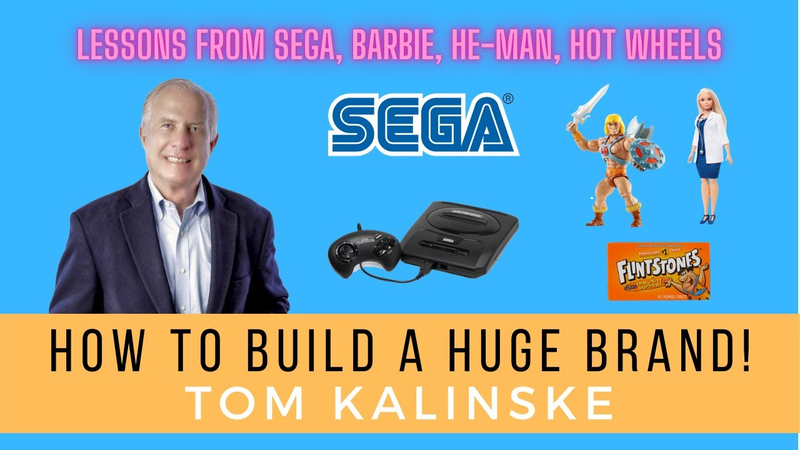
How to Build A Huge Brand | Tom Kalinske (Former CEO SEGA of America)
Key insights
6 takeaways- 01Strategic media integration can drive massive revenue, as demonstrated by the expansion of the He-Man brand from $75 million to $750 million through a syndicated television model.
- 02Gaining market share against entrenched leaders requires identifying specific technical differentiators, such as the transition to 16-bit technology in the gaming sector.
- 03Long-term brand viability requires a consistent cadence of innovation and the ability to evolve intellectual property across new platforms and media formats.
- 04Brand growth is driven by challenging industry norms and identifying untapped market segments rather than simply following existing trends.
- 05Successful brand building requires balancing creative intuition with rigorous, data-driven consumer research to overcome corporate complacency.
- 06Companies can effectively revitalize stagnant assets by leveraging modern technology to re-engage nostalgic player bases with classic titles.
Ask AI about this video
Transcript
hi everybody tom kalinski has had a career as the king of brands tom first became well known for marketing flintstone vitamins and then reviving barbie and hot wheels at mattel and then launching masters of the universe in the games industry and perhaps most famously tom's efforts to turn around sega of america were chronicled in the book in recent cbs documentary console wars tom famously turned around the sega console business growing stage of america from 72 million to more than 1.5 billion in revenue welcome tom thank you joseph it's good to be with you i thought we could first start by actually talking kind of going back into your career and talking about sort of one of the first achievements that kind of made you famous which was when you helped market flintstones vitamins can you take us back to that experience and and maybe tell us a little bit more
about kind of the backstory behind the the flintstones vitamins how was it conceived and then how did you market the the vitamins sure so it takes me all the way back to 1968 i was out of graduate school and i joined a part of j walter thompson advertising agency in new york city that developed new products for existing clients and one of their clients was miles laboratories the the guys who make one a day vitamins and alka-seltzer and they also made about a children's chewable vitamin called chalks which was a square chocolate flavored vitamin well one day bristol myers their competitor came out with pals vitamins which were multi-colored fruit flavored animal shaped vitamins and guess what the choc's business literally fell off a cliff it just disappeared it went from you know 50 million dollars to nothing and so the one a day people excuse me the
miles laboratories people said to us you got to develop a new vitamin for us uh that we can compete with crystal meyers pals vitamins with and so we did all this research that javola thompson company also had a big research group an arm and we researched every conceivable theme and you know character and what have you and actually the winning concept this will surprise you was actually snoopy and his characters well snoopy was already taken for nutritional products by interstate baking and the the brand that came or the characters that came in second were flintstones and at the time flintstones was a prime time animated television show i don't know if you guys can remember that but it was sort of like a a takeoff of the jackie gleason honeymooners show only an animated form with fred flintstone and wilma and barney and and the flint mobile and what have you so anyway that was the
the second choice so we go out to miles laboratories in elkhart indiana and we had all these drawings of what flintstones vitamins would look like and we presented it to the management there and they looked at us and said you guys are nuts you don't know you don't know what you're talking about the show just went from prime time to saturday morning which was true it had been cancelled off prime time it was now on saturday morning and we said well that's good that means more kids are going to see it and they basically threw us out of the room and said go do your more research so we did we did more research and uh it came this time we didn't we didn't include snoopy and it the flintstones came out number one so we go back out there and we say to these uh executives who are mostly doctors by the way at miles laboratories we say you got to do flintstones vitamins and uh the head doctor was a guy named ollie joy we used to call him oh joy and he he looked at us and he said well if that's the best
you guys can do uh you'll have to come out here and live here in elkhart indiana and put this together as a brand and uh and then we'll do it so that basically is what happened i went out to elkhart spent quite a bit of time out there used to fly back and forth between new york and elkhart almost every week and uh we introduced flintstones we obviously did the packaging obviously miles did the nutritional content of the vitamins and we introduced it with a very catchy uh animated what was the first time i think a rotoscope uh commercial had been done with using rotoscope which was we shot on a green screen which is very common today and we included the flintstones characters doing things with real children you know climbing a mountain next to fred flintstone singing yeah but have a do you have it ever do flintstones vitamins are good to chew and uh it caught on and it literally became the number one vitamin in a few weeks and surpassed miles pals vitamins
and the strange thing is all these years later now we're talking about introducing this in 1969 um it's still the number one children's chewable bite yeah i remember eating those vitamins when i was a kid as well but you know that's great so it sounds like even from those days there was a focus on data and research and things of that nature and i think in the in the mobile gaming industry which where i'm from that's a big focus is on research and things and making sure we're as data driven as possible but was there any during that time was there any part of you that was it just about the data was it just the research or was there any kind of gut feeling to the the vitamins as well well no i think it was both data obviously the research proved the data but it was also a gut feeling because i will tell you most of the so-called experts and this is sort of a common theme that i've run across the experts in the industry in this case it was the vitamin industry and the licensing
industry they thought this was a bad idea but my feeling was that it was an excellent idea and as i said a minute ago the fact that children were now watching it on saturday morning was a good thing not a bad thing for for miles laboratories and so my my gut said this is something we need to do and you need to stick with it and of course they did then like in terms of the next phase in your career in terms of the story behind barbie and hot wheels could you take us back to that time and how did you revive those brands and what did you see in those brands in particular that got you excited about trying to turn those around sure by the way flintstones in a way introduced me to mattel okay because uh in in 1969 i was the senate subcommittee on children's advertising was formed and the senators were mad at toy advertising and serial advertising and candy advertising and somehow we got thrown into that mix
so we were called before the senate subcommittee in washington dc which is a very unpleasant experience because the senators sit on these mahogany desks kind of up high above you and you're down on your your folding iron chair in front on a formica table very uncomfortable usually with a lawyer next to you and the senators are asking you questions and so they really crucified kellogg's and general mills and and a lot of the toy guys mattel was there and then at one point senator char margaret chase smith of maine pointed at me and she said so mr kalinski you think selling drugs to children is a good idea and i said well senator i'm sure you're aware that moms try their darndest to get their kids to eat properly to eat vegetables and fruits and but a lot of times the kids just won't do it and so moms actually are very thankful that they have flintstones vitamins to give their kids because now they know they're getting the right vitamins and minerals and nutritions to the child and let me read a letter to
you from one of those moms so i pulled out a letter and i and i read it to the senate and and then i had a mailbag full of letters and i picked it up and i said i have five thousand more lives would you like me to read some more of them to you and she said that'll be enough mr clinton nobody asked me another question well tell the guys thought that was hysterical and so at the end of that session down the hallway they said hey we kind of like your act uh why don't you come out to hawthorne california and interview for a position with mattel and so i did so that's what got me to mattel and i moved from new york city to to los angeles and hawthorne says little suburb of los angeles and i started as a product manager on preschool choice jack in the boxes c and says a putt-putt railroads tough stuff toys and about all i accomplished there i did help grow that business and you know introduce the red and white
packaging that i think still uses on preschool toys today and uh one day after working on this business and improving it somewhat the founder of mattel one of the founders ruth handler walked into my cubicle which happened to be outside the ladies room so it was i got a lot of visitors and and she and she was a salty little character she really she swore a lot and i won't do that part of it but anyway she she said tom the salesforce says it's over for barbie barbie sales declined last year it fell from 100 million to 42 million dollars the buyers at the retail store say it's over for barbie the wall street analysts say it's over for barbie and they say it's time to go into something else what do you think of all that and i said ruth that's the stupidest thing i've ever heard barbie will be around long after you and i are gone she said that's what i want to hear i'm going to talk to ray ray was my boss i'm going to talk to ray about putting you on the barbie business and so that was how i got on the barbie business but before she left my cubicle i said to her i said by the way why do
you think barbie is so special what makes her so great and she said because with barbie a girl can be anything she wants to be and i you ended up using those exact words that phrase on packaging and promotions and advertising uh from from that day forward and i obviously i was put on the barbie business and uh so your question i guess is what did i see and how did i turn it around well i really believed in this brand i i really believe what ruth said that through a girl's imagination with barbie she could be anything she wanted to be and so at the time the brand was in really bad shape and the reason in my opinion at the time was that the people on the business were so used to doing things the same way year after year after year and they would introduce one new lead doll it introduced one range of costumes or fashions for it it introduced one low-priced accessory
and one high-priced accessory and maybe every three years they'd introduce a new friend you know whether it was francie or midge or skipper or whoever see the brand and i thought well this is this is nuts you know this is really oh and by the way the packaging was all over the map you know barbie was in a red package her friends were in brown packages or green packages ken i think was in the brown package actually the accessories would be in yellow packaging and so it was a mess at retail so that's what i inherited that's what i walked into and basically i said this is crazy and we're not going to do it that way anymore we're going to do things a lot differently and so part of the strategy was obviously putting all the packaging in pink everything to create a print wall at retail and then i i introduced a low-priced barbie for for a price range doll i introduced a very high priced fashion oriented doll deals with famous designers like oscar de la renta did action dolls where uh you know
gymnastics but most importantly i did occupations and so we and i think the first occupation we did was actually pilot barbie and then we did dr barbie teacher barbie and that got to this point that ruth had said with barbie you can be anything you want to be and sure enough the the business fairly quickly turned around and grew from 42 million to i don't remember the exact numbers now so long ago but we literally doubled went from 42 to 80 something to 150 to 300 to 450 to 550 and it became obviously a very successful very successful brand right and so tom it sounds like i mean looking at barbie like clearly you aren't the target audience for barbie but what you saw was you saw the ability for that audience to aspire to something that based upon like the the comments that you got from uh from ruth was it yes right and so then that's it seemed like that's what helped you map to
different careers and professions and things like that exactly and then maybe the other like it sounds like one of the lessons that i think is relevant today was just in terms of complacency right so like as a product manager in a lot of companies it's like there are these teams that are so used to just doing the same thing over and over but sometimes it might be wise to as you did with barbie like look at how are the teams doing their the different things their processes and look at every area and try to see if there are ways of improving those areas but would you say that's that's fair that that's correct and by the way i i really agree with you on the complacency thing i think complacency and arrogance are the two great sins that uh product managers can make and uh and often they make both at this time and again you notice in my in my opening remarks that once again the experts in the industry whether they're sales experts or retail experts or wall street experts
all thought it was over for barbie you should give up go on to something else well that also was was wrong it was just plain wrong and uh and so looking at the business with a new fresh eye i guess and thinking about how do i segment this market how do i segment it so there's a there's a really easy way for people without much income to buy and want to be double very low price because i think it's three dollars and fifty cents at the time or for those who are collectors and want real high high-priced products how do i attract them and then in the middle how do i get uh girls who are interested in becoming a doctor perhaps to play with barbie or or who want to become a teacher to play with barbie uh and if for those who are more action oriented how do i do a doll that can actually do things a gymnast for example or or a ballerina barbie that actually can dance and so all of those segments of the market were what i went after very purposefully segmented the market one
example of that is something we did which was called my first barbie which was a doll that was very easy to dress for young girls because it only had velcro snaps and and snaps no buttons no nothing hard to do no no tying of shoes or things like that and so uh that was another another segment that we went after right and maybe the general principle there if if i were to try and uh generalize the principle that you're speaking to is that when you talk about experts the real experts are actually the people who understand the customer the audience and one of the things that you were able to do is to understand who the customers are and then to cater the product or to change the products to adapt each of the customer segments that you saw that that's that's correct and also we were very aggressive again in in marketing in advertising right one thing that we did gosh today it's probably illegal we did one of our competitors ideal toys who's no longer around
anymore so i guess i can say this ideal toys brought out a darcy doll to compete with barbie and they started to get some traction they started to get some space in retail and what have you so we did a promotion that was basically turn in your darcy doll and get a brand new barbie for two dollars well guess what all these girls came into retail stores with their darcy bells and turned them in and of course this wasn't really too popular with retailers because they had to throw all the styles away and uh but it basically killed the competition and it started something that i used to call the incipiency uh uh theory of marketing where you once they don't let them get a foothold kill them before they get a foot it'll stop the competitor in its tracks and barbie did that back then and i think they're still trying to do it today yeah it sounds a little bit similar to the colon powell doctrine right like
overwhelming force that's right all right and then in terms of hot wheels you kind of they seem like two completely different products were you selected to work on hot walls just because of all of your success behind barbie or what was the story yeah well i just kept getting promoted and so as you got promoted you had more brands under you that's right right and i went from just preschool to having dolls in preschool and under me barbie dolls and other dolls to then having uh the boys toys underneath which hot wheels was a part of and uh but it was kind of a similar situation you know they were used to doing things pretty much the same way and the business again had declined and the marketing of it was as you probably are aware in uh matchbox which later i had a working the matchbox was an english competitor and they were considered very high quality collectible diecast cars
whereas hot wheels were considered very stylish very fast and speed oriented die cast cars and so the marketing of it was pretty much racing speed that sort of thing which was okay but it it wasn't uh the play wasn't good enough in my opinion you needed to so i mean how many times can you just make the car go fast down a sidewalk or a living room floor right and and so we changed it a bit uh we still kept the collectible aspect well we did 75 cars every year one through 75 and then we tried to keep them stylish and tried to have the vehicles that that boys were most interested in whether that was corvettes or ferraris or camaros or ford mustangs or what have you but we also introduced a playset that was very popular and it strangely enough was a garage that folded into a case and in the case
you could carry lots of hot wheels cars well this worked really well it was kind of in a sense a hardware software strategy because once the boys got the garage they wanted to fill it with hot wheels cars and so uh that worked pretty well and again the business grew very very nicely i had a couple very good product managers actually working on it for me and uh very competent guys very good designers too i mean our design guys were just terrific on the hot wheels brand in terms of you know the right colors the right flames coming out of the back that kind of thing they they really knew how to style diecast cars very very well and so it again became a nice big business a growing business ponytail right and so it sounds like really the trick there was you saw that there was this desire for the audience to collect and then in today's like free-to-play gaming business we call it progression
objectives but you basically created like that objective like on the map you want to get here yes and so that's what helped drive the sale so that's that's fantastic all right and then you guys launched a new brand which was he-man uh it'd be great to also hear the story behind yeah he missed and so uh at the time mattel the only male action figure that mattel had was a character called big jim now big jim i don't know if you remember this at all it never became a big brand in the united states he had an arm when he flexed his arm you could see the muscle bulge uh uh his bicep and uh he was kind of an adventurous guy they used him for you know play pattern in the jungle safari and that sort of thing well meanwhile hasbro had not only gi joe which was a big business but they also acquired the kenner corporation
which had star wars and so kenner was just high hasbro was a massive male action uh uh brand uh they had both gia joe and star wars and we had big jim who wasn't so big and and so again back to research we started with research and we did a lot of research on every theme you could imagine i mean everything if you thought policemen firemen marvel characters dc characters whatever the latest tv show characters were cowboys and indians and uh and out of that research this strange muscular guy with a enemy with a skull face he became skeletor won the research and so after doing the research on drawings we actually physically sculpted he-man and as you can tell by my muscular physique he sculpted him after me uh no
that's not true and anyway so we then had models to research against star wars and gi joe and again he-man was very very popular versus the two leading brands in the industry so we went ahead and and we did a line of p-man and his buddies uh and skeletor as an enemy and he had a group of henchmen and he-man and skeletor would fight it out and castle grey skull so that was the basic storyline well the storyline was actually more elaborate than that there was this prince adam in in the planet eternia who was a meek sort of princely guy and he had this uh rather shy cat when he raised his sword and yelled i have the power he turned into he-man right so that was the one of the things that we used in the original commercials and in the original comic book that we did uh and skeletor again was this very bad
guy always trying to do bad things and so anyway it became about a 75 million dollar brand well by then by the way i was president of the whole toy company right and the chairman came into my office one day and he said well it's nice you develop this 75 million dollar business but it can never be a huge business the way hasbro has a huge male action business because you don't have a movie or a tv show you can't get one and i said you wanted that so i i knew this uh our advertising agency at the time was ogilvy and nather and one of the guys who had left it was it was a guy named eddie smart who had worked in the television industry for years and i worked with eddie and said how do we get a television show done and we we went and talked to cbs and abc and nbc and they weren't interested so eddie said well let's do it as a syndicated show and i didn't know what that was at the time
and he explained it to me we were gonna we're gonna do a show that would be on after school at three or four in the afternoon or five in the afternoon and we're going to sell it to each local television station across the country and so i said well gee well how many episodes do we need so we need a lot and and figured it out we're gonna need 65 episodes and it was gonna cost us seven and a half million dollars to do wow that's too much money he said well we're going to get a partner and we went and visited westinghouse group w westinghouse who owned a lot of television stations across the country and they said you know it's a pretty good idea well uh that we showed him obviously scripts that eddie had did all and uh we'll we'll get this going and so uh we then worked with filmation studios to do the animation and do the production we worked with a guy who's now famous called haim saban to do the music and of course he's a billionaire today and a bunch of other stuff at one point that was fox kids
and uh anyway so long story short mattel put up three and a half million dollars and uw westinghouse put up three and a half million dollars roughly and we went around to the local television stations and instead of selling it we gave it to them and this had i don't think this had been done before and in return we got uh you know depending on the negotiation but basically four or five spots per half hour that we could use for advertising not he-man that would have been uh illegal but to advertise other children's products or we could sell them we could sell those spots to mcdonald's or to nike or to any other children's company that was interested in advertising on this television show so anyway that's what we did and lo and behold we did not expect to make money off the television show we did this to build the brand obviously and uh the ratings were so high on the
television show that we ended up making a profit off of the television show and of course the impact of the television show on the brand was enormous and by the way at the end of each episode of the television show you know and after at the end of the 28-minute episode there would be a moral message or an ethical message so if the if the show was about not bullying at the end there would be a message about remember kids don't bully your friends at school or whatever so so we had a message at the end of each of each episode and the show became immensely popular the brand grew from 75 million to 750 million dollars wow and uh it obviously lasted a very long time and every now and then they bring try to bring it back so far i don't think they've done it that successfully but i believe they're going to try again i think i heard for next year right great and so then that takes us to kind of the story behind sega which was pretty well chronicled in
console wars but maybe you could speak to what was the key reason that motivated you to join to join sake of america and like what was it that you saw in the opportunity well sure i i obviously was aware of nintendo and sega i was i actually have been involved a little bit with trying to do some products uh for nintendo and uh i i don't i didn't like nintendo very much tell you the truth i thought they were they were talking about a bully they were a big bully and they bullied retailers and they bullied the software developers and they bullied their licensees i wasn't terribly fond of them to start with and then as as the story in console wars goes i mean the hayao nakayama the chairman ceo of sega was very persistent in trying to attract me to the company he had tried years before we knew each other because you're probably not aware of this but at one time sega was owned by paramount pictures and sega reported to barry diller and
mike eisner and uh hayao nakayama at the time was a vp of marketing and so i i knew him from those days because we we did a lot of work with paramount and we try to license things to paramount and they try to license things to us so i had a familiarity with with sega from that time and ohio was just very persistent trying to get me to join the company and what really sold me was i had not seen 16-bit technology you know it wasn't really it just could come out and i flew to tokyo and i was knocked out by 16-bit technology in terms of the difference between 16-bit and and of course what i was aware of at mattel was in television and that certainly was aware of 8-bit technology master system and nes and i thought this was just spectacular technology and that the gameplay was so much better and the graphics were so much better and the involvement was so much better that's what sold me i thought you know with this technology this breakthrough
we really have a chance to take on nintendo both of us have worked for sega you in a much more prominent and important position but one of the i don't know if you noticed this but when i actually visited japan and i actually got a chance to meet amazon is that i i noticed this kind of weird well not weird but just kind of unusual characteristic of all the top execs they all had some kind of animal thing like a like okay he had like this eagle belt and somebody else had like this bare statue and like all the top execs had some kind of animal thing i don't know if you if you i noticed that as well i i did notice that i thought range and it was some kind of company if you once you got to a certain level you had to be part of yeah i should get one just to see if that that helps me out in the future but anyway and then maybe we could like just talking about some of the
the situation for today and some of the brands for today and just even in terms of the video game space today some of the biggest video games are based on franchise ip like league of legends and the league of legends characters call of duty madden world of warcraft so in your opinion how should game companies think about you know trying to build those kinds of brands for games well and i think it's very similar to the way we actually built uh sonic the hedgehog okay at sega you know we had a really good first first game but in my opinion sonic 2 was actually the best game that with that during my time of being at sega that was done and so the point there being that you have a successful game but then the next one better be even better if you want to keep that audience excited and happy and growing with you and i think the uh and then i i guess that you try to do that every time right you
want to have your next iteration even better and i would say that the madden guys have done that very very well for years and years and years i mean i think they might have had a couple hiccups in there but most of the time there was a clear improvement uh in the in the madden game that was coming out for the next for the next year and of course the joke then became whoever they put on the package cover would would end up being a failure as a player the next year but but uh the games itself were very very good and i think that was true certainly it was certainly true with what we did with sonic uh i think after i left there were some sonic games that weren't so weren't so terrific but i believe they've gotten back on course and are now again uh doing product that is is an improvement each time and certainly the you know the league of legends guys and the world of warcraft those guys have really done a good job of improving
on the product each time they they bring a new uh iteration out and of course the other part of it is timing you know got to get your timing right you know you don't want to do it too soon but you certainly don't want to be too late when you're when you're bringing it out and of course now the as everyone knows the the day you bring out games is tuesday which started starting with sonic tuesday but anyway i think that's quite quite interesting and you know in the case of video games it's interesting to me that most of the time the movies or tv shows that have been done haven't been great i think the sonic movie was terrific i actually really enjoyed it and i think of course the tv shows we did back in the early 90s were pretty good too but most of the time the other companies have not done such a great job with i can't think of a movie based on a video game that i really enjoyed what was that one with uh angry birds yeah yeah and now of course looking at today i'm
really interested to see what happens what's good what is niantic going to do next with pokemon go you know what what is going to be the the new thing that they come out with to keep the pokemon go franchise uh growing and my my understanding is that everybody's still waiting for the next uh headset uh ar glasses to be developed and there's rumors that apple's working on it so maybe that'll be the direction that that helps them with that particular brand so it kind of sounds like what you're saying with respect to brands is that there's got to be this level of quality that you deliver but also it sounds like in terms of continuing to have the next improvement like a sort of heartbeat where you could think of a brand as kind of a living thing where you have to have that quality but you also have to have this cadence of things happening with that brand well and i think the other thing is that to me most of these great games
are based on on a great story you know the sonic story is a great story now madden's not a great story it's just football but most of the other brands are based on a story that uh he keeps evolving and i think the the developers learn to find out what the game players within those games really liked and then to use that uh use with that more and more and more in the next iteration of that of that game so i think a a lot of us this is based on having great stories that people can relate to people get really involved in uh you know a whole other segment of this is the the board game uh the wizards of the coast kind of people that where the story keeps evolving right and and to me that's that's a real important point too to really understand the player but also understand the story and how to keep it going and tom you've kind of done two things you've taken existing brands and revitalized them and you've got
new brands and so when you think about both of these cases can you tell us about what is your thought process behind the two do you think of them similarly or how should we be thinking of them in different terms yeah that's a that's an interesting question for me because i hadn't really thought about it that much other than to say i back on where we started with complacency and arrogance i think there there certainly was complacency involved in many of the turnarounds that i was involved with because the product managers and the creative people had just gotten used to doing things the same old way year after year after year i assumed it was the right way to do it but yet the business results were not proving them correct and so you have to come in and shake it up and do things differently and then of course to the point we were talking about do the research find out what that audience really wants what is the marketplace really looking for right and figure out a way of delivering
it to them i don't think everything should be based on research i mean i think pure brilliance is often uh responsible for wonderful wonderful products and i think we've seen that in both the toy world and in the video game world and certainly uh our our long departed now steve jobs didn't believe in research at all you know he just wanted to do things the way he wanted them done and it was brilliant and they worked so it's not necessarily something you have to have but in many of the cases for turnaround i think it's it's important to have the data and the insights to know uh what your market wants in terms of new new games new products maybe it's more you start with just pure brilliance and you don't need as much research initially but eventually you're going to need it because you're going to have to figure out how to keep that brand going right so kind of sounds like if you're thinking about either reviving an old brand or creating a new one to your point about what we talked about before if you understand that there's an
opportunity with a customer uh with a specific audience and then not really being complacent or trusting that the existing processes existing products market are serving those well but if you can see where that opportunity is then try to figure out how to best attack those markets with research with what i guess what you're calling brilliance your own intuition and things of that nature i think that's i think that's i think that's right and by the way the brilliance isn't often mine the brilliance is usually the designers the creative people or even the uh the marketing people that work for me tom thanks so much for your time today i have one final question which would be you know as a former sega employee i'm gonna have to ask if you were running sega today what would you do how would you revive sonic to be even bigger than than he is today oh that's a great question you know one of the things that shocked me when i saw the movie come out and help i mean it was the number one movie for two
weeks in a row i think um there was no new game there was no new game alongside the movie what an opportunity missed you know people who loved that movie would have probably immediately run to buy the game based on the movie and they didn't have it so they missed a they missed an opportunity there and obviously i i feel very strongly about the sonic brand and i think they they should continue to do great products based on on sonic and his family of friends and i think that's something they are they're missing but one of the other things that struck me is when i think back on all and i i hear they are doing some things i guess there was an article recently that golden axe is coming back uh i think i saw something about that i read something about that as well yeah well there's a whole catalog of original sega ip from before i was even there and certainly while i was there a great product that they should they
could be resurrecting because let's face it the audience has changed dramatically and as you know uh over half the audience is now well over 21 years of age and i think sony says the average age of the player today is 31 or something so there's a lot of people who remember back when they were teenagers and they played with this ip and would love to get their hands on it again so i think sega should should open up that catalog of ip and really give some hard thought to how do they make some of these things come alive again on the new platforms where the graphics and the gameplay can be even better than it go far better than it was in the 16-bit world and and bring these products from these products back i just don't understand why they aren't doing it i i one of my good friends is the guy who developed echo the dolphin i loved echo the dolphin why aren't they bringing back imagine echo the dolphin on the new platforms today it would be it was a work of art it was beautiful back in 16 but imagine what it would look like today
anyway okay those are all of my questions tom again thank you so much for your time i definitely appreciate it and there we have it tom kalinski the king of brands thank you very much well thank you joseph it's very nice of you to say but i don't think i'm the king of anything i think you are okay bye-bye joseph all right [Applause] [Music] [Music] hey
Summary
Brand growth is fundamentally driven by a synthesis of rigorous consumer research and the courage to challenge established industry norms. By identifying untapped market segments and repositioning stagnant products, companies can transform underperforming assets into multi-million dollar franchises. This process requires overcoming corporate complacency and the arrogance of traditional experts, who often fail to recognize shifting consumer desires. Success is achieved not by following industry trends, but by proactively creating new ecosystems that foster long-term engagement and brand loyalty.
Strategic market positioning often necessitates unconventional tactics, such as bypassing traditional gatekeepers to reach audiences directly. The expansion of the He-Man brand from $75 million to $750 million through a pioneering syndicated television model serves as a primary example of how media integration can drive product demand. This philosophy of leveraging hardware-software ecosystems and aggressive competitive strategies proved essential when transitioning into the gaming sector. By identifying 16-bit technology as a critical differentiator, it became possible to challenge entrenched market leaders and capture significant share through superior product narratives and technical performance.
Long-term viability in the gaming industry depends on a consistent cadence of innovation and a deep commitment to understanding player preferences. Companies must avoid stagnation by continuously evolving their intellectual property across new platforms and media formats. Furthermore, there is substantial value in revitalizing classic titles, as modern technology allows firms to capitalize on existing catalogs to engage an aging, nostalgic player base. Ultimately, the ability to balance creative intuition with data-driven insights remains the most effective strategy for building and sustaining a massive, enduring brand in a competitive global marketplace.