1 free read left. Create a free account for unlimited reading + AI research.
Create free account
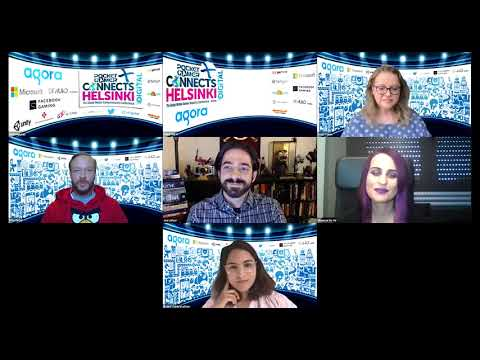
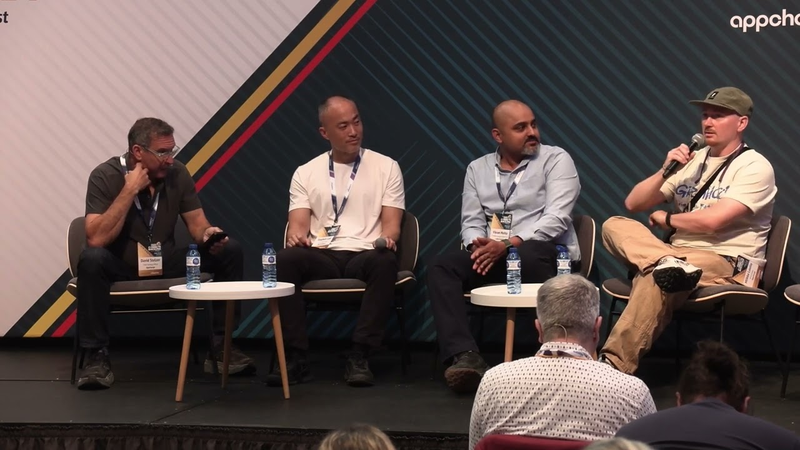
Panel: Building a Clear Vision for Your Brand
Key insights
7 takeaways- 01Establish a robust, high-quality product foundation before attempting to expand into broader intellectual property or brand territory.
- 02Foster a two-way feedback loop with the community to ensure growth remains aligned with the studio's identity, while avoiding reactive decision-making based on vocal minorities.
- 03Focus on building top-of-mind awareness to generate organic market demand, which reduces the long-term reliance on traditional advertising.
- 04Separate business development from brand protection to prevent short-term financial pressures from diluting the studio's core creative vision.
- 05Appoint a dedicated brand custodian to maintain consistency across all creative touchpoints and manage a formal, legally protected brand bible.
- 06Prioritize long-term authenticity and deep audience empathy over chasing fleeting market trends to ensure brand sustainability.
- 07Integrate advocacy or social messaging only as a secondary element to the entertainment experience to ensure it remains aligned with the brand's primary purpose.
Ask AI about this video
Transcript
our next session starting here in just a couple minutes is actually a panel discussion on building a clear vision for your brand and this panel discussion is going to be moderated by jackie from demo so looks like all the panelists are starting to join so jackie when you're ready i will pass it off to you hi hi kaylee nice to see you yeah nice to see you as well oh welcome to the stage lovely places as well so hello everybody hi danae hi joe hi lay hello
hi so waiting for for one more participant which is now from facebook which i'm hoping to see i don't know you've seen her kaylee no okay uh okay great well why don't we um just start off with introducing ourselves um i'm going to pick on villa who i know very well from our rovio days um basically it'd be lovely for everybody to just introduce themselves talk a brief bit about their background and speak a little bit about their brand experience yeah my name is willa hayer the chief marketing officer at robio entertainment the makers of these guys and i originally joined the company in 2010 just as uh the the smartphone market was taking off and angry birds was picking up like crazy
and uh obviously like it's been like quite a unique journey in in building this brand like sort of native of mobile mobile entertainment so so happy to be on this panel and and happy to hear what the other guys have to say fantastic and joe hi um i am uh ceo of genuine entertainment so we're a leading producer and brand manager for some of my favorite chattanooga entertainment brands like alien altered carbon blade runner the dragon prince doom hello neighbor i work with vampire the masquerade our lovely peeps paradox over there uh as a geek consigliere of sorts uh it's my job to work with these kind of brands and help them to understand and explore their potential as a franchise and as a fandom and help them to grow beyond their core markets with quality and authenticity to produce best-selling award-winning licensed goods and geekery things like books art books comics video games tabletop games table of rpgs collectibles even film and tv development
all the stuff i love as a fan i help them to make things i would want as a fan of their brands so doing this for about 20 years now running genuine for a little over 10 and before that i served 10 years as a development exec in hollywood so had my experiences there and licensing and kind of pave the way for what i'm doing now fantastic thank you joe antonay so hello i'm donna devier i'm business developer for paradox interactive and i help basically the our brand teams to to help achieve their goals so i provide what they need uh in terms of they said a vision and this is the kind of product that we need to develop their brand and things like that so i go out and seek for business opportunities and create these products and experiences for the fun community to to have fun and to and to grow i've been with paradox for over four
years now but i have been working for world of darkness which is one of our main brands at paradox uh as a brand concept and i've been working for that one for over 10 years and it's been a lot of fun because i myself am a super fan of paradox brands marvelous and hi hello there hey everyone super psyched to meet everyone else on the panel as well as um have a chat amongst all of us so i'm sneha vaidyanathan i'm a vertical strategy lead for gaming in facebook and what i do is help gaming companies understand scalable strategies that they can use to grow their businesses um while i've worked across various verticals at facebook prior to that i used to be a marketer at coca-cola so from the more traditional brand side of things so very well versed in how traditional companies think about brand and why that's crucial for them and i've been excited to help various verticals at facebook
get around to the way of thinking about growing and building brands here fantastic so um i'm going to kick off by one of the things we started discussing when we discussed this panel was when you talk about branding and building a vision for your brand what is a successful brand how do you define success for a brand and i'm just going to sort of chat that over to joe to start with because um that was something that that i think he's really good at helping people with talking about how how to look for that well i just um it's a passion of mine because you know i i learned my entire career really i mean when i was a development exec i was at the jim henson company at a time when genre wasn't a thing you know we we had the rights to these beloved franchises and hollywood didn't want them you know we couldn't sell the rights to a keychain and yet i knew the value of them as a fan and it was really just trying to figure out what your definition
of success is not to compete in the classic game of just doing everything better than the other guys but trying to really have some empathy for your fans and try to understand what is best for your brand and then just doing that really really really well and building off of success and scaling off of success and making meaningful premium contributions to your franchise and your fandom and making that be the fuel to drive your success and i feel so often a lot of ip only try to look at the biggest ip in the world and try to compete with you know the the marvels and and the and the disney's when that might not actually be the best path for them or they may try to jump from a to z too quickly when if you i mean if anybody knows how to build a world and a brand it's game makers and so just you know build out that skill tree level up you know and so just kind of plot out what you need to do to not only achieve your version of success but to try to be the kind of brand you wanted to be when you
got there and i think having that foresight to try to figure out what those long-term and short-term goals can be and just committing to being the best version of yourself and not necessarily the best version of what you think you're supposed to be in the industry today if that makes any sense that's very good advice what do you think villain yeah i like to think that like one of the core core issues is that who are you building for so when angry birds came out it became this phenomenon that like everybody was playing it from your baby to your grandmother and it was like recognized in entertainment industry in hollywood as a true four-quadrant brand and uh i i think that like at that point it's sort of easy to get lost into it is like what does this brand represent that is it like everything for everyone or who are really the key segments and what are we building for those key segments and i think that like like we definitely paid our dues to during some of those early years when we
started chasing like different uh brand licensing opportunities for example but today we really have it together in the sense that like who is like the target audience for like some licensing programs who are the target audiences for any single one of our angry birds games i think that that that's something that's it's it's far easier job if you really build it from the ground up and learn learn by doing yeah okay sorry about that um i've seem to have lost my video um so danae could you chip in here and just talk about your idea of what a successful brand would be so i think and joe and villa have already nailed it uh it's about uh having a vision from the beginning and stick to it don't deviate just because you try to copy what others are doing it's also about taking care of your of your core have empathy with them and what do they want what what it's fun
about it i would recommend um to be a fan of your own brand so that you know this first hand is what what would i like to have as a fan and if i achieve that everything that i would ever want as a fan then i would say that you're super successful so that would be my my two cents here fantastic and um i don't know if you've got anything else to add i think everybody's saying a very similar thing yeah i think um people have covered a lot of the aspects the thing i wanted to add is that it's also important to consider whether you're thinking about this brand from a point of view of your game or the overall company so for example are you considering a portfolio approach across the various different games that you would have in your business in which case then it's important to also think about what each of the individual games stands for who their audiences would be and work for with a vision in mind for each of those games as well as to how they ladder up to your overall company vision
so um having that set and in fact thinking about that from a long-term strategy point of view can even inform everything from your visual identity to character development and so on so i'd encourage you to think about that as early as you can interesting because what do you think and people think about brands that really are not the the you know we've talked about what's successful but what do you think the common misconceptions are [Music] yeah i i guess like you know again trying to really set fair expectations and benchmarks for yourself as far as what success is because i i think a lot of people um kind of paint themselves into a corner and and treat themselves as a smaller brand than they actually are like they'll call themselves niche they'll call themselves ancillary you know they'll they'll think that well we can't be
bigger things or grow beyond our core because we just don't have that capability when in reality there's a lot of these ancillary mediums and a word i'd love to delete ancillary uh is trying you don't actually have to be that big in order to be big in these different categories you know a best-selling comic here in north america is 5 000 units you know table top games you know 510k and you're already feeling pretty good about your yourself there's brands that have smaller fandoms but are quite more fervent that are actually outselling some of the largest ip in the world simply because even though they might have a 100 million users or 100 million fans only one percent of them say yes when given the opportunity to go outside their core but these smaller brands 30 50 70 may come out and say yeah i want a comic yeah i want a game yeah i want an audiobook yeah i want whatever as long as you understand and try to
build a relationship with that fandom like really make that relationship count so that when you lead the way when you're saying and investing in your own brand and saying i think we belong here come along with us show your support then they're actually going to take ownership over that success and understand that what you're doing everything that you're doing is worth their time and investment you know i i think most people don't most smaller brands don't understand the power of their fandom and the relationship that they could build with the people who could drive and define who they are if just they give them the chance anybody else want to add to that yeah oh sorry go first sorry guys okay so i i like that perspective of scale but like it's not just about that huge scale that you can still have a unique strong brand with like a like a rabbit following yeah then one thing
that i'd like to add is like this angle of like i i like to approach like at rovio we're we're constantly exploring like new ip beyond angry birds different many many different things i like to apply this sort of like learn to walk before you start running type of thinking as well but like you have these threads of product versus ip versus brand that like you're not don't go into the brand territory first like if your ip makes sense if your product is promising like by all means the the earlier you set like some of the building blocks for the brand and the franchise in place the better but still like you really really have to have to do this this uh legwork first of the of of building that product and making all that ip work for the benefit of the product before you're in the brand territory anybody else wish that yeah i would add something to that so since you mentioned like the the product and the brand and so um many people
think that developing a brand is about creating new products like churning them out meaninglessly and it's not about that it's about following the vision of where do you want your brand to go and what kind of experience do you want your your fans to have and it's about creating different ways for your fans to experience the brand that you've had you have created so effectively uh basically creating a transmedia catalog but it doesn't have to be products it's just um for example your forum is also part of your brand and it's not a product it's just a way of communicating with your with your fans so you have to to bear that in mind it's not like churning product after product is the experience that you provide your your community with yeah i can actually add like an angle to that that like your business model and and the industry you're in has to really support that
like one of the early challenges for angry birds was that we were still free to play wasn't well it was invented but it wasn't like sort of the dominant force or or readily sort of uh available for most players in mobile so so we were in that 99 cent premium app business model the only way to grow the business was then to release more apps so that definitely like affected like the company dna as well and the sort of sort of thinking back then but then as obviously the market has matured in the past 10 years that brings its next set of challenges so you have this ip and you have this amazing ip that people recognize many people are fans of people download angry birds games that doesn't make it any easier to make games and make those great products and i'd say the other really important thing is while you have a vision for your brand it's also super important to be tuned in and listening into your community um i think as joe pointed out um a lot of the insight that you're
gonna gather you're gonna gather from what you're hearing your core fans your core audience um talk about your brand and to see whether what your vision is actually able to land in that same way to an audience so i'd say um sometimes we see that smaller brands and developers are a little cautious of almost um thinking about this as a two-way communication street and approach this in a very hey this is what we are and this is what we want to tell people without actually thinking that it's almost like a feedback loop so i'd encourage everyone to also make sure that you have mechanisms in which you're tuning in to your own community and learning from them as well that's your big source of insight yeah the other thing that i i always feel um is that licensing you know it became a dirty word for a while and i feel some of it is because the way the business of it is orchestrated that you know you're you're entrusting your rights to a partner who's supposed to be there in the trenches with you for years building
your brand and doing good work and the deal making is one-sided and antagonistic you're looking for the you give kpis to the people generating business for you of just how much you're earning per quarter and not did you find the best partner who shares your vision and truly believes in you would fight and die to make something great for you and i feel the culture of licensing has been evolving and maturing and healing over the past decade or so and i feel like that's one of the reasons why ip has been getting better is because the people who are making these decisions are looking at it from a different perspective aren't just letting excel spreadsheets say who should be working on our ip and how many things we should be doing both internally and externally not making the numbers dictate the decisions but actually finding people to engage with your vision and i really do believe in it so that when they become
the ambassador and the contributor to your ip they're just as authentic of representing that and celebrating that as you would be in their place i have a question for you that on joe like in your experience do you think that that has also become like more sophisticated from like the data point of view like you don't like just addressing like broad demographics but but in licensing as well you are really like finding those segments and champions and so forth yeah i think i think that data certainly helps and i think part of that also is the culture of licensing that you know for a lot of times being on the other side of the fence one of the reasons why i jumped up to here is that it was a black box system you know nobody told me as a licenser what success actually was how well we were doing how well we were doing compared to other people and i feel the freedom of information and learning what actually success is and who is actually
listening to you and who is engaging with you there's so many times we wouldn't do an ad campaign and been like wow we have a huge audience in new zealand and then like we now know okay well let's do something for new zealand and you know it's i feel like having a real collaboration like something as simple as transparency with this whole process can only help you to make more informed inspired decisions and i don't think that was the case until maybe about 10 years ago when you know genre started becoming popular and all of these things started failing and because it the it wasn't authentic you know you actually had to be a fan of this stuff to make it good and so you know if if the numbers can't show what good is it can't prove what i did right and someone else did wrong you almost had to start building better relationships and more responsible respectful mutual partnerships with people so that you can actually know that you're making
contributions that'll matter um in in the in the long run if that if that made sense i would like to point out um because i think you touch a very important topic like numbers versus brand and sometimes the numbers will not support the brand direction and you'll have to to make a decision if you want to support your vision or if you want to just you know um get a lot of money potentially uh by deviating uh from your original brand vision so that's an addition that's that everyone that wants to develop a brand is going to have to make eventually in the long run [Music] [Music]
um looks like jackie might be having some trouble with the connection um i think we got a ghost in the machine here yeah um curious on on that note and on the point um when you're thinking approaching the opportunity for let's say a co-branded title or for any partnerships um what are some of the guard rails that you typically keep in mind as it relates to your brand and what are some of the kpis that you found to be useful when thinking about how to measure the success of these partnerships and efforts i mean i can comment on on the angry birds side like we worked with great brands such as star wars and transformers and and so forth and i i don't i don't think it's never been like set in stone of of what's uh what's like off-limits completely like we do have like uh some kind of a moral compass and some kind of a sense of like internally checking like and gauging like what's cool and what's fun what's surprising
we did for example have a have um a brand integration in in uh game for peace and pop g that was interesting that was that was like a bit out there but like with its own minigames and so forth so so we definitely like flex a lot and i think angry birds immobile has been like like an ip that stretches a lot and and and can be like very malleable about this as well but i think that there's definitely there's a set of values that that that guide it okay everybody i'm very sorry about that i had what everybody every moderators nightmare is which is my computer just suddenly froze so i suddenly swapped to the other one here so um i missed the last sort of um last few bits of the conversation but um i didn't know whether you cut you covered an area that we discussed um before which was what your your own personal attitude
should be and i think you touched on this a little bit joe when you were talking about level up and everything else um but um you know what what should your own how should you be about your brand well i i guess to start it off because i'm hyper and very caffeinated it's uh basically you know really just trying to look at the road map and you know almost look at your your brandish as you would a game or some of your favorite stories and realize that uh you know if if you really think you can get to mordor there and back again by yourself you haven't been paying attention to anything you love and so you know it's not necessarily just figuring out what goals to go after that are really worthwhile but to understand that there is a strength in vulnerability and there's a strength in collaboration there's a strength and transparency and really making sure that you surround
yourself with people who bring out the best in you and who understand your brand as much as you do and would fight and die for you as paladins and champions of who you want to be not just who you are today but hopefully years down the line are just as valuable as a partner and as a friend to really make sure that you are leveling up in the right direction and investing you know those points and the right skills so that you can actually be the best version of yourself because there's a million ways to develop a brand and there's a million directions that you can go and so yeah every brand might not know their ultimate definition of success that that end destination that you might feel you need in order to lay that road map but anybody who's ever played you know a tabletop role-playing game but no i mean it's all about improvisation and if you surround yourself with the right people who can keep you you know aligned properly then you'll be allowed to grow and you'll be allowed to pivot and you'll be allowed to have those conversations when it counts
so that you can actually make decisions again and again as your brand grows as your fandom grows as the industry evolves so that you are always moving in the right direction not just checking off boxes and collecting checks that is not what it takes to be a brand you know if you really want to be a franchise in a fandom it's it's really about prioritizing making contributions that you're going to be proud of at the end of the day and entrusting those opportunities to the people who believe in that just as passionately as you do yeah i think um donate mentioned something when we've spoken before which was being your own biggest fan and being having that passion yes you need to have um you need to be passionate about what you know the brand you are developing otherwise um maybe there's something wrong with your brand or you know if your brand is that great i think you
should be passionate about it uh at the same time you shouldn't have you shouldn't let this passion of yours um get you biased so so one good thing uh to do that i would recommend is for example me as a business developer so you're a business developer seeking out opportunities to develop the brand but then you have a brand team or at least one person designated to protect the brand vision and that is the person that that that keeps the vision that was originally set so that we don't deviate from from what the goals we set for us and the vision that that we set for us so yes you can be passionate but you have to also if you have the business developer you have to keep a little bit colder mine even though where you you might squeeze when some of the some of the pros are released yes i wanted that you know but but um i would i would separate like um business development from the you know from the brand team who
uh who keeps the brand vision and and protected so yeah but can't those two conflicts at some stage and they and they do conflict actually it's like i mentioned a little bit sometimes the the brand team would would need something and to happen to to to hit a brand about milestone for example and that is that at least from the beginning seems to be kind of incompatible from the from the business development view it's like it's not super profitable or it's just spends a lot of resources and it's a lot of uncertainty and and things like that but if you are all up for brand you you need to follow the recommendations of your brand team mm-hmm yeah and mobile mobile gaming uh it's it's uh it can be really complicated when you're thinking about like how do you run liveops for uh for a successful mobile game example and then then you if you think about
like even brand collaborations or or then like licensing programs and so on how do you like integrate and time and orchestrate everything to sort of not to interfere with your lucrative regular business but to but to add to it and complement it and it's a it's a it can be a complex operation and i think there's also value in thinking about this over the life cycle of the game as well as of the stage that the brand and the game is at so naturally at the start you would have somebody who's able to tie in that vision and maybe resolve that conflict there could be compromises that you make along the way when let's say profitability pressures are higher and so you'd say hey we really need to maybe let go at this point so it's an ongoing conversation and it happens across but as long as you're all you also have this as a thought and you're able to in fact get your different stakeholders on the page so that at least brand has a seat on the table i'd say that that's a great starting point
yeah and i think one thing that you touched on which was interesting is just the idea of like trying to understand how these things fit into the program like to actually have them orchestrate and industry integrate into something that really feels like a user experience cohesively from start to finish and that's one thing that i feel is is is you know it's starting to get better but it used to just be where every single licensee was on their own island nobody collaborated or cross-promoted it was it was very much every every one for them for themselves and you know a comic or a game or a collectible all these things can release at different times of the schedule can be user acquisition and retention you know the the juiciest of words in gaming and these things can not only do that but to do it so authentically through a medium through a community that so perfectly speaks to them in their language even through people that they already like and respect and be able to build those connections in ways you never could and the fact that these
opportunities exist and they're not utilized the way that they could to build that van diagram of fandoms to reach out to people who'd love your ip if given the chance if introduced in the way that made sense to them to bring them back into the core and i i just i feel like if we built more of these use licensing to build these venn diagrams more of your your ideal fandoms short term and long term i think the brands could grow more and be the kind of brands that they wanted to be i think they had touched on its ongoing conversation between the business departments but it seems that you're touching the ongoing conversation with your community and um one question that's come in um was how early should a company bring the fandom and their community in when they're building the brand or the ip and is there such a thing as too early i mean i you know i'll point to one of
the other brands we work with hello neighbor i mean if you've seen their just meteoric success i mean they were building a fandom on their alpha and really getting people to get involved with it i mean they were having pewdiepie play it a year before it even hit the market you know and really showing that if you've got something great and you want to put it out there and actually help them to build you and to have that feedback and have that community i think i think you know not every brand can do that but i think that if if that kind of back and forth that kind of relationship can actually help to inform and fuel what you're doing uh i think trying to at least have somebody you can trust to think about tomorrow where you're just like you know tunnel vision just trying to get through the day um i think i think that's the really tough part that brand building is usually like number six on a to-do list where you only get to like four if on a good day you know and so it's it's it's prioritizing your future
as much as you do on today i i think i think you should be doing that from day one if you're not as a video game today in this market yeah i mean you're kind of missing the point i think from a game dev perspective is there a game today that's not developed like with the discord server on from day one i i don't think so so so like i i think it's like super good to to to really early on build that like core community and that's probably where then the absolute super fans come from but but there's that's that's like an interesting question then of like what what does what is the vision like how much does that experience from the community side then and like how much are you really to compromise and compromise and steer your vision and uh obviously like you again like plan to work before you learn the run like like maybe you built that built up product with feedback but maybe your brand vision is is yours yeah and i'd say it's also super
valuable to listen to your early adopters even more because you know that they're your the audience from which you're able to almost scale and build further so if there's something that's not working i think that's a great signal to pick up right then um and that'll almost give you like the warning signs of what couldn't work if you were to scale further as well that's really good advice so um when you're talking about not running before you can walk how do you start to walk with a brand how do you start to you know what should your first thoughts be oh god [Laughter] it's easy to say in retrospect right the beauty yeah great great concept and you tack on your whatever your attributes are whether they're humor whether they're cartoony i i think it's like uh you you have to you have to this is like the artist part as well but
okay you do the research you know what the like the audience addressable market is and the audience segments you want to reach so you have like the hard facts down but at the end of the day you still like the painter you have the blank canvas and and your palette of things of of of what are you going to work with right i think that like you know like it's it's uh with angry birds it was really looking at like uh like the original game what is trending what are people playing and everybody was at the time playing these flash games like this physics based based things and then starting to iterate on top of that that like how can this be more fun how can this be more sort of accessible like how can this be just just stickier and that's where that whole product came from and i i think that like then like really early on the whole thinking of like hang on we have these cartoon characters that people seem to love what can we how can we really build like stories after that uh and like up to two hollywood movies now so so i
i do think that it's uh like that that core idea is probably like something something very simple yeah and it's just understanding you know your fandom short term and long term and trying to understand what would be the most organic path for them like what's the easiest yes that you can get out of them that makes sense to them and make sense for your brand you know are you a visual brand that is really all about interactivity and narrative and storytelling well maybe you should go into another visual narrative medium that you know your audience loves and see if they come along for the ride you know are you in a huge ip with a lot of interactivity but you really want to be a lifestyle brand and you want to be a part of their day-to-day expression of who they are and how much they love you well then there are certain categories that do that better than others and i i think you know trying to understand that and look at your ip ended your fandom and trying to do things that as fans we we know at this point
what those touch points are and just trying to do one or two of them to see okay well are we a lifestyle brand like are we a storytelling brand like let's show them what we can do and make that commitment us first say we are this do you agree and build from there i would like to add something so in the beginning when you're building your round there's some there there's a part that um some people forget at times and i think that's quite crucial which is this brand that i'm building can i protect it legally how unique it is because then maybe you have a super successful brand that then you cannot capitalize very well on because you cannot protect it it's not unique what you've built so i think you should also have that in mind when you build your characters when you build your work your world and these things that can
uh that can really say this is unique this is carter this is my alien race this is uh whatever but something unique that you can protect because then down the line you can you can you cannot change it your brand is what it is and now you know it's a kind of a free-for-all yes that's that's really interesting advice actually and when you were talking about starting with brands often video mentioned you know building with the discords community and with your discord server and you might see that some some ideas come out out of that and in fact having sort of worked on the legal side of things myself from the pr perspective a lot of the pr work that we can do with emerging brands is actually getting their name out there and getting that brand name out there in the form of uh thought leadership pieces in the form of press releases in the
form of blogs and in the form of community and community discussions which all lays claim to the the ip of that brand as as you're growing so that's it is a really really strong point that you're making there tonight um in terms of um your attitude then you should have i would imagine a sort of an eye to protecting your brand and and also sort of building building that brand what about when you get a bit bigger and um you know you as the the the ceo because i'm imagining there's quite a lot of indie developers watching this panel right now and your your company's growing your studio growing and um what do you do when you've got 100 million things to think about you know you've got your monetization strategy going on over here you've got your lawyers talking to you over here you've got recruitment issues going over here what's what what do you think you should do in terms of your brand when you're
growing i i think it's a good realization that you don't have to build everything yourself so so you can definitely find like veritable experts in in this in this area right be it from brand builders just as just such as show here or or licensing agencies and so forth i i think this is like like a great industry that's that's sort of well catered for yeah yeah i feel like you know a lot of the gaming companies that i work with they want to own the process they take so much pride in building out these ip and building out these worlds and delegation is is i mean that's that's a that's a scary thing um what if they don't do it right what if they don't what's happening i don't know what's happening um and just having the the vulnerability to go out and say
i don't know how to do this then it's okay as a ceo to say i don't know the answer to this question let me go find an expert and learn let me go find an expert ask questions and hopefully find somebody that does know this world better than you who can sit in a room you can't and say things to decision makers that they will listen to in a way you never could and actually find people to extend who you are and what you're capable of doing instead of just saying well until i know how to do it myself then i guess i can't do it is finding people to bring into your party who can actually specialize in this and make sure that what you're doing is their priority just as much as making a great game is your priority yeah that's exactly right and and it's so true that delegation can be scary uh but those that for example that's why you have your rank islands for so that i mean if at your core you you develop video games but now you have you
want to have i don't know escape rooms tts comics you have your brand guidelines and then your approval process and then you delegate everything they did that they do in those segments because they are experts and then they come to you and say this is okay for the brand but having followed your brand guidelines so it's all you know it's it's uh surely they'll they will adhere to your brand vision so it's not that difficult it's scary but but there are ways to let go safely yeah and i think like you know building things like a brand bible or a style guide sounds super late but if you actually invest time into it and commit in paper to have everyone in the company say this is what our brand represents this is what is truly unique about who we are if you boil this down to the core of our dna these are the things that make us special this is the things that are most important about us and what our fans
love most about us once you commit that down on paper you have no idea how easy it is to go and find people to understand that to see it on paper and understand even from their perspective that you understand what is special about you because that's not often the case and coming from that perspective really really will help to build you in in the right direction and find partners who get what is special about you i have a comment on one angle that is like the whole like purpose like your purpose of your like companies talk about their purpose all the time what is the purpose of your brand like like we worked a lot with angry birds to sort of think about that like like okay this is controversial and this is also negatively perceived and whatever we like this sort of anger for good thing that like there are things in this world that you can get angry about and you know you can get angry and you can right wrong right or wrong and and uh and you know you can get make things happen but then at the same time is that like the authenticity that like
are you are you then like becoming willing to become like an activist brand like what do you really stand for i think every that's like the ultimate challenge that every brand then faces for that like what is this brand really about what does this brand stand for what is the purpose of this brand and then i think it's the communication of that that's why it's called brand communications and how you tell everybody and um i've seen one from a pr perspective one of the most common errors i've seen happening is everybody communicates the brand outside but they don't tell everybody inside and that's the first place and as we've said a lot of the qualities of a brand come from your community bringing the back in inside and working through with your teams then taking those brand once you've once you defined them and put your brand guidelines together and your style guide together your rules then telling the outside world is the time but then keep listening keep
seeing how the community react to that seeing how your people react to that and make your adaptions when it's right not always because if you take every single piece of christmas then you'll never get anything done i've had a question coming from the from the outside and said once if you effectively brand yourself as a company as a mark of excellence or creativity for example how much easier or harder does it become to build a brand for a new game ip well i can answer that i i think that like you you kind of have an idea of the building blocks like the whole sort of process of it and you learn the ropes like that's that's becomes like in a way easier but then developing that ip like like developing new ips from scratch like that is that is always going to be a challenge but i think that like like thinking about them as brands you almost have to hold yourself back into thinking not thinking that like when we're building this new ip
how will i ensure that it will you know enable hollywood films and animated series and anything and and i think that that's again like like coming back to my thesis is that like don't put the card before the horse like like really really understand like how you will navigate it but you don't have to have it all planned out from the get-go yeah and i think it's it's challenging but it's a challenge that you know a publisher has to embrace as much as you would in any other form of media as a publisher that you are curating a library and through that a legacy and so if you've earned a reputation a trust within a community where they know that your brand is synonymous with something like respect or something like uh quality or something you know like cultural sensitivity or something like a certain genre you know that that is a foundation that you can build upon and you have to ask yourself every time you do a new ip well what does this do for my library what does this do for
my legacy if i've built this relationship how does this next expression extend it and enrich it you know and and is that 10 years online really the legacy that i want and making each ip count that they don't have to necessarily be the perfect lego pieces but everything you do should fit on the shelf together side by side and make sense make feel curated and if they don't then maybe you didn't have those brand materials at the beginning that said what kind of company and what kind of storyteller or world builder you really wanted to be when you started out great well because that was from martin coverson thank you martin it was another question from daksh bhutani so if i said that wrong that as villa mentioned when building games one should keep in mind the trends now trends keep changing how can one stay relevant well i think it's the brand that's going to help you right [Laughter] so it's it's like i i think that like uh
that's that's you build something that's um like the modern some of its parts so definitely like if you really exploit the trend are you are you just like are you going to make it better are you going to improve it are you going to like is is your branding for example and all your creative creative work going to make it a better expression of that game paradigm for example whereas are you just like bandwagoning on the trend uh and probably not putting enough commitment and polish and everything into that into that game and that project where it will probably have a shorter shelf life but i think that like it's like having that stickiness like like that enables you to build like a 10-year franchise or more like that that definitely definitely takes more than than than just jumping on a trend like i think observing trends is a great way to finding like new paradigms for your company for your studio and so forth but then you're going to need to to invest in in
whatever makes it your product whatever makes it sticky yeah and i'd say that riding the trend can help when you're trying to communicate your brand in a certain way but it needs you to have done that work before to know what your brand stands for so if you use the trend as a way to define your brand that's probably where you're in trouble so i guess in some sense it's a it's the difference between strategy and execution where your your execution can can rely on some of these trends or can help you be more contemporary there but you keep you try and keep your strategy independent of those trends because you'd want it to last longer than just or not just be a fad that's a great way to put it yeah and i also think relevance is a subjective term and be careful of subjectivity when making these kind of decisions that you know relevant to you could not be relevant to your brand you know relevant to your industry could not be relevant to your ip you know and so it's something where you have to be deciding
what are meaningful expressions for your ip where maybe you know a comic selling 10 000 units isn't a big deal for your spreadsheets but it just showed you can be a really great storyteller you know and maybe that's far more relevant and valuable to you long term you know that there there may be things that you do for your ip that your shareholders will be like but is actually a fantastic step in the right direction for you and so you know when chasing trends i mean in a in a normal world where the things called um conventions existed uh we could go and see these petri dishes and see pop culture percolating and just being immersed in the fandom is a great way to understand which things might be right for you to see your fans and what they're freaking out about well maybe that's something to look at and see if it's right for you but ultimately to always keep that in mind of what is relevant to you and who you want to be today and tomorrow i i always think that just trying to
take those steps to bring to put you in the right direction and try to bring out your best is rarely going to lead in a wrong direction right i have another quick question from molly hedy carroll really loving this talk thank you all for participating i have a question what's the most vulnerable portion of the process of building a brand as in if this stuff is difficult and if it does not go well the entire project could be doomed so the most vulnerable portion of the process of building a brand i i think it's teaming up so as donaire said that like you have to love your brand how can you gonna get like five people 10 people 15 people 50 people who who all get it like what you're trying to accomplish and uh and and who all love it equally and i think that like you you're bound to have people who are pulling in separate directions and so forth and and ultimately like uh that could be one one
big huge obstacle that that's standing in the way of your success but that's just you know as extra careful in in building that vision and i guess that like even even that early documentation helps helps a long way to get everybody on the same direction i mean if i could identify one pain point that i think every licensee would agree is the worst part of their day is approvals i'll be honest with you guys like it is miserable and it is a lack of empathy of when deadlines are actually deadlines and how things need to stick to schedules in the way that you would with your ip having a trusting conducive transparent space where you can actually say how you feel about things and what is working what's not and getting the route to problems and then trusting experts to find the right solutions and not just passive aggressively writing and a word document emailing it and then just seeing how they respond but actually treating them as a roundtable partner in a collaboration where communication
is key i i think if there's one thing that is the pain point that stops ip from growing authentically it's not having that trust and collaboration and communication during the development process so that you're actually talking through the creative process and saying what's working and what's not so that you're actually moving in a direction where you feel you're maintaining the integrity of your brand but you're also empowering people to do what you brought them here to do i'd say another um point where where things typically fail is if if the person that that you've entrusted as your brand custodian within the team isn't sufficiently empowered um then there's that risk of almost having to dilute all the various opinions of the team to what could be could become like a lowest common denominator idea so i'd say uh be careful about trusting or deciding whom you empower with to be your brand custodian but then trusting them fully so that if it comes to a
situation where if there are disagreeing points of view that somebody's empowered to disagree and commit and move forward there that's great it comes back to that sort of first vision doesn't it that that brand vision so i wanted to ask my panelists here what are your favorite brands your favorite gaming brands now i know mine is angry birds so when i first got to work with angry birds i was so excited i was literally you could have scraped me off the walls hello um so what what are yours say i'll put that it to you um i think one of those rather that you can always think of as a classic gaming brand would be super mario in some sense where anybody who's played that game has had that experience of what the brand stands for the characters are super clear and you've seen how the the development's gone forward in the various versions in ip so i'd go with that as just something that you'd see lasting across a really really long period of time
tonight so i like um universe for example both guild wars one and 2 and the incredible world development that they've done and how they've made the experience for the player be amazing and be so immersive be a part of that world that really really feels like i think that has that is amazing there is far too many to even possibly list i mean as far as the gaming brands my first love was legend of zelda it was the first brand that i really fell in love with the first brand that made me want to write and made me realize i loved writing in worlds that i played in on the honor it felt to do that it really did change i literally wrote i adapted legend of zelda in third grade as a short story and got an a on it and realized this is what i want to do the rest of my life and so um zelda will always be my my
first love as far as recent obsessions um disco elysium is so good i love it so much it is one of the best rpgs i've ever played so it's right up there with like witcher 3 and world bloodlines like it's just such amazing you're cheating you're saying too many brands i know i'm so sorry but it's like asking me to go to a buffet and then like what's your favorite be like it's all my favorite why do you think i came to a buffet who do you think i am so so yes they're they're all they're all wonderful do they you can't play angry birds now no no no you can't see the murders either so you never had the luxury of owning like an 8-bit nintendo so i've always been i've been like a fan of the fandom of like how incredible fans these games have like like mario on nintendo and sonic on saga like that how how sort of uh amazing like cults
those those some of those earlier gaming brands have bread bread i'm trying to think that like one of my favorite games forever is um i used to use i started my gaming life on a commodore 64. and uh sid meier's pirates was an amazing game and uh and i mean the guy went on to do the civilization and now like he's just published his memoir which is called sid meier's memoir which is like i guess he's the brand so sid meier is my favorite gaming brand that's a really good good answer and karen feinberg said that she didn't quite hear what you said danae for your um what did i say about the bronze or what i said about joe favorite oh my favorite uh well i mean i have many favorites uh but i chose just now to to mention universe 1 and guild wars 2 because of the the world building
and the way that the characters could get immersed in that world and feel like they're really really there so that's that's great for for brand building great and um you know in terms of um if you wanted to to uh talk about the most recent brands to come to market what does everybody feel about four guys insane so i love them so much i would i literally think their social media channel is like premium entertainment incredible oh it's so fantastic it's like you know mainlining it is like the liquid schwartz of fandom it's just like oh it's amazing to watch it's yeah amazing too it's super fun to play and amazing to watch it's super entertaining yeah it's a great case study of somebody who is understanding just how to have fun you know and every expression you're doing to remind
them that this is supposed to be fun like it is just a phenomenal case study that is is fueling their success and i hope a lot of people are watching and learning well that's that is true i mean it's an interesting case to watch right now in terms of the early development of a brand i mean the the developers behind it have been around for quite a while and you know just to see how they're coming into their light and how they're coming into their sunshine and the sort of communications they're doing and the work that they're doing with their brand is in itself a little lesson as you see it unfolding um you know from characters through to just what they're doing in terms of their social media and i think that's an interesting one as well you know when brands like angry birds first came to the fore there was no facebook so to speak you didn't have facebook pages
and you didn't have your social media um you didn't have your twitters for example to really start building the brand how does everybody feel about the use of social media when it comes to branding well i mean it's it's a it's a it's a huge tool right so so you really really that's where you can also then get to represent like your your purpose purpose and and values as well yeah it's a double-edged sword though i'll be the first to say that um it's very easy to forget that this cacophony that you may be hearing is 50 people and if you have an audience of 50 million just keep that perspective you know i've known so many people turn a little bit of smoke into a brush fire because they they just are are so reactive that they don't stop breathe think of what's actually happening and make the right decision for the company and not just let four tweets dictate your quarter
like it's just just be careful of that that's very true i've just had a question coming from karen feinberg he said how many of you are involved games whose mission is to teach advocacy i.e environmental issues food systems etc so to teach younger generations about these issues early on or know which brands do this well but i'm going to go straight to villa because i know quite a lot of the work that angry birds is doing and it'd be good for villa to talk about the sort of the thought processes behind that yeah i i think we're always trying to look at like how can we incorporate something like this so we're not building games with only like this advocacy in mind but right now we're for example in this u.n initiative uh playing for the planet so uh trying to really really bring like this kind of like environmental uh messaging and awareness into into our angry birds games as well yeah um and and do you feel that's a really important part of your brand
i think that that's the value piece right that you really gotta like something that we do as a company and we we live as a company like we're ready to bring that into our games as well like of course someone someone could look at it and say like what is this like green washing blah blah blah and you know not everybody is going to love everything but if it's important to us then then we will we will also work to make it make like an entertaining piece out of it for our our fans as well great so i think now is the time for me to start to to to wrap up we've um had some really really good good interactions i am very sorry about the uh the middle fuzz when my computer broke down halfway through that uh the panel so thanks guys for carrying on without me and despite me [Laughter] you're here in spirit i was probably hearing more than spirits i don't know what you overheard they're kind of like get my computer for me kind of call out
but um uh just before we go is is there anything else that anybody felt that i didn't ask or we didn't talk about that should have been just jumped in on i have one anecdote but i don't i'm not sure if we have time so i was just stumbled on the statistics in ad age from like 2019 which had the automakers car manufacturers of the world and how much they spend on advertising per car sold and this cannot be range all automakers spend like tens or hundreds of millions of dollars in advertising and then depending on how many cars they sell they spend a lot of advertising like few thousand per car sold or they spend like a few hundred and on the bottom of that list was tesla with zero dollars spent in advertising per car sold like i i don't believe it i think they do spend like tens of millions in in uh pr and litigation and whatever
and all the time elon musk spends tweeting must be worth a couple of hundred millions or something but but still like that just goes to say again that like unique product massive brand and just has that demand and typically like classically if you think of brand equity it's about commanding a higher premium on the market so you pay for more rapport shade and you pay for a skoda uh but but in our industry i think it's all about awareness it's about being that first choice having that like you know top of mind that like when a mobile gamer takes a break and they're like uh i want to download a new game what are they thinking of where are they going to like who are they going to who's going to who's the publisher who makes that game and i think that that's the that's the mobile gaming brand equity that really matters and and drives our business great well i'm expecting one of our okay or somebody to pop in at any moment to say yeah i've been loving the conversation though so i haven't wanted to stop you
guys but this is just a great panel discussion thank you jackie for moderating and vile joe danae and sneha for participating and that was a really good discussion clearly we all wanted it to keep going [Laughter] thank you all so much for your time and insights you
Summary
Successful brand building in the gaming industry relies on a long-term vision that prioritizes authenticity and deep empathy for a core fan base over the pursuit of fleeting market trends. Rather than attempting to mimic the scale of global industry giants, studios should focus on cultivating high-quality, meaningful experiences that resonate with their specific audience. A fundamental distinction exists between a product, an intellectual property, and a brand; companies must establish a robust product foundation before attempting to expand into broader brand territory. By fostering a sense of community ownership, even niche brands can achieve significant market influence and long-term sustainability.
Effective brand management requires a consistent, transparent two-way feedback loop with the community, ensuring that growth remains aligned with the studio’s core identity. To maintain this integrity, organizations should separate business development from brand protection, preventing short-term financial pressures from diluting the creative vision. While developers must maintain a clear, legally protected "brand bible," they should also be willing to delegate specialized functions like licensing and marketing to external partners once the brand’s purpose is firmly established. Empowering a dedicated brand custodian is essential to ensure consistency across all creative expressions and touchpoints.
Social media serves as a vital instrument for communicating these values, though leaders must exercise caution to avoid reactive decision-making driven by vocal minorities. When advocacy or social messaging is integrated into products, it must remain secondary to the entertainment experience to ensure it aligns with the brand’s core purpose. Ultimately, brand equity is driven by top-of-mind awareness, which generates organic market demand and reduces reliance on traditional advertising. By prioritizing trust and legacy, studios can ensure that every new intellectual property enriches their overall reputation and fosters a lasting, engaged community.













Comments