1 free read left. Create a free account for unlimited reading + AI research.
Create free account
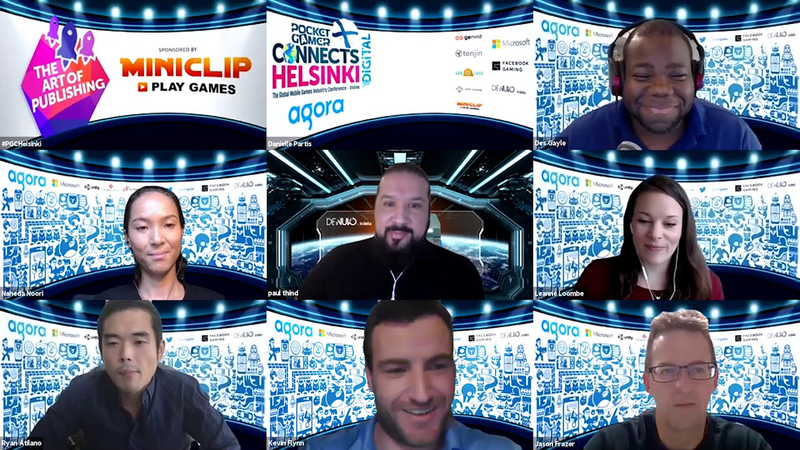
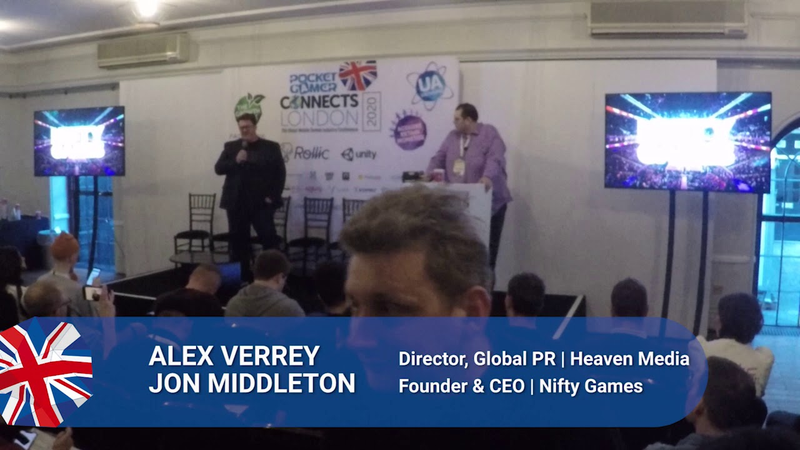
Panel: What do Publishers do for Their Money?
Key insights
7 takeaways- 01Publishers provide critical value by managing user acquisition (UA) in an increasingly competitive mobile landscape where costs are high, and by leveraging established IP and large, captive audiences to drive game discovery.
- 02App Store Optimization (ASO) requires a holistic approach where icons, videos, descriptions, and screenshots are tested and optimized as a single unit, alongside keyword optimization to improve organic rankings.
- 03Developers should prioritize transparency in publishing agreements, specifically regarding how marketing budgets are spent, and be prepared to walk away from one-sided deals that lack clear communication or fair terms.
- 04Successful partnerships rely on aligning on key performance indicators (KPIs) such as retention metrics (e.g., 40/20/10) and defining clear roles for business, technical, and creative responsibilities early in the process.
- 05The mobile gaming market is highly hit-driven, leading some publishers to adopt lower-term deals to self-select for the most successful projects while maintaining long-term relationships with developers that can span four to five years.
- 06Publishing contracts should be bespoke rather than template-based, allowing developers to negotiate specific protections such as termination clauses, revenue shares, and rights of first refusal to ensure long-term alignment.
- 07When pitching to publishers, developers should conduct their own market analysis to identify their game's unique position in an overcrowded market, as differentiation is a primary advantage when large-scale UA is not feasible.
Ask AI about this video
Transcript
we are heading straight into our final panel of the day now which is uh titled what do publishers do for their money and that will be moderated by descale from fellow traveler who is uh heading in now hello there we go hey des how are you doing yeah good thanks perfect good good and dez will be joined uh by a few panelists now and they're all they're all on the way in very slowly i think we've got everyone there [Music] jason i think yeah here we go brilliant um so if you're ready to uh to get started des i will leave you guys to it
awesome thanks perfect thank you uh hello everyone my name is des gale and i look after production at fellow traveler and we're in the publishing label based australia doing uh narrative led games um thanks for joining us today uh i'm joined on a very very stacked panel with uh great people from the industry and we're gonna talk about uh mobile publishing um yeah essentially yeah there's a situation where like you know you've downloaded your favorite game engine you press the make game button now you've logged it on a store somewhere um you know that's job done right like don't do anything else um but then it goes fails you try again next time and then you thought oh why don't i why don't you use a publisher and they come back to you say well hey we could do all that for you but how about we take 30 sounds quite steep right but uh i'm gonna ask everyone here today what exactly we do get for that 30 so um i'll let the panelists introduce
themselves and i will start with leanne hello everyone my name is leanne and i work for riot games i head up riot forge which is why it's third party publishing label and we're working with a variety of different developers to make league of legends games can you guys hear me yes that's not embarrassing at all you just did your whole introduction so i'll just kind of yeah um my name is jason fraser um i am the indie dev representative of today's panel um i am one of the two co-founders of dark wars digital uh based in australasia and um thanks for having me awesome thanks jason uh i'm just gonna go around like as you are on my screen so uh kevin hey my name's uh kevin flynn i've been doing uh mobile game publishing for about uh 12 years now um led publishing
efforts at crowdstar and kabam and then about six years ago started a boutique consulting shop um have helped probably about 75 games launched in the past six years um so excited to be here and then uh if people get mad if i don't say this i'm also the creator of a peanut butter jelly time uh if you don't know what it is don't don't look it up it's terrible um but otherwise people people get upset when they find out that i made it and i didn't tell them so cheers uh ryan yep hi everyone hi everyone at home hope everyone's staying safe um my name is ryan i'm the senior director of publishing over at jam city um a us-based publisher um you know from a publishing perspective over at gmcd i helped manage um you know art relationships with first party to really help our game stuff bring our games to market awesome thank you uh the heater hi everyone mike is on yeah hi everyone i'm nihida
commercial associate at miniclip and together with my team i helped drive our third party publishing co-development and strategic partnerships thank you and last but not least paul hello um yeah my name is paul find i'm currently the vice president of business development for de nuvo buyer detto um i must say this that de nuvo is a number one app protection and anti-piracy technology platform we've protected over a thousand games um and we've secured about 10 billion dollars of games revenue for our um developers and publishers so um yeah personally i've been in the games industry for about 17 years and i've published uh several titles uh starting with the pc browser and then um on mobile uh different companies disney harbor fox spill games etc so um yeah i'm we're sponsoring but where but i happen to have know something about this topic and i'm very uh we're very happy to be here
so awesome uh i guess we'll get right into it then um i guess uh what should we do yes to generate all right so uh what are the top three reasons for a developer to sign up a publisher and uh i'll go the other way around this time so i'll start with um i would say the number one reason to sign with the publishers expertise and publishers have spent a lot of time a resource to build infrastructure to you know help support publishing a game um so you know if you think about some of these services like pr localization marketing in-game advertising data analysis forecasting to name a few they take a lot of time and a publisher has already done that work um whereas for an indie developer um you know it's if you have that time great but otherwise um it's a bit of a luxury because as an indie dev
you want to focus on developing your game engaging the drivers that you know a publisher would drive into that game um the other two should we name three or just go over the top uh i guess if we could go around so yeah take to s1 great so uh let's go for ryan do you want to add another one yeah sure i mean just from i mean there are a whole variety of reasons why like developers should be partnering with a publisher um i mean he has said it yourself you know publishers have their resources and teams dedicated solely to help scale your game you know worldwide um you know just over a gem city you know we have dedicated teams you know with with you know various expertise um you have a dedicated ua team to help scale up your games in certain geos um from an aso perspective we have like a team dedicated solely to like optimizing your storefront and your cvr and organic keyword growth um you also have like the key benefits of having direct relationships with first party like apple and google
to help you know get your games featured on the perspective app stores i mean there are many things um you know the mobile landscape especially in gaming is getting increasingly competitive ua costs are very expensive um you know it just gets more and more competitive every year so it just becomes you know from my perspective um that much more important to to partner with you know a publisher that you know has the right expertise cell scale cool thank you uh leanne anything to add to that yeah um i think the the other piece really depends on what type of publisher you are partnering with but someone like riot for example uh we obviously own the ip and with that comes a very big and broad captive audience so i think if you can publish uh you know partner with a publisher that has a very popular ip and a really large audience that you can then lean into you can build a game for that audience and they're kind of ready and waiting
for that game and that might not be an audience that you could get on your own so i think you know not only the the expertise from the publisher but also the ecosystem and the captive audience that a publisher may have awesome nice thank you uh kevin did we miss anything now yeah i think probably the biggest thing is just what pitfalls to to kind of watch out for um you know when launching a game um there's literally a thousand things that can go wrong um and unfortunately unless you've done it a lot um it's it's things that you only kind of learn by having gone through it so i think one of the things that you know a lot of people kind of overlook is the fact that um we publishers can help you kind of navigate that road and hopefully avoid the pitfalls you're still going to run into something you know something's going to go wrong it always happens but uh you know hopefully with people that have seen it before then kind of guide you through the process a little bit better okay cool uh pool
yeah i think that was a really great um yeah summary of all the different things that one thing that i thought i'd add was the special relationships that some big publishers tend to have with the ad networks so uh having been in the on the outside of the business uh the um ecm ecpms that you can earn from your your game could be higher as a result of the fact that publisher has a favorable relationship with an ad network and also just pr in general solid relationships with writers or bloggers or key influencers and obviously the big one is user acquisition and traffic so uh yeah i think all the way around it's in this kind of climate and and how mobile gaming is is getting uh you know um pretty saturated globally it's uh it's a good thing for a developer cool and uh jason like from your perspective like is there anything that they haven't listed that you'd expect as a developer like that you that you want to publish to handle
no i think it's pretty much covered i mean the reasons why we would be looking for um to leverage a publisher is is mainly audience and um having access to some of the expertise that people have already mentioned so yeah i think we've pretty much covered it awesome uh i'll just stick with you just for a point that paul brought up um how important is press uh for mobile games from a developer point of view it's really important um like i think it's it's one of those things that everybody's kind of already spoken about uh you know saturation market saturation and just trying to get any sort of uh publicity or exposure is really really difficult and it's almost like um you have to do something so outlandishly crazy to get seen and um in order to get any sort of publicity i'm not quite sure that that is kind of where you want to go so being able to leverage those those tools and um activities and stuff is really helpful okay cool um and i guess i'll jump over
to ryan so like does your experience reflect that like are you seeing is this how mobile gamers discover content is it through press and pr and not through stores that wait was that to me yes yes yeah i mean like you know when we're launching a game you know press obviously does play like a huge impact um so just making sure you have like traction with various media outlets um but however like it's not just press it's also paired with featuring it's paired with ua it gets all like all these different cross-functional teams like doing their job at that one big moment to really help you know get the word out and to really help not only like increase or like help in the way traffic but just overall organics so it's not just press that's important it's obviously all different you know parts of the spectrum to help launch your game thanks um and i guess um
just to do something else i mentioned uh i remember like like a long time ago that the goal uh for us was always to get a feature spot on one of the stores not seeing much uh you know actually on that these days um is that a trend that you're seeing as well um and i'll put that to later um featuring is definitely still valuable um i can't quite comment on how valuable it was then compared to now but um you know we 100 welcome featuring our most latest release ultimate golf um got featured last week and just through that one single feature and got around 5000 in stores um which you know we will happily welcome any day um but in terms of the comparison um i i can't and i can't quite comment on that just yet okay yeah and just done disregarding like not comparing the gold versus new
but from a featuring perspective it's extremely valuable especially with the way each store you know um is able to personalize you know what goes in front of the user i know the app store and google play do this quite often um and just from a gem city perspective you know featuring is still very much like a very like huge tool um not only bringing our games to market but also obviously through like live service games okay and uh how about you kevin have you what you know is that trend being reflected in stuff that you've seen over over the years yeah so we actually uh did specialize a lot in the featuring aspect so over the past decade um i think i've probably had close to 200 front page features uh featuring definitely used to be a king maker i mean you're talking millions and millions of downloads um you know back in probably 2012 2013 2014. um obviously as more and more games come out the stores kind of have to feature more and more titles which kind of dilutes the audience a bit
um that being said you know like everyone else said featuring still important not just for the the users it brings in but also for stuff like aso rankings um you know that sort of stuff has become increasingly important and i actually would argue that aso has probably surpassed featuring as being uh the most valuable source of high quality organic traffic so while featuring is no longer you know gonna make or break your game it's still you know great to have um and you can also kind of get into a cadence with stores where you're hopefully being featured and then re-featured every you know three to four months and so you're kind of constantly getting that new influx of high-quality organic users okay that's really cool so um say as a developer like i'm i'm hard-headed i'm adamant that i want to self-publish if app store optimization is really important what is there one key asset that i would should spend my money on
that will have the most effect like or is it all of it like a description screenshots or a trailer like is there one thing i could be like that's that's what i'm going to spend money on no i mean from an asl perspective sorry to jump in there like um like each part of the page is very important to optimize like icons the first thing you see like and not only with the icon you have to make sure the icon is paired well with like the perfect video the perfect description and the screenshots so as you're testing you got to make sure you're like taking into account each element um holistically right and using that paired with like um like different variants obviously like keyword optimization you know also plays like a huge role in terms of you know increasing your organic ranking and organic installs but you know as soon as users like kind of land on the page you have to make sure that page is like optimized correctly for your target audience yeah and and the other thing is asl is actually constantly changing it's
like a it's like a big mystery box we're not quite sure what the algorithms are that you know are driving these things we have pretty good guesses um but it's also constantly changing um so i would say you know agree with ryan that they're all important for i would say icon is by far the most important and then probably the screenshots um but they all all kind of go into the equation of you know what's going to drive that organic traffic yeah i was just going to add you only kind of have a second to impress the visitors and convert them to downloads so you have to keep everything kind of simple but inspiring so i think submitting a story to like apple for example is is important to be prepared and kind of maximize the opportunity you also may be able to get a featuring period of like one to five days depending on store so um today the today tab probably gets the most views right so there i think um kind of echoing uh ryan and kevin's points um awesome visuals you know for
editorials would be good and um apple kind of shows the ui and the in-app content in the editorials so you should kind of prepare the visuals i think before submitting the story and then kind of use them to uh to convince apple to feature it really i think that that's the developer partners that i've talked to are uh you know are really working through that and have great great visuals and uh stories and things like that yep uh anyone else good for you to add on that um just to go back to a little bit of uh the business uh bits uh and the opposite to the question i had earlier um what would be your top reason for a developer not to sign with a publisher and uh i will direct that at who to start with uh let's go and view paul sorry uh yeah that's a good question because we work with developers and publishers so we like them both
um but yeah great question um i would say i'd love to hear what the panel thinks but lots of creative control um might be one i'm kind of like for the indies all the time so i i certainly think you know if they dictate what kind of sdks should be included in your app or those kind of things these are all part of deal negotiations that i think you know you can watch about for you know maybe one budget decisions are a big one i remember when i was publishing the uh not properly defining what roes is as far as your organic installs versus what's recouped uh when you're when you're spending doing your ad spend uh something that kevin would probably be able to help developers out with uh if they already is use his services and um and then uh i i don't know like i think it's more of a sense of empowerment i think uh publishing today i mean leveling the playing field looking at all the tools that are out there the investors the services uh trying to de-risk um
this and really figure it out from a kpi and optimization standpoint uh i it makes sense to to sometimes like think about going at it alone um because there could be uh much of a longer process you know publishers get a ton of games and it's hard for them to check out which ones might be taking off and and the other thing is you know if they're trying to limit you to a certain certain store restrict your ability to distribute the game globally i think that these are all concerns and things you should look out for because then it might affect your revenue in the long term i think it's really important to kind of um highlight i guess um the importance just to just say no and to walk away after deal isn't isn't overly good to you uh recently we've spoken to a number of publishers and uh unfortunately the deals have been very one-sided and particularly initial cost um you know a lot of publishers have said well we need you to um we need you to be invested in the
process and and you know you kind of scratch your head and think you know like uh eight years trying to get games to market like which i think we're pretty invested in and just knowing that it is okay to say no to a deal which you don't think is good for you um i think it's it's quite important uh i think a lot of um and i'm speaking i might be speaking a little bit out of shot but i think a lot of younger teams might feel as though that that the opportunity they have at this particular point in time may be the only opportunity that they get and they feel even more compelled to to to do that type of deal um whereas you know uh we've we're we're much older and we realize that you know it's actually better sometimes to kind of walk away from a deal if it doesn't fit you and then get into one that where it really doesn't um you know help you out yeah i definitely agree with that i think um you know sometimes publishers may have their own interests at heart and not the developers necessarily um i think one of the biggest reasons to
not sign with uh with a publisher is constraints you know everyone needs healthy constraints but working with a publisher you may have constraints that you wouldn't necessarily put on your own development especially when it comes to things like localization and qa and you know all of those dependency um teams that a publisher is very robust on you know you must have your localization done by this time and you'll keep qa done by this time if you're doing that yourself in your own sort of indie development you may you know be okay with being a little bit more flexible and scrappy with that and so those constraints just might not fit the way that your you know studio likes to work so i definitely you know plus one to paul as well and sort of the potential loss of autonomy to some extent depending on you know what's important to you as a studio some studios actually like that that constraint because it actually means they're going to get a game out rather than like work on the game for you know 10 plus years um but yeah i think some of the top reasons to not work with a publisher would be lack of autonomy and you know those
constraints not really working for your studio yeah and if i can if i can just add to that i think i'm another big reason is lack of culture fit just to echo what leann and jason have said um you know there are lots of publishers out there full sizes and have different approaches so when speaking with a publisher you know as a developer you need to ask yourself is there a connection is there a disconnection what are the um publishers expectations do i enjoy speaking with these people the publishers because you know once that deal is signed at least that mini clip we're looking at a long-term partnership so it'll be good if we like one another and you know we can walk well with one another yeah help with everything yeah just like adding to culture fit 100 agree um but i think also like the focus and expertise of the publisher like very much matters as well so let's say your indie developer um you know developing like an rpg game does that develop like does that publisher have expertise scaling that type of genre
right so you have to make sure there's like a good not only culture fit but like genre and expertise fit yeah yeah and i i think the the last thing i would add is um it's just expertise and kind of uh being able to see what's going on unfortunately a lot of publishers have kind of poisoned the well a bit so you know when when i kind of hear people say oh you know publishers are kind of evil and they kind of instantly have that taken aback i understand why you know there have been um urcharus terms and i've heard stories of developers that signed a publishing contract and then had no idea where their marketing money was going um and so you know it i think that's starting to change i mean the reason that we founded charge of gains was literally to try to give uh developers more insight into what's going on more transparency and to kind of really treat them as as full partners um but you know there are different publishers across the board that do
different things and kind of have different levels of hand-holding depending i mean some developers don't want anything to do with that they just want to make their game and be done with it and that's fine you know there are definitely publishers out there that that will handle that um at least from from what i'm trying to do i'm trying to kind of educate the developers just from again my own learnings and failures and things that i've seen um but i can definitely see why people would kind of initially push back against going to the publisher i also think it's it's important to um understand who in the development team you're dealing with as well uh like we don't do any coding all of our coding is outsourced and i don't want to generalize by kind of saying that our people skills are a little bit better but um you know like if you're dealing with somebody who's uncomfortable with dealing with people then you know that might also change the way in which the relationship goes as well so it's certainly it's certainly i think the reliance and dependent on who it is
that you're dealing with from a developer or in their developer team as well yeah and on the other side as well you know the publishers have different cultures as we're saying i think there's some publishers that are more developers like forge for example our whole team is consists of people that have been making games in the development side for years as well as publishing so we know how games are made and i think sometimes there is a um you know stereotype in publishers that they don't know how games are made and they've just always been on the business side so i think it's again just just doing the evaluation on the publisher and seeing what experience they have and expertise i think especially in the indie development scene it's great for indie devs to work with publishers that are developers themselves and know how to make those games awesome um so once we got past all that like i mean this is great stuff here um i particularly like the comments about culture and fit like
that's that's something that we look for a lot when we decide to sign a team um but i guess uh just dig a little bit deeper on that so what what's the key driver for you when you're deciding to sign a team like is it just a team like is it the idea is it the traction they've already got like is it everything um and i'll direct that at uh let's go for pool well i haven't signed a team in a while for other stuff but um when i was signing teams i would say that um you know and this is a very general comment but it would be just a compost composition of the team you know just having kind of the the roles um kind of well defined i think um and and having a sense of the metrics and the numbers i used to see a lot of beautiful games uh lovely lovely uh you know built in all the different engines but um i sometimes felt that yeah the leadership in the teams wasn't clearly defined you know three co-founders or four co-founders and
and and nobody wants to take the lead on being the business person or the technical person or the creative you know game design type um i think those kind of three roles being defined was important to me and then also the um the you know some sense of their kpis and their metrics and their retention and all the you know 40 2010 and all the good stuff we would talk about um just so that we're on the same page and the basis of actually working together is established right off the bat rather than you know it's just so off base that you can't really get anything done and i think what uh he did actually had a really good point where you know you have to like the people you're working with um these are hopefully going to be very long-term relationships you know we have developers we've been working with literally for four to five years now um especially in free-to-play live services games because ideally uh you know you're going to launch them and they're just going to continue to do well and hopefully kind of have that really long-term
revenue so you have to be able to like the people and work with them and then ideally you know for for me it's developers that are open to feedback um i'm definitely not the type that says you have to do x y and z but i might say hey you know based on prior experience i recommend you do x for this reason and why for this reason um and it's great if you know developers are kind of willing to to listen and change or have a discussion you know uh i have unfortunately seen developers just go nope you know we're not we're not going to do anything we have our plan we're sticking to it um and from my experience those relationships just never work out um it and it's a two-way street you know if developers have feedback for us then we need to be kind of open to changing a bit too yeah i i think like um i can certainly say from the other side of things as well like the the points made about liking the people who you're actually working with sort of work for you know from a development point of view and and absolutely the whole um you know
being being sort of like like any sort of good relationship there's a little bit of give and take and not so much you know a lot of giving and a lot a lot of taking but yeah the point around liking the people you work with is certainly very important because like like everyone has said it's it's you're hoping it's going to be a long-term relationship and you don't want to be dreading every time you get on a call with somebody and and those types of things yeah i think adding to that like likability is obviously very important but also um just making sure that the developers have experience working with different cross-functional teams like they have experience working directly with ua teams with publishing et cetera because that'll just make the process that much more smooth um you know once the deal is signed and you know it's ready to like help scale your game yeah and from my perspective i think yeah relationships leadership the way the team is um set up and structured is really important the other thing that that i look for is um something unique in the
studio especially because we're working in the league of legends ip and we want to reimagine the league ip into into something unique from that studio so that they have their dna inside of that so a studio that has a really clear vision a really clear strategy of where they want to be as a studio and they understand like where they're heading and then something unique about them that really stands them out against other developers whether that's you know the people the talent whether that's the design of mechanics that they've created somewhere or their visual identity in their games or the way that they create narrative just something unique that really stands them out but in their games you can see that you know that's why players would play their games um and that's definitely really important when we're looking for developers um at mini club one of the things that we look out for is um the team's ability to operate the game after its launch um you know working in mobile free to play the real work begins when we actually launch the game um so it's one thing that we absolutely
look out for and sometimes it's difficult to assess if it's the team's first game in that situation we would have um much deeper product led discussions in the very initial stages yeah sorry i was just going to add that those are amazing comments and i think taking away this kind of dunning-kruger effect of especially in today's climate of being very divisive and drinking your own kool-aid day in day out i think having a pair of fresh eyes on game design or proven mechanics um and and assisting with these these you know game balance disruption or loss monetization or any of these things i think a publisher and developer in unison could work really well together to sort that out if the partnership works well with all the things that we've been talking about so uh seems to be a lot of good optimism around that and that's good to hear you think um that they're when you're looking for uniqueness that that's obvious in the first meeting or is it something that you begin to see later on
um we spend a lot of time with our developers like prior to you know building up relationships talking to them for a long time so i think it's something after a handful of meetings and getting to know each other and playing their games and looking you know having them present the the studio strategy and vision to you and how they speak about that and what they're you know connected as a team i think you can get a very good sense of whether they have that uniqueness and what that uniqueness looks like yeah cool okay um so i guess once uh you know both sides decided they you know they want to work with each other uh let's talk a little bit about like i guess money and deal terms um i guess uh how flexible are like do you have a standard template for terms or is it different depending on like team experience because i i just from my perspective if we had a team that you know a former devs right they they made their own their studio and they've got some of the experience
and like literally positions that cover some of the work that a publisher does would you then scale like the the revenue split or is it just hard and fast then that's 50 50 or 30 70. um uh i'll point that in the heater um at mini club where we're flexible we start with a template for our third party publishing but we understand that different developers have different needs or games have different needs and for instance if a developer is looking for some form of financial support then we factor that into the revenue share um but there are certain services that you know we just offer as a baseline and these are services outside of our core publishing duties like game design support tech support in some cases extensive tech support and but these are these things wouldn't necessarily be factored into revenue share it's um yeah i mean it's a very it's very much a game-by-game basis i think okay uh anybody else would have
weighed on that is it yeah i mean it's it's all flexible to a certain extent you know when basically the the thesis of us starting uh charge up games was trying to charge about half so we our revenue share is usually around 25 um but the flip side is we're not providing you know the the as deep financial support um as deep kind of qa stuff so we are kind of going into this assuming um that our developers are going to be able to handle a bit more um but that's part of the trade-off right um we just we had a lot of developers that were coming to us showing us terms from other publishers no one here luckily um but you know the terms were literally 50 rev shared no guarantees good luck um and you know their developers have said we know we need publishing we we know we have to do this but we absolutely refuse to sign these terms and i i agree like i wouldn't sign that either um so you know our thought process was well
let's let's try to do this a little bit differently with the theory that you know mobile gaming is very very very hit driven um so if we kind of go in with lower terms uh we should hopefully self-select the more successful games but given that we we just launched uh our theory has not been proven yet so fingers crossed yeah i would just add to that we we're extremely bespoke we don't have any templates or anything that we use it's very um bespoke to the developer because every developer you know cares about different things you know some developers really care about cancellation clause termination protection some really care about rev shares some really care about you know rights of first reviews or all of these different things um so we tend to you know ask our developers what what matters to them and then construct the the contract around that and spend a lot of time talking about making sure that both sides feel good about that and feel good about the numbers so i think that's that's really
important from a publishing perspective in my mind i i know some publishers have templates but i i i feel like they're here sign this and it's just a cookie cutter contract in my opinion is just not great because that doesn't show that you care about the developer or have their best interests in mind and i think back to the relationship point it is really about understanding what the developer cares about and making sure that everybody feels safe and protected and good about what's going on so i think that's our job as a publisher to make sure our developers feel that way awesome um cool okay uh i guess on the subject buddy still so uh there's a crunch based article uh way back in april this year that said only two percent of investment um goes into female-led technology companies um so the actual question is uh what percentage of studios um i guess in your portfolio if you've been female-led do you track
that data actually no let me rephrase that let's just go wider like do you have any sort of like diversity metrics that you're monitoring or any programs that you're encouraging to increase uh more diverse games we definitely do it right oh sorry okay um yes we do at riot we have uh definitely investment programs that are focused on under representative uh you know minorities and different groups um for riot forge that's definitely something i'm very passionate about one of our goals with our league of legends games is to you know increase diversity and capture different demographics in our games and so in order to do that we need to work with diverse developers because we need that different experience and expertise and game design and thought process so that's something that i'm very passionate about we will only achieve those kpis if we have diversity in the developers that are making those games so
yeah that's definitely a really important part and we have no kpis around that sorry right right yeah so i mean just from a jam city perspective like you know we take diversity very seriously um just back to your question about like you know women in gaming um you know some of like our strongest leaders within gem city are female-led like some of the biggest studios within l.a led by a very strong female my boss very strong empowered and female um so like just from you know a different like i'm sorry i can't talk i'd uh a diversity perspective um it's definitely like a priority like within you know within you know gem city anyone else uh just to add to that it's not um something that miniclip is directly doing but actually one of my colleagues javian in the commercial team um together with another co-founder out
this pandemic they came up with this um games industry related um webinar podcast called game changes and the purpose of game changes is um to you know cover all areas of the games industry um but specifically to um you know allow women to get allow females but males are also invited allow females to come into a space where um knowledge is shared between females in the game industry which is something that you know we feel is lacking a little um so i think next week or the following week will be the fourth ever podcast and that podcast specifically is on data analysis by um to you know very uh very well experienced uh females in the games industry yeah i love that stuff and just to add to that as well there's a ton of organizations out there that are really helping to elevate diversity in in indie developers specifically like wings is an amazing organization giving
developers um the opportunities and programs like code coven and elevate which riot forge help sponsor as well are also looking to you know level up uh indie developers and giving indie developers more opportunity to sign with publishers and that's very much kokovin and elevate are very much focused on diverse groups as well so um i think the more publishers can support those type of programs as well like we have the voice to be able to you know um elevate those those particular organizations so um i personally think that something publishers could could uh help with a lot yeah and just i mean um as a random aside our first client is actually a female-led studio um based out of beijing and when i was a crowd star we were one of the first companies that was actually you know female focus we had uh you know cup of fashion and home designer so i i'm a believer that you know if you're
only kind of representing one kind of game um it just it gets stale so you need those kind of different viewpoints um and you know you'll see things that you had no idea and that's because you're getting you know these different viewpoints so from our perspective it's you know hopefully we're citing the best games um and a lot of times that means a more diverse kind of background from the teams uh okay we're coming up to the end uh uh oh this is a good one um with the arrival of uh subscription services from like apple and google um i mean premium mobile games already on live support like have they effectively uh turned the light support off now do you think there's any if you're a developer is there any market for you to to make any money on premium it's it's definitely tough um we've done
you know we have tried to do premium games um i mean we've worked with triple h studios with well-known ips um that wanted to do premium on mobile and just that the metrics just didn't shake out now that being said you know the the platforms are definitely trying to do better apple's obviously got arcade um and so i'm hoping that you know the the it kind of continues to grow and as the lines between mobile and console pc continue to blur you know as we're seeing with microsoft's xcloud and stuff i believe that looking forward five ten years the premium mobile experience is going to be coming back because again it's going to be very similar to the console pc experience um but for right now it doesn't make a lot of financial sense unless you're you know doing something with like an apple arcade i think the other thing that can help premium as well is the ip i think some of the most successful premium mobile games i've seen are
really strong ips um so i think that's something as well that could have a good leverage for a premium mobile game awesome thanks a lot uh just had a question in the chat that you've answered thank you very much uh yeah um because yeah do that good all right cool um okay two minutes let's get another good one yeah okay so um how important for you is it for a team to when they're pitching to you to have done some like market analysis um and i asked that because it seems to me that finding market data is actually quite difficult um especially like freely available i know there's some reports that are eye-wateringly expensive but um yeah yeah how much work do you
want the team to do before they before they get to you um and i guess i'll direct that at uh let's go for right yeah i mean just from my perspective like it's really important um because it shows that like the the dev is super serious they've done the homework they have a clear strategy in terms of how to scale their game and you know why they think um that genre or their specific game would be successful successful in that particular market so i mean uh yeah i mean it's extremely important from my perspective and jason i guess uh would you agree with my sentiment like would you when you do marketing yeah yeah okay fair enough um yeah finding finding relevant data is very very difficult um and so it's you know you always get stuck when when you're pitching something and then they kind of go isn't that last year's data you know we found that this has happened now you know so yeah it's it's any any sort of any
way that you can access any anything that's considered relevant is always helpful i actually at least from my perspective because i know how difficult that data is um and we actually just wrapped up an almost a year-long project with one of those data providers that i will leave unnamed because it is i wanted an inexpensive uh but we actually got to go through the data for 20 000 different mobile games and kind of see what's you know the metrics behind them so at least for us i'm okay if they really kind of haven't done that because i understand number one how difficult it is um and number two that they probably don't have the exposure um that someone like us does so i kind of see that as being more um on the publisher side of you know what sort of market should they go after they do ip all that sort of fun stuff so participation award is okay with you kevin yeah exactly i do agree with that actually kevin because i think the publisher has access to so much more data i think the thing that i would like to
see from the developer is at least that they have a hypothesis like even if they haven't got the data to confirm that opportunity that they think exists but they believe this game should be made for x reason and this is the hypothesis and the opportunity that they see and then the publisher can help validate that um you know we have a lot more access to that data and so i think we can take that hypothesis validate it share that data with the developer and see if that is something that we want to do together exactly yeah we talked about revenue quite a bit here so let me throw something in um on a data point but yeah for 40 we found as we did when we were doing research that that 43 of the top 50 games in the play store have found cheats so you know revenue-wise it's just these kinds of things that i think developers and publishers should really really be concerned about as mobile growth saturation marketwise has been quite a bit and there's a lot of revenue at stake
in some cases for developers to even continue to be in operation so it's something definitely we can help with um but as far as data in general i think there's there's a lot of data there's there's quite a bit of free data and a lot of reports that get published um on that side but yeah echoing kind of kevin's point and ryan's point i think it's uh it's important for a developer to do some sort of research and figure out where they kind of want to fit because differentiate in this very overcrowded market is the biggest kind of advantage that you could have if you don't have a big user acquisition okay um just a final question then um a bit of a fun one like what uh what's next for mobile games like what sort of markets are looking exciting for you uh over the next 12 months um and i'll point that at the heater um at miniclip we're you know heavily focused on pvp online multiplayer games
so it will always be the most exciting area for us um but otherwise we're starting to see some um genres you know hybrids and genres um and this is constantly evolving so um it's it's difficult to say where the trend is going but we are always trying to keep our eyes on the play stores on online any way we can to try to capture whatever trend is bubbling for for me um i'm actually really excited about southeast asia um it's a absolutely monster market that's starting to come online um i think the data i saw was like 1.5 billion people over the next decade or so um so probably not 12 months off but you know looking looking for this this could be kind of a monstrous market that um hopefully is not going to have the same restrictions that you know we have with china uh where it's it's kind of a shot in the
dark to get your game actually through the approval process um and then like najitha said we're seeing some really interesting hybrids um start to come out where you know games are kind of combining casual elements and then um some casino elements and ends up being a you know kind of extremely compelling um and so you kind of get the best of both worlds where you get the retention and downloads of a casual game but the monetization of a casino game so i think that's just super exciting awesome yeah i agree on the emerging markets southeast asia and india as well uh definitely looking to see how those those markets are going to be doing over the next year um and then for riot forge we're very much focused on story-driven experiences so i'm interested to see where that's heading um especially like with the change in the movie industry and what's happening in hollywood with you know having to uh readjust to the online world and what that's going to do to kind of story driven games and um also the interesting thing i think is
more games looking into things like mental health and having story driven experiences around that and that seems to be a really interesting thing that's coming up recently in genres as well which i'm interested to see where that goes we've identified this market uh for text-based games delivered on this thing called a cassette i think it's going to take off [Laughter] awesome um right you know what i think we're out of time um so thank you so much for uh joining us if you're if you're home and thank you so much you've been a great panel i i've made loads of notes here so i'm looking forward to uh taking that back and talking to my teams um but yeah thank you so much and um i guess because and like uh what's the best way for people at home to get in touch with you if they want to pitch a game like it's just on your websites or can we share emails here oh yeah otherwise linkedin
linkedin is great the zoom webinar chat wicked all right cool yeah linkedin i talked to a lot of publishers every day so um feel free to send games awesome cool all right well danielle is this over to you perfect well thank you guys so much for coming it was a really great panel loads of loads of insights um yeah and i hope you enjoyed the rest of the uh the show thank you very much thank you everyone thank you thank you bye bye everyone you
Summary
Publishers serve as essential partners for game developers by providing critical infrastructure, risk mitigation, and specialized expertise in an increasingly saturated mobile market. While the traditional influence of store featuring has diminished, publishers remain vital for navigating complex industry pitfalls, managing global scaling, and leveraging established intellectual property. Their value proposition centers on providing deep market data and validation, which allows developers to refine their strategic hypotheses and improve the likelihood of commercial success.
App Store Optimization remains a cornerstone of organic growth, with visual assets like icons and screenshots serving as the primary drivers of conversion. Success in this area requires a holistic, iterative approach to testing rather than a static strategy. Beyond marketing, publishers are increasingly prioritizing long-term partnerships with studios that possess a clear creative identity and the operational maturity to manage live-service titles. Consequently, deal structures have become highly bespoke, with revenue splits calibrated to reflect the specific level of financial, technical, and marketing support provided.
The industry is currently witnessing a shift toward genre-hybrid titles, competitive multiplayer experiences, and the expansion of mobile gaming into emerging markets such as Southeast Asia and India. Furthermore, there is a growing emphasis on fostering diversity through targeted internal programs and support for underrepresented talent. While premium mobile gaming faces current financial headwinds, the ongoing convergence of mobile, console, and PC platforms suggests a potential resurgence. Developers are encouraged to prioritize cultural fit, transparency, and creative autonomy when evaluating potential publishing partners, ensuring that the partnership aligns with their long-term studio vision rather than focusing solely on immediate financial incentives.












Comments