Game Development reports and market data
Documents
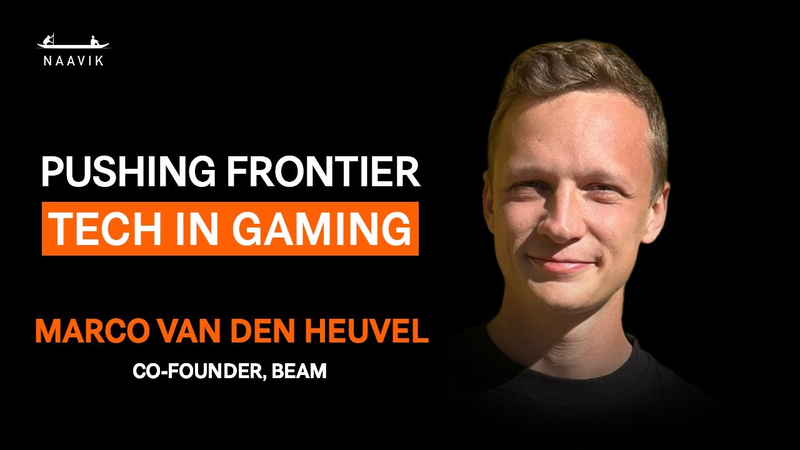
Pushing Frontier Tech in Gaming
The gaming industry is currently undergoing a strategic transition from speculative, hype-driven development toward a focus on sustainable, utility-based infrastructure.
- The gaming industry is shifting from speculative web3 models toward sustainable, utility-based infrastructure that prioritizes long-term player engagement over short-term financial gain.
- Blockchain technology is being deployed as a foundational layer for player-driven economies, utilizing stablecoins and time-gated loot systems to ensure digital stability and equity.
- Artificial intelligence is actively shortening development cycles while enabling the creation of agentic, dynamic non-player characters that adapt to individual player behavior.

Let's Review Your Games — Ep. 032
Successful game development requires a precise alignment between marketing promises and the actual gameplay experience.
- Successful game development requires strict alignment between marketing promises and the actual core gameplay loop to remain competitive in a saturated market.
- Platforms like Steam NextFest are essential for independent projects to drive visibility and secure critical wishlist growth.
- Developers should prioritize clear stakes—such as timers or persistent antagonists—over reliance on mechanical asset kits to ensure player resonance.
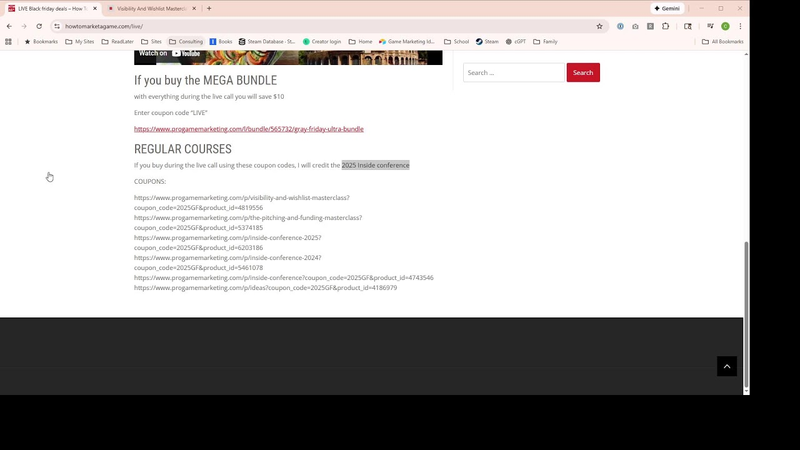
My Broadcast
This broadcast serves as a live Q&A session focused on Steam marketing strategies, game development, and promotional tactics for independent developers.
- To determine a competitive game price, analyze the pricing of similar games within the same genre and quality tier, then set your price at the average plus a 20% premium to account for future discounting.
- A game's commercial viability is typically determined within the first six months; if a project has not reached approximately 800 to 1,000 wishlists by this point, it is unlikely to succeed, and developers should pivot to a new project.
- Developers should prioritize shipping games quickly to learn the Steam ecosystem rather than obsessing over release dates, as the specific day of release is largely irrelevant compared to the volume of competition.
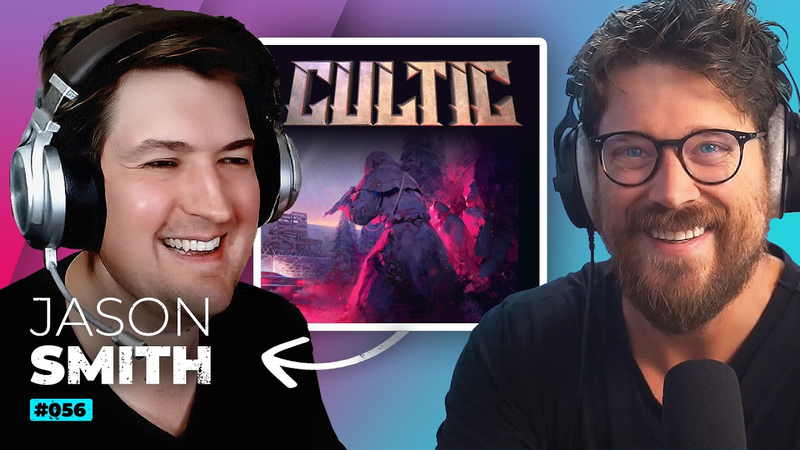
Jason Smith: How He Sold 100,000 Copies Of His Game (w/ Overwhelmingly Positive Reviews) | Ep. #056
The development of the boomer shooter Cultic serves as a case study in the challenges of scaling a solo-led project into a multi-chapter experience.
- Jason Smith achieved success with the boomer shooter 'Cultic' by focusing on long-term project viability rather than short-term trends, aiming for a game with multi-year staying power.
- To address player feedback from Chapter 1, Smith expanded the scope of Chapter 2 by increasing level variety and length, despite the original game already holding a 97-98% positive rating.
- Smith and his collaborator Nick utilized a collaborative level design process where they traded maps back and forth, leading to distinct design styles that were occasionally criticized, such as the open-ended nature of the 'Fairgrounds' level.

Grinding Steam Review Guesser On Hard Mode
Estimating the commercial success of titles on the Steam platform remains a complex challenge, as traditional indicators like visual polish, capsule art, and pricing often fail to provide an accurate reflection of actual player engagement.
- Price is a primary limiting factor for Steam review volume, as high-priced titles (e.g., $60 games) often struggle to reach the high review counts achieved by more accessible, lower-priced titles.
- Predicting a game's success on Steam requires balancing multiple variables, including genre popularity, production polish, release date, and the presence of 'headline' features like AI integration or unique mechanics.
- Games with high production values, such as those featuring extensive language support, achievements, and polished trailers, do not always correlate with high review counts, as market saturation and genre competition play significant roles.
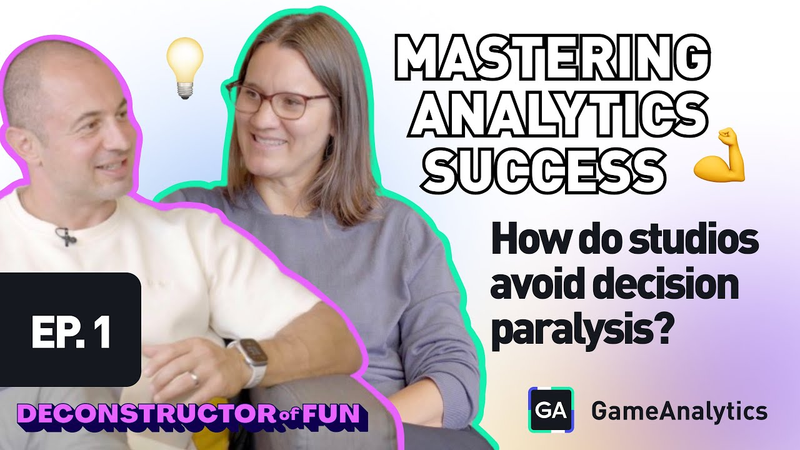
Game Analytics 01 - Building
The modern game industry requires a sophisticated approach to data that balances infrastructure maturity with proactive decision-making.
- Successful studios must transition from generalist data tracking to specialized roles, utilizing data analysts for team-specific decisions and data scientists for predictive modeling and automation.
- Data strategy should evolve from basic AB testing to complex player segmentation and, eventually, AI-driven automated personalization to optimize experiences for diverse player bases.
- Studios should prioritize third-party analytics services over proprietary infrastructure to maintain focus on core product development and achieve better cost-efficiency and scalability.
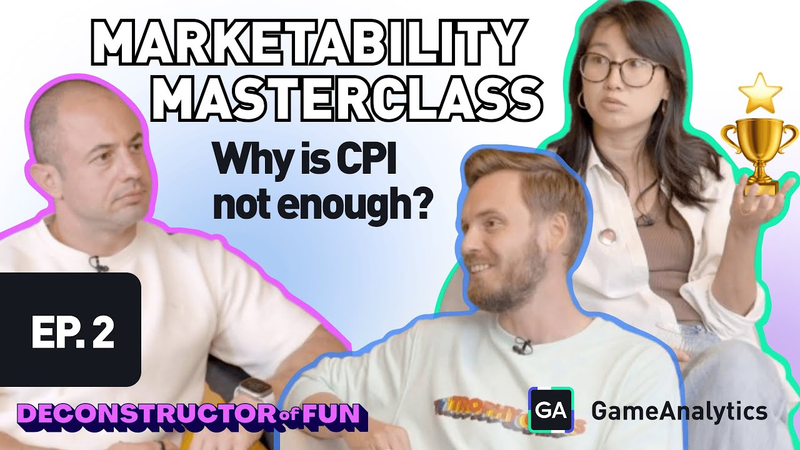
Game Analytics 02 - Marketing
Marketability in the modern gaming landscape functions as a comprehensive, multi-stage lifecycle rather than a singular focus on cost-per-install metrics.
- Marketability must be treated as a multi-stage lifecycle, moving beyond simple cost-per-install metrics to focus on internal lifetime value (LTV) to customer acquisition cost (CAC) curves.
- Studios should prioritize data-driven insights from historical performance and genre expertise over speculative decision-making to avoid the risks of over-indexing on early-stage key performance indicators.
- Developers improve long-term growth and negotiation leverage by taking direct ownership of marketability testing and ensuring marketing strategies are tightly aligned with the actual in-game experience.
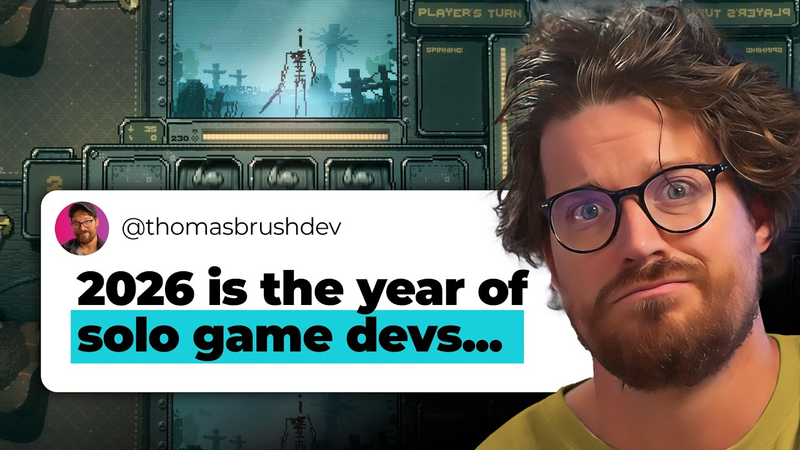
2026 Is The BEST Year For Solo Devs. Here's How You Do It...
The current landscape for independent game development, particularly heading into 2026, offers unprecedented opportunities for solo developers to produce high-quality, commercially viable titles.
- Prioritize the first 10 minutes of gameplay, the menu, and the intro cutscene as 'bookends' to establish player goals and perceived value, as these elements significantly influence initial player reception.
- Focus on creating a high-quality, polished demo first to validate fun through playtesting, which can then be used to secure publisher funding, crowdfunding, or wishlists—the latter of which reached 50,000–60,000 for the title 'Twisted Tower'.
- Adopt a 'less is more' approach by compressing content into a 3-hour, highly engaging experience rather than stretching development to create 10 hours of repetitive, lower-quality gameplay.
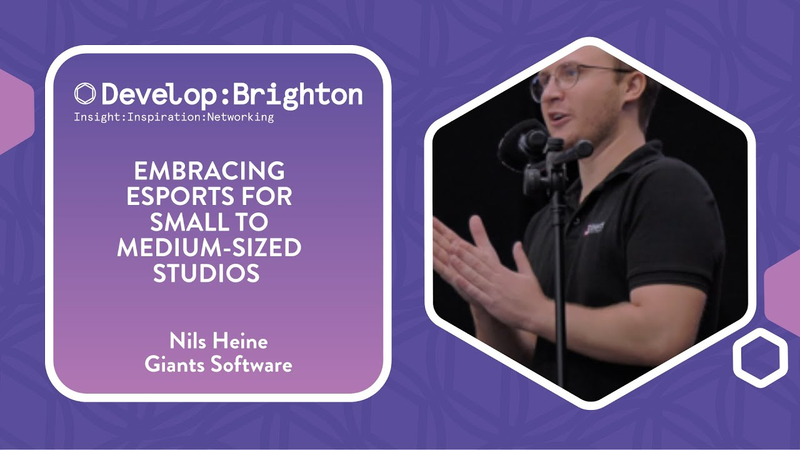
Embracing Esports for Small to Medium Sized Studios | Develop:Brighton 2024
Small to medium-sized studios can successfully cultivate competitive gaming ecosystems by identifying and formalizing existing community behaviors, even within non-traditional genres.
- GIANTS Software successfully expanded the Farming Simulator franchise into esports, leveraging a competitive 'bail stacking' mode to engage a player base that has surpassed 6 million units sold.
- The Farming Simulator League (FSL) launched in 2019 and now hosts tournaments across Germany, Switzerland, Poland, the UK, and France, involving 20 to 30 active competitive teams.
- Successful esports integration requires significant investment in infrastructure, including dedicated broadcasting hardware, software for multi-language live streams, and physical stage setups for offline events.

The Art of Leading Leaders | Develop:Brighton 2024
Transitioning from individual contributor to a leader of leaders necessitates a fundamental shift in professional identity, moving away from personal expertise toward a coaching-oriented mindset.
- Inconsistency is the primary driver of employee turnover, as teams require a predictable leader who maintains a stable temperament regardless of project pressures or personal mood.
- Effective leadership of senior experts requires shifting from a 'knower' to a 'learner' mindset, utilizing curiosity and questioning to uncover nuances rather than relying on personal expertise.
- Leaders should utilize the 'Trust Framework'—evaluating reliability, motive, capability, and competence—to decode feedback and identify specific behaviors that need adjustment.
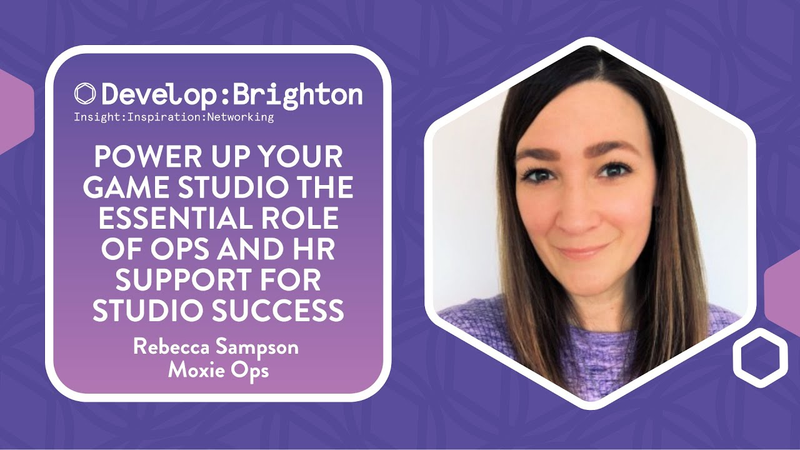
Power Up Your Game Studio: The Essential Role of Ops and HR Support for Studio Success
Game studio founders frequently encounter severe burnout by attempting to balance creative direction with the complex demands of administrative, financial, and human resources management.
- Integrating Operations and HR support early in a studio's lifecycle reduces leadership stress by 33% and increases confidence in business potential by 30%.
- Founders often experience burnout by attempting to manage all administrative tasks; delegating these responsibilities to specialists allows leadership to focus on core game development.
- Essential operational pillars include managing legal compliance, NDAs, contracts, cash flow, budget procurement, and health and safety policies.
Raising Money A Perspective from Both Sides | Develop:Brighton 2024
Securing capital in the UK games industry requires a strategic alignment between a studio’s long-term vision and the specific motivations of potential backers.
- A successful pitch requires a compelling 20-second hook; if you cannot capture an investor's interest in that timeframe, you will not succeed in a longer meeting.
- Venture capitalists prioritize companies with the potential for 100x returns, making them unsuitable for stable, profitable businesses like those focused on licensed IP, which are better suited for private equity.
- When applying for government grants, you must appeal to 100% of the audience to avoid rejection, whereas VC pitching requires a polarizing approach where 90% of investors can dislike your idea as long as the remaining 10% are fully committed.