Transcript
Welcome to the Navit Gaming Podcast, where it is our mission to explore the business and future of video games. We bring together the industry's brightest builders, investors, and thinkers to keep a pulse on current events, dissect emerging trends and games, share lessons learned, and have a great time. This podcast is also part of Navik's growing ecosystem which ranges from free and premium research to consulting and advisory services. For more information, visit www.navic.co. This episode is brought to you by Heroic Labs, which powers some of the world's biggest games with its heroic game stack. Its composable products are Nakama, the open- source back-end game server, Hero, the game development framework for all your live service game features, including the complexity of managing offline mode, Sattorii, the
worldclass live ops product for maximizing monetization and retention. And lastly, the Heroic Cloud to provide massive scalability. After nearly 10 years of operation, thousands of studios trust Heroic Labs to help them focus on their games and not worry about game tech or scaling for success. To learn more and reach out, make sure to visit heroiclabs.com or check out the link in the show notes. This episode is brought to you by Neon. For the first time in our industry, developers can finally have their own DTOC channels to save on app store fees and build closer relationships with players. But there's a catch. Selling direct means either building complex infrastructure yourself or choosing among legacy providers whose inexperience in games or questionable reputations pose real risk to your business. Luckily, there's Neon, the DTOC platform built for games. As a merchant of record with customizable web
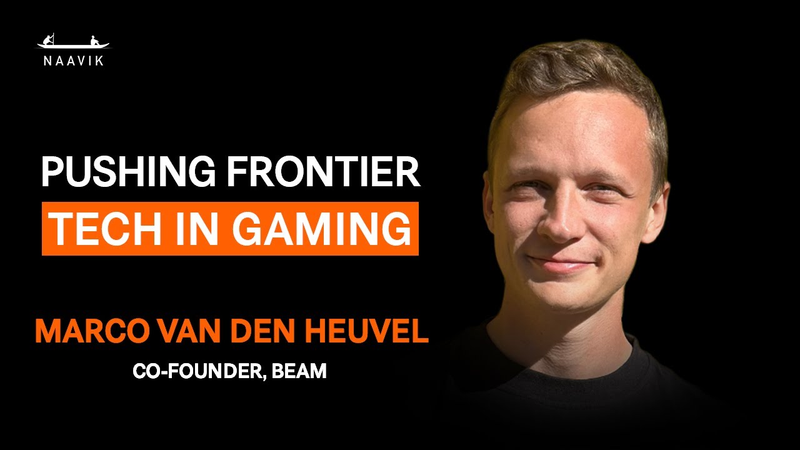
shops optimized for conversion and modern APIs that let you use your existing live ops tools, Neon is trusted by some of the biggest names in gaming to help you sell direct without the typical overhead. To start selling direct and finally take control over your full player experience, simply head to neonpay.com or check out the link in the show notes. And with that, let's jump into the episode. Hello everyone. I'm your host Devin Becker and today I'm delighted to be joined by Marco Vanden Hovville, co-founder of Beam. Uh Beam works to push the frontier side of uh frontier tech side rather of gaming through blockchain sport funding, AI gaming, and esports. And today we're going to focus on pushing the tech side of of game platforms and gaming in general. So just to start things off here, uh could you go over your background uh in the founding of Merit Circlebeam and what Beam does today?
Yeah, sure. Absolutely. Thank you for uh for inviting me over here today. Excited to be uh covering a whole range of
topics with you. Um yeah, a little bit about me. I originally got into web 3 back in early 2017. And I think, you know, as a passionate gamer myself, uh definitely not, you know, high level, but just a regular casual gamer. Uh I tend to, you know, understand digital economies. And I think one of the things, you know, that immediately fascinated was just, you know, not just Bitcoin, but also all the smart contract stuff behind it. Um I think back then you know you didn't really have a lot of um resources available yet to educate yourself. It was mainly you know telegram groups reading white papers which is what you did back then and whatnot. And so for me that naturally led into you know I never aimed to be an entrepreneur but led towards me actually not just educating myself but starting to educate others as well and became a part of you know helping starters build digital communities help them on the startup side on hey how do you actually educate your users about what you're building and did that for a couple years on and off and I would say you know as a gamer
and as a passionate investor it was amazing to me when free gaming started coming up you know with Infinity with Olivium back in the day, Star Atlas were, or you know, a couple titles that I think everyone in V3 gaming would have heard of. Uh, and that's actually also the moment where a hobby to me became something much bigger. Uh, I already had my, you know, business on the community side, but on the gaming side, started a gaming guild. Uh and very shortly after you know this all went in the time span of a couple of months uh had two amazing co-founders join me Mark and Tommy who had more experience on the fund managing side of things and we decided to you know take this to the next level and so that's where Merit Circle was born basically focusing on that mainly gaming site but also because of the treasury and the community that we've built being able to help a lot of founders through funding and investments on you the infrastructure side. Uh we are pretty early on the AI side as well as the
gaming side. And I would say that went on for quite a while until we took those learning lessons with the different founders and figured like hey we can be a bit more hands-on there. We have the capacity to do this both on the treasury side and on the man side you know hiring the right talent around us. And we decided to do a full pivot and rebrand to beam. So when we look at the project or company today we sollely call it beam you know no merit circle in picture anymore. Um but when it comes to beam basically one of the things we did was we built a gaming first tax stack uh also blockchain that is catered towards uh studios that wanted to have more of a I would say gaming first experience on the blockchain side of things. Um the other thing that we continue to do was uh and this is a bigger role today I would say was the investment side you know we continue to do that and right now we're in the midst of you know we always want to go where the market goes we want to make sure that you know we stay relevant uh without uh you know having the shiny object syndrome type
issue um we're in the midst of setting up venture funds in Abu Dhabi called beam venture uh still you know in the process of doing it so it's a little bit early days I would say won't go too much in depth into it. Uh but we're really looking to be involved in what we like to call is friend two technology. Uh and when you talk about frontier technology, I would say it's bit of a collective of different technologies in our eyes. So it's all with the lens through web three. So we're looking for web three elements into the mix, but it is AI, it is still gaming, it is finance, it is deep in basically everything where we see real time uh real life applications actually you know having a good product market fit. Uh so it's really exciting for us to to be to be here and for myself too. It's you know an industry where you keep learning and keep improving and pushing yourself uh and keep being you know involved in the size that excite you yourself.
Well yeah it's it's exciting to have you here as well. I I I always find it interesting when there's a a company that it's not just you know jumping in
via web 3 and and sticking for that and and hoping to make that work out in the end. It's the the focus on Frontier Tech for gaming uh in general, right? And that's something that you guys kind of pitch yourself as being focused on not just maybe you got start in web 3, but that's not the the only thing you're interested. You mentioned AI. I'm sure there'll be other stuff as well that comes along. Why that focus of of the intersection of frontier tech and gaming and like that specific focus as opposed to like other parts of gaming or just staying in blockchain?
Yeah, it's a good question. I think you know one of the things I just mentioned is that we're looking at where is the market going and where are we actually seeing you know product market fit. I think within bet three we've seen a lot of experimentation throughout the years. uh some of it landed you know and some of it has not yet or won't in general and I think for us you know having initially being focused I would say almost solely on gaming to then adding AI to now seeing hey there's some other fields that are also really taking off it would be almost a waste not to you know take step into that direction and
be evolved with that and I think the cool thing when you think about is that a lot of the frontier technologies that I mentioned you know the gaming the AI the finance it all is very connected to each other and all comes together. And so, like I said, it's more than just gaming. But what does excite me about the gaming part is when you think about the gamers, they're actually the perfect candidates to, you know, be testing new technologies on. They're often very understanding of a technology in general compared to a lot of other, you know, customers in different industries. Uh, but the exciting thing too is that they're also very brutally honest. And so when you think about shipping maybe some new AI tools and things like that if those technologies cannot you know survive the first contact with gamers be it for maybe the UX is not great the UI is not great or there's latency or you know affects the economy negatively you immediately see that back into you know the retention rates into general data into feedback scores things like that and the other thing to it with gaming is that you immediately have a very large
user base, you know, at scale that you can test this with. Whereas with other products or other type companies, it might, you know, be much more scattered and take a much longer time to actually get this in the hand of a lot of people. And so I think Frontier Technology, it's it's in again a really interesting stage right now where, you know, entertainment is growing uh as an industry. People are getting more free time on their hands and so I think that this is only going to grow bigger. Uh it's going to be interesting to see what you know new things is going to come up with in the next few years given that you know everything that we've seen in only the past two years.
Yeah. Especially in gaming is is kind of an interesting time. I mean you're coming off of like the you know the tail end of of sort of that hype around web 3 into a phase where AI you know may or may not be in a bubble at the moment and there's a lot of uh exploration trying to figure out what to do around gaming because it seems like it's you know running into a lot of issues. You even have you mentioned AI and we like you've got the sort of recent controversy around arc raiders. Uh I I mean light
controversy more just like you know people kind of kicking things up but uh you know it's there right and gamers as you said are very
uh critical audience that will definitely feedback. Um
on that topic then I think going back a little bit to the blockchain side of things. I mean, outside of all the sort of financial stuff that that went on with and sort of the shadier side of blockchain stuff, like going to where we are now, what what do you think overall that blockchain technology, especially looking at it now, can offer to gaming and and why do you think that's valuable to still pursue?
Good question. Yeah. Um, what I just mentioned is that, you know, we've seen so much experimentation throughout the years. And so if you indeed look at you know the financial shenanigans false scarcity aside I think most people when you ask them hey blockchain gaming you know they say oh tradable assets is great but I think a lot of people also stop there whereas the question I think you know I at least the question that I've been asked a lot put it that way has been you know one of my conferences that are not web three native but you know regular gaming conference maybe
like GDC you know Marco this sounds great but can this not be done without blockchain you know technology And I think very often the answer to that is yeah sure you know a lot of things can be done without blockchain technology. I think that shouldn't necessarily be the first question to ask. I think the question should rather be if you're looking at blockchain technology are there aspects where that can really enhance you know the player experience or can hence the gameplay itself. And I think there's various examples that you can give here. One that personally really excites me it does go back a little bit to the economy. I think very often, you know, for this studio, it needs to make financial sense to be mingling with new technologies and to, you know, spend resources on adding that to your game to to justify doing so. But I think what exciting to me is that you can have very transparent and programmable uh player economies. And so it doesn't go back necessarily to tradeable assets because, you know, owning your sword forever is a cool idea, but it goes back to really being
able to tweak and monitor what your game economy looks like. And so if I put this into practical example because it might sound a little bit vague. Um let's look at a Maple Story universe. Maple Story has been an IP that has been around you know since my childhood. It's been here over 20 years. uh I believe and it's a really fun game you know but at the same time given that has been around for so long you have a hardcore audience that you know that they're one of the games in my opinion that kept shipping a lot new content and kept things fresh and that's also why they've had you know such good retention throughout all those decades but what does happen is that the player base you know starts recognizing oh this is immediately how I can achieve this new content and you know what was maybe meant to be a rare item in a game you know is immediately flooded into the market on day one because people figure out this is how it works. When you then think about how could this be different, I think that you could think about blockchain technology as being able to create a transparent economy where you can say in real time this is how often
this item has been dropped in total. This is maybe how often that boss has done that today. And oh well, you know, we're actually able to cap this on a daily basis. And now you turn, you know, blockchain technology not into, you know, the hype and the speculative side of things, but you create it into a very living economy where there might be daily hunts where people see a timer like, hey, you know, this this drop uh rate is going to be reset today. You can, you know, uh, and could be even time zone based with different, you know, starts of the day. You could say, we're getting started. You get this daily hunt of players that want to be among the first people to, you know, hunt those items, play those bosses. And so it's not just about a new boss is finished on day one. No, it takes them a longer time because they might, you know, be able to kill the boss, but they haven't had the loot yet that they're looking for. And so things like that really excite me. Sorry, my cat's drinking. But things that really excite me to me are ways in which you can have, you know, a game that is much more gamified
through the lens of blockchain technology rather than just, you know, keeping it very basic. And so a lot of this we have not really seen uh in you know real time yet. I think a lot of is still development I think for Maple Story universe as well. But I do see you know pretty cool opportunities there. And that's just one example. I'll stop there.
Yeah. And I think another good example of like specifically what you're talking about with playerdriven economies and things like that is also EF Frontier. You know we're talking about games that are kind of like helping legitimize this sort of thing. And I do recommend we actually just I think put out uh I think Alex did an interview uh with them very recently. Um, make sure to check that out as well. Um, you know, those of you listening, uh, because it's always good to to hear what they have to say because they're also very much like Maple Story, very deep in running that sort of thing for a long time and seeing where that can go. Um but obviously we've we've had the ups and downs right with blockchain and
you know assuming let's say it's on a hype cycle that we sort of see with a lot of new technologies although you know we've been cramming them back to back but assuming it's on a hype cycle like we haven't in theory gotten to sort
of the plateau of productivity yet right where that sort of after it dips and they build again and stuff like that
what do you think we really need like what what needs to happen or what technology needs to exist or what do we need to get sort of to that plateau productivity where maybe not every part of blockchain is like really useful maybe like just the the player economy part you're talking about or the transparency or access or whatever it is uh happens. What do we need to do to get to that point do you think? Um, I think going back to my earlier point on the experimentation, I think we're at a point right now where we've seen so much experimentation on the web gaming side, right? We've seen a lot of indie studios, new studios, web three native studios pop up, uh, try things. So, we've seen, you know, all the psomics. We've seen pretty much anything that you could, I think on the chem side that you could have tried has been tried by now. Um, I think what we're looking for is probably much more closer to the heart of how we know gaming than what a lot of CEOs initially tried. So, like you said,
there are elements of blockchain technology that are very interesting and are actually um enhancing the gaming experience. There's also elements that might be neglected and I think one of the things that you know funny enough is needed is more credibility and that can happen through actually still larger players coming into the industry. You know I think we've seen a lot of uh that experimentation go wrong and I think a lot of people are in it for with the you know mindset of how refreshing would it be to see a large studio that knows the drill. They have been in this, you know, gaming industry for decades. They're here to use watch technology in a way that actually makes sense and it doesn't just, you know, give them short-term financial gain and a short game lifespan, but actually builds a sustainable, you know, game uh game loop. I think the other thing to it is that, and we'll probably, you know, we'll see what I think we'll get a little bit more into this is the payment side of things. Um, stable coins right
now are growing so rapidly across the board with DeFi, you know. Um, but at the same time, stable coins are also amazing to use in games and it could be on, you know, the esport sites or, you know, creating smaller tournaments worldwide where, you know, it's borderless, it's quick, it's secure, it's cheap to send out payments. You can have much smaller price pools, you can have much smaller rewards to send out to people very rapidly rather than you know taking a wire transfer that takes maybe 20 30% cut takes days to to transfer etc. But same time you can also use those stable coins for payments in the game where that becomes really efficient and nice. The issue right now is that it doesn't feel like this is a Steam or a PlayStation type experience. When you grab your credit cards, you get maybe ask your name, your address sometimes, and you know, hey, your your CPV code, uh, you know, the payment pushes through. When, you know, I had it recently, I want to pay with stable coins in the game. I'm paying 10 bucks. They're asking my whole economy, you
know, background like, how did you get your money? How much do you have? I'm like, dude, I'm making a $10 payment. I don't want to put my whole financial record on the table too.
Imagine if Apple had to do that for 99 cent purchase. Right.
Exactly. It doesn't make sense. Right. So, I'm not sure. This obviously has largely to do with the regulatory side of things. You know, wanting to make sure, you know, KYC, AML, want to make sure that you're not getting money from maybe uh restricted countries that you don't want to get, you know, mingled in. But it does need to have a more practical side to it. And so what I'm hoping to see especially for the payment side especially for you know because this has a lot of cool opportunities is to see a little bit more flexibility maybe to payments to you know certain maximum amount be it 10 bucks be it 100 bucks to actually be practical and usable versus needing to like I said immediately put out all your records on the table and so I think a lot of it still comes down to user experience. I think use user interface when you think about that look and feel very often the blockchain part is already abstracted
away so you don't have too much hassle with you know how do I actually use this I think that part has been resolved pretty nicely but then the practical things like the one I just gave or just you know those things need to be addressed so I think if we are able to get that and go like I said go closer to the gaming card for gaming at least I think that's where a lot of the solution lies but if it's was a golden blueprint probably everyone would already be be doing it this way.
Yeah, definitely. A lot of polish still yet to happen, right? As you mentioned,
hurdles that are not just the technology, right? When you're talking about regulatory stuff, that's not something you can just build away and code. Uh I mean, it'd be nice if we could code policy, but clearly that's not happening anytime soon. And you've got the whole geopolitical climate just being a part of that. Even, you know, who's in office might affect what's going on in any given country. Um, and looking more broadly at, you know, the technology cycles and things like that as I said, we've had a lot of them lately. Um, do you think there's, you know, especially looking back now, do you think there's any connection between
the blockchain tech technology and it it sort of state where it's at or where it could go with other recent tech trends like VR, metaverse, uh, any of the things we've sort of seen like little bubbles of or hype cycles of over the last like 1015 years?
Yeah, that's that is a good question. It's an interesting one, too. Um, I think when you when you think about AI specifically, the way I look at it is that a kind of a like a glue that's really glues a lot of different technologies together like I spoke about way in the beginning of of our call. Um, I think in this case though it is in an evolutionary type way rather than you know a buzzword driven type way. I think when we've you know talked about the metaverse you know up top a while ago and it was really big everyone you know in web 32 everyone everything that had to do with metaverse people want to invest wanted to be there because they saw hey this is the next big thing but I think when you think about AI but also the other technologies like you mentioned AR VR uh metaverse I do think that they hold a future and it's in a
way that it's shifting us basically into a much more open intelligence and immersive type digital world. Uh we've all been, you know, gamers for a long long time probably if you're listening to this. Uh you've been, you know, you you you can associate yourself with this digital world. Like you care about your character, you care about the game, if you play OS, you want to come back, right? And I think that if you then zoom out a little bit, I think blockchain is what I spoke about with that, you know, tweakable economy. It is the technology that gives it you know the world the digital world at least trust and ownership uh in an automated way rather than you know relying on human factors there. I think AI is really what gives this life and personalization. You know if you think about AI in gaming it can have you know adaptive storytelling. I might be someone that's really into slaying a lot of monsters. Someone else might really be into the whole quest side of things. Sorry about that. Uh in the quest side
of things. And so as as you're able to customize that player experience, I think that's fascinating about AI really, you know, it makes it that I can care even more about my character, I can care even more about the journey that I'm taking and rather than, let's say, in the Runescape, I'm taking the same quest line for my different characters over and over again throughout the years, I now get a customized quest line. Um when you think about VR and AR, um they're still, you know, much smaller, you know, in essence. I do think that that too is going to grow incredibly as I already mentioned you know it can you know makes you more immersive in the world. I think where AI is personalizing this and making things more interesting in general. I think AR uh and and VR can really make this, you know, uh give it give it that world presence if that makes sense. And what I mean is that you're not just experiencing this from a third person in front of a monitor type experience, but you're actually seeing things happening in real time in front of your eyes. And so I think that's really really cool. And a lot of this is still in its
infancy. Um, but I do think that those layers, they're going to mature together. And so I think that, you know, that connection between the different technologies is is really there. I think there's a lot of value there. Like I said, people are getting more time on their hands. And so I think that, you know, naturally the entertainment uh industry is going to grow in the future, especially given that AI is probably given given quite some, you know, time back in our hands. And so I think it's it's partially scary, which is the answer a lot of people give around AI, partially scary, but also super exciting and and you know, sky's is a limit type uh type idea in your head.
Yeah. And and speaking of which too, I think it's worth mentioning just topically uh on the VR side of things that mostly that had been dominated by Meta for quite some time, but we actually had that Steam uh the Valve announcement uh that included, you know, everyone's kind of focused on the the Steam machine side of things and the Steam Controller, but I think it's worth noting that that Frame VR headset that they announced once I actually looked into the specs and and stuff like that was and early reviews, it was pretty
impressive. I don't think that's going to make, you know, VR suddenly come back. But I think it it's worth noting that some of these technologies like we're talking about with blockchain and other things, they don't necessarily go away. Um they kind of idle in the background and build up. And I think you know companies like Valve that seemed to been totally quiet on that still pop up and and work on that. I mean Steam Machine was even like sort of them trying to do something they did a long time ago and then finally succeeded with the Steam Deck and they kind of built up. So these these go in these cycles where they try to come back later. Uh and I think that's it's interesting. You know, we talk about this being Frontier Gaming, but sometimes it's like
Frontier part one, Frontier Part Two, you know, as with these like five year, 10 year gaps.
It does feel that way,
right? It's like episodic, but like big long gaps like movie sequels or something.
Yeah. And if if you think about it too, some things here, I mean, you're given the good example, right? They've been working this for a while. I think with some of those technologies, it's the same with entrepreneurs look at back, you know, to to the other track record. A lot of it is luck and timing. And so when you think about you are here
too, you know, timing could not have been right, you know, a few years ago, maybe the timing is right when you know, now that AI is here and it can actually make those worlds even more immersive, right? Um, so we'll see how that comes together, but I think timing is definitely a really huge aspect of it. But, uh, cool about Steam thing. Yeah, I've not looked into it too much, but I I probably should. Yeah, I know. I was I just happened to see a breakdown like and review that was as someone who's a pretty avid user of of all that stuff. It was it's pretty interesting. We'll see what the prices come out to be on that stuff because I don't think that's been announced yet. But just worth mentioning just given the impact that the Steam Deck had recently um and open things up and and Valve in general. But uh speaking of timing and businesses uh you know not always being right uh I I'm really interested uh something you'd mentioned uh previously um in in private conversations as well is uh your guys's interest in the world of esports um and that's a business that you know has had its ups and downs. It's been struggling from like a business standpoint for a while now. Uh and that's one where like
technology like tech you know it's it's underpinned by technology but you don't always see technology as like a core part of it. It's like still kind of broadcast even if it's on Twitch, it's still kind of broadcast media. It's still kind of typical sports mentality, which is like an older mentality.
Where do how do you think Frontier Gaming technology fits into that? What is what is your guys' general interest in eports? Like what are you bringing to it and what do you think of the the business going forward?
Yeah. Um, I think first of all, what is good to say from my end is, you know, esports for us is in its infancy. like it's it's a very new type you know element that we're getting involved with and I would say that largely has to do with you know I've read you from the going to Abu Dhabi and Abu Dhabi with their you know 2030 vision vision plan they're looking to double down on all sorts of entertainment and technology areas uh esports being one of them you know but they them building a whole hubs there you know training centers and whatnot is really cool and it has to do with you know party entrance I'll give um I think esports in general is a very
tough business model you It goes back to you with similar to regular sports. It's largely based on sponsorships and ads and that's hard to scale when viewership across the board is kind of going down. I do think that funny enough there is a little bit of a trend where a lot of people are not really looking to play games themselves anymore, but they're looking more and more at, you know, Twitch and at streamers watching games rather than spending all the time grinding themselves. Uh, which is funny because I I said, you know, people are getting more time on their ends, but they might not want to, you know, grind in an MMO or whatever to
similar sports,
right? You don't need to be like an avid basketball player to enjoy Michael Jordan and want to watch that sort of thing, right? Like it's
you know, it's aspirational, but maybe you're just, you can't really do it yourself all the time. And maybe we are in that phase.
Exactly. Yeah. I think funny enough, you know, as a as a non- gamer, I think you'll you'll not understand why people would watch, you know, other people playing games. But I think yeah as a gamer obviously is very exciting. Uh but
to to go back to your question how can you know Frontier technology help it. I think that's first of all a question that is largely to be seen you know here too I think there will see a lot of experimentation on what that's going to look like. I think if I put it into practical term I think I just mentioned right a lot of people they're watching esports. I don't feel you know watching for example the League of Legends worlds recently. I don't feel as if I'm a big part of that, you know, it's not really pulling me into the whole game. Sure, I'm watching it. I'm excited because I'm a League player, but it's not really letting me participate. I feel like with technology, for example, you can have that participation way. And what I mean by that is let's put it back to to blockchain which obviously you heard about you know the fan tokens maybe on the the soccer side but it could be having a role on the esports side as well where if you have a fan token and obviously there needs to be some kind of business model for the esports companies you know they need to survive too cannot just solely the sponsorships in my
opinion in the future but if you think about those tokens you could basically prove like hey I have this token I'm a very active hands-on fan of your cumul maybe you can have me participate in the way that you're shaping the future of your uh team and that could be in maybe voting for certain things like what is the new jersey going to look like for our team but it could also be really exciting things where maybe you can have early access to buying you know tickets to maybe you know if there are uh if this could be digitally or physically but type events. Uh it could also give that hey maybe you are now able to buy yourself into a match where you can play with the pros you can actually play with some of your favorite players in an esport team like those type fan experiences. I think that's one example of where technology could you know be a bridge between just being a passive fan towards becoming interactive. Um I think the other thing I mentioned is that you know on the sponsorship and advertising side right now in that business model
it's a lot of uh guessing how many people are going to watch those games and sure you can look at historic data but very often you see also massive spikes in you know viewership of course different videos and whatnot. I think if you take an AI or if you take you know different technologies together, you can start really putting a value on this is you know what your viewership is worth because you can in real time monitor this is how many people maybe watch my stream. uh this is how many people actually interacted with you know certain elements of the stream where maybe they even spent money you know on certain products and being able to monitor that really closely and handy you can also put a better business model on that which I think right now too is still uh largely besides you know affiliate marketing largely still blankly you know flow um and I think the third thing and this is you know if you look at League of Legends again you have loatonus which is the E4 team with ba is a part of uh organized by Keroll. What I find really exciting there is that I
mean those are basically streamers that now went pro, right? So they had a really fun fan base. They had really, you know, I find them one of the most fun Twitch streamers to look at because they're really interactive with with their audience. But if you think about the esports side, I think that they definitely attracted new viewership to esports because they have they bring a fan base with them and they're actually good at the games. that helps to obviously for that letting them in the esport side. Uh but what you can do is instead of having very long tournaments having very long you know a large price pools you can also start tweaking things to having smaller you know tournaments like I talked about earlier. This could be where blockchain has a role too where you can have micro payments such smaller price pools easier distribution but it also means that you can have this attention span uh like split as well. there's more moments where people can be excited and not just the training moments but also like smaller tournaments besides the big league. Um I'll stop there. Like I said for us I feel like this is still largely
in its infancy. Uh and myself I'm still learning about that. I think the cool thing with a business is that you can hire the right talent. So obviously we'll when we get more immersed in that we'll make sure we have the right talent. But I do think that again Abu Dhabi is an amazing spot to be in when it comes to to esports. It's a city that is you know already building like I said venues. They're already building teams. They're looking to create creator spaces and hubs. And so it's not just uh like a theory. This is actually happening in real time. And I think like we're going to see a lot of experimentation to see can this also be an industry that can be disrupted because I think it is one that could probably use it.
Yeah. Yeah, and they seem to be pretty interested in a lot of different tech that we've mentioned and not just one thing, not just not just even games, but also a lot of tech and then the overlap with games. It seems like a big one.
Uh, one thing that you know that that I was thinking about when you were talking about the some of the different ways to use technology with esports um that you'd mentioned previously like was around um digital items like things like
Providence. Um, but like something I I feel like doesn't even get brought up often is is something like NBA Top Shot for, you know, where it's collecting moments and things like that because you're talking about watching gamers and watching these pro gamers and having some sort of like fan interaction with them. that sort of collectibility, whether that be through sort of providence of of items that they've used or whatever in a game or that be like collecting moments or that be uh even you look at like the skin economy in in uh you know Counter Strike
some of that had a big relation to esports or look at the way that you know uh skins get monetized for supporting esports. Um and I think about even uh with the secondary market sort of aspect of uh sports merchandise is a huge part of it. you go to conventions, you go to places like there's that huge collectibility aspect. Uh that secondary marketplace is something that blockchain does really well. Um and I think about like something like which isn't using blockchain but definitely could have. Uh Ubisoft's marketplace for Rainbow Six Siege that they did has collectibles from sports things. So like I have ones from Rainbow Six events that I attended.
It is a collect, you know, is an item from actually attending that event that I can sell on a secondary marketplace as if it was merch I bought at that event. So that's not again not blockchain, but that easily could have been especially given Ubisoft's proclivity for for blockchain stuff. So I think you know there's some interesting aspects there when you're talking about making money because obviously then that's a secondary marketplace where the primary maker of that item can also collect royalty whereas you can't do that with like physical sports merch, right? Um so there's I think some interesting opportunities there. Um any thoughts?
Yeah. No, I think that you know you're you're spot on. I think you have really good practical examples. I think that you know when it goes to digital economies I mean for games itself you know the question I I said earlier is like uh can you do this without blockchain and again you know very often you you can but I do think it adds a layer of transparency and a layer of just data that is you know directly verifi viable rather than you know relying on the developers. I think if you look at the counter strike economy that's a little bit
cooked now because of the recent updates that happened right that's the practical example of you know we trusted the developers word something changed in in the in the midst and then suddenly this whole economy blows up because you know people can craft stuff and I think that's that's something that is rough I mean is blockchain resolving that maybe not because you still have as a developer a lot of power to tweak things in the game right it's the same with I could own uh a sword but if the if the developer stops stops developing the game and the game goes, you know, down. Well, then yeah, what used to do half of those things. Um, but to to go back to your examples, right? I talked about Maple Story Universe and having those tweetable economies. I think what would be really amazing too here is that you could say, you know, I can prove that this is the the gun maybe that uh Ninja used in a Fortnite tournament and that that was the, you know, gun that he had the final shot with that won him the tournament. That goes on a secondary market. having that piece of history that's really cool and so I think that
all those new technologies they can add layers of information to you know I think for a lot of gamers should obviously be opt in or you get overwhelmed with a lot of information but I think for those that really like to go deep and nerd out if you will in those type game economies in those you know specific games this these new technologies they they can offer like I said a layer of data and information that really allows them to do that which which is really cool. And so your your example of the moments with Ubisoft, yeah, you know, this is a good example of something that could be on chain, could be offchain. They chose to do it offchain, but fair game. I think with them, it is a studio that has some, you know, credibility that is large enough to be able to maybe and maybe I'm putting, you know, hard words here, but trust them. Uh, even there it would be nice to have, you know, everything verified on chain, but I feel like with a lot of smaller su too, you don't want to, you know, rely on trust. rather want to have it set in stone and be able to actually verify stuff.
Yeah, it makes sense. And also they they are doing I think is more of an
experiment where also the
the the money is in R six credits and stuff like that. And it's like it's a very controlled economy that's not
not trying to be like even the the CSGO Steam economy, you know, of skins. It's not even that level of like abstraction. more like it's for this game only this controlled experiment but I could see it broadening out to something more especially I mean who knows given the whole Ubisoft shift into the different sort of venture they have and all that but
um you know you mentioned like some of these other technologies and I think
we've gone through a lot of them recently but where do you see things going because like I said you know your your your focus is frontier technology trying to see where things are going in gaming what do you think is some of the next frontier technology obviously this is not like investment advice kind of what like optimistic where do you see things going that you think is exciting like you know we mentioned AR a little bit but like there's even weirder stuff like brain computer interfaces all kinds of interesting other directions what do you think is uh maybe maybe on to at least be interesting in the next uh 5 10 years for gaming
wow yeah for for for gaming specifically I think in general too uh so let's start on the gaming side then I think on the gaming side something that really excites me and is still in it infancy are the agentic NPCs And obviously we see, you know, a lot of a lot of teasing with GTA around it. Uh I think that's going to be the first massive experience where you can actually experience this hands-on. But I think in general, you know, like I said, it has the opportunity to really blast life in games again in a way that we've not seen in ages. Uh again, a practical example, if I look at Runescape, uh I've been a player with that, you know, since my childhood. And the last years I saw you know this player base was growing but at the same time the game in game felt that because no one was talking people were just and largely you know they were they're just bots you know that's bit of beyond. I think what's funny enough is that there is this developer you started creating scripts that had AI components to it not just on how you train your skills but also on how you interact with other players in the game. And so I
started noticing a shift where players started talking back again. And it was not in a way that felt like hey this is pure chat GPT it is very you know standardized uh I can I can say something really random and you give me recipe for you know baking for example. It was not those that conversations but actually smart enough to be having uh conversations with me. I think that will you know with that she see she really more fun experiences in in gaming and so it's just not on the NPC side also on the player side with the botting right that is just realistic. I think anytime people can extract something, they will. So, this this way too. But to the game itself, like I said, you can have much more adaptive story lines and whatnot. And I feel like that example is something that we're already starting to see a little bit in games, but it's still so early days that I feel like within the next 5 years, that's going to be the norm. You know, you're going to see that this is going to happen. And also being able to train against them and whatnot in a way that feel humanlike and not like you're priority playing against robots. So, I think that's one.
I think if we're looking at uh outside of uh gaming too, I think that you know you you you mentioned VR AR a couple times when you think about ambient AR, you think about the uh lightweight glasses, right? You have those glasses where you can see things in real time in real life. I feel like those type technologies, they're right now still also in its infancy. You're not seeing this, you know, commonly used by people yet. I do think that as that technology gets better, maybe that is one of the practical examples of where, you know, AR is going to kick off. I think it's really cool. I think when you know price tag is right I'll definitely buy one myself and try it and just see hey what is what is this really like and and how do those technology you know layers improve over time um I think a long term like long long term is probably you know one or five years uh you could even think about neuro impute right the you mentioned you know the brain computer interface so I think it's it's fascinating to to even think about you know what is possible there it goes back to my earlier point of it's scary and exciting and we'll which elements are
you know allowed by law I think that there's definitely going to be some restrictions there too on maybe selling you know data or whatever was really fascinating uh some other things that you know when I think about gaming in general right where where is this going because we talked a lot about gaming and how that is changing we talked about esports and how that's you know could use some change um I think we're going to see a lot of studios becoming you know rather than just shipping a game I feel like they're going to ship platforms. I think with all the conversations that you're seeing around the app store, right, the high fees that you're getting, I feel like with the Steam, you know, a marketplace or you know, market places, those things, there's always a lot of fees involved. Whereas I feel like a lot of studios, the larger ones have the capability to realize maybe also partially because of blockchain seeing that secondary economies are interesting business model. And so I think that more studios will want to take that power back in their hands and be able to facilitate those platforms themselves. Uh and
rather than taking players outside of their game experience, keep them hooked inside of their own game and their own game economy. Um and I also think that that goes back to something that we haven't talked about, you know, funny enough during this call at all. Uh is the user generated content. Uh userenerated content, you know, is already huge obviously if you look at Roblox and whatnot. Fortnite 2 and there is massive you know revenue involved there but right now a lot of that is still intransparent is still human factors to distribution of maybe you know the revenue streams to those creators and whatnot a lot of that those things could be automated through the use of AI through the use of blockchain where it is transparent automated and it can actually scale beyond what it has already right now. So I think that that is really really really cool. Um, I think the first thing going back to, you know, people have more time on their hands, but at the same time, um, we're seeing a lot of people watch gamers rather than wanting to play it. On the other hand, you see mobile gaming keeps
growing. Uh, it still does. And so, I think, you know, in the next years, we'll probably see, you know, more mobile first economies. We'll see, you know, if we're going back to Abu Dhabi, Mina region is growing rapidly. You know, it's still such a small, uh, I would say fish in the ponds of gaming. there's like 600 million gamers was the latest number that I've read. Uh but that's going to grow rapidly as is the influx in in you know esports as they're building those hubs and whatnot. And the final thing and then then I'll stop this monologue but when we go back to AI and I mentioned this before I think for studios this is lifechanging because it is actually able to really shorten the build cycles. So you go from concept art to something that you can test much more rapid and it might not be perfect right it's obviously I think you know very often the human factor is still needed almost always but it is good enough to be able to get to the point where you have an idea you go to concept art you
go to practical testing real fast where this is good enough to see you know uh whether this has product market fit you can even use AI to stress test that and to hold logic behind this Does he stand a chance? Uh that is fascinating to me. And so I think that that can help not just the larger studios but also the smaller studios as long as they have, you know, the capacity to be able to afford uh which sounds hard but it's true uh those type technologies and and use them practically. I guess we're ran in the same thing with blockchain stuff, right? where it wasn't just like you was there was this mix of of game studios trying to like experiment with it and not say anything because of the negative connotations and then also like can we afford to be like messing around with this while we're trying to ship games and you see kind of the same pattern with AI right where there's any of these technologies where it's like uh can we can we afford to like talk about it publicly and can we afford to work on it privately like uh I feel like we've seen that even going back to like online games or like live service games is sometimes a dirty word
too where it's the same kind of thing where we're dabbling in it. Can we talk about it? Is this something we should be messing with? Feel like it seems like each one of these technologies tends to kind of go through that sort of thing where it's there's the monetization side of it which is kind of like worries people. Uh, and then there's the the technology side of it which is like exciting to game developers when they feel when they see the potential of it and what it could potentially do. But it's it's as you said scary a couple times. It's uh we're especially when we're in these these hype cycles where you know like well we could be one second away from a huge downturn in it because
that's how hype cycles go, right? Where like you you you're going to shotgun at every possible opportunity to try and use it which means like 90% of it's going to fail and then at some point people go well maybe we'll spend our money on something else for a while. So, it becomes a little a little scary to do, but uh it's good you're you're still in a lot of these things and still kind of optimistic about going forward and still helping push those things forward. Um like what do you see kind of working
that maybe people aren't paying attention to on a lot of this technology like we've talked about a little bit, but like you being still in a lot of this stuff that may not be uh as in the conversation as much anymore.
So, can you clarify a question a little bit?
Yeah. Just what what are you seeing kind of working? Like I mean you guys are for example involved in a lot of web 3 games
uh that are still kind of building and stuff like that. What what are you seeing working in that space for example?
I think well the answer is that I think a lot of us see a lot not working which sounds really skeptical but I think that that makes it as more exciting when you see studios really pushing through the right way. I feel like as an industry, you know, you you see, you know, money is dried up a little bit when it comes to funding new new studios and it's because a lot of money has gone into, you know, funding battery studios, seeing how they're going to use blockchain technology, seeing, you know, what they can, you know, do with it. I think when Guish comes to shove, there's only a handful that has had even a little bit of revenue and a lot of them have gone
underwater. So that goes back to what I talked about earlier where credibility wise I would love to see some larger CEOs now pick up you know pick up the shuffle and be like okay we've seen a lot of experimentation throughout the past couple years um we're going back closer to the game loop we're seeing ways in which bot can enhance you know the game experience we're starting to use it you know you just mentioned like uh with the new technologies like are in doubt whether they can afford themselves to uh publicly talk about things cuz there's a lot more studios that are working with those technologies AI and blockchain than you know are willing to admit it publicly that is because as soon as a mention of NFTTS is given watch watch what it does to the scheme refuse right that's gamers are again very brutally honest and very vocal and I think that that's what has also kept back some things a little bit at the same time I also can't blame them because of how many you know punics and how many issues we you know we have seen happening what does excite me and what
I'm seeing go right is that there are some larger studios that are picking up the shovel and are pushing it forward. Um I think a good example and I'm definitely biased here given that we are invested but you have a gameplay galaxy building Triarch stream and this is this mobile bike racing game that I've played you know during my childhood it's been an IP that's been around I believe since 2029 as well similar to you know Maple Story has been around for decades and they're looking at it from you know zooming out okay you know not everything has to be web three where does this make sense and they're shipping you know iterations of the game in different regions of the world around close to an all world release, but they're not really mingling with the web 3 part too much. rather testing their core game loop core economy with soft soft and hard currencies and they're looking at you know where are we seeing that Washington elements can reenhance this and so some of those things are still uh I would say in the workshop but it does give you know the way that they're thinking about this and approaching is
that is what you know is in my opinion the right approach rather than rushing it uh you know what we've seen with a lot of cos rushing out there immedately to basically use it as a launch pad to fund raise, you know, so game first, then, you know, blockchain seconds when you can actually make sure you have a game that sticks around. Uh, I think it's the right approach.
Cool. Well, I think we get you warmed up for some some quick hot takes here to finish things off uh with a sort of rapid fire finish here. So, feel free to be a little controversial if you'd like with with some of these picks, but
just to start it off and and feel free to to use the example you just gave if if you think this is the the one to go with, but what is it what is a web 3 game or app that still excites you today? It doesn't have to be an old one. Could be a new one, but you mentioned Maple Story a bit. If that's if that's the the key one, that's fine, too. But I, you know, maybe something people aren't looking at as much.
Yeah, I think well again Maple Story is an IP that I think everyone knows and probably has heard about. there was a lot of buzz around it when they went into battery. You know, I think a track
extreme again I am a little bit biased but at the same time I'm also not biased because this is one of the few games that on my phone I've actually without realizing it picked up day in day out for months and played it and had fun. You know, even when I was on holiday I would pick my phone and be playing it, you know, during dinner or whatever or after dinner. Yeah. When relaxing during dinner.
Don't have dinner with Marco. Yeah, that would be cozy, you know. Uh, but I would just pick that game uh up and just play it and enjoy it. I think that's a really good sign and that's something that I've not had with most of the web three games. There have been games where I would play it, you know, uh, for a few weeks like there was Mafia, Heroes of Mafia was this uh, city builder uh, that's like Clash of Clans and for a while I really liked it. H yeah, I was building my my base and whatnot. But I think an issue that a lot of people in web 3 run into too is that when a game ships early, obviously you get a lot of good feedback, but you might also lose an audience when they've
basically done all the gaming content that's there. You have to wait for new content, but then after a while you get out of this flow of this daily habit because a lot of those games it is about daily habit building.
You get out of that flow and then at some point you just tend to forget, oh yeah, I should play that game. And so I feel like if you have a game that has daily habit building and they have enough content that you know you can reuse in different ways that's sticky and that's that's a nice thing why you know Trix Spume for me uh stood out.
Yeah I guess it's tricky like that's something that early access games run into a lot as well and you don't really have like the soft launch culture with web 3 because you have investors essentially as players that like you can't treat them like a soft launch audience you just acquire for testing. So that makes a lot of sense. That's that's a good uh consideration I think for web3 games to consider. Um we've talked a lot on the optimistic side of things. Uh on the sort of pessimistic pessimistic side of things, what do you think is the most overrated tech you've seen in the last 10 years especially in relation to gaming?
Oo
um I'm not sure I would call it overrated overhyped maybe I think uh metaverse but as a product. So we we had this phase or or this this part of hype cycle where you saw suddenly a lot of companies pop up and be like hey we're going to build this metaverse right for XYZ could have been for for office reasons like traditional business type things could have been in gaming u I think metaverse as a product is probably the wrong approach from the start because why would I want to hang out in a world that you know other than hanging out I have no reason to be in. Um I see it more as a goal you know it's a direction. So if you think about uh a game that I'm already playing and I'm already, you know, immersed in that world, then a metaverse can make sense because I actually am already in that whole loop and I am already excited about, you know, the content that they have and so I might want to spend time in it. Um but I think other than that is pretty uh yeah, a little bit overrated. Uh and other than that I think what what is also a little bit overrated is the um
taking it back to blockchain there there's a lot of I would say um let's let's put this in the right way there's a lot of chain features or features in general that have been created and shipped by developers where they're like oh this is cool but realistically no one is going to use it right there's a lot of technology that's been built that is you know doesn't have a product market fit beforehand you know it's not been thought about it's just been built because it's cool and I think with in three we the mindset of oh yeah people will use it they will overcome it because it's crypto you know that mindset is not the right mindset because the the pool of fish you know you have put in web three is way too small compared to the rest of the world where you know if you want product market fit you want to have sustainable business I always like to say you cannot be on a lifelong uh life support which you know is uh fundraising you need to build a business and come to the point where you're generating revenue And so with a lot of things, I think that's where things, you know, go wrong and it's
probably a little bit uh overrated.
Definitely. Well, when things on a positive note then and um I think we touched a little bit about on this earlier, but like what is the coolest gaming tech that you've seen that's still kind of it's in in its infancy, right? Stuff that's stuff that's early, probably not ready to to get near the market yet, but just something you've seen that you just think is really cool and you're like excited for where that could go. So this is something that and this the first thing that comes to mind. This is something that we've spoken about during this hour before. I mentioned that it is you know we're already seeing piece and bits of it or piece of bits being teased but for me that is the agentic NPCs. Um, I think for me, if I'm looking about it and you think about MC's that can remember maybe, you know, conversations that you've had with them or it can uh reason with you, it can collaborate with you on different aspects of the game in a way that doesn't feel super standardized. Like you said, you have a quest line that maybe you've done on different accounts for year in year out. It never changed. With the agentic NPCs
being able to have such more dynamic and personalized gameplay, I think that's fascinating. I think it's for me it would be a reason to uh which might be unhealthy but spend even more time you know in games than than you normally would because you start to really build uh well I think you could call it relationships with uh the game in general right I wouldn't go as far as see saying like romantic you know the relationship with empies I know that that's a whole thing out there too but I would say relationship aside as being you get excited about the things that you can do within the game and it feels much more limitless than it does right now when certain thing, you know, parameters are set in stone. So, I would say that's probably the coolest thing. Yeah.
Well, they better add that to Maple Story or or you're just going to even forget to eat your dinner, I think, at that point. Get too into it.
Yeah, that's why I said unhealthy, right? You might be, you know, just stuck in that loop. Yeah.
Well, cool. Well, thanks so much for for talking to us today. Like, uh I really appreciate it. Beam's doing some
interesting stuff as you mentioned, some stuff you guys are working on in Abu Dhabi that hopefully will be uh interesting to keep a lookout on. Uh check out on your guys' website and social and and everything like that. Uh but really appreciate you stopping by and talking about the the future of gaming tech.
Uh hopefully we'll be touching, you know, touching back in in five years from now and looking back.
Cool.
Uh maybe how some of it was silly and some of it was very forwardlooking. So we'll see.
Yeah.
But thanks again. Yeah. And thanks to everyone for listening and also make sure to check out some of the other podcasts I mentioned. Uh we definitely have been doing a lot of great interviews with a lot of different people uh in the industry. So make sure to check those out as well. Uh but thanks again for stopping by and we'll catch you guys on the next one. If you enjoyed today's episode, whether on YouTube or your favorite podcast app, make sure to like, subscribe, comment, or give a five-star review. And if you want to reach out or provide feedback, shoot us a note at [email protected] or find us on Twitter and LinkedIn. Plus, if you want to learn more about what Navic has to offer, make sure to check out our website, www.navic.co.
There you can sign up for the number one games industry newsletter, Navic Digest, or contact us to learn about our wide-ranging consulting and advisory services. Again, that is www.navic.co. Thanks for listening, and we'll catch you in the next episode.
Auto-generated captions from YouTube — names and numbers may be misheard.























Comments