Game Development reports and market data
Documents
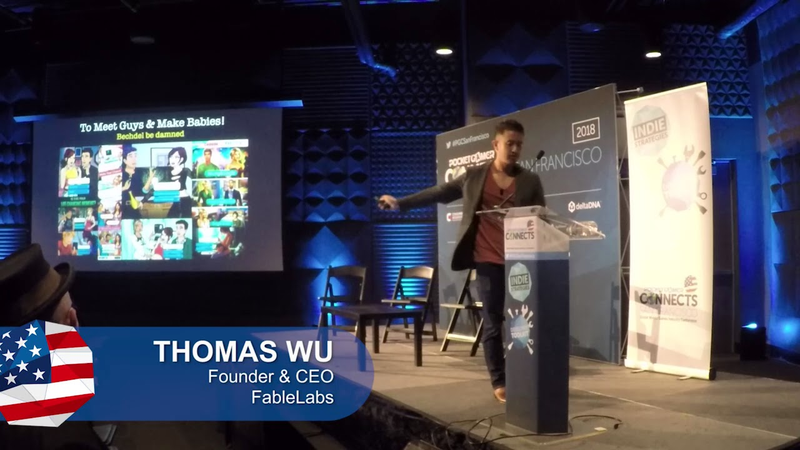
Talking narrative in games
The presentation argues that the video game industry frequently relies on flawed, exclusionary patterns and oversimplified data models that stifle innovation and misidentify target audiences.
- Industry reliance on rigid, bias-driven data models frequently leads to the misidentification of target audiences and the stifling of creative innovation.
- Historical industry generalizations regarding gender-based genre preferences are inaccurate, as female audiences represent significant viewership segments for high-fantasy, horror, and sci-fi content.
- Developers should shift from reactive, data-obsessed design to first-principles thinking, using data only to validate hypotheses and identify pain points rather than to dictate creative direction.
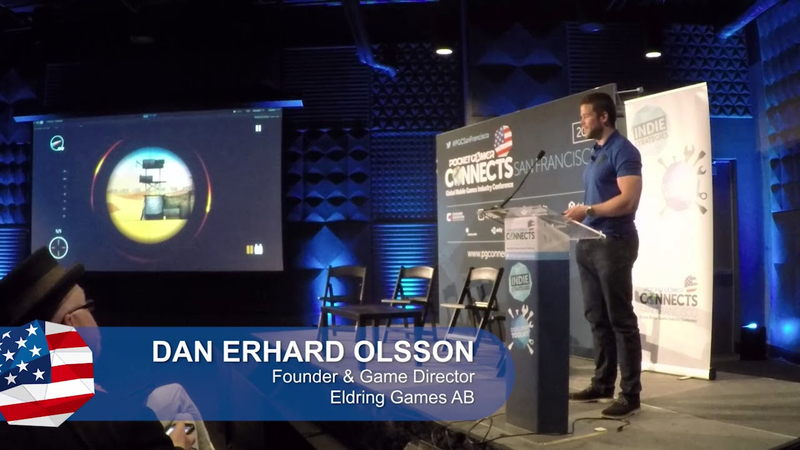
Clear Vision: From hospital bed to hit game
The development of the Clear Vision sniper game series serves as a case study in transitioning from personal adversity to professional success within the independent game industry.
- The Clear Vision sniper series, created by Dan Erhard Olsson of Eldring Games, has achieved over 35 million mobile downloads and millions of plays since its 2007 debut.
- Eldring Games successfully differentiated its product by pairing a minimalist stick-figure aesthetic with dark, mature, story-driven narratives.
- The studio is currently evolving the franchise with Clear Vision Online, a synchronous multiplayer title that integrates base-building and weapon customization mechanics.
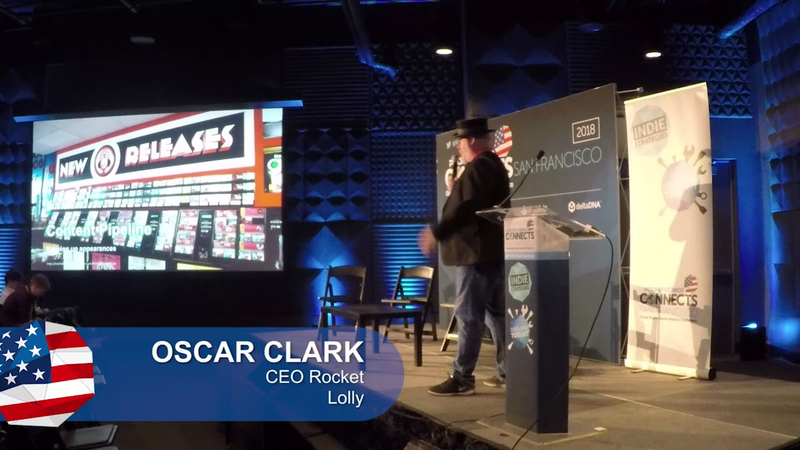
What does live ops mean for your indie game?
LiveOps represents the essential practice of managing the player lifecycle post-launch, a phase that often accounts for 80% of a game’s total workload.
- Post-launch management accounts for 80% of a game’s total workload, necessitating a shift from a product-based mindset to a sustainable service model.
- Predictable, scheduled updates—such as rotating content or price changes—are the primary drivers of player retention and increased revenue.
- Developers should implement automated content pipelines and templated assets to maintain engagement without requiring constant manual intervention from the team.
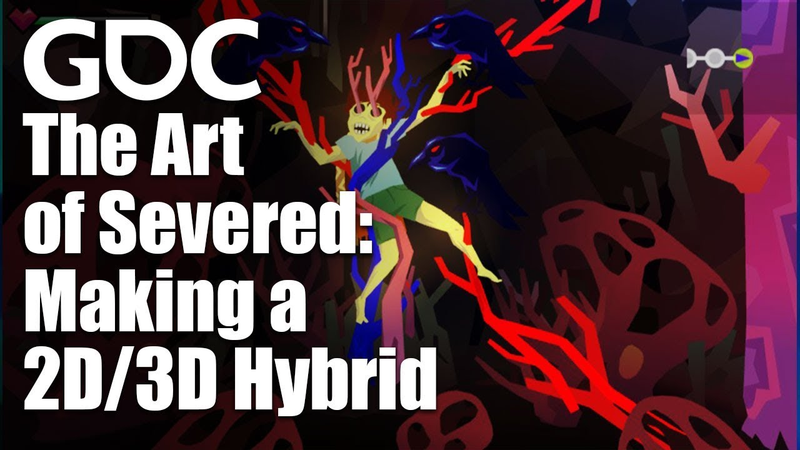
The Art of Severed: Making a 2D/3D Hybrid
Severed represents a deliberate departure from traditional platforming, functioning as a first-person, touch-based dungeon crawler that prioritizes a dark, minimalist aesthetic.
- Severed utilizes a cylinder-based camera system that maps 2D assets across three distinct layers to simulate 3D depth and rotation.
- The development team maintained the illusion of a seamless 3D environment by using a node-based movement system paired with cross-dissolves to mask visual deformations.
- The project prioritized a rapid prototyping schedule that mandated the creation of one enemy per week to ensure diverse and responsive combat behaviors.
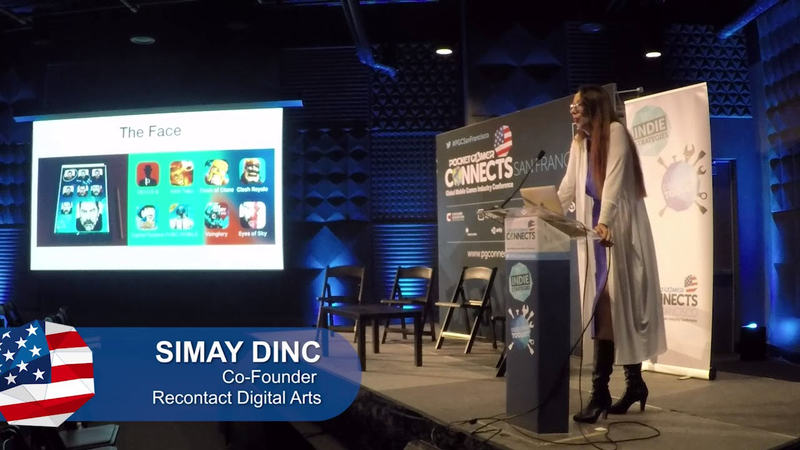
Recontact Istanbul: Eyes Of Sky postmortem
Recontact Digital Arts, a Turkish studio, developed the Recontact series to pioneer the integration of interactive cinema and mobile gaming.
- Recontact Digital Arts scaled its development team from three to 30 employees to produce the interactive cinematic game Recontact: Istanbul using the Unity engine.
- The studio successfully reached approximately 60 million users globally by merging high-fidelity live-action film with interactive mobile gameplay.
- Technical optimization was critical to the project, requiring the studio to compress high-resolution video assets from two gigabytes down to 500 megabytes for mobile performance.
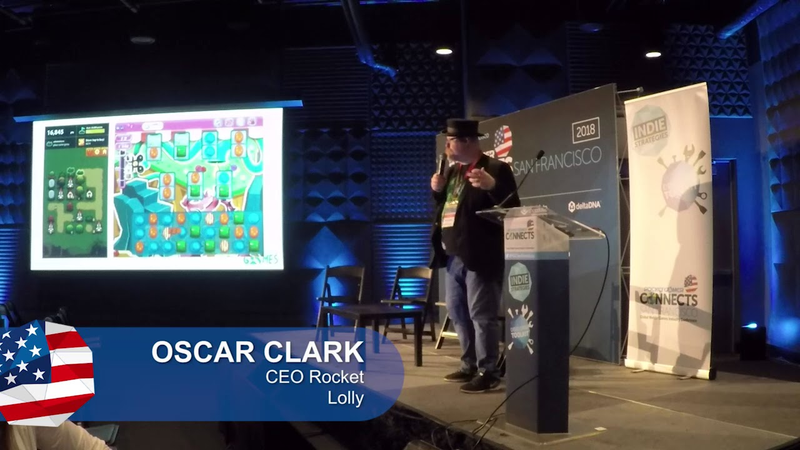
Stupid questions every games developer should ask
Success in the modern, saturated gaming market requires a fundamental shift away from derivative, nostalgia-driven design toward the creation of unique, emotionally resonant experiences.
- Success in a saturated market requires moving away from derivative, nostalgia-driven design toward unique, emotionally resonant experiences that draw inspiration from outside the gaming industry.
- Long-term player retention is achieved by respecting user agency through the removal of tedious onboarding and the inclusion of natural stopping points to prevent burnout.
- Post-launch engagement is driven by fostering a sense of social identity and community ownership rather than relying on coercive monetization strategies.
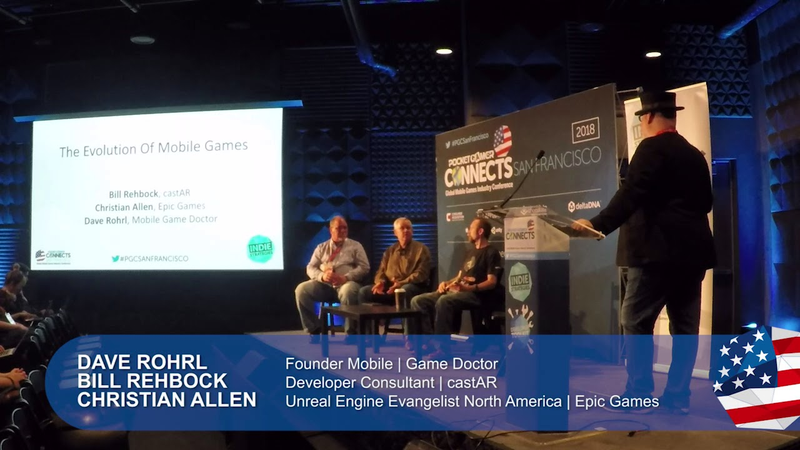
The evolution of mobile games
Mobile game development has undergone a fundamental transformation, shifting from the creation of secondary, bite-sized experiences to the integration of mobile platforms into primary, high-end development pipelines.
- Mobile gaming has shifted from short, two-to-five-minute sessions to long-form, console-quality experiences, as evidenced by the success of titles like Fortnite.
- Developers should adopt a platform-agnostic strategy by building projects from the lowest level of detail upward to ensure scalability across mobile, PC, and XR platforms.
- Prioritizing core gameplay loops over transient monetization trends is essential for long-term success in an industry where traditional platform barriers are becoming increasingly porous.
Fireside Chat: The real role of production in game development
The role of production in game development has evolved from a focus on project management to a strategic discipline centered on long-term vision, data-driven iteration, and team empowerment.
- Modern game production has shifted from tactical task management to a strategic discipline focused on portfolio-level planning, long-term vision, and team empowerment.
- Effective production requires balancing creative vision with live-service agility, using data science as a support mechanism to adapt to player behavior rather than a replacement for creative intuition.
- The core philosophy of successful production is rooted in servant leadership, which prioritizes team needs, clear expectations, and active support during high-pressure development cycles.
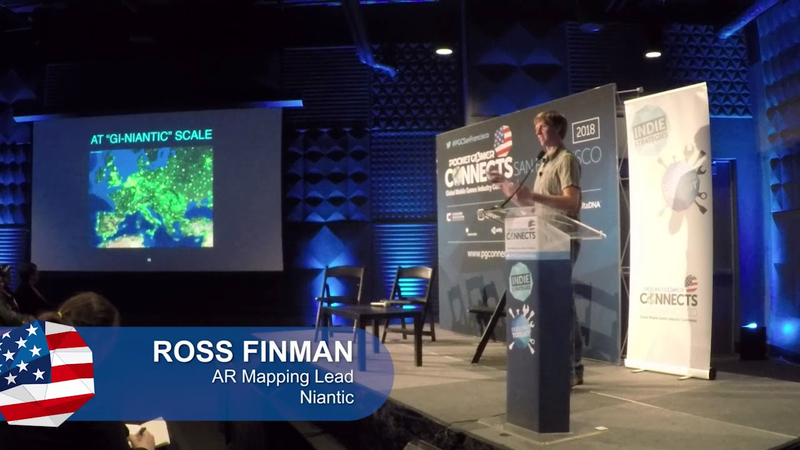
Niantic's AR mapping lead on using Earth as an AR gameboard
The integration of the physical world as a primary game board represents the next frontier for augmented reality (AR) gaming.
- The future of AR gaming involves shifting from simple digital overlays to a hybrid model where physical geography, objects, and social interactions dictate core gameplay mechanics.
- AR interactivity is evolving through four levels, progressing from basic digital overlays to the long-term goal of bidirectional interaction where digital content appears to manipulate physical objects.
- The current state of the AR gaming industry is analogous to the mobile gaming market in 2007, indicating it is in an early developmental phase that requires the creation of new, AR-specific mechanics.
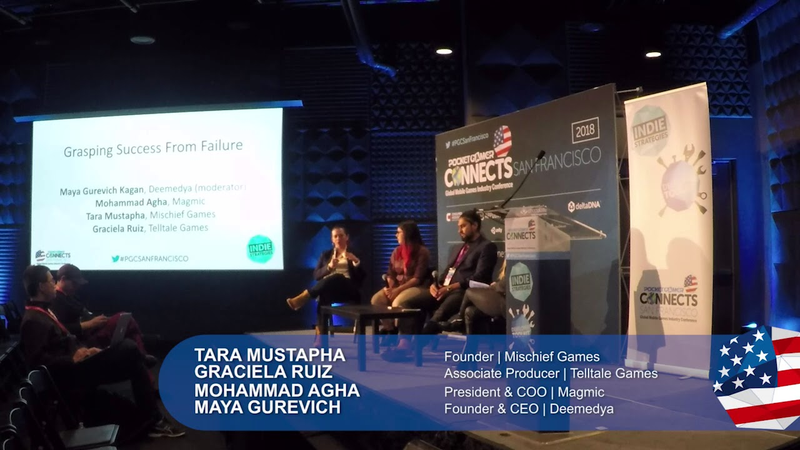
Grasping success from failure
The mobile gaming industry faces significant hurdles regarding user acquisition, development scope management, and the emotional difficulty of abandoning underperforming projects.
- Adopt a data-driven methodology that treats project failure as an inevitable part of the creative process to optimize production workflows and decision-making.
- Utilize regional soft launches to rigorously test core game loops and identify churn triggers before committing to a global release.
- Integrate monetization models during the earliest stages of development, as these choices fundamentally dictate the design of the core game loop.
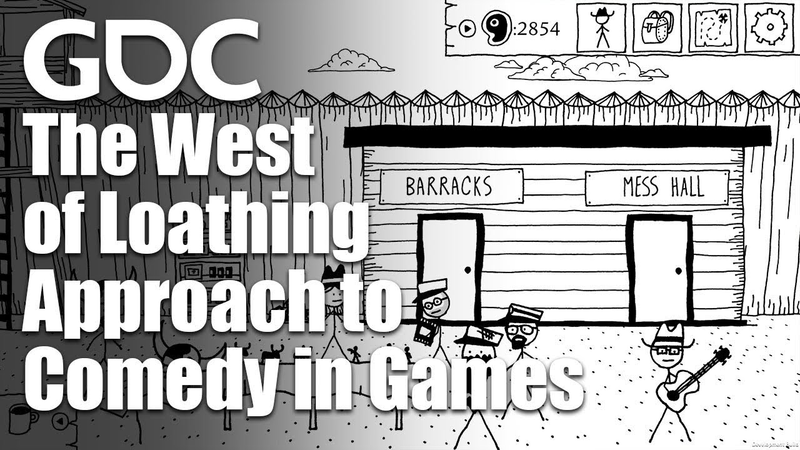
There's Goofs in Them Thar Hills: The West of Loathing Approach to Comedy in Games
The primary objective of game design in the context of comedic titles is to prioritize the integration of humor into every facet of the player experience, transforming the medium into a vehicle for consistent, high-volume wit.
- Prioritize humor as the primary design objective by embedding jokes into every element, including menus, item descriptions, and environmental interactions.
- Simplify gameplay mechanics like combat and puzzles to ensure they remain accessible and do not obstruct the delivery of the writing.
- Utilize a consistent, conversational narrator voice that breaks the fourth wall to guide the player and address design limitations through self-deprecation.
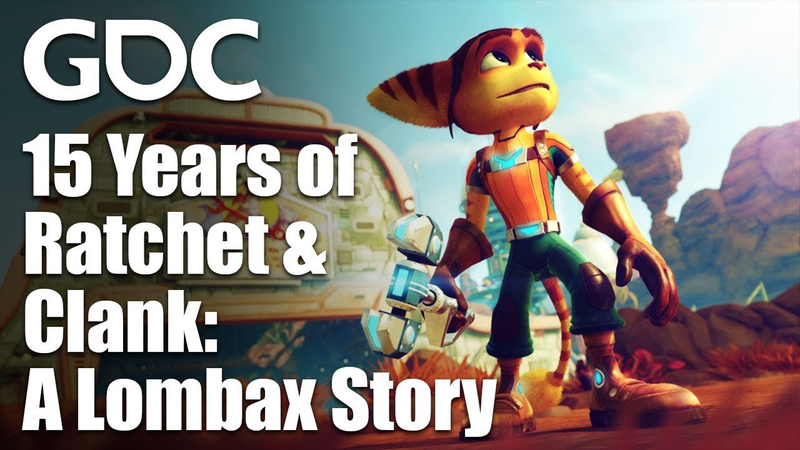
15 Years of Ratchet & Clank: A Lombax Story
The Ratchet & Clank franchise serves as a definitive case study in long-term brand management and iterative design within the action-platformer genre.
- The Ratchet & Clank franchise evolved from a loose, improvised narrative in the early PlayStation 2 era to a structured, lore-heavy universe, requiring the hiring of a dedicated senior writer in 2007 to standardize mythology across games, comics, and film.
- Insomniac Games transitioned the protagonist Ratchet from a sarcastic, snarky character in the original 2002 title to a more empathetic and curious hero to improve player connection and emotional depth.
- To maintain consistency across a growing team, the studio moved away from oral tradition and implemented standardized design documentation, such as a four-page manual specifically detailing the placement and stacking of crates.