1 free read left. Create a free account for unlimited reading + AI research.
Create free account
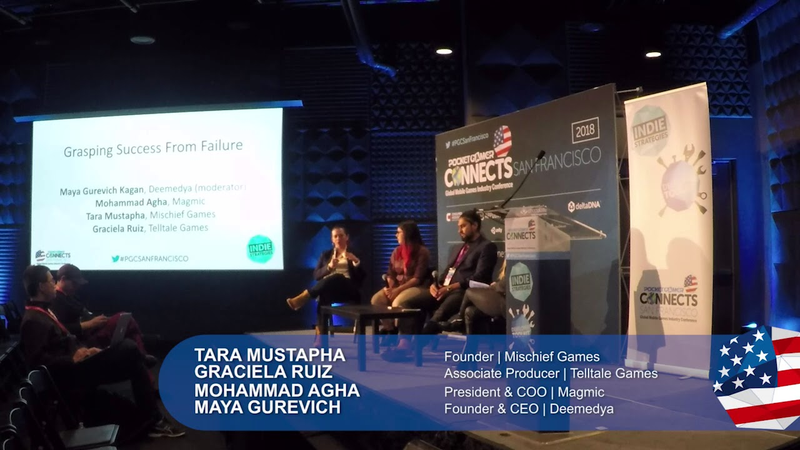
Grasping success from failure
Key insights
6 takeaways- 01Adopt a data-driven methodology that treats project failure as an inevitable part of the creative process to optimize production workflows and decision-making.
- 02Focus on innovation, polished gameplay, and organic word-of-mouth growth to overcome discoverability challenges caused by saturated app store algorithms.
- 03Prioritize the use of specialized tracking tools to optimize player retention and foster community engagement as a prerequisite for long-term viability.
- 04Utilize regional soft launches to rigorously test core game loops and identify churn triggers before committing to a global release.
- 05Integrate monetization models during the earliest stages of development, as these choices fundamentally dictate the design of the core game loop.
- 06Target niche markets to avoid direct competition with major industry incumbents when utilizing free-to-play models.
Ask AI about this video
Transcript
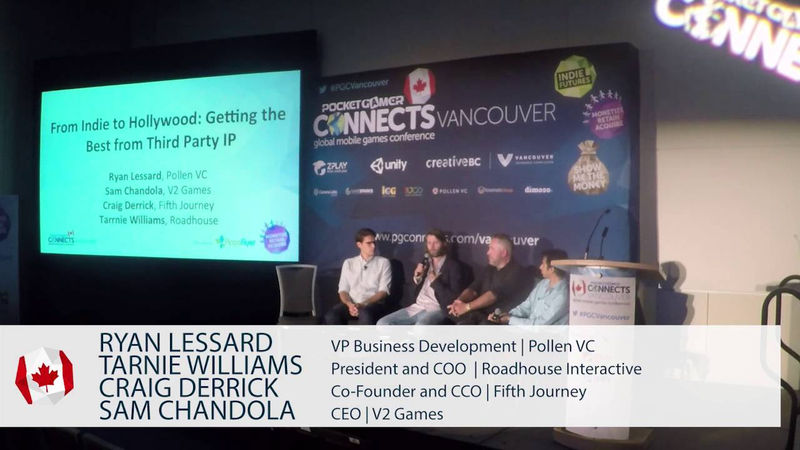
[Music] [Music] when he's working hi everyone it's a pleasure to be here it's pretty exciting hello all of you hi we're all here develop a publisher for mobile games and I would like to each and every one wants to introduce himself that would be great a little bit about me I'm in the industry of mobile games since 2006 I've been a part of a selling to companies in the days that we distributed mobile games at the java days our last company de media has reached with our blockbuster trial extreme serie two to 100 million downloads who did you choose our biggest success hi mo Mohammed the
CEO of magma I've been working mobile game industry for 11 years now started off as a Java to micro Edition developer anybody who was back then knows that and yeah so I work at a boutique independent card game and board game publisher and developer based out of Ottawa Canada I'm an associate producer at telltale games I've been in the industry for a shorter period of time than most of you all I'm been a producer for about three years but we focused mostly on narrative games and I just have a really strong passion for narrative games hi I'm Tara Mustapha I've been in the industry for over 14 years I've had my background in design and production from triple-a studios to mobile games and currently I'm founding my own studio called mischief games where we're focusing on diversity in studio culture as a priority great so first question for you guys as
game developer and publisher what is your biggest and most painful challenges and how did you try to deal with it and did it work developing game concepts that will actually make money I think the number one challenge in the industry and after you have a game that actually does well acquiring users to get into that game is probably the second largest challenge let's say that's certainly the the biggest hurdle for most people coming in you know it used to be back in the day especially in mobile you release and forget that was kind of how it works but now you're just releasing game is the beginning of everything so yeah I think that's that's the hardest thing to do is killing a game because you have to move on to the next thing I think if you know making a game that's successful is difficult yourself but you also have to be able to let go of that game so those are the artists things I need to do in this industry for me I think one of the hardest things as a producer is managing change with narrative games iteration is
a pretty natural part of the creative process and my part of my job is trying to predict the size and the scope of the product that you're creating and sometimes it's still pretty ambiguous at the start of what are you actually building so this past year I spent time working on Batman the enemy within and it's a 5 episode season and we had an idea of where season was going we knew like the overarching story and we knew the the general things that were going to take place in each episode but the finale episode turned out to be way larger than we originally planned for so the challenge for me was to like roll up my sleeves and kind of revisit our entire schedule and strategy of how we're gonna build this game kind of the nature of our games is they're branched and there's multiple endings and the
choices you make as a player completely change the outcome of the end of the game so that's hard to predict like how do you manage scope of such a Volvo product so we ended up having to we we invested more into this product because the script was a lot larger than we originally planned for we ended up increasing the size of our team and shuffling around our dates and sort of just going all in on it and it resulted in a really awesome product that we really were proud of it sounds great so I mean for us we have a team here we have attendees around we have a team of big team seventeen people sitting in st. Petersburg and we have to be profitable so it was all about being positive you know our I positive and the cycle is is is is not easy the user acquisition cost is the CPI is getting higher because of the big ones that are you know there is a consolidation and there being no controlling the market so we have to deal with we had a lot of traffic we were pretty good when it
comes to retention and the session duration but we've came to the point that the Arbour was not good enough so it was few years back three years ago and we had to improve it and the only way that we found out is it was working for us is also to find the best tool for us also to improve you know the interaction with our users of course to continuously improve an updated version and the a magnetization model and then we we were very concentrating and and focused on getting it higher and that's what make us you know still happy live at life's I company doing games which is a dream come true yeah and then like from the design side or an indie developer everything's a challenge everything one of the big things is that you've got to make sure you're partnered with the right investors and prepared to talk put time into that investment or publishing relationship because like I can sit here as a designer go okay know exactly what kind of game I'm gonna make it's gonna be awesome it's gonna be fun my brother's gonna love it my mother to love it I know exactly how the mechanics
are gonna work it's great but then when you're talking to investors and your publishers you kind of lose sight of that fun aspect and you get into this I'm gonna got the jazz hands I'm gonna sell you how this is gonna go and I'm gonna say yes to everything and you'll find yourself maybe in situations because you're trying to get investment working with people who maybe haven't had experience in tech and they think everything is easy and fast and their cousins neighbor's son who likes green says everything should be green and you okay I'm gonna say yes to that yesterday yesterday and suddenly you're in the situation where you've agreed to things that you don't necessarily want to do so you have to stay really clear and focused about what your objectives are in your product who you're partnering with when it comes to investment and if you're willing to take that time to walk them through what the process is of how hard it is to change one button where it is on you know the whole UI experience where it leads to because there are a
million in ten decisions and sometimes they don't appreciate what goes behind that thinking and when you're wearing many hats you know you the CEO CCO and you're the designer and you're also really QA is that time that you can afford to give up and it's that relationship worth it in the long run so I think that's a big challenge that we face this is something with regards to where you mentioned investors so I hope there's no investors in the room so I'm happy to say that the media is a company that has been working you know monetizing generating revenues profitable from doing mobile games without any investors and this is really really happy you know for us you know in the knife on going way we conduct the business so we we can totally concentrate on what we believe in what we do constantly with the data with the tool that we use checking you know what we're doing in the game and if it's working or not and if you're doing update and then you have to see you know the information back from the data and
see that it's relevant or not and you take a decision upon as much as possible that oriented you know not just we used to do you know the time that you say oh I want to do this and team say oh this is amazing like for this design let's do this green white yellow car jumping it's it's basically trying and you know today I think you guys might agree with me is moving more and more to the time that we can actually test baby tests and make sure that we're doing you know the right thing for the users so let's move on cuz I have a lot and it takes a while can you share failure a real failure which is something that none of us really likes to do but we're here talking with developers and publishing we are here to talk openly and not only a failure but you know what you've done with it did you overcome it how oh just to carry on from your point because my failures relate to testing and testing and actually I have a lot of failures but one in particular is I've worked in
several scenarios where pertaining to your investors and your publishers and stuff like that you're so focused on meeting a milestone and saying I've launched something that you kind of forget how important testing is because you're just rushing to get features and it gets completion and it's important you're going to miss a million things when you put it into the hands of somebody else and like you just like I can't say this enough and I know people say it a lot is chest early test often and yeah so I think that's really critical and I think it's important as publishers are into investors that you push for that as well with the dev teams that you're working with you want to understand that that's a critical piece of information and then to react calmly no let's change everything to that because yeah there's been a couple of scenarios where you're so deep into production and you can't come up for air
and you're having people just tell you this needs to change this needs to change and you start reacting and then the product becomes watered down and it's it's not the success that you dream but it would be I think it's relate also to be stressful to go live right to release it because we've been working in here for years now are not years but months sometimes one year pass and you have to release him then you'd start making mistakes right I mean speaking of failure for March effective I'd say 70 percent of my gains have failed you know I think that's that's pretty common industry when we did the whole social casino line they don't exist anymore but we've had many games that have failed and I think it's it's part of this industry that you have to kind of understand that's the nature of it and you just have to be able to let go all right you know we make games that's a very creative industry a lot of your heart and soul and passion goes into it I find it's um you know a lot of developers it's just very hard for them
to just let go right sometimes you make a game that you're making it for yourself but really you're making it for other people so you restore and you realize maybe the other people don't really like it so much you know and it's it's a challenge because sometimes it's hard to take that personally to see many companies just double down you know poured it to other platforms you know how it features when really the right decision was you just kill it and move on to the next game so I think that's the hardest thing is been a hard even for our company to grasp that you know where you've invested a whole bunch of money and you know you're never gonna make it back but I think you know focus learning from that you know taking you know code that you've developed for that game using it in the next game you know maybe reusing assets just keep on trying it's really important to soft-launched I find for mobile you know check your KPIs or day one your day seven or day 30 you know forty twenty ten that's kind of average or you want gonna work on your day one funnel and then work on your day
seven and then work on your day 30 if you get those KPIs right then you know perhaps this game is gonna work you can launch it but you know my piece of advice is just you know learn from your mistakes and just adopt what you've learned the next the next thing and keep on trying but yeah because we've all been there and certainly most games will fail absolutely it's a huge industry and there's hundreds of games get submitted every week so you know not everybody makes it I think we were having we were talking about that but earlier it's like gone are the days where you'd release the game and and you know you made tons and tons of money off of it you I kind of have to just throw it out there see what sticks and I'd hit a rate on that yeah I feel like every time you fail or you make a big mistake it's just an opportunity to improve your process or to take that less and less you said and apply it to the next product on on Batman season one one of our biggest failures was performance so that was
something that we a lesson a big lesson that we took into season two is how can we make sure that this is the best performing and optimized game possible and I tell - we have a lot of products and development all at the same time so at the time we had Walking Dead Season 3 and guardians of the galaxy's isn't one going on so we started looking at the performance of those games and seeing how we could take lessons from our fellow developers and apply them to our see our season and share their success so I think just talking to other developers trying to figure out how other people are solving the problems and then applying those lessons to your product so that you can really improve I want to take what you just mentioned about checking day one day think seven this is so great we so agree right that's definitely a great way to do it how do we define a successful game I mean when do we decide that this game is
going to the Train part of my language but this is not gonna work let's archive it we've been working for free for a few months but mm-hmm what's the definition what's the right time all right it depends how big your studio is you know I've seen large studios we'll just count a game even if it's making you know a few hundred thousand a month whereas you know for an indie that's great they could totally live off of that so it depends on your size your overhead you know how much actually costs to maintain and run that game for you but certainly like for us the first metric is obviously the retention we look at because then you know we can actually grow a user base if we decide to buy but you have you have to buy you know nowadays UA is really the App Store discoverability on it is not that great so you get that 40 2010 retention you know and then you push a big you a campaign and you start to look at your LTV does it make sense you know measure that and then if you
have a CPI less than LTV if you can get traffic cheap enough then really it's a no-brainer I think that's what a lot of the big studios do these days you know you look at some of the largest ones like supercell they really only manage you know four games five games so I think that's that's the strategy I think that Mobile is now kind of been pushed towards yeah so I really think that those three key metrics the day one day seven day 30 those are key at least your soft launch to measure you know we need to worry about monetization you can kind of work that and add some more meta game features to kind of you know extract some more revenue but as long as people are enjoying your game and coming back I think that's the number one thing that that you should focus on I might be a little controversial here or maybe a little idealistic but I think one of the critical things in this is talking about what what do you as developers define a success is it I mean maybe you're all here because it's all about money in the retention and
conversion and you know that those kind of stats or are you here or are you making these games because I see I am idealistic because you want that quality experience you want to tell the story you want to engage with your audience you want to make them feel something god you can tell I'm a designer so I mean if you look at games like Florence which was a you know great success but it's also a critical darling it doesn't necessarily have the replayability and the you know monetization that clash and all these other games have but to me it's like if I if I made that game I would consider that a success I would look away going what I did you know and I think as developers you've got a if if you got into the games for the same reasons I do then you've got a stick to that kind of passion and it'll come through in your product yeah would you consider failure
then if that success it's making a game that is all relative to you but it's been interesting because like I've been lucky enough to participate in some juries in the past year especially it like BAFTA and there are so many really interesting games that are oh gosh I don't remember what the term for it is I do think Oscar probably does but games as a experience is it or something really like that dragon cancer that those kind of experiences right which aren't about the bottom line and let's not be afraid to use the word art go on we can use the word art we're allowed yeah I agree actually I really look at how I'm making the power making our players feel at the end of the day it's like I would like to look at Let's Plays and see those reactions see people like when they're really excited or when they're really moved or when they're really grossed out you know and then how
did the developers feel did are the developers proud of what they did or did they crunch the whole time and frustrated that the great idea that they had didn't get in and it would have been such a better product if X Y Z but at the end of the day if you're if your players are super excited and pumped even if your player base is small you have that core group of fans who are just super pumped and excited about what you're making and they're begging for the next thing like that's what drives us as creators and and then your developers when they're proud of what they did they're proud that they got to polish something you know that's how I measure success I can't agree more I think developers are studio you know engineering developers and our art designers and they're they have to be happy with what they do but I met so many friends and colleagues along the year that had amazing games out there and they had to close their dream in studios just because they did manage to you know pay salaries so definitely
there's a balance yeah we have to find it between you know doing games is like it's the best I think it's the best industry in the world that's why I'm here for so long I thought I was thinking about leaving it for a while but yeah got that because it's a it's the it's fun it's it's creative it's if there's an amazing opportunity for every game you know every product but yet we have to be you know smart along the way and you know as you mentioned because it is tough yes it's extremely low buyers century now and there's a lot of failure but but you're right I think that's that in and of itself like as long as you don't give up and you keep trying put your heart and soul into it which makes it quite hard to let go of the game you know so there you go it's like it's like that that kind of issue loop right so yeah so but it certainly is fun and rewarding absolutely when you how about success - it finally so my next questions about KPI is I'm a big believer and I see that you're also really really connected to that what do you think is the most hardest KPI to
improve out of our you know options you know there's two guys dealing with retention you know in the game performance and there's also the money KPIs what would be the hardest for you guys that you've been experiencing in the last you know I don't know if you'd count downloads as a KPI perhaps that user and mobile I think the recent app store changes have made discoverability even worse unless you know you are you're creating basically games that Apple wants to feature which is premium games these days so I think that's you're seeing that now especially with the Apple search ads people are buying your keywords so people are buying your app names even if you have a brand you're seeing that happen quite a lot so if you search for our games you'll see Yahtzee is number one you know because they're buying our our spots so I think that those things in tandem have really kind of put even more pressure and
players and people and publishers to you know find alternate means of getting users but I think generally that's the thing is a lot of games are coming out you know a lot of course coming out content there's a lot of great concert coming up there and just there's more and more competition for people's attention and so that's really you're starting to see that to the organic it's quite slight quite a bit and then retention all this is making a game that people want to come back to and play there are so many factors it's kind of hard which is why we take the approach of you know lean get it out there and let the users kind of speak using analytics to see do they actually like this game is it sticky you know working on that I think that's the most difficult because retention rate ties in to your core loops of your game you know and your meta game so it's quite the most expensive thing to fix as well yeah so those are two metrics that we track a lot a lot of really care about effective performance in the end to
touch on conversion and retention as well from a development perspective streaming has introduced big challenges of you have to think as a content creator how can I make this game more fun to play than it is to watch so you're thinking about what can we do to make this play player watch this game on the stream and say oh I want to know what my play experience is going to be like how is my personal experience going to be different than the streamers experience and make them feel so interested in intrigued and that they actually go and buy the game so that's something that we're really focusing on right now is we really want our players to play her game opposed it is watching other people play your game I think that there's going to be an interesting shift across mobile games or games in general when it comes to finances and microtransactions especially when it comes to I think the recent legislation in Belgium they've said blue boxes getcha Paulie not allowed so it's going
to have to affect the whole way design creates these systems in order to get players to to convert and to spend more thing on KPIs and you know design I had one experience where I was working on a it was a facebook title and we are having 60% of players drop off after the first five minutes everybody was coming at us saying you got to change the health of the characters you got to change the drop rate of certain items you got to change the health potions you got to change the level design everything and and then what we found out was if we just we had this NIS at the beginning of the game which was four minutes no so we cut that to 30 seconds people weren't dropping off all of a sudden right but if we panicked and like changed all of these stats and the balance of the game that would have had huge ramifications for the entire title and cost in terms of development cycle and things like that so I'd say always take some time to
investigate what yeah what's triggering all of these effects and don't be so quick to to react thank you I want to take your last mentioning about you know releasing a game and so what's like the the ideal way or the best way you know from your point of view to release a game I think you just copy what everybody else does seems to be what works you know soft-launched you were analyzing your day 1 retention you were looking at your first time user experience funnel and you were looking at the churn from each step right and that's exactly what you should be doing and you realize there's a huge drop-off between here and here so you fix that right so day 1 day 7 day 30 I think that's like the steps you take but just like that's exactly what everybody does is well you know they'll soft launch it they'll spend some money five or ten thousand dollars get some users in there
look at the KPIs and then they basically have a certain limit okay that looks good for us let's push it worldwide pump it or kill it and then move on to the next mentioning soft launch what's the buddies the best way to do that it's there's different ways to do so what what we've been told the best way to do it is go to Southeast Asia actually so they think that you know countries like Philippines Vietnam you know Philippines has very high English so everybody speaks English there so it's actually it's kind of like far away from North America so if you're North American company that's usually a very good country to kind of like start and then you roll it out some more of the english-speaking countries the UK US UK New Zealand we kind of like roll it out that way so I think yeah Southeast Asia to start and then roll out to other English countries it's usually a good a good way to do it that's particularly how we approach it
our games are pretty different because once it's released we don't really change the core content it's mostly like bug fixing and polishing based on user reports but I guess most of our release strategies come like our initial releases like the release you know so it's not really a live product so our experiences is different but the main advice I would have for releasing a product is really focusing on iteration as you said like testing early you know I think it goes hand-in-hand with that is a lot of times you might look at the big picture schedule and you really want to make sure that you have your building in enough time to iterate and do multiple versions of your product and if you find yourself seeing that you don't have enough time for enough iteration chances are you're taking on too much so it's probably worth it for you to scope down your product to build something smaller that'll give you the opportunity to Rev on it more more time so that you can have a more polished product that's
my advice I couldn't agree more with what you both have said it self launch target Southeast Asia iterates I think also having a really clear release plan I don't personally plan you knowing what you're going to do you know for your next versions and when you're scoping start really small as a developer figure out what that core game loop is perfect that before adding all the bells and whistles and other features because you need that to be validated and you need it to resonate with your ears base so right so the mobile games market is huge and there's a big like big opportunity and you know that the world of mobile games has changed a lot in the past series what is your view about you know what we had you know before the success for all everyone could upload a game and you can become you know pretty much a millionaire the world has changed is it still this or or we're not moving to this stage
that only the big ones are going to reach you know the audience and generate the revenues how do you think about that you still have a chance you do you still have a chance because there's a lot of people who make great games out there and that's the first part so but then the second part is the discoverability so finding users if you're lucky I mean it really doesn't happen much and you know relying on the App Store for your discoverability is probably not a great idea you might get a feature from Apple but you know it's not as strong as it used to be in the early days you've got a feature you millions of downloads you know now you make it a hundred thousand if you're lucky if your front page yeah so I think there is chance you just need discoverability in some way I think most of like the indie games or the small games that do really well do well because of word-of-mouth right so that's how they're being discovered so they have do you need discovery let's see whether it's word-of-mouth it's gone
viral kids are talking about it in the playground everybody's playing it you know to buying tons of ads which is what the big companies do because they can afford it or something so you need to kind of figure out this cover this discoverability part if you get that somehow you're lucky your famous youtuber you know talks about your game well like you know flappy wings their flappy bird sorry it will it will do well so I think there is chance it is difficult oh for sure I'm a dreamer so I think you still got a chance I think what you said about word of mouth and going viral I think is key and as a developer you really just have to focus on building the best product you can and trying to execute on a really innovative idea and do something that's not currently being done or do it a lot better I think there's a lot of opportunity in the narrative space to do that because I think video games as a
storytelling medium is still pretty young so if you're interested in narrative and you tell an amazing story and you execute it on it really really well and you make players feel something I think you have a really high likelihood of getting catching word-of-mouth in the indie market and getting some kind of natural organic reach so I would just stick to the guns of developing a really great product yeah I mean I'd be in trouble if I didn't think that the Indies could succeed because I'll just be failing already left where's the business discoverability yeah streaming I think like hat you've developed a platform where you can stream mobile games and that's really interesting product offering your social networks all of that don't underestimate how much time and effort that takes and getting your message clear and consistent across all
of these platforms for your product what voice are you using is it the voice of the company is that the voice of yourself or the voice of your business self the line for me is blurred as you can tell from this talk but yeah and I think being genuine when you engage with your community and building that up from the grassroots level is really important so I'm sure six sick I'm sure is a success yeah my view is definitely we have a chance the amount of developers that are generating more than million dollars you know it is a month is is growing is tripling as we speak yeah the only ways is to do it right to do it smart to do it you know to pick the right tool to help you we're using for example after we exploring the whole market for years we're using game of whales for us and it's working great iteration interactions with the user and discussion you know discussion and improvement constantly different version improved you know the soft launch I think what Muhammad said about you know following
your attention first and then take a decision from there not to be obsess about my monetization mobile this is definitely something you can improve we believe in improvement and ongoing improvement we have to try if you see that the KPIs are at the beginning or doing well if you see there's a spark you know opportunity over there you only need to take it for it into it's smart and again using this point tool and yeah we're gonna get there that's it from us that's for my questions any questions for you guys questions I'll get my exercise a two-part question so the first part is as a developer how do you decide because we have a good mix here of whether you're going to do a free-to-play and monetize in the game or a premium game and then the other part is in regards to discoverability how do you decide your best route is it can be
a paid you a through some type of ad network or influencers etc so for us we do free to pay for years now because we've realized that this model is like an endless opportunity for each user to pay and we've seen it and we're so proud of you know our big whales and whales are important and these are the users that are paid you know depends on the game right you know tens of thousands each use it so definitely free-to-play because again and this opportunity and definitely problem with user acquisition and I think that was the second question so focusing on bringing the article so we can you know compete or the applause all right positive as I mentioned to the CPI that's growing as I speak but definitely there's you know the Facebook and we use different you know tools and in order to get and reach this and that's definitely smart to make sure that you don't spend more than what you
achieve and generate in terms of whether you're free to play or premium product I think this question of for me how elegant is your design does it speak to I mean if it's a live services kind of game there's tons of opportunities to integrate free-to-play monetization strategies if it's you know it's condensed for our experience and there's no extra features to that and you know it makes sense to go premium but yeah I think it really depends on those opportunities that are offered and that kind of quality of experience that you want to offer it within your game for free-to-play we've experimented with having the first episode of the season be free to try and hook the player and then with the intent that hopefully will convert them to paid customers hopefully they'd want to pay for the following episodes and then from how do we get more customers we we look at influencers a lot we try to are we we look at them
the reaction of our our plate of sorry excuse me of the streamers so we hope that the reactions from our streamers would help publicize our games such a loaded question we're always free-to-play just that's that's the nature of our business with technology around it so we've made a conscious decision at one point thing okay we're only free-to-play I mean it's interesting because we also do branded content so we make games for Mattel and Hasbro and they're also all free-to-play I do know of companies who have worked with you know Disney Interactive for example it's like you can't they won't let you make free-to-play for example in their plans so you know it can depends it could be like the brand the license or saying you have to do it this way but I think if you want to make it's really difficult I mean it's it's tough in industry and I think if you go premium
one-time purchase it's even more difficult to so huge gate for people it has to be quite compelling content like you're saying you know and and you know Monument Valley you know everybody's example there right so it's really compelling content beautiful art I think those kind of - well the Apple likes a one-time purchase you're way more likely to get featured if you go one time purchase with Apple but right that's your that as your LTV so whatever people pay 3 99 or $4.99 see I think it's a really personal question depending the type of game that that you develop and in terms of you a personally we we do a lot of Facebook and networks but you know Facebook is really good if you have any kind of email logins or you can build a look-alike audience you can really drive down your your costs that's why they're making a ton of money think everybody's using Facebook so that's that would be if you have a small budget I recommend just buy on Facebook basically if you integrate their SDK it
will do a free attribution it will track everything for you so yeah you can just link it up yeah so it's it's really difficult but you do have to make the decision at the get-go because if you are gonna go free-to-play you have to design your core loops around that right so basically the game has to design for free-to-play it's not something you can just tack on in the end all right so everything your game and your meta game has to be kind of a designer balance around that so make that decision in the beginning I do recommend on mobile that is where the industry is so if anybody were to ask me personally this is not me giving professional advice but this advice I'd say definitely do free to play if you want to make money in mobile if you want to make a premium game and we've seen this a lot in Canada as all companies moved out of mobile and are doing steam PC games and I think that's that's the platform for one-time purchase versus mobile personally my opinion so my
question is assuming we have a small studio of say three or four people then we're looking at say building a free-to-play game for mobile and we're looking at more different types of genres and game game designs to tackle far more commercial standpoint since making make money so so this challenging how do you choose right because you know if let's say I want to make a battle royale game today well that's probably not a good idea but you know on the other hand you can pick a market that's so niche that you couldn't do a free-to-play successfully so if you can talk a little bit about how you guys think about this game but from the very GetGo has at least some degree of viability thank you so we've been doing tons of bubble game so like I said you know 70% of our games never made money so we did social casino we did match-three but we said side-scrollers we didn't like everything right we only do card and board games now because like he said we found our
niche and I think it's kind of important to find a niche because you know it makes subsequent developments cheaper or faster you can iterate faster you can you know do that drop the game a lot easier make the decision so I do find I do think that you do need to find your niche right now you do need to look at those really busy sections like if it battle royale you know how much is it gonna be to buy a user right I mean we dropped our casino line because email 18 to 35 is the most expensive demo to buy users for it just didn't make any sense even if the games were had had good KPIs so we kind of look at that we do cards it's cheap to buy users really really from what we found is we have really high long-term retention some people playing our card games for over five years which you know you don't really see in some of the games see I think it you know really kind of matters or what your goals are what that niche is how much is it gonna cost develop for it and
if you do find a right niche with the right model I think yeah you could still be worse that's one that's one of the things I think you really should do is focus in on on an aspect and try to avoid the busy markets cuz the big guys you can't compete with with them a battle royale now now you have for tonight yeah pop G you have you know all of these big big big companies kind of coming in so it's really expensive to acquire that that space we still have time because I see a big zero in here any other responses to that particular question yeah specifically for that question for us for example at work the trial extreme is a very specific you know Jenner it's a hardcore game it's not an easy not for everyone to you try a everyone can try it's really cool competition you know tournaments it's it's about you know specific very loyal audience and we've seen it this audience move like millions of users move from one you know first
trial exchange to the second into the dirt trial extreme so that worked really well for us at this but we did try different genres and we did I'm happy to say we succeeded in some other you know cool casual office Quest was the name of it and with a few millions also downloads but I do agree with Mohammed you have to find you know your way and to concentrate because besides for the fact that you can you know cross promote if you have the right audience and you move them from one game to another successful game while if you would have you know different genres there is no way to take you know if there is 25 years women you know taking them to play maybe a bike game would not you know be so successful so concentrating is important I've seen art we've been you know trying so many things and it took us a lot of resources so being able to figure out and define where you you're you're doing well and where you again your retention and the crowd loved it and you love the game and that would be
really smart to concentrate on and not you know all over the place that's for me thoughts just about squeeze I mean no I think what thank you very much guys for that I think what you can't demonstrate it to me is it's you know it's about focus is about paying attention to the numbers but it's about executing flawlessly and you know we wouldn't get to execute for us it's if we know where the mistakes are and that comes from actually having to go through them and make this and sex and yeah so on that note thank you very much thank you [Applause] [Music] [Music]
Summary
The mobile gaming industry faces significant hurdles regarding user acquisition, development scope management, and the emotional difficulty of abandoning underperforming projects. Because the vast majority of titles fail to gain traction, developers must shift toward a data-driven methodology that prioritizes early and frequent testing. By treating failure as an inevitable component of the creative process, studios can refine their production workflows and leverage key performance indicators to make informed decisions about whether to pivot or cancel projects.
Achieving success in this saturated market requires a delicate balance between rigorous metric analysis and the creation of resonant player experiences. Developers should utilize soft launches in specific regions to evaluate core game loops and identify churn triggers before committing to a worldwide release. While shifting app store algorithms and intense competition make discoverability challenging, smaller studios can still thrive by focusing on innovation, polished gameplay, and organic growth through word-of-mouth.
Strategic planning regarding monetization models must occur at the earliest stages of development, as the chosen path dictates the design of the core game loop. Free-to-play models offer substantial long-term revenue potential but demand a relentless focus on user acquisition, constant iteration, and niche targeting to avoid direct competition with major industry incumbents. Ultimately, long-term viability depends on the ability to integrate specialized tracking tools to optimize retention while fostering genuine community engagement. By aligning technical data with creative vision, developers can navigate the complexities of the mobile landscape and transform the lessons learned from early failures into sustainable growth.