1 free read left. Create a free account for unlimited reading + AI research.
Create free account
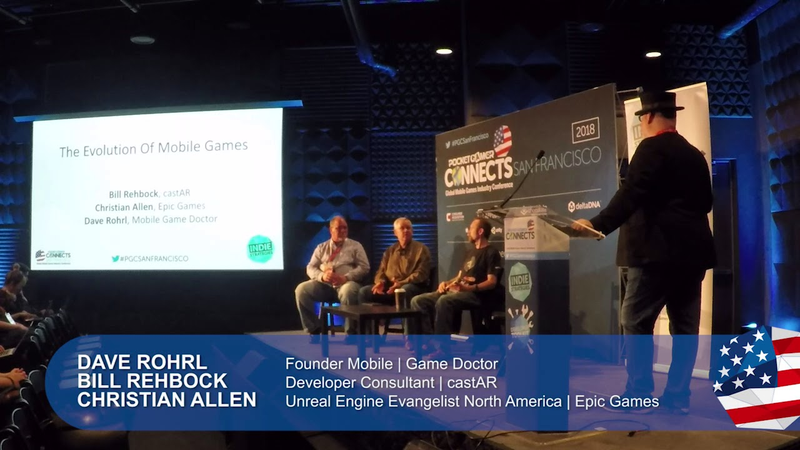
The evolution of mobile games
Key insights
6 takeaways- 01Advancements in engine technology and hardware now allow developers to effectively scale graphics and performance across a diverse range of device specifications.
- 02Mobile gaming has shifted from short, two-to-five-minute sessions to long-form, console-quality experiences, as evidenced by the success of titles like Fortnite.
- 03Developers should adopt a platform-agnostic strategy by building projects from the lowest level of detail upward to ensure scalability across mobile, PC, and XR platforms.
- 04Prioritizing core gameplay loops over transient monetization trends is essential for long-term success in an industry where traditional platform barriers are becoming increasingly porous.
- 05Strategic partnerships with hardware manufacturers are recommended to secure necessary funding and platform support for new projects.
- 06Studios should implement a fail-fast mentality and validate concepts early to remain responsive to rapid market changes and evolving consumer preferences.
Ask AI about this video
Transcript
[Music] [Music] so I think what hopefully we can do is try and talk about this for in front of you because we've got heritage from before getting involved in mobile I know Bill ve been I actually crossed paths but without actually meeting each other I used to work at Nvidia when the Tegra ship was being imagined and it was at a time and you know came up with the I think I think it was you who came up with their terms the the way it's meant to be played let's just get started by asking each of you to introduce a question run introduce yourself hi I'm Christian Allen I'm the Unreal
evangelist for North America for Epic Games so I spend my time evangelizing the Unreal Engine and explaining to people what an evangelist does I'm not an evangelist anymore I kind of stole Reebok had been had a developer relations at Nvidia for 15 years VP of R&D at Sony Computer Entertainment during the PlayStation one days did create the way it's meant to be played program which was you know at the end of the day all about recognizing the fact that Nvidia graphics cards made for really really good door stops without having the backing of the developer community and publishers making great games for my name is Dave Worrell you can't spell it or pronounce my last name don't try been making games for about 25 years now beginning at the Learning Company Pogo PopCap Zynga played them
here there for the last four years or so I've been operating a small consulting company that I founded called mobile game doctor we work with developers all over the world mostly mobile mostly free-to-play i helping get games back on track filling in for missing design resources and generally solving thorny creative problems so let's kick off so we're talking about mobile at this stage but it's a wider question than mobile but let's start with in the mobile space what's it's exciting you I mean obviously we've got elf in the room we will talk about it some point but in principle you know with fortnight aside what do you think is kind of the really thing that's excited you yeah so with the mobile space and I should touch in my background as well so I was came from triple-a I started in the late 90s I was creative director on the Ghost Recon franchise on Xbox at Ubisoft O's design lead on Halo Reach at Bungie I was at Warner Brothers on Mad Max and Lord of the Rings and then I ran my own studio for five years shipping unreal games so that's my quick
background what's exciting to me on mobile really is through the evolution of the power of the devices and the evolution of the technology that people are using to create games on those devices is really the fundamental integration of the mobile games into the traditional game development pipeline so this concept moving forward that you don't need to make your quote/unquote triple-a game and then later split off and have your sub team do you know or alternate team or contract team do the quote-unquote mobile version it's generally a completely separate game completely separate pipeline completely separate assets that fundamentally changes from a development aspects the mobile game outlook and I think we saw a very similar evolution in console development where in the early 2000 you know you didn't Co develop a PC game in
a console game because they were so fundamentally different in the architecture and how you develop them either had a separate team you had to pick your lead SKU and your lead SKU is generally going to be really good and maybe the other SKUs would be okay maybe and yeah I think for me as a developer having worked across on console PC and some mobile that's that's the fundamental shift that I see but one things that always strikes me in that space is I mean again we're going to come back to this with front of it it's the mode of use of the device still plays a factor so as much you know with PC and console that differentiation we're still going to either our you know our a den or the front room but essentially it was setting aside space and time to dedicate a number of hours to play whereas mobile web use is more I'm here now I play now in general you know you see that being a factor yeah
it's definitely a factor I mean you have to to think about how your player is or user is going to interact with the application but again I think that's just an evolution right when we moved over to console one of the fundamental shifts that we had to accept early on was that the user might not necessarily know how to use a game controller on PC you could always assume at least in my lifetime in games the the user knew how to use a keyboard and mouse you could make that assumption you could make the assumption that they were sitting down you could make the assumption that they had booted up their PC and open your application so we had to make fundamental shifts on console for example time to game play was fundamental on Xbox that from the time someone stuck that disk into the game they had to be playing in just a couple minutes and they had to be into multiplayer matches in just a couple minutes and that's a similar shift that you have to make and now all those things are assumed nobody that's just just standard no seconds yeah the guy's
been building you know web mobile Facebook for decades right the idea that you can start playing in just a couple of minutes I think knowing just just knowing that that that same approach when it comes to any device you know I think you know the fundamental win of the switch is one that really we see it just really grabs the users right away and it's you know from the physical design of the device and how it looks to how players are experiencing it just resonated a trust you have no idea of how many years of waiting for that thing to happen we had run back in the Tegrity we were talking about this stuff we speaking of fortnight on swing what excited you I do
remember that one thing I wanted around it was then even back in there in the you know 2006 seven order but we were looking at people's use of mobile phones particularly with at the time there was a big thing for push for TV on your phone which obviously never really happened and we we did some studies where we saw that most people using their phone to do that with that next to their other half in the living room if you were part out those conversations but you know I mean I was I being overly concerned about the idea of somebody being on the toilet or or needing that moment we actually you know mod these devices now so mainstream that it doesn't really matter in terms of the content that they're playing yeah I think at this point in time the interesting you know the interesting thing about mobile devices is that we are now past the panic of fragmentation for the most part and and people are realizing that with engines like unreal
and and others that that it's it's really kind of okay to build a game for the highest end devices and get your money shot right make sure that your game looks gorgeous make sure you know work work with Samsung or whoever - you know HTC etc to make sure that the reviewers have the device that you want your game seen on right that's that's like big number one and that is a huge learning of Nvidia and graphics cards for about 30 years right but it's also okay to put the fall backs in the game and back off the effects and everything else and now that the developers have done a better job of wrapping their brain around that paradigm now we're seeing games that look good and reward people for having better hardware but are doing their numbers and are hitting a mass-market kind of chord that that is really really
great to see I mean we're talking about you know the chipsets catching up with you know console platforms yeah more than ten years ago and they kind of have in to a certain extent I kind of disagree with that so mark rein and I were on a panel many years ago it's with what's-his-face Neel from EA who wanted to say that as long as you're spending two hundred million dollars on a game you were gonna make a great game and everybody else was was toast and at the same time mark was saying hey epic just made a great game with a team of 45 people screw you EA but the other the most important question they came out at that at that talk was our graphics good enough yeah right and it's it's kind of the the long long hey when we got to 32-bit color color was good enough right
right and the funny thing is now 20 years later it's like Oh HDR by the way right so so 32 the color was not good enough as a note but until you've got rendering power to uniquely render every single person in a stadium for a basketball game or a football game or a baseball game you're not done and one of the one of the points the the market made at that at that talk was when you walk into a restaurant and you want every single candle flame on every single table to look correct right so and I I would say from a performance standpoint we're not done right on the hardware side and developers still want more the Hollywood has the luxury of being able to render
hours per frame kind of no matter what and they can throw more hardware at it and do their thing you're still in five dude but we don't you know so you know I think that's where it's where it's really kind of headed and and you know there's screens I think on phones are kind of settled in you know for the for the size and they're a little bit bigger than the tiny little things we started with but now that now that people can have appreciation for for graphics I think now it's where the graphics need to continue so it's a lot graphics and imagining up graphics now I think it's all about graphics now or is it you know what's exciting you what's exciting me in terms of the evolution of the hardware and twelve of the evolution taken so I was expecting you to not think that matters so much so the thing that's really fascinated me in
the last year you know I I started off my career in the nineties making edutainment right making games on disk for kids to teach them to read and write and crush the SATs and so on and in 2000 I moved into what I think of as my first troop mass market gaming job designing and producing games for Pogo on the web and we have a pretty hard coded formula that you needed to be able to do something very meaningful in two or three minutes right this was the play pattern we bought into now one of the games I built their word womp had an average session length close to two hours right because people would pour sorry an average daily usage amount of close to two hours per user because people would play two minutes and then they'd play again and play again in the play again but we had a really hardcore contract with that player that in two or three minutes they could accomplish something meaningful they could win they could lose they could earn some points they could buff their account and get out right now I don't think too many
people were hauling their vintage mm you know laptops around in line at Starbucks you know while the baby's napping or the water's boiling for the pasta or whatever and that contract has really stayed intact in terms of what's been topping the charts on Facebook on mobile right in terms of web engagement that sort of two to five minute contract has really been courted that thesis and this year there were a bunch of products that really shattered my expectations around that right there really crushed obviously you know fortnight's a clear example lineage kind of offers you that but really is better suited for a long experience HQ right has really destroyed that play pattern model in in a big way and this is the first time that I've seen games on mobile really breaking through to the top of the charts and to sort of culture awareness that have just completely discarded that model and you know for me I'm a pragmatist I tend to be a little bit backward looking so for me that was kind of the huge mind
blowing development in the last year not any sense so we kind of have to do with the elephant in the room so let's do it and did it you know it was all over now it's just so what about for right now that's the only entertainment for the future for the Intel why do you think it's a obviously the game is a huge phenomenon generally but why is it coming into mobile become really interesting well you know I have to of course clarify ahead of the time that I'm not on the for tonight development team I work on the the engine side but what I think you you you saw specifically on the mobile the mobile platform and the success of for tonight on mobile was just those those perfect time frames coming together you know having a game that could be that you know had an art style and an engine that supported you know a wide variety of quality levels that you could you know
you could have more performance and more customization while maintaining the visual quality bar because of the art style so you know that made it something that was you know obviously a lot easier to bring to a lower end performant platform and just the game engines again you know it not to toot our own horn but the flexibility of being able to stand up a playable version it took the team once the decision was made about 10 days to get a version running on high-end o iOS now that's not counting that that's without the interface touch interface and things like that but at that point the team got the game up and running so fast that gave them the opportunity to really consider what they wanted to do with fortnight on mobile and that's when the big call was made one game one platform was because they could get it up and running so fast then it was like oh now we can actually really do true cross-platform play here
now how are we gonna do it and then of course a ton of work was was put into getting it running smoothly because you know it was very ambitious a hundred player two-player game with long engagement ranges on and coming from Ghost Recon I'm still quite impressed what with the team pulled off on on on that but you know that that capability right off the bat really kind of set set that that goal to be doable and obviously you've got all these I imagine motive indie kind of style scale developers other lessons you think that these guys can take from the way that worked definitely check out some of the the keynotes that were done at GDC about the optimization that was done on mobile and specifically you know one of the big benefits that epic has is being a game development Technic umpah knee and a technology company is that you know with a game like for tonight our teams are banging away developing actual products that are being shipped developing features that can be used to support those games and then those features are being rolled
back into the engine that we're putting out to licensees so you know check out those things that you can put into your own games but again I think the key takeaway for me as a developer is really to think about you know the platform as part of just a regular development pipeline that well you're putting together your platform and you're thinking about how you're planning it you're not thinking about multiple different projects you're thinking about well this is what my PC version is going to look like on Steam or GOG this is what my console conversion is going to look like when Microsoft comes knockin this is what my mobile platform is gonna look like and it's all kind of living in one environment and you know that sets you up is going to set you up as for success in indie because one of the things that you both can be and have to be is flexible so when the market changes a little bit when the you know when say a PC platform just floods the market and lets a bunch of people ship a bunch of stuff or a new console comes out that's super super popular and you want to shift or maybe a high technology headset device doesn't do quite as well
as you hope it was going to do you can be flexible and shift between those platforms if you think about it as more of a global you're making a global experience and how are you going to tailor it to different platforms yeah I mean that said I think you know indeed still after facials resource constraints until I'll in turns out they want a sequence those roll those out you know epic has the resources to make that data cross a bunch of platforms all at the same time yeah but I mean to me it's it's less about like I guess I'm not saying Indies just go build you know a cross play you know massive cross platform you know I've made the mistake of an indie of trying to do two simultaneous platform launch and it totally kicked our butts but I think it's more of just you know thinking about structurally you know one of the things that they did in fortnight with the shift in mobile is the level of detail when it came to draw distance instead of starting at high max of this is what we want the scene to look like and then culling down as far as we're gonna call these objects out of draw
distance they started at the lowest level ie these are the objects we always need to be rendered in sight all the time and then we're gonna add detail on top of that up moving the other direction so all the QA testing was done on the lowest level of detail from a gameplay standpoint so that the testing could call out of like hey when we you know at the lowest level of detail this thing's called out at 75 meters and players are trying to take cover behind it and it's cold out at 775 meters so that has to be rendered all the time and then adding detail on top of that I think that's you know one example of how you could do that but definitely you know I'm not I'm not saying like try to meet you know maintain everything at the same time but just think about you know the future and think about how you structure your projects because there's no reason today that you can't make a mobile you know a mobile experience or VR experience or PC experience get really good player feedback get really good reviews take that learnings and then maybe launch it to another platform that could be maybe
even more popular building off you know monetarily and I think what it comes down to for smaller teams is looking just far enough out so that when you're dealing with the task at hand you're not preventing what might have been right you know know know what api's are gonna be there know how high you might want to go and now that I'm not at Nvidia I don't have to tell everybody hey start with the greatest and and then dial back from there in all of the years that I was at Nvidia every single really successful game even on PC where there was a lot of hardware the development team actually did exactly that I mean even and with Unreal Tournament it was step one worry about the stuff that's important for gameplay step two sprinkle the good stuff on afterwards yeah I think if we think back I don't
know if you guys are familiar with the physics cards like business cards so let's all support physics cards work out to well I think it was interesting to me is that you know again obviously other engines do exist but I mean this mindset that you know we actually need to make this gameplay experience work and if we find that the platform we originally chose the wrong one or other markets moved especially for an indie I mean I've you know we've seen you know with with VR you know it not reaching the goals that I think we all hoped it would reach as far as mass market penetration and the market viability especially for Indies on discoverability and things like that so you know I was just talking to a team a few weeks ago that was developing has a really cool game that they announced at VRLA on VR looks great and I played it for for about an hour and I was like there is no reason that you can't maintain a traditional flat screen experience with this game and you
know continue making the VR vision that you have but you know just think about when you're making your menu option choices when you're thinking about how you construct things you know how can you how can you you know pivot like you said to to a flat screen experiences filled for an actual market yeah I think that's really the interesting point not a lot to explore that a bit further because obviously we talked about something like four night it's a massive kind of like demanding on the performance of the device but then something of the other extreme it's a bass game maybe a lot lighter yeah does that invalidate you there's no I mean there are different strategies different mechanisms or is it it just more straightforward that actually it's focusing on the gameplay I mean did you have any kind of you have any views on the kind of the you know the rise of the messenger game is that something you think it's gonna continue did it have a reflection on on where games are going or is it just another thing so you know I think messenger games they have a role in the ecosystem I think they're gonna
be with us for a while I think given the kind of current platform stances and regulations figuring out how we're going to make them really monetize he is going to be a challenge the retention tools right now available on the platform are pretty poor of the games that I've been working on as consultant messenger games tend to retain worse than just about anything else I think we're also just at the beginning of really sort of understanding what the kind of gameplay that's going to flourish in the social context of messenger games is once you get beyond the obvious you know let's play battleship I go you go kind of paradigm designing for that kind of social with a whole variety of chat groups and people interacting and doing meaningful things you know together in a game that is necessarily kind of async session-based multiplayer but can still be meaningful and still advance the game in a cohesive way I think is a Authority
design challenge but the platform has a long way to go to be viable you know I joined a html5 game company in 2012 I feel like Instant Messenger games are still see yeah hey all I'm saying you know would you look beyond that bill Miz it's similar principle or is is there a different kettle of fish in terms of that kind of new space as being explored yeah I mean so number one I am NOT of the school of VR was a failure let's move on right you know I mean have to say I've been playing way too much of beats over the last couple of weeks and the thing that is remarkable is that the the concept of holding devices in front of
you and wandering all over the place doing a are everywhere that really kind of needs to get out of our head a little bit but the other goings-on in the AR space I think are pretty interesting the social aspect I think of AR when you can have you know and the days of a bunch of people sitting in the living room playing Madden on the screen you know right and it is I mean that was community gaming back in the day and and I think the real promise of AR is to kind of bring that happening again whether you know whether it's in a school cafeteria or a school dorm room you know handful of people being able to contribute and whether it's a board game on a table in front of all of them and things like that I think that's great Star Trek bridge crew on the VR side
shows that VR can do community yes right which i think is also really exciting right but in terms what you can actually do I want to do different yeah but it's the promise of VR brought to life right as soon as you see Star Trek bridge crew and and I have friends at Red Storm so but as soon as you see it you know exactly you know the promise you know I get to be one of those for bridge crew officers doing what I think they do and I I think one of the one of the challenges when we when we we always seem to talk about VR and AR is because they both have reality in the title that there's some kind of linked thing that like well if if VR isn't doing so great we should you know pour our assets into AR in you know like there you can't have both I could be further I think you know the actually the the type of display and whether it's fear or air are also completely separate yeah you know we're working on an AR game that happens to create a virtual world around you but
it's an they are viewed experience not to be our view you know not a goggle view experience I think you know that's that even PlayStation Home is a virtual reality of assaults so I think we've got so much mixed language going on I think it's confusing everybody I think the core difference for me is that you know the the fundamental VR experiences is supposed to immerse you in another world and the fundamental error experience is bringing that other world and immerse it into your world this is what you know sort of puts me a little bit in the VR skeptic camp right it's I look at the way that we have learned to consume media or tend to consume video over the last 30 years in general it has persistently gotten more social and less immersive right and this is true of the way we consume movies it's true the way we consume news honestly when you think about the the biggest mass markets which are out there on mobile it's true the way we consume games right so VR is very much the social still a little clunky the immersion is very very high and the isolation factor that goes along with
that at least kind of sensorially right you know I'm I'm in my own private world leave me alone I've got a big block in front of me really cuts it towards an aficionado audience I think it's going to be very very hard for that tech to become mass in the way that some other gaming technology if you I mean I have to say because I was a VRLA the last week or the week before just the experience of going into a VR conference showroom it is so quiet and calm and you have all these people just loving the experiences that they're having in the individual booths compared to an experience like we have outside right now where everybody's loud and everybody's talking or showing things on their on their phone to everybody and and and that is just it is a fundamentally you know different experience and I think you know VR will continue to expand with you know different mixed reality and things like that but it is I think that's what just it's something they always frustrates me a little bit when everybody wants to talk to those things
as if they're like intrinsically linked in defense of Star Trek bridge crew and beat saver both of those are amazing spectator game they are yes yep and if you had this room full of lead a little 8 foot by 8 foot areas of people playing Star Trek bridge crew it would not be quiet that's true yeah even even though he felt curious like gone now but you know I loved that that I was literally fighting against other people I knew were in their goggles too and it was the first time I played a space shooter I truly felt like I was in a spaceship you know I think it was amazing experience a genuinely amazing spirit I think we invalidate the solo experience at our peril but I'm kind of confused so I thought that we'd see more people looking at that as a way of saying I'm a true gamer whatever that means we saw that happen to be but do we have that kind of experience we thought
people are so identifying it they are was a perfect you know involved experience or anything on that I don't I think the thing that's still missing at this point is the kind of game for VR and we got to remember that at this point none of the first parties on VR have actually invested they're all kind of doing the you know be be really careful you know so many in the case of Square Enix with Tomb Raider was like oh yeah could you do a little VR ish kind of thing to throw us a bone you know kind of stuff and and as long as people are only throwing bones to VR we are not gonna see its full potential when a full stop but going back to Star Trek bridge crew etcetera etc and and the thing that's kind of interesting is I'm sure that there are a lot of development teams that are out there that looked at
bridge crew have said oh we could do better than that we could do we could fix this we could fix that but at this mmm at this beats they also don't want to be the okay well we don't want to be the also-ran of a Star Trek bridge crew so I'm predicting and hoping that in about 12 months time the next thing of that ilk is going to show up and you know bless their heart to be the first Penguins in the water for a bridge crew right but it's coming do we think is it coming or do we do we think my personal view is the immersion experience is so interesting and valuable then it'll get revisited and we'll see you know less inconvenient ways to do it eventually but we you know if I remember I think Richter was talking about 2023 as his expected timeframe for that kind of stuff do you guys have any kind of view or when that
might come or is it so far away it's to one predictor I think 2023 is is probably a conservative vet right but I I would hope that by 2020 III 2020 GDC 2020 we're gonna start seeing a couple of interesting things and it may be just in time for Sony to say oh we're gonna give up gives up it's gonna be a thing [Music] they should have anyone should have been the it should have been the I don't you think you should have been the menu system for the whole psvr but that's just me being egotistical they're not better just take me a little bit in terms of the whole idea platter I think what we've kind of said is that one of questions we had was there's platform matter anymore I think we're kind of saying he does but maybe not quite as
quite the same way as he has traditionally is that it's a fair is that what we're saying yeah I mean I would say that from a platform matters the the great case study of the moment is switch hmm so switch is basically a shield TV not bitter I'm with you oh yeah you can get drunk on that like to get some drinks and me to have a conversation but switch is half the performance of shield TV but because the platform holder actually invested Wow holy cow right any argument that Nvidia was out of 1.6 billion dollars a year in R&D and throw these developers a bone for God's sake to to
get some good content yeah great yeah do that make something unreal contest I guess the million dollars make something unreal content exactly that's like quit and enter that one for the same way is it I mean is it supposed to import but in a different way or do you think is the same just the same problems return to reframed no I mean I think platform still matters right I mean I think there are still play patterns that I'd like to build on mobile that I don't think you're gonna be particularly relevant on console right I think that there's increased porosity I think there's more acceptance you know I work on a ton of idle games that do really well on mobile and on desktop and on web and you know there's there's places do a cross right we're seeing fortnight come through I don't know if something like HQ would feel is relevant on my PC right I'm super happy to have that on my mobile pick up wherever I am right play play
the game together with my office mates that way I think it still matters I think it's skews your play patterns but like I said the interesting thing to me over the last year is the cement walls are cracking a bit in a way that I really had not expected and one of the things I'd actually love to to delve into while we're here is to learn a little bit about whatever you guys know on the Unreal site about how folks are engaging with fortnight differently on mobile than they are on desktop or console I have some hypotheses that have to do with like middle school lunch breaks and things like that but you know I'm very curious what you guys learned about yeah I'm not boned up on the on the user data on that I know we it is crossed my eyes but unfortunately I'm not knowledgeable enough to speak on that today but I am fascinated by the way that's been able to break through right that's a huge surprise to me I had personally kind of discounted it yeah I mean I don't think any you know it's funny you know people
look back on these things and you talk to everybody all the time when when these things happen and I always steal the line from George Miller who I got to meet when I was working on Mad Max and he had this line of because you sit down with this person and you're trying to get your brain around they went from Mad Max to Happy Feet and then back back to Mad Max and how does that happen and babe the pig and you're like that doesn't make any sense and he said oh I always look for the Purple Cow I want my cow to be purple I look across the field of black or white cows and I'm only gonna work on the purple cow and even if it's the best-looking black and white cow ever I don't want to work on it and so when you see those happen when you see the you know the Minecrafts and and you know the Angry Birds and and these things happen you want people want to go back and analyze it and say oh this is is exactly how it's gonna work and this is how we can do it in the future and if if we could all do that then we'd all be doing that so there is a bit of a lock
of course sprinkled in there I think the other piece of of planetary alignment that happened for for fortnight and local also though is that we are really kind of it the first time where performance and battery life yes or a performance game isn't gonna kill you yeah right I mean you know the independence of graphics quality try running fortnight on a device from four years ago yeah yeah heat as well and and I think a lot of that comes from you know the users expecting we've you know users in general especially younger users are used to consuming traditional media on their phones you know you have to have the battery power for them to sit down and watch two to three full-length movies on their phone and they're used to doing that and it's normal you know when you get into your hotel room and they're like oh there's no Amazon on my on my TV well you know I just watch it on my phone I do wonder how many guys playing four nights at their on their sofa next their family
with a massive battery plugged into their phone though one last kind of thing one last thing for me you know looking at a bunch of people have been doing this sort of stuff for a long time what's the one piece of advice you think you should give these guys for what's coming up in the future particular the next year or so going forward well especially for the Indian mobile devs I mean I think but I know it sounds hokey but you need to have a fun gameplay experience you know it's it's it's wonderful to look at all these monetization options it's wonderful to look at Bitcoin and the opportunities of blockchain ownership and all these things but you know the the core aspect regardless of the platform you're on it needs to be a fun engaging experience now what that means is really up to you and and can be tailored per platform but
if if you're continually focusing on well you know I need you know this kind of modernization and this kind of engagement and this kind of return in this kind of social aspects if it's not it core and a fun engaging two to three minute loop I would say gameplay loop but or app loop or whatever if you don't have that that core experience then then you're not going to be successful no matter how wonderful the technology or the platform is that that you're using and it sounds pretty basic but it seems to drop out of the conversation sometimes I mean number number one I think that the experience whether it's whether it's a movie whether it's television whether it's a game it does come down to emotion right you know it was not lost on ken Kutaragi to call it project emotion back in the day right and number two from a from a business
standpoint the the one really important thing to think about and this is kind of touching back on the whole platform thing what's interesting is that I did a little side trip in between Sony and NVIDIA doing new on interactive DVD players right and and got to live through a consumer electronics battle between Sony and Toshiba and Sony Pictures and Warner Brothers right that's the other reason that I feel so innately that platforms are important because you do have to remember that things like DVD and audio CDs and blu-rays our platforms that are owned by consumer electronics manufacturers who unfairly also own studios and record labels yeah right so money gets injected from the hardware guys so never stop
looking for money from hardware man yes right I mean is is is really what it comes down to and whether it's whether it's I can promote you and your hardware in my game I think is a good you know is kind of a good thing to keep in mind and and at the end of the day if if you are making a good game those type of funding sources really are out there yeah and certainly if you can make the guy in you know finance and investments you know at Nvidia filling the other blanks get into the game quickly and he's like kind of like I think you're called where is DRM so first of all what these guys said absolutely you know hundred percent awesome advice your game has to be strong it has to be fun think about your audience think about people who love your game and think about how you can
validate as early as humanly possible my saddest moment in game development I was sitting in a bar at Austin Games conference in 2008 and I ran into a guy who was on the Duke Nukem Forever team and I asked him how's it going he said it's going great we have everything in the game now we just have to make it fun and my head hit the bar so hard I understand the fund validate your fund talk to your users early fail fast hit hard and that's the way you get to something awesome without going broke yeah I remember they did kill June you come forever thank you [Music]
[Music]
Summary
Mobile game development has undergone a fundamental transformation, shifting from the creation of secondary, bite-sized experiences to the integration of mobile platforms into primary, high-end development pipelines. While historical design standards favored short, two-to-five-minute play sessions, the success of titles like Fortnite demonstrates that console-quality, long-form experiences are now viable on mobile devices. This evolution is driven by significant advancements in engine technology and hardware, which enable developers to scale graphics and performance effectively across a diverse range of hardware specifications.
To capitalize on this shift, studios should adopt a platform-agnostic development strategy that prioritizes gameplay-first design. Building projects from the lowest level of detail upward—rather than attempting to scale down high-end assets—provides the flexibility necessary to pivot between mobile, PC, and emerging mediums like virtual or augmented reality. This approach mitigates the risk of being tethered to a single, potentially underperforming device, allowing developers to remain responsive to rapid market changes and evolving consumer preferences.
Long-term success in the modern gaming landscape depends on prioritizing core, engaging gameplay loops over transient monetization trends. Although platform-specific play patterns remain relevant, the traditional barriers between mobile, console, and desktop are increasingly porous. Developers are encouraged to validate concepts early, embrace a fail-fast mentality, and secure strategic partnerships with hardware manufacturers to ensure both funding and platform support. Ultimately, the industry is moving toward a model where the delivery of an emotional, inherently fun experience is the primary metric of success, ensuring that engagement is baked into the foundation of a project rather than retrofitted during the later stages of production.