1 free read left. Create a free account for unlimited reading + AI research.
Create free account
Stupid questions every games developer should ask
Key insights
6 takeaways- 01Success in a saturated market requires moving away from derivative, nostalgia-driven design toward unique, emotionally resonant experiences that draw inspiration from outside the gaming industry.
- 02Long-term player retention is achieved by respecting user agency through the removal of tedious onboarding and the inclusion of natural stopping points to prevent burnout.
- 03Post-launch engagement is driven by fostering a sense of social identity and community ownership rather than relying on coercive monetization strategies.
- 04The industry is shifting toward an interconnected, player-centric ecosystem where virtual goods hold utility and significance beyond the boundaries of a single game.
- 05Digital ownership is evolving through the integration of smart contracts and APIs, which enable interoperable assets that retain performance history across multiple titles.
- 06Technological adoption of interoperable assets remains constrained by significant hurdles regarding scalability and environmental sustainability.
Ask AI about this video
Transcript
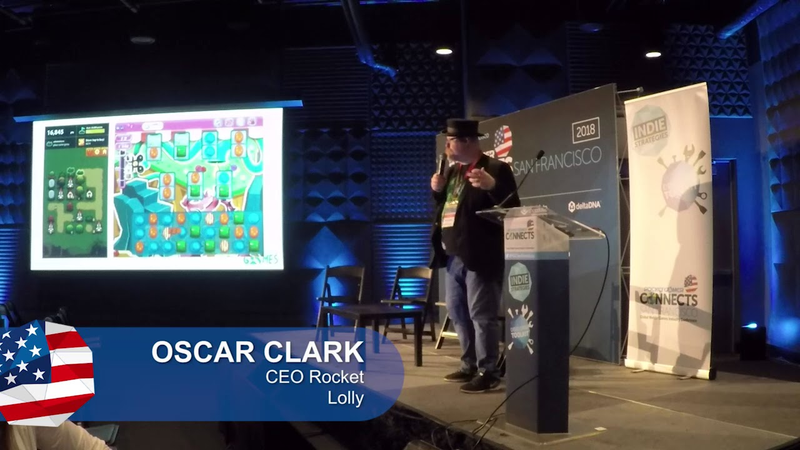
[Music] [Music] I'm more than happy to sort of explore in all sorts different areas but I find this is a kind of interesting way to look at it for those of you don't know me I think I think most of you probably see me talk before I'm a consulting Spirit evangelist at unity I'm now consultant company called fundamentally games we help developers and investors understand the value of the game and also help mentoring from pre-production to live ops so I put a lot of time thinking about what makes game successful and why and essentially what I'm gonna try and do is kind of help you with that kind of thought process looking for fun in the dark it's if you
think about it you don't know what it is all game idea is going to be we don't actually necessarily know whether there's an audience for that and we're in a situation where we have to stand out there is a massive number of people and apologies to Being John Malkovich here you know there's a amazing number of people out there with essentially very similar concepts in fact if you're spending your time making a game that you really like again because you want to make your version of it you're already copying something anyway so why should anyone buy the thing that you already know it's based on something you already like a number of people are trying to make the game that they really liked as kids again it's huge it's kind of a fundamental broken problem there and what makes it worse stand out we also have to keep people playing the earlier panel I was talking about this in particular with the day one day seven day 30 way of looking at life
yeah we don't not only is there more content out there that we can physically playing on a lifetime think about that for a second even alone you could not live long enough to finish every game that is currently life and you're going to make another game and you're gonna make another game you're gonna get people to play your game and keep playing your game for 30 60 90 120 365 days that's what the challenge we're really talking about is to try and pay the bills whether your objective is to make games as are whether your objective is to make a billion dollar product it isn't really relevant at some point you're going to have to get somebody to pay you money in the context that you can go somewhere else and do something else for free because there's an infinite supply of content there's an infinite amount of
substitution and and all of the games that you love I bet you somebody else has made another version of it already probably hundreds of versions of that or if you rewrite match three tens of thousands of versions of that and when you make this thing if you know in love with it and you don't stay in love with it it's going to basically break it's not going to work you're not gonna deliver the experience that people need so it's kind of what the point of this process is I want to give you nine things you can take away that will give you a lens a kind of way of looking at life that might help give you a little bit of a way of differentiating the first thing is what do you love that's not a game okay so why on earth I'm a stupid question why nurse would you ask that if you think about what you love I mean let's say it's retro okay so retro who loves retro games anyone love retro
games that's what were games like actually that was fun on my camera which one that was but I think about 2600 origins at the old I had an apple 2e and it was awesome but that's the kind of game experience we're talking about then that's what retro it really is who's gonna buy that nowadays because it's not actually retro we loved it we felt like when we played them that's what we're trying to recreate so actually understanding what it is you love properly is incredibly important because that's what a pixel based game looks like and it's a pixel game it's really fun but that's not retro it's reimagined nostalgia so understanding what it is that you love and how you deliver it is fascinating because you've
got to stop and think differently numel think don't do that but there's lots of people doing that lots of people doing reimagined so-called 8-bit 16-bit style graphics we've gotten really 18 bit graphics there should be something about reimagine nostalgia I would argue this is an example of thinking really differently this polish company clothes guy post developer right now who likes Tom mechanics coming here he also likes pinball guess what he's made he's made a car mechanic flipper game it's ridiculous and it's amazingly fun now how many competitor in car mechanic game are there in the market I mean obviously none he was
going to but it was like oh my goodness me now I understand what thinking differently is about actually it's because he loves car mechanics and he understands the components of that but hasn't been captured by it hasn't been imprisoned by that he's used it as a vehicle to communicate something differently and to play a game in a way that you'd never have thought of which is brilliant next ridiculous question why will your players see your game in their dreams that is a certain game with bears remember anyone still dream of bears I do yeah with the candy crush's I know that I know people who still dream of it and it part of its because the visual Court is this such an important part of our memory stimulus and if we don't
think about those kind of repetitive things that go on in the brain actually we're missing a massive opportunity because what's the first thing you think of for that thing that you visually visualize I'm gonna play candy crush because I visualize it and I will go play it the reasons why people play candy crush mostly because they didn't know about other games at the time then ding and he says this game he says I still remember this map the last time I played it was probably in 2003 this is basically the same map that was in the original release of counter-strike but I was playing in 98 and my brain still remembers where the choke points are even from this video alone so it's not
just about the kind of visual simulation like we get from tribal tents also when we build a model of the world but we're in in the game that's part of that process what are you doing in your game that allows people's brains to completely absorb in that experience so much so that it will visualize it absorb themselves in it the brain is an incredibly powerful part of what we do as game designers and what makes people love things how much time you're spending thinking about how people are going to absorb your gameplay and take onboard that experience I love this how do I make you hate this baguette this whole talk came out of a guy called Florian at Widger who doing a talk in I think 2014 at GDC he's a really good guy and he gave me permission to to build this I mean he didn't have to if he was very nice he
was about it his talk was about jelly splash and it was all about basically the idea is that well let me put this way some of you will get this and straightaway some of you won't God how many people know what that is how many of you have seen that and then nightmares how many people seen this for more hours than they played the dark souls is just you know an incredible thing and I hate it I absolutely hate event actually I wish I'd had an in-app purchase called save point and I would have spent a dollar a time but if I had a choice to be able to pay a dollar the fifty-third time approximately I died in that one space I would have been happy you know probably it's been over a thousand dollars now I mean tension of that kind of frustration
of that experience love and hate are tied together I'll give you another example which isn't quite too extreme how many people have got to the final boss and then realized oh I've got to go for it a second time and then eventually worked out oh I've got to fight it at third time and I can't go repair this is an insane game realizing that not just thinking of this is a moment games of journeys games up flows games need texture and tonality they need pace they need frustration all of these tools if we do not create a model of play which
makes people feel so annoyed and frustrated but they have to play it again and then when they succeed it is a massive triumph have we really provided the emotional experience so if you want people to pay attention to your game and stay playing a game and you don't understand the role of challenge and frustration what are you doing making a game this is my most painful painful problem I hate cutting features if actually found a trick where I never have to cut a feature again but I'll talk about in a bit so the I'm a kind of designer where I put every possibility of had a game mechanic is on the page to start with because I want to know how can you use a mechanic and see all the things you could do to increase and extend it and replay because I want to know how I can
make it a really amazing experience how do we would play the Swiss Army knife game I shall give you an example one of the things I think he's a Swiss Army knife game was Assassin's Creed unity there were so many side missions I couldn't find where the main mission was anymore I got completely lost it was unplayable for me I think some people liked it I did I'm a big fan we can't have a Swiss Army knife approach we have to focus and if you actually take something away you can actually get something more interesting now think about this what is Portal if it's not a first-person shooter where you take killing out of it you can't kill people so imagine if you break the technique we loved it Sony take a game defining into six parts any number of parts you've got a dice four but six is quite handy so six parts you
know it's a I've got a gun I've got an environment I'm take damage I can kill people I use ammunition and let's take out that you can kill people really fascinating how that makes a new game so if you're really trying to work out what makes your game special don't think about what you can add think about what you can take away another example tower defense games I love tower defense games but if you think about it a turn offense game is basically a real-time strategy game we can't move the environment that simple kind of way of looking at it you can see how new genres can be evolved by taking your favorite games and taking things away from them so what happens if you take your favorite feature I'm at the stage now where I kind of I got this from a guy called Matthew used to work at King what
happens if you keep taking away features and you keep taking away until the game stops functioning as a game and then you put that one back if you think about stripping games away to their purest quality what is a venture capitalist already the clicker games if it's not a game play mechanism stripped back to its barest bones what's the game you know click a game it plays for you they should not work but they do and they do because they spent time stripping away what wasn't needed to make the game interesting and focusing on where the value proposition was of planning and what the utility was for the player and they're becoming incredibly successful genre can I stop a player from playing let that sound insane doesn't it what would you want to do that anyone know what you're gonna do that no
all right post you know pre-lunch kind of coma you know all Daleks thing because you don't want to burn out completely exhausted by the frenetic pace of your game one example so trains in particularly this applies to mobile if I've got a bus to catch or Frank get your honest answer is I'm probably on the loo do I want to start the game I know it's gonna take 15 minutes to play what 20 minutes to play well I choose again it's gonna have a million and a half play session I probably choose the fast turnaround but I probably will still still spend fifty minutes because I keep pressing replay even though I'm spending the same amount of time playing the game the fatigue level isn't there because I have this constant opportunity to break free so I don't burn out people burn out it becomes daunting if you have this
enormous commitment you're gonna have to make I mean think about console games you know some of my my least favorite moments or something I think is watch watchdogs all the Final Fantasies in the modern era but let's say watchdogs for now I counted four and a half minutes or pressed X about 20 times before actually started playing the game let's bond it now didn't you feel really satisfied when you sit for four and a half minutes pressing the X button I certainly don't and the certain games I won't try anymore because I know it's gonna take me ages to get started and as you think about that kind of question you know how do I keep people from playing but I should work should say this thing you've got to get them to still enjoy it and give them something
for coming back I think doesn't have to be rewards or whatever although that helps but why should they anticipate why should they plan to come back to your game remember we said earlier there's an infinite supply of content out there more than you can possibly play so you've got to give them a reason to come back to yours I actually think this is a really fundamental problem for shared room multiplayer games no kamae play games no 50 share screen once why would somebody remember to pull out that game at that time when everyone's around when it's so much more easy to go do something else appointments moments that encourage people to want to play that game right now so that's kind of the flip side of this it's like we need to stop people from burning out but equally we've got to give people a reason to come back and play it's a bit cruel this picture what's the
worst thing didn't my your player now some people think I'm evil because I want to kind of think about this but I think it's actually important because if you think about what your player really cares about that's the only real way only think you can understand where the value is in your game if you're going to create you know particularly free-to-play experiences and you don't know what your player cares about you got make a good experience you're not making a mousetrap you're not trying to punish people there's my friend my new what's the future player he talks about never give a video at a point where someone's failed because it feels like a tax it's a way of basically reinforcing how bad you can only give these opportunities to spend he thinks when there's positive experiences and emotions because we want to reinforce
positivity it should be a good thing to want to spend money in the game which sounds like it's at odds with this idea of working at what your player was a were things to deny your player but actually I don't think it is I think it's the same thing if we know what players truly value if we know how we can encourage them to want to use it and we can make them feel good about it we get repeat purchase a lot of people talk about KPIs at our pool and LTV and all that kind of stuff I actually think the most important for a monetization point of view KPI is repeat purchase just frankly if you haven't got repeat purchase your monetization sucks and it's a failure repeat purchase is a much misunderstood value in terms of your experience because if you connect and catch encourage people to like what they do when they buy and that makes their gameplay more enjoyable because you focused on the utility for those players but actually you can have a much
better success you don't want to be sat in the situation where you're basically saying by now or the teddy bear gets it nearly there what will keep your players from checking their phone will keep your players from checking their phone you know and it's that classic thing you know I don't know if you should remember the BlackBerry you know the whole idea that we had to check some we were probably too young probably that age at the time in the BlackBerry was a thing maybe not but we had this curve where you could at the crack brew because it was it was like some sort of addiction we had to go check it every time we still have it nowadays a ring-tosser Lisa yeah and we can actually that wasn't such a and we still have the mode we can switch it on you know but I remember I had to have a blackberry when I was at Sony and it was like the worst thing ever had to have it really I'm sure my work ilysm is driven
directly from that but actually you know there is a point to it you know it was useful to know that somebody had messaged me but the worst thing on that era was the realisation it wasn't flashing when my phone wasn't flush that means no one was paying attention to me so you know it's a kind of interesting so why would people check your game because at the end of the day that point earlier without getting people to come out you know i'm britta break and feel that your natural opportunities to stops playing it's just as important to know that there's reasons to go in and something is happening in the game that I want to pay attention to if nothing is going to happen in the game that you should pay attention to why should they go back it's why updates are so potent the content release is so poor if nothing happens to your game the game is dead go into it so thinking about kind of experiences leaving footprints in the sand to say I was here I think for me
the the fundamental thing that the Facebook area games really opened my eyes to was the fact that it didn't have to be real-time presents or other people just the fact that somebody else was there that got the high school and some people and the sense of an unfinished business I've left a game and I've not completed the thing that I should have been doing but was enjoying doing that's an incredible motivator got my best my favorite example of this is the game as few years old now but Kim compassion anyone played the Kim Kardashian game they spend money in the Kim Kardashian game I did a hundred dollars it was great I loved it because I had to finish off doing my makeup before I got the coffee before I then did the photo shoot then I would get the ratings and they'd get the better
boyfriend kind of not because the way they I mean it was flawed in various ways taking parents but what it did was absolutely refined for me as a designer the role of unfinished business this let's call it the hot dog theory now you know this it's quite commonly talked about you know the whole idea about you know you buy hot dog buns in Cixi's and you buy hot dogs in eighths you know this whole idea that it's never quite finished we have to have more of one or more of the other was there for the pool of one and not the other and and the thing you've got inspires you to want to go get the next thing they're all connected theories but this sense of I had to go back here because it was never enough action points in Kim connection I had to go back in to complete the photo shoot in order to get the reward if I didn't put in was lost so I knew I had to come back in when I had more energy or frankly spend money
so I did know because it was it was valuable so I think how do I make the other players jealous people talk about kind of like consumable goods and and things but we should remember skill how do I know that I've got skill or patients actually patience and you know persistence is as important in some ways as skill you know the number of people in places home when I was working on that wanted to show off their dedication just by turning up regularly they would have groups who would turn up in a space in a red outfit with a wig and the wig was red and they would all do that regularly just show that they were part of the fan base if it my favorite one was the gold suit if anyone was in the room when Katherine was in earlier we had people who had 60 people you'd only
have 60 people in the space and they would arrange spaces so all 60 were in the gold suit with the money coming out the pockets and doing the Cabbage Patch dance so 60 people if you're one of those 60 people your social identity the in group that you're part of is incredibly bonding exciting and satisfying so skill is one thing and belonging is another thing how do I make people feel if they're out of the group that they could be in that's valuable make that work for your game but of course there is something in that hole I have more money and you'll remember that I am rich app on the iPhone just have a picture that says I just spent a thousand dollars people do got banned obviously
but you know there is that there is a psychological need to show none of that happens if you don't actually show people what that person has if you have a game experience with customization and no one else can see what you've bought the ability to show that experience that I do through skill through persistence through spend is to be socialized and nowadays make me famous we have a situation where our audience has an audience we're not making a game just for players anymore we're making a background for entertainers and who use our experiences as a vehicle this is an interesting my questions around everyone small so this is a reason not data
who owns the game second is it you as the developer or is it some faceless investor or money man or bank late do they endured publisher maybe the players own the game or is it increasingly a community experience which is wider and bigger than us and I think one of the things I learned from doing these big online community experience is the moment you release the game it's not yours anymore it's owned by the audience and understanding that process and being prepared to surrender your control but actually embracing that as a positive actually taking that forward becomes an incredibly interesting space which is why I think it's worth every once in a while just stepping back and thinking about who owns your game bonus one what
does it mean to earn a game I think in the context of the other trackers going on the moment it's worth mentioning blockchain now I'm not telling you the blockchain is necessarily the next big thing I know that people in every room will I happen to be a little bit bit of a fan and I'll explain why but I think the question that it asks us is worth having whether you're going down this route or not what does it mean to earn gain is now very different it once was owning a physical good is one thing I a blu-ray disc in a box is one thing we don't do that anymore they do but not very often owning digital assets inside new games we have on our phone which is software which we can delete and then reinstall all the digitally delivered that's another thing assets within that digital game do we own them or do release them or do we
just get them as Parkin sumption well when you get to something like blockchain what I find interesting about is what convinced me that it was this idea that actually here is a way to make a digital asset uniquely identifiable uniquely identifiable in a way that I can actually add history to that asset [Music] reason I'm interested because I'm working on a game called reality clash and we redesigned a weapon token so we designed a bit Jason how us to say hang on what is it what is information that we could use how could we make this a distributed experience so that anyone could come along and own this thing and regardless of whether we're involved or not could actually use it for themselves which I find fascinating so we gave a unique serial number so there are guns with the you know serial number of double-oh-seven and out there already been bought you know we've got you know a game API call
inside the Jason so that anyone using that game another game could go and do a call and we can provide all the surveys we've got from our game to them but we've also built in public data that defines the relative capacity of that weapon inside the token so you don't even have to check with our data you can do a Top Trumps type experience just by saying what's the handling of that weapon what's the stability what's the damage will see range and not have to touch us in any way and the idea then using the smart contract to define how that can be amended for example we're planning to put things like every kill that you get playing our game will add to the history of that unique weapon I hope that makes that thing more interesting and more valuable to people but I'd love to get for the situation when we find other people with other games who want to use on our weapons I had no idea whether we can make that happen but that's what I'd like to happen because if we could then give
them an API call to send us data that we can verify that says how many you know kills that they got on that game or how many uses headshots whatever it might be wouldn't it be interesting to have a shared experience with that piece of data that one weapon was used in these circumstances with these results I think that's really fascinating that's just the tip of the iceberg the number of ideas that come out of that you know and it's not without challenges it's got massive challenges even down to the extent where if we works at scale how do we have enough power in the world to be able to run the servers needed to validate the activity that people want to do there is genuinely concern over whether they have not just the computing power but the capacity to generate the you know the actual energy power if this were to scale to an enormous level but I think opens a wider question which I
think's worth thinking about is what does ownership mean in this digital world and with that in mind these are my questions I think if you hopefully hopefully you've taken from this ways of saying actually you need to work out what it is you're doing why you're doing it and what it means to own a game thank you so much [Applause] [Music] [Music]
Summary
Success in the modern, saturated gaming market requires a fundamental shift away from derivative, nostalgia-driven design toward the creation of unique, emotionally resonant experiences. Developers must look beyond existing gaming tropes, drawing inspiration from external interests to identify core mechanics that can be reimagined or stripped down to their most essential, engaging forms. By prioritizing the balance between challenge and reward, creators can foster deep mental absorption, ensuring that players remain invested through meaningful emotional impact rather than mere imitation of past successes.
Long-term retention depends on respecting the player’s time and agency, which necessitates the elimination of tedious onboarding and the inclusion of natural stopping points to prevent burnout. Once a title is released, it effectively transitions into the hands of the community, making sustained engagement a product of social identity, utility, and a persistent sense of unfinished business. Developers who prioritize these community-driven goals and meaningful updates over coercive monetization strategies are better positioned to cultivate a loyal, recurring player base that feels a genuine sense of ownership over their experience.
Technological innovation, particularly the integration of smart contracts and APIs, is currently reshaping the concept of digital ownership. By enabling interoperable assets—such as items that retain performance history across different titles—the industry is exploring new ways to increase the value and utility of virtual goods. While these advancements offer a path toward more interconnected player experiences, they remain constrained by significant technical hurdles, including scalability and environmental sustainability. These challenges force a broader industry re-evaluation of how digital assets are managed and valued, signaling a transition toward a more integrated, player-centric ecosystem where assets hold significance beyond the boundaries of a single game.














Comments