1 free read left. Create a free account for unlimited reading + AI research.
Create free account
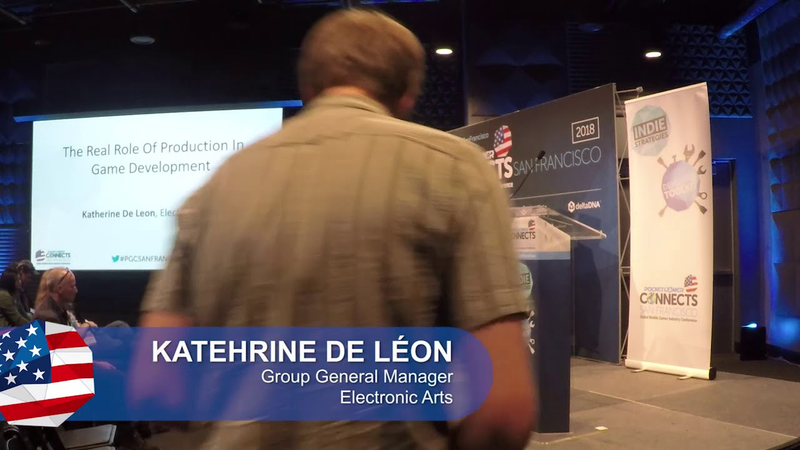
Fireside Chat: The real role of production in game development
Key insights
5 takeaways- 01Operating within resource constraints, as demonstrated by early projects like PlayStation Home, is a critical skill that fosters developer problem-solving and innovation.
- 02Effective production requires balancing creative vision with live-service agility, using data science as a support mechanism to adapt to player behavior rather than a replacement for creative intuition.
- 03Modern game production has shifted from tactical task management to a strategic discipline focused on portfolio-level planning, long-term vision, and team empowerment.
- 04Producers must manage the transition from execution-heavy roles to strategic leadership by maintaining a consistent roadmap while remaining responsive to the evolving demands of diverse platforms, including mobile and console.
- 05The core philosophy of successful production is rooted in servant leadership, which prioritizes team needs, clear expectations, and active support during high-pressure development cycles.
Ask AI about this video
Transcript
[Music] [Music] Charice time I'm off just by saying could you introduce yourself and what you currently do before we go back into the depths of time and explore your past sure so my name is catherine de Lyonne I am a vice president and group general manager at EA so I work in mobile and predominantly in the strategy genre one of the earliest roles I know you had if you think about virtual worlds which is obviously a big thing right now I say to people I worked on VR before VR was in
this particularly area you know Linden Labs I mean let's think about that for it's a sort way to just kick us off in because I think it sort of sets a tone and you're a Linden Labs and you're is it that was my first job out of grad school so Linden Lab made Second Life I don't know if you guys saw Philip I think he was here yesterday so I joined that company as an intern in a community manager coming out of graduate school and I completely fell in love with all of the emergent behavior that I was seeing in the user base and and Second Life was going through this exponential growth cycle at the time so it was also a very interesting place to be and the economy was fascinating so that experience you know I've worked in free-to-play and free services for my entire career I think in part because of how much intellectual density there was and that problem interesting cuz I think you know what's what's fascinating for me is that you didn't have the baggage that maybe some of us had in terms of because I even though I got involved in
free-to-play very very early and most of the stuff I've thought has been online since like 98 yeah seriously online society a dial-up modems just don't don't even take me back I still have nightmares you know there are a lot of people still have this baggage about what is a good game and a good game should be a paid game and all this kind of stuff and you didn't have any of that baggage to do no I mean I think so I don't know how you guys feel about about being a game maker but for me you know I became a game maker to sort of help people feel and there aren't a lot of prescriptions around that importantly I think a key thing is Nick because we're looking at the reason why I think this is an important thing to talk about is you know we think your journey through that process is really indicative of kind of what we all need to do in terms of looking at we might be dealing with a high quality big content right now but actually a lot of it comes to stuff that was actually challenging what a game could be yeah absolutely and I think
increasingly we're seeing more openness around thinking of our our business as a business of play instead of sort of a more prescriptive idea of what a game is because you know people do have very distinct ideas about what the requirements are for a game but I also think there's a lot of open-mindedness that we're seeing around play patterns and generally thinking more about interactivity in a broader way and a lot of incredibly talented people in brilliant minds applied to the problem of play versus the problem of games you know we have talent all across the industry obviously but the the job of being a game maker in some ways is becoming increasingly complex as the world wires up and and we focus more on
creating human connections instead of solitary ones there's still absolutely a role to be played for single player games in our business but the dynamics of platforms are changing so what point did you transition to that from the community role into that sort of more production which is where I gray I went to Sony so after Linden Lab Oscar and I work together at PlayStation and we tried to do free-to-play on the PlayStation 3 people forget how early this war so we and we got one Buster did you get there 2008 when I joined yeah so that was like before Zynga was exploding on Facebook it was really early yeah Zynga was explode I first got people that question Sega's Ari I'm like fish and all that kind of stuff and I remember cuz
Krishnas a friend of mine and he and he came out of a an event the Facebook announced that they're gonna do games and he was so excited and oh nothing a year later I was in position were competing and we were trying to think okay how we gonna make that work for us on console and even those things like you know we didn't have billing systems that would allow you to build properly we had to design them so a lot of yeah you know the conversations we had we're trying to try to convince the wider company yeah but this was a model that could actually work so I was told that actually PlayStation Home was the beginning of the indie games program at PlayStation this is the rumor that because we had a real problem where triple-a game developers didn't want to make content for PlayStation Home and because they were really busy making their Triple A games and so we started we had this idea that we were gonna go out and talk to Indies because you know we had this we had captured an audience
on PlayStation 3 we had 17 million people on the platform I think at the time tomorrow and we needed to deliver a play experience and the thing I remember is the first opening week we had like 68,000 concurrent users or something which doesn't sound like a lot but that's concurrent simultaneous to the second on a console on a console yeah unheard of at the same time we were being ambassador for being a failure which is hilarious hidden terrifying and horrible you know but it was also brilliant oh yeah because we were we were I think we had a point where we had like three million monthly active users well there were two things like first of all you know triple-a titles $60 right people were buying one or two of those games a year and but they still wanted to engage with the you know that they still wanted to engage in games as much as they could and so we gave them a free path for doing that but we didn't have enough content so we signed up all these
Indies we were the first ones to send test kits instead it was a big dev kits they were like $300 involved in Playstations redevelopment but you used to have the dev kits were like 10,000 pound thousand pounds and then we were the first team just basically say no you don't need that you just need a test kit yeah and also but the key thing and this is a reason one element focus on it from a production point of view is that you've now got a situation where you're dealing with not just us making sure we get the great that the teams need although attributes the tools were problematic which all talk about all the time but we also had to get games coming in and we had to get games coming in yeah which passed a certain level of quality in order to not you know be detrimental to the platform yeah and that's the thing I think is really interesting is how did you start cuz you you guys in the states were really good at this and
new European team we're a little bit on demand and the Japanese team were a little bit more esoteric should we say yeah how did you guys kind of keep that program off so I think quality people defined quality in different ways and I think part of the journey with Playstation home was figuring out what quality meant to our players because in every platform it's slightly different right and and we see this in mobile today what quality means on a Samsung you know on an s4 is very different than what it means on an iPhone 10 and so there are some ways in which I think you know really trying to figure out what the audience needed and wanted from us was that was a very formative experience for me and that was kind of the first time I'd ever really thought about that in a significant way and and and I over the course of my career experimented a lot with how do
you get to market quickly what is quality me and for your user base what does it mean for you as a game maker like it's been an evolving process for me and I'm sure it'll continue to evolve yeah nothing actually one thing's worth pointing out is if you think about the earliest days when we first launched the most fun you could have was rubbing your avatar against a wall in order to pop up in prayer or dancing or dancing literally the only thing you could realistically do and because we didn't have any budget set up at the beginning to get content we had a little bit and then yeah we had basically months to get content right we had to deal with a lot of constraints and so did the developers that were developing on our platform and I think in some ways Indies were sort of the perfect path forward for us as a business because Indies were not intimidated or you know they weren't upset about constraints yeah they were used to constraints and they were used to being creative within the context of those constraints and so there were ways in which it was kind of like a perfect fit for us because you know where some
people wouldn't necessarily see at the playfulness and just dancing or rubbing up against a wall you know there was like a little bit more open-mindedness around how that sort of behavior could be leveraged for a broader and deeper experience for the players I think at that point I think is really important which is because we were selling outfits and pets and we were also creating games and there's obviously different constraints and I do remember particularly one thing I often talk about is the gold suit yeah yes Mahoney's gold suit and it was like animated so it had like money cascading yeah out of the pockets a big seller it was an experiment yeah like much of the success that probably anyone has had in this business yeah so many of the things that we did that were successful were were just guesses we just what in part because at that time and particularly in
the console space there wasn't a lot of data about who our players were we didn't have a lot of behavioral data we weren't doing a lot of analysis I think like in many ways and got really pioneered that model on Facebook and the industry was a little bit slow to adopt and now we're all on the data train you and I both had to face which is yeah we were in a situation where trying to convince Sony that actually you know the studio teams we didn't get that we needed data to want to manage this this service and we actually had to do some kind of you know real hard fighting and basically back-channeling in order to get any data at all and you know I think that's also in this industry but I think it's hard for people to understand that it was even a time when you didn't need data yeah I mean vision led development is extremely important you can't build something that resonates with people
without vision like that's a hard requirement but you know data is just helps us adapt helps us create experiences that are going to resonate it's sort of like a good building block for the creative side of the business so yeah we just we did a lot of experimentation and then we just had to see like what are people actually you know throw this stuff out there and see what people make of it so they'd stay as a producer in that role how are you handling different types of content and different flow considered different types organizations who you had no authority over in fact you had to keep them motivated to be able to deliver yeah so I mean a lot of it was relationship building and asking for help at the time PlayStation Home was a strategic initiative for the company and people wanted to help but that you know asking somebody else to do the work of figuring out how to do that as it's not very respectful of their time and so I talked to as many smart people in the company
as I could and where I thought they could bring value I asked for help and people were really they were very open to it they wanted to support us there was we were in kind of an entrepreneurial business unit in the PlayStation Network which had been newly formed under Susan penico and so you know I think it was just a question of how do we rally the organization around a common mission and vision for the platform so after after Sony you ended up doing and I think this is kind of useful I quit I mean we had a hard time and we didn't really get kind of the I mean I think it's worth noting that the implantation home probably had like three million monthly active users spent with 3% of than spending around $11 a month which in the mobile scheme of things doesn't sound very much but for console was enormous and the same time we were constantly being told all the things we had originally been promised
not by us but by the senior management which we couldn't deliver and just cause actually something it was physically impossible we said what you was quiet stressful experience in some ways because we didn't really get the kind of the kudos I think that we know so you've got a new doing video but we don't think it's interesting it's cuz I started a machine learning company as what it wound up being right so we were doing machine learning for streaming video and we had so it was sort of like Pandora for music videos and we were syndicating those music videos from YouTube and Vimeo so it was actually a really difficult problem because nobody was doing machine learning on the long of syndicated content so yeah so we did that for 15 months and had a small acquisition which was really nice and then I went right back to games because I am yeah I guess I missed games throughout that time it was a really great learning experience for me to be an entrepreneur to live on two of us fund like $40,000 in the Bay Area for 15 months with two employees it was bring
tea when you are now in a victory fans inga so I mean I've been learning I've been using machine learning and ever since that experience and I've been a big advocate of using data science in games I think there are many different ways to to do that but that was you know that was a great experience I went into the social casino space after that in fact one of my former co-workers I think is here now hi Devin and I was in social casino and social casino was sort of exploding on mobile at the time so that was my the first job I had in Mobile yeah and that was a fascinating time to be in that in that business to see the rise of mobile to launch GSN casino on mobile and to manage a big portfolio work in that context how does that go back to your time you know doing that
kind of day-to-day you know he's working as a producer so I was I came into that business as a producer and I think what the what they needed early on was a little bit more of a strategic view on the portfolio so like what kind of games are we gonna make and how are we going to make them and how are we going to deliver them quickly to a very hungry audience that's growing so we kind of you know we were working in a lot of different areas of games and we refocused the portfolio on social casino and we had a small team so it was a lot of rolled-up sleeves and you know working with people every day to figure out what they were passionate about and trying to connect them with the needs of our audience and we grew that business and as the business grew you know I still worked a lot every single day with our team engineering team the producers we just had a we had an amazing group of people working on games for that it's almost like a unit within yeah definitely yeah
it's almost like a startup in its own right it felt a little bit like when it in fact the original team so GSN was actually it was an acquisition of a group of entrepreneurs who started a company called mesmo on Facebook and they were acquired by GSN and so the original founding entrepreneurial team was still there and it still ran very much like a startup and I think we had maybe like 40 people in the office at the time when I joined and really big plans for the future and so that job was you know about some very early strategy and then a lot of execution for a long time and it was you know it was it was great it was a that was actually a really good mix of like rolling up sleeves and then also doing some of the more you know the foundational work that sort of required the higher level work that's required to grow a business in that lifecycle so I think that's kind of the interesting pivot for me which is you're you're focusing on delivery of content and experiences but then as time
goes on and your careers progressed you become more and more focused on the kind of strategic decisions that then yeah are affecting that and obviously we're now moving into the point where you're you know you're getting you know me general manager and you're involved with things that CSR too and yeah yeah and and how how does that change your mindset as you're now more and more responsible for the bottom line see much bigger teams so I think so going from I went from GSN to a small startup one of will rights startups and that was kind of a short-lived thing and then I went from there to Zynga and I joins and got kind of an interesting time because they had just launched empires analyzed it was their first foray into action strategy on mobile and the that was a
little bit of a turnaround because the you know when you launch a mobile game you you owe it to the people who are playing that game to update content and to iterate on the game and to make it great for them because mobile launches are messy I think all launches of live games and particularly social games are messy and so we had kind of like missed on that transition to live and so that was a turnaround to be sure and that was a lot of execution and also just simple things like can we set a roadmap for the team to execute against and not change our minds about what is on that roadmap yeah and that's actually really hard in dynamic businesses to say like this is the roadmap for the year it's a vision lead feature driven roadmap knowing that you're going to get a lot of data how do you you know the real challenge there was like how do we have a roadmap that that retains its meaning over the long haul like that because teams want to
execute but it takes a while to build great experiences and yes yeah and so I think you know and at Zynga that was that was really the challenge that I faced was like how do we set these long-term roadmaps give continuity to developers give them the space that they need in order to deliver something they're proud of that will also be meaningful to our players how do we do that in this very dynamic environment where we're learning about a new genre as a company the company is in a quarter over quarter turnaround like it was a really interesting time and then after that experience I was able to sort of you know do portfolio management again and take a step back and operated a little bit of a higher level and think about what the next five years looks like instead of the next five months which is really nice and very refreshing I think you know like to
maintain your intellectual agility it's a good idea to throw yourself in and out of executional and strategic situations right because if you're if you stay - you know it's good to be in the weeds oh yeah being an advantageous for so long has been that you know you don't do the day-to-day thing and so I've had to do these side projects it's not how she wanted to do so I put it in order just to keep my skill set otherwise yeah everything you say is irrelevant so I mean I'm running out of time because it's the nature of the 20 minutes off and there's so much I mean I wanted to talk about you know why yeah how being a marine you know in effects in military yeah I was a super troubled teenager yeah my teenagers oh my goodness I have two daughters so karma on the way yeah so I was a really troubled teenager I joined the military - untroubled myself because haha at the time I remember coming home and I told my mom I was like
mom I'm like tortured you for the last some number of years and I'm really sorry and I'm gonna join the Marine Corps and fix it completely lost her ride I was like don't worry this was the Clinton years I was like don't worry mom we're not gonna go to war and she says to me Catherine the United States is always at war and I don't approve and you're gonna torture me for as long as you're in the military - so thanks for that anyway I did I got lucky I did not go to war my platoon deployed like a few weeks after I got out of the military and that was so yeah but I learned a lot about discipline I learned a lot about leadership basic things that I used as a producer like in the military the most senior person always eats last and as a producer in my career I took that to heart your team is on the floor working late you better be there - yeah and you better get them food and you better eat last if there's no food left over you're the one
who doesn't eat so just kind of like the fundamentals of wrangling you know herding cats yeah one last thing now you've moved into recently yeah what's that lesson you're gonna take from that career that you think the guys in the room rules are going to benefit from support the teams be really clear about what your expectations are with the people on your teams and then do everything you can to help them execute thank you very much thank you [Applause] [Music] [Music]
Summary
The role of production in game development has evolved from a focus on project management to a strategic discipline centered on long-term vision, data-driven iteration, and team empowerment. Modern production requires balancing creative vision with the realities of live-service operations, where the ability to maintain a consistent roadmap while remaining agile enough to respond to player behavior is critical. Success in this field relies on fostering human connections and creating experiences that resonate with diverse audiences across evolving platforms, ranging from early console-based virtual worlds to contemporary mobile strategy titles.
Key findings emphasize that effective production is rooted in relationship building and the ability to operate within constraints. Early experiences in the industry, such as the development of PlayStation Home, demonstrated that developers often thrive when tasked with solving specific problems under limited resources. Furthermore, the transition from execution-heavy roles to strategic leadership requires a shift in mindset from daily task management to portfolio-level planning. Data science serves as a vital tool in this process, helping teams adapt to player needs, though it must remain a support mechanism for, rather than a replacement of, creative vision.
The scope of this professional journey spans the rise of virtual worlds, the emergence of free-to-play console models, and the expansion of mobile gaming. Drawing on lessons from military service, the core philosophy of production is defined by servant leadership: prioritizing the team’s needs, maintaining clear expectations, and ensuring that leadership remains present and supportive during high-pressure development cycles. Ultimately, the industry is moving toward a broader definition of play, where the producer’s primary responsibility is to provide the structure and support necessary for teams to deliver high-quality, sustainable content.













Comments