Game Development reports and market data
Documents
Level Design Workshop: Balancing Action and RPG in Horizon Zero Dawn Quests
The development of Horizon Zero Dawn required a strategic reconciliation between the expansive freedom of open-world role-playing games and the precise, linear requirements of cinematic action titles.
- Horizon Zero Dawn adopted a funnel-based world structure that expands as the narrative progresses to resolve the conflict between open-world freedom and the pacing requirements of cinematic storytelling.
- Designers integrated linear shooter principles—specifically clear sightlines, verticality, and deliberate enemy placement—to transform static RPG environments into dynamic action spaces.
- The development team utilized a dual-focus strategy that balanced macro-level quest pacing with micro-level combat readability to reconcile disparate RPG and action design philosophies.
Data-driven optimisation for in-app purchases and gameplay
The primary objective of this presentation is to demonstrate how data-driven analytics tools can optimize in-app purchases (IAP) and player retention within mobile games.
- Lifetime value (LTV) is directly optimized by integrating automated analytics to improve both player retention and monetization.
- Unity IAP Promo increases conversion rates by using algorithmic targeting to surface relevant purchase opportunities during natural gameplay.
- Remote Settings allow developers to dynamically adjust game variables like difficulty and item distribution without requiring new application builds or engineering overhead.
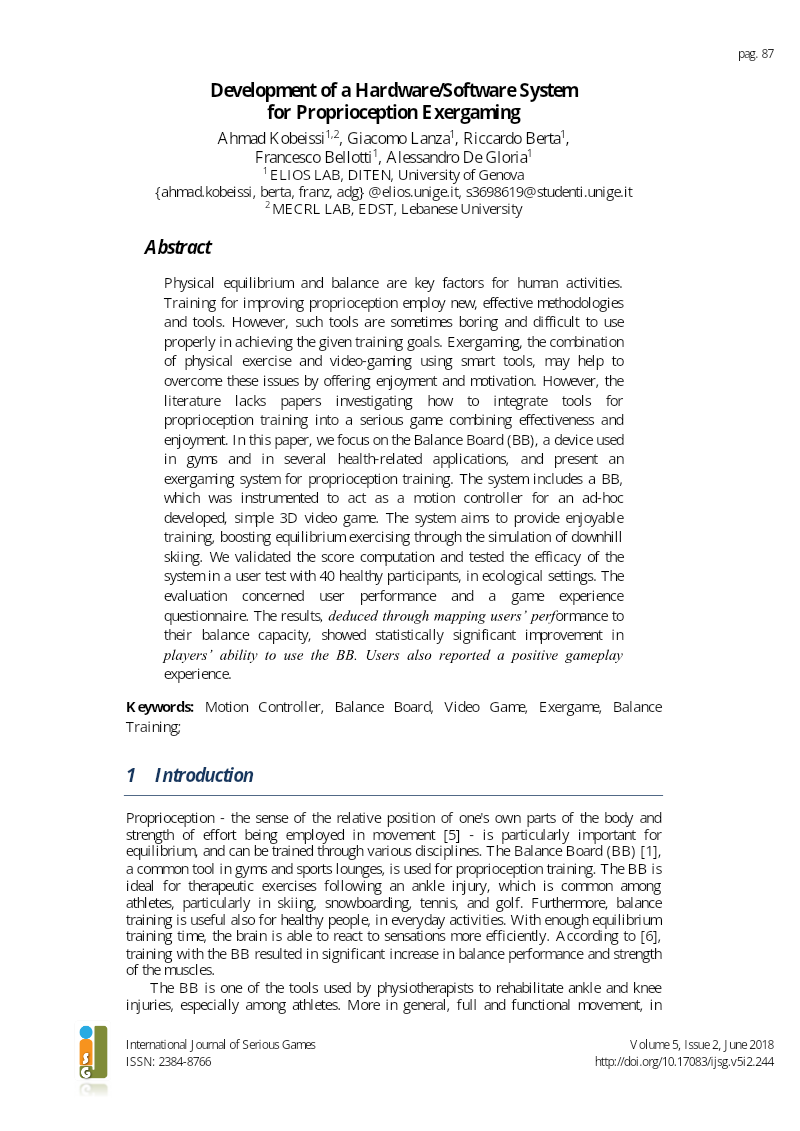
Development of a Hardware/Software System for Proprioception Exergaming
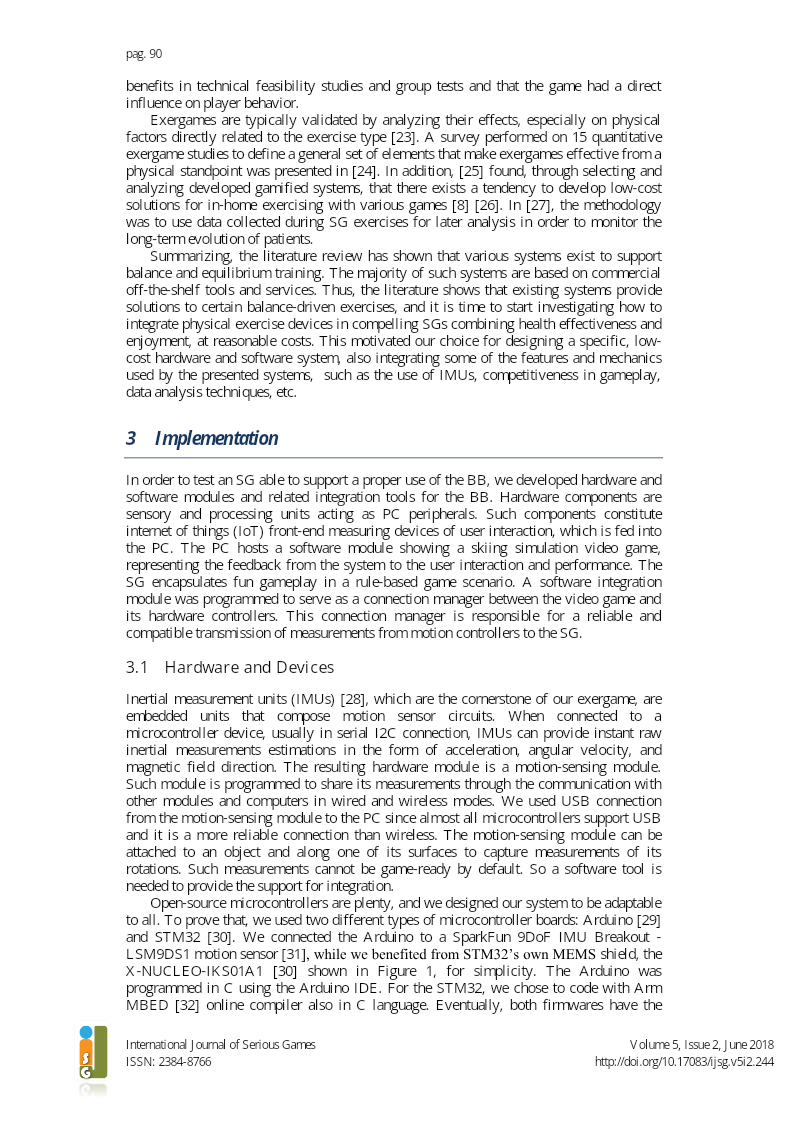
The development of a low-cost, open-source exergaming system seeks to bridge the gap between clinical proprioception therapy and engaging serious games.
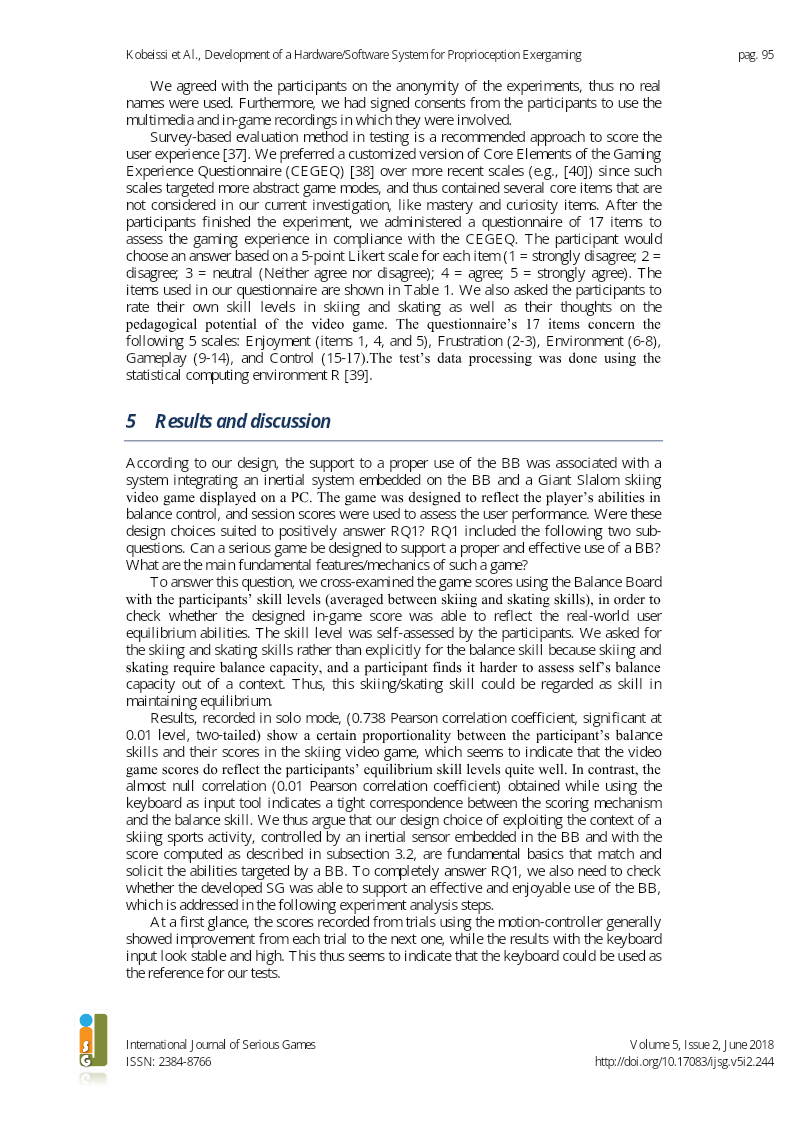
- A study of 40 participants confirmed a strong 0.738 correlation between in-game performance on the balance board and real-world equilibrium skills.
- The system utilizes low-cost, open-source hardware, specifically Arduino and inertial sensors, to create a scalable platform for proprioception therapy.
- Keyboard-based controls showed zero correlation with physical balance, proving that specialized motion-sensing hardware is essential for effective proprioceptive feedback.
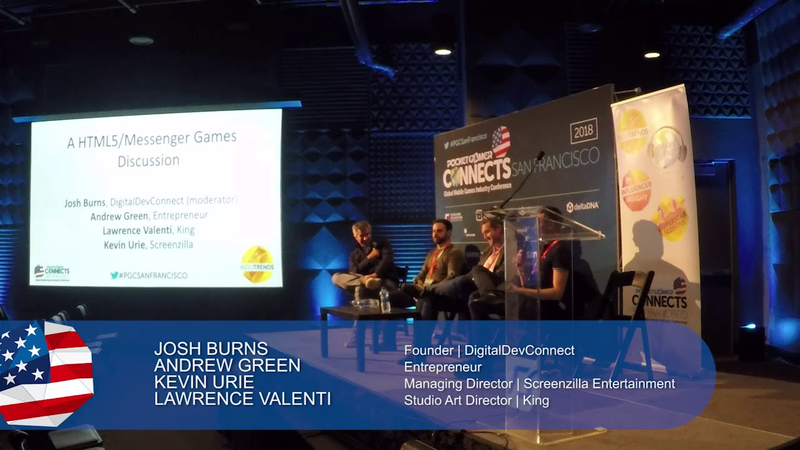
A HTML5/Messenger games discussion
HTML5 gaming within messaging platforms represents a transformative shift toward low-friction, high-velocity user acquisition.
- HTML5 games on messaging platforms like Facebook Messenger reduce user acquisition costs and bypass app store barriers, enabling immediate access and rapid viral growth.
- While monetization metrics currently lag behind native mobile applications, lower acquisition costs and social targeting maintain competitive effective cost-per-mille rates.
- The industry is shifting from simple leaderboard-based games toward mid-core experiences that incorporate synchronous mechanics like real-time co-op and boss raids to improve retention.
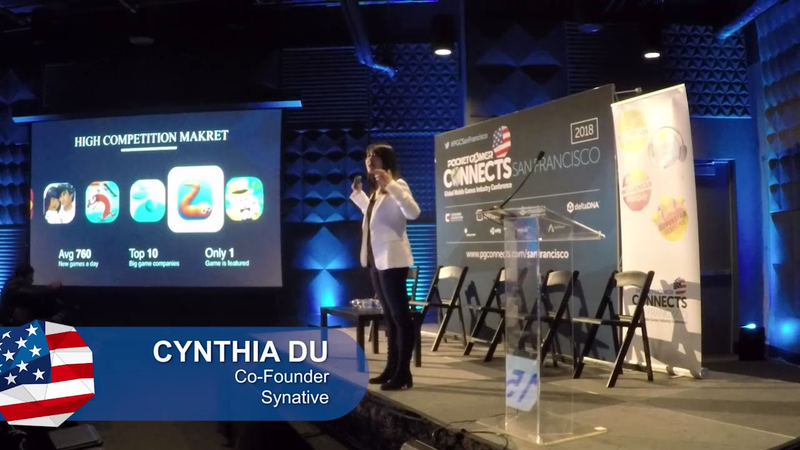
Cloud gaming – How new technology can revive game sharing
The primary objective of this presentation is to address the challenges indie game developers face regarding user acquisition and discoverability in an increasingly saturated mobile market.
- Cloud gaming technology enables instant-play web experiences by converting standard APK files, reducing the user acquisition journey from a ten-minute multi-step download to a fifteen-second single-click process.
- The current mobile gaming market is highly saturated, with over 760 new games released daily, making traditional user acquisition costs prohibitive for indie developers.
- By bypassing traditional app store installation friction, developers can leverage social media integration and influencer-led engagement to drive viral growth.
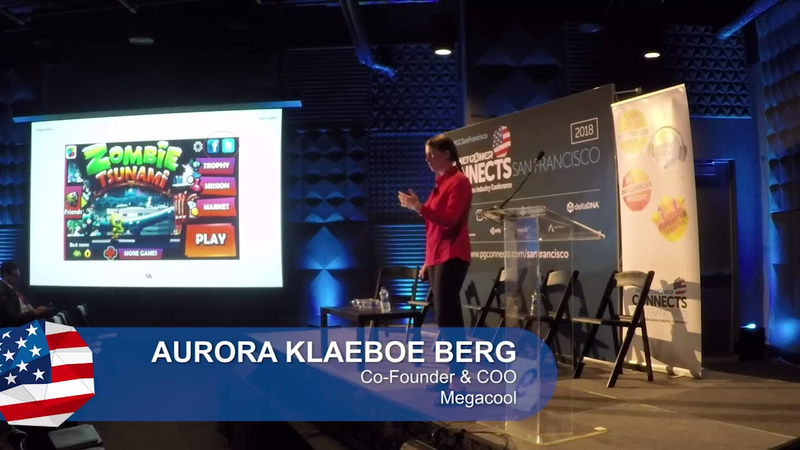
Growth strategies developers must know
Effective mobile game growth strategies require a fundamental shift from relying solely on paid user acquisition to optimizing organic retention and viral mechanics.
- Prioritize the first-time user experience (FTUE) by minimizing onboarding friction, such as delaying push notification requests and streamlining tutorials to accelerate core gameplay engagement.
- Transition growth strategies from a reliance on paid user acquisition toward optimizing organic retention and viral mechanics.
- Drive organic growth through private messaging and email rather than generic social media buttons, as these channels yield higher engagement for peer-to-peer sharing.
How to successfully adapt board games to digital
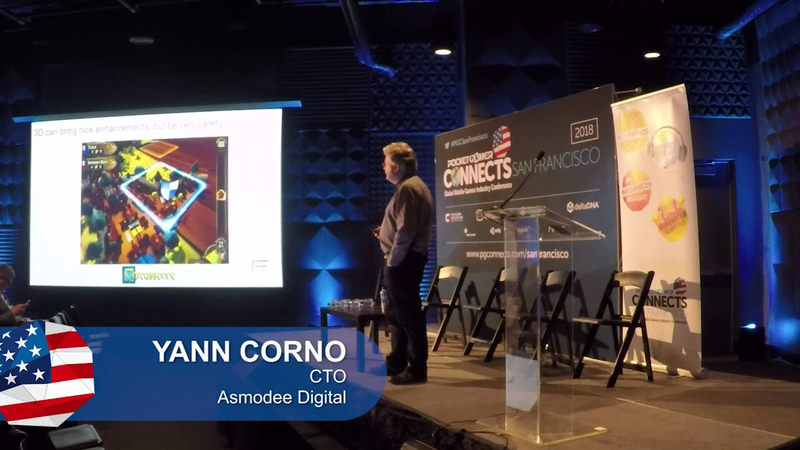
The digital adaptation of board games represents a specialized sector within the broader gaming industry, characterized by a symbiotic relationship between physical and digital products.
- Digital board game adaptations act as a growth engine for physical sales, with data showing a 40% increase in physical product revenue following the launch of a corresponding digital title.
- Digital versions should be managed as part of a multi-channel ecosystem rather than as standalone products or competitors to the physical game.
- Successful development requires prioritizing high-fidelity adherence to the original design and technical execution, specifically robust AI and UI optimization, rather than traditional video game content production.
The true potential of virtual reality and future technology
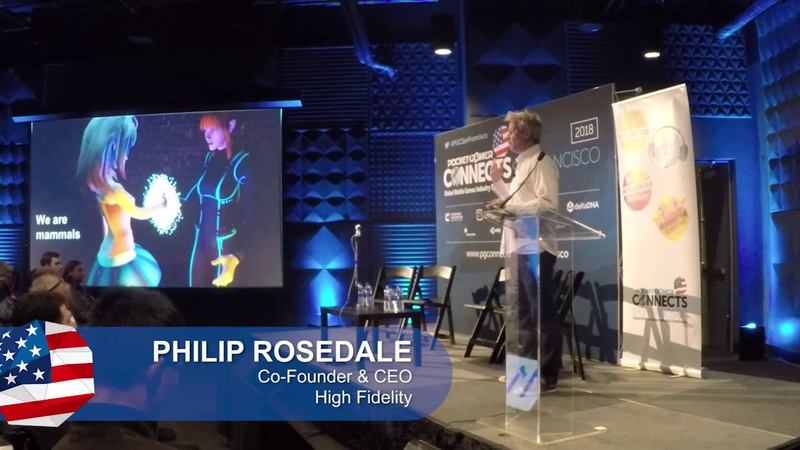
Virtual reality (VR) is positioned not merely as a gaming peripheral, but as the inevitable successor to the smartphone and the desktop monitor.
- Virtual reality is positioned to replace smartphones and desktop monitors by overcoming the physical limitations of current screen technology through immersive, wrap-around displays.
- The VR market is expected to scale beyond gaming into a multi-trillion-dollar industry encompassing education, travel, and professional collaboration.
- Achieving mass adoption requires a user base of one billion people, supported by a decentralized model for identity verification and asset ownership via blockchain.

UI Polishing - Have you ever noticed Blizzard games do this?
Effective user interface (UI) design serves as a critical component of the overall player experience, functioning as a primary touchpoint that shapes initial perceptions of a game.
- Blizzard Entertainment enhances UI immersion by treating menus as navigable, 3D-like environments rather than static overlays.
- Designers utilize spatial separation by shifting camera positions and backgrounds between menu sections, acting as visual cues that mimic moving between rooms in a house.
- Context-specific backgrounds are employed to prevent navigation errors and help players intuitively understand complex menu hierarchies.
The Content Conundrum - Why So Many Games Feel Generic - Extra Credits
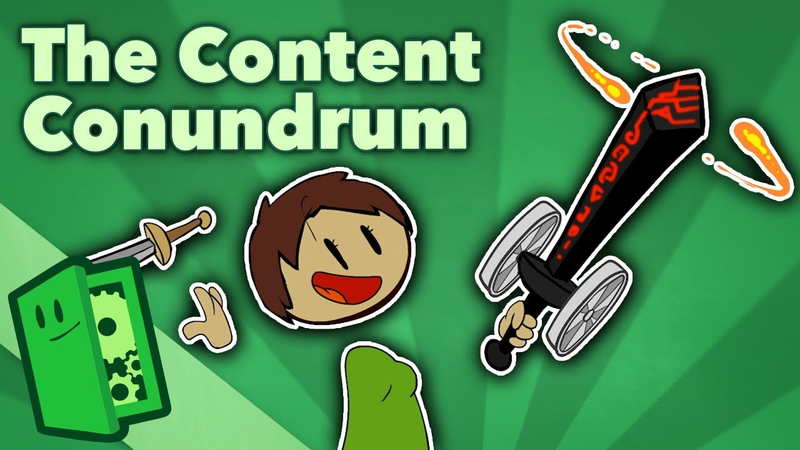
The modern gaming industry faces a content conundrum where the pursuit of high-fidelity visuals has led to a decline in the sheer volume of unique items, abilities, and world-building elements.
- Prioritizing high-fidelity visual assets often forces developers to sacrifice the volume of unique items, abilities, and world-building elements, leading to smaller and less immersive game worlds.
- Procedural generation is frequently misused as a cost-saving shortcut, resulting in repetitive, bland experiences that lack the depth of human-designed lore.
- Developers can increase world depth by utilizing low-cost, high-impact methods like text-based descriptions and inventory icons, which leverage player imagination to fill in visual gaps.

How to Build Nightly When There is No Night
The transition to globally distributed development teams has rendered the traditional nightly build cycle obsolete, as continuous, 24-hour check-in patterns create constant integration conflicts and degraded branch health.
- Global development teams have rendered traditional nightly build cycles obsolete because continuous, 24-hour check-in patterns lead to constant integration conflicts and degraded branch health.
- Large-scale projects like the FIFA franchise, which manage game assets exceeding 150GB, must abandon traditional branching in favor of a single-branch model supported by high-speed infrastructure.
- To maintain productivity in a single-branch environment, engineering teams must implement local proxies, snapshot-based backups, and strict sync-size limitations to prevent network saturation.

Primal Rage II from Heartbreak to Resurrection: The Journey After Cancellation
Primal Rage II represents a significant, albeit ill-fated, attempt by Atari Games to evolve the fighting game genre during the mid-1990s.
- Primal Rage II was a $2.3 million arcade project initiated on March 1, 1995, featuring a team of 20 developers and specialized stop-motion animation that ultimately led to its cancellation on December 5, 1996.
- The game's development was hindered by the high cost and time-intensive nature of stop-motion animation, which made character pre-visualization impossible and prevented the creation of a polished vertical slice.
- The project was effectively lost for nearly two decades due to the use of custom hardware and unorthodox graphics delivery methods that made standard emulation impossible until the game was discovered and leaked by fans.