Game Development reports and market data
Documents
Make Games, Better with Rupie.io | Game Dev Unchained Episode 194
Rupie.io serves as a comprehensive infrastructure platform designed to professionalize the independent game development sector by automating essential back-office operations.
- The game industry currently faces an 85 percent failure rate for development projects, primarily due to poor business management, inadequate resources, and ineffective feedback loops.
- Rupie.io provides an infrastructure platform that automates back-office operations, including logistics, scheduling, and payment processing, to stabilize early-stage indie studios.
- The platform operates a vetted marketplace that connects independent developers with experienced professionals displaced from AAA studios to improve project viability.

Ways to Put Off Starting Your Next Big Project, for Sanity's Sake with Nina Freeman | GduX.me
The relentless pressure to immediately initiate new game development projects following a release often leads to significant burnout and creative exhaustion.
- Prioritize intentional rest periods between game releases to prevent burnout and preserve long-term creative capacity.
- Transition away from the cycle of constant production to mitigate the risks of creative exhaustion and professional isolation.
- Utilize platforms like Twitch to maintain a professional presence and foster social connections without the pressure of active development deadlines.

Redefining Success with Jodie Azhar | GduX.me
Professional success within the global game development industry requires a fundamental shift away from traditional metrics like high-budget title releases and rapid career advancement.
- Redefining professional success requires shifting focus from traditional high-budget metrics and rapid title advancement toward personal fulfillment, long-term sustainability, and ethical work practices.
- Developers should decouple their professional identity from specific job titles to better navigate industry volatility and mitigate the risks of burnout and crunch culture.
- Career management in the gaming industry requires regular re-evaluation of goals based on shifting personal circumstances and an emphasis on adaptability over mere industry visibility.
The 2019 Animation Microtalks
The animation industry demands a sophisticated equilibrium between rigorous technical execution and profound creative expression.
- Professional success in animation requires balancing rigorous technical tool mastery with the ability to imbue characters with autonomy and personality.
- Animators should treat production constraints, such as budget and technical limitations, as catalysts for innovation and cross-disciplinary collaboration rather than as obstacles.
- Prioritizing the player experience over individual perfectionism enables more efficient, iterative workflows and reduces unnecessary development friction.

No Country for Old Devs with Des Gayle | GduX.me
The gaming industry is characterized by inherent instability, where mid-tier studios frequently face closure due to publisher consolidation and shifting corporate strategies.
- Long-term career viability in the gaming industry requires acknowledging that professional loyalty is rarely reciprocated, necessitating a focus on adaptability and an understanding of cyclical industry economics.
- Reaching an 8-to-10-year experience threshold provides the professional authority required to navigate industry volatility, provided developers continuously evolve their skill sets alongside technological shifts.
- A tenure of approximately five years at a single organization is the ideal benchmark for mastering full console cycles and platform transitions before moving to freelance or independent work.

How to Make Games Until We're 80 with Joel Hakalax | GduX.me
Sustaining a career in game development requires a fundamental shift in how professionals approach project lifecycles and workplace culture.
- Long-term career sustainability requires aligning project scope with team capacity to prevent the burnout caused by unsustainable growth patterns.
- Developers should recognize the 'contentment curve'—the inevitable decline of creative excitement during production—as a standard phase of development rather than a personal failure.
- Leadership must replace performative work cultures with structured, intermittent work models that prioritize recovery cycles to mitigate the productivity losses associated with crunch.
The Diversity Talk You Need but Don't Want to Hear with Tanya Depass | GduX.me
The game industry frequently approaches diversity through performative, seasonal gestures that prioritize optics over structural reform.
- The game industry must shift from performative, optics-based diversity initiatives to structural reforms that prioritize sustained mentorship, professional development, and safe working environments.
- Companies should integrate diverse perspectives at the initial concept stage of development rather than relying on marginalized employees to fix finished projects or provide late-stage diversity consulting.
- Industry professionals must take responsibility for their own education regarding privilege and systemic bias instead of placing the burden of emotional labor and instruction on marginalized staff.
Overcoming the Fear of Changing with Lucas Gonzalez | GduX.me
The game development industry is defined by perpetual volatility, necessitating a shift in professional mindset from static technical mastery to fluid adaptability.
- Long-term career viability in game development requires prioritizing transferable core design principles over rigid, platform-specific technical skills.
- Professionals must shift their mindset to view continuous learning, networking, and the diversification of expertise as essential, ongoing components of their career.
- In the mobile gaming sector, monetization must be integrated directly into the core gameplay loop rather than treated as a secondary or post-development concern.
State of the Industry Address with Brandon & Larry | GduX.me
The game industry operates as a highly competitive, volatile ecosystem characterized by a pyramid structure that limits upward mobility and fosters chronic instability.
- The game industry's pyramid structure inherently limits upward mobility and creates chronic instability, necessitating a shift from dependency on large-scale employers to a model of personal career resilience.
- Professionals should treat employment as a strictly at-will, short-term arrangement rather than a source of long-term security to mitigate the risks of frequent layoffs and industry volatility.
- Developers must adopt a 'multiple-baskets' approach to career management by diversifying income streams, expanding professional networks, and cultivating independent side projects.
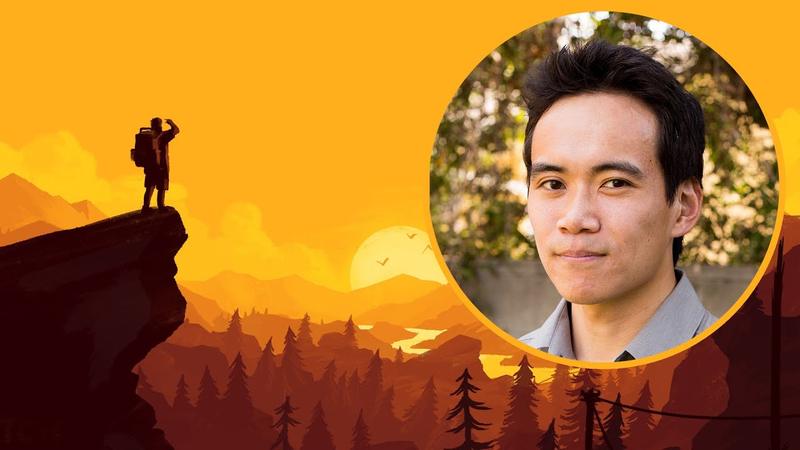
Build Your Own Reputation and Help Others with Marketing with Derek Lieu | GduX.me
Establishing a sustainable career as an independent creative requires a deliberate strategy of niche specialization and proactive reputation management.
- Specialize in a narrow professional niche to transition from a generalist freelancer to an essential expert, which reduces client risk and builds long-term authority.
- Document and share your specific creative workflows and knowledge to establish trust and create a sustainable marketing engine for your services.
- Price your work based on the tangible value delivered to the client and market impact rather than the perceived effort or time required to complete a task.

Biz Dev for Beginners with Bekah Saltsman | GduX.me
Studio sustainability depends on a strategic shift away from over-reliance on single revenue sources, platforms, or external investors.
- Achieve studio sustainability by diversifying revenue streams across original game development, contract work, and strategic partnerships to mitigate risks from industry contractions.
- Prioritize financial stability by bootstrapping projects and basing budgets on realistic sales projections rather than relying on debt-based financing.
- Conduct business development by researching broader economic trends and media consumption habits to identify strategic alignment with potential partners outside the gaming sector.

Socialist Revenue Sharing in a Indie Studio with Matthew Viglione | GduX.me
SomaSim utilizes a decentralized, socialist-inspired revenue-sharing model to maintain financial independence and creative autonomy within the independent game development sector.
- SomaSim operates as a collective of independent contractors who are compensated based on total hours contributed to a project rather than traditional fixed salaries.
- The studio utilizes a decentralized, socialist-inspired revenue-sharing model that grants every contributor full access to financial data and a pre-defined percentage of earnings.
- By funding future development through the proceeds of previous titles since 2014, SomaSim maintains financial independence and avoids the pressures of external venture capital or stakeholders.
Writers
Games and companies
Games