1 free read left. Create a free account for unlimited reading + AI research.
Create free account
How to Make Games Until We're 80 with Joel Hakalax | GduX.me
Key insights
6 takeaways- 01Developers should recognize the 'contentment curve'—the inevitable decline of creative excitement during production—as a standard phase of development rather than a personal failure.
- 02Long-term career sustainability requires aligning project scope with team capacity to prevent the burnout caused by unsustainable growth patterns.
- 03Large-scale, bureaucratic crunch is identified as a primary driver for the loss of experienced talent, whereas smaller teams can better manage pressure through direct creative influence and camaraderie.
- 04A shift toward smaller, sustainable team structures offers a viable alternative to current industry models by prioritizing creative control and the long-term retention of human capital.
- 05Leadership must replace performative work cultures with structured, intermittent work models that prioritize recovery cycles to mitigate the productivity losses associated with crunch.
- 06The traditional triple-A development model is increasingly viewed as unviable due to its reliance on massive sales and susceptibility to corporate layoffs driven by quarterly shareholder profit demands.
Ask AI about this video
Transcript
[Music] my presentation is called how to make games until we're 18 my name is Joakim axe I'm a game designer for America which is a small indie studio in Rome Italy we've been around for a bit over five years now and we've released four games so far the latest one being close to the Sun which just came out last month actually on the epic game store now as I mentioned our company's quite small close to the Sun was made by a team of 10 to 15 people over the course of two years in a few months and it's by Lord by far the largest title we've done yet and if you've missed it I'll show some video and a trailer coming up soon to kind of showcase pieces of the game kosterow Sun is basically a horror
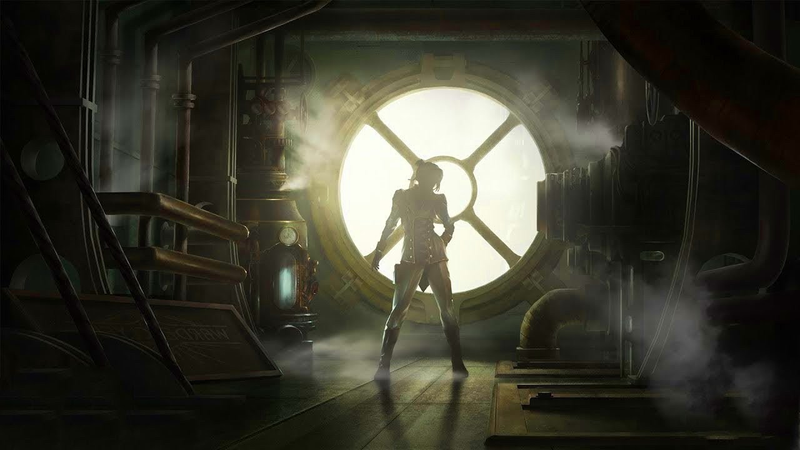
adventure game set in an alternate take on history in which Nikola Tesla's ambition and creativity came to full fruition it's fairly light on mechanics but heavy on atmosphere and story and we received a lot of acclaim for the visuals Kotaku for example wrote that close to the Sun is a indeed Bioshock but without the combat the game takes an average of five to six hours to complete and it's been doing really well for us now that said it's not perfect we learned a ton making this game my goal with this talk will be to tell you about some of the lessons that we learned while developing close to the Sun and in the spirit of gee ducks try to focus a bit more on the human side of the story and less on the nitty gritty tutorial pieces how we did this sort of that so specifically I want
to try to frame the lessons that we took from close to the Sun around how to apply them for long and healthy careers within game development I will try to use are close to the Sun project as a sort of micro lens to make macro commentary on what I feel that we need to keep in mind in order to have healthy and long-term careers in game development so first off appreciate the process and by appreciate I mean be aware and conscious of it but also that you should value and enjoy it a few months ago at GDC Shaun Murray from hello games gave a fantastic talk about the importance of grit in game development and I'm gonna highlight one of his graphs that I think deserves a bit more attention to make largely the same point that he did so this is a
grass of happiness over time during development of hello games no man's sky and as you can see concept and ideas tends to be fun they're exciting and full of potential then in pre-production some of the first sacrifices are made as ideas and theory suffer its first contact with reality maybe the game doesn't quite need to have all of the bells and whistles that were initially conceptualized now those sacrifices sting but the solutions are generally quite simple just kind of few features and scale down the vision of it then once you reach production that's when simple solutions won't really cut it any more you are stuck between a rock and a hard place making sacrifices that hurt and artistic compromises that are expedient but not quite the solutions that you had hoped to find then before you have time
to catch your breath release is approaching and everything is on fire I find that this graph and it captures my own experience is fairly well I can maps over my own development stories to this downtrending graph with a decent degree of accuracy some of the projects have gone better some gone worse and I know that this down trending graph looks kind of depressing always going downhill but some of the best working on in our industry still gets made with a contentment graph looking a lot like that if you've been watching interviews and behind-the-scenes stuff for last year's game of the year we've got a war then I'm sure that you've heard their creative director Cory Borlaug talk about the doubt that they had to go through in order to ship their game and I'm just speculating here I don't have any real data on this but I'm sure that
on the day when they had to cut several levels and pieces of Trey's character arc that was probably a pretty rough time the point is that satisfaction will hopefully come afterwards post release not necessarily during development I believe Neil Gaiman the famous writer he once said that he doesn't always enjoy the process of writing but he loves having written and game development can sometimes be similar in that regard now ideally if were maximizing for contentment we would want a flat graph start at me stay happy and happy and in that one our ability to conceptualize the game and predict development difficulties is perfect but it never really works out that way no battle plan ever really survives contact
with the enemy that's downward graph as far as I can tell is by far the most common representation of contentment during development I should stress though that it's not Universal Justin Moore and Matthew Davis of some set games the makers of FTL and into the breach their contentment grass looked a bit like that in their own words they enjoyed the first half of the first half and the second half of the second half in their case they'd be working without a deadline and spent years right there in the middle searching for the idea t of the game that they wanted to create they were constantly iterating and throwing stuff in and out but that situation of being able to work without strict time pressure that's a rarity chances are that if you're in the industry making games your contentment
graph graph will probably resemble the first more than the second and this is more or less what it looked like working on close to the Sun things were going great initially but some ways into the development we had to make a tough call that changed the nature of the project quite significantly I'll get back to this decision and explain it in a bit more detail later but the project moved on and after some initial soul-searching similar to what into the breach went through we eventually found our path and things were going pretty well for us then coming in on the home stretch we had a production hiccup that we tried to recover from and and didn't quite land everything but for now I just want you to focus on that general trend of going downhill
despite the looks of this just knowing that this tends to be the general curve that most projects go through that actually helps that takes the edge off if you're prepared and pacing yourself ahead of time then just going through the project becomes much easier and no matter where you are on that graph you'll always be going in to work with colleagues aiming for the same thing trying to get this as good of a game as possible so as long as you pace yourself for that right then it will be fine yeah now moving on to a little bit more of a controversial topic the romance and corrosiveness of crunch so if we're gonna make games until we're
80 Cranitch is an issue that we're gonna have to address there's no way around that but before I touch on this Emily grace but gave a great presentation on the dynamics of crunch just two days ago right here on on G ducts so if you haven't seen her presentation already don't miss it I mean it was it was really great I think her presentation was called the creative life in game dev and it was super insightful she talked about the many things that were wrong and unjust about the practice of crunch she talks about how exploitative it can be and how truly harmful it can be health-wise but more importantly she talks about that sinister group pressure dynamic where a person who isn't able to contribute the unstated minimum amount of overtime hours they're looked down
upon nor only by management but their peers as well but the reason I bring all of this up is crunch is a complex issue more so than we often like to give it credit for if crunch was as simple as it being bad we would we would have solved it already there are nuances to crunch that is important that we address if we're gonna have an honest and comprehensive discussion of it so part of that new ones is that crunch can actually be fun crunch can be exciting not necessarily for everyone but for some crunch can also be that team-building furnace that forges a group of people into an effective game development machine I I
know how blasphemous this sound especially considering the much-needed backlash to crunch that we've seen over the last year I mean it was in the New York Times so to help make my point on the nuances of crunch I want to read you a quick quote from the fantastic book significant zero heroes and villains and the fight for art in sold in videogames by Walt Williams now I should clarify that this is only a short paragraph and he has a lot more to say than we have time to cover here but here's here's the piece that's relevant for for our discussion today it's only crunch if you don't want to do it crunch isn't a pandemic or a death march it's not even exclusive to the games industry if anything crunch is a natural occurrence
brought on by the creative process driven by passion artists give themselves entirely to their art when art exists in a collaborative medium crunch will always deal collateral damage how much damage you personally sustained will always be inversely related to your investment in the project so there's a tongue to dig into there first contrary to what Walt writes here I think an argument can be made that crunch kind of ISA pandemic in game development culture and in some cases it can really be a Death March 100 hour work weeks etc again Emily grace buck and I made the case quite well really eloquently but back to to Walt he's right in the sense that Cranitch isn't
exclusive to the games industry for those of you who had the misfortune of watching the final season of Game of Thrones the the long night episode that made the long night episode that was only made possible by 50 five consecutive night shoots that's basically two months non-stop out in the freezing cold and I'm from Sweden I know cold that's not something that you're gonna want to do so as much as we gain developers like to talk about crunch and the sacrifices that we make for our art we shouldn't pretend to be alone in this and we could probably learn quite a lot from looking at all these other industries organize their workers for tasks just like that but what I really wanna focus on in this
paragraph is that middle part when art exists in a collaborative medium crunch will always steal collateral damage that's the really scary part and it follows that if you have a big team the chances for collateral damage go way up you might be really invest invested in the project and not suffer the consequences yourself but in a big team your colleague will suffer those that damage so let me try to get specific here if you have a large 100 man 219 chances are pretty good that a number of those members on that team isn't fully invested in the project but if you're a small five man team chances that one of those five isn't fully invested in the project is much smaller now again it's
not zero among you but the odds are smaller also if you're a member of a smaller team your creative decisions tend to have an immediate and transformative impact and you're thereby really close to that artistic process that makes it easier for you to tap into those enjoyable aspects of crunch but if you're a part of a large machine it can be difficult to stay invested during crunch when the complexities and bureaucracy of running a large team puts distance between your contribution and the art you have office politics and all of that that really factored in as you skate teams up now I'm of course generalizing quite heavily here and I don't mean to say that crunch in small teams should be given a free pass not at all but I do mean to say that crunch in big teams is probably
always not okay simply due to the collateral damage that they are pretty much guaranteed to cause in theory the administration of large teams should be able to handle planning in a way that's robust enough to avoid it but we're not living in those times yet or that reality similarly to how difficult it is to attain that perfect contentment graph where you start happy you stay happy and you end happy so - is it really difficult to keep crunch out of the artistic process of making games making games is really hard and scheduling it is really difficult it is however just really tempting to issue a simple blanket statement saying that all crunch at all times just causes needless suffering it would feel ithaca lee and
morally correct to do that maybe because there's a lot of truth right there but I also know that the artist in me works best in those pressure cooker situations and I know that when I'm fully invested in our project when I'm in love with what I'm working on there is a certain bromance to be working side-by-side with your colleagues fighting against time there's a adrenaline rush there there's a camaraderie that has real long lasting value I did military service in Sweden many years ago and crunch is the closest thing that I've come to to believe that sense of fellowship in civilian life and just like I don't necessarily long for
those orders days in the military neither do I long for those are journalists days and weeks doing crunch but I must recognize that both of those experiences have enriched me in ways that I can look back upon somewhat fondly I recognize that saying this I'm working on really if they're nice and for a good reason the kind of crunch days commonplace in the industry the corrosive kind really just has to end which is strange to me to say given how I just loaded the romance of crunch so to address this contradiction let me explain how we do crunch in storm in a teacup we just like everyone tries to keep crunch to a
minimum but when our plans fail which they still do we're getting better at it but we're not perfect yet we crunch one week on one week off never weakens so during crunch during crunch week at our studio we keep the tempo as high as we can and often end up eating dinner in the office then in the normal week in between we clean up our mistakes and set things up for the next crunch week we have broken our own rules I won't lie even during close to the Sun but it's rare and I realize that this might almost sound leisurely to some I mean this is not the you know really soul-crushing type of crunch that we sometimes read about over
past year or so but this somewhat measured approach has allowed us to step on the gas when needed to while not completely ruining our social lives and marriages in the process we have found that this allows the masochists among us to suffer for the art and really dive in deep into the creative process without striving everyone else down into the abyss with them that we in between that allows everyone to do their shorts and take care of other real-life aspects that gets put on hold during crunch and even this is by no means a perfect solution but if it is the compromise that we have found that works well for us and it did allow us to push certain aspects of close to the Sun without causing egregious harm to ourselves if we're gonna make games until we're 80
then avoiding that corrosive and soul destroying kind of crunch and is crucial so final point here shaped the project around the team or the team around the project that sounds like obvious advice and just like most obvious advice it's easy to grasp but harder to actually do we're gonna backtrack to that decision I spoke about earlier during the development of close to the Sun we took a decision that changed the course of the project going forward but in order for me to explain a decision I need to put it into context so here's Lantern Lantern is a small game the one that we made just before embarking into close to the Sun it was a short six months or so project about sky
lanterns parting colors into a grey world now somehow in a haze of excitement and a little bit of hubris we decided to implement VR mode midway through development so yeah not our finest decision-making moment looking back on it is obviously a really bad call but our eagerness to see what we could do with VR clouded any inhibitions we might have had and it promptly promptly increased our workload manifold this led to very little time for Polish resulting in a rougher than intended experience for everyone and I still have a soft spot for lantern but needless to say the game didn't have enough time in the game development oven to become what we wanted it to be so jump forward about a year were now some ways into the development of close to
the Sun and we're faced with a tough decision not whether to add something completely out of left field but whether we should cut something that we had come halfway into implemented and kind of counted on so this is a slide from presentation that I gave after our course correction we decided to cut the feature that we affectionately called the Tesla tool which was a handheld device that the player would use to solve problems and activate machinery in the game now cutting that it effectively eliminated one of the pillars that we had counted on for our varied gameplay this meant that going forward we were going to have to readjust the game quite substantially and this decision also happened later than what it probably should have but thanks to our experience with Lantern we looked at our team and
what the project demanded and we altered the project to fit the team which was something that we hadn't really done with Lantern it was a tough call to make at the time and like most tough calls didn't necessarily feel like the right call at the time it kind of felt like we crippled ourselves but it was definitely the right call looking back on it in hindsight we didn't have the team that we needed to achieve everything that we wanted in that initial version of Custer son so we had to reshape it to fit the muscle and and manpower that we had available so how do my games until
already if we can appreciate the process and you know pace ourselves to the you know friction that comes when taking an ID and a concept and trying to put it on screen if we can pace us for that right and if we can avoid the really corrosive kind of crunch and not you know hit the brick wall as we're working and and then shape the projects that were working on according to the teams that we have then then hopefully we can all make really good games and keep doing that until we're 80 so yeah if you have any questions or comments at all feel free to shoot me an email I'll try to answer it to the best of my abilities and yeah let's make good games
hey Joel we're gonna follow in your footsteps man I really like the week on week off strategy you know especially since I'm which is that you can hear me your audio amp and cutting out the little bits he says our audio is cutting out a little so all I was gonna say was I'll speak slower Joel we really appreciate your your talk and thanks for showing the example of the week on week on a week on week off style of crunch something I actually haven't experienced yet but I think that I could see myself thriving in that environment a lot longer so then obviously a constant or continuous crunch you know what I mean it the fact that you guys didn't recognize like hey you were giving you an opportunity to live your life to handle your responsibilities as a person although we still have to maintain an accelerated pace we can't let go of the grand goal which is you are a human being and you have a worked relationship with us but we have to respect the fact that you
know we are only asking for maybe eight to ten or more hours of your workday but then the other half of that belongs to you your whole life belongs to you your own life means your family's needs your children's needs is important to us as a company so here's the best we can do given that sure we we would rather not crunch but we kind of have to to keep this business going so this is the best thing that we believe we can work out and I guess what's the attitude about it at your studio how does everyone seem to be responding to this type of crunch method as compared to like other places who probably like well we crunch still we're done and then we're done hey yeah well none of us have gotten divorced yet so that's a win wouldn't record itself and yeah yeah I mean so far this model in weeds crunch is still that you know break the glass only when you really have to type of situation and we're
trying to get better at planning so that we never have to break the glass but that is really difficult so so far this just allows us to recharge in that week in between because doing crunch on end just week after week you hit diminishing returns real fast that first week of conch you're still you know on fire that that's kind of exciting but after that it goes downhill real fast so we find that putting a rest week or or a week where we continue to work normal hours but tend to everything that we have left undone at home we have time to do our lab laundry vacuum the apartment
that's why we go out to dinner with our spouses and so on that speak in between is kind of crucial just so you know you're getting a lot of support and twitchchat I'm seeing people saying like I'm actually just gonna implement this in my life or when I start my own studio I'm gonna implement this method in the event that I need to crunch as well so you've actually already inspired change mmm just in the hour of Dumas presentation and so imagine once people start watching this on youtube or the replays over the next is like it is gonna be huge it is like the most sensitive issue when it comes to our industry right I I don't think it's either cut as like no crunch forever type of mentality but I think the way it's implemented is very important right the way you know if it's self-imposed crunch no one's gonna tell you how to live your life right obviously if you're trying to finish something III go through the same thing right now that you know my my schedule is changing you
know we're focusing our own business and everything and the day's just fly by and if I just they make it confined within my eight-hour window you know I probably won't get things done and a lot of it is self no one's telling me to do this and in those same type of situations it's okay like it is completely up to you the the times that it isn't okay is when they kind of waiver that like guilt right it's like well I'm like my kid you don't play soccer and I'm gonna miss that the even vol I mean everybody else's kids gonna be missed so why aren't yours so it's like it's those type of sticky situation where you're forcing people and like overpowering em that that's that's when I think when people like this is enough I mean cheap manipulations are aggravating to me okay everyone who's who's gonna be here this weekend for crunchy no no no no hey what's a branded tomorrow Saturday uh what what do you want to have for lunch is like that's my
own business it's like one of those things is like trying to get you you come in in the weekends it's like well well Steve over there is having spaghetti yeah well I'm having my own damn legend my own damn home so I still have a SK yeah Emily grace buck heard her talk right here on Angie ducks was amazing and she goes into depth when it comes to that just the collateral damage that comes with crunch all of the colleagues that now feel forced to show up at work on a Saturday morning that that guilt and the isolation that you sometimes might suffer if you're not there that's that's something that just has to go and there's something that you can have a healthy long-term career without getting
burnt out along the way if you continue on that kind of model and there is something worth talking about because I think that this is probably something you know like the salary level versus a Lurie level I bet you a lot of salary people are like I'll do anything I can to not crunch oh yeah you have some how other people might look forward to it because they're like hey well this is an opportunity to get time-and-a-half potentially double time and so maybe they step into going into crunch a little differently but I bet right those excitement levels will probably merge past a certain point regardless of you getting double time and not if you're missing yeah and this kind of ties in to Matt Vig Lyonnaise talked yesterday about socialists revenue sharing inside the studio like the measures have to be defined yeah it's like if it's something that we all benefit from me crunching then yes but if you're telling me today and tomorrow is exactly the same whether I crunch or not it's a harder situation it's like
well I'm gonna miss out because you're just weighing out your pros and cons right is well I'm gonna miss out on life if I'm gonna be here and I'm gonna get paid the same so what exact rifice is am I making to just please your pockets I've always wondered about like the executive crunches yeah all the managers like okay so everyone's gonna be here alright great guys do great like this oh my god I got a layoff like 20 people tomorrow what do I do but I mean like that's it's true that is true I mean we've had executives not on the podcast but in our own work life we should get one so they can swing on their side but we all we've all been a part of those late crunches and we all been part of those like team meetings where they would display like you know I took one stroll around the office one day these are the individuals that actually cared all right here we're out of the the overachievers in front of
like a room full of 200 developers like what the foot right and so that's obviously the wrong approach to kind of promote like a care and passion right because obviously everyone has a different situation and obviously people work differently what does it mean like ten hours of your time is as efficient as my eight hours I think the easiest way to step on that argument is how many days in total does it take to make the game how can you identify in one day that a list of people are the only people that cared about exactly it's a it's a you're just you're just taking a section of game development and kind tricks explain kit statement about who's working harder who yeah but those are the type pressures that needs to be removed by an easy conversation to say I crunch okay what does that mean what does that mean is I my share in the game success is just as good yeah yeah and there's to some degree this defeatists attitude when it comes to crunch in the
sense that it's part of game development culture so solidly now that we don't fight it as solidly yes we probably should in Jason fryers book blood sweat and pixels triumphant and turbulent stories behind how video games were made he quotes a Neil druckmann of the last of us yeah unsure yeah exactly in Neil druckmann says to solve crunch probably the best you could do is say don't try to make game of the air don't do that and you're good and as much as I love his work and I respect all of the effort and blood sweatin and pixels that goes into making those games that they produce that's
kind of defeatists in in the sense that they all already have accepted that crunch will be a part of the cycle and as I mentioned earlier I doubt until we get tools that are magically faster and better at which they are getting faster and better but they're gonna need to get significantly faster and better and our planning of projects has to become so much better before we can honestly say that we can develop games without crunch crunch is as I was trying to make the case here there are many aspects to it and some of it is just our own wish to see our art and our work in the best
possible light meaning that we put more of ourselves into it than the hours allow so it's it's a issue that is probably gonna stay with us for a long time but there are even if we accept that it's a part of it there are ways that we can you know at least compensate for crunchin and limit the damage that Cranitch creates we shouldn't just accept it as a demon in on the side that is necessary we should be able to reduce the size of that demon yeah I agree you know it's not always even game of a year is the reason why you have crunch sometimes you're working on game up don't have the studio shut down I will
say this if crunch is the only way to make good games it's like it's truly the way to beat the last of us it's like how many people how many developers left are you gonna rely on and it's a constant issue it's like you have to constantly look at that meter if you're gonna unleash the crunch right you got to be ready and and and controlled the collateral damage because obviously a lot of speakers have have shared like this culture and I know what they're talking about and obviously Joel you've been through this you know there's very degrees and you got to be ready and you got to be able to pull back when you're just overworking people and it's very important right because this this industry this is a creative process that constantly needs experienced developers to be around each other and keep doing what they're doing so they don't repeat the mistakes because if we're always growing while we're in the process and we don't have those vets around to kind of warn us to avoid that pothole and all
those ditches and they'll you know step over that corpse and everyone being burnt out then it's just gonna make us make worse or games I mean that's just the way it is how many experienced developers leave a great company or whatever and then form new new new companies and then obviously don't succeed just as well because that that synergy that a team shares during those three years being able to work off each other and able to produce is gonna it's a spark that goes missing as soon as you start over again you can't just put it on one person's shoulder and say he created this there for if he moved to another team he can recreate that it's like it's so rare and and really happens right so I've got a question for you from Hoxie 3d the question here is so this is in regards to your week on week off I assume and so they're asking directly about anyone in your studio it looks like have you had
any flack from individuals with a different mindset as in heavy overheard someone say this is so stupid I don't know why we don't just work all the way through until we're done or something of that effect and not I haven't heard and that mode yet anyway maybe in the next project who knows but that the temple that we try to keep during crunch week that replicated in a longer period of time it might be good in the short term but it's going to have long lasting effects if if you take a two-week crunch of just really intense non-stop crunch the time that it takes for you to recover from that two weeks is going to
be longer than if you just do what one week and then rest a few days and then one week again the longer you stretch crunch the deeper into the abyss you basically go and it's gonna take you longer to kind of crawl back to normalcy so we found anyway that if we stack crunch upon crunch the productivity that we try to regain when we're done with lunch those weeks after having hit the deadline having met that the demon kranish at the door that recovery period is so extensive that it's much better to just do it in short bursts and only when needed all right so one question I do
have is like trying to be I guess maintain a very high view over the game development process and my understanding of where crunch comes into play I guess what about when it's not so much the game developers themselves who have created a situation where they fallen behind but let's just say a publisher steps in and makes a necktie demand like oh no this is the new thing we have to put this in the game now because fortnight is going crazy they selling dances is the new wave so tell your animators who are already doing battle animations now we want them to figure out how to add a 12 to 15 M Joel put a bow cap suit on start dancing sometimes that's what happens and then that creates scenarios where the developers like this was unplanned and we are unmanned yeah but it is a requirement yeah and so get on it yeah I guess how does your studio kind of defend from things like that or if you're not in that scenario I guess how would you personally try to set yourself up to be successful even when you have a necktie demand like that yeah when I mean in a
situation like that it basically comes down to leadership if if the publisher is holding the man bag of money and in you know won't give it to you to pay salaries and pay for the project without you meeting those demands you're gonna have to meet those demands and basically to then achieve that in a way that doesn't just slaughter morale the only way to do that is through good leadership to have producers that you know that the ones that who are in between the publisher and the team to lead the way and to do that in a way that still motivates the people even if it's a silly you know ads dances or or whatever it might be the the only way to
you know put a ribbon on that third is through a good leadership but you can see that in military as well and if you have a really crappy you know leader that's going to slaughter morale regardless of the task is but if you have a great leader then even obnoxious tasks become so much easier because they are on the front line you know lady anyway so why is I'm so glad you're high up with a company treating people well man looks like we got another question coming in this one's from s Fernando 79 it says I'm assuming maybe San Fernando 79 but anyway I'm not gonna get into the Enigma of why the name is but here's the question why can't crunch be avoided by good project management Oh have fun
mmm-hmm so yeah good project management is really hard where it we're still kind of young as an industry I look at the movie industry with envy because they have very good structured you know systems and ways of doing things ways of doing things that we can't really replicate well or at least haven't successfully been able to replicate well in the video game industry yet each being studio tends to have very different place of doing things and we're still kind of trying to find a way of approaching big projects and complicated things in a way that doesn't
cause crunch we haven't been successful yet but we're trying we're doing our best but there are so many moving parts and so many unknown unknowns when it comes to starting a project that's that kind of for science to able to predict and create enough of a cushion to accommodate for all the things that can go wrong that is still rather difficult I hope that we get there but so far no luck I mean I think we need to call those 800 number psychics and tell them they could make a killing in game production if we're real their powers are legit no there's a job for them like that Navy recruitment like are you used to telling people psychic stuff yeah and this just kind of harks back to like it's very unpredictable the game development process right everybody
involved you're even if you are experienced you're dealing with new ideas and being ambitious the way we are right you're always trying to create new tech create a new way to play create new things to make it better especially if it's a sequel or whatever everything you're trying to do is new right so unless new means something I did at a different studio and I'm bringing it to knit this now it's very hard to predict how exactly things will play out you just got to be open to the different changes and unless you have infinite and the money and resources and time to do things like your crowdfunded I'm gonna call us art star citizens so that it's not just an inside joke but something like that infinite money rolling in an infinite time you're most likely not gonna have a game that comes out yeah all right and it's very true
it's a very rare thing right and I'm so jealous of that website man it's a great website but enough enough punching but it got Larry laughing but with Joel I completely agree with everything you're saying it's not so white or black right it's a it's a thing that every studio has their own way of doing things and in some cases everyone agrees think there's a as long as there is agreement as long as no one's sacrificing anything else that they don't want to sacrifice it really is up to an individual or that studio to kind of decide like how exactly do we still match up all the resources that other Studios might have but be able to you know do it in you know half the time or whatever right to compete to be competitive well there's a great question that actually was just asked in twitch which I think we're all
gonna enjoy having to take on and if my eyes don't fail me it says I don't understand why the games industry is infamous for crunch and layoffs I don't understand why people are being overworked and then thrown with a Nidoran off from work at the same time again yeah is it because of costs or some other reason well yeah the cost is definitely part of it but also in the way that we kind of district distributes the profits of games we were really lucky to have close to the Sun on the epic game store which provides much more competitive and in my opinion fair revenue share I love stealing I was on one of the oh geez my Steam account is like 15 years old but that 30% cut that steam then it
takes passed across deep for for a system that's automated the steam platform is so well crafted now it was gonna crap when it first came out they've had over 10 to 15 years of just working on that infrastructure so it's really robust now and most of the processes are automatic epic here is building up their infrastructure it's still a bit rough around the edges but it's finally a true competitor to steam that allows us to have a more fair share of you know the work that gets put into making games so hopefully if that can help you know balance things out so maybe we will still have crunch but we won't quite have as much layoffs
yeah and I I'll address this from the sense of I understand business a little bit and I would I would hate to be in a room where an executive was like looking at profits looking at revenues for the year and saying hey we're only gonna make two games next year yeah we've made eight hundred million dollars but we have three teams so we could we could make 850 million dollars if we cut a team you know because we're not losing anything other than employees that we weren't going to be utilizing because this is our growth plan and we're already gonna achieve that we already have this revenue but we can create more revenue by spending less because that is true right I can't have more money available if you spend less of the money that you're using and that's the shareholders love hearing that and that's what last year was and it's a double tap it's like you really killed me with the crunching and now you're gonna kill me after I'm done because you know the quarterly profits are rolling in and we gotta talk this talks in my mind I just have this disdain that like in this total
generalization blanket statements but I wonder how many shareholders of game companies where there's such a churn of the people who actually make the content I wonder how many of the shareholders know the name of any one person that contributes to the thing that is paying profits and dividends other than like c-level execs like do you know anybody do you even know the creative director now you just know the cost so and that's why this person is immense like it always bothers me yeah and this is just the general thing like yeah I can't say that yeah there's probably shells out there that are developers themselves yes obviously that immediately disappears I think that's part of it right I like obviously Joel you you're very intimate with your team you guys are 10 to 15 so it's a little different where when you talk about crunching when you're talking about these different things you can look at that person in the eye and be like am I getting a fair shake am I getting a fair deal yeah at a bigger studio this is where it's unjust because you kind of see at least in the recent years how the system works right you hear layoffs left and right you hear
you're at a company they just laid off a bunch of people and they're like you know what you guys if you guys are passionate you would put in the time and really push this next game coming out it's like dude it's like how my colleague said you just laid off and you're telling me it's it just doesn't make any more sense anymore so like naturally people are just fighting back and saying I can't do that or just leaving I mean I mean that that's just the default it's like I won't even bother trying to talk because it's just the way it works around here I'm just gonna leave for another place yeah it's right now it's so expensive to make games that it's very hard for like the people spending 300 million or more to take big risks yes you know like go back to PlayStation 1 like a jet models in my favorite game yeah how many people probably made jet mode I don't know either you guys remember but maybe like 15 people at the most I'm just guessing right that game still probably sold a couple million copies and I'm sure if you look at how much it costs to make versus how much they made they're like oh we can make three four five more of these rare right now it's like we can make another one of
these like if our game is successful and this is exactly why we have Dillon like when we saw you at GDC installed it the type the quality that you guys are putting out it really gave me a lot of motivation because a lot of the indie developers out there are exactly echoing this going back to the days of making quality games with a smaller team because they can afford the ability to fail and I mean a triple a sense right we don't have to make like there are sell 10 million copies to break even anymore which is is where we really went off the real target point is what kind of target for this at how many games sell 10 how my 10 minutes people you know there's not 10 million people waiting in line to buy your specific game that's like this special week Club these this elite club and it's it's a it's not as concentrated as a game industry before everybody are playing everybody are playing games but they're not just playing even console it's a divided crowd people are playing on the mobile people are playing on other means and it's not constituted
anymore so we don't really have like 10 million people just waiting to play your game on one specific system we have three different systems on top of other stuff so it's it's it's hard to kind of justify that to anybody and and put that on your shoulders it's like as a developer and like just because you can't plan right you know I'm gonna kill myself and my year is my good years to be at this company and be at the risk just if we didn't hit that 10 million and it's goodbye for me right the people who have to do the most work have the least say yeah and that just you completely backwards and wrong right and then then Joel I know we're just ranching now at this point but we definitely want to hand over the platform to you if there's anything else you want to talk about we do have a storm and teacups Twitter handle at the very bottom if you want to talk to Joel I I wanted to show just a tweet at a
company but you will be able to find them in other ways yeah it tweet that the company all right begin us formation yeah I I don't have much to say I just want to thank you guys I know that you've been sitting there for three days you know no brakes just non-stop very impressive so thank you for for that ah sighs you should give a tip you on consoles coming this fall it's already available on their big steams and on the epic story so thank you ladies and thank you we all your congratulations on release by the way so congrats on ship in the game man that's that's a huge huge huge accomplishment in the memory of a developer you being leading design over there for you from designer to designer then another congratulations there brother another notch on the belt man can't wait to finish your game so can't wait to play in the finish again thank you so much thank you all right
all right brother have a good evening or morning I actually don't remember artists to a virtual fist bump key that's our new thing or thing all right all right see it Cheers [Music] you [Music]
Summary
Sustaining a career in game development requires a fundamental shift in how professionals approach project lifecycles and workplace culture. The industry is characterized by a predictable contentment curve, where initial creative excitement inevitably wanes as production constraints and technical realities set in. Recognizing this decline as a standard phase of development rather than a personal failure is essential for long-term mental health. By managing expectations and pacing creative output, developers can navigate the inherent stresses of the field without succumbing to burnout.
While crunch is often framed as an unavoidable byproduct of passion or external publisher demands, it frequently results in the loss of experienced talent and diminished productivity. Large-scale, bureaucratic crunch is particularly destructive, whereas smaller teams may mitigate pressure through camaraderie and direct creative influence. To foster longevity, leadership must move away from performative work cultures and prioritize structured, sustainable cycles, such as intermittent work models that allow for recovery. Aligning project scope with team capacity remains the most effective strategy for maintaining creative health and team synergy.
The broader industry faces systemic challenges, including the unpredictability of development and a corporate focus on quarterly shareholder profits that often triggers cycles of layoffs. These pressures have led many developers to reconsider the viability of the traditional triple-A model, which demands massive sales to remain solvent. A growing movement toward smaller, more sustainable team structures offers an alternative, prioritizing creative control and quality over the unsustainable growth patterns that currently dominate the landscape. By focusing on better project planning and fair compensation, the industry can evolve toward a model that values human capital as much as the final product.






Comments