1 free read left. Create a free account for unlimited reading + AI research.
Create free account
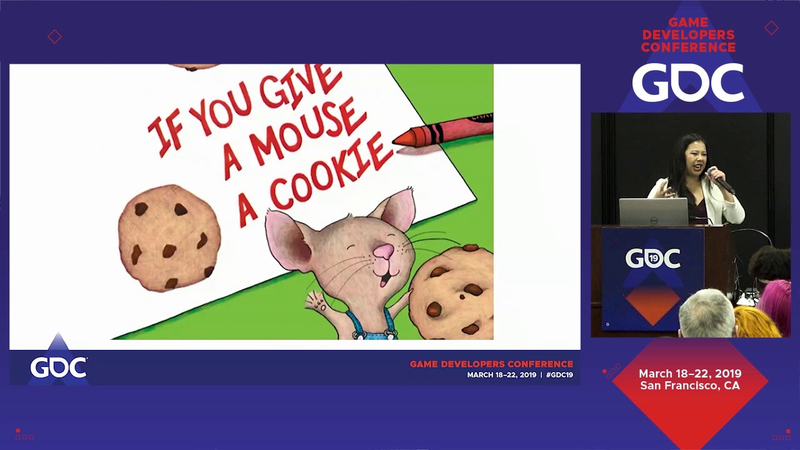
Socialist Revenue Sharing in a Indie Studio with Matthew Viglione | GduX.me
Key insights
6 takeaways- 01SomaSim operates as a collective of independent contractors who are compensated based on total hours contributed to a project rather than traditional fixed salaries.
- 02By funding future development through the proceeds of previous titles since 2014, SomaSim maintains financial independence and avoids the pressures of external venture capital or stakeholders.
- 03The studio mitigates the industry's volatile hire-and-fire cycles by maintaining a lean, agile structure that aligns development costs with projected revenue.
- 04The studio utilizes a decentralized, socialist-inspired revenue-sharing model that grants every contributor full access to financial data and a pre-defined percentage of earnings.
- 05To manage ownership and external publisher relationships, the studio relies on rigorous legal documentation and work-for-hire agreements.
- 06The compensation system treats all roles, from core development to quality assurance, as equally vital by utilizing a weighted, hour-based distribution model.
Ask AI about this video
Transcript
[Music] so hi everybody welcome to the 4:30 session today we're going to talk about socialist revolution sharing in our India studio as they mentioned my name is Matthew Vionnet I am one of the cofounders of some Asim we are a small new studio based in Chicago Illinois and we make simulation strategy games so far our first game was called 1849 it is a city builder game set during the California Gold Rush that came out in 2014 then we made a game called project high-rise where you're the architect developer and builder of a skyscraper and that came out in 2016 and we are currently deep into our next game about which I can say that picture is I announced but we are working on it and hope to say more about it soon so today what we'll be talking about is sort of
how this idea of being a socialist revenue share studio has really sort of cick used our experience as an indie game studio in the past six years so we'll start with like the how and why we started our game studio go into a little bit of what we mean when we say rupture and how we do it specifically and how it's really worked for us over the past six years as we made in release 2 games that are working on our third one we'll finish with some important safety tips if you would like to pursue this on your own just some things that may not seem obvious but get built and then allow some time for Q&A so write them down and switch as I'm talking and Larry and Brendan will take them out and go from there so I want to go back in time to 2010 this is sort of the time when we decided that at some point we're going to want to make it start an indie game studio on our own and we start making games at
that point in time Rob Zubat my co-founder was about a year under working at saying he previously worked at a small sort of home three rings and before that it'd be a so he's a game dev veteran and I was the trucker communications at a large nonprofit in San Francisco I refer to myself to this day as a recovering graphic designer and as we sort of thought about how we were going to start making games and what we wanted to do we've you know looked into how you would normally go about making games as an indie more traditional approach would be you create a pitch deck you write up your ideas in the plots for a game you shop it around to a bunch of publishers they might like it and give you money or you can start looking for people who are looking for sort of contract games to be made so you know we need a Batman game made something you want to do so then they say if they like your pitch or if you want to make gave them here's some money
why don't you go manage a bunch of people who make the game for us and then that puts you in the role of managing both the team that's making the game and managing the relationship with the funders and doing a lot of management both up and down and to be honest in our careers we had sort of ended up there in 2010 anyway and it's not something that was really attractive doesn't that we wanted to keep doing a lot of people aren't great at management and really derived a lot of professional satisfaction from it but that wasn't us we really wanted to be here we wanted to be the ones getting our hands dirty and making games making the de cría decisions and really carrying them out implemented but you know we're gonna be honest with ourselves we also wanted to be there a little bit where that money and control comes a lot of creative control over the game so that's one of the things are you freaking out is how do we be in both of those places so now I wanna flash forward to 2013 and this is when we actually decided to take the plunge put our jobs and start our own
indie studio and these are sort of the three main things that drove a lot of our decision making process we wanted to make games we didn't want to be in charge of other people who were making games we wanted to be in the trenches working who would the make simulation strategy games they're something that we're really good at and I think I hope and something we play a lot of them those are my actual hours on six five and we also won to be a company that we didn't want to be a company that makes the happens to make games we wanted to be a have a company because we learn to make games and I know that's a little convoluted but hopefully as I go on that's starts to make more sense about our vision for what the company that we were starting to be the corporate entity also at this point in time we're starting to think about well what are we good at and what are you going to need help with so what are we bad we are not artists I'm a designer Rob is a programmer and we have programmer in
designer art we are not good at actual making art animation and graphics programming and most things that have to do with visuals well you knew we would need help with that sound audio composing music that's all a big black box of mystery to us it's not something that we have the faintest idea how to go about approaching also when it comes to things like UI UX design and art you really need somebody especially on a single Asian game that is so UI UX heavy so heavy on the UI to really come in and take ownership of that themselves and sort of lastly marketing PR another distribution black magic having been a communication instructor for a while overseeing marketing I had enough self-awareness to realize that I couldn't be a game designer and market the game at the same time that's just not something that was going to work and that's me that we learned going on during our first game and again I just want to stress that this is not an exhaustive list of things that we are good at we learn new things about that
every day so to summarize as we were getting ready to start making games as an indie studio 2013 we wanted to be the makers we don't wanna get external funding we didn't wanna play startup alone I do enjoy starting up companies went through that whole process they find the whole thing invigorating but that's not us we wanted to be makers and not managers but because of that we knew that there were things that we were going to meet help with when we started to make our games and here's when we ran into our first big problem is that how do we pay those people that we're going to need help with if we're not going to be taking money and playing that traditional game that we had talked about before so let's dig into that problem a little bit so to get help we probably need to you know pay the people who work on our game the artists the contractors the people who work with us to help realize our vision
but then something happened in 2013 that made us question Dulli really Rob went to a talk given by Randy Smith the founder of Tiger style at GDC in 2013 where he really went through in detail how they run their studio our revenue sure and well and that's sort of when a white bought one on four off for us where we could sort of maybe this was the solution for our problem and this was how we could overcome not having a lot of money and still meeting health and wanting to really start out the studio and Meg earlier today did a good job of really telling some of the other reasons about why it's important to maybe consider revenue share as you start up your studio so I want to that's also that's the link for Randy's juicy talk if you wanna check it out it's really worth checking out it inspired us a great deal so I just want to talk about as we're setting up our revenue sharing model overcome this problem what that actually means so we take revenue
based on me I was contributing to the game so to give a specific example let's say that we're looking at money that came in from Steam or from a publisher or from and the other source of revenue to the company for the PC game in February 2018 so we sort of look and see how many hours have contributed to the game in at that point if everyone 18 then we divide up each contributors hours and if you contribute 35 percent of the hours to the game then we give you 35 percent of the revenue and for us it's a big a latarian reward structure my eight hours as a co-founder are no more valuable than a programmers or a artists or somebody who does QA or anybody else who contributes to the success of the game they do we do some people would think share of the risk as well as we'll get into it a little bit but we really feel that it's important to reward everyone
who contributed the success of the game and this is really an approach that's close to a lot of other aesthetic and creative fields like if we were starting up a band we wouldn't say oh you're just the drummer you're only getting less than me as the lead singer I'm the one who does the prestige like the drummer is just as important to the band is very one else in our view and really we hope that this sort of makes everyone involved in the success of a game more independent if it succeeds not just us as co-founders but our artists should be more independent or programmers should be more dependent everybody who works with us should become more independent as a result of the game that's our goal so specifically like the features of this rev-share when we put it into practice what does it look like we don't no one gets paid during development everybody sort of assumes the risk of not getting paid and then receiving all of their reward later after the game releases no one works for the company
everyone is an independent contractor on their own so we're sort of a team of Indies making an indie studio we don't have any studio self does not have any employees and as I said before an hour is an hour is an hour as an hour my hour is no more valuable than anyone elses when it comes to the success or god forbid failure of a video game project our revenue share is forever as long as the game makes money we will keep paying out people there is no expiry on our revenue share agreement the company does keep a certain percentage of revenue for things like royalty advances and some other things like you know paying lawyers to review contracts things of that nature that really depends on the nature of the game that we're working on we do pay advances if people need some money to help get them through to release we view that as a loan against
future revenues so when revenue does come in they just pay the company back and participate in rupture after that it is a rupture studio it's not a co-op Rob and I as co-founders still very much in charge of the studio but the revenue share hopefully does keep everybody significantly more invested in the outcome of the game project and some of the advantages of pursuing this model we don't pay anyone a salary we really only pay for work when they need it like if we don't need an artist for a few months because things aren't happening we don't have to have an artist sitting around not doing anything or have to find work for them to do or something like that and we also only pay the money that we actually get since we don't have salaries when we get money and when it goes back out it makes your work and part-time contribution a lot more feasible our UI UX designer and artist has had a full-time job while working with us with the past six years and one of the
reasons that he can't contribute is because this model really allows people to contribute where they are in life not and if they can't work full service that's fine they just contribute what they can and then they were ordered from what they contribute it greatly reduces management crap is you don't have employees or they're things like that also it really keeps over a head low because we don't have funders because we're not beholden to anybody with the checkbook we sort of don't have to do things like reports and things like that we only do things when it's necessary this is sort of what we call emergent business planning which basically means you make it up as we go and this is the most important one ideally revenue from game one funds game two and then the revenues from the longtails from game one and two combined to help us fund and hopefully make a little bit larger game three and so on was so forth so hopefully that means that we can avoid getting on the funding treadmill
I'm not playing that particular game but this one of us have some downsides one of them is it really limits your scope to what you can afford if we have tomorrow I decided we wanted to make an expensive shiny RPG that would mean a significant investment that really we just can't afford and Muslims a whole bunch of people to go and work for us on rev share this one is silly a bad thing it really helps us keep our scope honest to what we can actually do a lot of the time it can make taking funding very difficult when you're working on a revenue share basis you're really dependent on that revenue after release and a lot of these agreements publishers or funders that you may fund will greatly reduce or sometimes even eliminate the royalties that you get as a developer on the back end which is what we sort of depend on to feed the team and keep everyone going I can make finding people difficult do you want to come work with us for two years and not really get paid very much
not the paid market rate can maybe be an attractive proposition you really have to trust the people that you're going into business with it sort of limits the potential pull the people you know who you've worked with in the past former co-workers and things like that it can make keeping people hard as I said before one of the features is that we don't have to pay the artists when they're not working but they still probably want to work so they make a lot and find a contract and then when it comes time for me to say we're ready for art for an X game they may say I've got a contract for six months so that can be a problem in aligning those schedules and keeping the people that you do work with rewarding ports and expansions can be difficult and we'll get into that a little more detail in a bit and it's hard to reward work that's not related to a specific game since all of the revenue is time revenue sharing against tightness a specific game so if we wanted to do like a server team or an engine team if that's not tied to the revenue from a specific game that's really hard to figure out how to reward
it's also hard to reward for tasks that would be sort of shared resources at a larger studio so things like audio which you know it's 400 hours to create audio for a game but it's 20,000 hours that's a very insignificant proportion of revenues so you end up having to do some outside contracting some of these tasks that don't really rise to the level of rev-share significance so I just want to take us a little bit through the history of our studio and how revenue share they work for us 18:49 was our first game but initially our first idea was let's make a skyscraper simulation game we realize after doing some calculating and planning that that would take about two years to make then we've lasted our bank accounts that knows only about a year or so of money there to pay us and maybe fund a few people to help so we can with the new plan let's make a gold rush town soon game that we thought that we could make in about a year so to make
1849 which was born of that decision it was the two of us Robin is co-founders UI UX designer who rather work with Isaiah who came on with Brett Sheryl and then a paint art contractor and this was our first rough shirt oops as co-founders we funded the contractor but we didn't pay ourselves back from revenues so would learn we completed and released 18-49 in about fourteen months and if you want to know more about it I gave a talk at GDC in 2015 about how we did that so some of the aftershocks from 18-49 we learned that we're not so good at doing the self-publishing thing making and marketing games in tandem is a recipe for a lot of work and not a lot of sleep and not a huge amount of success and we realized we needed help with that on the outside 18:49 did give us the attention of some publishers who could potentially come to us with that we found an artist the
artist who worked with us into account Lee has done most of the images in this talk we found out the work they well together as we meaning 249 so we made enough money to support ourselves for 18-49 for about two years going forward we think you're according doing our calculations of what we made and what we could expect from a tale I remember that thing that we said it would take about two years to make yeah that's what we were going to do next in the interlude we decided that our heart wasn't actually in San Francisco it was back in Chicago and so we took the opportunity to relocate ourselves back to Chicago and I get the whole talk about how Chicago's a great city for making games and just for living in but that's another time so we moved back to the city where capers were born to make project high-rise or a skyscraper simulation game it was the same base team as 1849 our artists joined us on a rev-share pool the revenues from 1849 did allow us
to give him a little bit of an advance as we work toward making the game it took about twenty eight months from start to release to complete I was the same core team throughout we added some part time coding help here and there to help out Robin development they were also on rev-share we just made it we said we have about two years and we were painfully right as we approached release of the game in September of 2016 in the meantime we had also got a publisher and publisher model you might say how does that exactly work we sort of view them as taking another cup of Rebs and being another rational partner just like we bring in an artist when we're not great at art we brought in a publisher because we're not great at marketing and doing all of the things that they do very well we did get lucky we really liked cocido and their parent company Calypso media they're great people and we really enjoyed working with them and this did allow us to
adjust the rev-share formula a little bit for 18-49 the company kept 30% of the revenues because we really all of the publishing work ourselves all translation the trailers so many adverts so much advertising work a whole bunch of other things that go into making a game but some of our publisher was going to be taking care of all of that for now and this was to become out of their cutter revenues that really allowed us to adjust the point of them to 15% and kick more back to the participants the revenue share pool so we released project high-rise and it worked it really was more successful than we could hope we were planning and we're very grateful for that success the core team kept working on it more or less full-time for 18 months after we released the game we did one major expansion and four smaller the LLC's and I weigh more than 15 just free updates and additions to the game during that time all of that post ship content was
revenue share funded so once the of the advances got paid back which happened fairly quickly everyone was able to work on all of this 18 months of poster content based on their revenues from the game that they were turning and that's all great but it bought the production pipeline which as we'll see in a bit was sort of an issue for us as we need to work on going forward so then it came time to work on ports for project I rice we had told her publisher that we would do a mobile think about doing a level port and after we did the first big expansion for her eyes we set to work on the Android and iOS versions of project high-rise for tablets that took about nine months and what we were doing that was about the time that the switch came was coming out and there was some death gets floating around the indie city co-op where we work here in Chicago for the game developers me being a Nintendo fanboy I approached one of the people who was working on a console port and for switch
and said would you like to work on our console port when you're done and explained our rev-share arrangement and he said great let's do that some of our publishers that we'd like to do a switch version they said we've never done a Nintendo game let us think about it so they did and they came back and said yeah we'd like to do a Nintendo version we also like to do these other two as well so we went back and talked to our friend and said would you like to help us with all of the supporting work and that last the problem then when they started getting revenues in from the console version how do we structure the revenue share from the both the console version and the mobile version of the game we want to be fair to those who built the base game because really in all of those ports they are is essentially the same the simulation is essentially the same along the coding is the same malaga underlying infrastructure is the same but we're going to be fair to those who did the work for the port and i just want to take a sidetrack for a moment to talk for a sec about simulation game UI because this is why the ports are a lot
of work project high-rise has a lot of UI like most simulation games and really any time that you change in input modality for a game whether that's touch or controller or keyboard and mouse you really to reconsider all of your UI affordances as you're deciding in the game so again simulation games and product eras in particular have a lot of UI elements so this is where a lot of that work importing and came from we did essentially three different versions of the uf project high-rise that's not something that I can crack and Bend if you're thinking about making a game but it is nonetheless something that we did so compensating for the work that's done on these ports in the rough share model like how is that exactly work and haven't you solved that one so far we have just over 20,000 total hours of human effort that have gone into project high-rise and the revenue share pool of that just over 15,000 or 75 percent give or take was on the base PC game it took
us just over 3,000 hours and strangely exactly 1,800 hours to do the console version so if you worked on all of the effort that went into making the desktop version you get revenue share from that but when it comes to the console ports and they're the mobile ports there also feel like because a lot of your work is there you should also be rewarded for that work on those platforms however we don't want to just reward people who work on mobile versions for mobile money Mobile revenues when they come in for just those hours so how did we square that one we basically just added a lunch pack there for hours that were done in console course by in our case we chose for we thought that that sort sure got best so if you look on the far right the circle number that's the number of hours that a friend who worked on the console version put in to working on console versions so multiply that by four and then in other cases we did the same like
I'm the second column I think and then we added those in with the desktop hours and that's how we calculated the revenue share so he gets about 11 percent of the revenues that come in for the console version of the game a few things about IRS before we sort of leave it behind the first code commit for project high-rise was July 4 July 1st 2014 we are still working on project high-rises stop even though we're mostly on our next game there's still butterflies work that gets committed and do our repos every week and that really pushed out work on our next game we didn't really start working in earnest on our third game until 2019 started and for us as a revenue share studio that's kind of a problem delayed release will delay the revenue that you get and sort of as you delay release then the tails that you're depending on the thumb the studio the further you get from the last release
start to get thinner and thinner and thinner so it really for us we would have preferred start working on our game ahead of time but what two player eyes again sort of took over our lives so their real question for us is for our next game how are we going to do better at supporting post chip after release again for printer terrorize that's eighteen months in two years and counting while we're starting a new game we couldn't bring someone in at the end but when they already have 10,000 hours and revenue share by a team or twelve thousand and they start from scratch how do we you know adequately compensate them for that work and things like that so as we sort of go forward working on our next game and planning for its release and launch that's something that we're going to be really paying attention to so next for us as I sort of already hinted is well deep into working on our third game we're mostly full-time on it at this point it's the same core
team from 1849 and project high-rise so myself and Rob as co-founders our artist from 1849 and project I rise as well as the UI UX designer from 1840 mentor project Harris and the people who worked with us on the mobile and console course for high-rise came along to work on AI and graphics for our next game and that's sort of kind of the long-term organic growth that we're looking to as a studio sort of as new work with people as we sort of throw a need and start working with new people like we did for them look for the forest but we can bring them in and have them join the studio wants to see how we work and how they work together and really as a the size of like thigh visiting people for us as a Studios what it feels like a sweet spot when it comes to making our games so I just want to conclude with a couple of things that may not be entirely obvious if you're looking into sorting out our rev-share studio and
some things that you should pay attention to you really want to make sure you keep your overhead as low as possible that money that gets kicked back to the studio where they forms like your war chest so it allows you to do things like pay for a revenue share of dances or bring in somebody to help you with composition of music and things like that so the more that you can keep going with that the the better off that you'll be when it comes to funding your games so I might add funds just died so I had to switch audio and then make it legal as founders or co-founders start an LLC or whatever the alphabet soup in your home country happens to be you're going to need to sign agreements with other people for work for hire agreements for us make sure that you know all the laws for property is square with publishers with storefronts and things like that so it's best to form a
corporate entity in your country don't keep money this is money in your checking account get a business account tax cultures look at you funny when you do things like mingle business money and personal money make sure that everyone signs work-for-hire grains this is a big one when you go to sign with a publisher or with the storefront there are clauses that say that all over the work that you've done is unique and owned by you and thought of work-for-hire agreement you can't really legitimately say that so that means that you might really will need a lawyer sometimes to help review contracts get things set up but for instance our publisher is British in German and I had no earthly idea how to deal with European contracts so although I really helped there and equally important is your meeting that count things with income and corporate taxes and independent contractors and international payments and things like that can get really complicated really fast in addition to all of these I just want to reiterate that we formed our revenue
share studio based on an inspiration by Randy Smith so we really took it and thought about what kind of studio we wanted to make how we wanted to grow and develop and then we changed things and created our own so keep these important teachers in mind but the biggest one that I would leave you with is try to really envision what kind of studio you want to create what kind of team you want to work with and then design your revenue share around that hopefully you're inspired enough to do the military and so we practice it but again it's up to you and still if you have any questions or want to talk that's my contact info and it's like quick shout out to our great artists who created most of the images in this talk so that's about it any questions I'd be happy to talk yep we actually have some questions right now so if you'd stick around for a couple minutes I'm gonna pull directly from George all right awesome so I think there might be
a little clarification I think one person is asking for so it says the and this kind of came about the halfway point they're asking uh I can barely read from here Oh wash gunned it looks like says so any funding that the studio gets during the development reduces your hourly share so the news hey we got an influx of money does that mean that your revenue share for the work that you've done just got less valuable fair enough is like oh I haven't had to deal with that because people say you know if we money does come in then we'll probably treat and revenue if you gotta maybe dispersed among the teams that we have in the context we use so I don't know no worse that's that's good honestly because you know it's like oh well we haven't had to deal with it so we haven't been anyway I do have a question
personally so I can see how this would easily help us to do grow especially when you have people working remotely and like you said if people are lighting where they have X full-time job and can come on and put in 10 20 30 40 hours for you in this project I guess my question is what is your ideal revenue share model for your studio in regards to let's say your next game sells 20 million copies do you do you maintain with this method do you go over to like a full-time fully employed kind of operation I guess have you put any thought into like the top level growth or what are you gonna do there I mean our next thing that does sell a million copies we've already signed up and done revenue share agreements this way for the next game so it makes twenty million there was no split those up so I mean really we sort of want to maintain on this model like if we do have a wild success then you know hopefully that could you know maybe your artists then transitions into more of an art director role that allows us to and pay a larger
advances and help bring in some any more seasonal something like that so we sort of sort of want to maintain the team that we have the way that we're doing it and kind of grow more organically that way um like I said we're we're in we're interested in maintaining a sustainable viable model of game development that is sustainable not just for us as co-founders but sustainable forever video on our team so yeah that's sort of our plan going forward yeah I wish you guys done the but success in growth obviously especially when you find your quarantine one of my biggest regrets I think about being a part of any company is hey we made this really cool game and shipped it like up and there goes two-thirds of the team that just got laid out you know we don't ever want to do this again obviously that's why everybody's packing their stuff in their boxes well yeah I mean your model is very interesting because it actually promotes a team sticking together having a part of ownership basically and you
know enjoying the fruits of the labor it's a huge huge difference to what's going on right now I feel if anything it motivates people to like really have some ownership in the product that you are all producing but also the investment right it really does feel like a team we rise and fall together in every single way and this is a huge is this something that you guys you might have mentioned this already but you thought of before you form your studio or is something organically that happened I said something that we thought about forming the studio sort of like I like I said as we were in the process I think listening to Randy thought about how they run tigerstyle was serendipitous in 2013 that's what we were really thinking about well how are we gonna pay people how are you wonderful people and we decided yes let's do that so that's what
we wanted to do and also and their games it's only different way like more like is there an aesthetic problem there are their entertainment there have all fallen on the consumer side but movies and TV and things like that but then on the production side we seem to have inherited a lot of baggage because there are technical products too so for us and we sort of looked at a mismatch between the production and consumption models it's late we weren't as we seen people as developers being rewarded as if they're doing clearly technical jobs whereas the consumption and the other side is like as an aesthetic product and like this is one piece of things like credits like if you ask people who wrote the Star Wars theme that was John Wayne's but you know who wrote the music and like bread day does anybody know that like so there's a
lack of connection to the producers that you know is also a symptom of this if we maintain like us as people making these things versus some sort of anonymous studio that's other thing that we want to sort of pursue as we do this is that you know it's not a company that made this it is sort of the contagious but really the company is just you know the four or five of us who can live it and make this game so we sort of want to change that card out a little bit too so when you think about right so what do you think about where your company has been so far and like I love that you're like hey you know and we went back to Chicago where skyscrapers were born to you know thematically prepare ourselves for what we're doing with high-rise like being an agile studio it gives you those options it gives you the you know ensure there's probably other reasons why there's a move to Chicago but I love that that's a even tightening to the product I can see your studio has a lot more agility than other studios are
there any sort of other advantages that you think that your studio size and make up with how you do things has significantly helped you guys either escape difficulties that you've seen at other types of studios that are more brick and mortar solid in one primary location or enable to move and be flexible I guess where has your agility been your strength and this could be outside of revenue sharing etc but just in development was something like a good example in San Francisco which is a lot of cheap place to live or try to accompany you so like just being able to move back to a much more affordable City it was a good example affection of agility also the like and I'm not sure if this is necessarily related to agility or what you would call this but because we are tied to you know sort of the money that we have as a team and the
funding that we can afford it really makes us very careful about how we scope projects and how we plan work because we're not going to make any money as a studio or as game developers until the game releases so anything that you know if we're deciding we're going to delay release of the game for three months to work on this we have to make sure that you know that three months is going to really make a difference to the bottom line for every one unit happens to come out so it helps keep us a little more honest when it comes to our development planning so yeah I really like is it worth delaying the game for six months and putting off revenue for six months like is this thing this feature that we're adding does that is it going to really move the needle when it comes to release so a lot of things like that help keep us flexible and you know we're perfectly willing to chop the features of the game if it gets in the way of you know the
success of the studio so I guess you know just being a just being able to like say or on doing that and not having a publisher say we agreed to it we didn't so we're not this is a really good stuff so one last question for me I would say and just judging by you know this being new information to me and probably a lot of the people in the audience as well but there is a lot of interest in like seeing this business model try itself out for people who want to start smaller companies too so if you could aid them with a little bit of advice on pitching this to somebody who this is new to you know what I mean like you've just explained it to an audience was probably unfamiliar with this revenue share strategy so if you were then talking to us as if we were contractors our potential people who we were going to work with you I guess like what's your one-two punch to say like hey it's different but here's how it works and here are the benefits you know so that this is why you should join the team were if we're having those
conversations we would be very transparent with the revenue paint and say so here's here's how it's worked in the past for us and just to be very clear about the vision that we have for the game that we'd want you to come and join us with and be very clear about the work that we want you to do beyond that one of the pitches that I made to get somebody to join the revenue share team for our third game was there's a lot of freedom that comes with this like you're not going to have a list the way that we work you're not going to have someone telling you we should do it this way you should do it that way and if you were approaching you and we're coming to you to work with you to join us it's not only a risk for you to forego that pay and to release comes out it can be a risk for us because we're going to place you know all the trust for making the AI for our next game in your hands and while we'll have opinions I want to
work with you on it just like you everyone on a game dev team has opinions but you know we're going to give you the freedom to explore the area of expertise that we brought you want to work with in a way that you may not have been able to do if you were working on a salary or working on a specific task we're going to really you know allow you if you join us on the rough shirt team to take advantage of your talents and hopefully you know being able to fully express yourself in ways that you maybe couldn't will help us bring our next project together to a better level that we could have without using this model with hope that make sense oh yeah let's I appreciate that more so because I now know everything I need to say wanna talk to someone like I guess here's why you're joining our team and here's how it's gonna benefit you and your career because you're gonna get so much access to the freedom really you know and I have when you hit the moonlighting thing
like I really appreciated that because a lot of us are delving into two three different things outside of work or outside of jobs and we always encourage that your game dev Unchained and you know anything that helps legitimize those efforts right like hey look we've got a model in place it's it's legal here's how it's gonna work here's how you get paid and here's how you can cross verify what you've done against what other people have done yeah so you always know throughout the entire project where you sit right like that's always been one of my biggest worries when I know that I'm going to or working for any sort of studio or a situation where people are like hey you know there's bonus involved here and I'm like cool so what's the criteria for earning set bonus yeah and then if I can't like if I can't directly trace that to a performance related thing yeah I get concerned because that's like Oh someone can just waive their wand and be like oh you know well let's you know yeah your workmanship we had a specific answer we won't call this written out but like you had a specific answer where the Brittain just
cut through all that it's like it was meant to look like not very transparent its convoluted for a reason that's like what okay so for me like any situation like that right even if I know that this is money that is potentially related to performance of a product that is in the future right my share of said number that is currently imaginary needs to be based on tangents yes that's it's as simple as that if you want my performance if you want me to feel comfortable and knowing the risk that I'm about to take especially if you're going to say to me that that is also part of my expected compensation for why I'm supposed to be here you know then I need to know beyond a shadow of a doubt what X is what Y is and what Z is even if they're multipliers of something that doesn't yet exist I need to know at least the math part that I'm responsible for I need to be able to know how to control those things right because apparently I'm being evaluated somehow oh yes but I'm being rewarded with intangibles exactly that is I so yeah at
some point you get a you got a call on that and I have a feeling then that has been the criteria that you're going to be judged on is did we succeed in releasing a game that was successful if so congratulations everyone or zero works for that if not well then we have some soul-searching to do it figure out how I can do better but yeah like the concrete takeaways are did we succeed with the launch to the game succeed if so yeah we all got money hopefully that simple math like if I can sign off and be okay with like if we succeed I succeed it's like I'm okay with that but from our experience at least mine that has never been the case I see our game every where it's being reported as the number one game of the year but my pockets don't feel like
number one of the year you know I mean it's like now now we're getting into like really sticky you're not telling me exactly what's going on and it really discouraged me as an employee to keep going forward because I've been already cheated right really great once already been done once so it's my I'm already out the door mentally and then shortly after physically in a lot of these type of studios well I guess where I stand is a professional and why I appreciate your model and your model may be different right but it's honest it's open and it's transparent it's like look it may be something you're not used to but here is literally how it works yes everyone here can explain this to you because everyone here is on this right everyone knows where they stand like that kind of transparency gives you faith in you taking that risk right because everyone is sharing the risk in making a product especially in the game industry rightly make sense of the execs are taking a risk the employees are taking a risk the fans are taking a risk and the publisher is taking a risk every single person has skin in the game that's why in a situation like that no one wants to be lied to or nobody wants to be liked you only get to see a sliver
of like what the real situation is because like I'm in the pot too you know what I mean and yeah you can't you can't come after a week of the game being in the headline same number one and be like hey guys we didn't hit our targets that we thought we would and then drive off in your new car it's like alright I'll steer now first this is not a hypothetical by the way this exactly what happened to least to us but these are the type of things that were pretty much used to you say my pieces of pie got jeopardized because overall the game isn't performing as well as we did but how come your piece of the pie so much bigger than mine man we should the same game so I mean I guess where I stand in again and I'm gonna I think Brandon will cosign that this is like we're all adults here right like we can handle the truth another bad yeah you brought us here for a reason to be a part of a team so we're gonna be gung-ho yeah right and what I love about your model is again like I'm telling you it's new to me like the whole talk I was
learning and paying attention because I was like okay let me see what this is like but where I can't discredit anything from you as nothing was hidden yes nothing in that nothing is that from his impression like without you telling me anything I could do my own cross cuts and I was here for this excel sheet this is how much we have to make now let me check America like well god dang he didn't lie if you know any me not live transparent every recording careful that's a month or four or whatever we can live and we just sort of say it we just want to say to everybody here's the money that it came in here's what everybody made yeah but so being open and transparent can be a transition for some people but it's really foundational to this approach all right we got a question from the audience I'd like to read to you now it's from san ways are I believe this I said question for Matthew is what kind of roles do you
have on your team I'm guessing only a core team of must have developers I can't imagine counting a QA testers hours time is the same as an art directors time or network architects hours so what do you have to say about that I know this is gonna be interesting on our team we like working on our next game full-time is me as a designer Rob as a programmer the engineer somebody our lead artist our UI UX designer and then we started doing a four million somebody doing graphics program because we're making a 3d game I which we hadn't done before however what I would say is that if we got to a point where we would feel that the game needed a UI Yuet or sorry a QA person to come in and really help us polish on the experiences of the game
and really like not just find bugs that helped us to help us refine help us change things then yes we would consider that contribution to be the same as mine as a lead designer or other art directors because when at the end of the day if a player comes along and finds one of those bugs that we could have destroyed and writes a nasty mall review one steam will post a long YouTube video like the cost of that could be really high and if somebody's hour of work avoids all over that like I can't say that like you can't price that like I don't understand trying to like price the person helped us avoid the terrible YouTube video or a terrible streaming so yeah we if it came if we didn't have somebody doing exclusive QA on the team then they wouldn't be treated the same as anyone else right now QA is sort of something that's everybody does as we play to play our own games a lot and they decided well this as a
designer or as a art director or as a lead engineer we don't have the bandwidth to do a lot of the Q line which you bring on somebody to do it then we would absolutely treat them the exact same works like I said you can't point to what the one thing that raced in a success you can't point to one think that makes it a failure and we all came together to make it make it working so yes we would absolutely if we had an each of that role there with being treated the same as a models so you get another question for me personally just something I was thinking of as you were describing your kind of workplace stuff just now and the value of each person's contributions kind of like you're saying I can't say that this is more valuable than that to us and the grand scheme especially if it's helped us avoid something costly now I imagine maybe all of your employees don't have your same view or a same feeling about their value right have you ever had an issue where somebody was like you know what I actually think that
I'm more valuable than X or I'm more valuable than Y now seeing everything out in the open like this have you run into any sort of problems where people have like tried to I guess changed the status quo for themselves why don't you point that person that you this is how it's going this is how it's going to work and that's that like and we've been doing that 18:49 came out in May of 2004 2014 so we've been paying out revenue share to the whole team since for both 18-49 M high rise since then and that's never happened yeah I think you know as you bring people under the team that's important to you know sort of breathe belong who are comfortable with that role and so we're just very open and transparent like this is how it's going to work and I have to think about how I
would handle that if it didn't happen but it hasn't so I haven't had to like the more we talk the more I'm in intrigue and or actually no refreshed to see like how far telling the truth goes in this day and age of business you know ethnics is everything to me yeah so I commend you man hundred percent yeah I think the game is this go ahead like I said in my talk we got lucky with our publishing relationship with Calypso and Casino like we've always been fooled on us with them and we sort of have established relationship were there with us too and that's sort of foundational to us really working together to make and release games together so again it's just transparency and honesty just to avoid so many problems number one definitely true because I think the game business is a mystery already by itself we don't need to add on to
that and saying like well when exactly I'm gonna get another yeah it's like it's just too many things that that you have to kind of keep up with and as a developer with the team of developers or who are already dealing with technical issues of just making the game do you really want that in the back of your mind it's like you know it'd be nice to kind of be paid by the end of this that let the toastie build bonus we keep talking about a revenue share getting that out of the way knowing from the get-go what you're getting into is always going to be very helpful and I think it just builds accountability a lot stronger from the very beginning to the very end without and you know if we don't do well you don't do well I mean that's that's the way it is so alright Matt we want to thank you obviously we're at that point and you don't have
your Twitter handle up there at Matthew vadhana your name keep it simple yeah but also people can follow you at soma sim is there anything else you would like to plug this is your platform to do so our next project and the next few months so just follow that soma sim games and that's about it it's been a pleasure and thank you guys for putting this together and providing this resource for one it's been great man thank you for being a part of it like that's where all of our thanks always starts is you guys are creating the the list of people we get the show each day without you all it'd just be me and Brandon pulling stuff out of our butt like a how to dress nice on your first day of the job you know you guys bring the real experience so it wouldn't be anything without you some Matt thank you for you know pulling in hours worth of content for us we really appreciate it you know definitely got a lot of
comments in the twitch streams going back and forth to like trying to understand and then once everybody clicked and was like oh okay cool we get we get it we understand 100% so you've opened today and I believe I'm speaking for everyone when we say we wish you nothing but success we hope you have a wonderful development future and please stay involved with us we would love to keep sharing positive stories about you where you have good news to tell us Thanks [Music] you [Music]
Summary
SomaSim utilizes a decentralized, socialist-inspired revenue-sharing model to maintain financial independence and creative autonomy within the independent game development sector. By eschewing traditional salary structures and external venture capital, the studio operates as a collective of independent contractors who are compensated based on total hours contributed to a project. This approach eliminates the volatile hire-and-fire cycles prevalent in the broader industry, allowing the studio to prioritize long-term project viability and sustainable growth over rapid, high-risk expansion.
The operational framework relies on radical transparency and a weighted, hour-based compensation system that treats all roles—from core development to quality assurance—as equally vital to a game’s success. By providing every contributor with full access to financial data and a pre-defined percentage of earnings, the studio fosters a culture of shared accountability. This model requires rigorous legal documentation and work-for-hire agreements to manage ownership, particularly when navigating relationships with external publishers. Furthermore, the studio maintains a lean, agile structure that allows for geographic flexibility and strict control over project scoping, ensuring that development costs remain aligned with projected revenue.
Since its implementation in 2014, this model has successfully mitigated internal compensation disputes and maintained high levels of team cohesion. By funding future development through the proceeds of previous titles, the studio avoids the pressures of external stakeholders, enabling a focus on long-term sustainability. Ultimately, this methodology demonstrates that a transparent, performance-based distribution of risk and reward can serve as a viable alternative to traditional corporate hierarchies, providing a stable path for indie studios to navigate the complexities of the modern gaming market.