Game Development reports and market data
Documents
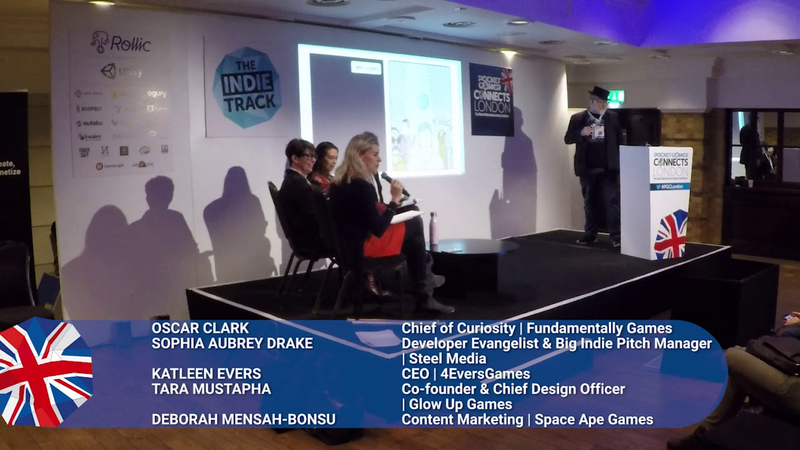
Panel: Fantasy Pitching
The creative process of game design relies heavily on the ability to synthesize disparate themes into cohesive, engaging mechanics.
- Successful game ideation often relies on pairing high-concept or absurd narrative hooks with established, robust management systems.
- Rapid iteration and the ability to synthesize disparate themes into cohesive mechanics are essential skills for developers navigating the competitive indie landscape.
- Innovation in the indie sector frequently emerges from unconventional premises, as demonstrated by titles like God of Gym, Cutie-Wootie, Pets Attention, and Adorable Home.
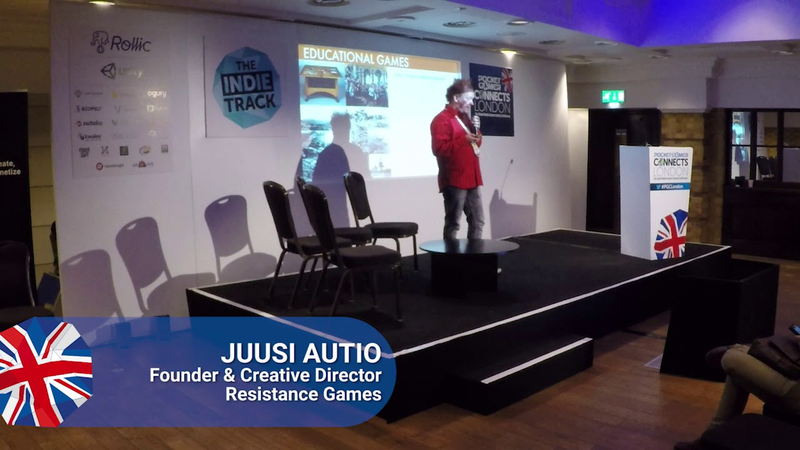
Stop Saying Games are Young and Take Pride in the Colourful History of Games
The gaming industry is frequently mischaracterized as a young medium, yet it is deeply rooted in a 5,500-year history of human play.
- Video games are not a nascent medium but the latest iteration of a 5,500-year human tradition of rule-based play, originating with ancient games like the Egyptian Senet.
- The gaming industry has historically served as a primary driver for technological adoption, consistently integrating new tools into the human impulse to play.
- Games have functioned as essential societal instruments for millennia, such as Renaissance parlor games that facilitated intellectual competition across gender lines.
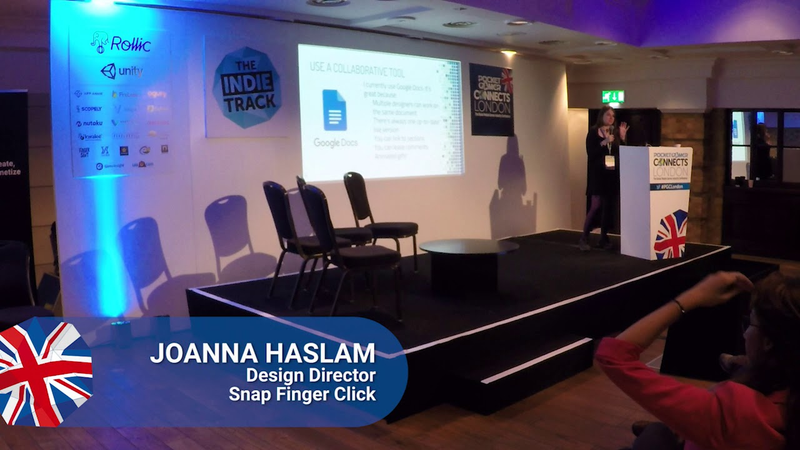
The GDD's Not Dead: Tips & Tricks for Agile Design Documents
Game design documentation remains a vital component of modern, agile development environments, serving as a foundational bridge between creative intent and technical execution.
- Game design documents must function as living, centralized repositories that evolve alongside the project to prevent information fragmentation during agile production.
- Effective documentation should utilize a tiered structure, providing high-level emotive summaries for management and granular technical details or pseudocode for developers and QA.
- Design documents should define core design problems and user experiences rather than prescribing rigid technical solutions, preserving team flexibility for iteration.
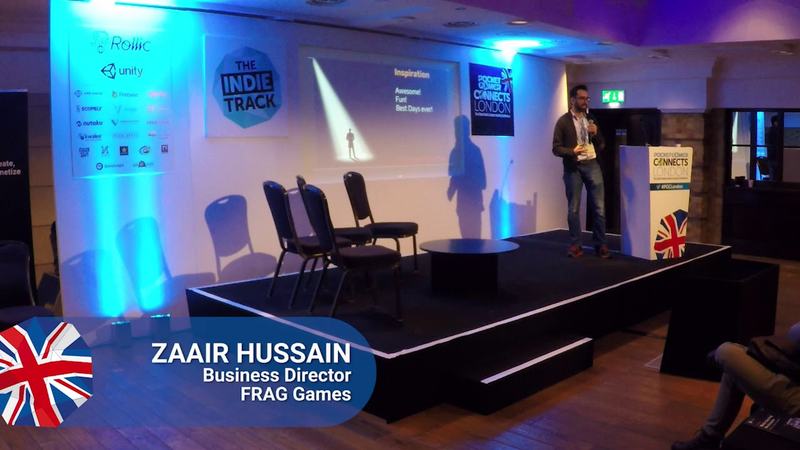
Aspirational Outsourcing or “Do External Developers Dream of Electric Success?”
This analysis explores the strategic importance of long-term aspiration in the global game development and outsourcing sector.
- Sustainable success in the global game development sector requires shifting from transactional, short-term outsourcing models to long-term investments in professional growth and shared technical mastery.
- The global gaming industry now serves a universal player base of approximately 2.5 billion individuals, necessitating cross-border collaboration that transcends cultural and linguistic barriers.
- Prioritizing short-term gains, such as exploitative microtransactions or rapid, low-quality outsourcing, risks eroding public trust and increasing the likelihood of project failure.
When to Prototype and Why
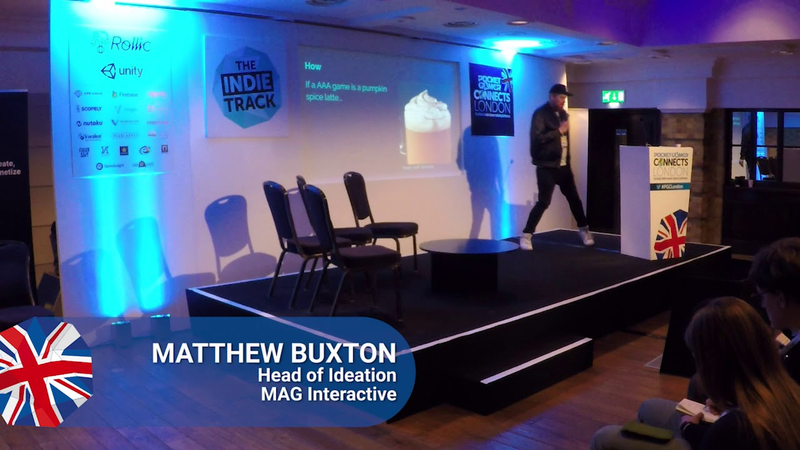
Prototyping serves as a critical, data-driven bridge between conceptual ideation and full-scale production in the mobile gaming industry.
- Prototyping must be used to answer a single, specific question—such as mechanic fun or technical feasibility—to validate concepts through objective metrics rather than subjective opinion.
- Prototypes should be treated as disposable tools to be discarded once the core objective is met, preventing the accumulation of technical debt and team burnout.
- Development teams should utilize a disciplined, time-boxed approach that prioritizes core gameplay functionality over visual polish.
How Deterministic Game Engines will Disrupt Multiplayer Game Development
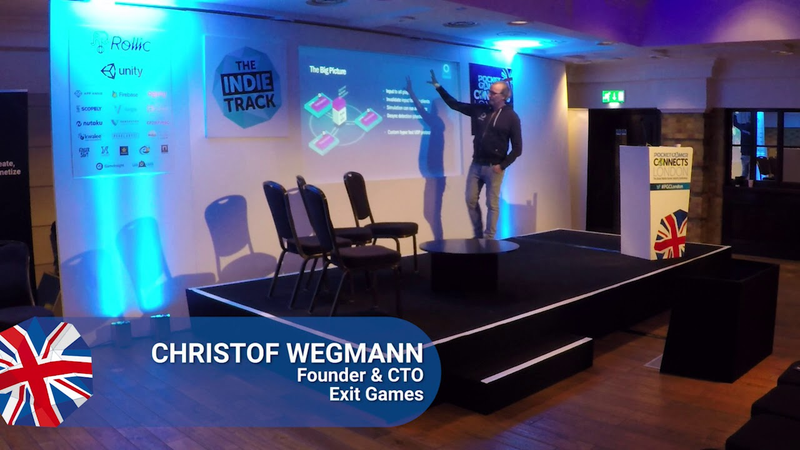
Deterministic game engines utilizing predict-rollback netcode represent a significant shift in multiplayer game development by abstracting network complexity away from the developer.
- Deterministic engines shift multiplayer architecture by treating all connected clients as local inputs to a shared simulation, eliminating the need for manual netcode and authoritative server state management.
- To maintain synchronization across different hardware, developers must enforce strict determinism by using fixed-point math libraries and data-oriented architectures while avoiding garbage collection.
- The engine must achieve high performance, with simulation calculations typically requiring completion in under one millisecond to support the constant rollbacks necessary for handling network latency.
Panel: How we Deliver Experiences that Matter Through Streaming?
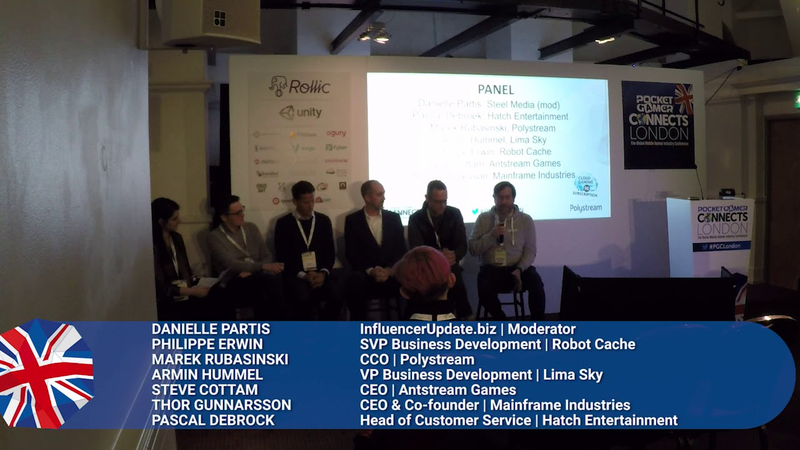
Cloud gaming represents a long-term evolution in the interactive entertainment sector, poised to mirror the mainstream adoption patterns seen in music and video streaming.
- Cloud gaming is evolving toward a hybrid model where streaming services coexist with traditional hardware, as dedicated devices remain necessary for users requiring peak performance.
- Mass-market adoption of cloud gaming depends on the delivery of high-quality, exclusive AAA titles rather than technological novelty alone.
- The industry must overcome critical technical and operational barriers, specifically the requirement for near-zero latency, data privacy concerns, and the development of cloud-native content.
Superstar Session: Three Steps to Generate Unimaginable Scale for Cloud Gaming
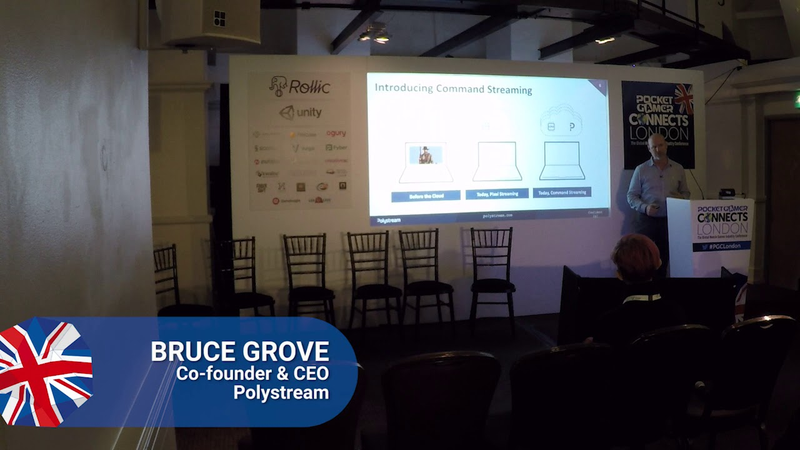
The current cloud gaming industry faces a significant scalability bottleneck, struggling to support massive concurrent user bases comparable to popular titles like Fortnite.
- The cloud gaming industry's current reliance on pixel streaming creates a scalability bottleneck, as it requires expensive, dedicated GPUs for every individual user.
- Transitioning to command streaming allows application logic to run in the cloud while rendering graphics locally, eliminating video compression degradation and reliance on scarce GPU hardware.
- Command streaming utilizes elastic, general-purpose CPUs instead of GPUs, a shift that has already been proven to support up to 40,000 concurrent users in testing.
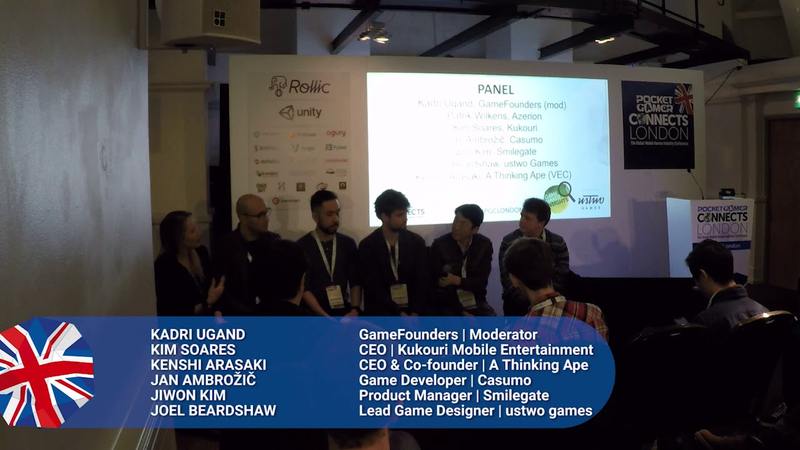
Panel: What are the Things You Wish You Knew When You Started Developing Your Games
Success in the game development industry requires a strategic balance between creative passion and disciplined, data-driven decision-making.
- Prioritize objective feedback from hardcore players during early release phases over the subjective opinions of friends and family to ensure actionable product improvements.
- Implement formal founder agreements at the start of a venture to proactively mitigate internal conflicts and ensure long-term operational stability.
- Adopt a data-driven approach to project management by incorporating significant time buffers to account for unforeseen development hurdles and technical challenges.
Minimal Design, Maximum Impact: Puzzle Game Design in Hypercasual Games
Successful mass-market puzzle game design requires a departure from traditional, rigid puzzle mechanics that rely on a single solution and punitive failure states.
- Mass-market puzzle games should abandon rigid, single-solution mechanics in favor of multiple paths to victory to reduce player frustration and churn.
- Designers must eliminate punitive failure states and ensure players always have at least one viable action to maintain engagement and prevent feelings of being trapped.
- Effective mobile puzzle design prioritizes player agency by allowing for strategic, multi-move planning rather than relying on rote memorization.
How we do Quality Assurance at King and How Agile Jenga Helps us With our Processes
The transition from traditional Quality Assurance to a model of Quality Assistance represents a fundamental shift in game development, moving away from isolated testing phases toward a culture of shared responsibility.
- King transitioned from traditional Quality Assurance to a 'Quality Assistance' model, shifting from isolated testing phases to a culture of shared responsibility across the entire development lifecycle.
- The 'Agile Jenga' methodology demonstrates that delaying testing until the end of a development cycle creates structural instability and necessitates costly rework.
- Quality specialists are integrated into all kickoff and planning meetings to define test cases and identify edge cases alongside developers before code implementation begins.
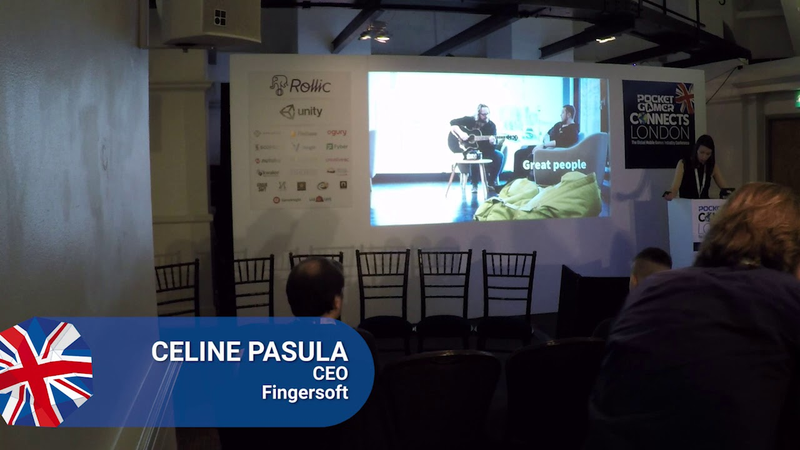
How to Bring a Game Company Still Owned by its Founders to the Next Level
Fingersoft, a Finnish mobile game studio, faces the challenge of scaling its operations while maintaining the agility that defined its early success.
- Fingersoft is transitioning from a founder-led startup to a structured organization to sustain its long-term viability in a market dominated by free-to-play models and consolidation.
- The company’s flagship title, Hill Climb Racing, has achieved over 1.4 billion downloads, serving as the financial foundation for its current operational evolution.
- Fingersoft’s core strategy prioritizes organizational adaptability and responsiveness to change over simple scaling, aiming to avoid the stagnation common in maturing studios.
Writers
Games and companies
Games