Loading the document
1 free read left. Create a free account for unlimited reading + AI research.
Create free account
Aspirational Outsourcing or “Do External Developers Dream of Electric Success?”
Key insights
6 takeaways- 01The global gaming industry now serves a universal player base of approximately 2.5 billion individuals, necessitating cross-border collaboration that transcends cultural and linguistic barriers.
- 02Sustainable success in the global game development sector requires shifting from transactional, short-term outsourcing models to long-term investments in professional growth and shared technical mastery.
- 03The most profitable outcomes in game development occur when outsourcing is treated as a dedicated, long-term commitment to mutual respect and value alignment between partners.
- 04Prioritizing short-term gains, such as exploitative microtransactions or rapid, low-quality outsourcing, risks eroding public trust and increasing the likelihood of project failure.
- 05Studios should evaluate potential partners using a framework of growth, courage, and discovery rather than relying on superficial, short-term performance metrics.
- 06True professional longevity and consistent creative output are built upon a commitment to incremental improvement and a multi-year strategic vision rather than occasional creative breakthroughs.
Ask AI about this video
Transcript
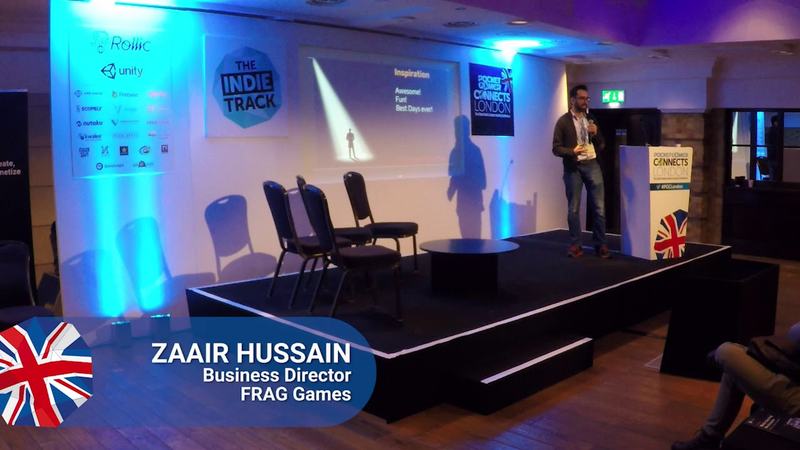
[Music] hey guys my name is Cyrus and I'm the business director at frag games this talk and as you can tell the subtitle change in the middle swatting aspiration from 10,000 miles away it's just a collection of perspectives we've come across in our years of development and I can see some of you already regretting your decision but I hope it's going to be useful or at least interesting for you guys this stock does have a table of contents that shouts at you all the best stocks have those fun fact this stock is also going to have homework the first
claim is that plays universal some people need a study to believe that water will run downhill and for those people there is a 2013 study called play and cultural context that affirm that play is can be considered a universal trait of human psychology but really does that surprise anyone in this room or in this industry so obvious if you just look around the aesthetics of play might be cultural they might vary from country to country culture the culture but the fundamentals of play are absolute like that comes from somewhere deeper than us they remain universal over time the you remain universal over plays all video games have done is take those same instincts those same pursuits and make them more Universal than ever now I'm pretty sure everyone in this room has seen this number before and I
saw it many times but if you dwell on it for a second right if you really take a minute and think 2.5 billion that is a staggering number it means that games however users define them games are as close to a universal human pursuit as you can get a universal human experience well if you can't read that down there it's like football players in the entire world 250 million I don't know if new zoo also did that but you know I'm gonna take it does anyone recognize these movies anyone here is everyone younger than me all right for a certain generation I get that same answer anywhere I ask this question anywhere in the world because these films have become part of our shared like cross-cultural memories right there there was one of the few that transcended borders if you're as old as me and if you're as old as me you remember that this is what the world
grew up playing it grew up figuring out how to stomp Koopas and kill cyberdemons and learn juggles and I would say like these are shared global memories right I would say even more so than movies because in these cases we engage with them directly for hundreds of hours and very importantly they were they cut across language barriers to go a little more recent the last generation of gamers grew up building a staggering galaxy of worlds in Minecraft and these are just some random creations I took from around the web and I can't tell what country server they came from and I'm willing to bet nobody could guess that right because not only are the fundamentals of play universal video games have made these specifics of what we play more Universal than ever right like they're getting closer together than any other time in history thanks to this industry I love this figure because of the twist in the
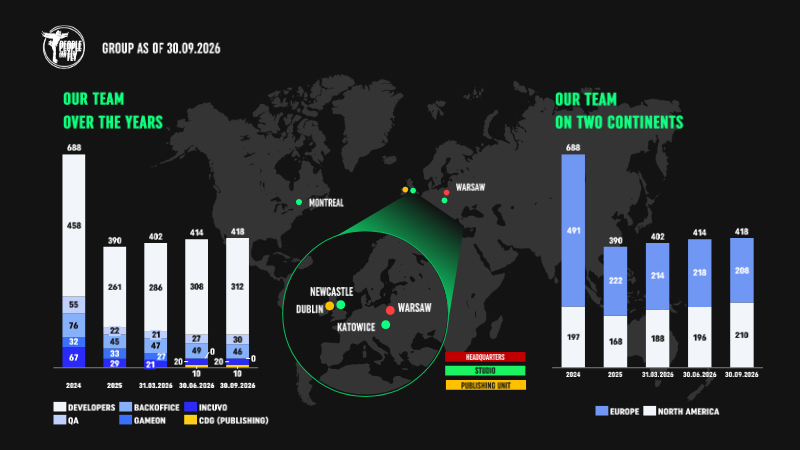
middle right since we are talking about outsourcing since we're talking about develop like how global is development and this is the answer right internal and external teams have been in this together for a very long time the modern story of the games industry is rich in art and game design and mechanics and code and it is global and universal it has been for a while and it's getting that more so every day second aspiration is measurable I hear a lot of people talk about aspiration I started thinking about it I was wondering how you could measure something like that when you say what is aspiration usually you're talking about some quotes I have a few of my favorites here Dan Edelman Jane McGonigal who I think has a beautiful sentiment and the greatest aspirational quote of all time my man Thomas but when it comes to defining aspiration it becomes this abstract and fuzzy thing it gets muddled
up with hope aspiration is not hope and it's certainly not wishing aspiration in a nutshell is the ability to envision and work towards long term goals right like that's all it is the ability to see like the next five to ten years and to work towards it one day at a time right the decades is a vision the days is the work and the reason it's important to talk about the long term is because it's increasingly obvious the game industry isn't going anywhere and it's a young industry so we zone some sometimes even people in the industry don't think of it that way but the industry is here to stay these are all figures by the way I think the latest one is a hundred and thirty billion if I'm not mistaken so the industry isn't going anywhere the question is how long are you planning to be here when you're talking about aspiration that's one of the most important questions you can ask yourself and it's one of the most important questions you can ask of anyone you're planning to work with because how they
answer that question deep down in their hearts is going to determine what they spend their day-to-day doing trust us for years we went nowhere at least we were stuck kind of in a rut in the same place because we were looking for quick fixes and I'm sure a lot of people maybe a lot of people in this room have been in that same position certainly people in the industry I know have but as soon as we just decided that we were in it for the long haul that five years from now 10 years from now 15 years from now we were going to be here it made like it made a lot of changes in us and everything else started to change and everything started to pick up so what's the difference between aspiration and wishful thinking basically investment investment of time money resources opportunity costs safety isn't like being sort of less risk-averse anything that you put in now you sacrifice today for a chance of that you know like getting to that next level later that's an investment and that's how you measure aspiration the heavier your investment the larger the
aspiration you can support since aspiration is very personal I can only really talk about our own one two three that's it those are our aspirations for the next two years and everyone is gonna have different aspirations but if your list is 15 or 20 there's a problem we have dreams beyond this we have hopes beyond this but that's not the same thing as aspiration and our investments I mean there's a few specifics saying no a lot more by the way is the most fun one but you'll notice they all kind of come down to the same thing it's spending time money resources risk or putting an opportunity cost right now spending something now to have a chance of hitting that next level in the future you need to work smart obviously you need to you know you should be passionate obviously I think that's one of the most like overstated things in the industry but at the end of it you have to be able to grind and there's a
lot of ways to take inspiration from that but for me it's this that is a titanite slab from the first Dark Souls it's needed for all the highest tier upgrades it has a 0.21% base chance of dropping you have a better chance of being struck by lightning I've been getting this to drop on your first try don't look that up for the point is we as gamers should know by now the value of grinding aspiration is greater than inspiration like I'm you know this is a hill I'm willing to die on do is anyone here ever have those days where everything just clicks there's a problem you've been stuck on for a week or like a bug that you couldn't get through and just like a beam of light you get you're like oh I can fix this or you come up with that perfect art style in the shower or that perfect game mechanic that's you know you wake up and you're like finally this is what I've been looking for does anyone have those moments or those days should count yourself lucky we in
the industry should count ourselves lucky because those are inspired days and not everyone gets that but the unpopular but universal truth of creative industries is that nobody is inspired all the time that's where this comes in this is the symbol for towel it means the way and it's about walking a lifelong path to mastery being better tomorrow than you were yesterday right like that's what energizes us even on the days we're not inspired that's when the days where nothing is happening or you're getting one rejection after another or things are breaking that's the like those days you're not gonna be able to count an inspiration save you it has to be something longer-term it has to be this idea of no matter what we're building something our capacity our skillset our network you know we're taking like our knowledge base this is one of my favorite quotes ever and Tom Bissell because every day even in this
industry can't be fun but every day can be fulfilling the hard way is better than the easy way this applies to almost everything in life it has always applied to the business of games here are some games that took the hard way small history lesson here you'll notice they're all stone-cold classics they captured people's imagination with amazing experiences and they drew people in and here are some games that took the easy win a couple of them became infamous for exploitative microtransactions and one of them literally crashed the entire industry all of them exploited a beloved IPS and lost the public trust to make a quick buck the same way finding external development partners is like anything else the less you put into the process the more likely you are to get burned there is always the easy way
right many studios look for the wrong traits and they hope there's that word again then everything else will work out right and a lot of times it doesn't work out that way then there's the hard way which trust me is a pain in the ass like building any other relationship it requires time commitment like a dedication to building a relationship along with a product or a series of products it's hard but that doesn't mean it's the wrong way to do it if it's not already obvious we like doing it the hard way that is the greatest thing you'll get out of this talk by the way because I didn't write it so let's talk about finding partners we've always been lucky in that we have a lot of great external development teams to inspire us not only because they were very successful commercially
but because there were examples out great marketers should be and as it happens we recently joined one of their families what's up guys so what makes for a great partner would it be handy to have a list say no more give me one minute and what if my family distributed these back it's a handy list take one the awesome partner checklist it'll come back to you this by the way disclaimer if you use this list and still get burned don't call me but in my experience this has been true for every relationship I've ever had personal or professional first thing is growth what a lot of people forget is working on yourself the easiest way to get better partners is to be a better partner right like and once you've worked on yourself value yourself don't sell yourself short saying no to things is one of the most important things that are wrong for you
is one of the most empowering things a person or a company can do after that comes courage now fear can be valid it can be based on past trauma or horror stories that you've heard but if you go into every situation kind of cringing and thinking oh this is gonna suck or I'm gonna get hurt your cup you're letting your fear control you and you're cutting yourself off from a lot of like profitable partnerships or potentially great partnerships so you know put yourself out there talk to people be open to people talking to you then comes discovery this is where you have to pay attention to the people who you're talking to you have to listen to what they're saying number one most important if you get any vibes of deceit or disrespect you should probably bill there's a lot of people out there and it's not worth it but if there are no red flags is the fun stuff do you have interesting conversations does it seem like you're on the same wavelength a lot again like do you see your values reflected most importantly
do you see this as someone like you can work with for one year two years five years whatever like have a long-term relationship with by the way mutual respect is very important because again what people forget is if you don't respect the other party it's not gonna work out either truth right if I can leave you with one thing it's this be open and upfront with yourself and with others in what you're looking for and what you bring to the table I promise you you will have more fulfilling relationships if you got that card by the way remember I said there'd be homework fill out the back you know I'm not gonna ask for them back nobody else ever has to see them but it might help you get a little bit of clarity game development is a scary beautiful insane Lenti sometimes painful sometimes magical process it is a huge industry
out there is it dangerous to go alone I don't know but I do know that aspirational partners make the journey more fulfilling they always have for me thank you very much but part motivational speech parts aspiration to do outside so do you have any questions out there anyone thoughts I think the cards are being passed backwards as I understand it so I'm gonna come around here like no I don't wait the point for me is I think it's really to think differently about how you interact with people I like to say working with teams I work with external teams up I'm a middleman where I'm I've got the client and they're looking for a developer and I think it's it's not just working out the personal relationship but also getting to kind of build the trust and I think how much importance you place on long term engagement with
somebody as opposed to this sort of a media getting the job done if you're if it's an emergency situation and you just have to get something done otherwise an entire project is gonna crash and fail you have to take that risk but I would say that doesn't actually describe a lot of the work out there I think for every other situation it is really important like it is always better to have that long-term relationship and investment even if you go through many partners and you're like okay these are the people I can work with because aside from like better or worse everyone's different right like without any value judgment to it everyone works differently and it takes a while to find someone where you can really click together and you understand each other's peculiarities and what is important and what is not important again same as in relationships so I think in terms of business it is always better for both sides to be looking for that long-term partnership and it doesn't necessarily have to be a marriage it could be different people have different skill sets and then ships can be anything but like long term is
usually better exactly so last chance for question and on that note I will say thank you very much thank you a script is cool [Music]
Summary
This analysis explores the strategic importance of long-term aspiration in the global game development and outsourcing sector. The core thesis posits that sustainable success for external development studios relies on shifting from short-sighted, transactional business models toward long-term investments in professional growth, relationship building, and mastery. By prioritizing these enduring partnerships over quick-fix solutions, studios can navigate the complexities of a globalized industry more effectively.
The industry context is defined by a massive, universal player base—estimated at 2.5 billion individuals—which transcends cultural and linguistic barriers. Because the fundamentals of play are universal, the development landscape has become increasingly globalized, with internal and external teams collaborating across borders. However, the industry often suffers from a tendency to prioritize short-term gains, such as exploitative microtransactions or rapid outsourcing, which can erode public trust and lead to project failure. The analysis argues that while inspiration provides occasional creative breakthroughs, true professional longevity is built upon the "grind" of consistent, incremental improvement and a commitment to a long-term vision.
Methodologically, the approach emphasizes a shift in how studios evaluate potential partners. Rather than relying on superficial metrics, firms should utilize a framework of growth, courage, and discovery. This involves being transparent about organizational goals, valuing one's own capabilities, and actively seeking partners whose values align with a multi-year outlook. The analysis concludes that the most fulfilling and profitable outcomes in game development arise when both parties treat outsourcing not as a temporary necessity, but as a dedicated, long-term commitment to mutual respect and shared technical mastery.


















Comments