Loading the document
1 free read left. Create a free account for unlimited reading + AI research.
Create free account
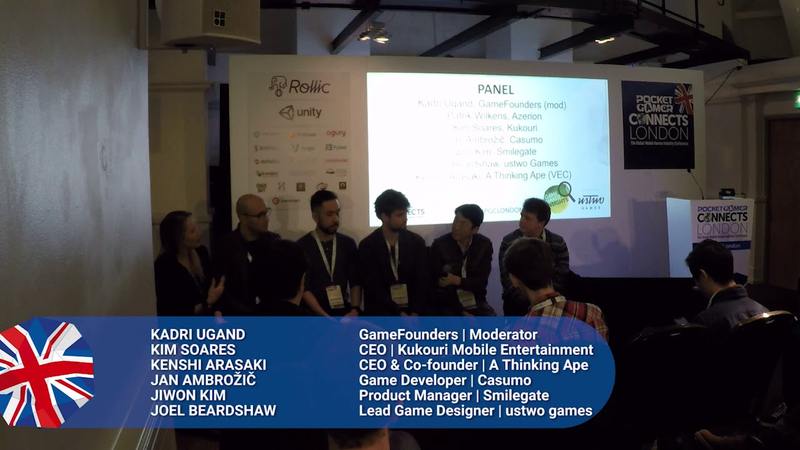
Panel: What are the Things You Wish You Knew When You Started Developing Your Games
Key insights
7 takeaways- 01Maintain long-term project viability by using player data to pivot away from underperforming features and adapting to shifting market models like free-to-play.
- 02Implement formal founder agreements at the start of a venture to proactively mitigate internal conflicts and ensure long-term operational stability.
- 03Adopt a data-driven approach to project management by incorporating significant time buffers to account for unforeseen development hurdles and technical challenges.
- 04Avoid overly conservative marketing strategies, as they frequently result in substantial missed revenue opportunities for game titles.
- 05Measure professional growth by the rate of skill acquisition, and transition to new environments or genres when a project no longer provides meaningful challenges.
- 06Prioritize objective feedback from hardcore players during early release phases over the subjective opinions of friends and family to ensure actionable product improvements.
- 07Treat game development as a marathon rather than a sprint by fostering a sustainable work culture that utilizes intentional rest and mutual accountability to prevent burnout.
Ask AI about this video
Transcript
[Music] so thank you thank you pat it's everything you can hear me okay perfect hey so we are starting a few minutes earlier but I mean the content is is worth waiting for so I'm sure we're gonna have a fun panel I feel like I need to stand up but I guess I guess maybe not so we have a bunch of of very interesting people with different kinds of experience here on the panel and and the topic is what would they do differently if they knew what they know now so a very very intriguing topic as well but before we go into the intros
for the panel I would like to know who you guys are so who is who is an indie or developing their own game or has their own studio okay so who are the rest of you so working at game studio that like a bigger game studio maybe no yes service providers no oh yeah a students there you go so very appropriate very appropriate audience so we'll kick off the panel with short rounds of introductions so you kind of know who everybody is and and what is the experience that they're sharing so let's let's start with you Kim right yeah hi everybody my name is Kim I'm from Finland small indie developer called COO Corey I've been a gamer since 1979 when I was five did my first console Atari 2600 but then been doing game reviews since 96 and then been in game development since 2002 waffles and
with the gaming community and developer community and looking forward to questions hi my name is Ken Chi I am the CEO of a company called a thinking ape in Canada we do free-to-play mobile games mostly strategy games we launched our first game on the App Store in 2009 and it was called kingdoms at war I think it was one of the first apps that had freed in-app purchases since then we've grown our studio and we continue to try to indulge her passion in making games hi i'm i'm yun and i work for a company called kazuma which is an online casino and we do mostly slot machine games and casino based games and in the past I also tried to do kind of my own Studios and my own try to develop my own games and see where I can get with that it did not go that well so I have maybe some experience from that as well and yes I'm originally from Slovenia and
I kind of live between like Slovenia and Spain and around Europe a bit I'm John King product manager of mobile games since market in Korea previously part of the metal core games especially maplestory and nexon and my first game was Cobell PC anymore PG in 2003 at est and recently I'm working on more casual games right posture and stroking thank you hi everyone I'm Jabberjaw I work at us two games who were most famous for the monument valley games so I didn't work on the first one but I joined about three or four years ago and I'm a lead game designer there we just released assemble with care that was my first job doing leave game design before that I've kind of got history spanning back about twelve years I started working in games professionally in 2007 and worked at codemasters for a very long time working on shooters like 50 cent blood on the
sand and then later racing game was kind of karting kind of kind of family-friendly karting games before starting and asked to you about three years ago cool and just a few sentences about myself as well so I'm the CEO of game founders and we are an investment fund mentoring program for game studios and we've done 69 investments in 26 countries in young game studios so a lot of us all of us have seen a lot of the different game studios with different paths so so this should be interesting so we're gonna do a few questions and then if you if you guys have the questions we're gonna also open up for for yours but so first question so if you think back when you started what is the one thing that you are super super happy that you made that decision to do so anything from from team game whatever whatever comes to mind so let's start with your job I think the thing that I'm the most proud of is kind of like the thing that I feel like I did the best
was being humble and like jumping into a team and understanding that hey these people all know like they know a lot they're like I'm joining a bigger team and I should really listen to them like like coming in joining people with experience listening to their experiences and kind of starting off but kind of just kind of absorbing a lot of knowledge from other people and kind of using that experience and starting off as a junior kind of slowly working up kind of gave me a lot of the confidence I have today like that's kind of slow build up it took me kind of 11 years to become a lead but like that kind of slow build up is like it really like that's not something to be ashamed of that something I'm really proud of because it means I've got all this kind of like these layers of different people in the back of my head with all their kind of knowledge it's kind of speaking into my ear about like oh like this person gives you this lens and this person gives you that lens and I kind of like that did it make you change your overall direction as well like what you wanted to do at first and then what you ended up doing yeah definitely like I think when I started in 2007 when you start working
in games at that time it was a war they're making console or you're making PC games and there was this very small bubbling up of like mobile games that was coming up but it was a very different place it is today and working with those people like as as kind of change happened and you move from teams team you kind of see that the history of the games industry has changed a lot over the time before I joined and then it kind of helped me understand like has things changed going forward and that kind of vision of like oh there can be giant teams and there can be tiny teams and they can both equally make really interesting things even though they're kind of different types of things yeah yeah cool I will actually jump now to Casey who probably has a bit of a different opinion about starting from from zero sure sure so what is the one thing you're happy about okay well to give some context I had when I started 88 probably ten years ago now I had no experience in games and I was just a
young kid our our company actually didn't even do games we were a chat company to start with and so when we when the iPhone came out and we became really passionate about it we decided let's just make a game that's really just a kick-ass chat room and I and the reason that we did that is I really liked I grew up playing text-based muds and I really like the kind of sense of community that you get playing these games and all the emergent behavior and the interesting things that the designers didn't originally intend to happen I loved those kind of games and so to answer your question and and it's also our mission statement now is I really just indulged in trying to build the kind of games that I like to play myself and for me that was online games where we build really great communities and that was a really great thing in hindsight because it turns out there is AI there was a bunch of people who also liked those kinds of games and it also gave us like a head start you know back
in 2009 doing live ops and treating games as a service and because of that to this day our oldest game it's still running still generating revenue it's ten years old and so you know people will log in to play these games even when they run out of things to do so what is the one thing that you are super happy about that you made the decision that you made somewhere in the beginning okay I try to talk about my first game I think one of the best decisions we made was to change the lab assistant for our characters at a time there were two traditional ways to share XP I mean experience points to total for hunting the same monster the first one is that to pray with tourists to pray with the final blow gets all the XP in this case there might be some others not to spend
time effort to defeat a monster and just pray for the right timing of the final blow and the second one is that the prey with the highest amount of damage to a monster cats XP and the problem is that if the one is wrapped rifts him or he's dead there will be no one who can get XP so most people that both of the war on fear but and he tossed the usual stupid game so we decided to share the experience contribution I mean don't know you make the energy to know you'll gain XP so when you hit a monster system heart rate the contribution to divide that total damage you made by the torpedo monster
has and distributed XP to all the players involved in the battle so he was having some positive feedback for players in this system most users was so satisfied and he hoped to improve our games lifetime and the same so I think I want to pick this one as the best decision I made but how did you come up like how did you get there how did you get to that decision well I think he wants to reach out that we focus on the users not some kind of conventions where the common loose we just think the one you just really want to do war conscious nearly I think it would be I think next yeah sure I guess I would say that just don't
be afraid to throw away things and experiment and by that I don't mean like you know you you release a game or something and some part of it doesn't work and you just immediately move on and you just say okay this doesn't work I mean like try to figure out what happened why does it not work check some analytics maybe try to do some experimentation to some a be testing and if it still doesn't work just don't be afraid to move to some something else because I see this and I've seen this throughout different companies people sometimes get very very passionate about one specific thing and sometimes players just don't like it and it's very very very hard to give that up but I mean at the end of the day you want to make an experience that a lot of people can enjoy and ultimately that you can also sell and if you combine those two things together you kind of have to check the players aspect a lot as well and even if you're super passionate about that you sometimes have to throw things away and experiment with something new and I
think especially as a young company when you usually don't have a lot of like leeway and you know if you if you spend I don't know two years developing a product and then it does not work it's much better to figure out that sooner get out sooner and figure out if you can adjust something in that product or you know it needs a new aspect or maybe you you messed up with the monetization and there's a better channel or you know so yeah just get out quickly try to experiment and don't be afraid to change things up but that's a very kind of like fine line you know stick with it but then let it go so how do you how do you kind of find the balance or when is that when is the scale tipping in the other direction I think it really depends on on your company and where you are and what kind of sort of let's say if you're a big company usually can afford to experiment for a lot longer and you don't have to troll that many things away that that quickly but if you're a small company
you kind of know how much time you have before you have to do something else and by I mean do something else like either you have an investment or you have some some people that are trying to move on or something like that so it is very very tricky but what I've seen a lot of times people just stay committed to things let's say in big companies and they're trying to do it in years and years and it doesn't work and they're still convinced that it's gonna work at some point and it usually like it does not work can your experience what was the question decision you made when you started yeah I mean yeah I have I have started quite a few times actually in in games I started first as a journalist back in 96 96 because they were on 3d game companies in Finland at that time safe of you like remedy but then I have found few companies as well but maybe the most recent single I'm happy that I did was that I left my previous company that was
i I was co-founder of because we didn't make games that I saw that we should Mimi should be making and I wanted to found my own company from from Grenada that I could kind of like mold into a company and work place where I would like to work myself and kind of like don't be afraid to kind of like don't settle I mean if you're if you I guess you all lot of games and you want to make games and I love making games so if you're making games in an environment or company that you you're not sure of if it's for you then don't be afraid to kind of like take a leap of faith find your own company or go to some other company and kind of like there's a lot of jobs a lot of opportunities in games so yeah take a step when you feel that it might be there that's actually a very good point if I can if I can add a kind of a comment to this as well I've seen a lot of teams starting up and most of those are well maybe not most but let's say at least half of them at least
at one point one founder wants to leave or or something changes in the structure and actually one of my best decisions that I have made in in the companies that I found it in the past is to figure out a system for how the founders are working with each other and what happens if one founder leaves so if you guys you know make these decisions beforehand and everybody agrees upon them when you're still friends then you don't need to come back to this decision when somebody is doing something shitty or once sorry or wants to leave or or similar so for me having a structure of relations between founders and have like a even an email that you know if somebody leaves then this is how you give the shares back or whatever is it's something that I have seen at least in young teams creating so much trouble so yeah just a piece of commenting on yours but so let's let's go from from all these good suggestions to a bit of a different angle so what is the worst
decision you make that you are still kind of sleep over and are really unhappy about what would you do differently yes Joe let's start with you it kind of seems strange come from last two games person but the thing I was really scared of doing when I was like new in the industry was making things that were small and personal and like drawing on influences that weren't just I want to make a racing game I want to make a shooting game and I was always kind of not thinking outside the box that was very genre shaped and so I wish earlier on that I kind of when I was at uni I could have made little small experimental things and then I kind of put that side of me kind of away and and and didn't really think about it as like being relevant experience and I think later on kind of started to realize seeing more more people making interesting things that weren't weren't just for themselves but were more personal and drew inspiration from things outside of games like seeing like
a lot of the reasons we have kind of games looking the way they do now is because people are drawing our influences from all kinds of places where we didn't have that we not we didn't have that we saw less of that like 5 10 years ago so don't be afraid to really share in the creativity yeah yeah and even if it's just in your spare time and it can grow from there like it's kind of that kind of idea about like I think it kind of echoes a lot of things that people on this panel have talked about like not being afraid and starting from something that you really care about well let's come to this end Kim okay well maybe maybe not a mistake per se about one thing that I I wish I knew beforehand and which I always emphasizing in panels like this is that everything takes a lot of time and it will take more time than you think of I mean finding right people for your team getting the design done then it's all done doing the soft ones all those things take take more time than you imagine I
usually say that when you calculate schedules and if you end up into six months then at 50% and then at 50% more because it will take more time than you think of and if you kind of like for example if your budget is kind of like low and you think okay we can just manage to six months and then it's nine months or 12 months then you're in big trouble but if you kind of like figure that in beforehand and if it still looks like okay maybe we can do it and now we kind of kind of like prepare for it then that's good but if you kind of like go blindly that yeah we can do everything like really fast nobody gets sick nobody has any troubles and we find everybody when we want then you are like you don't have any any kind of buffer zone and that's that's what you need so now you are making longer schedules for everything and getting positive surprises when you finish early yeah I mean that's that's always good and even if you do use requisition budgets for example I mean we just did some budgeting and okay it's like this
month's but then we added 20% to it and if we kind of like it is not that much then that's a good surprise for silly surprise but then we are prepared for it do you want what would you have done differently if you knew what you know now what decision would you change tamati I want to change his pitch in small of my first game actually chose monthly subscription as OPM actually must baby afford on a mortgage at a time but as really tricky to arrange the original price for me so a few games adapted freed prime arrow but we thought we were afraid of that it was too risky for what frame you came like us so we hesitated to change it
there's time when pipe we figured out that it was market trend and what you just really want to do so in six months we realized that our sales record was much more than expected so eventually we changed the BM to the fifth promoter increase extremely my almost five times I think it was also helpful for use your acquisition - so can I ask what year was that what year was that when was it it was 2004 okay a pioneer in the free-to-play okay thank you I can show you one of these yeah so the biggest mistake that we made probably cost our company revenue close to a hundred million dollars and that mistake
was you know we had launched our first mobile game and it was in the top grossing charts and we were just a bunch of kids along for the ride it was like a roller coaster and you know we came from like a background where Oh games are like hits driven and they only lasted a couple years and they go away and we didn't realize that games could become these long-lived uh you know five to ten year ten year plus journeys and so we started looking into paid marketing and paid marketing is what you want to do to grow a free-to-play mobile game sustainably if you're not looking for like a viral hit and back then I installs to buy and install it was twenty five to fifty cents per install and just for context that's very different from today where installs can be as high as twenty to forty dollars and so we we looked at the the cost of installs and you know we were making our
money back in a month and we said wow that's really expensive we shouldn't spend that much money versus like our friends were raising money like you know and they were like raising like hundreds of millions dollars to do that and then now billion-dollar companies and so I for that I think we're a little too conservative with our marketing spend back in the day and we've since fixed to that I'm sure I'm sure some people here understand just how expensive marketing is now and what is your what is your bad decision or what would you do differently yes so I'm gonna take a bit of a technical angle and it's especially relevant if for example most co-founders or if you're a solo co-founder or whatever and you don't have the wide area of expertise and you're coming mostly from tech background you usually forget about all the other aspects that are needed to make a successful game so that would be my biggest mistake is not thinking about you know do we need to go
to the publisher do we need to do that where do we marketing what's our channels like what's our primary focus groups and all of that because usually you're just thinking about okay this game you know we need this art and we need is dynamic and this is going to be cool to play and everybody will just magically install it and that'll be it and yes when we were doing games it was in that era where installs were very very cheap so it it would be you know even it would be so easy to get a little bit of investment money and just get it going and and it would be a very different result at the end so yeah that would be my biggest mistake oh so we've had we've had basically like a plus and the minus side from from all of the all the speakers on the panel we still have 10 minutes I do have more questions but in case you guys want to have a question as well anybody yes no maybe yes here we go
it's time to leave your first home so when is the time to leave your first company I can just repeat if it's okay okay yeah sure yeah okay I well I believe it's actually very specific to the individual and so growing up there's like this idea that you go work for it you you go to university you work for a company get a couple years experience and then you I go start your own company and you're joining a company that you really want to work for and I think that's bullocks I actually believe what you should do is you should optimize for your own rate of self improvement and so what I mean by that is people drastically underestimate the growth and and and the growth of human intelligence and skill over time and it's an
exponential curve and what I mean by that is if you're in the right environment you know you're in that you're that in that zone of flow you're like on the bleeding edge of things your rate of growth is exponential and so like people who are outliers who can accept that sort of risk tolerance and and can go start a company at the right time to you know quit your job is to like drop out of college right and then like go start your company for others your optimal rate of growth for others your optimal rate of growth is yeah go get that experience and then go work there for others at a big company and for others still it's it's like a spectrum right it's go work at a start-up and go get like massive amounts of experience because you just have to wear many hats right and for the extreme outliers like a Mark Zuckerberg or Bill Gates you can just drop out of college and start it right away but everybody wants to be them so I mean now you're forcing all these students to quit
college do it yeah why not look if you're good enough you might as well maybe that's the North American thing I don't know anybody else want a fishin yes don't don't quits call it's Colorado yeah I would actually say that get experience that someone else pays so if you go to another company when you graduate for example then well everybody makes mistakes but if you're in a company your payroll and the management and the founders may mix make mistakes then you can learn from those and then I don't know at some point it might be the right time for you to leave or join another company or whatever but maybe the lesson here is also that if you ask you get different kind of answers and it's kind of like up to you to decide which one is kind of a you know in this example when someone goes to college for
four years and does another two years of working at a company that's six years these days you can start a company in your garage right you can build a game on unity and be cross-platform that's six years by the time that person leaves I college and their first two years of a job the person who has been working on a company will be a seasoned entrepreneur they've they'll have have over half a decade of experience what do you mean by everything like start your company and and still be in college and do everything in parallel I mean I well so I believe moonlighting is hard I believe you're gonna do something you should do it full-time and just to be fair like I didn't drop out of college so I actually went through the path of doom at four years of computer science and then I worked two years at Amazon as a software developer before I then quit my job and started a company but knowing what I know now I would have dropped out of college I think I know what my
exponential or whatever my growth rate is is quite a lot slower than yours probably but so like I don't know like I I know they're play when I left my job I probably should have left a project or two earlier like I think you can kind of sense it when you're like like you're not they did the job you're doing isn't pushing you anymore you're like all right I'm coming in I'm doing I'm doing it I'm I'm not learning yeah I'm not learning and you learn little bit yeah but you don't learn at that same rate you can kind of you can start to notice it when you're like especially like for me like jumping into a new genre and learning all the mistakes you do when you start like making a type of game that you've never made before oh wow yeah like I'm learning all this stuff and then you start to kind of get into this mode you like I kind of done this and I can kind of zone out a bit and start thinking about other things and and at that point that's kind of like maybe you should move on and and and and do something for your own or
just do something at a different place that's more there's giving you brand new challenges yeah definitely okay we have more yes we have one more question in the back hi I am just asking my company in my garage and college yeah in psychology totally different and I'm making game so good no improvement health so that's what we're doing so the team has not that much experience so given what you're saying about needing experience and the team who is the most important person or type of experience to have on your advisory board you want to start Joe or no okay I know that case you started with the team with no experience you just practice before so huh how can she do what you did advisory board do you think that well first we never had one but I'm sure it would be useful I think
mm-hmm maybe I'll answer your question in another way actually I I think the thing that served us really well was we optimized for releasing something really quickly and what I mean by that is it's really easy to come up with this amazing idea and concept and work on it and refine it until it's perfect and that's a big problem because at least in my kicks my case I'm always wrong I can never what I want to build never ends up being what we actually build or what actually succeeds and so what I think is a really good concept is there's this idea of no matter what kind of what you're into there's always this concept of like the thousand true fans and so in in games that manifest as like a closed beta or something like that and so what we did is we we we found a group of players who really liked the kinds of games that we like to build and then we we launched early and often to them and we got their feedback and they were our advisory board and without them we'd be dead in the water
internally we call them the violent 1% and and it's not friends and family by the way friends and family play tests are the most useless things you could ever do because they're all surface level most of them don't play the kind so at least for us most of them don't play the kinds of games that you like to make and they're gonna be nice to you right they won't really like tell you anything but if you find if you spend the time finding like the hardcore 1,000 true fans or the violent 1% I they will you could not pay someone to me be more dedicated to giving you like really really great feedback more than any advisor more than any investor and and that for us has been really useful and can you one also chime in here our advisory board is I think it can be very useful it can also be useless one thing is that I don't know kind of like what kind of like structure you have our deals but if you have like people coming to your company after you have founded
it don't give a give away too much beat an advisory board member or kind of like investor or whoever may be optimal person from my perspective would be someone who has experience from the trenches so he or she might be kind of like veteran developer connections are important connections to if you need more talent be it an artist or bit like publisher or finances or producer or whoever so someone who is like veteran and well well networking person because they they can help you whatever you need that's any given point of time okay cool any more questions Holman and the key thing is like remember a lot of really great things especially in games happen because people didn't know that they weren't supposed to do that right so like not having that experience can be really useful too we have time we actually run
out of time but I will hi so thinking about how hot game development scene might be how do you take care of your like mental health then and that you don't burn out and stuff like that mm-hmm yeah actually that is something maybe maybe we can all take a turn so we'll start with Jiwan yep thank you Kristin was the Ottoman talking about mental health yes so how do you how do you keep yourself sane with all this speed of the industry and and if there is anything specific that you or your team do mmm I think I need more time okay let's dig Joe I think you need to build a culture of everyone holding the other people accountable I think it's very easy to be the person's got like no no I'm gonna
stay the entire weekend work all the time and it's you've got like it's about especially in the team of whoever your leads are in the group being people who kind of call it out and say no you need to go home like it's it's it's sometimes hard that say that someone especially when you're both passionate about a project that's in front of you but it's about essentially about that group of people in there becoming the support network and finding it okay to say like you need to take a rest you need to chill out and you'll you'll listen to each other it's reciprocal yeah yeah yeah yeah so there's there's a lot of there's obviously people have it kind of in a way like terms it's kind of like when you and your partner are like oh I'm having a really bad week and so one person looks after the other person I mean it swaps over that kind of that same kind of group at least in the in the group of leads us to we kind of talk to each other and go look you're kind of I'll take some of this brunt like you need to kind of see and have a bit of downtime maybe get your head down and just work on something on your own or
like whatever that is is about making space for each other okay yeah what about your experience with the studios that you started did you feel any of that happening yeah absolutely I think that was a great answer and I think it depends on in which position you are at the company as well it also depends like individually how you are and where you are at what point of your life and and all that and it's it's very hard but it boils down to you just have to kind of take care of it because other otherwise sooner or later is gonna come come back and it's gonna bite you because you know like if just take some time for yourself and for your family and all that even if you're starting a company and you really want to just give it all you know like 24/7 it's impossible because you cannot sustain that over a long period of time so yes just being aware of that and trying to think of that and yes I maybe have like you know everybody is supporting the idea that you don't work weekends and
all nights and all that and agreeing on that it's very important I think that can prevent it yeah any specific system you want to add where yeah I mean I think I think in general the the number one thing you can focus on is exactly what the other panelists mentioned it's it's all rooted in the company culture and the company recognizing that it's marathon not a sprint I and in a lot of that horror stories that you hear are I think primarily stemmed from poisonous company cultures and and and that's a whole nother topic we can spend a whole bunch of time but if you're looking at yourself in terms of individual self care it's relatively simple right it's I get enough sleep eat well try to exercise okay but but really company culture on this on this note we are going to wrap up so let's get began to the panelists and good luck with your company
[Music]
Summary
Success in the game development industry requires a strategic balance between creative passion and disciplined, data-driven decision-making. Developers must cultivate humility by seeking mentorship from industry veterans rather than relying on personal networks, as experienced guidance provides the practical insights necessary to navigate complex business landscapes. Long-term viability depends on the ability to objectively evaluate project performance, utilizing player data to pivot away from failing features while remaining adaptable to shifting market models, such as the transition toward free-to-play structures.
Operational rigor serves as a foundational element for sustainable growth. Establishing clear founder agreements early in a venture is essential to mitigate future internal conflicts, while project management must incorporate significant time buffers to account for unforeseen development hurdles. Furthermore, developers are cautioned against overly conservative marketing strategies, which often lead to substantial missed revenue opportunities. Growth is best measured by the rate at which a developer acquires new skills; when a role or project ceases to provide meaningful challenges, transitioning to new environments or genres is necessary to maintain professional momentum.
Community engagement and team health are equally critical to the development lifecycle. Rather than seeking validation from friends or family, developers should prioritize feedback from a core group of hardcore players who offer honest, actionable critiques during early release phases. Simultaneously, fostering a sustainable work culture is vital to preventing burnout. By treating development as a marathon rather than a sprint, teams can leverage mutual accountability and intentional rest to ensure the longevity of both the creators and their projects. Ultimately, the industry rewards those who remain player-centric, adaptable, and committed to continuous personal and professional development.


















Comments