Game Development reports and market data
Documents

So a highschooler emailed me about game dev......
The provided text outlines a series of professional insights regarding the indie game development industry, framed as responses to a high school student’s career-oriented inquiry.
- The game development market is increasingly saturated due to lower barriers to entry, requiring developers to prioritize player-driven mechanics similar to those found in Minecraft or Roblox to remain competitive.
- Formal game development degrees are often less valuable than engineering degrees, which provide more tangible and transferable skills for the industry.
- Success in the industry depends on the ability to solve complex technical problems and maintain resilience against public criticism.
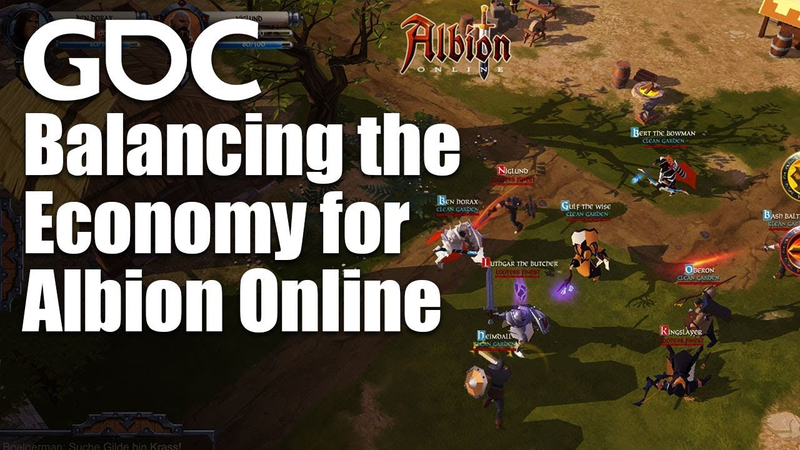
Balancing the Economy for Albion Online
Albion Online operates as a sandbox MMORPG defined by a fully player-driven economy where every piece of equipment is crafted by the community.
- Economy balance in a player-driven MMO is defined as the macro-scale management of all extrinsic reward systems, which function as the primary incentive structure directing player behavior.
- To prevent wealth disparity and provide long-term progression, Albion Online utilizes a tiered equipment system where T4 gear is common and accessible, while T8 gear is rare and serves as a high-end wealth sink.
- The development team establishes price channels for resources by implementing a transmutation system, allowing players to convert silver into higher-tier resources at fixed rates to create a floor and ceiling for market prices.
Same Game, Different Sound
Musical composition for video games functions as a critical narrative and atmospheric tool, where the choice of score fundamentally alters player perception of identical gameplay.
- Adaptive, modular scoring is essential to prevent listener fatigue, utilizing middleware like Wwise or FMOD to dynamically adjust music based on combat intensity and environmental changes.
- Successful game audio requires strategic frequency management, such as prioritizing lower-register melodies and rhythmic foundations to prevent auditory clutter when balanced against dense sound effects.
- Effective game scoring relies on early, proactive collaboration between audio directors and composers to align emotional goals with technical planning before implementation.
California AB5 Affecting Game Devs with Zac Rich | Game Dev Unchained Episode 216
California’s Assembly Bill 5 (AB5) has fundamentally altered the operational landscape for the state’s game development industry by imposing rigid employment classification standards.
- California’s AB5 legislation mandates the 'ABC test,' which effectively prevents game studios from classifying core developers and engineers as independent contractors because their work is central to the firm's business.
- Studios face significant financial and legal risks under AB5, forcing them to choose between absorbing the high costs of employee benefits and overtime or facing potential reclassification lawsuits.
- To mitigate regulatory risk, many California-based studios are actively shifting hiring and contracting activity to states like Washington, Nevada, and Arizona, or increasing international outsourcing.
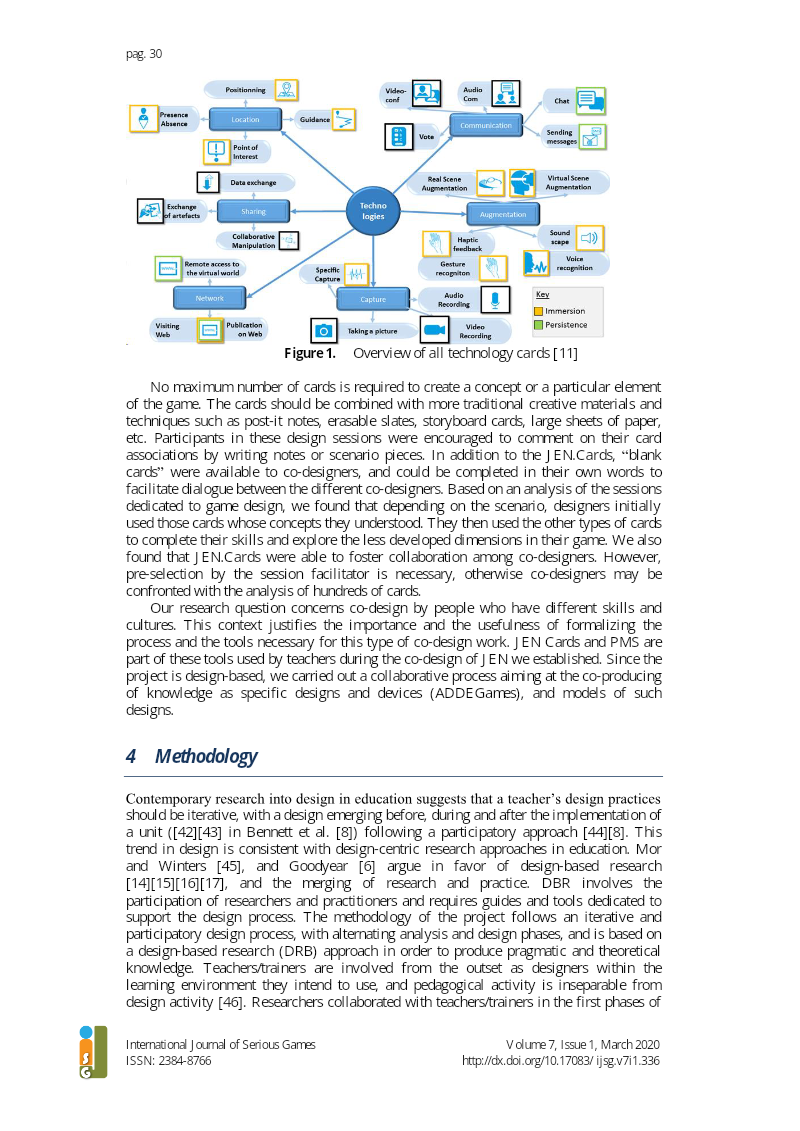
From Design to Management of Digital Epistemic Games
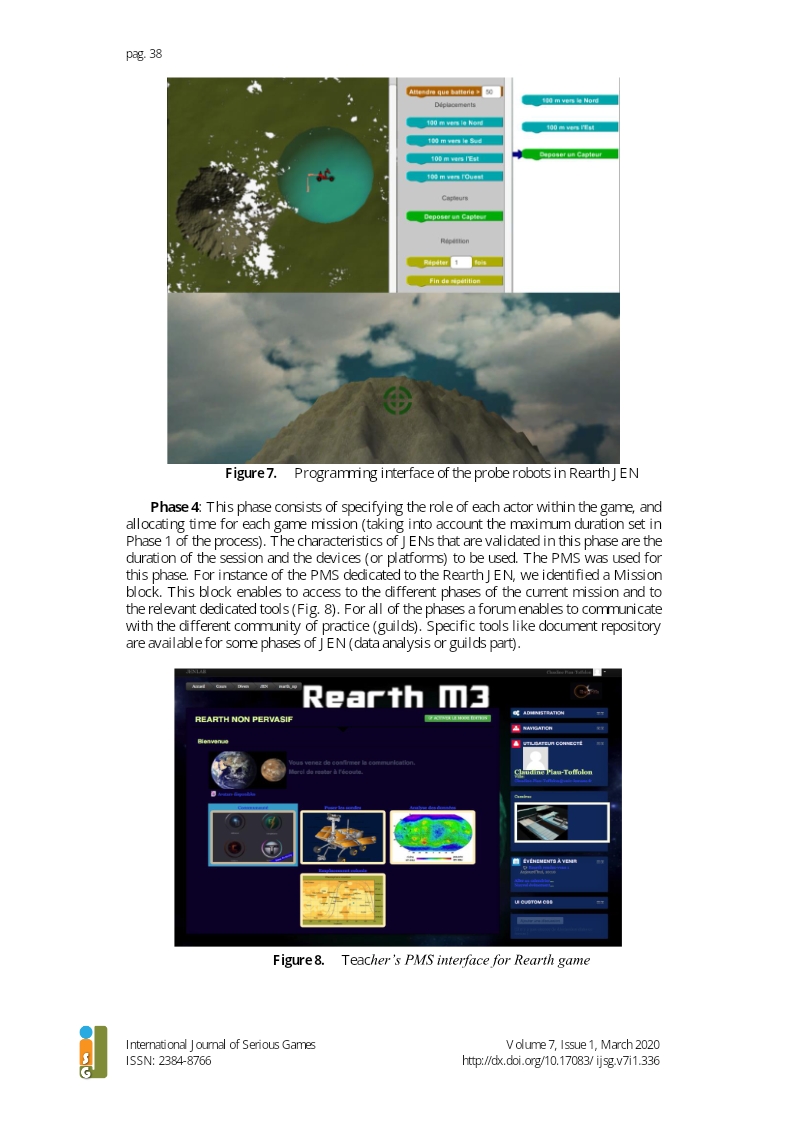
The paper by Oubahssi, Piau-Toffolon, Loup and Sanchez, published in the International Journal of Serious Games (Volume 7, Issue 1, March 2020), reports work from the JEN.lab project at Le Mans Université and partners on digital epistemic games (JENs) for secondary education.
- The authors argue that JENs shift the focus from the game artefact to the situation and interactions that emerge as learners play, with teachers managing that situation.
- The co-design process is organised into six phases, from presenting the JEN concept to recommending interfaces, interactions and documents for each storyboard step.
- Teachers found the games valuable for students but reported that the pedagogical situations were not easy to manage in real time in the classroom.
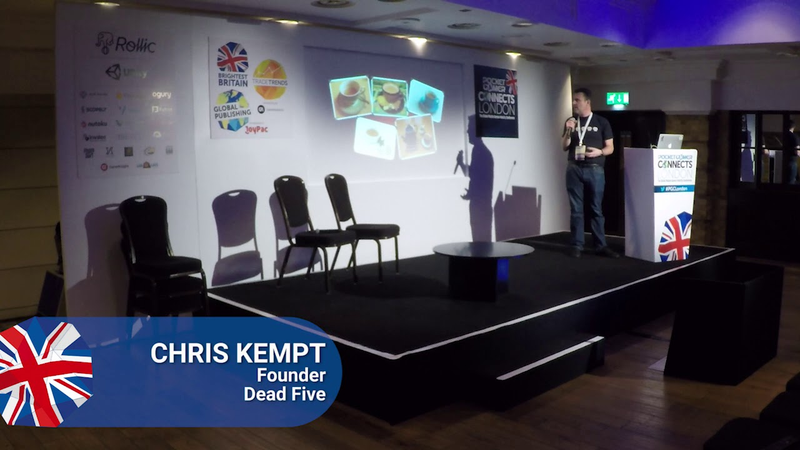
PGC 2020 Sessions @ PGC LONDON - Chris Kempt
Successful game development relies on a disciplined approach to creative management and team dynamics, rooted in two decades of experience overseeing approximately 100 web and mobile projects.
- Prioritize hiring T-shaped individuals who possess both broad cross-functional capabilities and deep specialized expertise to maximize team flexibility and communication.
- Avoid the pitfalls of over-documentation and design-by-committee to prevent rigid feature sets from stifling the core creative goals of a project.
- Implement a 'measure twice, cut once' philosophy by investing in thorough initial planning and clear ownership to avoid the high costs of rectifying mistakes later in the development cycle.
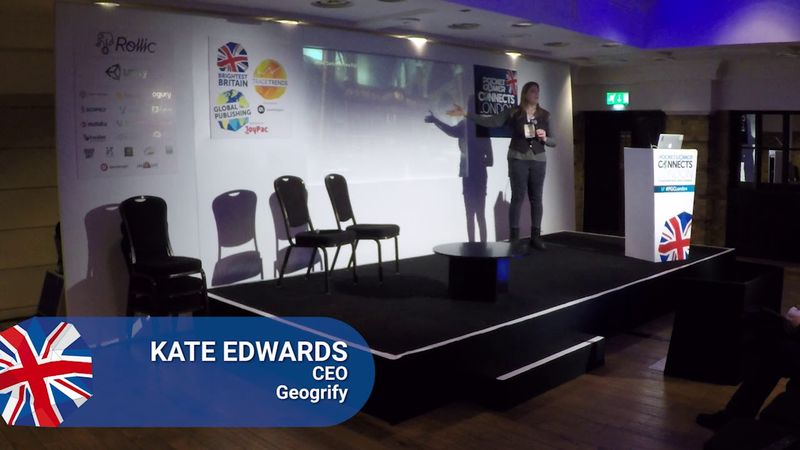
PGC 2020 Sessions @ PGC LONDON - Kate Edwards
Effective world-building in the global gaming industry requires a sophisticated approach to culturalization, balancing creative vision with the diverse political, religious, and social sensitivities of international markets.
- Culturalization is a strategic necessity for global expansion, as developers must align creative content with the specific legal and value-based requirements of international markets to avoid bans or government sanctions.
- China currently stands as the world’s largest gaming market, necessitating that developers navigate its complex regulatory environment and specific cultural expectations to ensure product viability.
- Developers face significant risks when depicting sensitive geopolitical boundaries, historical events, or territorial disputes, particularly involving nations like China, India, Japan, and Korea.
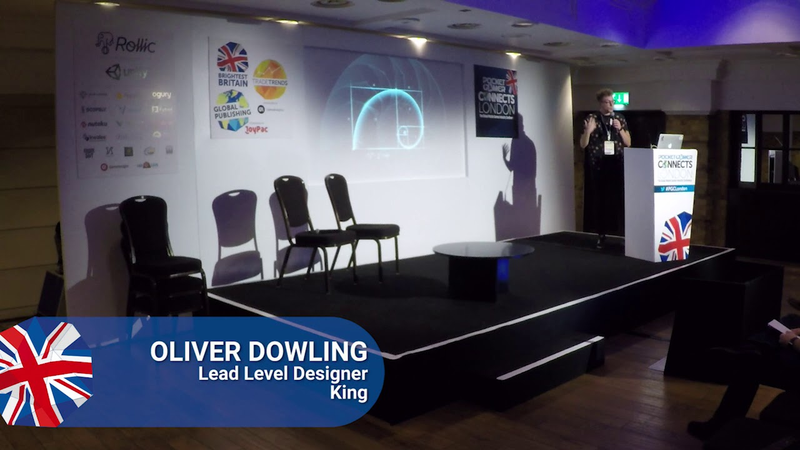
PGC 2020 Sessions @ PGC LONDON - Olivier Dowling
Effective level design for mobile casual games relies on a structured approach to board geometry, element synergy, and iterative player feedback.
- Level design should prioritize board geometry that introduces meaningful constraints and combines strategic blockers with explosive elements to ensure variety across thousands of levels.
- Designers must balance positive, helpful elements with negative, challenging ones to maintain player engagement while minimizing frustration.
- Development workflows should favor shorter, more frequent play sessions over long, drawn-out experiences to reduce the negative impact of high time-investment failures.
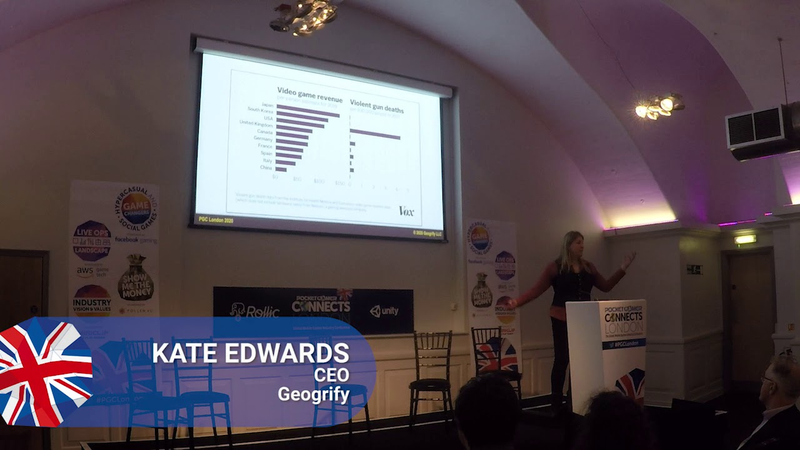
Staying on Target - How Mental Health Affects Game Creation
The game industry faces a significant mental health crisis driven by systemic workplace pressures, including chronic overwork, job instability, and a lack of diversity.
- One in five game industry professionals is diagnosed with a mental health issue, such as anxiety or depression, during any given year.
- Excessive overtime and crunch culture are negatively correlated with game quality, often resulting in lower Metacritic scores.
- Systemic workplace pressures, specifically chronic overwork, job instability, and a lack of diversity, are the primary drivers of the industry's mental health crisis.
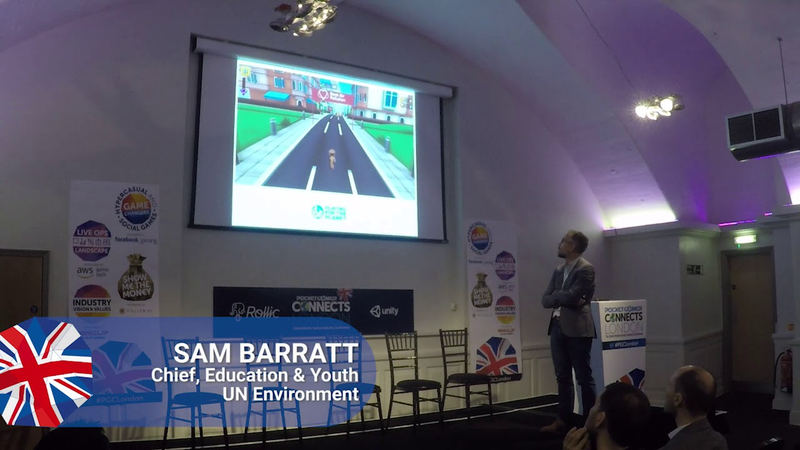
How the Gaming Industry can Level up for the Planet
The Playing for the Planet initiative, facilitated by the United Nations Environment Programme, seeks to mobilize the global video gaming industry to address the urgent climate crisis.
- The Playing for the Planet initiative, facilitated by the UN Environment Programme, mobilizes the gaming industry to address the climate crisis by integrating sustainability into core operations and player experiences.
- As of early 2020, the alliance comprised 21 companies with a combined reach of 97 million players, focusing on markets in India, Indonesia, and Brazil.
- Participating companies are tasked with decarbonizing platforms by benchmarking energy usage, travel, and procurement while adopting voluntary commitments to reduce their environmental footprints.
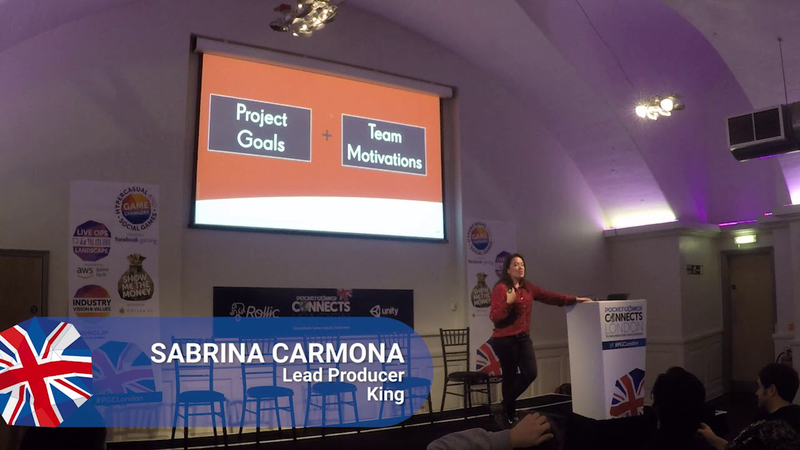
Care and Craft in Teams - Keeping People Motivated
The primary objective of this analysis is to outline strategies for maintaining team motivation and engagement within the live games industry, particularly for long-running titles.
- Sustained performance in live-service games is best achieved by shifting from top-down management to a model of shared ownership and active listening.
- Team engagement is maximized by aligning individual developer interests, such as technical or artistic refinements, with the studio's broader business and revenue objectives.
- Granting developers autonomy through initiatives like dedicated 'hack days' or team-led sprints allows staff to proactively address technical debt and implement innovative features.
Esports for Indie Developers
The esports industry, traditionally dominated by high-budget AAA titles, offers significant, accessible opportunities for independent developers.
- Implementing cash-enabled tournament features can increase 30-day player retention by up to five times compared to non-competitive game models.
- Indie developers can bypass high internal development costs by utilizing third-party infrastructure platforms like Skillz or E-Games for SDKs, legal support, and analytics.
- The global gaming industry was projected to reach a value of $189 billion by 2022, highlighting the significant market scale available to independent developers.
Writers
Games and companies
Games