1 free read left. Create a free account for unlimited reading + AI research.
Create free account
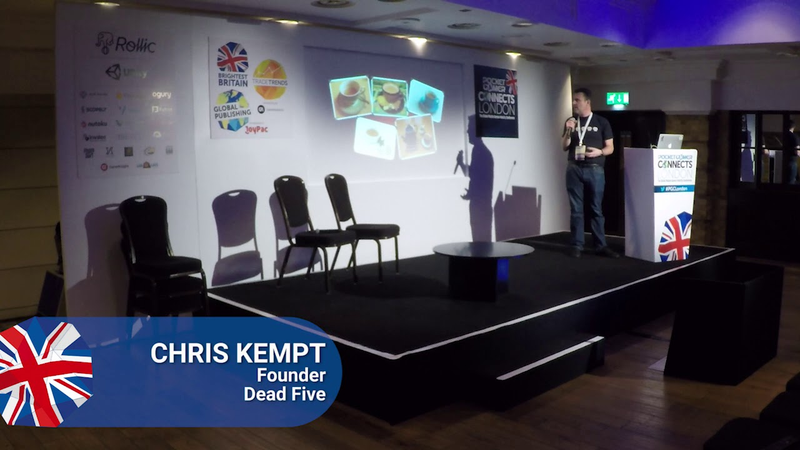
PGC 2020 Sessions @ PGC LONDON - Chris Kempt
Key insights
7 takeaways- 01Avoid the pitfalls of over-documentation and design-by-committee to prevent rigid feature sets from stifling the core creative goals of a project.
- 02Favor steady, iterative evolution over the 'revolution for revolution’s sake' mentality, utilizing simple tools like spreadsheets to track progress effectively.
- 03Prioritize hiring T-shaped individuals who possess both broad cross-functional capabilities and deep specialized expertise to maximize team flexibility and communication.
- 04Require that all meetings conclude with documented, recorded outcomes to maintain operational efficiency and prevent the loss of actionable progress.
- 05Implement a 'measure twice, cut once' philosophy by investing in thorough initial planning and clear ownership to avoid the high costs of rectifying mistakes later in the development cycle.
- 06Treat the creative process as a distillation phase where ideas are allowed to ferment before execution to avoid the errors associated with premature conclusions.
- 07Manage team intensity by allowing for natural peaks and troughs in the development process to prevent burnout and ensure long-term sustainability.
Ask AI about this video
Transcript
[Music] okay let's go all right so I'm Chris Kent I'm one of the founders of dead 5 you've heard that already I've been building web and mobile games for about 20 years now over that time I've either been involved or overseen about 100 games some of them very simple but today I want to talk to you about the fact that building games is kind of hard right and the golden rules I've developed over the over the course that time based on the mistakes I've made and I've seen from other people so I think the most fundamental rule that I've come up with is that it's really all about
belief belief and basically belief underpins everything you do as a creative or other endeavor and doubt undermines it so basically what I've really learnt is that you have to be constantly auditing with you whether there is belief in what you're doing and changing it the outcome if you if there isn't and secondly it's really hard to make something fun if you're not having fun making it funky in this case but if you love too much I'm not going to do the time but but yeah but basically they make you fun but yeah another thing is that it really isn't about tools it's about skills a great artist can make can make great art with anything and time time again I see developers getting obsessed over the tools they're
using and so what we've learnt over the over the years is that by focusing on the goals that we're trying to achieve and not features we we we get better results because the thing is that if you jump to conclusions in what you're trying to achieve then you paint yourself into a corner and buy and so similarly don't get tied up in documentation most things in my experience can be summarized on a sheet of a4 right and so instead of being tied up in a 300 page DVD which at best is boring and worst is very out-of-date summarize face-to-face communication is king and so wherever possible we try and talk face-to-face about what we're doing which speeds up the transference of ideas and the development of ideas immeasurably however when you have
meetings you need to book into your meetings and again this is something I see time and time again the people don't they don't set clear objectives at the start of a meeting and they don't record the outcomes at the end and so basically without doing that what you have is just a free-for-all and you don't achieve anything this is a bit of a cliche but you need to have lots of T's in your team that's people with broad ability and deep specialism but what people don't talk about is that why that's important because that basically creates a much more flexible team but it also fosters more healthy communication next don't try and be a puppet master particularly when you're working our distance the good team is enabled however you do need to set clear boundaries when you enable people because you know it's about appropriate
boundaries based on their experience and so on another cliche but under-promise over-deliver and but the reason that's important is that protects you as a creative from Oh from getting too much crunch and so on but it also helps with good relationships the creative process is very much like distillation in four in the fact that there are three stages first you have to mix the ingredients but importantly you have to let them ferment and that's the bit that people miss out right they don't let the ideas ferment before they try and distill which means again they jump to the wrong conclusions evolution not revolution except when you need revolution and and sometimes you do but like mostly not and I've seen cases of revolution for revolutions sake and I've seen cases
where people are not evolving enough no team can work metronomic Lee as a set pace like for example 20 or seconds a slide and so one of the key things that helps me is I think about it as a conducting an orchestra or a dance you know we need to have peaks and troughs there needs to be downtown map and uptime and you also need to be open to suggestions and have a clear forum for that I actually really like this box I might have one in the office but the key thing is there need to be boundaries around that as well and so because actually teams work most effectively weathers when there's actually clear direction and leadership because too many cooks do definitely spoil the broth design by committees is to be avoided at all costs what we try and do is make sure that there are always project product owners owners or feature owners or that somebody has ownership over what
is going on in the team this is a bit of a kind of side issue but spreadsheets spreadsheets spreadsheets like basically astounds me just how many people involved in particularly producing and building games don't know how to use basic spreadsheet stuff so like if you don't go spend a weekend learning pivot tables and and you'll be a great thing for you and finally another cliche which is measured twice and cut once but again people don't talk about why that's important and the reason it's important is because it takes twice as much work to unfuck something once he's become [ __ ] than to [ __ ] get it right in the first place so thanks for listening [Applause]
[Music]
Summary
Successful game development relies on a disciplined approach to creative management and team dynamics, rooted in two decades of experience overseeing approximately 100 web and mobile projects. The core thesis posits that technical tools are secondary to human skill and that project success is driven by sustained belief, clear communication, and iterative processes. By avoiding common pitfalls such as over-documentation and design by committee, developers can maintain focus on core goals rather than getting trapped by rigid feature sets.
Effective team management requires a balance between autonomy and structured leadership. Teams should prioritize T-shaped individuals—those with broad capabilities and deep specializations—to foster flexibility and healthy communication. Leadership must avoid micromanagement while establishing clear boundaries and objectives, particularly for meetings, which should always conclude with recorded outcomes to prevent inefficiency. Furthermore, the creative process is likened to distillation, requiring a deliberate period for ideas to ferment before execution to avoid premature conclusions.
Operational efficiency is maintained through pragmatic habits, such as mastering essential data tools like spreadsheets to track progress and avoiding the "revolution for revolution’s sake" mentality. Instead, teams should favor steady evolution, punctuated by necessary peaks and troughs in intensity to prevent burnout. Ultimately, the principle of measuring twice and cutting once remains paramount; investing time in initial planning and clear ownership prevents the significant, costly effort required to rectify mistakes later in the development cycle. By prioritizing face-to-face interaction and under-promising to manage expectations, developers can protect their creative process and build more sustainable, high-performing studios.

















Comments