1 free read left. Create a free account for unlimited reading + AI research.
Create free account
California AB5 Affecting Game Devs with Zac Rich | Game Dev Unchained Episode 216
Key insights
6 takeaways- 01California’s AB5 legislation mandates the 'ABC test,' which effectively prevents game studios from classifying core developers and engineers as independent contractors because their work is central to the firm's business.
- 02Studios face significant financial and legal risks under AB5, forcing them to choose between absorbing the high costs of employee benefits and overtime or facing potential reclassification lawsuits.
- 03While some studios attempt to bypass AB5 restrictions by requiring contractors to form LLCs for business-to-business arrangements, this strategy remains legally precarious and does not guarantee compliance.
- 04To mitigate regulatory risk, many California-based studios are actively shifting hiring and contracting activity to states like Washington, Nevada, and Arizona, or increasing international outsourcing.
- 05Despite the regulatory burden, California remains the primary global hub for the gaming industry due to its existing infrastructure and concentration of top-tier talent.
- 06Ongoing debates regarding unionization as a remedy for industry issues like crunch culture are complicated by AB5, with critics warning that combined regulatory and labor costs may accelerate the offshoring of jobs.
Ask AI about this video
Transcript
so just a little update originally the game dev on Jade podcasts was gonna be showing up at GDC by now you probably have heard GDC has been cancelled actually canceled it with my team at go demyx we were planning to kind of go there and party it up for a whole week but as you can tell it ain't happening we actually canceled it the couple days before GDC was officially canceled a lot of the company's kind of was pulling out Epic Amazon and Facebook oculus all these major companies and you know I think at that point everybody kind of saw the signs that it wasn't gonna happen and GDC was kind of holding onto their purses just hoping that this whole thing would blow over but they made the right call very last-minute call of course there's a lot of our my heart goes out to a lot of the developers out there kind of depend on
that conference to kind of give attention to and and promote and make connections for their upcoming game as you can imagine it's not something that you can pretty much delay a year after and resume things as normal right it affects your business especially that being such a major conference and making connections is essential thing to being a productive business a lot of people are probably gonna be really affected you know spending that much money just planning to do the trip right so my heart goes out to anybody that was affected by this there are a lot of relief efforts that there are happening right now to kind of alleviate these concerns these problems so you know Zak in this episode actually gives a little shout out but I think it's worth kind of mentioning at the beginning at the episode too you can go to Twitter go to hashtag GDC relief fun there's a
trending hashtag and many other resources kind of helping with that along with that you know GTX is still happening we're running the event in June as planned so I'm gonna start reaching out to a lot of these folks or giving talks at GDC who won't have the opportunity to GDC is kind of trying to help with that but I you know I feel G ducks can do a better job so that's been the news as of late unfortunately I won't be able to kind of see you guys you know I was kind of planning like a little fan get-together for those GU listeners out there for your long support but I was really looking forward to it we kind of had that week plan to kind of hang out it's one of my favorite times of the year to kind of hang out in San Francisco just being just having
blocks of blocks of San Francisco owned by game developers it's always been an exciting I always rubbed shoulders with friends that I haven't seen for a long time and not being able to do that for this year and having to maybe wait for another year we're gonna be sorely missed for sure I know they're gonna they're talking about the Pope's postponing it but let's be let's be really I did it's not a fan they don't even have a date and even if they do throw it together it's gonna be fraction a fraction amount of people most people don't have that ability to kind of fly out to her rebook plans and stuff and you know because a lot of people probably won't get the refunds on hotel and travel and from travel travel stuff fortunately I was able to know I only had to mention the c-word coronavirus that you know my flight was
non-refundable but was able to get it get it back so I actually encouraged a lot of people to kind of call in and get that taken care of aside from that coronavirus maybe this is gonna be a hot topic for a roundtable that's coming up my thoughts on that is I feel like people are overreacting a bit man am I wrong in this do you guys know please kind of email in if you have anybody that is affected by this in the United States right or wherever you are you know I've had friends that came back from Japan and they're you know the panic isn't as bad as over there maybe it's a uniquely United States thing that we overreact a funny few funny stories is that like my local Costco it was like a fist fight in the Clorox aisle people kind of punching each other for the last bits because in the whole depo as well people are just cleaning out kind of upselling it on the net kind of cashing
in on this scary phenomenon right should have done that earned some extra lunch boxes but I feel like this is something that's just gonna blow over but it might take a while I think it's gonna probably be in the summer how it affects Game Developers so it's already kind of affecting all industries you look at the stock market a lot of our production comes from China outsourcing probably has an effect for these major companies around the world Triple A companies especially in the United States rely heavily on outsourcing still a lot of these Asian countries especially being affected by this scare the straight up productions have stopped right for those so that's definitely affecting Game Developers
and another thing that I've been seeing is like um the stadia the stadia has been just bombarded with a lot of bad news as of late details about indie developers kind of not liking the type of deals or exclusivity deals that Google is kind of presenting them early adopters are kind of left in the cold with 45 days and Counting with no new news of releases or or any updates ah what started I think at the beginning year with optimism I feel like a lot of this stuff has been affecting a lot of tech companies and game companies especially so I'm curious to see how this plays out I'm curious to kind of go to our roundtable to panel to kind of circle our thoughts and kind of come up with a sound conclusion but until then I want to introduce this episode I had a great talk with Zack rich he's been an
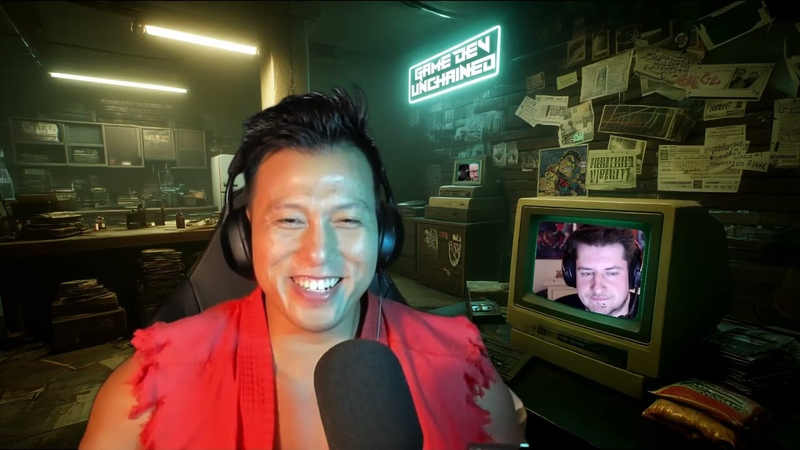
unofficial legal counsel I gotta make sure I preface that because he can get in trouble so he's just a dear friend giving a suggestion with what's going on so this California b5 stuff if you guys haven't heard of it start googling it or just sit around and listen to this episode because it is an enlightening one I started with it with one opinion and ended it with another and that's what Zack does he kind of has that knowledge base to kind of correct me on things so I love that and I hope you guys enjoy on with the show [Music] hello everybody welcome to gain dev Unchained the number one podcast about game development and a lifestyle thereof I am your host Brad and Pham I'm here
with a special guest a returning guest Zack rich are you doing Zack I'm doing good Brandon how are you doing I am doing good I hear you loud and clear now I know we're recording I'm checking for sure now so for people who haven't heard you on the podcast before do you mind kind of giving a quick background of who you are absolutely so some of you guys may have remembered me from earlier episodes or me for the first time but I am I am a tech lawyer I'm originally from Miami Florida I am now located in Silicon Valley California my main clients are you know the large tech companies out here both in gaming and consumer products and consumer electronics I support mostly in the areas of privacy intellectual property advertising and marketing law and then I also provide general guidance to my
clients when they're releasing products creating sort of the next idea or the next big thing fantastic man so the major arm if their intros it's on you sounds super professional we're all warmed up now so before I'm gonna use the same jokes dude so before coronavirus took California by storm there was a California a b5 so this is a topic that I've been wanting to talk about since the new year and is affecting a lot of contractors so before I butcher the details can you go ahead and provide us what this bill is about and how it is crucial for Californians to know about it sure so this bill a b5 it codifies into law a common law test that has been used for years and what this is is for the longest time there was always a constant struggle between independent contractors and employers and what their classification is an employer obviously
will always favor an independent contractor status because they don't have to things like certain wages taxes insurance etc and in some states like California where there's um other requirements of an employee or employer provides an employee it's significantly beneficial for the company to treat you as a independent contractor the flip side of that it's not all bad for the contractor because you get access to write-offs you get access to having your own business you can theoretically pick your own hours etc well enter the gig economy which decided to turn everything up on its head and what I mean by gig economy I'm talking about post mates uber eats uber lyft etc and California and said look at all you big companies out there and specifically targeted ride-sharing and said you know you're exploiting your workers you're not
paying a fair wage there was lawsuits filed all across the country trying to reclassify gig economy workers as employees so California said enough we're not going to put this in the courts hands anymore we're gonna make this law thus enter a b5 yeah it's a scary law because I mean I'm not I think I'm more attuned to what's going on because I own my own business and I'm running it and I'm constantly I live in California so but like most people kind of like how health insurance is kind of required now this year or else you're gonna pay a tax better than a year most people don't know about this and and it's a funny way to find out about it like most laws that get passed you kind of find it out about it when it's too late in most cases right so the thing that bothers me the most is that this is something that was kind of built to help all these rideshare type of economies
but it was so generalized and I think we've kind of talked about this before that it's kind of affecting all industries without without the the input and the opinions of these other industries to kind of formulate this law so that actually make sense and so now correct me if I'm wrong it's affecting these industries in ways that is causing more trouble than good Oh certificate Lee I mean if you're a small shop and you don't really have necessarily the funds to hire individuals as employees I mean it's very expensive just to give you an idea you there's an increase in wage you have to pay there's a minimum amount of annual paid sick leave if you have to do you have to pay time and a half overtime for anyone who works over 40 hours a week you have to reimburse employees now for out-of-pocket expenses you have to provide meals or rest breaks I mean these are all things you never had to do with contractors before and have small businesses and small studios never really had to worry about and now this
is something very real this is this is what happens when you have an issue and let regulators solve the problem and the first thought when you hear those type of provisions or things that affects contractors is that you a company would most likely not want to hire Californians they would immediately try to look elsewhere because why not there's other 49 states that is available outside of the United States there are many countries available for freelance work and contract work that they don't have to go through this headache or any go into any accidental errors that can really affect their companies is this something that is happening right now do you feel that most people are just looking elsewhere instead of trying to abide by these laws
um I think it really depends on your level of risk that you're willing to absorb as a company your size for example there's been public statements by uber saying that they've just are going to ignore a b5 and then there's necessarily I don't want to call them loopholes cuz that's not really the right term to use but I was reading the other day that California has seen a significant we're talking forty five percent plus increase in newly formed LLC's so there are ways around these things you know one of these exemptions are b2b contracts so if you're an independent contractor who is doing the right things and creating a business that you're you know company is run under and in theory if say you Brandon are going to contract with me Zach you're not contracting with me personally you're contracting with my business so your business to my business those types of contracts will still
exist but that doesn't really affect say the gig economy workers it doesn't really affect the small studio who is hiring that single designer/developer code or engineer etc so the does that still work because I I've read somewhere too that the loophole would be creating an LLC in doing a business to business but there were some companies that have reservations about going that route because it still is affecting their kb5 provisions will it work it's it's a risk and this goes back to what I was saying you know how how risk-averse are you and yes you can as a single individual create an LLC and focus your work that way there's going to be other problems to that that you the individual creating your LLC will have to resolve for example you are now an employee of your
own company and you're going to want to get a fantastic accountant to who can set up certain tax structures for you to make sure that you're following everything to the tee but yes in theory the the business-to-business contract is a loophole to a B 5 so has this been your kind of mentioning before like uber just simply ignoring 85 like what are the ramifications like are they able to do that are there actual penalties in place to kind of execute on people who violate this a B 5 absolutely that kind of goes that list we were talking about earlier if you are treating somebody as an independent contractor and they file suit under there quit hmm scuse me they file suit under a b 5 seeking reclassification as an employee there you're gonna have to be paying back wages you're gonna be paying the sick leave you're gonna be paying for time
and a half for all hours work over 40 I mean there's just a number of things that you didn't have to worry about before that now we're gonna become a problem but if you are a company of that size you try to do certain things that maybe bend the rules per se not to say the Hooper is bending the rules but thankfully find other ways a ways that would not necessarily be available to a small indie developer so I've been in the industry for a while I mean I've been in the fortunate position of been able to kind of pick full time over contract work I think I've only done contract as my main job maybe once but most of time it's been a side thing for extra income which I'm seeing a lot of it being affected now because a lot of full timers who are looking for that side income to do freelancing on the side is affected by this a special living of course in California they're not they're not getting as much work as
I used to write because people are not knowing how this is gonna play out right I mean that initially there was problems and now I think there are even more issues with it because now as they kind of there's a lot of exemptions on it right it's like pages of pages of exemptions trying to address how this is a failure of a bill and but like of course the exemptions are very specific to certain industries because they had lobbyists helping them with that so of course game developers aren't really on that list right they really have to kind of squint at make it no there's graphic designers we're on that list right so you know artists within game artists roles within the game industry arguably can all fall under graphic design design but I don't recall and I'm trying to
find the list to get it off the top of my head I don't believe engineers coders developers were in there I did see website services yeah so again take that for what it is what what what is a website service so in theory if you're doing some sort of development in that respect I think arguably you could be exempt but yeah a big big portion this industry is not exempt and that's why you're starting to see a lot of these LLC's being created another piece of the detail that kind of was like a red flag was this is towards journalism and it said anything over 35 pieces of articles within a year qualifies you for like not a contractor but a full-time or that will fall along with it this is Bill where you can start pretty much kind of falling suit and yes so that's I mean
like that's a really odd number I think we talked about this before to kind of put down on paper and say no more than 35 it's not even one per week if we're we're talking about contributing to a website or to a piece of work right and the big question there is who's watching you know if you're doing it through your buddy's website do you really think you know that's a risk I'm willing to say no you know if you're safe writing for New York Times and you're one of the more safe featured freelance writers of a particular article or opinion piece you do yeah I think you'll have a higher risk of causing problems New York Times are being classified as an employee if you're say writing a new article every week or every couple of days you know then it's clear okay well they're not just a contractor here they're providing a very important means to this
particular business but that's not the only sort of way to fall under an employee status they did codify this test if you want we can kind of break down the three prong the test here so to determine a worker qualifies as a independent contractor only if you satisfy what's called the ABC test you actually have to satisfy all three prongs to give a little bit of history these tests used to be balancing acts where it was let's take all the things that make you or at least what the company would argue an independent contractor and put them in bucket a and then we'll take all the things that you the contractor trying to become classified as an employee would would argue and put that in bucket B we're gonna put it on a scale and a court will sit there and view these different factors some obviously have greater weight than others and determine okay well based on the evidence provided you're either X or Y or Y now it's no longer a balancing test per se it's you
have to satisfy these three things and if you don't you're an employee so the first you have to be free from the control and direction of the hiring entity in connection with the performance of the work both under contract of the performance of the work and in fact a second you perform work that is outside the usual course of the hiring entity's business that is a big one and we'll get back to that in a second but most of these gig economy companies this is the this is the part of the test that they fail is section two the third the individual is customarily engaged and independently establish trade occupation or business of the same nature that is involved in the work performed this also is kind of a catch-all I would say a good portion if not a 75 plus percentage will fail be those that somehow pass being we're
talking about gig economy companies will not forget passed C and and that's how this thing is written and it's very broad so you want we can dive into these kind of explain them a little bit further yeah let's definitely do that I think the frustration comes on both side like I haven't really talked to people who are all hands in with this stuff because I think the general public when they are not in the uber and lift system the the natural responses like who's making them drive these vehicles right I mean you're it's like an opt-in service right and it's not very I mean the cool thing about it you determine your own schedule and stuff but all this that it's doing at least for the other industry I was kind of reading up on this a little earlier you know the truck driver is kind of opted out of full employment to become independent contractors because they had more control of their own schedule and they were able to kind of
have just overall control of their life right and so they're quite bad things like this yeah and so what this Bill's does is just takes away the freedom and more more so than the not at least in the game industry a lot of contractors are kind of more restricted to one job at the time now if they're considered to be an employee status officially yeah absolutely you know if we dive into the silic for example prong a control a direction of work this this particular section of the a/b test a BC test from a b5 really was ripped right from the IRS and other you know common law right of control tests to determine whether somebody is an employee or employer when they're doing their taxes and you know in California you're looking at a lot of different factors a lot of them is you know can the employee be fired at any time or sorry not employed the contractor are they paid by the hour by
the job they provide their own tools supplies workplace work their own hours these are all elements that are still kind of exist of this sort of balancing test but instead of this being the test across the board it only satisfies the first prong so I think there's a lot of arguments to be had that gig economy workers game design and game developers they can all comfortably pass prong number one I mean problems that say indie devs me has if you're supplying somebody a workstation if you're filing somebody a laptop giving them what they need to do the job that you're hiring them for for this particular or sorry contracting foreign to make sure we're using the correct buzz terms here those will create problems for you in this sort of balancing test four prong a but if you're gonna hire somebody they bring their own laptop they write the code they hand it to you they leave that goes to satisfying prong a how about the same with unloading your unscheduled yeah it's the work around it's alone right like this is a program that can
use here's a computer you can use but it's not yours I mean theory it's hard the argument that one is hard cuz it's just one prong you know let's say you have a very particular type of program that you need them to code on so you're gonna provide them the tool to do the job but they're doing it on their own sort of time they're being paid for the job and not by hourly you know you're letting them finish the job the way that they know how to finish it within their skill set and you're not micromanaging them you know you know you're you're a manager in the sense of here's the task I need you to do but you're not giving them the direct explicit instructions how to do that task so those all go into satisfying that first prong the second prong and this is the one where I believe the vast majority of people are going to fail is this outside services so it's work hour performs work so this individual is performing work that it's outside the usual course of the hiring
entity's business and that's to break that down what that basically means is the person you hire or contract they don't typically perform a service that is customary and what your business is the core service you can take this very broad and very loose and say well I'm in the business of making games and they're in the business of writing code arguably could be the same thing you could also make the argument again that they're not this is really going towards the argument that person a is a plumber who's coming to fix the pipes at your studio you know you know you're in your office building clearly that work as a plumber has nothing to do with with your business as a game studio so that's where I mean it gets very granular same with uber drivers you know your job is to drive a car around for uber and while Luber will sit there and say we're not in the business of driving
people around or transportation we're an app that provides a service that connects individuals together arguably they're a transportation company and they hire independent contractors drivers to pick personai up to take them to place B yeah I mean this is such a black-and-white solution to a huge issue here because essentially we're trying to push away from people hiring contractors I mean that's that's what the bill is kind of set out to do is like there's just no room for contractors and it's not realistic to how it business functions especially a start-up or a thriving business who kind of needs that interim step of hiring temporary people to kind of get things going like who has
the who there's not many companies and businesses that has the funds to kind of outright hire full-timer I think that's gonna cause more issues down the line because you're kind of emptying the bucket right from the beginning before testing an idea you know part-time employees that as a small studio managing that is not what you want to be doing you don't to be sit there and making sure schedules are set and it did this person work 40 hours no great do they work 38 or 30 you know how do we make sure that we can stay under this line but yet still get the work we need done done and that's where like sort of hiring or contracting with individuals for particular projects really plays a role you know it doesn't matter how many hours you work Brandon if I'm hiring you to code this website or this game or this level or this concept or even create this demo for me you just you get paid once it's done yeah but as an employee if you're being
paid hourly or monthly annually salary it's gonna cost this business my business tons its including paying for your insurance playing unemployment playing payroll tax I mean these are all huge expenses that come out of a business's bottom line and when you're say working on your first game and you don't have a revenue stream coming in yet this can really [ __ ] you yes exactly I mean like it just doesn't seem I mean obviously we know the reason why they wanted to push this bill like so fast in and through the system right because lyft and uber we're making millions even close to a billion without really paying too much to employees or people right they they're their profit margin was huge and so of course California saw that and they just want more of the profits and so it's just pretty crazy that is
this sustainable I mean is this something that you feel in the future a couple years from now that it still be relevant if it feels like every business and even even independent contractors are pushing against this so if the business and the contractors are pushing against this how how much I mean how strong can it stand again you know in the midst of that well it depends on who you believe hmm and what I mean by that is was this law created as a way for California to strike back at big tech and specifically gig economies or was this their attempt at protecting the public from being exploited by companies I know those both sounded very similar but there is a difference and what I mean by that is are these regulators putting their heads so deep in the sand to try and damage tech that they're just
going to be completely oblivious to the impact this law has on everybody else or did they actually think that they were doing a good thing here by looking at the landscape within California and go look these company is using loopholes to exploit our citizens and our citizens don't see this because to them they need the bottom line they need the money so let's put a lot in place that gets them more money in their pocket will protect them make sure they get things like health insurance and everyone will be happy sure businesses pay a little bit more but they can afford it that's always the sort of air quotes you know you're a business you should be making money you can afford this expense and it's just it's just not true yeah what I'm trying to find out I'm kind of looking through right now it's like is it working right now so November is when this bill kind of passed through and it's been well over a marsh now it's been three months I'm sure by now they have data to kind of see it seems like uber and lyft they're already having workarounds to
this I'm looking right now how ride-sharing companies like them are responding to this law things like they're they're allowing drivers to kind of see their destination in advance removing penalties for rejecting rides they're testing a feature where riders can drivers can set their own rates in 10% increments so I mean they're working with it but it doesn't feel like the state of California is really getting the profit march and you know if there's two sides to this coin right it doesn't seem like the California State is actually really benefitting too much from putting this into law or am I wrong about this no I think that I think that you're seeing a a complete sort of not a complete 180 cuz that's not entirely true but I think you're seeing
regulators taking a step back and thinking that they went too far and for example if you look at some of the big rallies around a B five it was uber and lyft drivers protesting talking about unions that it's just not the case for everybody and I think that's what we're starting to see now and in fact there are 34 separate pieces of legislation that are being introduced on a b5 in the past couple of weeks all these have to deal with expanding the list of occupations that are in that sort of exemption pile for example pharmacists are are not exempt by a B 5 and they're seeking exemption marriage therapists youth sports referees logging art bloggers I mean these are all industries that the legislators when they were creating these bills they didn't even
think about and so to sit here and think well if this was a target for big tech of course they're not gonna build out exceptions for engineers for designers you know although these are crucial jobs and roles within gaming unfortunately they're not looking at just to save we're not even analyst you're miles from it cuz they're these are all roles at the same time or roles that are at bigger companies bigger tech companies in the valley and that's their number one sort of circle with the bullseye on it and so they're gonna find ways to hurt these individuals sure you might affect the gig economy but let's find ways where we can hurt them at the corporate level you're not gonna see companies like uber and lyft pull in huge numbers of independent contractors to come in and start coding for them either all right it's true a little bit about the game industry is that at least in my experience the triple-a companies
rely heavily on contractors in recent years there's been a lot of big pushes where contractors will be at the beginning and basically be there till the end of the game and when the game ships instead of layoffs is just not renewing contracts and it is a loophole on the company side to kind of avoid paint benefits and all this extra costs but in a way it was better than being laid off because you have this expected date and you can prepare for it so to me that was at least a 50/50 exchange right and mm-hmm at the same time you know I'm a little biased because I was four enough to have like the full-time gig while I watch my friends carrying this contract with them and of course everybody would love to kind of stick around and be full-time but because of this loophole companies didn't have to with that being said there's only a small percentage that actually gets
converted for full time where everybody was kind of promised that so that was an issue where people were feeling like the gameís tree was moving towards it was reminiscent of what the visual effects companies were doing where visual effects companies are completely out of California now they're mostly in Canada or outside the states or whatever off you know off shores but it's pretty much 99% like contractors and very few full timers when they're working on movies and stuff and so everybody kind of saw that happening with the game industry not to the crazy extent that the visual effects people and so that was the fear but nobody's really rejoicing about this law kind of pushing businesses to kind of only hire full timers because we know how easily that can be danced around by just hiring outside of the state and just pretty much refusing to to bend to
it right I think you'll see some other things start to happen here that could be because we've been very gloom and doom but I think this also opens up opportunities as well for example now it is possible that a triple-a studio maybe won't be hiring individual contractors but this gives you the opportunity to create a company with multiple friends of yours and then contract with some of these triple-a studios through your company and then in theory you could have multiple projects going because you can have multiple contracts with different studios and you're no longer confined to working for just one that is so there's an opportunity if you know for for the real entrepreneurs out there this can be an opportunity and not just a setback right I mean the steps of trying to incorporate an LLC and actually wanting to run in business although
things have made it easier you know talking to friends like yourself or anybody who's willing to help most people kind of avoid that step because of the headaches or the thing of that's not knowing about how to form a business so you are cooper correct about that like people who are ambitious enough this opens up opportunities for these the need the talent there's a reason why most people kind of look at the talent in California as opposed to other states right there's a lot of hubs here within Los Angeles San Francisco that people want to tap into so this Avenue of working little legitimately and not too out on an individual basis actually you're completely correct it actually opens up opportunities for companies to do b2b and avoid this whole headache I'm just really curious if that actually works right just the LLC thing because I
keep hearing the risk factored and most bigger companies just completely avoiding it what's so ever just like I don't know there's like exemptions that are five pages long I don't even want to look through it and half our lawyers or pay our lawyers let's just hire an outside company and Seattle or whatever it's always and that's that's the that's sort of the easy way out and it's you'll see a lot you'll see Studios leave California and Inc go to greener pastures like Seattle I've heard stories that Nevada in that area is is going to potentially be a really big up-and-coming hotspot it's close to California it's got no state income tax you've got the desert so throw up all your solar panels and call yourself a green company yes sure you know so you'll you'll see States you know you already see it kind of in Arizona Phoenix is a big hub for tech for
especially for testing new products so California's lost is going to be these other states gains but this goes back to individuals in California have to be willing then to adapt and leave the state to find work which is funny because I'm somebody who left my state of Florida California for the land of opportunity and work yeah well let's kind of look at the greenest side of things so what other benefits can you anticipate or you're already seeing with you know along with other states benefiting from this but also individuals being pushed to form LLC and think like more like a business what other things do you feel like this can be helpful for game developers out there to kind of look at this with the positive light it's going to create more jobs in a very roundabout way it's gonna give opportunities for very
skilled individuals to shine where normally they may have been hired on a per project basis for a good site then also you can flip it to a bad side you know they may hire you for just a project and treat you like a contractor you know there's always that sort of ugly bad actor scenario where someone's going to say we're following the law but they really don't and you don't have the resources to sue them I mean it's it's this is one of those hard laws to really sit there and point to here's all the great benefits for the industry you know individuals rock on you guys got yourselves full-time part-time gigs if you can find them but finding them is going to be more and more difficult or you'll have the people who just don't care they exist they're in the woodwork you know if you're a small shop the real
small shop and you don't have any assets what's the risk to you you close up shop and then you start again somewhere that's not any bit of advice that I would ever follow but it's something it's it's an internal risk assessment that everyone has to do and that's really the only way you're gonna side whether or not you want to follow this law you want to go against this law or you want to move operations offshore or to another state well let's talk about that like the belt major companies smaller companies especially you have Indy I mean if you're living in California you're really stacking against yourself we're seeing a lot of people companies moving to other states right I mean California B five if anything is another reason why in recent years at least you know I know friends within the industry that moved to Texas or other other other states that have lower income tax or just wanting to have
the ability to buy and purchase a home and start a life right California has been oh yeah California is slowly pushing people out and this is more of a more of a discussion I don't know if you have the facts it's more like I just want your opinions like what why exactly is California setting itself for this because I know they totally understand this is part of the the fallout of passing laws such as this that people are gonna be pushed out so I have some opinions I don't necessarily say that I have the facts or the evidence to back up these opinions but I would say the first opinion in the matter is that they sit there and stand by their reputation at work California the work is here everybody wants to be here Silicon Valley if you don't have at least a satellite research office in the area who are you can you even call yourself a tech company no I mean it's true I
disagree with that but it's that's that's the perception I mean anyone who's ever visited this area or takes a drive through this area it's unreal every company that you can think of every brand they either have a headquarters here or at least a satellite research office here everywhere you look and so California is not worried about losing that business because where where are they gonna go we at the same time the flip side of that would be it's a very very liberal state they're very Pro citizen they were the first to pass a statewide privacy law they're looking into biometric laws I mean this is not out of the realm for California they were the first to pass a medical marijuana law I mean California tests the waters with its it's the experimental testing ground for the United States if you will and a
law like this is just something that you should be able to point to and foresee is likely to come through this state it shouldn't have surprised anybody and the for the same reason that you kind of played at like California is kind of like this testing bed where smaller companies or anybody who wants to make a name for themselves can take the risk and kind of push the envelope however with California a B 5 and law such as this we're kind of pushing out the innovators we're kind of telling companies or individuals kind of stop taking risk and what I feel like a lot of these other places like Texas who are becoming like the next tech hub the innovations are gonna be taking a place elsewhere where I mean well I mean like well you know you hear this are you hear this argument a lot all right you hear it Oh Austin is
blowing up right now Boston is blowing up right now Miami is gonna be the next big tech hub your name all the time when when Epic Games and Fortnight was was starting to really begin its tried oh my god North Carolina that's gonna be the hub for gaming you know you should see it anytime you're outside of California everyone's duty even within California boat tech Beach guys come on silicon beach come on it's there until the big names leave yeah everyone else is just a secondary market and I know that's that's awful but it's the reality if you look about the companies and the money where and follow the money because that's the most important thing you can do in an industry follow the money the other locations the Boston's the Austin's the Miami's the Alaniz all that money is fractions of what's here in California and until the money leaves we're gonna
keep trying to push things in this state to in theory make a better life for its citizens you know look at CCPA you don't see anybody leaving you don't see Google or Facebook or Amazon or Apple packing up to move on out no well I kind of want to tagging onto this so you've been in the Bay Area for a while and I live in the Bay Area a few times in long stretches of my career and San Francisco especially has been changing right there like citizens have been kind of who grew up in that place have been being been pushed out because of the higher marketplaces and impossibility of buying home and stuff it's just being more and more difficult unless you work at a tech company so they're cashing out they're doing okay their homes that they bought for a hundred and ten thousand dollars thirty years ago or now worth four and
five billion they are cashing out yeah well I mean that is great news for a lot of those people what I fear is that and maybe this is just like what you said is just a lot of these other states kind of hyping their own their own agenda that the saturation of these certain areas of California are are happening where you know I guess Facebook is the exception most other companies are innovated but even Apple and Facebook and this is more like it more like an opinion I feel like they're kind of like plateauing a bit in terms of innovation right but again that has to do more with the leadership and then the people underneath but maybe that is just a way that I'm just very biased against because I just feel like lately you know I met in the generation where what part of that group are yeah innovation now because there was major
leaps yeah for the longest time in innovation and now we've hit sort of a brick wall where everything that is being created is incremental upgrades of what already exists I don't think we're going to see another massive bloom like we saw from 2000 to say 2015 or even 2015 to 2020 I think and it will have to create some massively changing world changing technology and you see it now with incremental upgrades look at Tesla being able to create a incredibly technologically filled vehicle and a very affordable price when those things came out they were like a hundred and two hundred K now you can walk one asked a lot 435 six you know forty grand it's still a lot of money but it's not the $196,000 one that Schwarzenegger is driving off a lot and I think those are the sort of upgrades we're gonna see
things are going to get cheaper things are gonna get more efficient and things are gonna get more powerful but I think until some sort of new computer chip display gadget something so innovative that the world has no idea why it didn't live with this before comes out and gets created we're not gonna see that major bloom and innovation and you see attempts look at 3d TVs those were the hottest thing since sliced bread for about two years now we're all about is how great of how great of a resolution can we get can we we got 4k let's push it to a K next it's gonna be 12 K and can we make games look more real can we find ways to play cloud gaming you know play stadia you've got GeForce now you know these are sort of the new innovations we're going to see and for the average individual those might not appear to be sort of the crazy
innovation from say the current iPhone to the original iPhone yeah but in a way for those who really support the industry and know what's happening on the backend the idea of say cloud-based gaming with load little or low to no latency is a marvel in its own feet yeah I mean I think he completely corrected me burn me but it's true it's true I think what you're mentioning is like we looked at the last 20 years the first 10 years of this century our millennium we had the Facebook the Google the Apple with Steve Jobs and Pixar that works is crazy yeah really yeah Facebook I mean we had myspace but to what social media is today it never liked Twitter do you think Twitter would have stand on its own without Facebook coming into existence
you think MySpace would have been enough to make Twitter to be an actual thing you know Instagram another one like the idea of it Instagram influencer and all that like this is these are all new concepts youtubers being able to make an entire career on YouTube didn't exist 10 years ago mm-hmm and those are all California companies now I'll be curious it's yeah yeah I mean like Tesla alone that's the biggest yeah yeah but everyone everyone could have a satellite office somewhere else yeah yeah laid off you have to be filled with people yeah well I just hope that that keeps because I I've been born and raised in California I love California you know I created business here I'm thriving here I'm having fun here and I love the people and the talent here and I think you're completely correct people
want to be here so obviously the talent is gonna stay here I really see it as a goal I think people who live in Austin especially my friend who's been there for a while are lying to themselves they forget the weather and everything yeah Amazon owns Seattle now there are other companies that are in the Seattle greater area but the biggest company it's in Sea is Amazon yet Amazon still comes to Silicon Valley to open an office here that just shows you the pull of California a company that owns practically owns a state let alone an entire city yet still comes to California to open an office yeah it's just presence but Salif to so yeah well when you have schools like Berkeley and you have USC and you have Stanford and you know where the or the hub for for Asia just you're so much here that in a
way you could view a b5 as a attempt by the legislation to either slow things down a little bit or provide protection for those who don't really know how to protect themselves so you have it at tying it all back yeah I mean what when I talked to you about it it sounds like this is just a [ __ ] show that's gonna work out its kinks in 5-10 years that in the end will benefit a lot of employees and businesses all over California maybe more or they realize their mistake and they rescind it is that a possibility is that a possibility yeah well you got to keep in mind these people who created a b5 these legislators they were voted in my by their constituents so if you the public don't like this bill support a candidate that would vote to strike it down yeah
yeah we're getting into election year we're getting into 2020 you know we're we're getting into November you're going to see that this is the opportunity if you don't like the laws that are in place in your state this is your chance to go out and vote and put people in power that you believe have your best interests in tact yeah that's what is that's the best buy it or done by it's very true I mean one of the things that this bill is trying to tackle or try and encourage was just labor unions right it's just having these industries a game industry especially doesn't have a union and it's been something that's been kind of picking out the last two years being pushed on or at least in a way just having some basic well I would love to hear it because I'm still I'm still on the fence because I feel like if there's two sides of this argument then there's always valid points on both sides that I don't have all the information for so I
would love to kind of hear what your how bad it can be for the gaming stream its kind of unionize is it the same issue it would have pushed away more employment yes what do you think yes and no but I don't discount the impact that unions have in the industries in which they are very prevalent in let me just throw that out there so I don't to piss off any union workers that I'm speaking to I at one point was a member of the Screen Actors Guild so I know what it's like to be involved in a union they provide a significant benefit to the industries like I said that they are established in I think that in the modern day people use unions as an excuse for either a entering into a bad situation or a bad deal or be to try and solve a problem that could be solved by other means and you see it a lot in the game industry you see it where people -
always around the time that crunch time gets discussed right you owe every article when a big title comes out and they talk about the crunch time and finishing up a project and there's ever there's always somebody there's always some guy on a message board that says well if we had a union this wouldn't be a problem that's not necessarily true you know ask ask the auto industry about crunch time you know ask the NFL in the Players Union about how much power unions truly have and you'll see you know I think that they've been glamorized and I think that individuals think that a union will be the root of all solvation for their problems and I just in my personal opinion don't think that that's always the case and I think in the game industry you'll find that companies rather not hire union workers and go overseas to get what they need done than hire union workers in the United States and to
create a fantastic example and why that's a concern if you have a car manufacturing facility in Detroit Michigan and that's where you have your plant and that's where you have your equipment well you're going to hire whoever you can hire who has the skills necessary to do that and if you have out the entire workforce unionized well that's who you have you know that's what you got from that pool so you have to deal with the Union if you're a triple-a studio or even an indie studio that has the funds and you're looking at this landscape and you're going I can hire union workers in the United States since we're a relatively digital product we can have workers anywhere we want or I can hire 10,000 independent contractors sitting in a computer warehouse in Bangladesh India to perform the same work what are you the company going to do exactly yeah it's the same fear that I always it's the same thing with this California 85 I feel like it prevents
moving quickly and I think to individuals being interrupted to doing a certain job that both agreed by a third party can be very troublesome and in game development especially where time is money do we have the patience to kind of sit through all these addendums and extensions and fixing the law so it fits and works for everybody that could take two years right you could take a long time to kind of work that out and I really have an attorney exactly yeah you get one on retainer you say what can I do where are my liens how can I cross this without really crossing it mm-hmm yeah it's just a tricky thing and I've heard I'm you know we've had representatives from green workers unite on the podcast it's a it's a movement that's been kind of moving pretty fast last few years and naturally people want
to be on the [Music] prospectively you know on the game developers side right because those are the good guys obviously let's pay them what they want but I feel like people who are affected by this the mass majority are kind of wanting in my opinion are a bit lazy I'm not taking matters in their own hands because there are solutions like you said that can't be explored to kind of avoid kind of crunch culture or being taken advantage of but what these laws kind of we're still kind of working out the details once we put it on a stone tablet right it gets really hard to kind of remove them after it's all [ __ ] up right and we have we have a saying in law and it comes a lot when there's offers and acceptances and when we're negotiating deals but it's very prevalent here to can't put the genie back in the bottle exists so did we both to do that now
that it's out you're it's gonna be a very difficult to get change happening but like I said there's already 34 proposed legislation changes to a b5 and and the bill hasn't even out for a full year yeah it's gonna be it's gonna keep being refined it's going to and the courts will have a role in shaping this as well eventually we'll get to a comfortable place with it or you go out November you vote and you could put people in power depending on whatever side you support that have your best interest in tech and maybe that's the people who are in power now maybe it's not I don't know I'm not here to tell you what to do but that is if you want to have a solid impact in change on the current environment and you're in California that's how you do it I completely agree to that and I think that's a good set up point for anybody out there this is a voting year go out there in November I do feel like it's always best to kind of leave it up to
the individual kind of figure things out it just it's it feels so much easier because with this bill being out and all these exemptions being built for each industry it's gonna take a long time for before game developers even have a lobbyist to kind of help us kind of formulate this to to our liking I don't see that happening anytime soon I do like the fact that people are pushing back on this bill a bit from each industry to kind of make it better but it's gonna be a while it's gonna be a while till it actually helps us and I feel I've already seen the pain in the hurt that's kind of going on with all the contractors and just people kind of avoiding california contractors all together just to wait this one out they'd rather take that course of action because there's a lot of talent already it is a digital world at least for game developers there's no reason why they have to go throughout that risk which I completely understand so Zach we are at the our mark we kind of discussed this
before but this is where I kind of hand over the mic to you to kind of give cause promote or give attention to anything that you have out there that you want the listeners and the viewers to know about absolutely so Brandon this one's this one throwing I'm throwing a shout out to you you have brought this to my attention being out here in the Bay Area I have seen in the headlines almost every day of conferences getting canceled left right and center I did not know this was a a current movement but to the indie devs out there in the students I'm sure you're part of this as well who booked your trips out GDC to only see it be postponed to a time that you can no longer make it and you can't get that refund you can't get that trip I believe there's sort of a hashtag support indie GDC happening right now find these people out there start your GoFundMe fun some of these GoFundMe is you know help the community because at some point in time that was probably you
and in November go out and vote all right well thanks recover it yeah that's pretty much it man thank you for giving that minute there for for for a bigger cause man and I want to thank you so much that always a blast to kind of have you on Podcast and kind of share your opinions and change my thoughts on everything from an hour before so it's been a pleasure thank you again and have a good one you too [Music] you [Music]
Summary
California’s Assembly Bill 5 (AB5) has fundamentally altered the operational landscape for the state’s game development industry by imposing rigid employment classification standards. Originally designed to regulate the gig economy, the legislation mandates the "ABC test" to distinguish between independent contractors and employees. This framework creates significant financial and legal burdens for small studios, as the requirement that contracted work must fall outside the hiring entity’s usual course of business makes it nearly impossible to classify core developers or engineers as independent contractors. Consequently, many firms face the choice of absorbing the high costs of benefits and overtime or risking reclassification lawsuits.
The resulting regulatory uncertainty has triggered a notable migration of talent and hiring activity away from California. To mitigate risk, many studios are actively avoiding California-based contractors, instead sourcing talent from states like Washington, Nevada, and Arizona, or shifting toward international outsourcing. While some developers attempt to navigate these hurdles by requiring contractors to form LLCs for business-to-business arrangements, this strategy remains legally precarious and does not provide full immunity from compliance challenges.
Despite these pressures, California maintains its status as the primary center of gravity for the global gaming industry due to its unmatched infrastructure and concentration of top-tier talent. However, the legislative environment continues to complicate the labor market, with ongoing debates regarding the efficacy of unionization as a solution to industry-wide issues like crunch culture. Critics argue that such measures, combined with existing regulatory costs, may inadvertently accelerate the offshoring of jobs. Ultimately, the industry faces a period of prolonged adjustment, with experts emphasizing the necessity of political engagement to address the unfavorable conditions currently facing independent talent within the state.