Game Development reports and market data
Documents
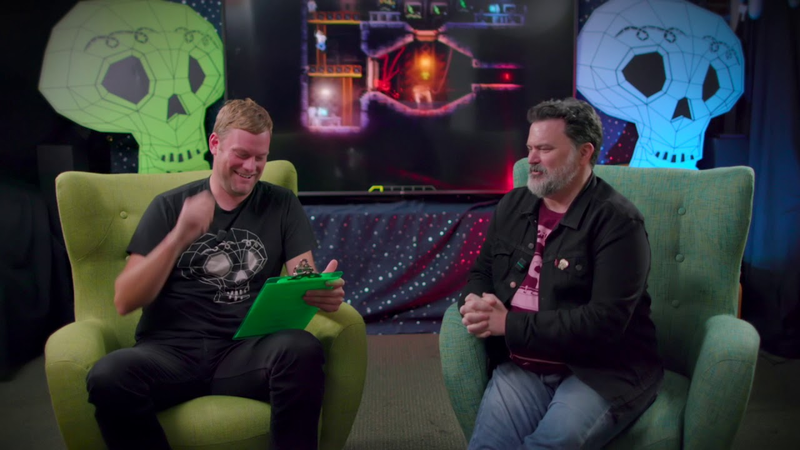
Day of the Devs: GDC Edition Direct
The independent gaming sector maintains its momentum through curated digital showcases that provide essential visibility for developers in the absence of traditional industry gatherings.
- Digital showcases like Day of the Devs have become the primary mechanism for independent developers to gain market visibility and bridge the gap between creative vision and audience reach.
- The indie sector is successfully sustaining its ecosystem by prioritizing creative autonomy and niche storytelling, as evidenced by the broad range of titles featured in recent showcases.
- Featured gameplay experiences span a diverse spectrum, including high-difficulty reflex games like Disc Room, physics-based co-op titles like Heavenly Bodies, and meditative VR adventures like Paper Beast.
Review Bombing - Making Your Voice Heard - Extra Credits
Review bombing serves as a modern digital mechanism for consumer protest, allowing players to express collective dissatisfaction with video game developers and publishers.
- Review bombing has shifted the power dynamic between consumers and developers by allowing players to bypass corporate-controlled forums and force visibility on issues via platforms like Steam and Metacritic.
- Platforms such as Steam now utilize automated and human-led moderation to identify and exclude review spikes, effectively neutralizing the impact of coordinated negative or positive campaigns.
- The effectiveness of consumer feedback is tied to the quality and detail of the critique rather than the volume of ratings, as companies are increasingly incentivized to dismiss low-effort, hostile spam.
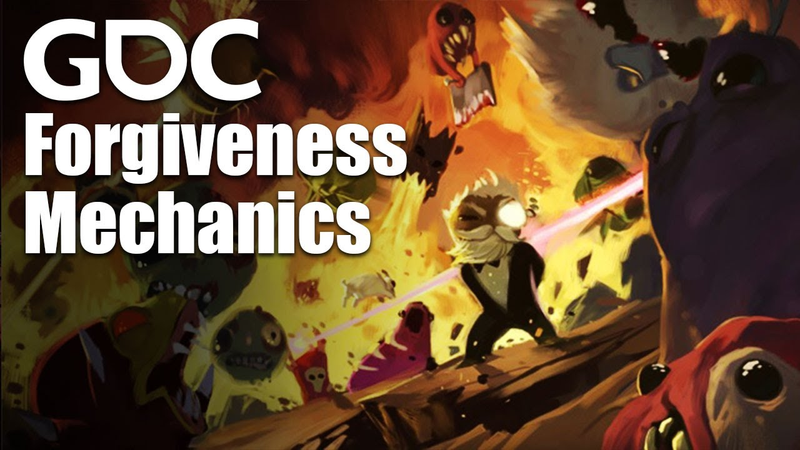
Forgiveness Mechanics: Reading Minds for Responsive Gameplay
Forgiveness mechanics are essential design tools that ensure game controls feel responsive by anticipating and accommodating player inconsistencies.
- Forgiveness mechanics shift the burden of performance from the player to the game's logic by anticipating intent, ensuring controls feel responsive despite human error.
- Spatial forgiveness improves fluid movement by dynamically adjusting hitboxes, such as pinching collision volumes for tight gaps or extending them for positive items to reward near-misses.
- Late-input forgiveness techniques like the 'coyote jump' provide a brief temporal window to execute actions after leaving a platform, while 'cable stretching' maintains connections beyond original ranges.

Coronavirus Good for the Industry? | Game Dev Unchained Episode 218
The COVID-19 pandemic serves as a critical stress test for the global game industry, forcing an immediate and widespread transition to remote work.
- The pandemic acts as a stress test that forces a permanent transition toward flexible, hybrid work models, potentially reducing the industry's reliance on traditional office-based crunch culture.
- AAA studios face significant productivity declines and technical hurdles due to their historical dependence on centralized office infrastructure and specialized high-end hardware.
- Indie developers face existential threats due to the loss of industry conventions, which serve as essential platforms for marketing and title visibility.
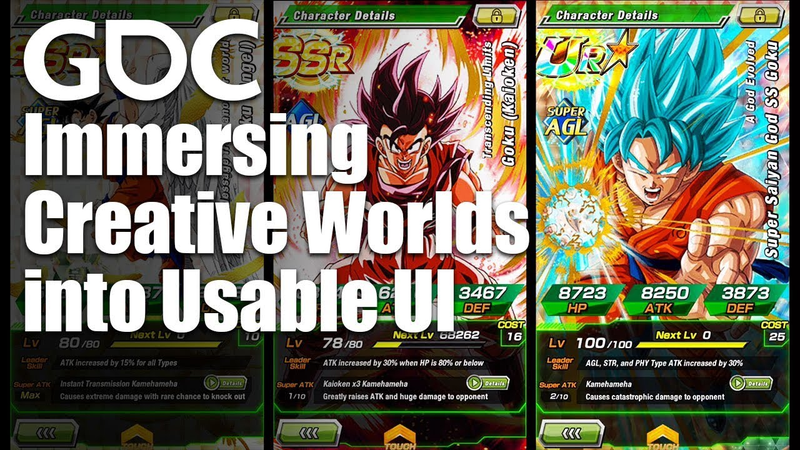
Immersing a Creative World into a Usable UI
Effective user interface design in gaming hinges on the delicate equilibrium between narrative immersion and functional clarity.
- Effective UI design requires balancing narrative immersion with functional clarity by ensuring visual elements like typography and iconography act as extensions of the game world.
- Designers should follow a three-phase process of research, exploration, and iteration to maintain an intuitive interface that reinforces the game's aesthetic identity.
- The choice between diegetic UI, which exists within the game environment, and non-diegetic UI, which is often better for managing high cognitive loads in complex games, is a fundamental strategic decision.

How Sound Tells the Story of Night in the Woods
The sound design for the 2017 narrative-driven game Night in the Woods serves as a primary vehicle for storytelling, atmosphere, and character development.
- To create a sense of 'living' environments, use randomized procedural sound triggers for repetitive actions and ambient elements like wind, birds, and townspeople, varying intervals between 1 and 300 seconds to avoid predictable patterns.
- Integrate sound effects directly into the musical score by aligning their BPM with the game's soundtrack, as demonstrated by syncing train pass-by sounds with the music in Night in the Woods.
- Use diegetic audio cues, such as the sound of a record player needle after music fades, to signal shifts in emotional tone and create uncomfortable or serious atmospheres.
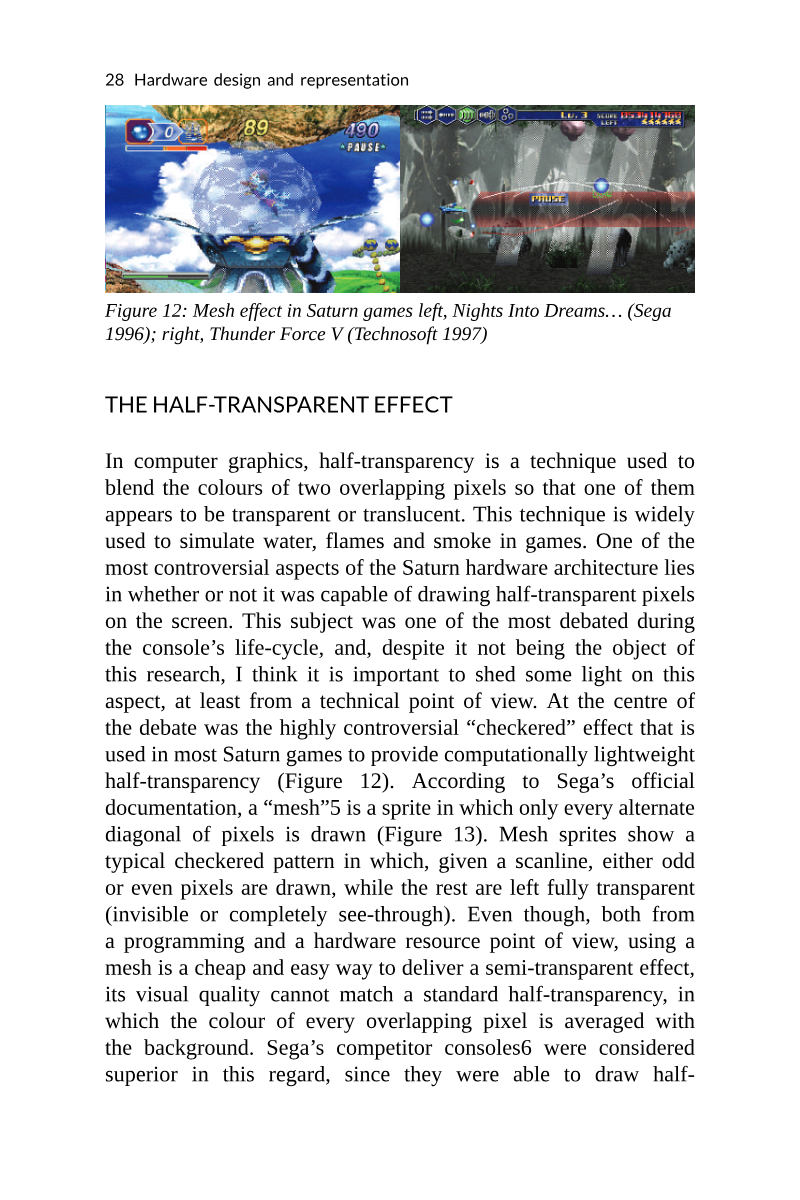
Hardware Design and Representation of Graphics in Videogames: A Case Study, the Sega Saturn
Marco Liboà's article, published in the Transactions of the Digital Games Research Association (December 2019, Vol. 5 No. 1, pp.
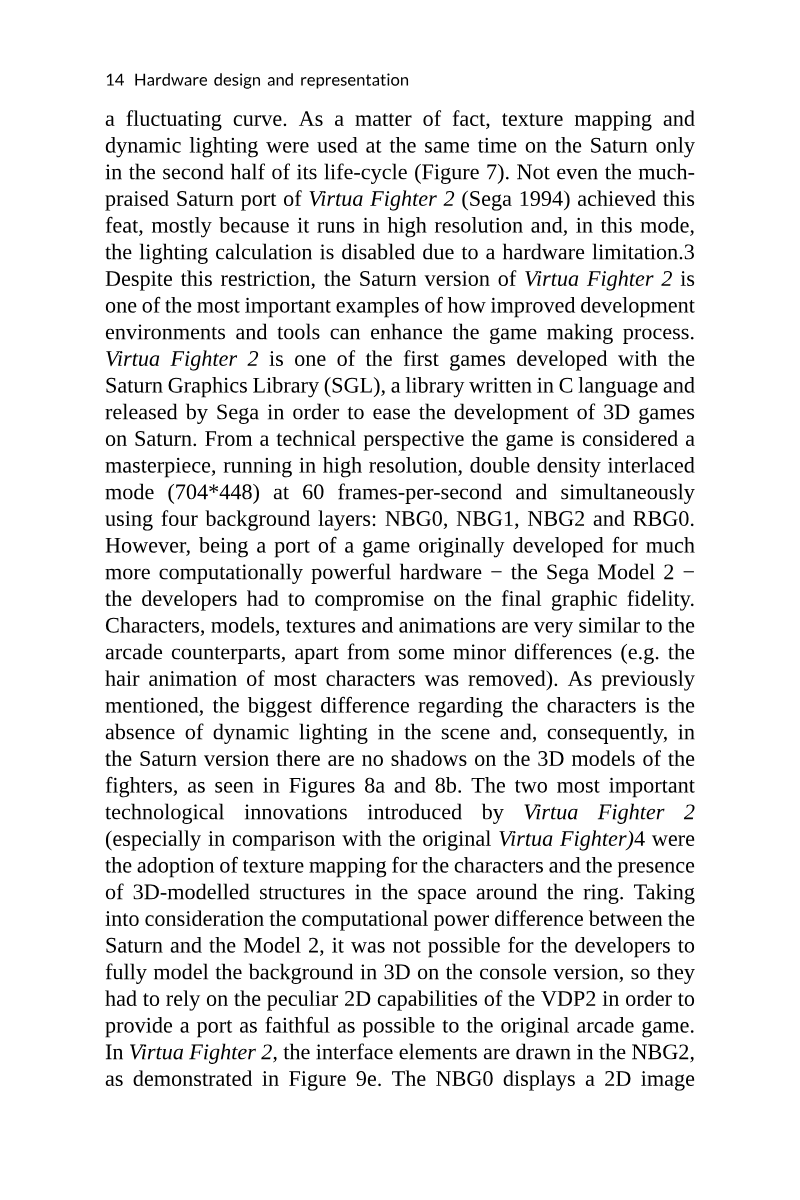
- The Saturn's VDP2 could simulate a 3D space with 2D planes, using parallax scrolling and rotated backgrounds to stand in for the arcade's 3D elements.
- The surface of the Virtua Fighter Remix ring was rendered as a rotated bitmap on RBG0 instead of sprites, reducing the number of polygons drawn on the screen and freeing some VDP1 resources for more detailed characters.
- Texture mapping in Virtua Fighter Remix came at the cost of dynamic lighting, which the original port had included.
Empires to Ages: Storytelling Lessons Learned in 14 Years at BioWare
Narrative design in large-scale game development requires a fundamental shift from purely creative writing toward a focus on production logistics, cross-disciplinary collaboration, and adaptive project management.
- Build trust with the development team by being transparent and vulnerable, actively inviting feedback from other disciplines to remove the 'ivory tower' stigma often associated with narrative designers.
- Implement a 'ditto' feedback system during peer reviews where participants cannot repeat previous notes, allowing the team to quickly identify consensus on what is working and what is failing.
- Account for production volatility by assuming at least 25% of your schedule will be lost to rewrites, staff turnover, or unforeseen issues, and increase this buffer to 50% for games with a tightly enmeshed critical path.
The Paradox DLC Model: Planning for the Long Term
Paradox Interactive achieves long-term commercial success by prioritizing a marathon-oriented business model centered on niche, infinitely replayable strategy titles.
- Paradox Interactive utilizes a modular DLC framework instead of serial expansion cycles to maintain long-term game relevance and generate consistent, multi-year revenue streams.
- The company prioritizes deep, system-driven gameplay and community-driven modding over high-fidelity graphics to ensure high player retention in niche strategy titles.
- Paid content is designed to be atomic, standalone, and additive to enhance the player experience without fragmenting the community or disrupting existing mechanics.
Coronavirus Ruins GDC, Stadia and Geforce Now Deflated, Riot Games Valorant | Roundtable News
The global game industry is currently navigating a period of significant structural transition, marked by the disruption of traditional networking events like GDC and a broader shift toward digital-first engagement.
- Riot Games is diversifying its portfolio beyond League of Legends by launching Valorant and Legends of Runeterra to capture market share in the tactical shooter and card game genres.
- Cloud gaming platforms face significant viability challenges, as Google Stadia struggles with a lack of exclusive content and publisher incentives, while Nvidia’s GeForce Now deals with major publishers withdrawing IP to protect their own monetization strategies.
- The cancellation of GDC and other industry events is accelerating a permanent shift toward remote collaboration models and digital-first engagement within the game development sector.

The 2019 Indie Soapbox
The independent game development landscape requires a fundamental shift toward sustainable labor practices, ethical design, and a rejection of market-driven homogenization.
- Independent studios must adopt sustainable production models that replace 'death march' work cultures with well-defined deadlines and creative constraints to prevent burnout.
- Developers should reject addiction-based mechanics and dark patterns in favor of design practices that prioritize player respect and long-term engagement.
- Financial equity requires the implementation of royalty structures that ensure all project contributors share directly in the commercial success of their work.
Patterns in Mainstream Programming Games
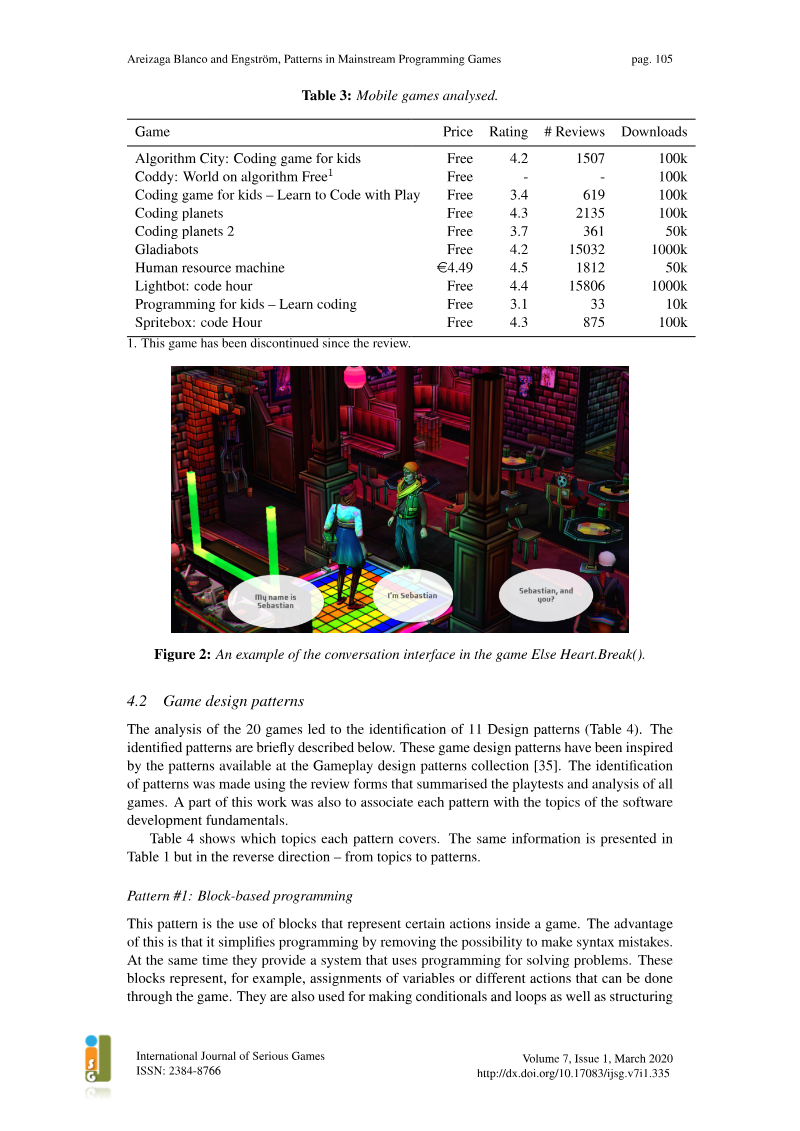
This study is a systematic third-party review of 20 publicly available, popular programming games selected from the commercial stores Steam (10 PC games) and Google Play (10 mobile games).
- All 20 studied games address fundamental programming concepts, while only 5% cover algorithms and design.
- Conditional and iterative control structures appear in every studied game.
- Five of the 24 topics in the curricula are not covered by any studied game.
Writers
Games and companies
Games