Employment reports and market data
Documents


2022 European Video Games Industry Insight Report
The European video game industry demonstrated remarkable resilience and expansion throughout 2022, solidifying its position as a major economic contributor with a total turnover reaching €18.9 billion.
- France and Germany have a significant number of game development service providers, with 261 companies reported in 2022, indicating their importance in the industry.
- Poland had 494 game developer studios in 2022, a notable increase from 412 in 2018, and its industry employed 15,000 people in 2022, up from 9,710 in 2018.
- Spain's video game industry has shown consistent growth, with 447 developer studios in 2022, an increase from 375 in 2018, and employed 9,621 people in 2022, up from 6,900 in 2018.
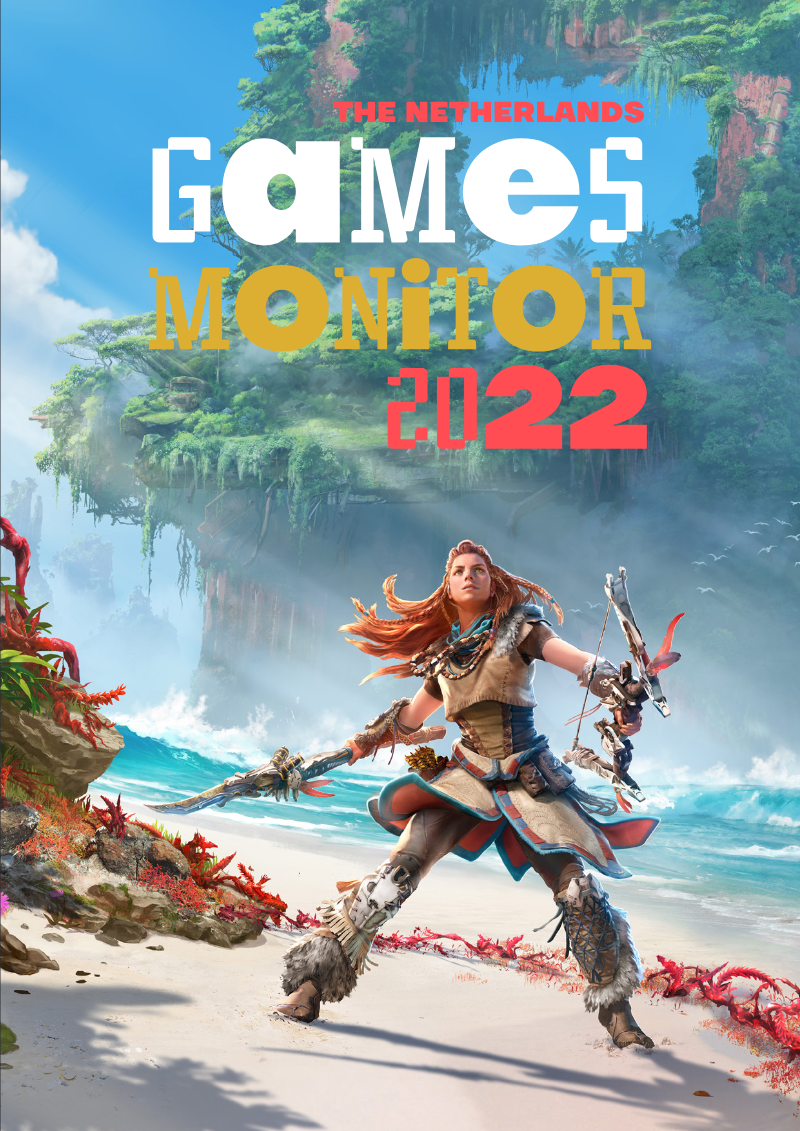
Dutch Games Monitor 2022
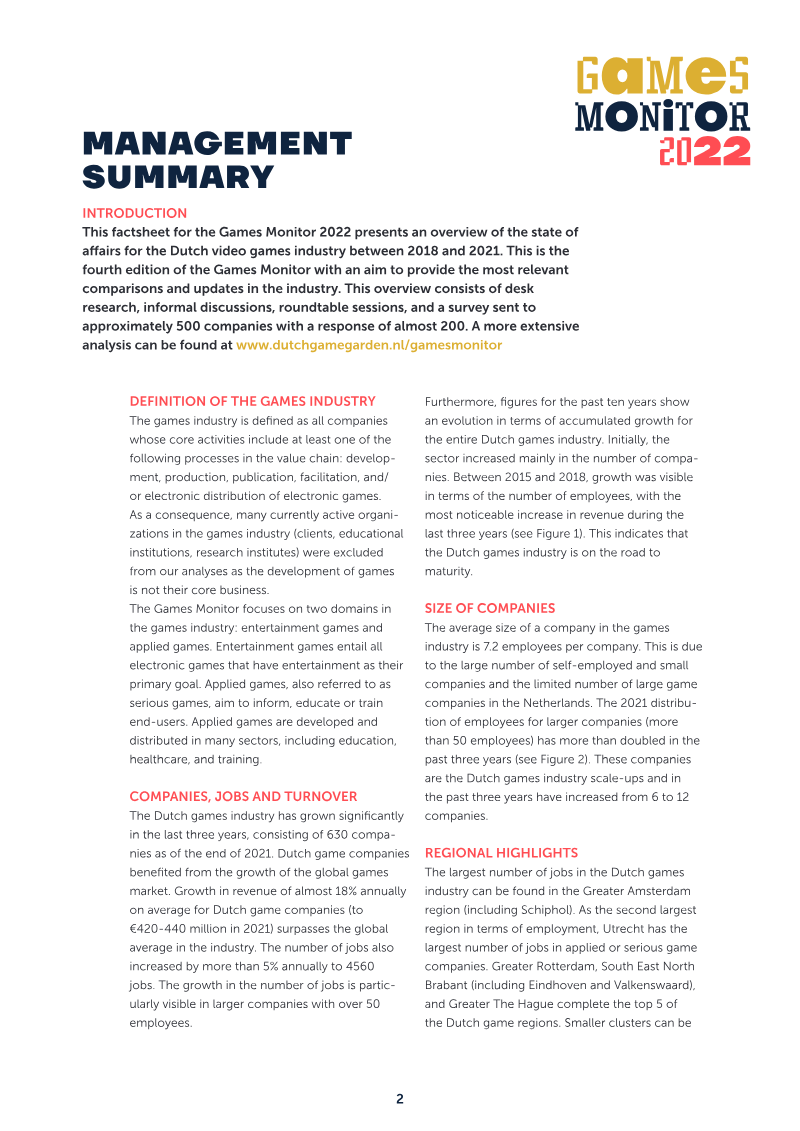
The Dutch games industry underwent a period of robust maturation between 2018 and 2021, evolving into a sophisticated ecosystem of 630 companies and 4,560 professionals.
- The Dutch video game industry generated €420-€440 million in revenue in 2021, growing almost 18% annually between 2018 and 2021. The number of companies with over €1 million in revenue increased from 18% in 2018 to 24% in 2021.
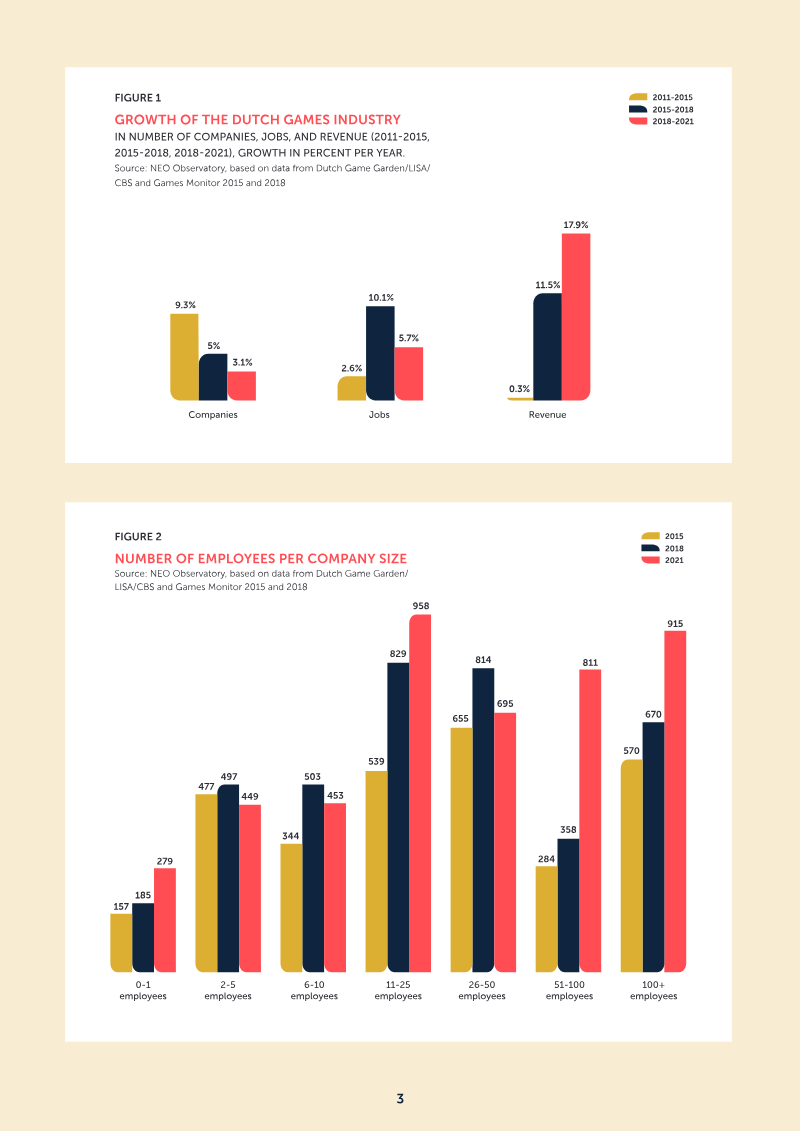
- The industry employs 4560 people across 630 companies, with approximately 700 graduates annually. Companies with more than 50 employees doubled from 6 to 12 between 2018 and 2021, indicating significant scaling.
- The Dutch games industry is maturing, with a majority of companies having existed for over 7 years. The largest potential for scaling up is seen in companies with 4 to 12 years of experience.
Dutch Games Monitor 2022: Factsheet
The Dutch Games Monitor 2022 provides a comprehensive analysis of the Netherlands' video game industry, covering the period from 2018 to 2021.
- The Dutch games industry generated between €420 million and €440 million in annual revenue by the end of 2021, achieving an average annual growth rate of nearly 18%.
- Total employment in the sector reached 4,560 jobs by 2021, reflecting an annual growth rate of over 5%.
- The industry is scaling up, with the number of companies employing more than 50 people doubling to 12 firms between 2018 and 2021.
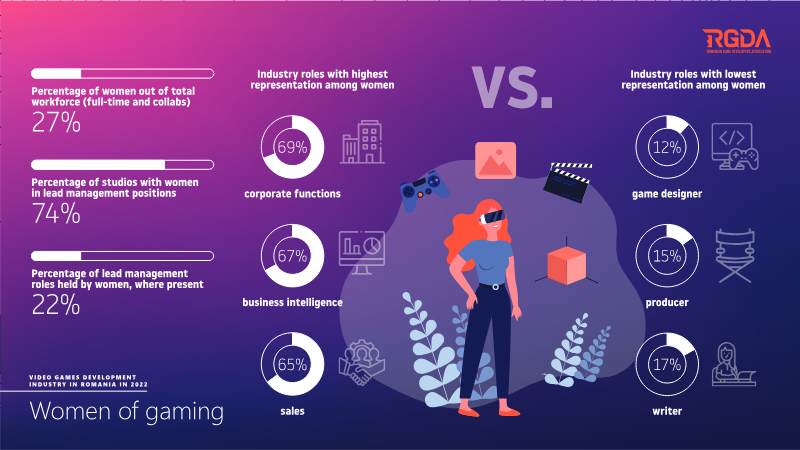
Video Games Development Industry in Romania – 2022 (Summary & Key Insights)
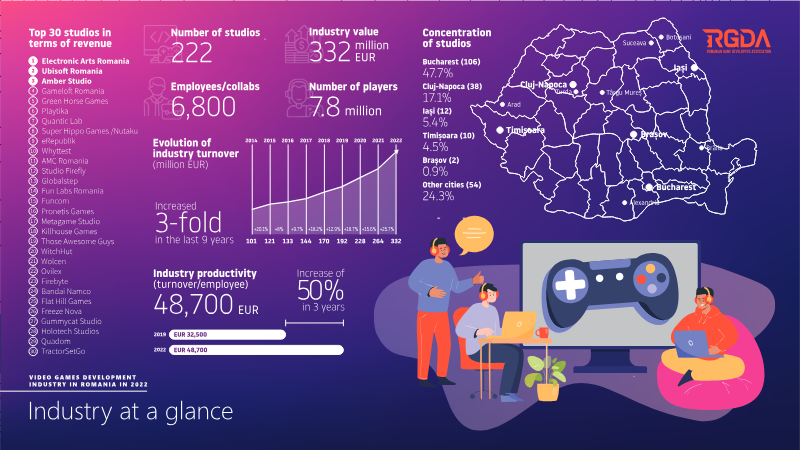
The Romanian video game development industry experienced significant growth in 2022, reaching a total valuation of 332 million EUR.
- The Romanian video game industry generated between €222 million and €332 million in 2022, driven by a highly export-oriented model where over 70% of revenue comes from foreign markets.
- Market concentration is high, with the top three players—Electronic Arts Romania, Ubisoft Romania, and Amber Studio—accounting for approximately 47% of total industry revenue.
- Electronic Arts Romania is the largest single entity in the sector, reporting €106 million in revenue, followed by Ubisoft Romania and Amber Studio, which represent significant market shares of 47.7% and 38% respectively.
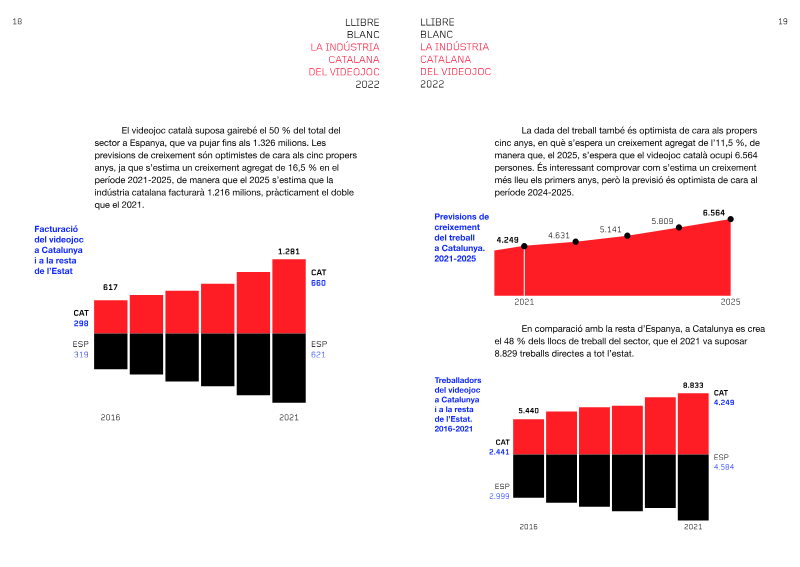
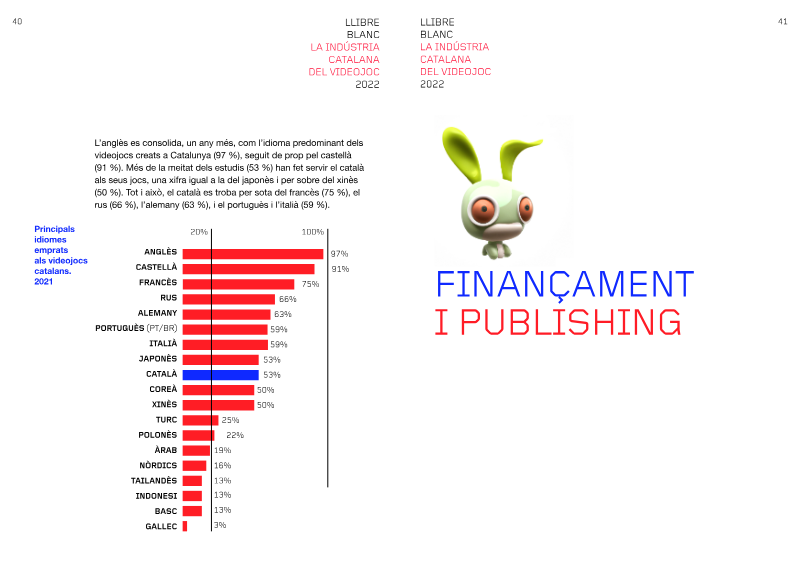

Llibre Blanc de la Indústria Catalana del Videojoc 2022
The 2022 white paper evaluates the state of Catalonia’s video-game sector, arguing that while the region has become an increasingly attractive hub for development, persistent structural constraints—particularly in talent supply and financing—limit its growth potential.
- Catalonia's video-game sector faces a significant talent bottleneck, with 59% of studios reporting ongoing difficulties in recruiting qualified personnel.
- Foreign direct investment in the region saw a major surge, with five new projects injecting €39.5 million into the local economy.
- Employment opportunities within the Catalan video-game industry grew by 32% year-on-year, resulting in 377 new jobs.


Construyendo un Sector del Videojuego en Igualdad
The Spanish video-game market now serves more than 18 million players, with women representing 48% of the audience, yet women occupy only about 20% of development roles across Europe’s roughly 90 000-person sector.
- Women comprise 48% of the 18 million players in the Spanish market, yet they hold only 20% of development roles within the 90,000-person European industry.
- Systemic hiring reforms—including gender-neutral job advertisements, transparent salary bands, and multi-reviewer processes—are essential to increasing the entry and retention of women in development roles.
- Companies such as Wooga have achieved higher retention and increased female representation in senior leadership by utilizing unconscious-bias training, inclusion nudges, and data-driven KPIs.
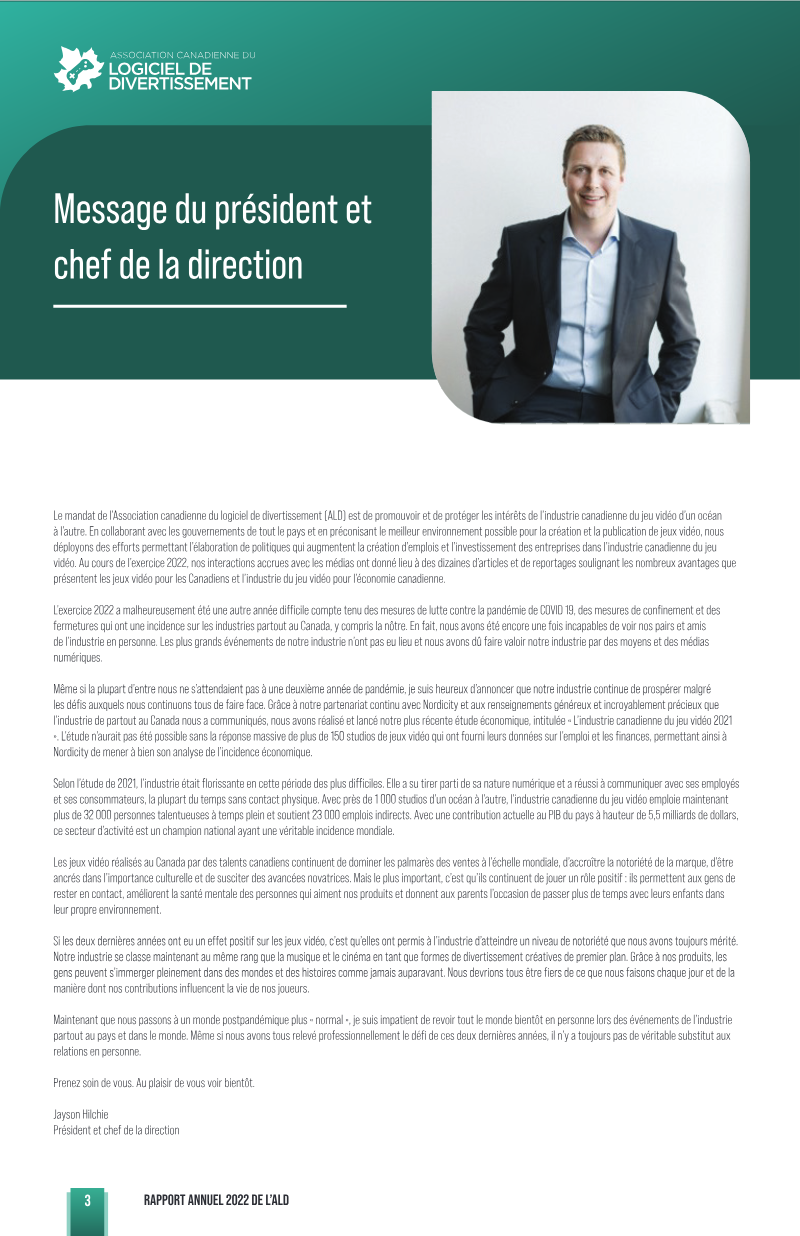

Rapport Annuel 2022 de l'ALD: Canada
The Association canadienne du logiciel de divertissement (ALD) presents an overview of its 2022 activities, emphasizing the organization’s mandate to champion the Canadian video-game sector through policy advocacy, industry research and public-relations initiatives.
- The Canadian video-game industry contributed $5.5 billion to the national GDP in 2021, marking the highest economic output recorded to date.
- The sector experienced significant growth between 2019 and 2021, with the number of active studios increasing from fewer than 700 to nearly 1,000.
- The industry currently supports 32,000 full-time direct employees and an additional 23,000 indirect jobs.


Campo da Gioco Equo
The guide argues that gender equity is both a commercial necessity and a social responsibility for the European video-game sector, which employs roughly 90 000 people while women constitute only about 20% of developers despite half of Europe’s population being gamers.
- Women currently represent only 20% of the 90,000-person European video-game workforce, despite comprising half of the continent's gaming population.
- A persistent 14.1% gender-pay gap exists within the EU gaming sector, exacerbated by promotion disparities rooted in biased assessments of employee potential.
- Proactive, data-driven interventions—such as AI-enhanced moderation and diversified teams—successfully reduced toxic in-game chat by 5% in pilot programs.


Annual Survey of Video Games in France 2022
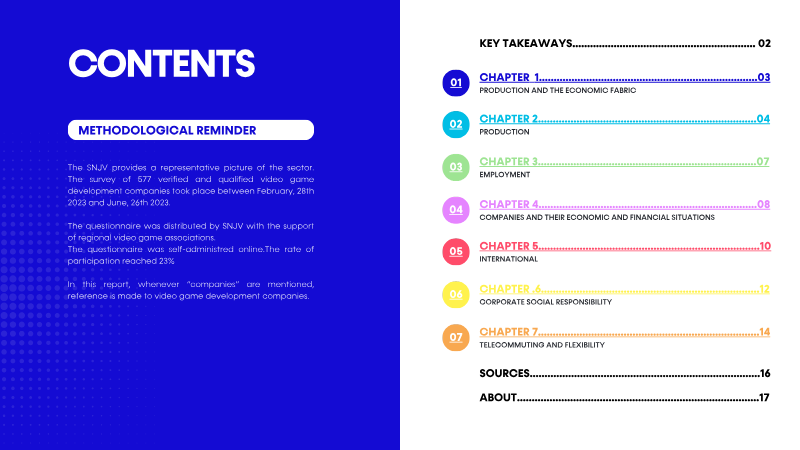
The 2023 annual survey of the French video game industry provides a comprehensive analysis of the sector’s economic health, production trends, and workforce dynamics during 2022.
- The French video game industry is maturing financially, with 27% of studios generating over 1 million euros in revenue, a 9-point increase since 2020.
- Despite revenue gains, industry optimism has declined significantly, with only 28.6% of studios expecting growth compared to 66% in 2020.
- The production landscape remains highly concentrated in the Île-de-France region, which hosts 44.6% of the nation's development studios.


Gaming in Europe: Key Facts 2022
The European video game industry demonstrated significant economic resilience and social expansion in 2022, generating €24.5 billion in revenue and achieving a 5% year-on-year growth rate.
- The European gaming industry generated €24.5 billion in revenue in 2022, marking a 5% year-on-year growth rate and supporting a workforce of over 110,000 employees.
- The player base has reached 126.5 million people, with the 45-64 age group now representing the largest demographic and women accounting for 47% of all players.
- A critical talent shortage threatens future expansion, highlighted by a projected deficit of 25,000 developers in Sweden alone by 2031.


State of the Game Industry 2022
The global game development landscape in 2022 is defined by a tension between technological tradition and evolving labor standards.
- PC remains the primary development platform for 63% of developers, while the PlayStation 5 is the leading console for current and future project cycles.
- Industry interest in decentralized technologies is low, with over 70% of studios expressing no interest in cryptocurrency or NFTs and one-third of professionals predicting the metaverse will fail.
- Workplace culture remains a critical challenge, as 62% of companies have failed to formally address reports of toxicity and misconduct, despite 60% of developers now working 40 hours or less per week.

Recruiting Like A Pro | Games Industry (Product Philosophy #10)
Effective recruitment in the games industry requires a transition from subjective, personality-driven hiring toward structured, evidence-based evaluation.
- Replace subjective 'culture fit' hiring with structured, evidence-based evaluation methods like standardized scoring frameworks and assessment matrices to reduce bias and improve performance prediction.
- Prioritize objective work samples and skill-based take-home tests over theoretical interviews to ensure fair, apples-to-apples comparisons of candidates.
- Avoid the 'rockstar' talent trap, which creates dangerous single points of failure, by instead operationalizing knowledge through playbooks, coaching, and robust support systems.