Employment reports and market data
Documents
UK Games Industry Census 2022: Understanding Diversity in the UK Games Industry Workforce
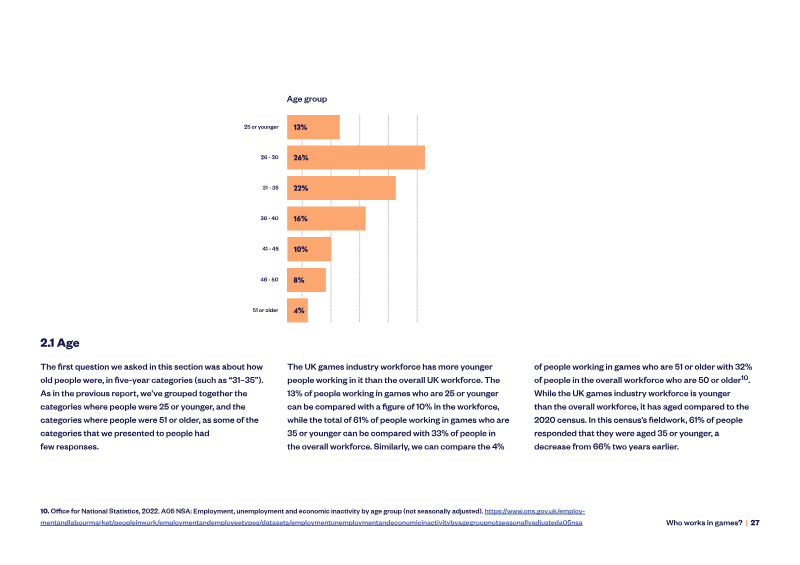
The UK games industry workforce is characterized by a highly educated, predominantly white, and relatively young demographic that remains largely consistent with findings from 2020.
- The UK games industry workforce is highly educated, with 82% of professionals holding at least an undergraduate degree, yet it remains predominantly white and drawn from professional or managerial socioeconomic backgrounds.
- Workplace culture is characterized by a significant 'crunch' culture, as two-thirds of employees report working weeks exceeding 40 hours during peak periods.
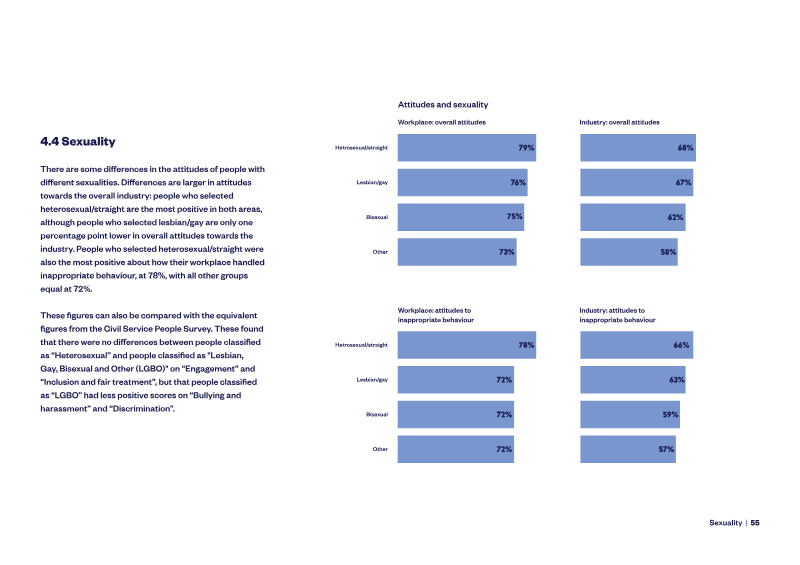
- Rates of anxiety and depression in the industry significantly outpace those of the general UK population, with particularly elevated levels reported among LGBTQ+, non-binary, and trans employees.

Creative Director Fired over Pro Russian Comments | Games ReCAP
Wargaming, the developer behind the prominent military-themed franchise World of Tanks, terminated its creative director, Sergey Burkatovskiy, following his public endorsement of the Russian invasion of Ukraine.
- Wargaming terminated its creative director, Sergey Burkatovskiy, after he publicly endorsed the Russian invasion of Ukraine on social media.
- The company prioritized the safety of its 550 Ukraine-based employees by providing relocation assistance, early salary payments, and alternative housing.
- Wargaming committed a $1 million donation to the Ukrainian Red Cross to support humanitarian aid and medical needs for displaced citizens.
Ukrainian Game Studios are Fighting Back | Games ReCAP
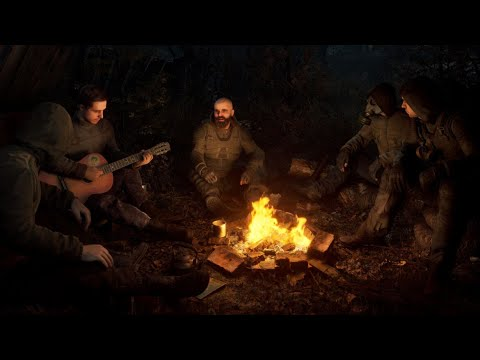
The Ukrainian game development industry has responded with unified defiance following the Russian military invasion of Ukraine.
- Major Ukrainian studios including GSC Game World and Frogwares have suspended operations and prioritized staff evacuation following the Russian invasion.
- International gaming companies, such as Bungie, CD Projekt Red, and the developers of the Metro series, have pledged game sale proceeds and direct donations to organizations like the International Red Cross, Save the Children, and Project Hope.
- Riot Games has suspended regional esports tournaments to address the instability caused by the ongoing conflict.
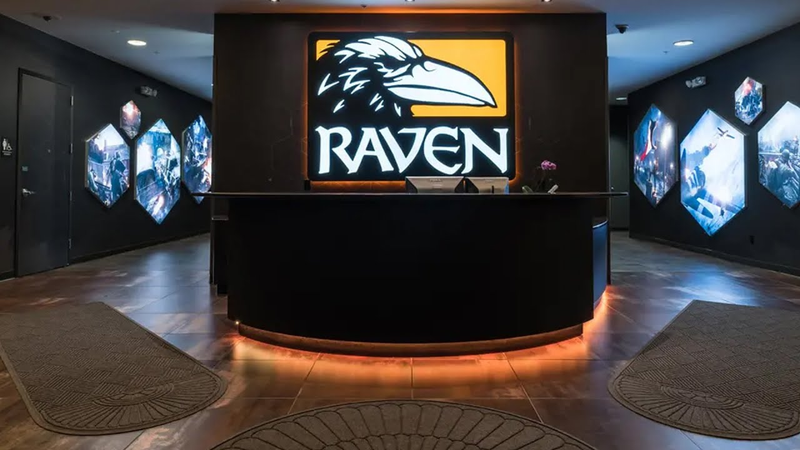
Raven QA are Unionizing | Games ReCAP
Quality assurance (QA) workers at Raven Software, a subsidiary of Activision Blizzard, have initiated a historic effort to form the first major North American video game industry union, known as the Game Workers Alliance.
- Raven Software QA workers have formed the Game Workers Alliance, marking the first major unionization effort in the North American video game industry.
- The organizing effort was triggered by a December 2021 strike following the non-renewal of contracts for several QA staff members.
- Activision Blizzard has countered unionization efforts by restructuring, including a 41% increase in minimum compensation for Raven QA staff and transitioning over 60% of temporary QA personnel to full-time roles.

LIVE | Good Habits for Remote Working with Michael Shinde
Remote work in the concept art industry demands a high degree of self-management, discipline, and intentional boundary-setting to replace the structure once provided by physical office environments.
- Remote work in the concept art industry requires heightened self-management and intentional boundary-setting to replace the lost structure of physical office environments.
- The industry is shifting away from hyper-realistic, asset-heavy visuals and photo-bashing toward stylized art that prioritizes core fundamentals like composition, lighting, and silhouette.
- Junior artists face significant professional development risks in remote settings due to the lack of organic mentorship and hands-on learning opportunities found in physical studios.

The Impossible Quest: Getting a Job in Games
Securing a position within the competitive game industry requires a strategic blend of technical preparation, professional adaptability, and intentional networking.
- Prioritize the creation of a role-specific portfolio that clearly delineates your individual contributions to collaborative projects.
- Approach networking as a long-term strategy by building genuine relationships with peers and support staff rather than focusing exclusively on senior leadership.
- Maintain a proactive career management system by utilizing industry-specific resources like GameDevMap and keeping an organized log of all job applications.
The UK's New Immigration System
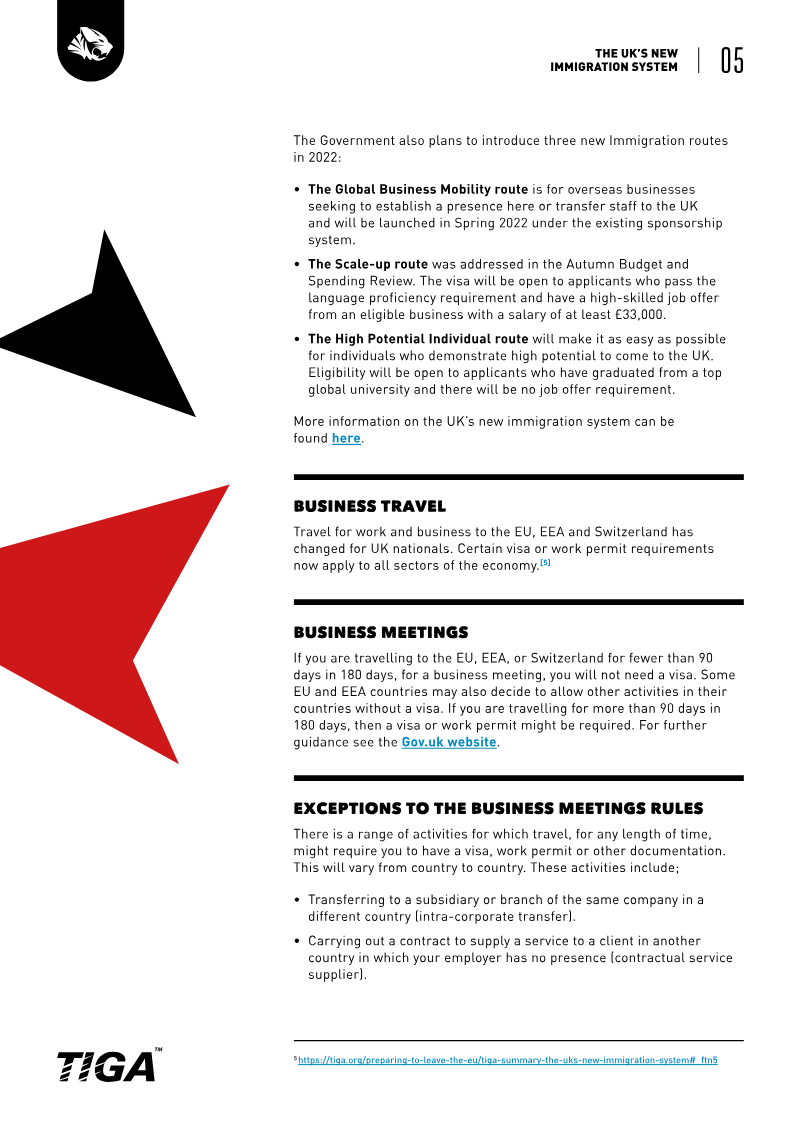
The UK’s new immigration system, effective since January 2021, represents a fundamental shift in how the video games industry manages international talent following the end of free movement between the UK and the European Union.
- Since January 2021, the UK video games industry must operate under a points-based immigration system that requires international hires to secure 70 points based on job offers, skill levels, and English proficiency.
- UK game studios must become licensed sponsors to hire international staff, including EU citizens who arrived after December 2020, which involves administrative oversight and potential immigration skills charges.
- Applicants can earn additional points toward the 70-point threshold through higher salary levels, roles in shortage occupations, or relevant academic qualifications like STEM PhDs.

The Resilient Job Hunt: Addressing the 'Well of Doubts'
Navigating the modern games industry requires a shift in perspective, moving away from the expectation of a linear career path toward a strategy defined by adaptability and proactive engagement.
- Prioritize direct outreach and referrals over traditional application methods, as personal connections significantly increase the probability of securing an interview.
- Shift focus from lengthy cover letters to concise communication and robust portfolios that provide direct evidence of skill and potential.
- Utilize digital platforms like Discord, LinkedIn, and Twitter as primary hubs for networking to uncover unadvertised job opportunities.
I QUIT Solo Game Dev
The transition from solo game development to team-based production is presented as a strategic necessity for long-term sustainability and professional growth.
- Transitioning from solo development to a collaborative team model is a strategic necessity to mitigate the high risk of failure and unsustainable burnout associated with the 'solo hero' mentality.
- Leveraging contract workers and pre-made assets can accelerate production timelines significantly, potentially reducing a two-year development cycle down to six months.
- Solo development is economically inefficient because the time spent learning non-core skills to a sub-professional level is more costly than outsourcing those tasks to specialists.
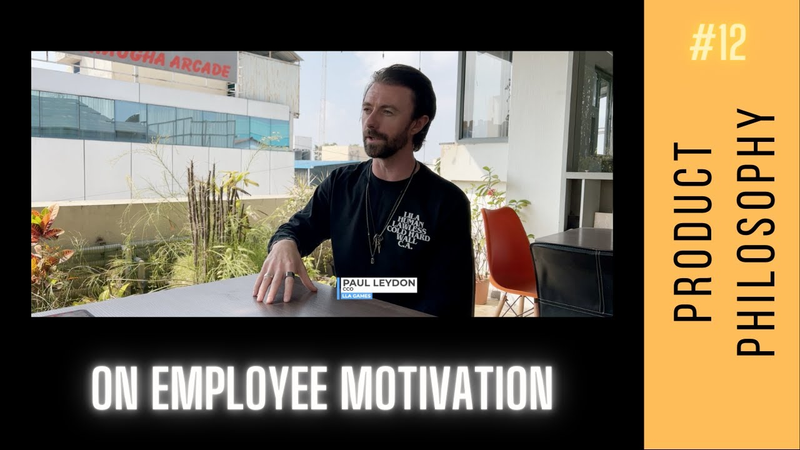
On Employee Motivation (Product Philosophy #12)
Effective employee motivation in the gaming industry relies on a nuanced understanding of individual drivers rather than a one-size-fits-all approach to management.
- Employee motivation in the gaming industry requires aligning individual drivers—such as professional prestige and skill acquisition—with the organization's broader mission rather than relying on a one-size-fits-all management approach.
- Financial compensation serves only as a baseline necessity, as high-level productivity is more effectively sustained through tangible incentives like equity, skill-based promotions, and professional recognition.
- Strategic urgency and the pressure inherent in startup environments act as catalysts for focus and commitment, provided they are balanced with transparent incentive structures.

Observatoire économique de l'esport: France 2022
The French esports sector has undergone a period of rapid professionalization and expansion, establishing itself as a significant component of the national digital economy.
- The French esports industry reached a total turnover of €141.4 million in 2022, reflecting a 31.4% compound annual growth rate between 2019 and 2022.
- Market concentration is high, with the ten largest organizations generating 70% of the sector's total revenue.
- The sector supported 1,017 full-time equivalent positions in 2022, though the majority of industry entities remain micro-enterprises.
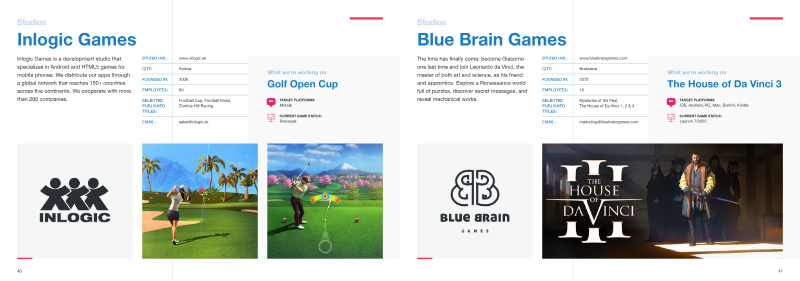

Slovak Game Industry Report 2022
The Slovak game industry demonstrated significant resilience and expansion throughout 2022, successfully navigating global economic volatility and shifting market landscapes.
- The Slovak game industry experienced significant growth in 2021, both in terms of developers and revenue, despite global challenges like the COVID-19 pandemic and the post-IDFA period.
- The top 10% of Slovak game companies generated EUR 69.4 million in turnover in 2021.
- Foreign employees constitute 7% (79 individuals) of the Slovak game industry workforce, with Czechia (16%), Ukraine (12%), and the USA (9%) being the primary countries of origin.