Employment reports and market data
Documents
The Belgian Games Industry: Facts and Figures 2020
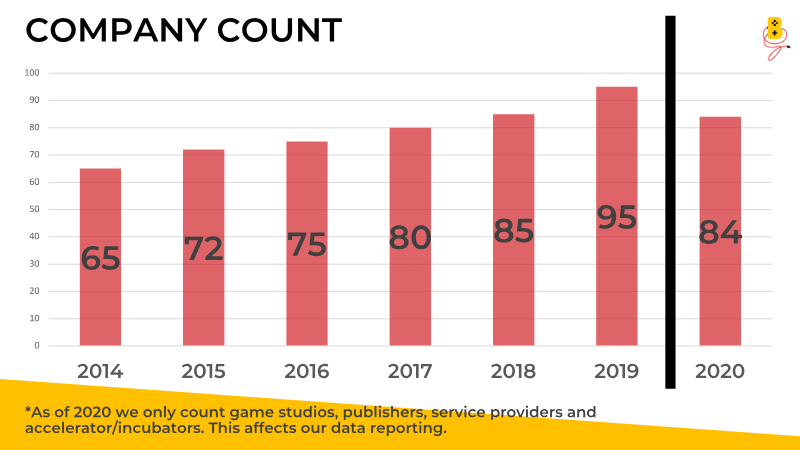
The Belgian games industry demonstrated notable resilience and growth during 2020, characterized by an overall turnover of €82 million, representing a 17% increase compared to the previous year.
- The Belgian games industry generated €82 million in turnover in 2020, marking a 17% year-over-year increase.
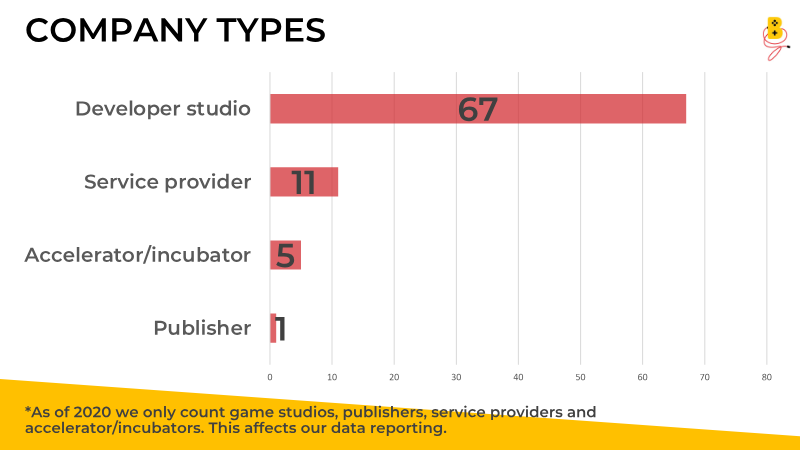
- The sector is composed of 84 registered companies, with 67 operating as developer studios and a majority classified as micro-entities or solo developers.
- Industry growth remains strong, with 60% of firms projecting continued revenue increases and 47% planning to expand their full-time headcount.

Being Black in Game Audio
Black professionals in the game audio industry face systemic underrepresentation and persistent racial stereotyping, often being pigeonholed into specific genres like hip-hop or urban music.
- Black professionals in game audio frequently face the burden of 'proving' their professional legitimacy, often requiring significant high-profile credits before feeling comfortable in industry spaces without fear of being stereotyped or dismissed.
- Stereotyping remains a pervasive issue, with industry peers often making biased assumptions that Black audio professionals are only qualified for or interested in specific genres, such as hip-hop.
- While the social climate of 2020 created a temporary groundswell of support and awareness for diversity, the momentum has since waned, leading to a more relaxed commitment to systemic change in 2021.
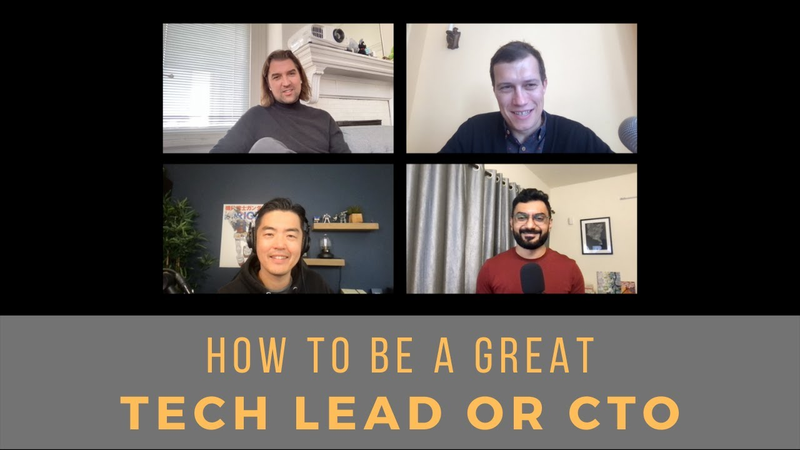
How To Become A Great Tech Lead or CTO ft. Niklas Herriger, Tommy Krul, and Avinash Pandey
Technical leadership in the gaming industry requires a dynamic evolution of roles, shifting from hands-on technical contribution to high-level strategic management as companies scale.
- Technical leadership requires a transition from hands-on coding to strategic management, where the leader's primary goal is to foster team output that exceeds the sum of individual contributions.
- Effective leaders must maintain a flexible workload balance, typically allocating between 30% and 70% of their time to hands-on technical tasks depending on the project phase and organizational needs.
- As companies scale, leaders must shift their focus from technical optimization to managing human dynamics, which requires active listening, empathy, and providing honest, timely feedback.
The Future of Work: Remote vs. Office | The Debate! (Philosophy Friday #6)
The transition from traditional office environments to remote work models represents a fundamental shift in management philosophy, moving away from monitoring physical presence toward evaluating specific, measurable outcomes.
- Management philosophy must shift from monitoring physical presence to evaluating specific, measurable deliverables to ensure accountability.
- Scaling a game studio requires transitioning from a reliance on individual talent to implementing repeatable, systemized processes that ensure operational predictability.
- While physical proximity may benefit the 'zero-to-one' phase of creative ideation, remote work expands the global talent pool and encourages more thoughtful, documented contributions.

How to Brand a New Game Studio with Joe Nickolls, President of Timbre Games
Establishing a new game studio in the competitive Vancouver market requires a strategic shift toward human-centric employer branding.
- Prioritizing a values-driven, human-centric culture over traditional corporate prestige allows new studios to differentiate themselves and attract high-quality talent in competitive markets like Vancouver.
- Timbre Games achieved a workforce composition that is 67% women by removing exclusionary, jargon-heavy language from recruitment processes and prioritizing transparent communication.
- Operational success is driven by the philosophy that internal culture directly dictates creative output, ensuring team cohesion translates into high-quality player-facing game design.
Employee Feedback and Performance Review Best Practice (Philosophy Friday #5)
Effective performance management relies on shifting away from high-stakes, infrequent reviews toward a model of continuous, immediate feedback.
- Replace infrequent, high-stakes performance reviews with a model of continuous, immediate feedback to facilitate real-time course corrections and reduce organizational attrition.
- Managers should focus feedback strictly on observable work product rather than personality traits, utilizing structured frameworks like skills matrices or start-stop-continue models.
- Limit employee development goals to one or two key areas per quarter to prevent staff from feeling overwhelmed and to ensure actionable progress.

Getting the Most Out of an Entry-Level Games Job
Success in entry-level game industry roles depends on a combination of proactive communication, strategic relationship building, and a deep commitment to understanding studio operations.
- Build a professional safety net by cultivating peer relationships and mentorships, which are essential for navigating industry volatility and potential layoffs.
- Accelerate career growth and gain visibility by volunteering for administrative tasks like documentation and meeting notes, which provide exposure to high-level project discussions.
- Demonstrate competence and reliability by mastering the studio's project documentation, intellectual property, and internal vocabulary.
Stop Living on 1HP: Health and Wellness in Esports
Esports functions as a high-stakes static endurance activity, necessitating a shift from reactive injury treatment to proactive, performance-based conditioning.
- Esports is classified as a static endurance activity that challenges executive function, involving prolonged seated positions with repetitive micro-movements of the hands, wrists, and shoulders that increase injury risk.
- Health and wellness initiatives should be integrated into gaming communities by linking in-game character growth with out-of-game physical development to foster player retention and community engagement.
- Developers can implement non-disruptive health interventions through 'toast' text pop-ups or time-gated codex entries that provide specific stretching and strengthening exercises based on playtime milestones.
Choosing "Work Life Integration" Over Balance (Philosophy Friday #4)
Work-life integration serves as a superior alternative to the traditional concept of work-life balance, particularly for individuals pursuing ambitious, high-growth objectives.
- Work-life integration is a superior framework for high-growth objectives because it treats professional goals as a core component of a broader life mission rather than a separate, compartmentalized activity.
- Transitioning away from fixed salary models toward performance-based bonuses and equity aligns employee incentives with company success and reduces the resentment caused by valuing hours over output.
- High-impact individuals must adopt a zero-budget approach to scheduling, which involves rigorously distinguishing between shallow administrative tasks and high-value problem solving.
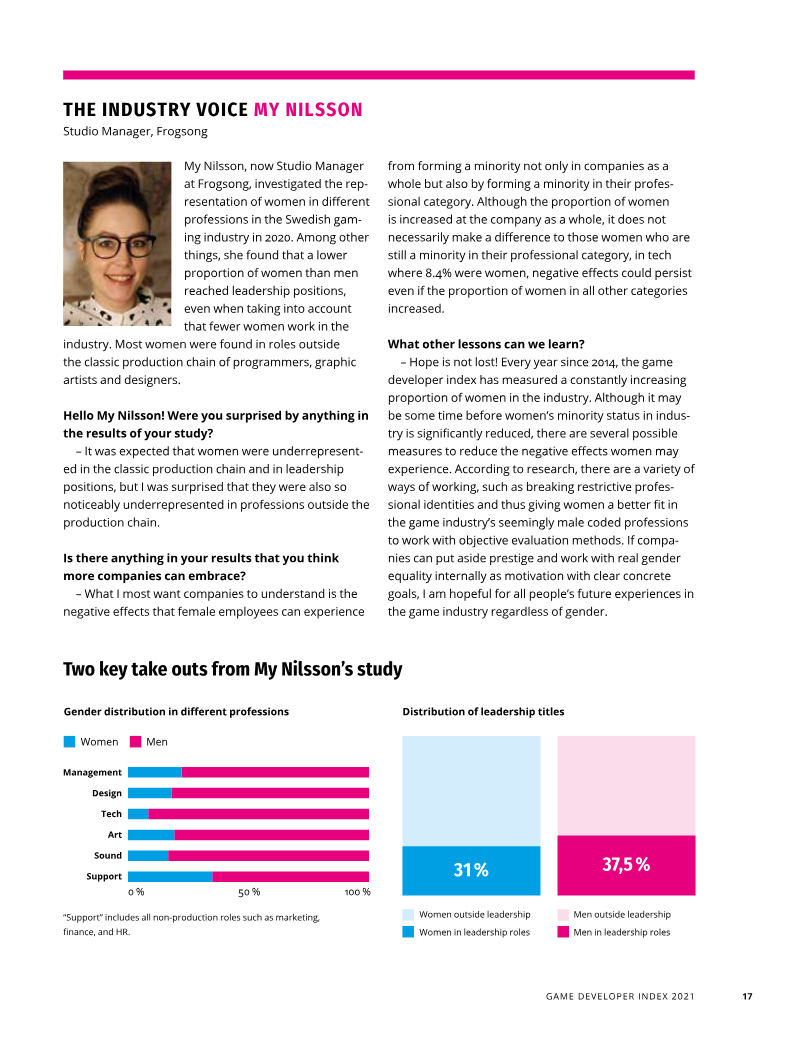
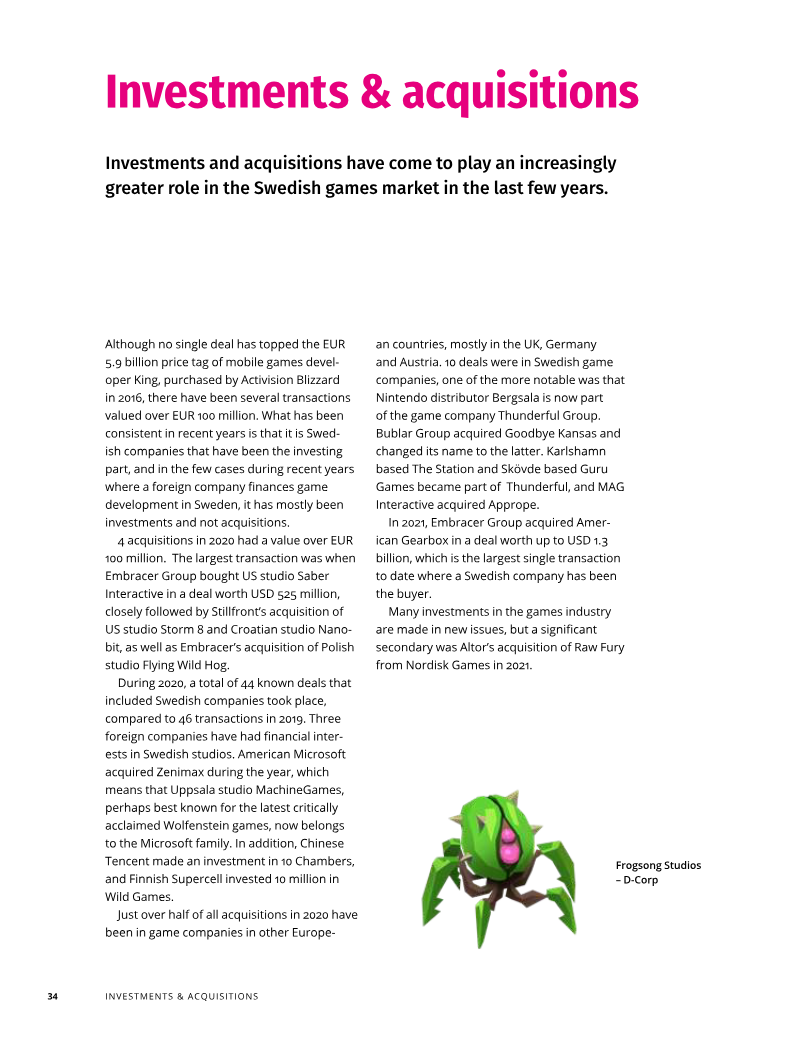
Swedish Games Industry 2021
The Swedish games industry experienced a transformative period of growth in 2020, reaching a record revenue of EUR 3.3 billion.
- The Swedish games industry reached a record revenue of EUR 3.3 billion in 2020, marking a 43% growth rate and the sector's twelfth consecutive year of profitability.
- Sweden has shifted from an acquisition target to a global investor, with 19 listed entities commanding a combined market capitalization of EUR 10.7 billion and Swedish-owned firms operating 126 international studios.
- A severe talent shortage and restrictive work permit processes are critical bottlenecks, despite domestic employment rising to over 6,500 positions.

"You Want to Do What?" Non-Traditional Pathways to Game Development
Entering the professional game development landscape requires a strategic shift in perspective, moving away from the expectation of linear career paths toward an emphasis on transferable skills and personal resilience.
- Success in game development relies on reframing transferable skills from non-traditional backgrounds—such as logistics or freelance work—into evidence of project management, iterative problem-solving, and emotional intelligence.
- Networking is most effective when focused on building genuine relationships with peers and recent industry entrants rather than pursuing transactional exchanges with senior executives.
- While technical proficiency is a baseline requirement, long-term career sustainability is primarily driven by soft skills including clear communication, adaptability, and a growth mindset.
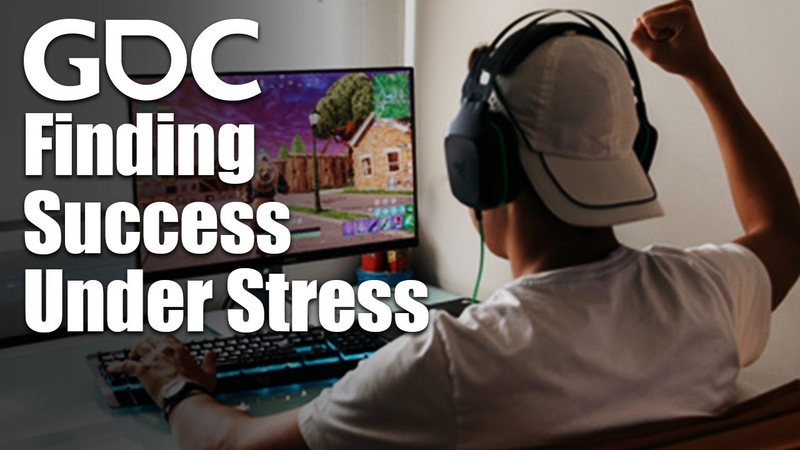
Beating the Burnout: Finding Success Under Stress
Burnout represents a critical, systemic challenge within the global game development industry, characterized by chronic exhaustion, cynicism, and diminished professional efficacy.
- Two-thirds of game developers exit the industry within their first decade, largely due to the systemic impact of chronic exhaustion and diminished professional efficacy.
- Burnout is driven by a combination of unsustainable crunch periods, high-stakes project failures, and a pervasive lack of employee agency within organizational structures.
- Studios incur significant financial and operational costs through lost productivity and the constant need to replace experienced talent lost to high attrition rates.