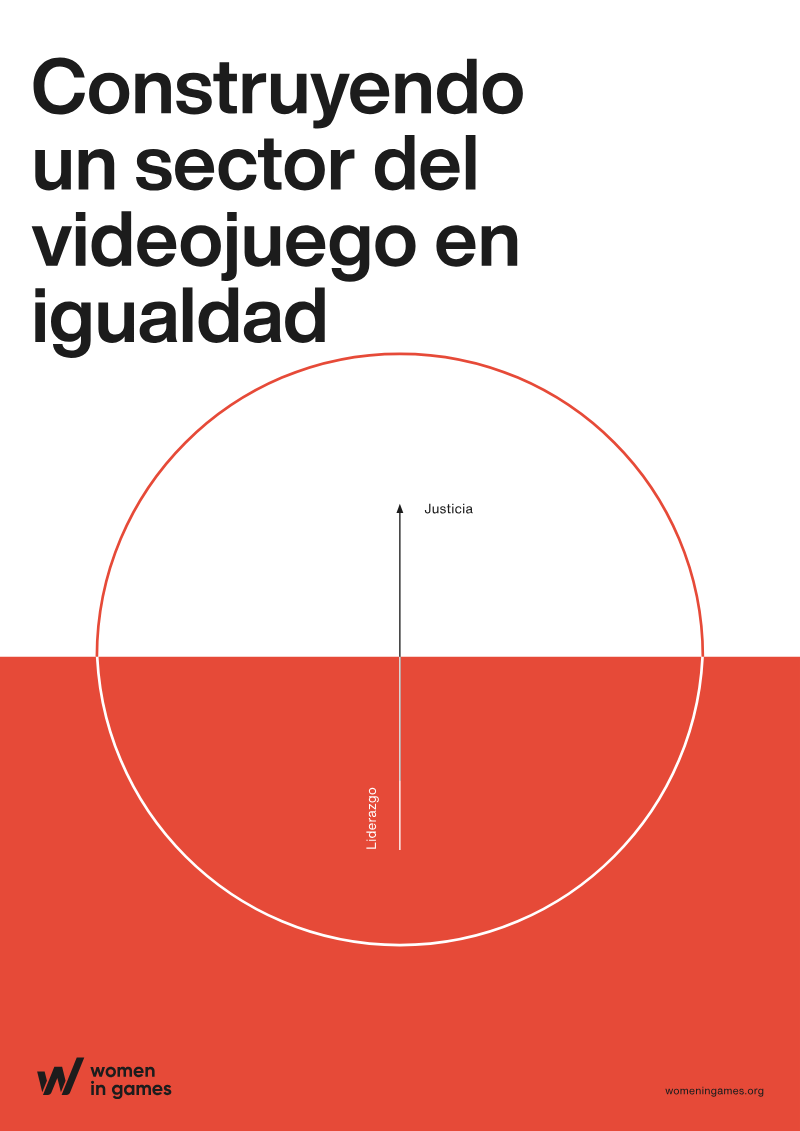
The Spanish video‑game market now serves more than 18 million players, with women representing 48 % of the audience, yet women occupy only about 20 % of development roles across Europe’s roughly 90 000‑person sector. This persistent gender gap, amplified by the COVID‑19 pandemic and Brexit‑related uncertainties, motivates a coordinated push for equality that links industry associations, NGOs such as Women in Games, and policy makers. The central thesis is that genuine gender parity requires systemic change across recruitment, workplace culture, product design, and community moderation, supported by transparent data and legally anchored standards.
Key findings show that inclusive branding, gender‑neutral job ads, transparent salary bands and multi‑reviewer hiring processes can increase women’s entry and retention, while mentorship programmes, employee‑representative groups, regular engagement surveys and equitable parental‑leave schemes produce measurable improvements in pay‑gap closure and promotion rates. Companies that have instituted unconscious‑bias training, “inclusion nudges,” and data‑driven KPIs—such as Wooga—report higher retention and greater representation of women in senior positions. Community‑level interventions, including robust codes of conduct, verified‑identity requirements and AI‑enhanced chat filters, have already cut toxic messages by 5 % in pilot environments, demonstrating the effectiveness of proactive moderation.
The analysis covers the European context, drawing on data up to 2022 from Spain,
AEVI · 2025
AEVI · 2025
AEVI · 2025
AEVI · 2025
AEVI · 2025
AEVI · 2025
AEVI · 2025
AEVI · 2025
AEVI · 2025
AEVI · 2025
AEVI · 2025
AEVI · 2025
European Games Developer Federation · 2022
AEVI · 2025
European Schoolnet · 2024
Video Games Europe · 2024
Video Games Europe · 2024
Video Games Europe · 2024
AEVI · 2024
Video Games Europe · 2023
IIDEA – Italian Interactive Digital Entertainment Association · 2022
Dutch Games Association · 2022
Dutch Games Association · 2022
European Games Developer Federation · 2022