State of the Game Industry 2022
202231 pages~43 min full read
The global game development landscape in 2022 is defined by a tension between technological tradition and evolving labor standards. PC remains the primary platform for 63% of developers, while the PlayStation 5 has established itself as the leading console for both current and future development cycles. Despite the industry’s technical foundations, there is profound skepticism regarding decentralized technologies; over 70% of studios express no interest in cryptocurrency or NFTs, and a third of professionals believe the metaverse concept will fail to materialize. Conversely, accessibility has reached a critical milestone, with 39% of developers now integrating features for impaired players, marking the first time such initiatives have outpaced non-implementation.
Labor dynamics are undergoing a significant transformation as professionals increasingly prioritize social activism and workplace equity. While a record 60% of developers now work 40 hours or less per week, the industry continues to struggle with systemic cultural issues. Approximately 62% of companies failed to formally address widespread reports of toxicity and misconduct, and the workforce remains predominantly male and relatively inexperienced, with over half of all professionals having ten years or less in the field. Furthermore, the rise of unionization discussions, reported by 23% of professionals, suggests a growing movement toward formal collective bargaining.
The industry’s geographic footprint remains heavily concentrated in the West, with 54% of developers based in the United States and 16% in Western Europe. Although remote work has become more prevalent, this shift has not yet decentralized the industry’s core hubs, as regions like Asia, Canada, and South America each represent 6% or less of the global workforce. This distribution reflects a Western-centric bias in current industry data and highlights the continued dominance of North American and European studios in shaping global development trends and labor standards.
Game Developers Conference · 2026
Game Developers Conference · 2026
Game Developers Conference · 2026
Game Developers Conference · 2026
Game Developers Conference · 2026
Game Developers Conference · 2026

Game Developers Conference · 2026

Game Developers Conference · 2026

Game Developers Conference · 2025

Game Developers Conference · 2025

Game Developers Conference · 2025

Game Developers Conference · 2025
Duamentes Gaming · 2025
Game Developers Conference · 2024
Bandai Namco · 2023
Game Developers Conference · 2023
GDC · 2022
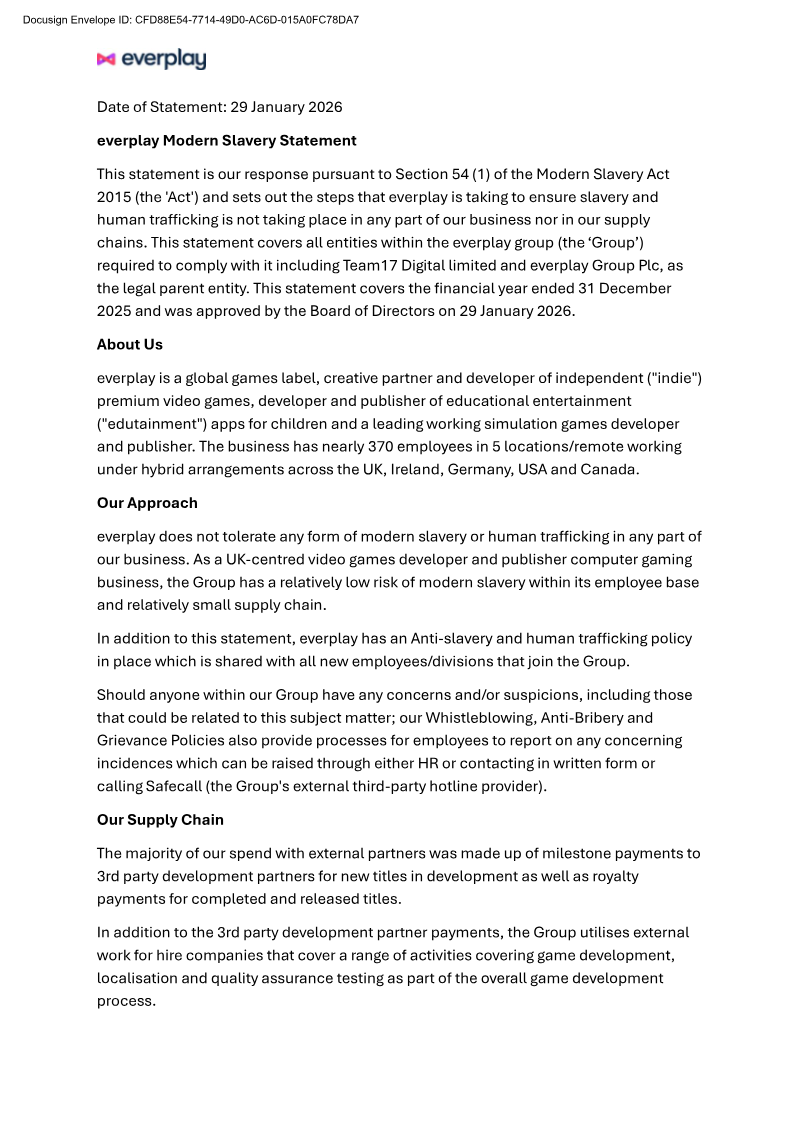
Everplay · 2026
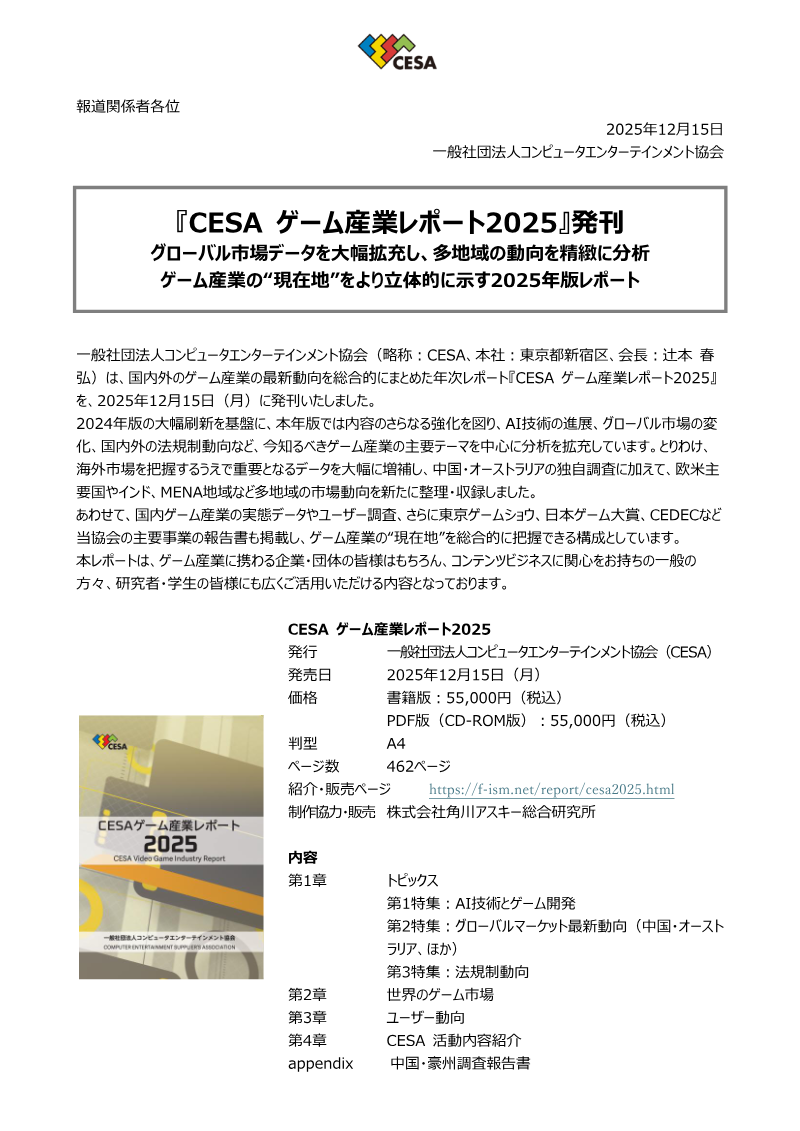
CESA – Computer Entertainment Supplier's Association · 2025
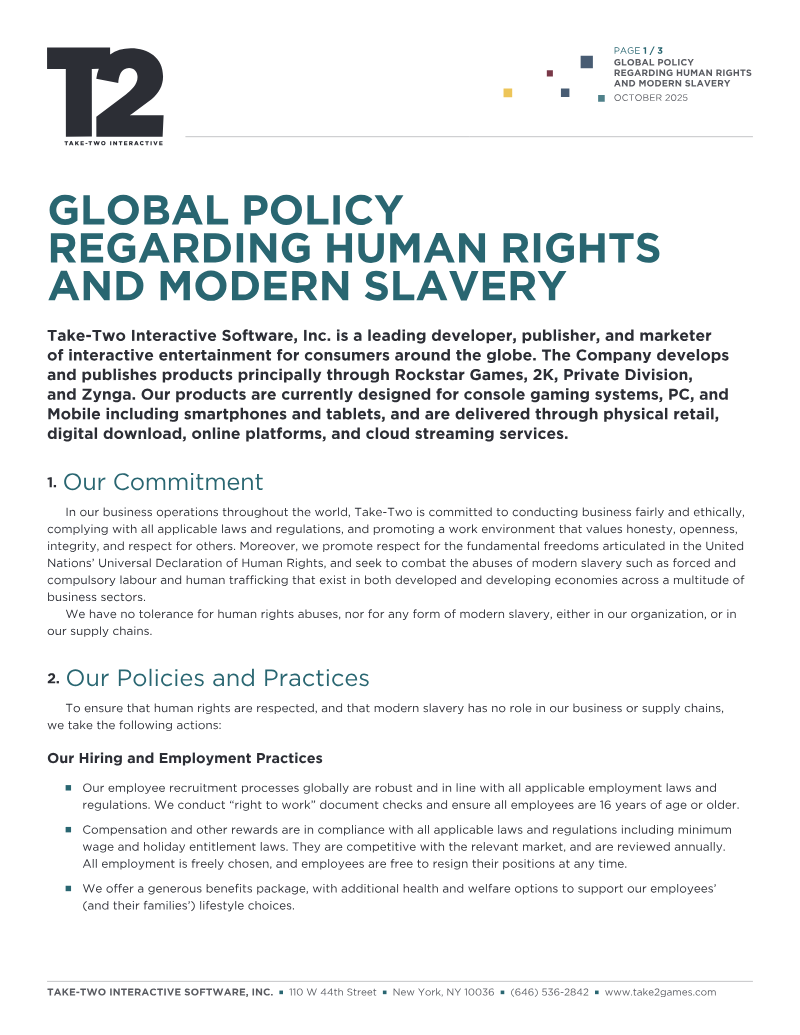
Take-Two Interactive · 2025
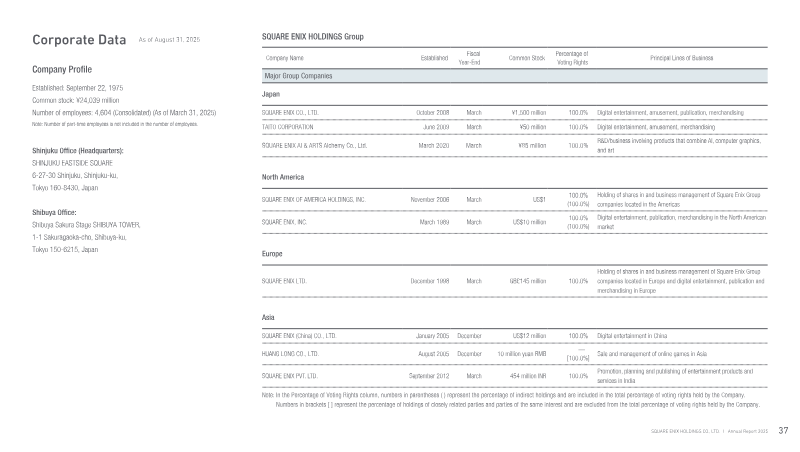
Square Enix · 2025
GDC · 2025
Konvoy · 2025
Electronic Arts · 2025