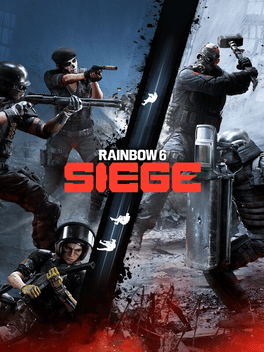
Rainbow Six Siege
GameBy Ubisoft Montreal · Released Dec 1, 2015
Documents about Rainbow Six Siege
Rainbow Six: Siege boss: We'll treat our players like kings and queens when GTA 6 comes out
Rainbow Six: Siege maintains its long-term viability by prioritizing a service-oriented model that emphasizes technical stability and tactical depth over the development of a sequel.
- Ubisoft is prioritizing long-term player retention and service quality to mitigate potential market disruption caused by the upcoming release of GTA 6.
- The development team manages a workforce of over 600 people to maintain the game through a modular architecture that avoids the need for a full sequel rebuild.
- The studio is leveraging a strategic partnership with Tencent to improve communication, bolster regional expansion, and enhance security protocols following previous cyberattacks.
Shooter Monthly #8: The Bungie Eulogy, Why Destiny Fell Off, and Can Marathon Save the Studio
Bungie’s trajectory serves as a definitive case study in the volatility of the live-service model, illustrating how a studio can pioneer a genre while simultaneously struggling with the sustainability of long-term engagement.
- Bungie generated between $1.5 and $2 billion in revenue by successfully blending high-fidelity gunplay with deep RPG progression.
- The decline of Destiny is attributed to the exhaustion of its ten-year narrative arc and a seasonal content model that made player progress feel temporary.
- Bungie failed to transition Destiny into a smaller, long-term maintenance phase, a strategy that successfully sustained competitors like Rainbow Six Siege.
Call of Duty Modern Warfare 4 Reveal!!
The reveal of Call of Duty: Modern Warfare 4 marks a significant strategic pivot for the franchise, focusing on technical modernization and a departure from legacy hardware.
- Call of Duty: Modern Warfare 4 will exclusively support current-generation hardware, officially ending support for PlayStation 4 and Xbox One.
- Warzone service on legacy consoles is scheduled for full termination in October to facilitate the transition to modern hardware.
- The game introduces a modular map system called 'kill blocks' that randomizes environmental layouts and removes legacy features like omni-movement to refine core mechanics.
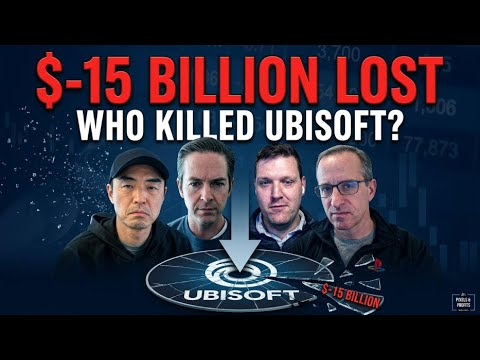
Ubisoft: How to Destroy $15 Billion in Shareholder Value | Pixels & Profits
Ubisoft is currently undergoing a catastrophic collapse in market capitalization, plummeting from a 2018 peak of $16.5 billion to less than $1 billion.
- Ubisoft’s market capitalization has collapsed from a 2018 peak of $16.5 billion to less than $1 billion, despite annual revenue declining by only approximately 20%.
- The company’s revenue-per-employee metric is currently one-fourth that of industry peers like Electronic Arts, highlighting severe operational inefficiencies and a bloated corporate structure.
- Management has consistently diverted resources from core franchises like Assassin’s Creed and Rainbow Six Siege toward underperforming, trend-chasing projects such as Skull and Bones and Star Wars Outlaws.
AI Makes Gaming More Expensive, Rainbow 6 Hacked, and Our Gaming Resolutions! | Games For Breakfast
The gaming industry entered 2026 facing a severe hardware affordability crisis, characterized by a sharp decline in consumer spending to levels not seen in decades.
- Star Citizen has reached $1 billion in crowdsourced funding without releasing a finished product.
- GOG has been sold and will operate as an independent entity separate from CD Projekt, with future operations pending further clarity on their roadmap and game preservation efforts.
- Steam's 'Best of 2025' data reveals that top-performing games are categorized into platinum, gold, silver, and bronze tiers, providing insight into player behavior across diverse gaming demographics.
Ubisoft’s Big Miss Explained
Ubisoft is currently facing a period of significant corporate stagnation and financial underperformance, characterized by a reliance on formulaic franchises and a failure to adapt to industry trends.
- Ubisoft is experiencing significant financial underperformance, with recent quarterly earnings missing expectations due to struggles in major franchises like Assassin’s Creed and performance declines in Rainbow Six Siege.
- The company’s long-term stability is threatened by a sparse release pipeline that extends until 2027, leaving the publisher without a clear competitive advantage after failed investments in NFTs, mobile, and experimental genres.
- Entrenched leadership and systemic nepotism, specifically the Guillemot family's control and the appointment of family members to key intellectual property roles, have triggered a talent exodus and operational chaos.
TWIG #338 Apple’s Cat-and-Mouse Game, Xbox's Doom Loop, and Splitgate 2’s $100M Misfire
The gaming industry is currently navigating a period of profound instability characterized by widespread workforce reductions and the failure of high-budget projects to capture market share.
- High-budget game launches are increasingly failing to gain traction, exemplified by the $130 million Splitgate 2, which failed to match the concurrent player counts of its predecessor due to a market dominated by entrenched titles like Fortnite and Counter-Strike 2.
- Microsoft’s strategic shift toward Game Pass and third-party hardware is creating a 'doom loop' that devalues its intellectual property and alienates its core consumer base.
- Long-term revenue stability is still possible through rigorous lifecycle management, as evidenced by Rainbow Six Siege generating $300–$400 million annually a decade after its initial release.
TWIG #292 Matthew Ball’s Metaverse 2.0 / Top Game License IPs Unveiled
The gaming industry is currently navigating a period of significant structural transition, characterized by a pivot toward profitability over aggressive user acquisition.
- The gaming industry is shifting from aggressive user acquisition to a focus on profitability, evidenced by Microsoft restructuring Xbox Game Pass to increase prices and remove day-one releases from entry-level tiers.
- The metaverse concept has pivoted from decentralized blockchain visions to pragmatic, walled-garden social experiences that prioritize immersive engagement within existing digital platforms.
- Traditional toy companies are adopting 'shelf-to-screen' strategies, integrating physical products into digital ecosystems like Roblox and Brawl Stars to capture younger demographics.
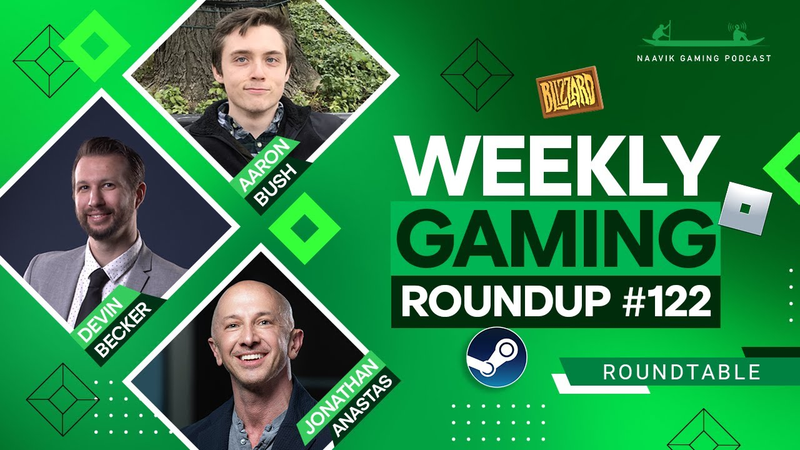
MW3 Controversy / Live Service Evolutions / Roblox Earnings / Esports Woes
The gaming industry is currently undergoing a period of structural recalibration, characterized by a tension between the pursuit of high-frequency live service revenue and the necessity of maintaining product quality.
- The gaming industry is facing a structural conflict where the high profitability of annual release models, such as Call of Duty: Modern Warfare 3, incentivizes rushed development cycles despite significant consumer criticism regarding product quality.
- Major publishers are diverging in strategy, with Sony scaling back its internal live service pipeline while other firms continue to prioritize long-term engagement models over core premium experiences.
- The success of the Steam Deck OLED and Roblox demonstrates that long-term market viability is increasingly driven by cross-platform accessibility and software integration rather than hardware-locked exclusivity.

PocketGamer.biz Podcast Episode #5: Garena Free Fire 80m DAUs, Gamescom goes digital, and more!
Garena’s Free Fire has solidified its position as a dominant force in the mobile gaming sector, reaching 80 million daily active users and surpassing $1 billion in lifetime revenue in under three years.
- Garena Free Fire has reached 80 million daily active users and surpassed $1 billion in lifetime revenue in under three years by utilizing a mobile-first design focused on short, action-oriented matches.
- Minecraft continues to demonstrate long-term franchise viability, recording 200 million lifetime sales and 126 million monthly active users more than a decade after its initial release.
- The Oculus Quest has become a market leader in the VR hardware space, generating over $100 million in user spending due to its wireless functionality and content ecosystem.
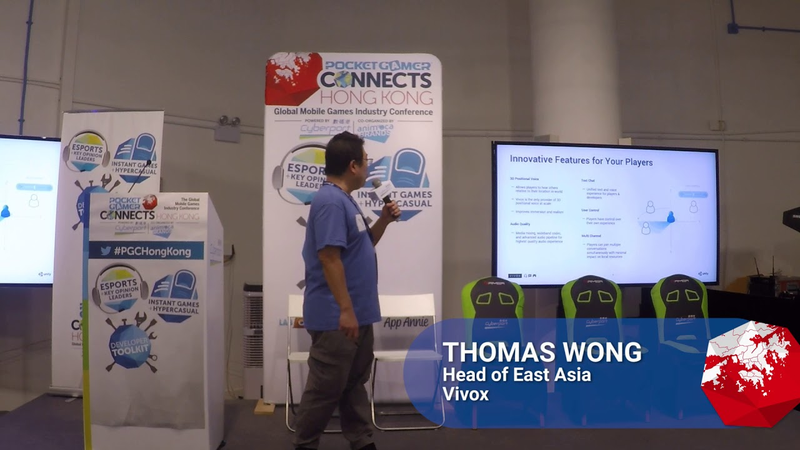
Using Vivox’s Voice and Text Chat to Deliver the Best Multiplayer Experience
Vivox provides voice and text chat infrastructure for the global multiplayer gaming industry, focusing on scalability, cross-platform compatibility, and player engagement.
- Players who use voice chat demonstrate higher retention rates by the fifth week and spend twice as much time in-game compared to non-users.
- Vivox supports over 120 million monthly active users and facilitates more than 100 billion minutes of voice communication per month across 190 countries.
- The platform offloads processing from the client to the server to minimize CPU impact and mobile battery drain while maintaining 99.9% uptime.
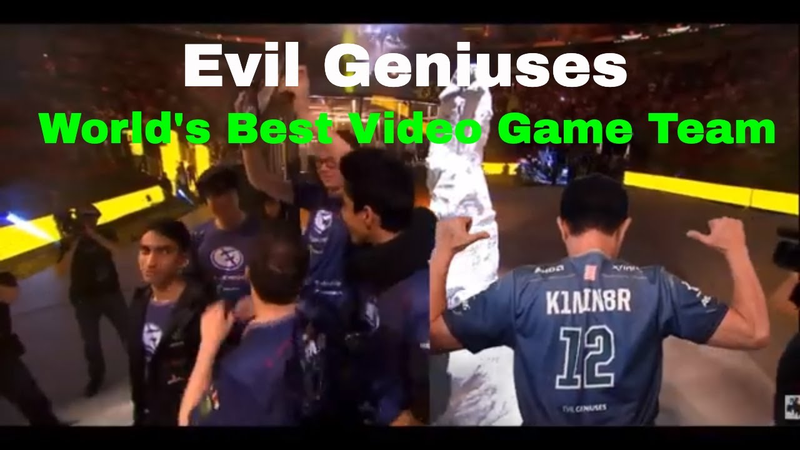
How to win in eSports! | Evil Geniuses eSports Head Coach Aaron "Gotcha" Chung
Evil Geniuses, a premier professional esports organization founded in 1999, maintains a long-standing reputation for competitive excellence across titles such as Dota 2, Call of Duty, Rainbow Six Siege, and Rocket League.
- Evil Geniuses maintains competitive excellence through a rigorous regimen of 35 to 40 hours of weekly team practice, scrimmages, and systematic gameplay analysis.
- Professional esports success is increasingly tied to holistic player development, emphasizing rest, nutrition, and physical well-being to sustain cognitive performance.
- The esports industry is experiencing significant financial growth, with major tournament prize pools for titles like Dota 2 reaching as high as $20 million.
Companies behind it


As the documents state it.