VideoNaavik
MW3 Controversy / Live Service Evolutions / Roblox Earnings / Esports Woes
17 Nov 202370 min video
Transcript
[Music] welcome to the navic gaming podcast where it is our mission to explore the business and future of video games we bring together the industry's brightest Builders investors and thinkers to keep a pulse on current events dissect emerging Trends and games share Lessons Learned and have a great time this podcast is also part of novic growing ecosystem which ranges from free and premium research to Consulting and advice services for more information visit [Music] www.nic.edu worldclass Creator programs
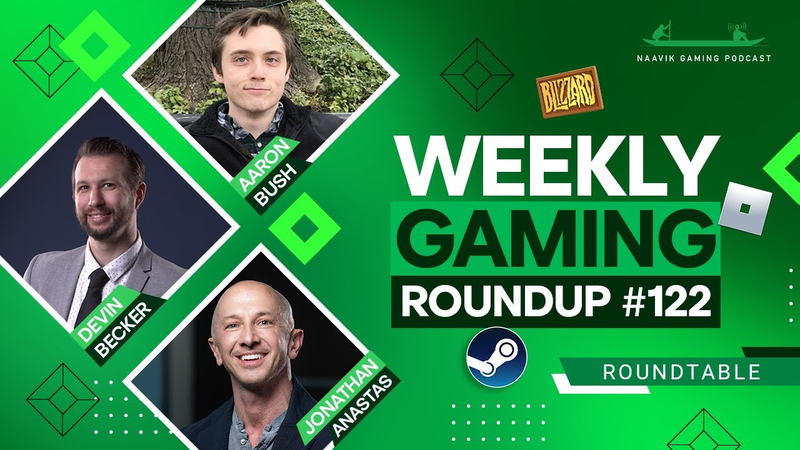
driving significant growth in conversion arpo retention and LTV Nexus has partnered with Incredible live service Publishers like Capcom grinding gear games highres ninjak kiwi and more and would love to help you our novic gaming podcast listeners do the same if interested in learning more simply head to nexus. g/ novic there you can learn more about the efficacy of support a Creator programs and discover how to easily build your own again that's nexus. g/ novic or check out the link in the show notes and with that let's jump into the episode Hello everybody welcome to another novic round table I'm your host Devon Becker and with me I have two fantastic panelists as always the ever Lively Aaron Bush and then Jonathan nastus here as well to continue to liveen things up how you guys doing today awesome great excited to be here I think everyone's a little fired up for today but first a little message from
our host Aon yeah well that makes it sound so official um but yeah I just wanted to have a two quick plugs at the beginning um first if you read this week's svic digest you probably saw our announcement that we are ramping up our mobile free-to-play user acquisition offerings so obviously in the wake of ATT and a slowing Mobile Market Mobile UA has become trickier over the past couple years and we've sensed a rising need in our clients to be able to better offer uh a more well-rounded support um so that's what we're doing and our offering range uh ranges from UA life cycle strategy and setting up the the tech stack to analytics creatives production App Store optimization and more and so just wanted to quickly mention that but to get more info uh about what all is included in our mobile UA offerings uh just head to our website nov. click on the Consulting tab and
it'll be right there in front of you um and then second I just wanted to to also note that I'm working to launch what we're currently calling our gaming financial markets uh insights reports and so this is basically a monthly report series that covers a bunch of the stuff that I tend to talk about on the p in on the podcast but in a lot more depth and you know with an eye for opportunity so it covers our novic gaming Universe which is all of the most important publicly traded games companies we'll dive into all sorts of detailed company updates like earnings updates dig into the top performers and underperformers uh provide insights on every single um games industry m&a Venture strategic transaction um and will do a lot of work to highlight under the radar interesting investment ideas too so um it's coming together really well and so if you're an investor investment banker executive or just study a lot of companies in your you know corporate strategy job this is
probably going to be a valuable resource so I'm currently looking for a few pilot customers who can kind of help shape this report into something that's most useful before it goes live to everyone so um if you'd be interested in learning more or helping shape what that report is just shoot me um an email at aonn noi.org novic has a pretty diverse cast of uh of Consultants with a lot of different backgrounds a lot of different like knowledge bases a lot of different experience so definitely uh if you're unfamiliar and just listen to the podcast uh and aren't too up to date on that stuff definitely check out what we got going obviously the digest tries to touch a lot on a lot of different those areas but uh but yeah we always feel free you know if you're interested uh you know to to reach out a lot of cool stuff going on but a lot of cool stuff in the news as well as you mentioned uh we've got a lot of topics today modern Warfare 3 on a lot of people's minds uh
some some interesting discussion around live service games and where that might have uh maybe overcorrected One Direction the new steam deck for those of you haden't heard as well we'll talk about that a little bit and then we've got roblox's earnings as earnings season continues OverWatch League not doing so great and uh maybe we'll touch on a little extra if we get to it but uh let's just start with Modern Warfare 3 what everyone's enjoying talking about Andor playing it's November it's another year it's time for another Call of Duty right a topic near and dear to my heart having launched five of these so here we are Modern Warfare 3 actually Modern Warfare 3 2.0 actually if you sort of go back to the way it used to be developed by Sledgehammer released on the 10th it's had a tough go in its uh first few days out there in the marketplace I believe it's the lowest rated Metacritic score for Call of Duty at least in in my time frame sitting in the 50s in on the
platform I seen as low as 50 hovering around 54 the the critique has been primarily based around a very thin uh campaign experience and just overall thinness with the the content itself like in essence is this DLC masquerading as a game some fuel was thrown on that fire with a pretty deep Bloomberg article on was this actually in fact an expansion pack turned into a game based B on Treyarch's inability to deliver the game that was supposed to launch this year and some denial from the sledgehammer team and no comment I believe from the official Activision team it's a little early to see how Global sales are we saw some initial data out of the UK that said physical sales are down 25% I think under the best of circumstances we would expect physical sales down some percentage because the world is moving to digital of course um and especially
you know Xbox is primarily a digital platform so that box is a little harder to unpack I think what'll be interesting to notice in the next couple days is usually somewhere between around 10 days afterwards is the classic Activision brag stack right like last year it was a billion dollars I was actually looking back on when I launched the old MW3 and we announced $775 million in five days about 10 days after launch so we're getting a little close so I think in terms of like how the whole Global ecosystem physical and digital is doing that will be really the attempt to to to glean where we are but it looks like a little bit of a tough start from the from fan feedback out of the gate well I'll just uh zoom out a little bit I mean to me it's been impressive what Call of Duty as an ecosystem has pulled off over the past three years let's call it expanding into free to play with war
zone uh with Call of Duty mobile and and obviously they're you know they've been able to to build out their audience um and continued to scale Call of Duty which was already you know like a a top top game and so being able to pull that off has been really impressive but at the same time probably the least impressive part of that two to three years has been the the premium content treadmill and if you look back at the past three years now two of the last three modern for 3 now and in Vanguard two years ago um both had pretty heavy criticisms um for uh maybe for slightly different reasons um this one just seems to be more rushed um where it was maybe meant to maybe be a DLC and then they kind of spun it into a full game and Call of Duty revenue is like crack I guess it's hard to hard to get away from once you've been on it for 20 years um but but also you know I think there's just been some questionable decisions that have been then made in uh in sort
of the design of the games that just has some players questioning what is going on are they really listening to feedback Etc and so if you look at the past couple years it could be like why did they take the red dots off the mini map or like or to like unlock guns to to play with that people want to play with they got to like go through all sorts of Hoops of like oh you got to use like this scope and unlock these things and then after that unlock this scan to then get this you know to then get the weapon you want and it was sort of a maze and some of that has been unpacked but it's just sort of a new set of issues and maybe this is just sort of what happens in the modern day if you try to stay on the content treadmill year after year as games become more complex to make and expectations rise and if anything happens and anything has to get delayed it kind of messes things things up and quality will drop and so I think there's some truth to that I don't know under
Microsoft um if anything will change I would be kind of curious to hear your thought on that Jonathan clearly this is like a kind of a modern day Call of Duty issue and Modern Warfare 3 is showing the worst of it but if you kind of look at the past three years as I said there have been some some problems they've kind of shuffled what studios are are working on what um do you think that as you know Activision changes leadership a bit has a new parent looking at this is also looking at how it complements Game Pass maybe takes on a different different business implications um do you think the Call of Duty premium model the treadmill do you think it changes at all or do you think they just try to to bandage it up and and keep it plugging along for the next decade I certainly can't speak to you know is Microsoft gonna walk away from annual releases it's hard to walk away from two to three billion dollars every year but I think some of the underlying structure would have to remain and and the and the corela I'm going to make is so AC
mission built a culture when I was there around like Studios amassing a great deal of power and say because Bobby really believed that like creativity is the magic right and he didn't want to disempower the creativity you can talk about all the tensions with the studios over time but ultimately trut a lot of power Sledgehammer a lot of power you know etc etc and to some degree you're held a little bit Hostage to that once you seed that much power and it's hard from a publishing structure to sort of Pound Down the the corer I would make is I go back to a time when Microsoft owned bunge and you had some of that same tension you know around what was a similar Cash Cow at the same time with Halo and ultimately you know in that case that that relationship fragmented so much that you know there there was an exit right the Bungie exited from the Microsoft fold so to some degree you have this natural tension between publisher and developer and the more powerful franchise is the more powerful
the you know the developer becomes and the more power and and the greater the stakes of that tension and and ultimately that's what gaming is built on so it'll be it'll be hard right like like magically like having Microsoft oversee doesn't like mitigate Treyarch's power mitigate you know Sledgehammer power or or whatever but the question will be to your point when you world go into a world of Game Pass do you try to take that whole cycle and it's about feeding additional content as opposed to additional releases right to to without moving into a later topic today but do do you see it move to a more live Ops like I think the bigger question is like does it move to more of like a live Ops model and an always on model which was debated even during my time at Microsoft but I think you'll still have the underlying sort of publisher Studio tension regardless of model I guess the question then also is is does it make sense to if you if you're going a release games annually anyways just switch to like the sports style model like I mean those some of those you could be argued are kind of like DLC or
you know like they're just replacing players whatever and I think what carries these games for players that still are enjoying it because I've talked this I'm you know enjoy the the game still is that that Cod Gunplay and gameplay is still like there right the bones are good like you could kind of yeah okay we threw a bad story in but the multiplayer is still there or you know like oh it's it's old maps that were good uh I feel like they could if they just keep those bones in place they could kind of just DLC it and actually just do that like as a why don't just throw a year on there and just do it like it is right just just make it a Call of Duty 2023 2024 and stop pretending it's uh they're not trying to go that D I mean we had the whole the rotation of three teams and you know if anything this is wrong because you were more in there but like the whole rotation of three teams was the Compromise to then still Pump It Out yearly without compromising on quality but it's like well if we're still ending up back there anyways maybe they just need to own that and be like let's not try and make this huge campaign and all these other changes and just be like
let's just iterate every year the way that sports games do and you know it's not like those are failing we just talked about fc24 very recently how well that's doing I I doubt that changed a huge amount of the game I I agree and it's interesting because you you're starting to see some hints of that right you have progress carry forward I believe from this year to last for the first time so you so you're starting to see that the the only step back I'll sort of make and it's leaning towards that is I am always surprised about like the loud complaint about campaign like at least the data that I used to saw like campaign was just a small piece of total hours played it sounds like a vocal minor like I get it you I mean to me it sort of feels like gamers are some way conserved I paid $60 so I expect a good campaign right even though say 70% of those players never touch the campaign I'm sorry like 30% of the players never touched the campaign or like 70% of the players never complete the campaign there's still complaints about if is the campaign thin and I don't know if that's like trying to tie
it back to the value of the price of a premium AAA game today but it's like come on guys you're not actually spending that much time on the campaign why are you complaining about it yeah I asked do we think anything will change I think my answer is no I think that uh Call of Duty is one of the rare companies or IPS that kind of does like have its cake and eat it too in the sense that of course it benefits year after year from the premium model but it also benefits from from the live Ops and if anything it's about how can they put more like resources into it to maintain all of that and scale up the ecosystem further and further reinforce the ecosystem together year after year to um I doubt the campaign's going anywhere but maybe even like deemphasize it just by emphasizing other things um more um uh year after year across platforms across devices uh Etc so um so yeah I
sort of expect that it'll just maybe Call of Duty uh you know its bumps enable others to come in try something new and maybe carve a little bit of footing for themselves in the shooter market and maybe Call of Duty's like absolute dominance as like a premium title or percent plate of Shooters continues to to decrease over time I sort of expect that would be the case but at least you know for the next five years or so it's really hard to see anything meaningful change in the business model of this game and also probably uh Microsoft would be hardpressed to do that too given that it just went through the whole Anti-Trust hearings around how it how it needs to treat Call of Duty for for everyone else too um but yeah rough uh rough year uh rough two out of the past three years a bit of a yellow flag worth worth keeping an eye on for the next couple years because if that turns into a pattern um
probably bigger changes are on the horizon but hopefully they can get back to to normal and smoother sailing soon but also let's remember uh failing Call of Duty would be a failure that almost any publisher in the world would beg to have right like I only made a billion eight I only made 2.2 you know it's uh the even when you look at the tough years when you look at earnings margins are still high you know I feel like everyone bounces between wanting new stuff and Nostalgia too like there's this constant back and forth like where it's like obviously there was Modern Warfare and now there's Modern Warfare again we've had Modern Warfare one and two I think twice now right like even though it's like not the same company they've gone they went did respawn and and so it's like we're in this weird situation where there like the excitement around this one that people are like still like enjoying is the old maps and so you get this this back and forth of like bring back the classics but do something new and bring back the classics it's like it's like we're watching Star Wars sequels or
something where they're just like they don't know which direction to go at this point and you know that that helps them Coast I think a little bit too where they could just go you know we'll bring back some things that people like uh so at least some of the people will not complain uh but you know as you said it's like oh no a stumble where we only like got rich still uh off of like because I mean if they normally spend three years working on it and they made say half as much money but they only spent a year on it that's actually more money than they would make spending three years on it if you think about it like yeah the reputation takes a hit right but they still be more profit they and it's not like oh no like those people that bought it like were half as many people they they'll continue to buy DLC for this and continue to like still fund it going forward as well so it's like it's not like they're going to lose money out of and like this reputation seems pretty bulletproof I think you'd have to like really like tank it for like 10 years at this point it seems like to like just be gone with it uh and it and it's funny with the campaign thing too because you saw Battlefield going through that identity crisis over do we start to put in single player cont content because maybe that's why cod's beating us or do we just really focus on
our multiplayer and they went back and forth on that like wanting to maybe do some single player stuff but as you said like I'm sure you probably looked at the achievement stuff and the other metrics and like because see like people aren't doing this like you probably could just look at steam achievements and find out like people aren't completing a good majority of it they want to feel like they pay the right price but maybe maybe this needs to move to a model where they uh spread out that price over the year and they're just like hey we'll do a year season pass we'll break the campaign up into like four parts we'll release one every three months or whatever and like tease that out and then spread out the development time and that way people will actually end up paying more because we'll charge them 20 bucks every quarter and then paying 80 like you know like but they'd feel okay with it because I'm paying 20 bucks for that campaign you know I mean like I feel like they could just totally Embrace this and actually like work it in a way that's makes more money but with less griping probably and tying back to your point about you know sort of like you know added content and revenue so you know total number of sales has been falling for years with a couple of exceptions but arpu when you
look at earnings continues to rise and as long as arpu and LTV continues to rise you can live off a diminished base right you know they've arguably been making more money off fewer copy sold for a number of years now also think the tie-ins to um to the other stuff the war zone stuff and everything also helps because like so normally I I I mean I've bought a few Call of Duties but I don't really like spend much money on it it's not a franchise like I like the Gunplay but I don't get into the games that much but I got really into DMZ for example right and then I'm buying like cod skins for DMZ but I'm still buying Cod skins like at the end of the day like it's all tied into one product so through that free entry they got me into buying something for the pay thing that I wasn't never even gonna buy because it's tied to the same thing and it's like well oh I guess I could use this in the main game too and it's uh it seems like they found like a good compromise there in terms of making money off that that way I mean I don't know what the sales look like of that stuff and we even have like a weird situation now where it's it's hard to identify the sales and and uh and then like the amount of people playing stuff on Steam because it's kind of packaged like a DLC and this one
single Call of Duty thing and I I almost wonder if that's a way to kind of obvious skate like a lot of the stuff going on as well as like but I've heard it's like a launcher launching a launcher and weird stuff like that where it's it's kind of this hack right now where it's not really they haven't made that transition completely yet but uh it it does make me wonder like because of the um the Xbox stuff right they mentioned Aaron where you know Microsoft's like oh we made all these deals to make sure Call of Duty's on every platform but then what if they just set up a situation where there's these season passes or regular DLCs and they go well Xbox game pass users just get that for free and so that's their exclusive that's their competitive Advantage is like yeah you could buy this stuff on any platform the only way you're gonna get it for free is by having a Game Pass right like because it won't be part of any Sony pass or whatever uh so like it seems like they could still find a way to angle this so that they get that advantage and don't compromise this hard but I don't know there's lots of directions this go obviously a lot of people not super happy about it but checks are cashing and let's look for either a deafening silence or a big brag stat in the next
five days definitely yeah like that that'll that'll be look forward to see like I mean I don't know if they wait for refunds on that right like because and I don't know either with the Steam Sale if it's treated as DLC you can never refund DLC is my understanding right so if they did actually sell it as a DLC I can't quite tell from the steam page then you can't even refund it uh within the two hours which I don't think they pulled that but it's that's a way you could get around it I suppose and make sure people can't refund that at all I mean it's not like cyberpunk kind of issue right where like they're just like oh let's pull it off the store and all that stuff so lots of possibilities here but speaking of life service games uh Aaron has some stuff to say on maybe going another Direction with things yeah so obviously one of the largest Trends in gaming in recent years is companies chasing after the live service model whether it's adding a bunch of extras to premium titles like we were just talking about with Call of Duty or sports games or of course you know the rise of freeo playay on mobile but you know also everywhere uh where whales become the
main monetization engine but it just lowers barriers to to getting started um and I think we're now entering a time when live services are obviously still growing I mean it's the future of the industry in large part but the realities of the challenges are starting to sink in and more places but there are also companies on different parts of the adoption curve of the live service model and so what I just thought was interesting was this past week there were like several different news points that kind of hit on companies that are like all on the different parts of the spectrum here that in my mind just kind of shows that like I'll talk about the examples in a moment but it shows that one like there still are companies that have yet to really adopt this model at all that are still you know just setting up figuring it out then there are those that went really hard and all in and are realizing like whoa we need to slow down this is harder to get right especially
at scale than we thought um and then there are others too that maybe just have their expertise is not in freeto playay and in like live service around that and are realizing maybe we need to like go back to Our Roots where we know that we can win and so it's just interesting to see the the trend sort of the pendulum swing back just a little bit as companies figure this out but with the specific examples um Warner Brothers week and in the earnings call I'll just read like a quote real fast um that said our focus is on Transforming Our biggest franchises from largly console and PC based with three to four year year release schedules to include more always on gameplay through live services multiplatform and free-to-play extensions with the goal to have more players spending more time on more platforms ultimately we want to drive engagement and monetization of our longer cycles and at higher levels where for specific capabilities we are currently undc and see significant opportunity to generate greater
post-purchase Revenue so you know that just sounds like you know a company that's W like wowed at the prospects of what the live service model can be like always on like you can get more out of players over more time like great let's there's one reason they said that Aaron Mortal Kombat 1 did that very hard they leaned super into that and obviously it worked or they wouldn't be saying this yeah and it might have in in that case also Warner Brothers is it new to to freeto play they've they've they have a history you know even in in Mobile of Leaning into this but I also think they're just talking about you know games like Hogwarts Legacy which was you know just straight up premium hasn't had any DLCs no live service plan and obviously it was a huge hit that you know was the company's largest driver by far this year um but at least on the gaming side I should say um but also like I don't know are they thinking about for games like that adding on
extra layers of live service in the future it kind of sounds like it and so you know this is a company we've seen others go through this before where they they start to see the appeal they've had some success in the case of Warner Brothers you know a couple years ago they were questioning whether they even want to stay in gaming at all and now they're like oh yeah we're going all in on on live service models um so you know just flagging that is like all right they're they're like a big company still in like the early side of like the live service push but on the flip side um you see PlayStation and this is a quote from uh IGN Toki said in a financial call that Sony is reviewing the 12 live service Playstation games it has in the works and committed to launching only six of them by the end of financial year 2025 meaning uh by the end of March 2026 uh toi said Sony is still working on when the other six live service games will come out adding it's not that we stick to certain titles but for the
games for but for the gamers quality should be most important and so now this was a company that you know was maybe Warner Brothers two years ago that saw live Services saw that they were late and then just went all in um on being committed to making these types of games the largest part of their business um and that trajectory still maybe is there but clearly they've had to slow down and so you know originally as the quote was alluding to there was planning to have 12 major live service games live by basically like early 2026 and they just cut that in half uh because they realized it's hard and obviously too like PlayStation bought Bungie recently and Bungie is best in class at this live service model and they too have been struggling with Destiny 2 of late and so I I have a strong feeling that some of
the internal struggles struggles that they're seeing in their best companies is just having a reverberation a ripple effect on on everyone else um and it's causing them to slow down a little bit and then lastly I'll just I'll just mention uh we also saw a remedy this past week which of course is known for uh you know most recently Allen wake 2 came out of control Etc uh just like really great unique single player games that is working that was working on a free-to-play multiplayer game and has now uh said that you know what maybe freeo playay isn't for us uh we're probably better at these premium titles it'll still be multiplayer um but we're we're going to go back to our a bit closer to our roots to pull that off so this will still have live service components but probably not to the full extent um that they initially thought if they're going back to to premium so another example of the pendulum swinging back the other way um so you know a
couple thoughts uh one obviously as I mentioned every company is in a different spot and we'll continue to see continue to see that be the case even if the the general long-term direction is toward live services but like this year uh maybe companies are resetting their expectations um a little bit that's probably the the largest takeaway I have but my second is just that um companies that are more free to play native are probably going to have an advantage you know uh here um for example just think about Riot entering the fighting game genre with a free-to-play title it's going to carve out meaningful market share um and kind of lead where the future of that genre is going probably faster than any of the incumbents can change um and so yeah it's just we're in the middle of all these interesting Trends but um I want to pause there and just hear your thoughts on where we are
in the cycle and whether any of these examples stands out to you for any particular reason I mean I think with those competing messages you you know you hear like when live Ops Works nothing works better than live Ops and also it's a great pitch to investors and markets right this sort of Perpetual you know high value high arpo low cost Revenue model is amazing but it's also St hard right you know it was interesting you you know we were sort of going through notes back and forth you hadn't called that Bungie and one of my notes I I'd made to myself as like yes but Bungie right they miss they miss their revenue projections by by 45% so you know it's this incredible Financial dream that is very hard to make repeatable you know in the marketplace and in reality it's it's like the Magic's in the magic as opposed to so like you just say live Ops and you have this license to print money you know
it's it also begs the question of what live Ops means in the sense of like how you're structuring the game content right like you could I mean you could consider doing a DLC model like kind of like live Ops but it's not the same as like one where it's like the freemium style model right where it's like are you continuing to support the game through purchases or you continue to support the game through the whale model where you're hoping the whales are subsidizing everyone else right and those are different business models and like that's why I said like it it helps to have experience in that particular business model because you have to you have to produce differently you have to staff differently you have to have different schedules you have to like actually set the economy up differently for example like you don't care about the economy and play time if you're just selling DLC it's like well cool as long as the play time's long enough that they're fine with the price then like that's fine I don't care about the in-game economy as long as you know whatever like you're not because you're not trying to like put all these economic pressures on whereas the free-to-play model tends to be a lot more aggressive in that and you kind of have to do that like correctly uh especially for different markets right like certain markets can bear like
a lot more aggressiveness on that and some are like you got to kind of at least convince them that it's fine and like nice uh and that's why I thought I found the Mortal Kombat one example interesting because it's like if Warner Brothers is suddenly saying this because like they just had multiverses that just is still on you know in a coma at the moment well who knows if it'll come back like I don't know how they're gonna staff that game for a year without it making any money and then come back I hope it does because actually was a great game but uh but moral combat one on the other hand did the opposite of Mortal Kombat 11 Mortal Kombat 11 had a ton of content and had a long lifespan because of that like it was people were playing it for a long time but then they look at that they look at Hogwarts Legacy and they go like wait why are we doing those models where we're like entertaining them for years when we can like charge them for years and like string out the content and they clearly did that in Mortal Kombat one they took some of the content you'd normally get in that premium purchas charge the same price for it and then strung it out as DLC or put it in a in a in a premium model sort of thing where you're pressured to pay for it like you don't technically have to you could earn it
kind of thing and so it seems like you know Warner Brothers is like be like why don't we just lock doors in Hogwarts and like you know oh that door will open in a couple months but you could speed up opening it faster you know like why are we giving them all this content up front when we could string it out more and monetize it whereas like as you guys said that that's not easy to do either like you could do the model where you're like well we'll just hold back content like it's already done doesn't cost us anything to really run it for the most part we just hold it back and then we string it out or the we actually have to respond to the community we have to have people managing this we have to have people generating events paying attention to the analytics adjusting things monitoring the like that's not cheap either right you have to like constantly account for Labor uh all that stuff the like ads that you have to push out to keep people coming into the game so it it just seems like it's one of the like with all the ones you mentioned it's like did something recently good or bad happen seems to color their comments right like remedy's just like hey we didn't even sell physical copies we still did good like maybe we should go a different route because we're doing quite well how we are and then like you
know waren brother's like we didn't realize we could make this kind of money off Mortal Kombat you know like and then you got Bungie like being like Oh we gotta lay off people maybe this isn't working so well anymore because labor is too expensive to keep this game going uh you know like it's just maybe it's just a shortterm memory maybe we'll see what they're thinking next year yeah I think um well go ahead Jonathan I I was going to say to your point about sort of like you know thinking about like breaking economies and breaking stuff you're right you have a couple of other levers which is like when you're talking about Wales versus stringing content out do you want to get into that do you want to maintain a Sweat Equity model right like most games are based on a Sweat Equity model where you cannot pay for performance at least in the west right to your point you know in China in the East you can pay for performance all day long but when you start you know here in the west when you start allowing people to buy their way into performance that creates some Community backlash and some breaking and then I I think the other piece that you can break is the realism model right like when you start selling
things that you know all of a sudden you're pulling people out of the narrative like you know you you sold a a skin or a costume or a character that would never exist in that world right and that and that's where you're sort of balancing engagement and sort of you know uh Community expectations for lack of a better word with monetization yeah and I think um it's not worth even dwelling too much on the individual examples in part because every company has its own circumstances but i b even just brought up this topic just because I think it's worth knowing where we are in the hype cycle and it's just that these hype Cycles exist right so like I think it is worth noting that like we're at the point of the hype cycle with live Services where we're starting to see resets happen um and that's not entirely new but um it's both becoming more ubiquitous more companies are thinking about it but also now more companies are just tweaking their model doesn't mean it's not going to happen but but it's it's one of those like dips to reset to
then have a better longer term future the hype cycle before this really was is mobile right when you know all of the big Publishers were like ah yeah mobile the next big big Market the next big thing we got to find our strategy and so you know all the big Publishers and and such you know are jumping into their mobile strategies and then for the most part have had to largely reset what that means and how they go about that this is like new version of that in my mind even though there's a little bit of of overlap there and it'll be curious to see what the the next one is usually like these either it's like a platform shift or a business model shift that um is also somewhat you know driven by platform shifts too and so it's going to be worth seeing like whether you know like web 3 is kind of slowed down maybe something AI related maybe it'll be something um on another device one day maybe return the handheld these different hype Cycles can can emerge and
it's just worth understanding how they work that things don't ever really work in a straight line that usually there's exuberance followed by a reset um and then it it turns out okay um so anyways just I enjoy understanding where we are in the cycles of these things I think it helps us get smarter about what's to come yeah I mean I I think those Cycles are also not necessarily always a bad thing too it's like one of those things where the reason I think we end up in that is because like when things are going really well you tend to get a little more careless uh and then some of those things work out okay and then some of those things don't and then when they don't then you start to go like well maybe this isn't actually G to work but I think I guess without that like we wouldn't get people trying things that maybe they shouldn't but maybe are good uh you know it's kind of one of those weird things like the the thing makes me think about when you're you're bringing up all this stuff is is blizzard in a weird position right because it's like you've got a business model where like they were always doing these premium you know upfront models and then they tried Diablo Immortal and thought like oh cool we'll make it like this and then that kind of went I mean it's still making
money but not quite what it was at the beginning and then you've got OverWatch struggling with shift from premium to freeo playay but then you've got Warcraft kind of on the opposite maybe if that can sustain where that seems to be like if that does really well I could see them just being like maybe we don't even want to do in traditional Warcraft anymore you know like it's it's uh those back and forths because like some things work and it's obviously if something works then you're more likely excited because you have the money to like spend to keep doing it right just like with the Call of Duty like hey if they keep making money you can keep making them so so that's the bottom line I guess at the end of the day but uh speaking of keeping making them because they were a success steam decks getting an update yeah so it sort of feels like steam deck one.5 right I I you know I think sort of the good news bad news in this is clearly steam deck won big success there had been some talk up until very recently of steam deck 2.0 and like commit to a future Road map and I think we got you know mostly good news right which you got this new steam Deck with
an OLED screen much better battery life faster Wi-Fi for downloads and sort of part and parcel with hey maybe Battery Technology to allow us to go to steam deck 2 is moving out a couple years further than we thought and here's an interim here's an interim product right I mean it's fine right to me it sort of falls into like iPhone updates like sometimes you know the the annual iphone update is big and sometimes it's not that big but it's a it's a nice uh it's a nice vote of confidence you know to what I would in essence call the start of like a fourth Hardware ecosystem right you you know in addition to kind of the big three we've traditionally had on a platform that that's mostly been about software and software downloads and and sort of PC based so it's really interesting to watch this ecosystem start to evolve and transform and and and gain some traction you know I it's a piece of the world that am admittedly less familiar with than than the console side or the traditional mobile side but
but I I'm I'm always for more options in gaming and I'm always for more interesting stuff in gaming and so I'm happy to see a a fourth Hardware ecosystem in place yeah I'm pretty excited for it I don't have too much to say about this this update as you mentioned it's a 1.5 so it's not like anything truly transformative but it kind of reminds me of like the switch in terms of just like uh how it's approaching Hardware upgrades like the switch literally had like its o LED model as like a as a switch 1.5 on the road to whatever the switch 2 is going to be and that's similar here and in my mind like the analogy that sort of uh resonates is sort of like Nintendo is like uh like iOS just kind of like a closed off ecosystem doing its own thing and the same deck and just like this other world like has the potential to maybe be whatever like the Android pixel version of that is and I hope they and I bet they see that and I just hope that they lean more into that over time and
so obviously seam deck does a good job of just allowing you to do more to play with the software to do more more things I'm just hoping that they continue to make it easier and better so that um it's not even just like the steam deck but it can just become like you can also play game pass on it you can do other other things other play games however you want you know on your steam deck and if they can pull that off I think that um is what's going to really kind of give them their next boost because you also see like the PlayStation portal you know it just uh you know reviews for that started coming out and it's pretty much what you would expect if you've been listening to this podcast in the sense that like you know it's a good device for what it is but you can really just only play it in your home streaming from your console to your device and it's pretty limiting otherwise but people have found ways to like remote play your Playstation to your steam deck
and to me the much bigger idea here and like the potential future of handhelds is being able to like have a like one great device where you can you know play natively on like via steam you can stream to from your PlayStation you can access Game Pass you can kind of do it all in one spot and it's sort of you know who can do it best first mover Advantage steam has but they won't be the only one uh to to do that so that's kind of what I've been thinking about you know reading through like this this latest news I'm curious if you guys agree with that premise of where it might go or whether it even should go that way or if you view like this like next era of handheld gaming a bit differently yeah I mean they specifically said they were they were down for having Game Pass for example on there it's just a matter of getting it to work correctly right like anyone who's tried to run battle net on there knows it's it's doable but it's a hassle and that's that's the part right like you said sming not a hassle and I think you know if if it becomes something where you don't have to boot into
desktop mode with your keyboard and mouse hooked up and do all this wonky stuff just to get it to work because you know they just set it up it's a computer at the end of the day and like that's the nice thing about it is it's like I remember when PlayStation tried to do their whole like Linux thing and then they like backfired on them and they just locked it all down and like gave up on that whereas yeah valve has a lot more vested interest in keeping that model they've spent so much time building up that LE Linux ecosystem and like making all that stuff work that it's seems like they're in a good position to do that but like in terms of the home streaming stuff I've noticing like that's that's expanding even out Beyond steam link which was kind of one of the first ones to do that I still have my little steam Link Box around here that they stopped selling and then they moved it to the phone and then to this you know the steam deck actually could do it as well like I don't know if everyone realized that as well uh if you know if your steam deck can't handle the game you could still stream it off of your computer which I did you know for one of the games I didn't want to install it wouldn't fit it was too too much I just play off my computer it's a little you know a little weird but you know that stuff works and then I I saw recently Ubisoft is even going to do that now they have a a beta of the
connecting to the stream to your computer through Ubisoft connect so they're moving into that business model question I have then is why does Sony even bother with hardware for it when they could have just done it with their phone which everyone's already doing like if ubisoft's doing it if if uh you know all the cloud stuff's doing it if uh steam's done it for a while like why even bother like they they I mean obviously like they want to sell Hardware but it just seems like they're going in kind of the wrong direction at the moment um obviously Nintendo's probably never going to get involved in this because we know how long they take to do all of it but it's it's kind of weird that we've got like this Cloud stuff but everyone's like ah Cloud's too laggy let's move everything into the house then and we'll do that for now until it's fast enough right yeah um so yeah I'm curious I mean obviously Sony with PlayStation they just kind of want their own closed ecosystem um and the portal is probably step one and like a longer term Hardware plan that they're thinking about like I doubt they want it to only be you can stream from your home really um and they'll get feedback and
hopefully cloudtech will improve to some degree to um to to level that up but yeah I don't know if they'll ever want it to to be like the steam deck um or if it ever even really can can be um so we'll see how that goes but yeah I think they obviously the steam deck is still pretty niche in the big scheme of things it's like very small compared to any other like you know big console out there um but if we know handheld can be big like we've seen it in the games industry before be massive and we see that people still want it and so I think there still is a big opportunity for them to just clean up the user interface um maybe like take on more of like an app kind of model where like you could just have more easily access Game Pass as an app or something something something like that um to just serve all the things that people want very effectively and if they can do that I think SE that
can be bigger than what people initially thought it could be but they'll need more than you know just the 1.5 you know Hardware upgrades it's actually less about the hardware to pull that off and more about um the software in my opinion of how it like brings a whole ecosystem together so I'm just really curious to see what that'll end up being it's nice a handheld you buy you already have a library four like just like oh what do I load on it for my my existing everyone always complains about their backlog of Steam games it's like this is the way to chip at it right but it I mean it's interesting to think about the idea of like the game pass is one thing but like maybe even bring the on stuff like battl net stuff like that might actually not necessarily be in their best interest in the sense that uh obviously they get you know a cut of sales right uh Diablo 4 when it came out on Steam like was steam deck verified and like you know like you said the audience is may be small but they were pretty vocal there was a lot of people who bought bought the game on Steam because that was the only easy way to play it on Steam deck and valve got that
cut of that profit that they wouldn't have got by just allowing battle net to run on there so there you know there is the upside to them to not making it too easy to load on other stuff but Game Pass is not a big deal right because that's not that's more of like a cloud kind of thing they be all right go do the cloud thing that's fine like because that's not really something we're GNA get a cut of but like forcing kind of Blizzard to shove the game onto steam to get on the steam deck reasonably made them some money at the end of the day but you know it's one of those things where I think uh as like the steam deck gets bigger it becomes more of an important thing like when when it comes to install base right because people care about making their game Steam deck verified because like that is a selling point like if you go to buy a game and you're buying it for your steam deck you need to know like is this going to work uh and that's become kind of a weird Point like as a steam deck user who got like the very first wave like I go through this thing where it's like some are like verified and they run terrible and then some are not verified and they run great and it's like it's kind of hard with such a huge library to manage that so I'm not sure valve's gonna be able to do much other than I don't know maybe they'll run an AI thing to verify or something but uh that's that's the
big sticky point I see for them is like especially if now they've got two Hardware models and then they go they go to an actual sequel then it's like is this oh there's a steam deck 2 verified but it doesn't really run great on Steam deck one that that could get a little tricky but I did hear some you know quotes from them that they that they were at least being wise about like going hey you know it's not ready yet so we're not going to force it out we're gonna yeah we're going to put out an upgrade for those of you are willing to buy a new one or those of you who haven't bought one because the audience was small enough that like there's room to grow the upgrade same with the the switch OED right because there was a huge push during covid a lot of people couldn't get switches but wanted switches and a lot of them sold during that time like I was someone who had to pay for a marked up used one just to get one during Co so I experienced that firsthand and and Nintendo was like cool Now's the Time to tap into that then we we'll release refresh and this seems like the same thing right it was kind of a limited thing it was a little hard to get some people probably think it's still hard to get when it's maybe not but the perception's there so seems like a good idea but uh moving on to a
completely different topic Roblox put out some numbers yeah and I can keep this pretty brief so we can get to the the other topics as well but you know we're in the the hurricane of earning season now getting hit on all sides by by companies reporting um and so I figured I'd just cover one of them quickly and Roblox is interesting because of course a rising force in the industry and I was looking at its key numbers and you know if you look at bookings it's daily active users hours engaged all of those are up 20% so it's like a like the machine is is clicking like all in a pretty unified uh Direction um the other interesting thing you note with roox right now is that like it pretty clearly is starting to see operating leverage in its model right now um obviously it invested its T into talent and into uh like infrastructure when covid hit and just
it created like a spike and demand that needed to to be served so there were a ton of Investments that were made into to the business that um uh are now starting to be grown past and they're you know being free cash flow positive now uh of course the extent to which they really can have operating leverages limit limited by like absor fees above all so um the business model is still hamstrung a bit but it's good to see that they can be uh cash flow positive right now and also just good to see that um uh new Launches on new platforms are going well uh we've talked about this previously but uh obviously Roblox being on in VR is a big deal for that platform and on Playstation it's you know been in like the top game list in terms of Engagement and so I don't know how much that's baked into the numbers yet but um
obviously Roblox you know going to become a more multi-platform uh service aging up growing around the world like all of those are moving in the right direction and really like the snowball of of Roblox compounding over time and its capabilities and who it's serving um the long-term direction of what fundamentally this company can be continue remain super impressive but you know obviously this is still like a 20 billion company and you know investors are going to have little quibbles here and there and so just to just mention some some of what the quibbles could be you know like you have the rising competition with ufn Roblox is not the only game in town Roblox is still going to be fine but you're going to see more companies test building there instead of Roblox more players test playing there instead of Roblox in places Etc um as I mentioned the operating leverage has limitations um uh when bookings and
daily active users are both Rising 20% you see that you know bookings per user is basically flatlined and you can um I'm not too stressed about that in the long term of things just getting the users in first is what is most important but um in terms of you know where that will take them even in the next couple years um this past year has been good so they're going to have difficult you know comparisons next year that are going to be hard to com compete against um and if you kind of compare that with you know just very high valuations probably one of if not the most highly valued company in the games industry right now as just say the App Store fees like do they have those on uh VR uh they they must um I I bet they do I don't remember exactly what they would be but I'm sure it would be pretty similar to to mobile and Playstation would would have it as well there's going to be App Store fees any Direction they look because they're not controlling the hardware itself but but
yeah all in all long term still looking great um but just little things here and there if if anyone's expecting like massive wins in the short term uh maybe don't be thinking that way look a little longer term you'll probably be be happier and Roblox will be fine seem like the poster child for Network effects I think at this point right yeah absolutely killing it unfortunately we've got the opposite of that for OverWatch League who is uh now no longer having a network to effect yeah you know more bad news in Esports space is probably the headline for this this segment and it is that we have the end of the OverWatch league as you mentioned as we know it two-thirds of the teams voted to exit and that Activision Blizzard will pay up to $120 million I think that's the high end of the range to the contracted teams um you know this has been a very complex economic story from the beginning if you
go back to 2017 at the height of sort of you know Mania and bullish markets on Esports you had Activision managing to get $20 million checks for the original franchise teams with commitments for with slots for $35 million checks for expansion teams which was just unheard of numbers and there were always rumors you know to get those things sold that maybe they they had you know some payments over time and things like that to finally close them but this this was a a a bull market story for a long time and then covid happened and covid was you know certainly none of the fault of the people who wrote those $20 million checks and not Activision blizzards and a bunch of those payments got deferred during covid when there was no Live Events and then some of the other stuff that went on at Activision went on and you saw some sponsors drop out so there's been a bunch of competing downward pressures from a bunch of places and then we sort of enter Esports winter around the same time we enter crypto winter and we end up where we are
today where this is not completely surprising right I mean we live in in the wake of uh a phas clan selling for $17 million when I think their you know their Public Market valuation peaked at about $750 million and I can't remember if their private Market valuation any of their rounds is actually higher than that or up to the b or not but so you know in the grand macros not that's surprising but you know another negative news cycle for competitive Esports where we didn't need it you know if there's one sort of light in here it's that OverWatch League apparently isn't going away and there'll be some restructured version run by ESL who runs the current Cod league and they've managed to kind of rescale that for the current market or at least it appears that way from the outside a and without sort of complicating the story also leads back into one of the trend pieces we've been talking about over the year with sort of like the rise of mina in terms of being an increasing buyer in the world of games where everybody else is a seller
and and obviously ESL is uh is part of that story now so here we are another another another bullet in the competitive Esports economic story Model yeah the seeing the OverWatch league go under I don't think is surprising to most people who've been paying close attention to OverWatch um do you think the Call of Duty league is next or do you think this will be contained within Activision hard to tell I mean Call of Duty League had different economics attached to it from the beginning as somebody who's attended a lot of the Cod events they feel uh less frothy than they used to but my sense from outside of the economics of it is that they have smartly kind of resized Cod to the current demand and the current Marketplace everything from the size of the venues to kind of the spends around around it so my gut and it's not really Broken Out In earnings enough to really
get a sense of it is that it has been resized to the current market environment whether that's resized enough I don't know and I would imagine that if OverWatch comes out OverWatch comes out in a in a way that that that that matches that and what I mean is like at the peak of it right like C at Barkley Center right in the US and the last event I intended was in front of about 2,800 people you know in Los Angeles where Nintendo throws their annual you know CES presser right so it feels to me like the Cod piece has been resized right so it's not as froy but it is is likely survivable in its current Incarnation yeah I'll be curious to to see where that goes I'm I'm not sure I I'm kind of skeptical on the franchise model right now um to be hon honest like even Beyond Activision Blizzard and this Esports reset is still
going and will still continue to go on for a while I think um I we've also seen like Evil Geniuses is kind of gutting its organization even though they've competed well um 100 thieves is uh announced a whole new tier of layoffs and basically spinning out parts of their their businesses um and I was even looking at you know League of Legends the the LCS the North American League and um it's looking like several teams might be looking to sell their spots to just leave League of Legends altogether because it's not worth it um and we just saw TSM do that um but there could be several more um to come at least a few more to come and if that's the case um it just sort of puts into question even for uh Riot like why are they doing it the way that they're they're doing it um and you know raises even another
question with just like orts and general like they're just they have different life cycles than traditional Sports so maybe should be structured um in different ways to reflect that but I think that the the ESL and um Savvy is actually kind of positioned well to as you mentioned to zag um because as the rest of these leagues struggle and kind of seek to reset probably the best place to reset is with someone like ESL um who will kind of take over the operations run it more leanly with less you know big buy-ins it's more open uh to to more people to participate in without high spending expectations the same kind of way um so I'm actually the more I see Esports kind of crumble in places the more bullish I am on on ESL being able to pick up some of the pieces um but yeah I think the we got another year or two left of this um un unraveling and
then re resetting I would guess yeah and I'm in the same place right I'm not sure we're at the bottom but you you sort of said another year or two of unraveling for reset I am like you long-term bullish on the reset like as a longtime gaming and media executive I just can't see a world where you have this much audience in this kind of a desirable demographic and have it be a sustainable business like we can we can talk about you know media rights deals never falled which is a big lever for traditional sports but it but to me it just feels like it needs to be resized as opposed to like it's gonna die and if you can just sweep up the pieces you know you know it's almost like a private Equity model to me you know I'm G to put my amateur private Equity hat on if I can buy the pieces cheaply enough surrounding top tier gaming franchises and I'm not overpaying for the rights to those gaming franchises I don't know how it can't not
be a profitable business and to your point of about ESL when you're sort of cuming now the back end right so now I have like a shared back end across like six leagues or eight leagues or whatever again I go back to like desirable audience Brands want to reach them scale it's a business is clearly not the multi-billion Dollar business none of these companies probably should have been worth a billion dollars to start with right and I I just think we're we we got we got to hit bottom and then it becomes something real and sustainable yeah I mean as someone who worked for ESL for like six seven years and you know seeing they're pretty good at managing costs and doing things for cheap helping people start up when they're trying to get into Esports as a game like that's how Rainbow Six got in was like uh let's hope we can make this but that's the difference and I think like you guys kind of pointed out with the the right sizing stuff of cod which is the you can't just spend a bunch of money and force this to happen Force this to work and and fit when maybe it doesn't or maybe just the the maturity
of the industry really isn't there yet in terms of like you know we had the outside valuations everyone just being like hyped you know the the brands being treated as maybe more valuable than they really were due to the whole influencer craze and all that stuff it was just like you know a lot of exuberance but not a lot of like real Backbone in terms of business model to like actually make it work and then just constant scams happening where people are just not paying things and all that stuff on top of just doesn't help with things it feels like you know some like old Casino era kind of stuff where it's just like all the Shady stuff happening underneath uh it just because it's lack of maturity whereas I think you know you take someone like ESL like yeah maybe they're they don't always run things smoothly and perfectly but they they put on a pretty good event for a pretty good price I think obviously things have change you know could have changed inflation's happen and all that but I I imagine they'll probably continue that uh you know under the the Saudi Rule and so it's just it's a good opportunity for them to be part of that reset I think and I and these teams like like you said with the Cod resizing maybe they'll work maybe they won't but I think that's a good idea for these people to go like
either grow it organically and Don't Force It spend what you need to spend to get it going and if it doesn't work just either either either fix it or or turn it off and don't waste a bunch of money trying to force it the way owl was just like let's just keep making it bigger that'll make it work it's like well look at how often they had to change the game try and make it work at that high of competitive level uh and just never really finding like a fit that was there so and then of course changing from you know the version one to the the other model did not help with things I imagine but like uh in terms of rainbow six and Esports uh there was kind of an interesting thing coming out recently that uh you there were some rumors of for a long time and maybe youself thought was probably probably just rumors because nothing ever came of it which is selling and trading skins uh because uh with eight years plus of a game there is a lot of skins and different types of skin things accumulated in Rainbow 6 and a lot of them are Esports skins as well like because they had the revenue share model so there was a little bit of profit to be made for teams in that model
obviously like I imagine the profit was relatively minimal compared to say selling physical merch or something but it was there and it still is there to an extent right uh so there there is like a profit opportunity there but like there is this uh they announced that the the last event that they had which their event still turned out it seems like pretty well I believe was Atlanta major uh here in the US and uh and so they announced it had like a a live thing demonstrating that will be having a Marketplace for buying and selling skins um which just exclusive to Rainbow Six it's not like a steam Marketplace kind of thing or anything like that it's not Ubisoft connectwide but is meant for people that have this huge glut of skins to be able to like you know sell them to others because there's no item training there's no exchanging I think they also probably saw people were like buying whole accounts or stealing accounts there was a lot of account hacking to get things and this sort of legitimizes little flow but the interesting part about this is that uh so they're they're they're cting it for beta for next year so we won't see it till early next year but it will be in R six credits which
are the hard currency of the game so it will be entirely monetized in their benefit right where they're it's all like money that has to be bought into their system uh so they're already profiting on every sale that way um I think there is a small like I think it was 10% Marketplace fee either and I assume a Marketplace fee in that case means they just burn essentially uh 10% of the r six credits but the interesting part here is like there's no real exit liquidity for that like Ste Marketplace you know you sell uh your CS skins or whatever and you can spend them on games you can spend them on whatever I definitely done that where I've sold a skin and bought a game uh so there's like liquidity for that money so I'm curious to see how this will go obviously it has the the upside which is that it's not really a money laundering vehicle at least the the current setup right like who's going to launder money that way like oh I've loaded up my R six account now you can in theory of course sell that account someone else all that but uh I think they're at least avoid some of those problems but they're also in a sit situation now where like people might go like what the hell am I going to do with all these R6 credits like unless this is like I I feel like this
is like a foot in the door like moving either towards they haven't said anything about nfts and all that stuff so probably not that direction but let's say it starts to work across Ubisoft connect maybe they maybe just for now you could buy games with it because they did have a point system where you can earn some points and use those towards like discounts on games or stuff so I don't know like you guys thoughts on whether good idea or bad idea not really I know we got a wrap in a moment too um but yeah I mean my my biggest thought is just like uh obviously a couple years ago Ubisoft quartz was their big potential push into building a Marketplace and it seems like um if they're launching this in a meaningful way around like their biggest ongoing live Ops kind of game like this is more officially the direction that Ubisoft now wants to take um their business regarding marketplaces I would guess I could be wrong um and that seems fine and and good to me I I like when games of marketplaces like this and you can be
more transparent and clear and how how you want to trade your own assets it doesn't always have to be you know an nft um too um so I I think it's a a positive and is decent Clarity for where Ubisoft is going sounds like it's a safe enough experiment right where they pretty much are guaranteed to make money off of it if it doesn't work out they could turn it off but it pretty much just enables people to do something without many downsides to any for the most part outside of potential for fraud I suppose if people steal accounts which people can do uh because people will use chat support to basically C convince them to get an account and then set maybe they could sell all their stuff and then that could be a big problem but I think I I'm just curious to see if this ends up being like maybe a uh business model or Avenue for Ubisoft to explore in the future in light of what you said about uh quartz not working out for them or others fighting some way yeah we'll see if we'll see if we see uh you know Far Cry do it or something else right where they just to Assassin's Creed something like that but yeah anyways lots of uh interesting changes in the uh the economy here it seems like
things things doing really good and things doing really bad from the sound of it a good mixed bag but uh makes for some good topics some good discussions so want to thank you guys of course for the Fantastic conversation as usual a lot of great stuff oh thankfully not a a SL news week and I imagine going to Winter hopefully keep keep it interesting but uh thank everyone for listening as well of course uh hopefully you tune in week week of course then we also have the interviews that come out as well make sure you're checking those out and of course all the stuff Ain said at the beginning uh all the stuff we got going on at novic it's more than just a podcast more than just a digest we got a lot of cool Consulting and other services that we're providing and exploring as you mentioned looking for some good feedback on those as well so make sure to hit us up of course if you want to contact us as well through the podcast just podcast.co and of course we have contact forms and all that stuff on the website as well just again nov. so make sure to check it out we'll catch you guys next week if you enjoyed today's episode whether on YouTube or your favorite
podcast app make sure to like subscribe comment or give a five-star review and if you want to reach out or provide feedback shoot us a note at podcast nov. or find us on Twitter and Linkedin plus if you want to learn more about what navic has to offer make sure to check out our website www.nic.edu digest or contact us to learn about our wide ranging Consulting and advisory Services again that is www.nic.edu [Music]
Auto-generated captions from YouTube — names and numbers may be misheard.




















Comments