Policy
Company
Documents about Policy
Global Policy Environment Survey Results 2022
The Global Policy Environment Survey Results 2022 serves as a strategic resource designed to assist South Korean game developers and publishers in navigating the complexities of international market expansion.
- The Korea Association of Game Industry (K-GAMES) published a comprehensive survey on April 5, 2022, detailing the regulatory environments for game operations in 11 major global markets.
- The report covers 76 specific regulatory categories, including payment and refund policies, game age rating systems, and personal data protection requirements.
- The survey encompasses regulatory frameworks across key regions including the EU, the United States, China, and Japan to assist domestic developers with international expansion.

Polityka Wynagrodzeń Członków Zarządu i Rady Nadzorczej
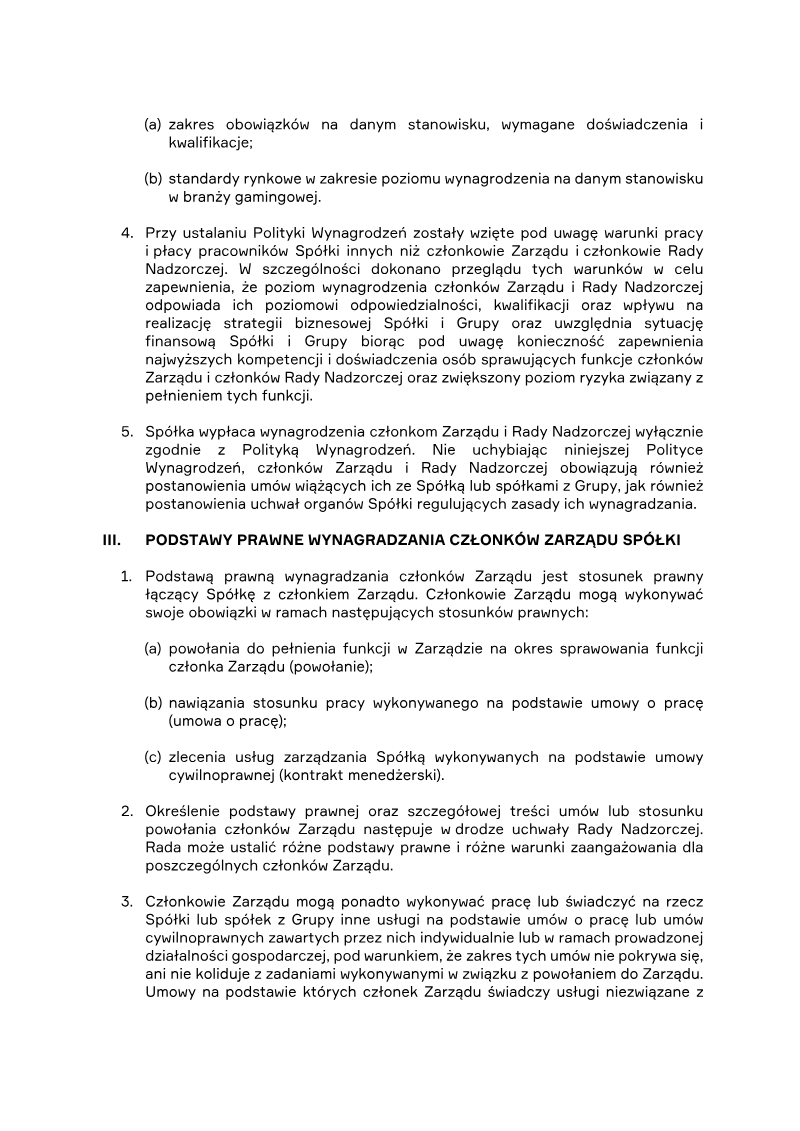
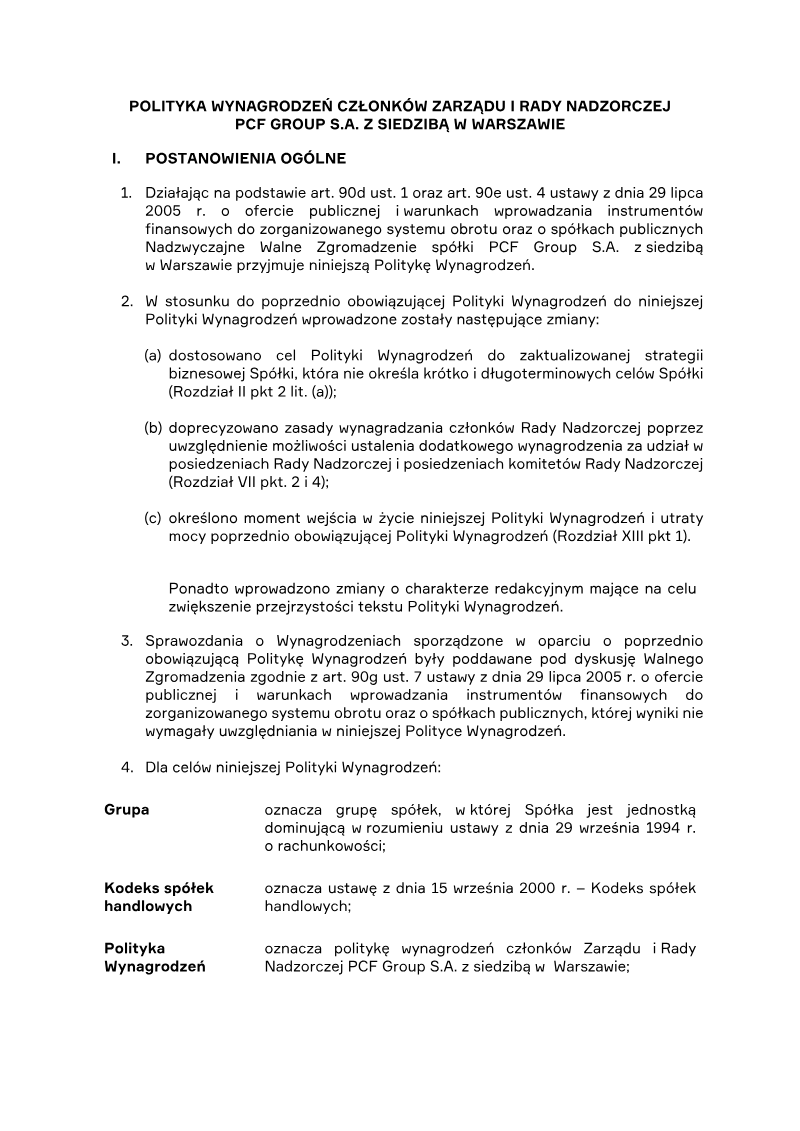
The Remuneration Policy for PCF Group S.A., a Warsaw-based public company in the gaming industry, establishes a formal framework for compensating members of the Management Board and Supervisory Board.
- PCF Group S.A. caps variable performance-based bonuses for Management Board members at five times their annual fixed salary to ensure fiscal prudence.
- Management Board compensation comprises fixed monthly pay, variable bonuses tied to financial and non-financial metrics like game quality and stock performance, and additional benefits.
- Supervisory Board members receive only fixed monthly fees without performance-based pay or severance benefits, though they may earn additional compensation for committee participation.
Modern Slavery Statement 2021
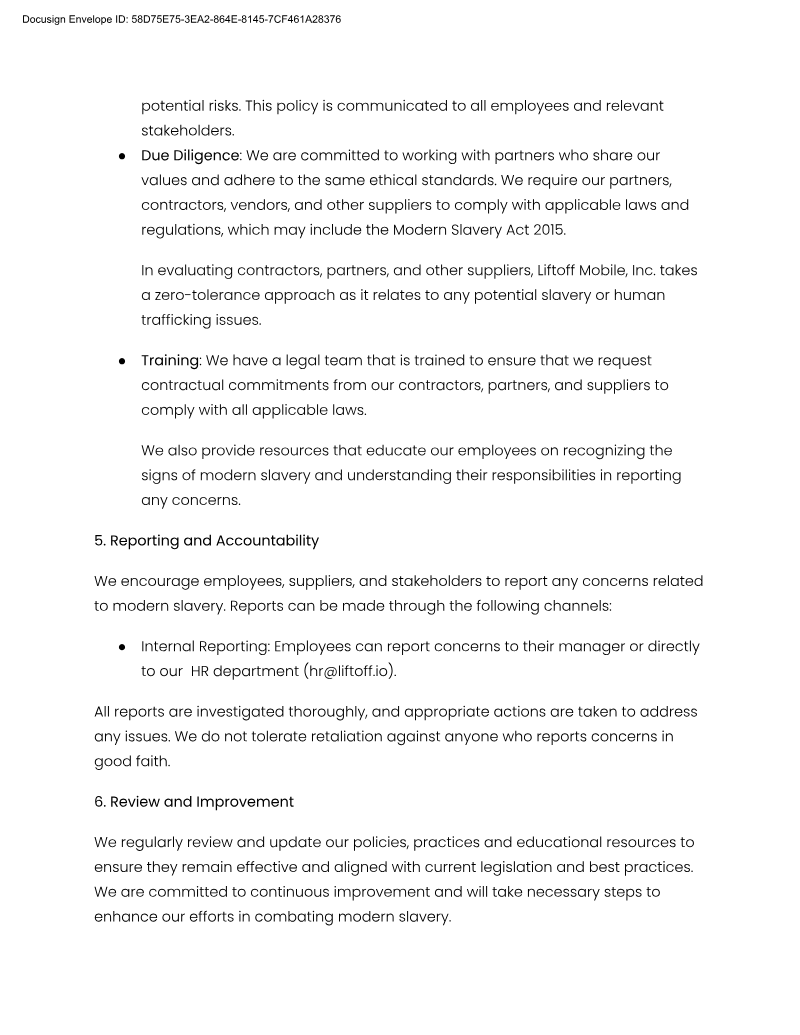
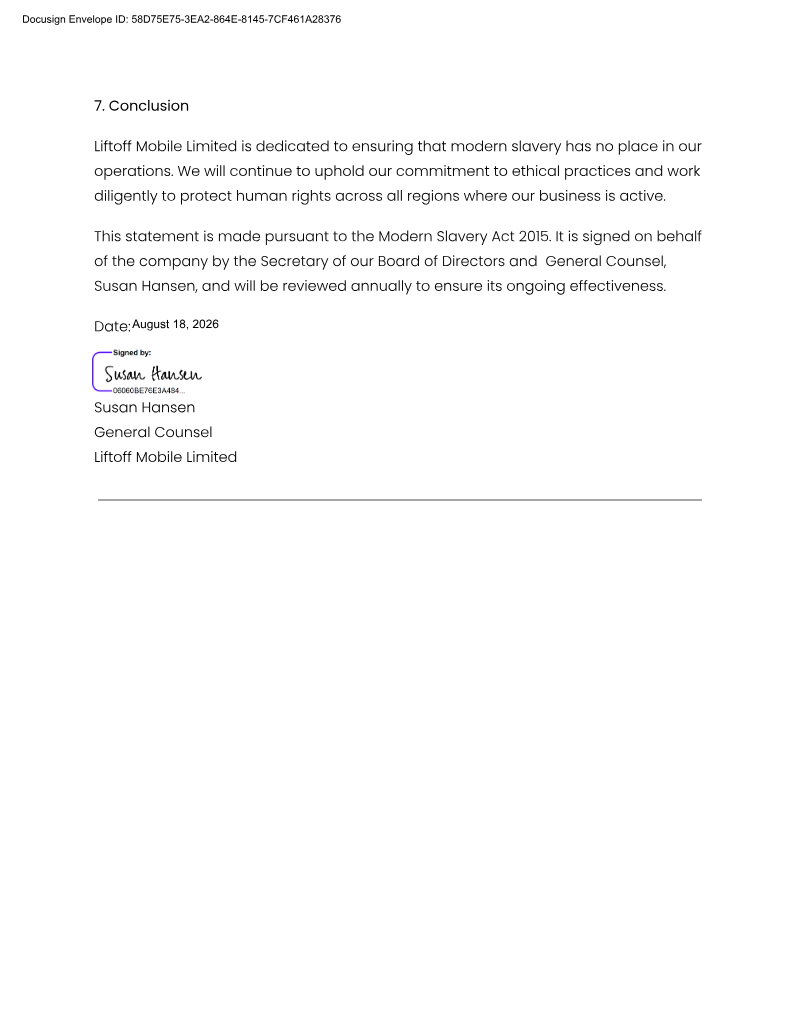
Liftoff Mobile Limited maintains a formal commitment to preventing modern slavery and human trafficking across its global operations.
- Liftoff Mobile Limited assesses its inherent risk of modern slavery and human trafficking as low due to its business model as a digital services provider rather than a manufacturer.
- The company enforces a zero-tolerance Anti-Slavery Policy that requires all partners, contractors, and vendors to comply with the Modern Slavery Act 2015.
- Contractual compliance regarding human rights standards is managed and overseen by the company’s internal legal team.
Nintendo Second Quarter Financial Results and Corporate Management Policy Briefing: Fiscal Year Ending March 2022
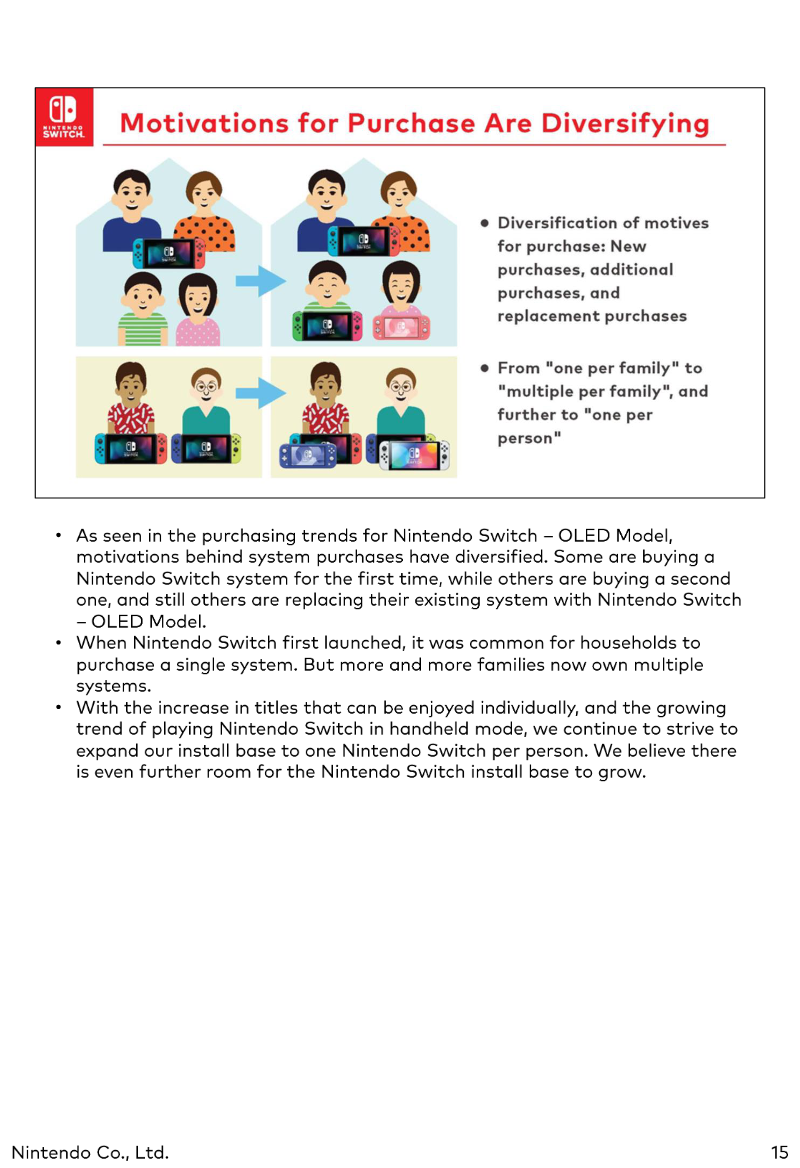
Nintendo is navigating a transitional period in the fiscal year ending March 2022, characterized by a year-over-year decline in sales and profits following the unprecedented success of previous breakout titles.
- Nintendo has lowered its fiscal year 2022 hardware shipment target to 24 million units due to global semiconductor shortages.
- Despite hardware constraints, the company raised its full-year profit and software sales projections, supported by the Nintendo Switch OLED model and a library of over 6,700 third-party titles.
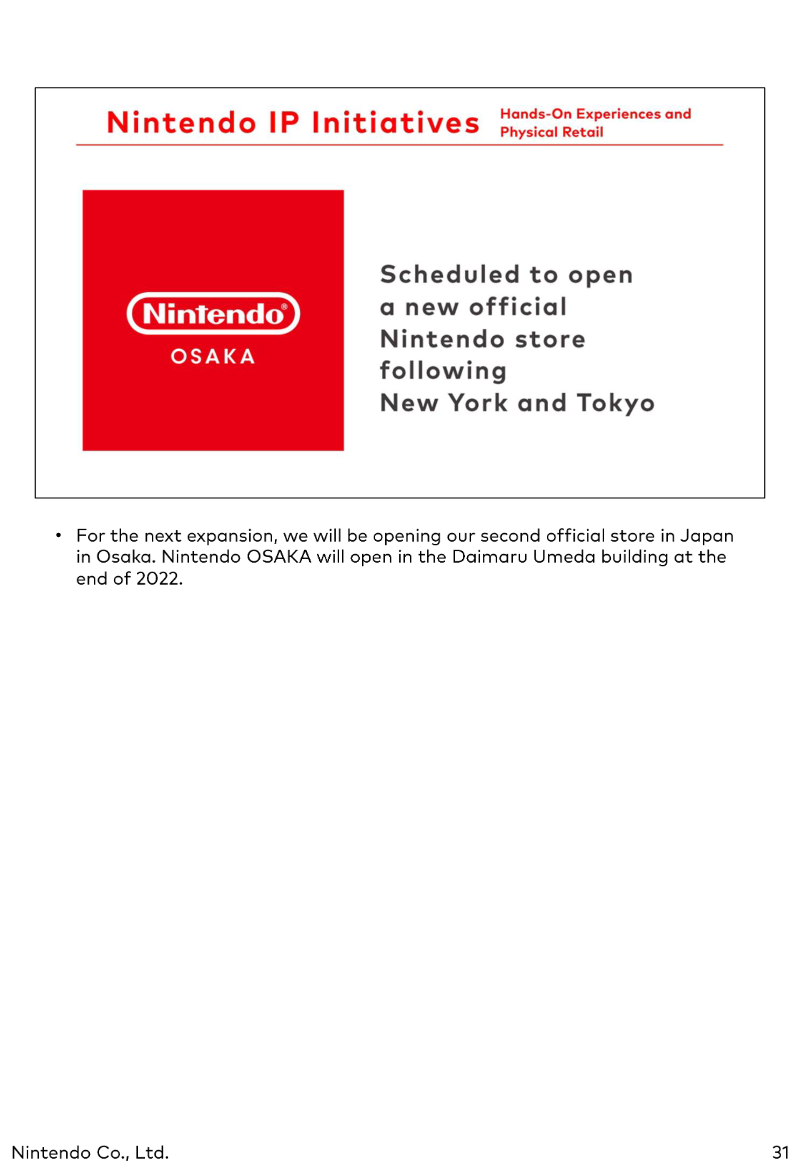
- Nintendo is investing 450 billion yen into internal software development, infrastructure, and non-gaming ventures, including theme parks and the upcoming Super Mario film.
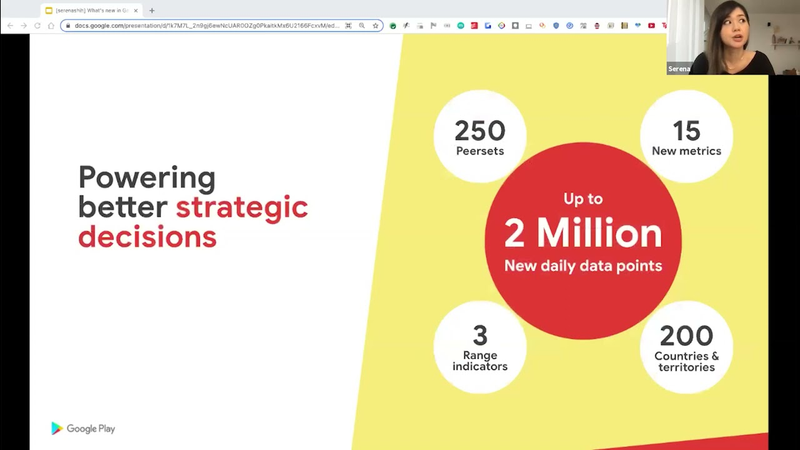
Superstar Session: What's New for Mobile Game Developers at Google Play
Google Play’s strategic partner manager, Serena Shih, outlines the platform's recent initiatives and tools designed to help mobile game developers scale their businesses, improve user engagement, and navigate evolving policy requirements.
- Google Play has implemented a reduced 15 percent service fee on the first $1 million of annual revenue to support sustainable developer growth.
- The platform now mandates the Android App Bundle format for all new applications, which reduces average app sizes by 15 percent.
- Google Play supports 2.5 billion monthly active users across 3 billion monthly active Android devices, with 140 billion annual installations.
Creator of Horror Game Summer of ’58 Leaves Games Industry Due to Steam Refund Policy
The independent developer behind the horror title Summer of ’58, Aleksandr Reshetnikov of Emika Games, announced an indefinite hiatus from game development in August 2021.
- Aleksandr Reshetnikov of Emika Games announced an indefinite retirement from game development due to financial losses caused by Steam’s refund policy.
- Steam’s policy allows users to refund games if they have played for less than two hours, which negatively impacts short-form games like the 90-minute horror title Summer of ’58.
- Despite receiving positive reviews, the developer reported that many players completed the entire game and then requested a refund, preventing the studio from generating sufficient revenue to fund future projects.


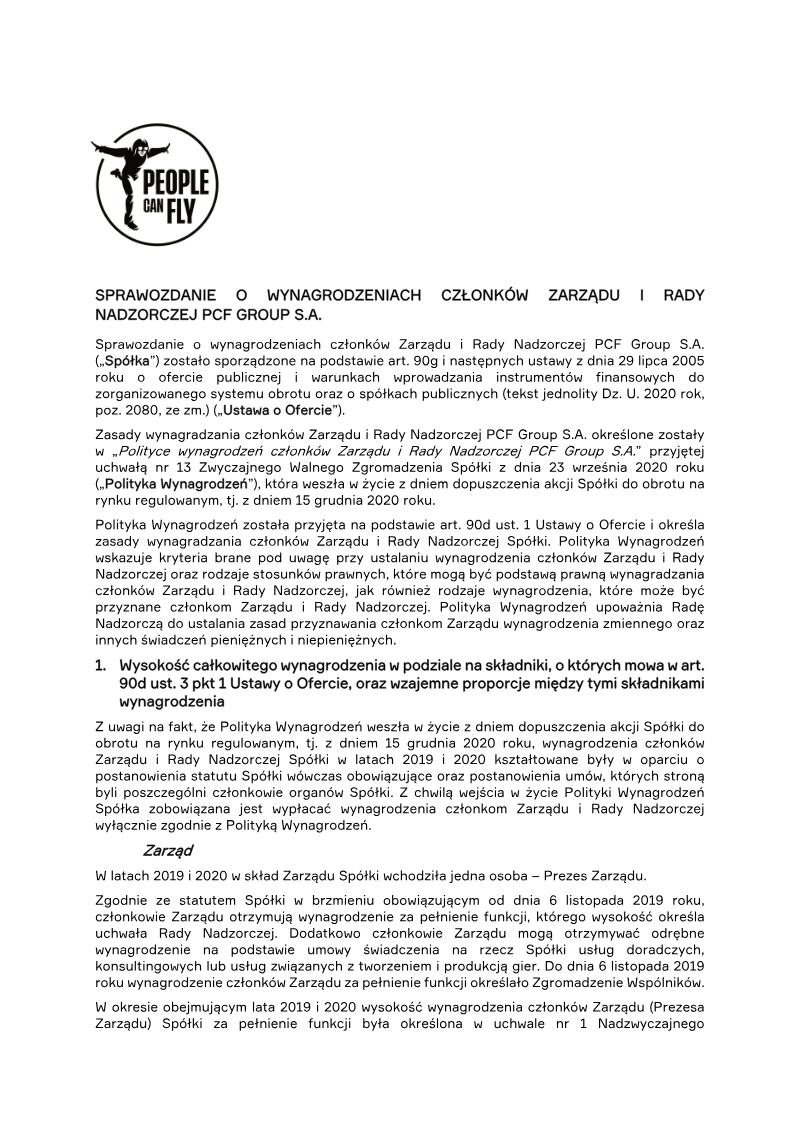
Sprawozdanie o Wynagrodzeniach Członków Zarządu i Rady Nadzorczej PCF Group S.A.
The remuneration framework for PCF Group S.A. underwent a significant transition in late 2020, moving from individual contractual arrangements to a formalized Remuneration Policy designed to align executive compensation with long-term strategic goals and financial stability.
- PCF Group S.A. transitioned from individual contracts to a formal Remuneration Policy in late 2020 to align executive pay with long-term strategic goals and financial stability.
- Management Board variable compensation is strictly capped at five times the fixed salary and is subject to performance verification by the Supervisory Board.
- The company experienced rapid growth between 2016 and 2020, underscored by a 409% increase in net profit during the 2020 fiscal year.
IDFA Policy May Lead to iOS In-App Advertising Market Losing Nearly 20% of Value
The implementation of Apple’s Identifier for Advertisers (IDFA) privacy policy is projected to cause a significant contraction in the iOS in-app advertising market.
- Apple’s IDFA privacy policy changes are projected to cause a 17% decline in the value of the iOS in-app advertising market in 2021.
- Approximately two-thirds of the lost iOS advertising revenue is expected to shift to the Android ecosystem as iOS ads lose nearly 60% of their premium pricing over Android counterparts.
- The remaining one-third of the projected revenue shortfall will either be lost to other advertising formats or withheld by marketers.
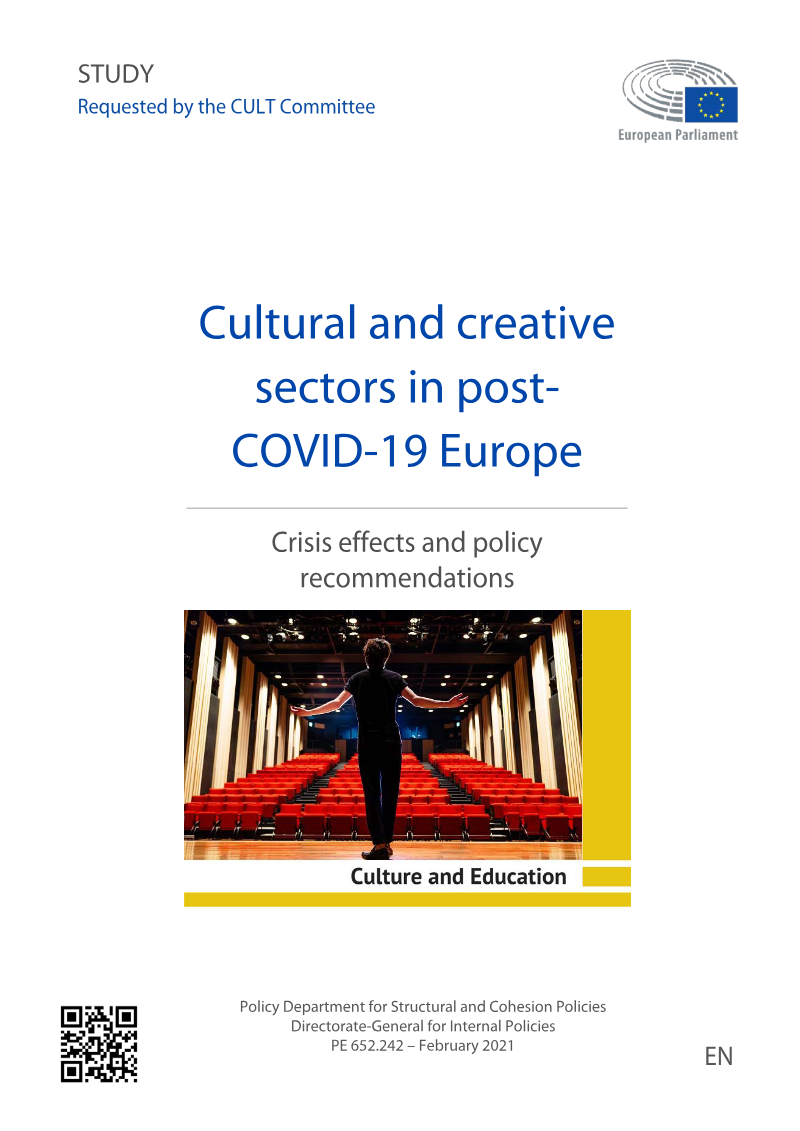
Cultural and Creative Sectors in Post-COVID-19 Europe: Crisis Effects and Policy Recommendations
The COVID-19 pandemic served as a profound stress test for Europe’s cultural and creative sectors (CCS), exposing deep-seated structural vulnerabilities that existed long before the crisis.
- The Cultural and Creative Sectors (CCS) in the EU-27 were economically fragile before COVID-19, characterized by over 1.1 million enterprises (5% of non-financial businesses) generating EUR 145 billion (2.3% of the non-financial business economy) in 2017, with growth rates slightly above the overall non-financial business economy (1.5% vs 1.4% annually between 2012-2017).
- The COVID-19 pandemic severely impacted the CCS through measures like halting non-essential business, banning public events, and restricting movement, leading to significant income loss for suppliers (e.g., sound/lighting, caterers) and local economies dependent on festivals and events.
- Freelance performing artists, who often rely on multiple income streams and networking at events, were particularly hard hit by movement bans and social distancing, with many unable to access public support.
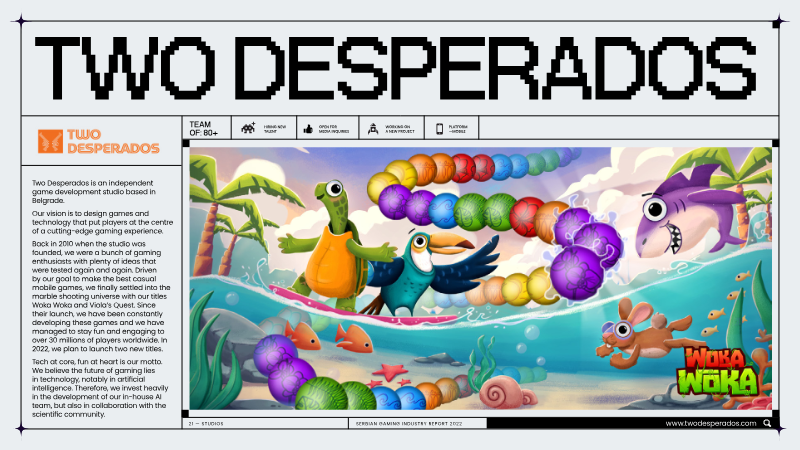
Serbian Gaming Industry Report 2021
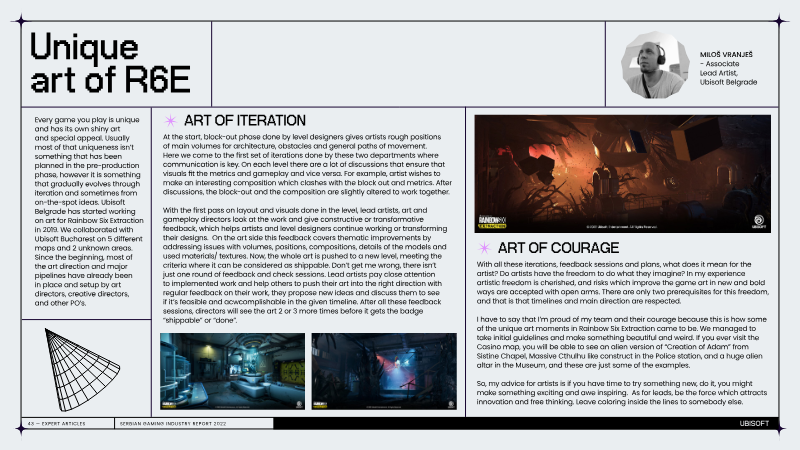
In 2021 Serbia’s gaming ecosystem emerged as a rapidly expanding, export-oriented sector that combined a sizable studio base with a vibrant indie community.
- In 2021, Serbia’s gaming sector comprised approximately 130 studios employing 1,548 people, generating $125 million in revenue with 75% to 100% of earnings derived from international exports.
- The industry is heavily reliant on the free-to-play model, which accounts for 64% of all games produced, while the total output reached roughly 2,200 titles.
- The ecosystem supports a diverse production scale, ranging from indie developers using high-fidelity tools like MetaHuman Creator to major contributors such as Nordeus, Playrix RS, and Ubisoft Belgrade.
Romanian Game Development Industry Report: 2020
The Romanian game-development sector has emerged as a rapidly expanding component of the national digital economy, delivering €218.5 million in revenue in 2020—a 19.1% year-on-year increase that pushed total earnings beyond the €200 million threshold.
- The Romanian game development industry generated €218.5 million in revenue in 2020, marking a 19.1% year-on-year growth rate.
- The broader IT sector, bolstered by state-aid schemes and tax exemptions, employed over 113,000 people and contributed approximately 6.8% of Romania's GDP in 2020.
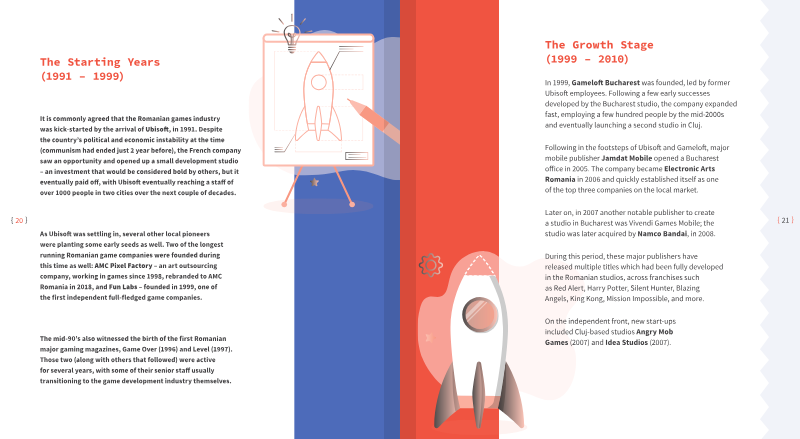
- Major AAA support studios including EA Romania, Ubisoft, and Gameloft employ roughly 750 developers in the country, contributing to global franchises like FIFA and Assassin’s Creed.
Fiscal Year Ending March 2021: Corporate Management Policy Briefing
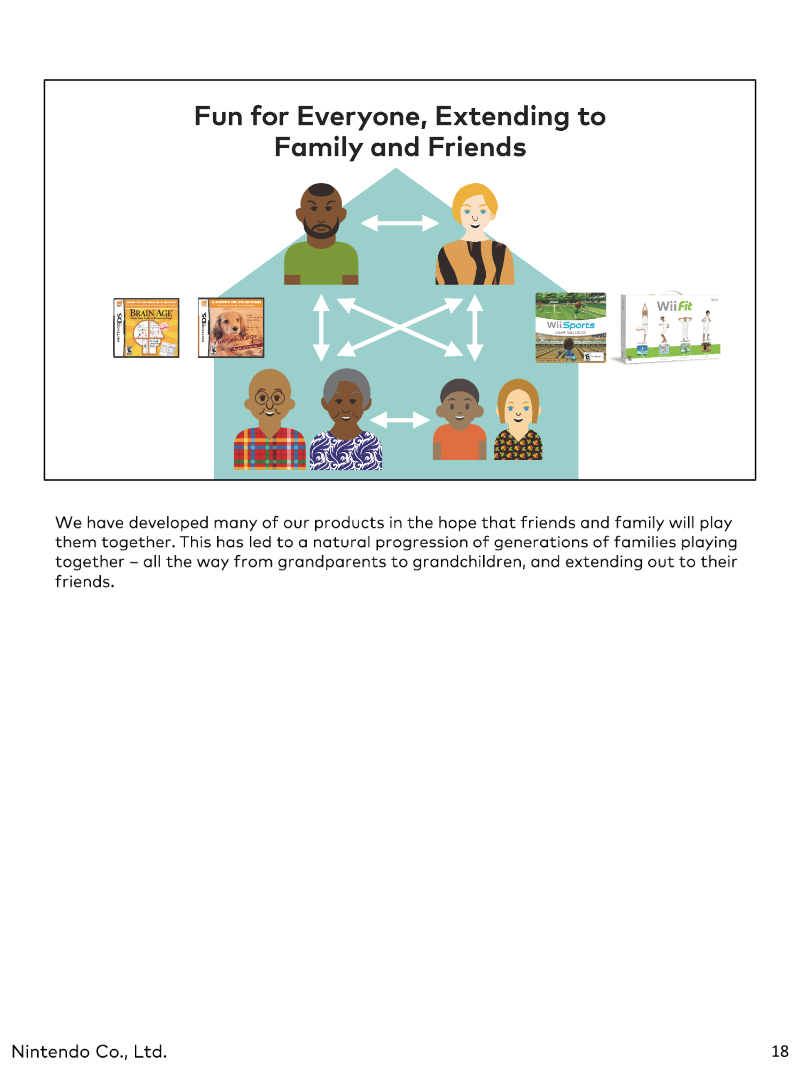
Nintendo maintains a core business philosophy centered on the integration of proprietary hardware and software to deliver intuitive, tactile entertainment experiences.
- Nintendo’s core strategy centers on integrating proprietary hardware and software to drive a virtuous cycle of engagement, anchored by iconic intellectual property like Super Mario.
- The Nintendo Account program has reached a scale of over 200 million users across 164 countries, serving as the primary digital infrastructure for platform loyalty.
- Digital software sales reached approximately 50 percent of total volume during the fiscal year ending March 2021, reflecting a significant shift in consumer purchasing behavior.