Romanian Game Development Industry Report: 2020
202138 pages~57 min full read
The Romanian game‑development sector has emerged as a rapidly expanding component of the national digital economy, delivering €218.5 million in revenue in 2020—a 19.1 % year‑on‑year increase that pushed total earnings beyond the €200 million threshold. This growth builds on a foundation laid in the late‑1990s by early publishers such as AMC and Fun Labs and accelerated by a wave of indie activity that has diversified the market across hyper‑casual, mid‑core and AAA support segments.
Policy measures have been pivotal: a tax‑exempt status for developers introduced in 2004, a state‑aid scheme for large IT investments in 2012, and the “Startup Nation” programme of 2016 have collectively fostered an IT sector employing over 113 000 people and contributing roughly 6.8 % of GDP in 2020. The exemption, however, applies only to technical staff, leaving creative roles under‑supported and prompting the Romanian Game Developers Association to propose dedicated incentives.
The ecosystem now includes hyper‑casual studios that have amassed more than 10 million downloads, mid‑core and AAA support firms such as EA Romania, Ubisoft Romania and Gameloft that together employ around 750 developers and work on franchises like FIFA and Assassin’s Creed, and independent studios such as Ovilex, whose simulators have exceeded 500 million installs.
Case studies illustrate the sector’s breadth: Whyttest operates a cross‑border QA‑outsourcing service with senior and junior testers in Bucharest and Belgrade, while XSA, an indie start‑up focused on Android/iOS car games, reaches over one million players each month. The analysis draws on multiple European industry sources, including ISFE‑EGDF, EGDF, Goldstein Research, and regional surveys, providing a comprehensive view of Romania’s game‑development landscape during the 2020 period.
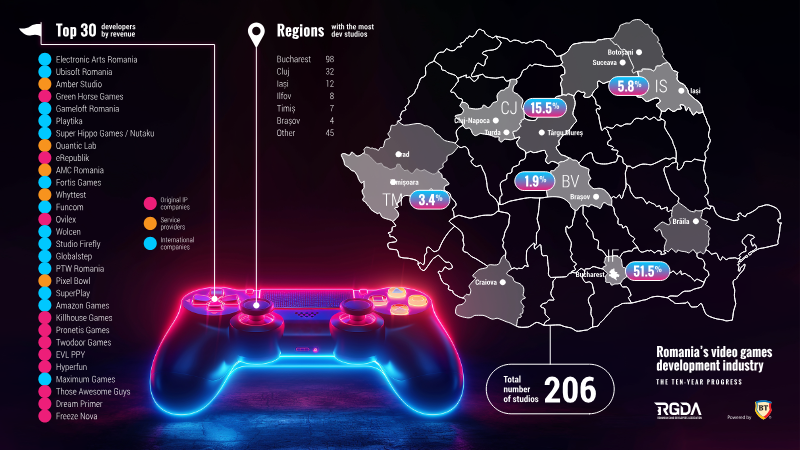
RGDA – Romanian Game Developers Association · 2025
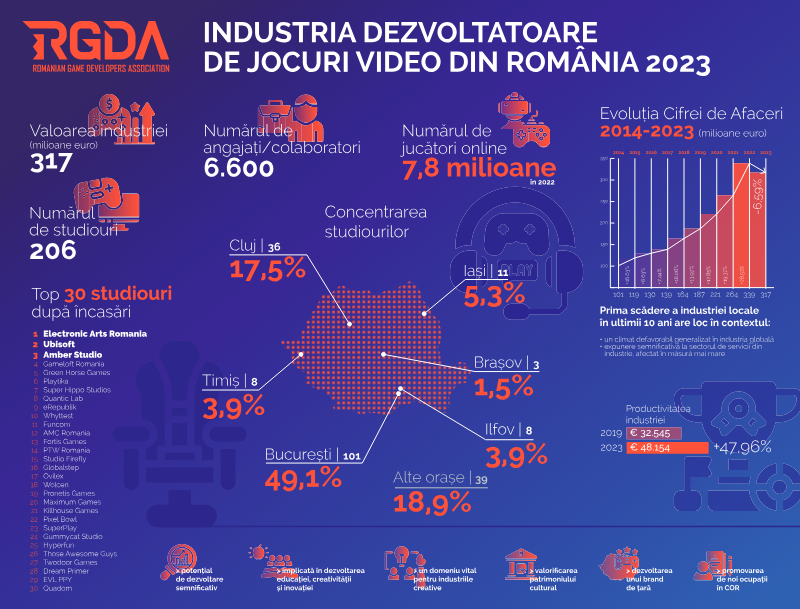
RGDA – Romanian Game Developers Association · 2023
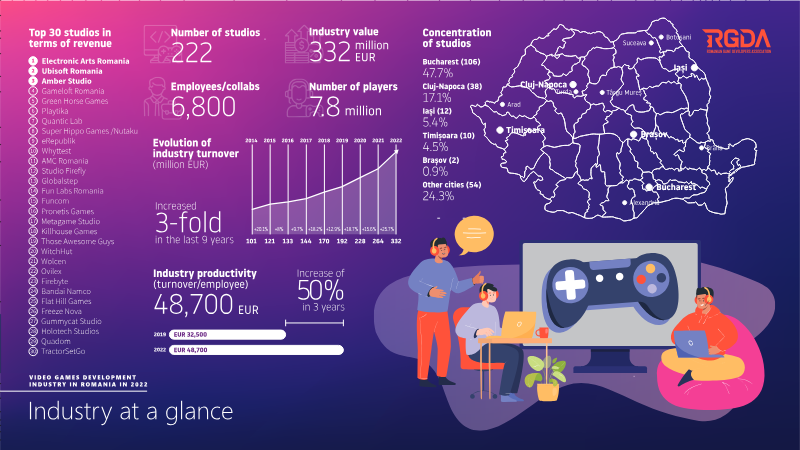
RGDA – Romanian Game Developers Association · 2022
RGDA – Romanian Game Developers Association · 2019
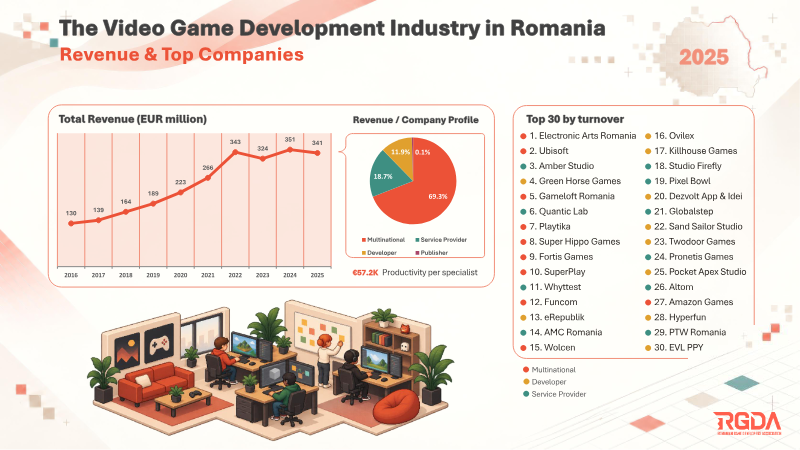
RGDA – Romanian Game Developers Association
8Bit · 2026
Values Value · 2026
InGameJob · 2025
InGameJob & Values Value · 2025
PCF Group · 2024
Dutch Games Association · 2024
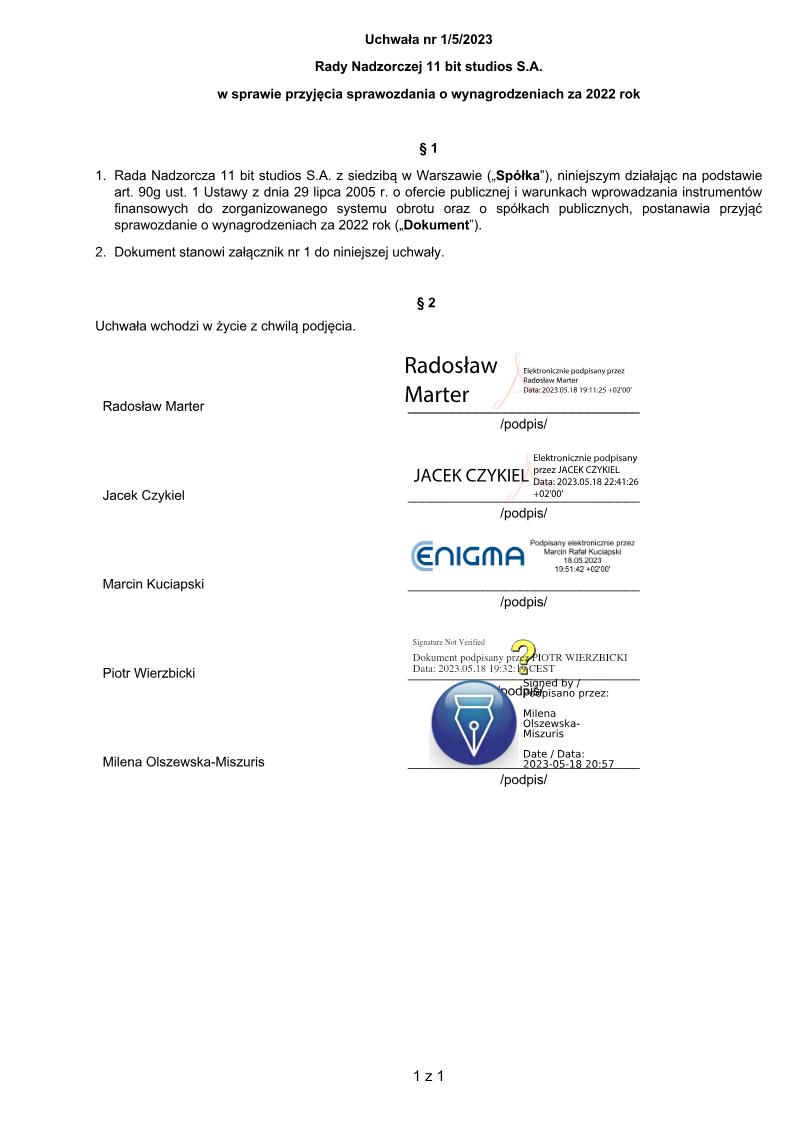
11 bit studios · 2023

DEV · 2023
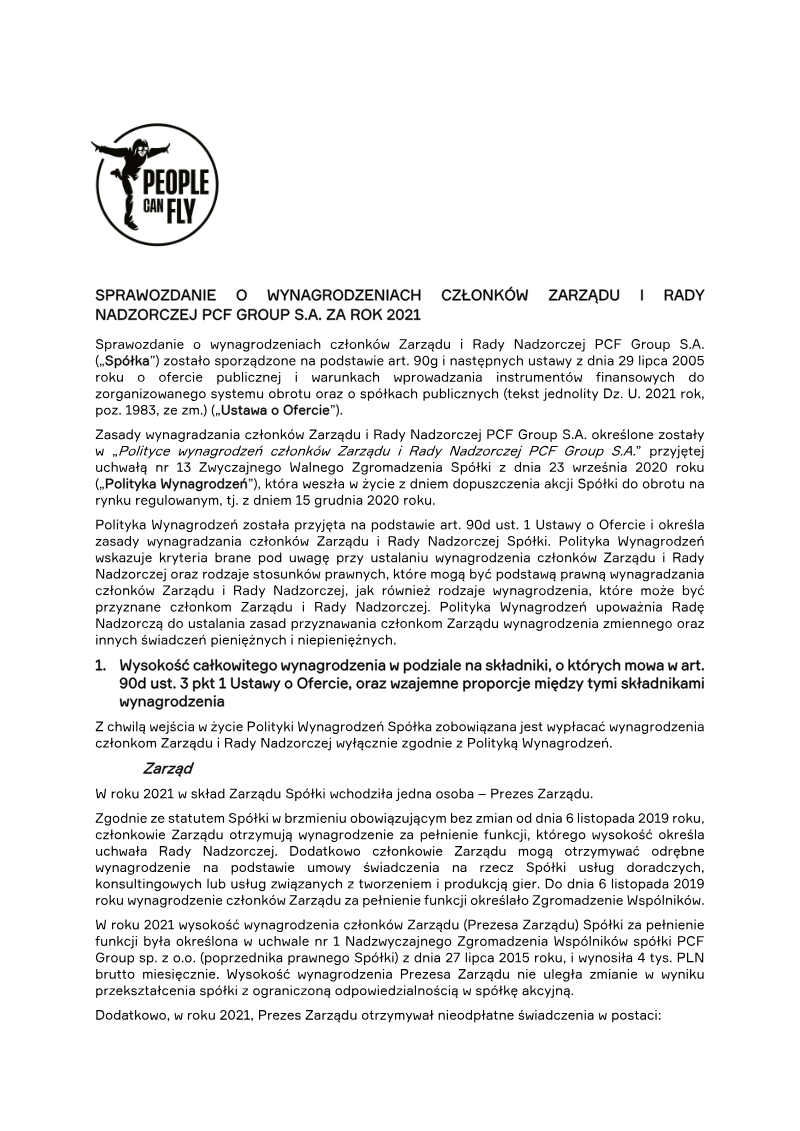
PCF Group · 2022
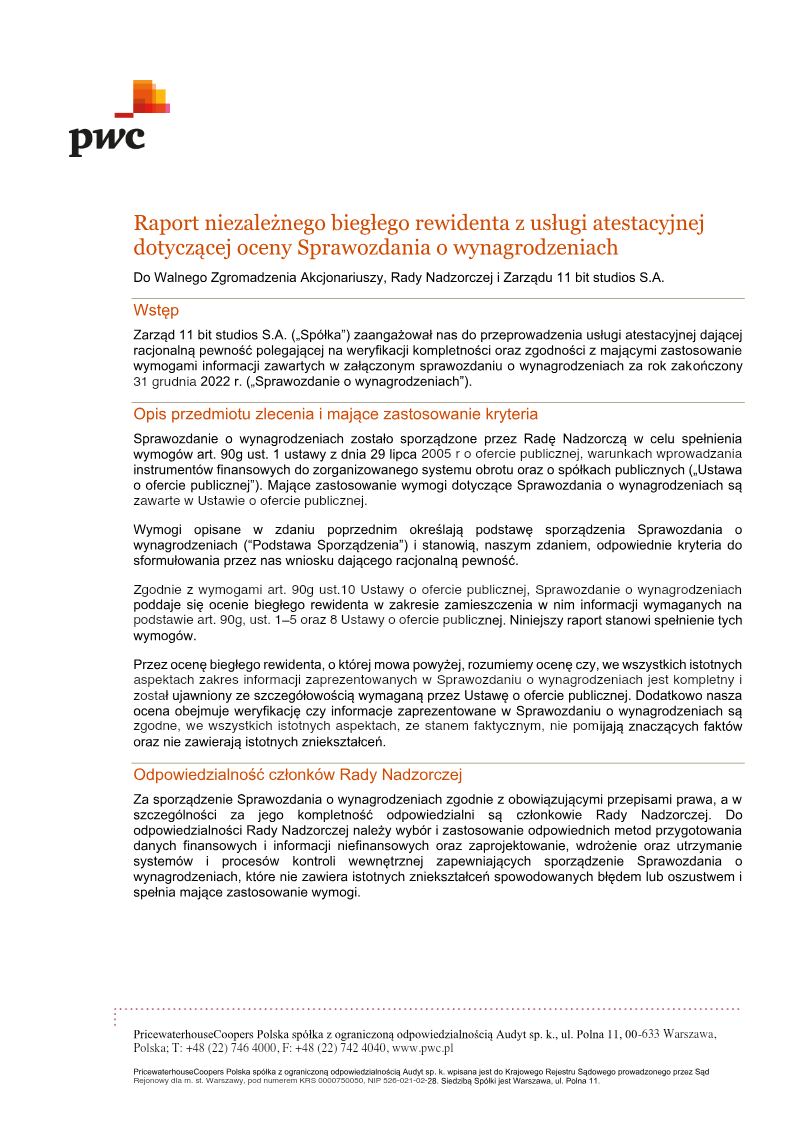
11 bit studios · 2022
Dutch Games Association · 2018
Dutch Games Association · 2015