Policy
Company
Documents about Policy

Nordic Game 2026: Participant Profiles and Platforms
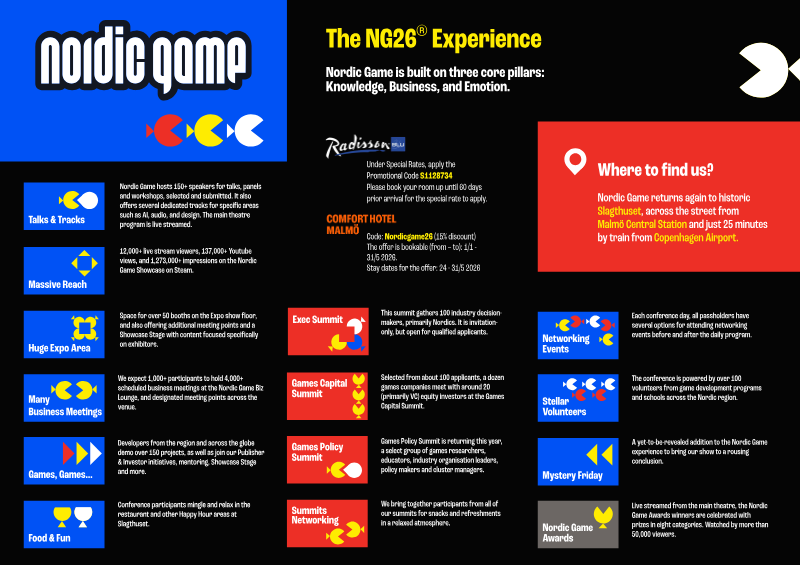
The Nordic Game 2026 conference, scheduled for May 26–29 in Malmö, Sweden, serves as a premier international hub for the global gaming ecosystem.
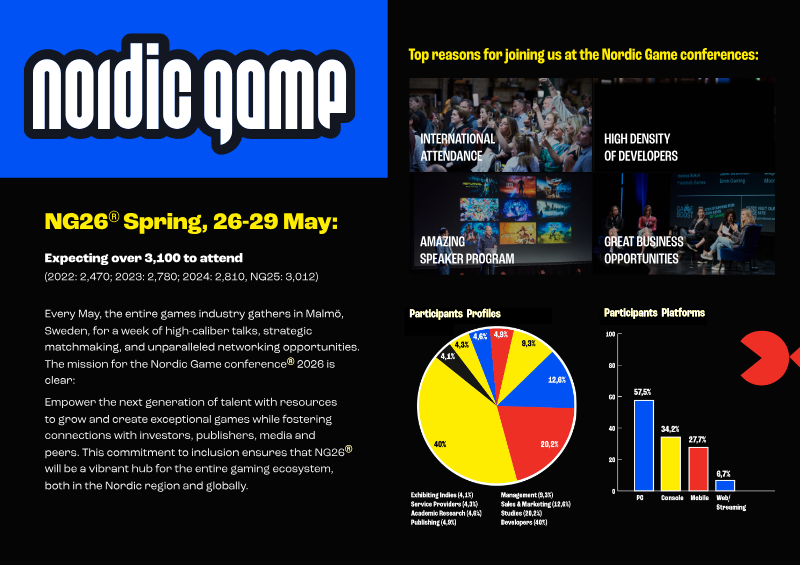
- PC development is the primary focus for 57.5% of Nordic Game 2026 participants, significantly outpacing console development at 34.2% and mobile gaming at 27.7%.
- Developers and artists constitute the largest attendee segment at 40%, followed by sales and marketing professionals at 12.6% and management at 9.3%.
- The event prioritizes business development by providing private meeting facilities that accommodate groups ranging from 4 to 50 people.

Annual Review: UK
The United Kingdom games industry has solidified its status as the nation’s preeminent creative sector, achieving a valuation of £5.2 billion and a total consumer market value of £7 billion.
- The UK games industry has reached a valuation of £5.2 billion, with a total consumer market value of £7 billion.
- The sector is supported by a network of over 600 member organizations focused on maintaining global competitiveness.
- Industry policy has shifted from Video Games Tax Relief to the Video Games Expenditure Credit to improve financial effectiveness.
Response to the Call for Evidence on the Action Plan against Cyberbullying
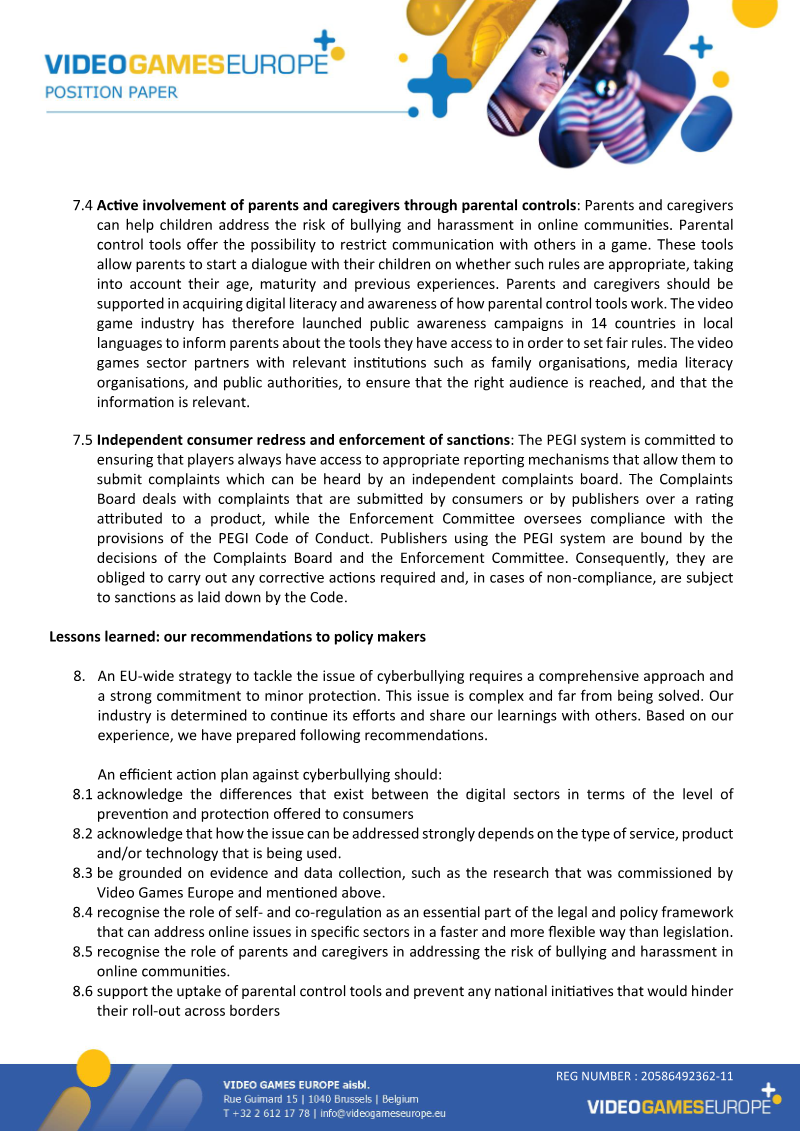
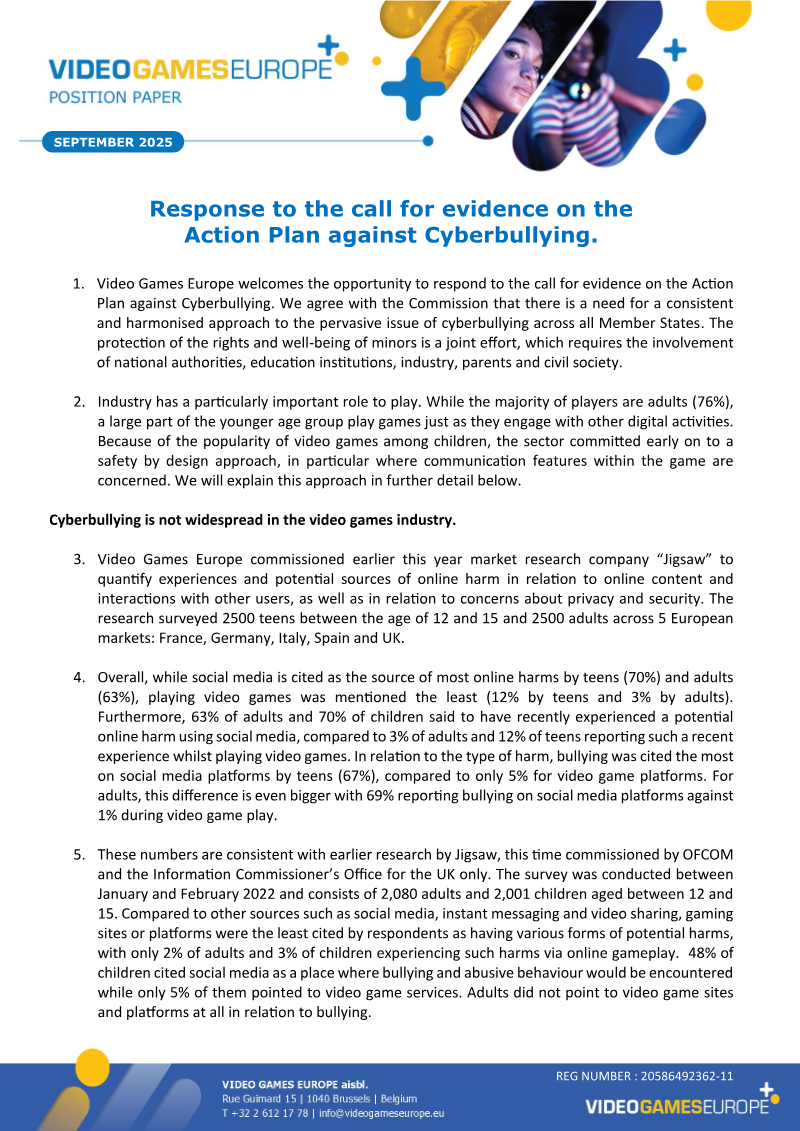
Video Games Europe submits a position in response to the European Commission’s call for evidence on an Action Plan against cyberbullying, arguing that the sector already implements a robust “safety-by-design” framework and that cyberbullying is comparatively rare within video-game environments.
- Video games are a minor source of online harm compared to social media, with only 12% of teens and 3% of adults identifying games as a source of recent harm, versus 70% and 63% for social media platforms.
- Bullying incidents in gaming are significantly lower than on social platforms, reported by 5% of teens and 1% of adults in gaming environments compared to 67% and 69% on social media.
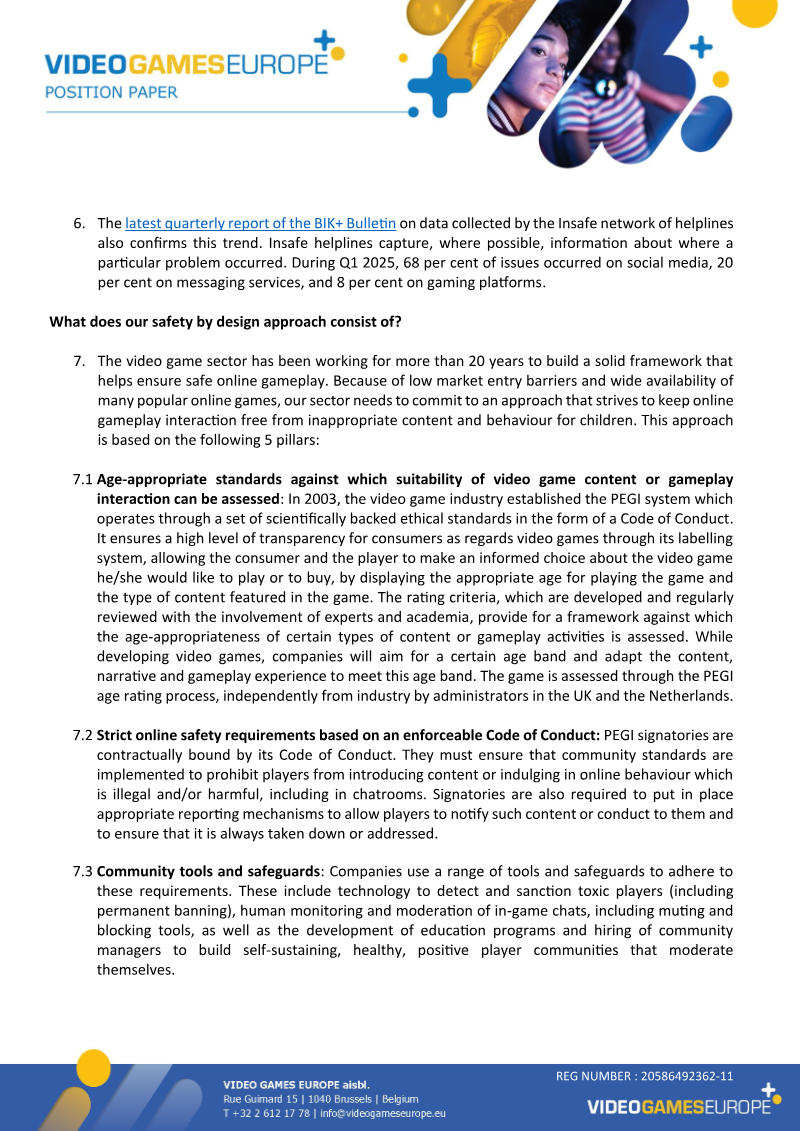
- Data from the Insafe helpline in Q1 2025 attributes only 8% of reported online issues to gaming platforms, while 68% are linked to social media and 20% to messaging services.

Sustainability at Embracer Group: ESG Fact Sheet
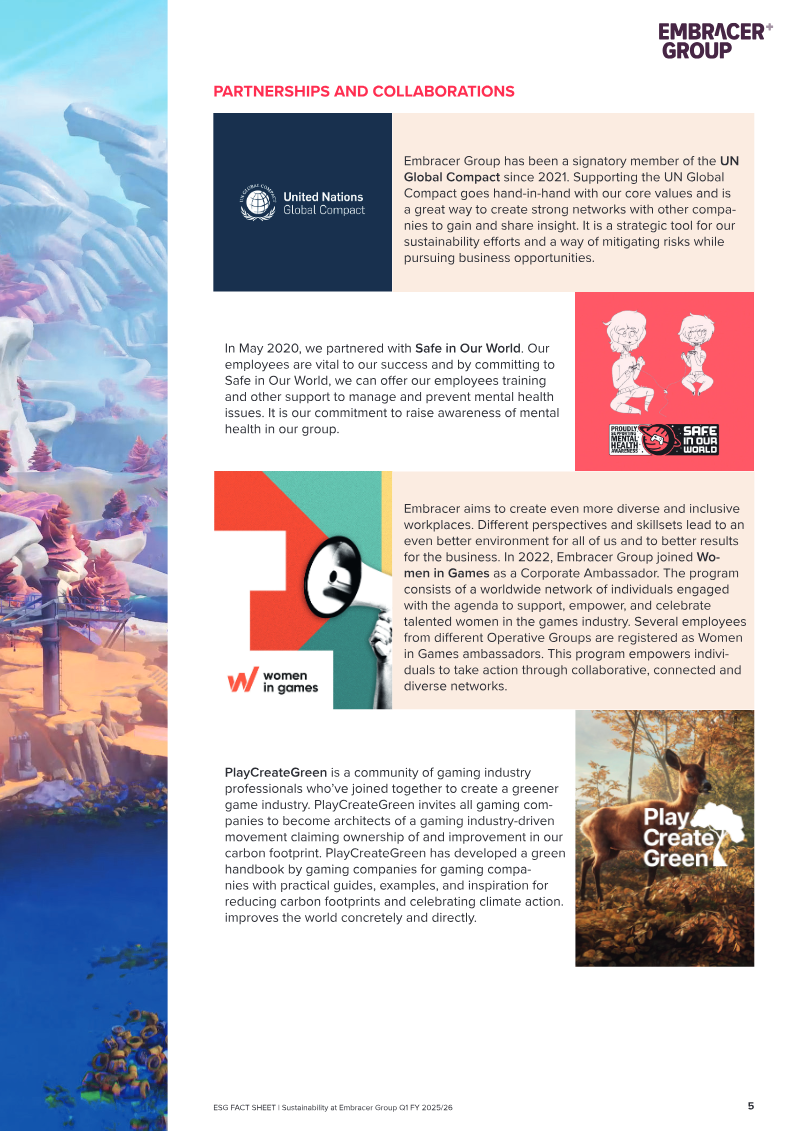
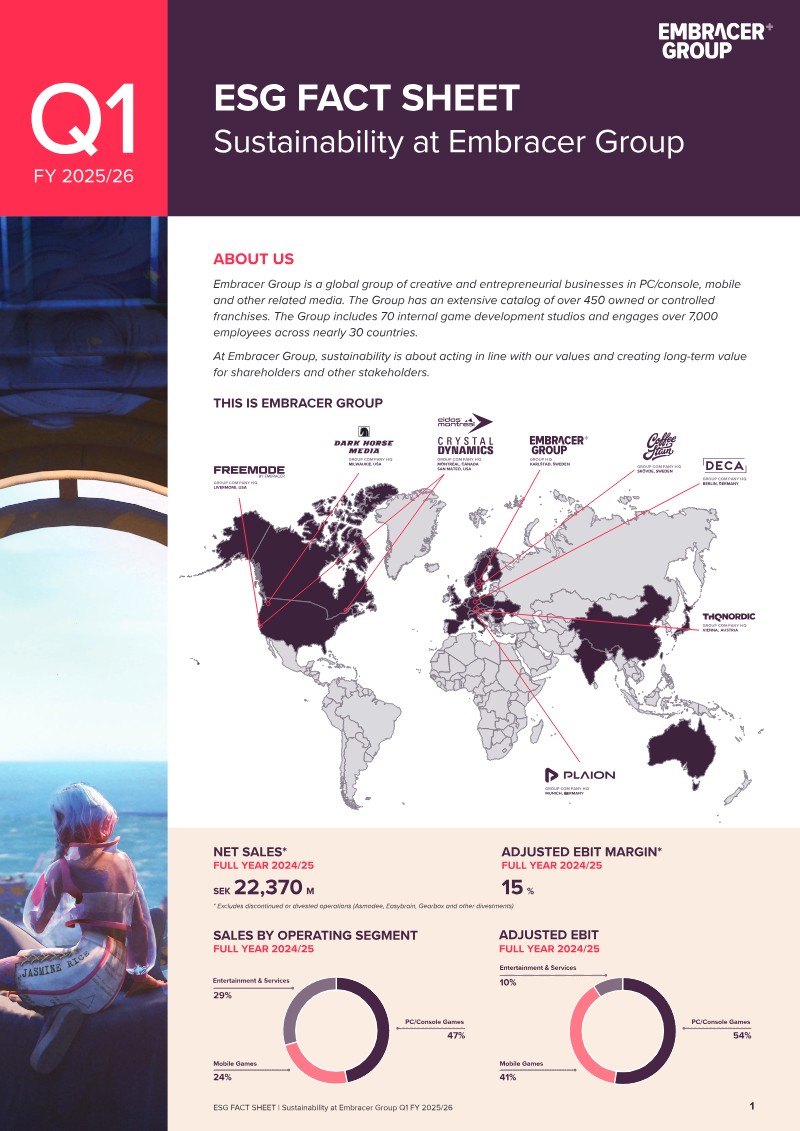
The Embracer Group’s sustainability framework centers on integrating environmental, social, and governance (ESG) principles into its global operations to drive long-term value for stakeholders.
- Embracer Group operates a global network of 70 internal game development studios with over 7,000 employees across nearly 30 countries.
- The company reported net sales of SEK 22,370 million for the 2024/25 fiscal year.
- The workforce is geographically concentrated with 64% based in Europe and 31% in North America.

Australian Video Games Industry Policy Platform: February 2025
The Australian video games industry represents a vital economic sector, generating $339.1 million in revenue and supporting 2,465 full-time positions during the 2024 fiscal year.
- The Australian video games industry aims to reach a $1 billion valuation by 2030, building on its 2024 fiscal year performance of $339.1 million in revenue.
- The sector currently supports 2,465 full-time positions, with 93 percent of its revenue generated from international markets.
- Over 50 percent of Australian game studios anticipate continued income growth, signaling strong potential for expansion into a global powerhouse.



2024 Global Game Policy and Legislation Research Report
The 2024 Global Game Policy and Legislation Research Report provides a comprehensive analysis of the legal and regulatory environments for the game industry across five key export markets: Singapore, Taiwan, Brazil, Australia, and India.
- Data breach notification timelines are increasingly aggressive, with India requiring reporting within six hours for specific incidents and Brazil mandating notification within three days.
- Taiwan and Australia require foreign game entities to maintain a local business presence or appoint a local representative to operate legally.
- Regulatory oversight on loot boxes and simulated gambling is tightening, with Taiwan and Australia currently enforcing the most stringent restrictions on probability-based items.

Levelling Up: State of India Interactive Media and Gaming Research FY24
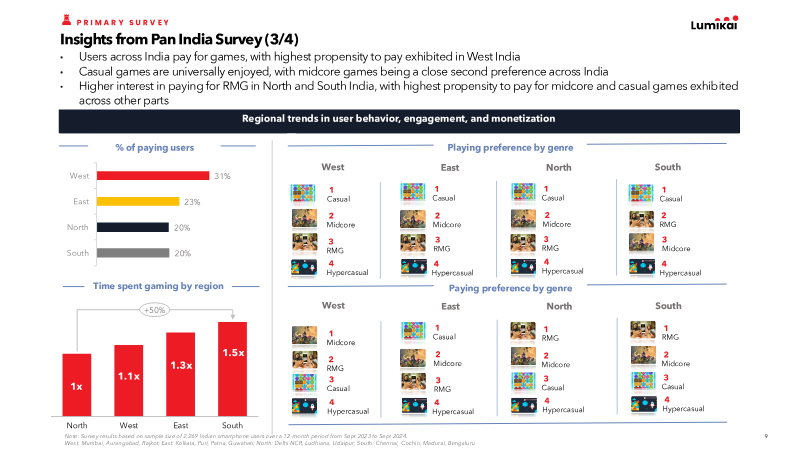
The Indian interactive media and gaming sector has emerged as a significant economic force, reaching a market valuation of $12.5 billion in fiscal year 2024.
- The Indian gaming sector reached a $3.8 billion valuation in FY24 and is projected to grow at a 20% CAGR to reach $9.2 billion by FY29.
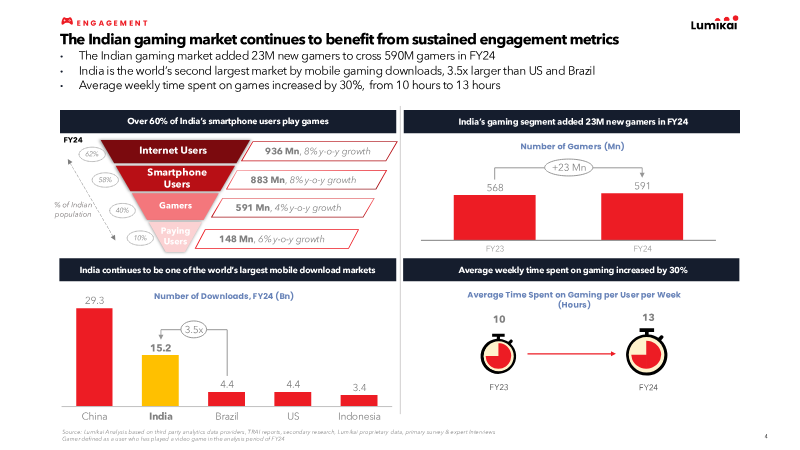
- India’s gaming ecosystem now includes 590 million users, with average weekly engagement increasing by 30% to 13 hours per user.
- Midcore gaming is a primary growth engine, recording a 53% year-on-year revenue increase, while average revenue per paying user rose 15% to $22.


UKIE Annual Review 2024
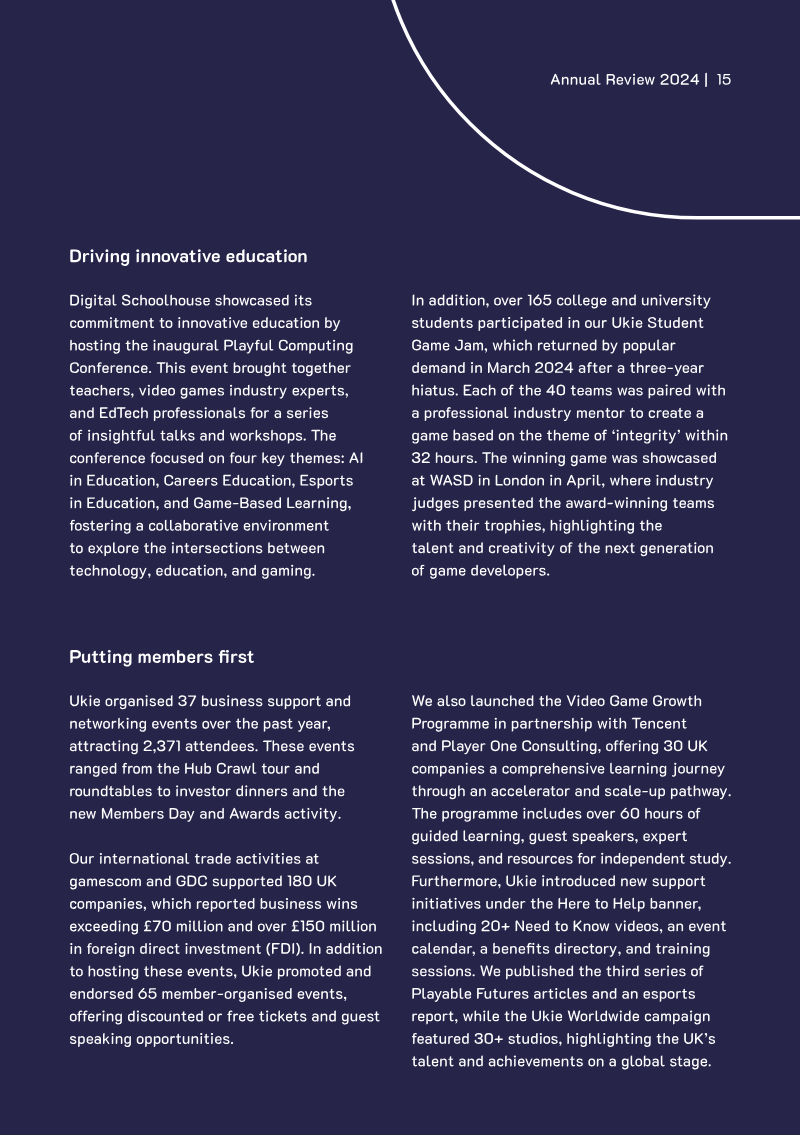
Ukie’s 2024 annual review presents a comprehensive account of the UK video-games sector’s performance, strategic direction and advocacy work over the past twelve months.
- The UK video games sector is a £6 billion economic engine supporting 76,000 jobs, with consumer spending rising 4% to £7.82 billion in the 2023-24 period.
- Video game technology spill-overs contributed £760 million to UK GDP and created nearly 10,000 jobs as of 2021.
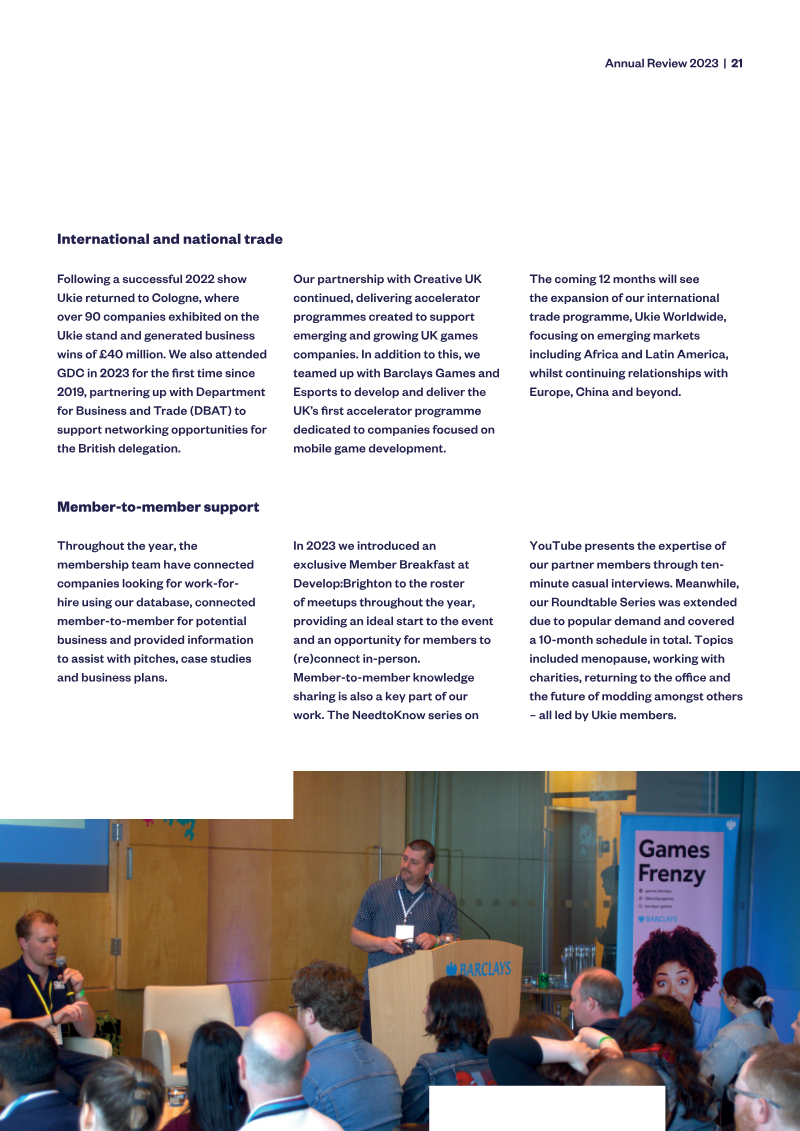
- International trade activities at events like Gamescom and GDC generated over £70 million in business wins and attracted more than £150 million in foreign direct investment for 180 UK companies.

White Paper on Spanish Videogame Development 2023: Executive Summary
The Spanish video game industry has evolved into a significant economic force, characterized by a decade of rapid expansion and increasing institutional recognition.
- The Spanish video game industry generated 1.383 billion euros in revenue in 2022, marking a 440% increase over the previous decade.
- With targeted fiscal and institutional support, the sector is projected to reach 5.5 billion euros in annual turnover and over 23,000 jobs by 2030.
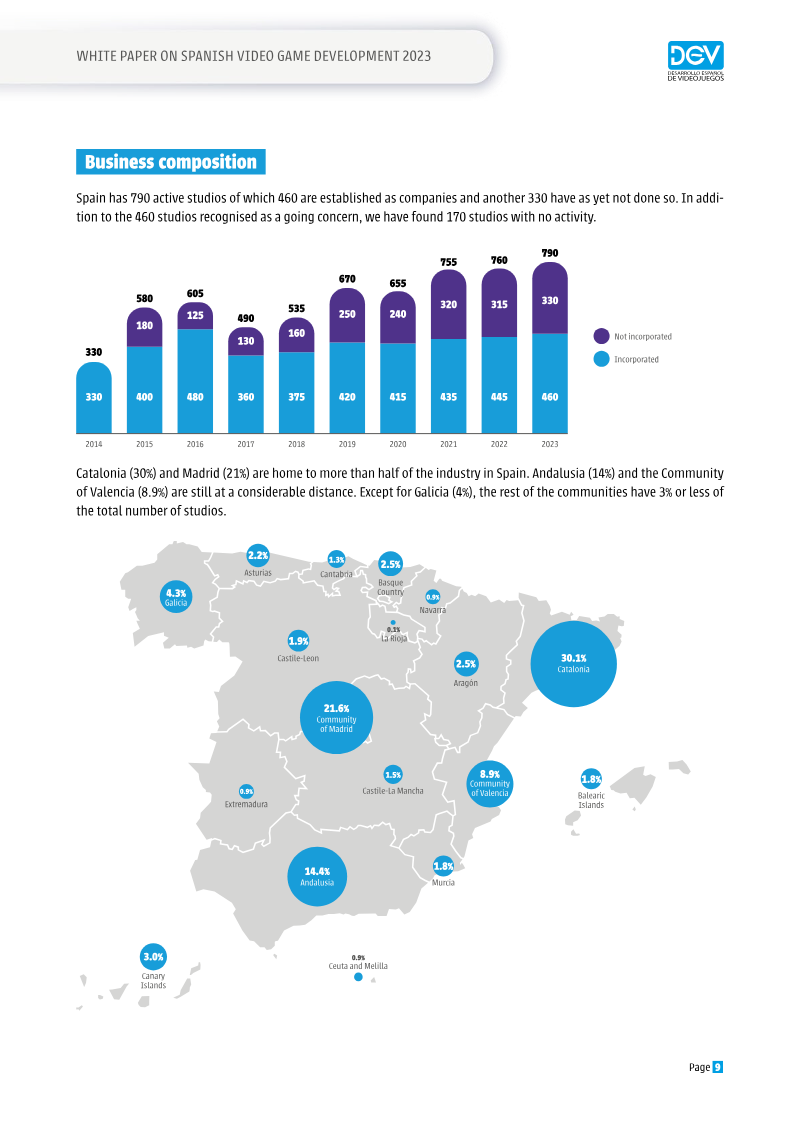
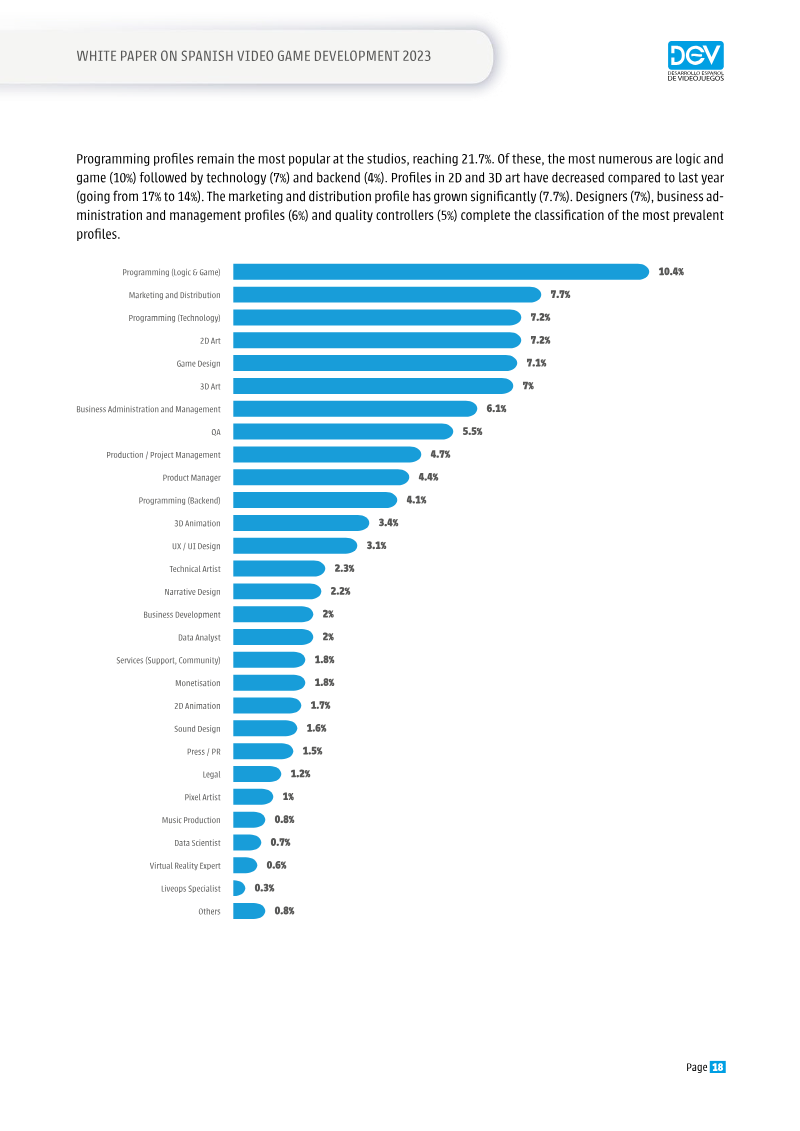
- The industry currently consists of 790 active studios employing 9,261 professionals, with operations concentrated primarily in Catalonia and Madrid.


Posizione sullo Sviluppo del Settore Esports in Italia
The Italian esports sector represents a dynamic and rapidly expanding industry defined by its reliance on intellectual property and global digital infrastructure.
- The esports industry functions as a unique commercial entity driven by intellectual property and publishers, rather than as a traditional sport.
- Global esports revenues currently stand at approximately one billion euros, with significant secondary economic impact through technological innovation and event-driven tourism.
- Applying traditional sports regulatory frameworks to esports is counterproductive because it threatens the agility and innovation required by the sector's proprietary digital environments.

Cultural and Creative Sectors in Post-COVID-19 Europe: Crisis Effects and Policy Recommendations
The COVID-19 pandemic served as a profound stress test for Europe’s cultural and creative sectors (CCS), exposing deep-seated structural vulnerabilities that existed long before the crisis.
- The Cultural and Creative Sectors (CCS) in the EU-27 were economically fragile before COVID-19, characterized by over 1.1 million enterprises (5% of non-financial businesses) generating EUR 145 billion (2.3% of the non-financial business economy) in 2017, with growth rates slightly above the overall non-financial business economy (1.5% vs 1.4% annually between 2012-2017).
- The COVID-19 pandemic severely impacted the CCS through measures like halting non-essential business, banning public events, and restricting movement, leading to significant income loss for suppliers (e.g., sound/lighting, caterers) and local economies dependent on festivals and events.
- Freelance performing artists, who often rely on multiple income streams and networking at events, were particularly hard hit by movement bans and social distancing, with many unable to access public support.


Serbian Gaming Industry Report 2021
In 2021 Serbia’s gaming ecosystem emerged as a rapidly expanding, export-oriented sector that combined a sizable studio base with a vibrant indie community.
- In 2021, Serbia’s gaming sector comprised approximately 130 studios employing 1,548 people, generating $125 million in revenue with 75% to 100% of earnings derived from international exports.
- The industry is heavily reliant on the free-to-play model, which accounts for 64% of all games produced, while the total output reached roughly 2,200 titles.
- The ecosystem supports a diverse production scale, ranging from indie developers using high-fidelity tools like MetaHuman Creator to major contributors such as Nordeus, Playrix RS, and Ubisoft Belgrade.