Loading the document
1 free read left. Create a free account for unlimited reading + AI research.
Create free accountReport European Parliament
1 free read left. Create a free account for unlimited reading + AI research.
Create free accountReportEuropean Parliament
The study singles out performing arts and heritage as the most affected sub-sectors. Non-standard workers such as artists and freelancers were highly vulnerable.
Commissioned by the European Parliament's CULT Committee and produced by IDEA Consult, Goethe-Institut, Inforelais and Values of Culture&Creativity, this February 2021 study examines how the COVID-19 crisis affected eight cultural and creative sector (CCS) sub-sectors in Europe: performing arts, music, visual arts and crafts, cultural heritage, film, book publishing and press, radio and television, and games and animation. Its effect analysis primarily covers March to September 2020, and its policy support analysis covers March to September 2020 based on a database of 416 measures, supplemented by interviews and four focus groups.
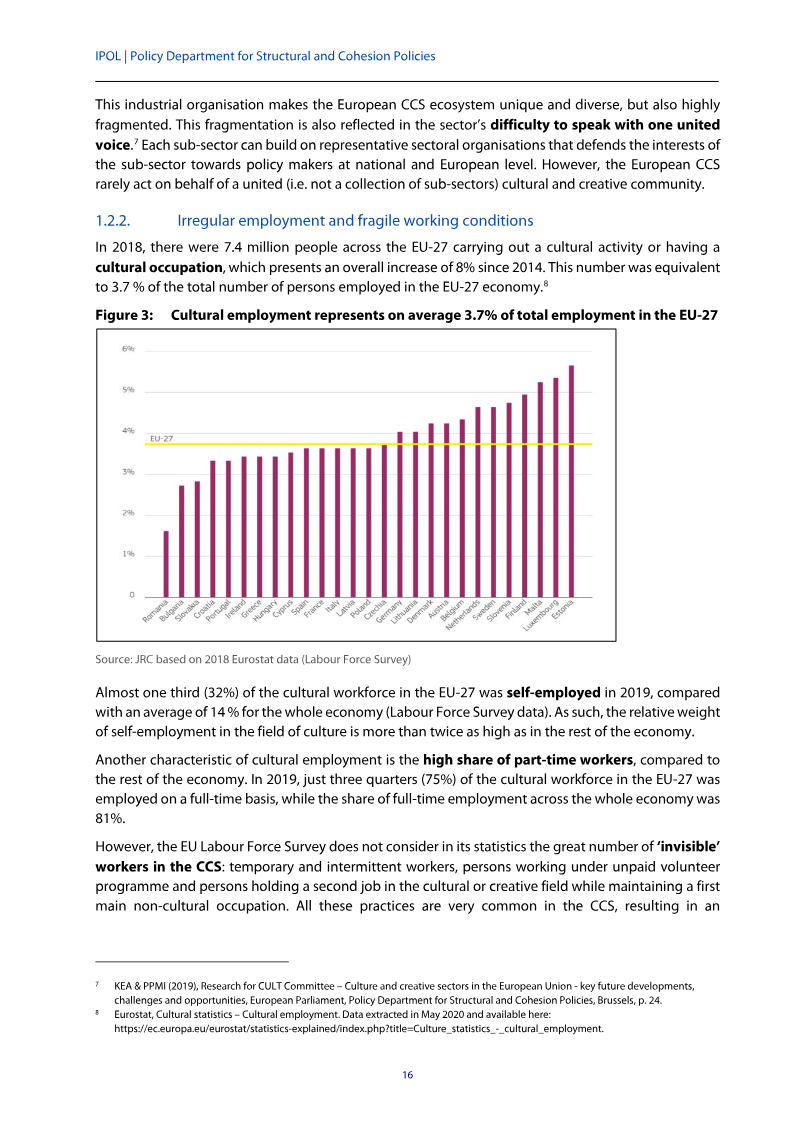
The authors state that the crisis hit venue- and visitor-based sub-sectors such as performing arts and heritage most severely, and that non-standard workers such as artists, freelancers and temporary workers were highly vulnerable. Before COVID-19, the sector already showed fragile structures, with 32% of the cultural workforce self-employed in 2019 compared with 14% across the economy.
According to the study, most income support measures focused on emergency support, with 88% of income support measures provided by the public sector and only 10% of all support measures addressing innovation. The authors argue that expected income losses far outweigh the support in place, and that a return to the pre-crisis situation is not a viable option.
The study concludes with three Flagship recommendations: fair work, a European digital framework, and the CCS as part of innovative and cohesive societies.
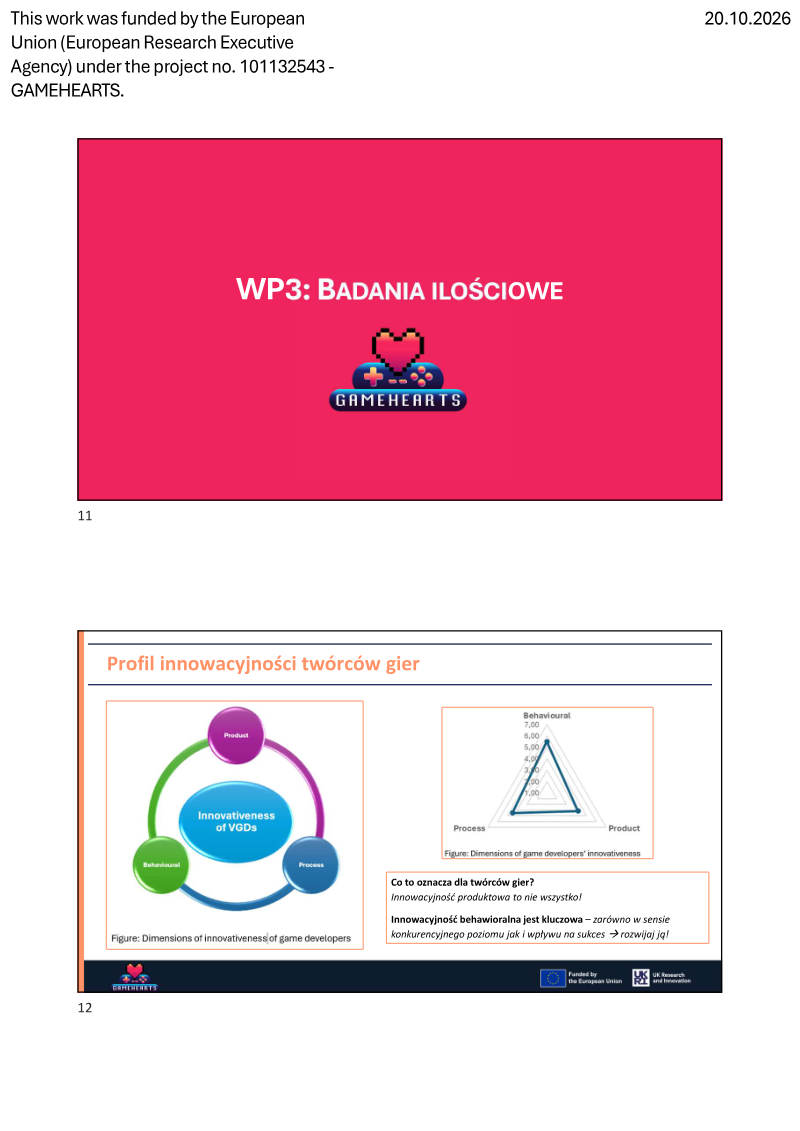
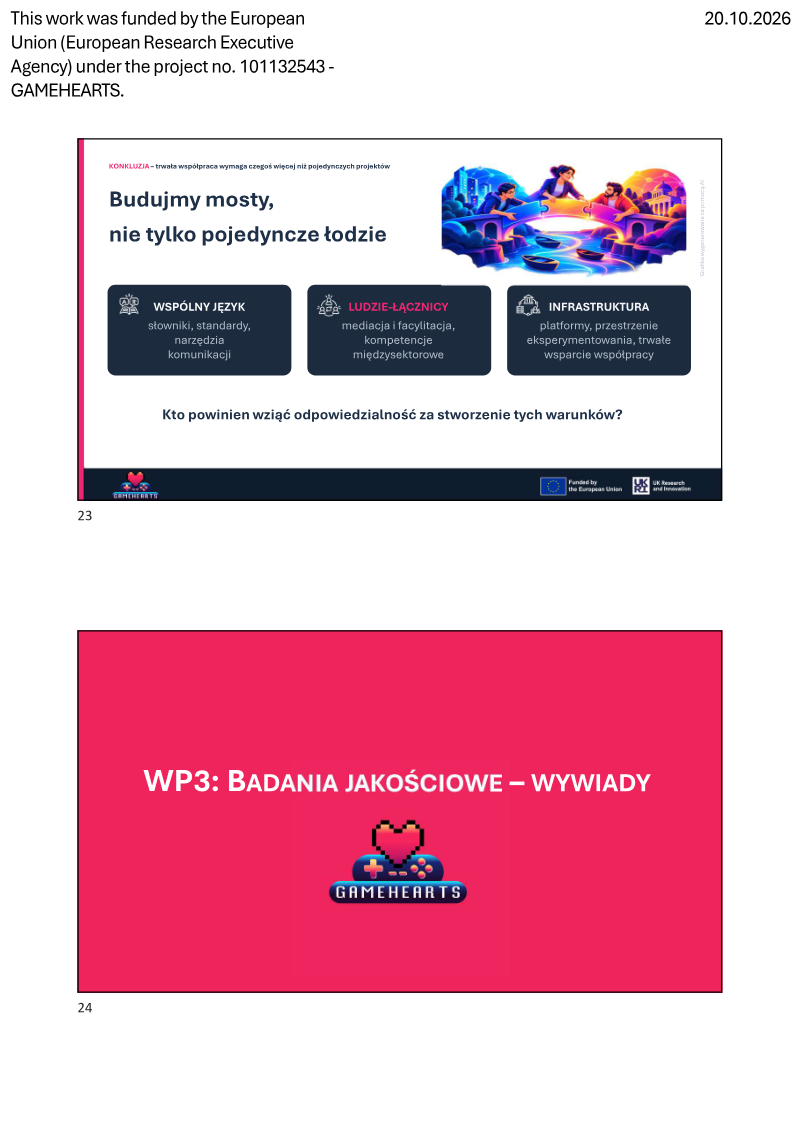
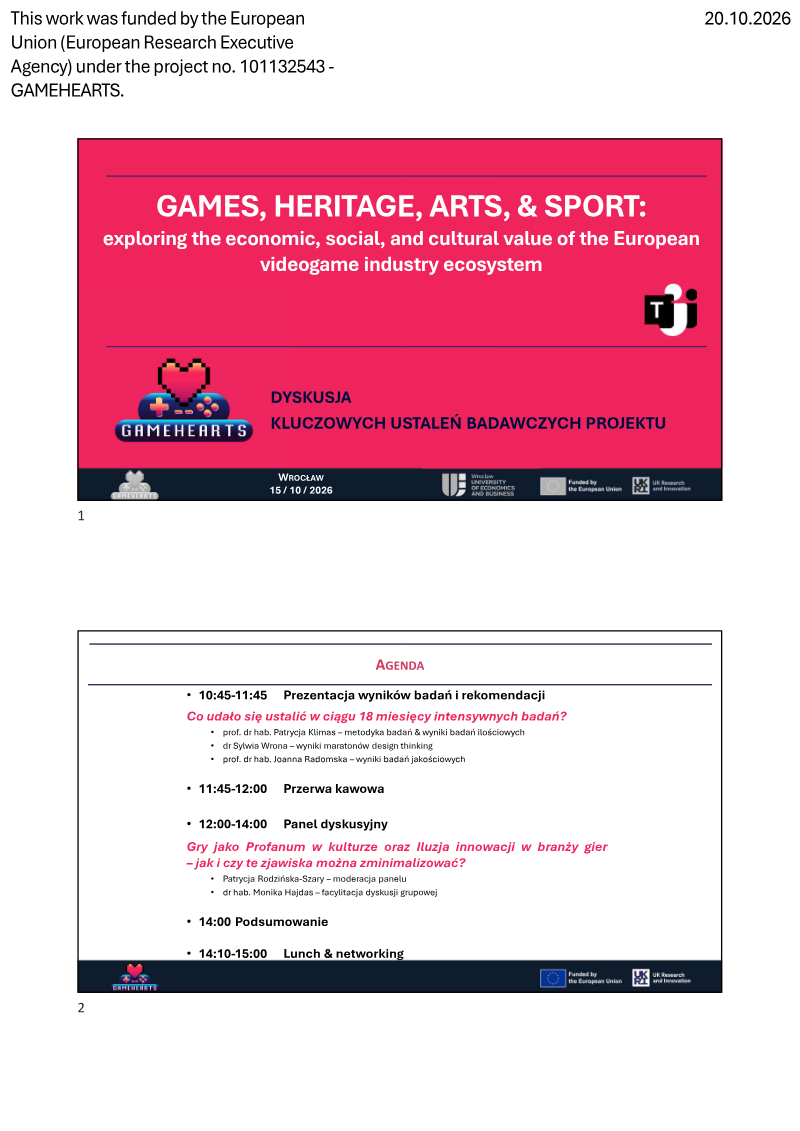
GAMEHEARTS · 2026
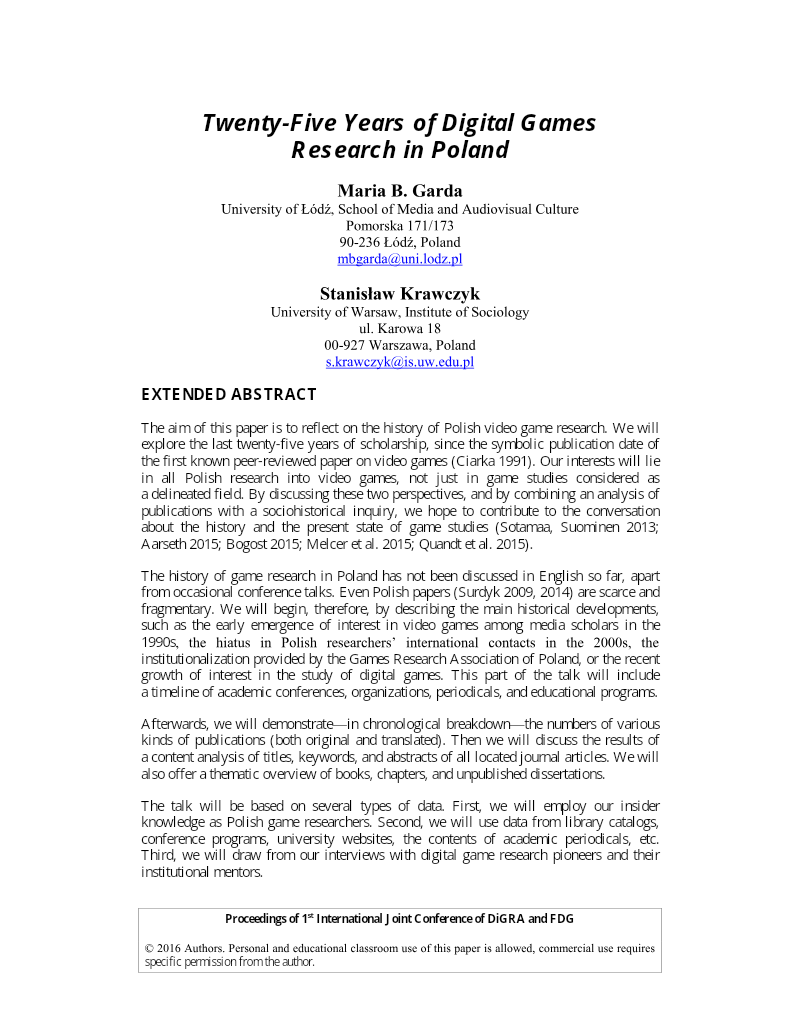
DiGRA · 2016

Video Games Europe · 2026
DiGRA · 2026
DiGRA · 2026

DiGRA · 2026

DiGRA · 2026
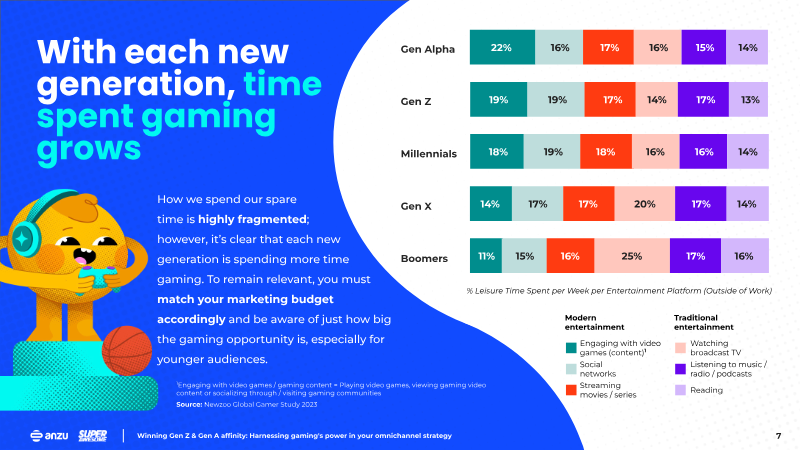


Anzu · 2026
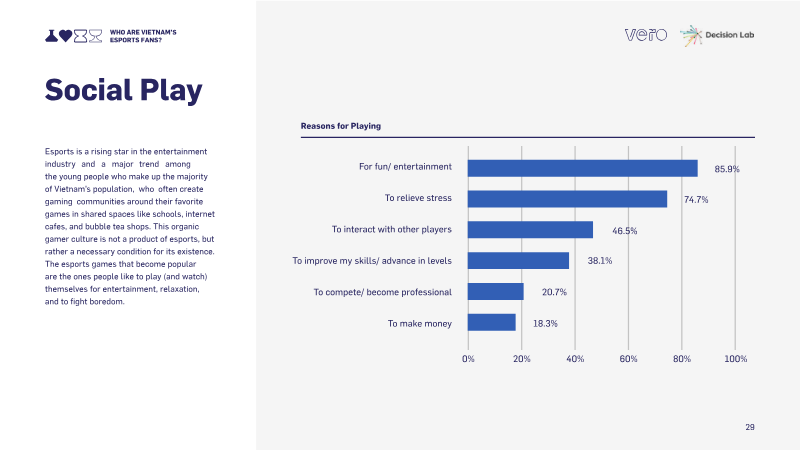
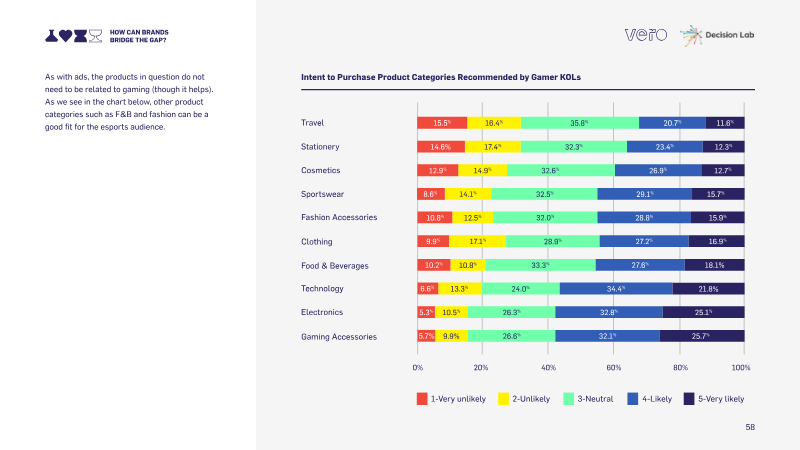

Decision Lab · 2026
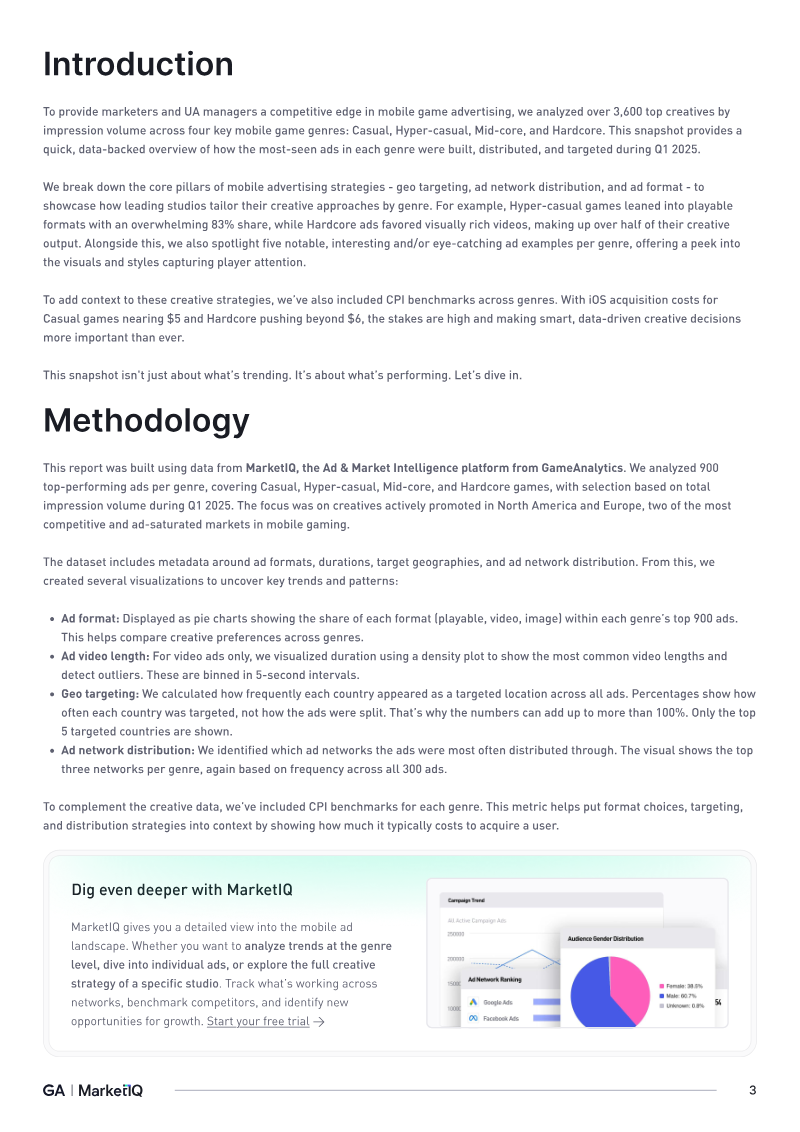
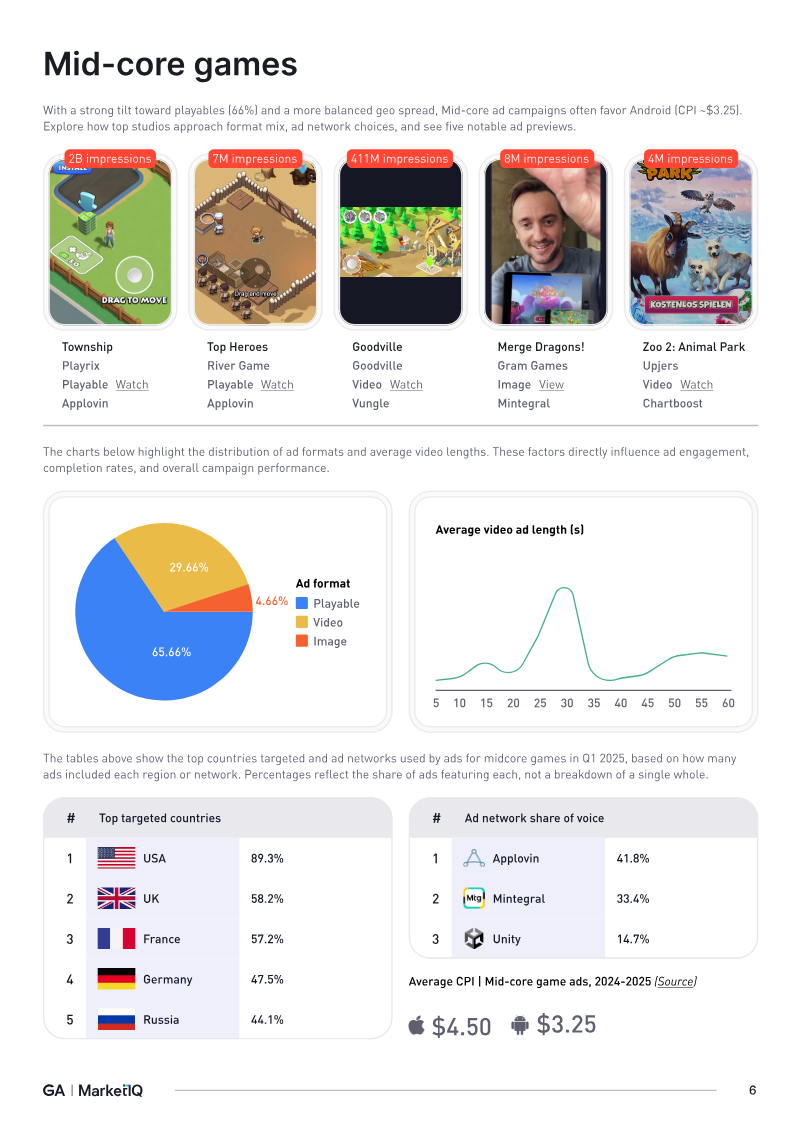
GameAnalytics · 2025
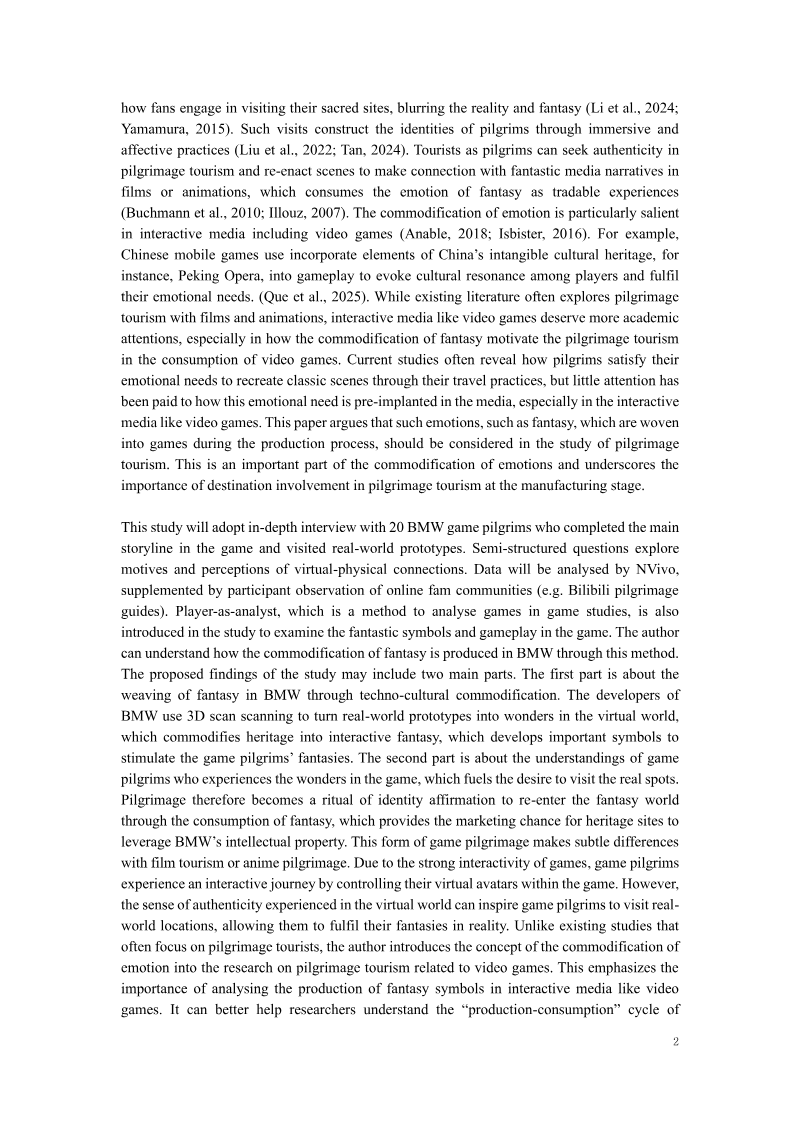

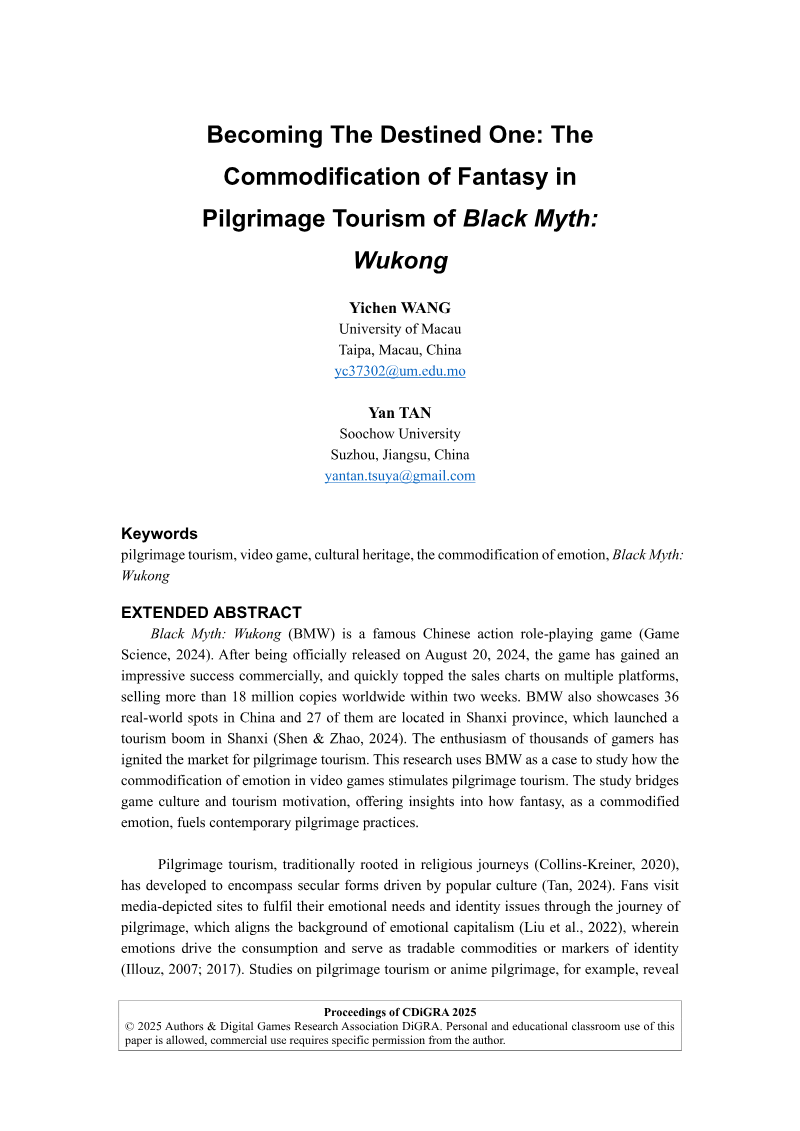
DiGRA · 2025
The Game Business · 2025