1 free read left. Create a free account for unlimited reading + AI research.
Create free accountWhitepaper IIDEA – Italian Interactive Digital Entertainment Association
1 free read left. Create a free account for unlimited reading + AI research.
Create free accountWhitepaperIIDEA – Italian Interactive Digital Entertainment Association
Beyond direct revenues, the industry fosters technological innovation and offers potential for tourism through international events.
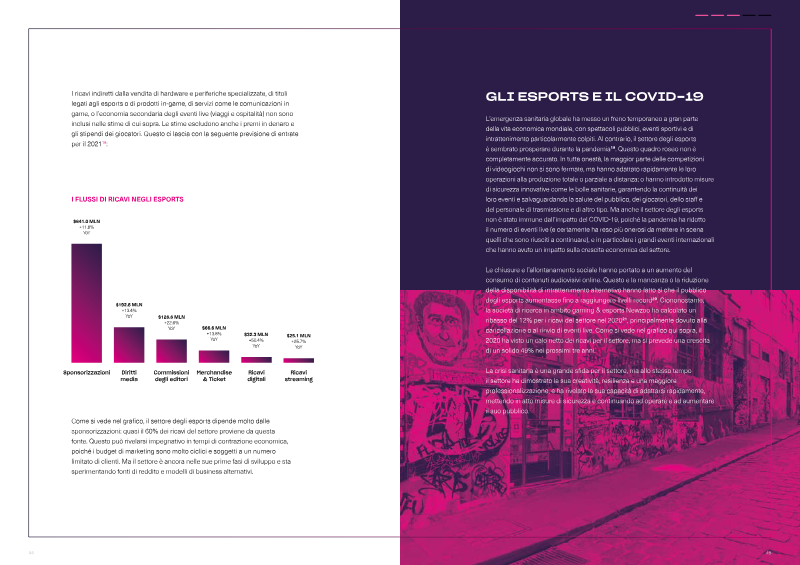
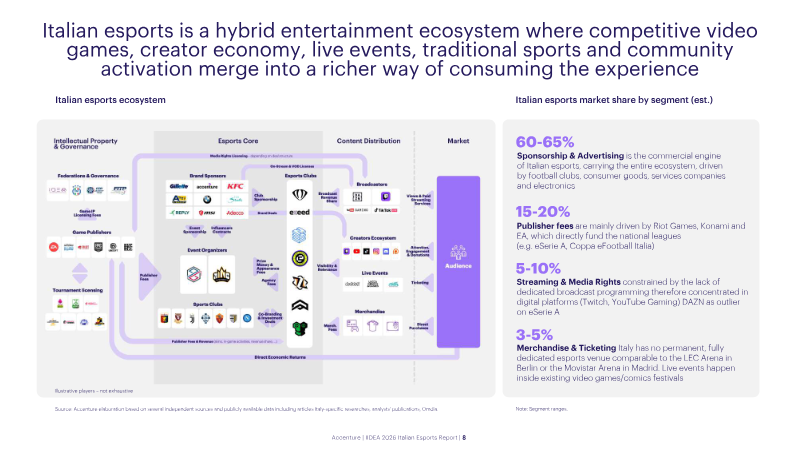
See it on page 7The Italian esports sector represents a dynamic and rapidly expanding industry defined by its reliance on intellectual property and global digital infrastructure. Rather than functioning as a traditional sport, the ecosystem operates as a unique commercial entity where publishers serve as the primary architects of the competitive landscape. While direct global revenues remain modest at approximately one billion euros, the industry exerts a substantial influence on the broader economy, fostering technological innovation, cross-sector collaboration, and significant potential for tourism through the hosting of international events.
A central thesis of this analysis is that the application of traditional sports regulatory frameworks to the esports industry would be counterproductive. Because the sector is driven by rapidly evolving software and proprietary digital environments, rigid oversight threatens to stifle competitiveness and innovation. Instead, the industry requires a flexible, self-regulatory approach that respects its distinct operational nature. By maintaining a clear distinction between physical athletics and digital competition, stakeholders can better preserve the agility necessary to navigate the fast-paced global market.
To capitalize on this potential, a collaborative strategy between the private sector and government institutions is essential. Policy efforts should prioritize the removal of regulatory barriers, the provision of incentives for international event hosting, and the support of startup acceleration and research initiatives. Beyond economic gains, esports serves as a powerful educational tool for cultivating STEM skills among youth and promoting inclusivity across diverse demographics. By fostering a structured dialogue and a supportive legislative environment, Italy can effectively integrate esports into its national economic strategy, ensuring long-term growth and social value without imposing unnecessary constraints on the industry’s unique development.
IIDEA – Italian Interactive Digital Entertainment Association · 2026
IIDEA – Italian Interactive Digital Entertainment Association · 2026
IIDEA – Italian Interactive Digital Entertainment Association · 2026
IIDEA – Italian Interactive Digital Entertainment Association · 2025
IIDEA – Italian Interactive Digital Entertainment Association · 2025
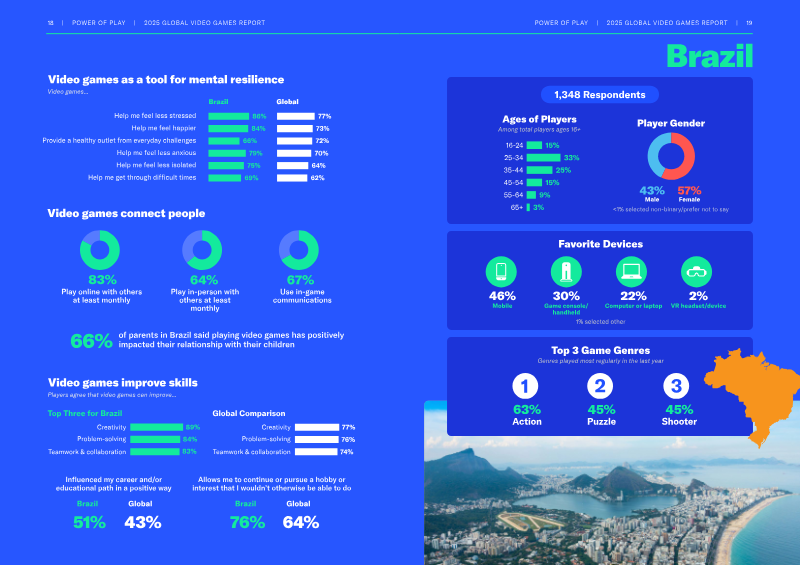
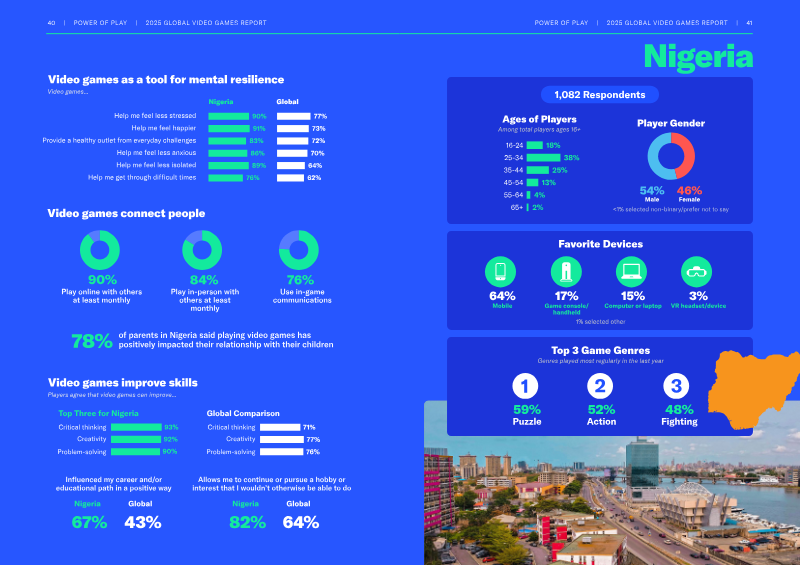
Video Games Europe · 2025
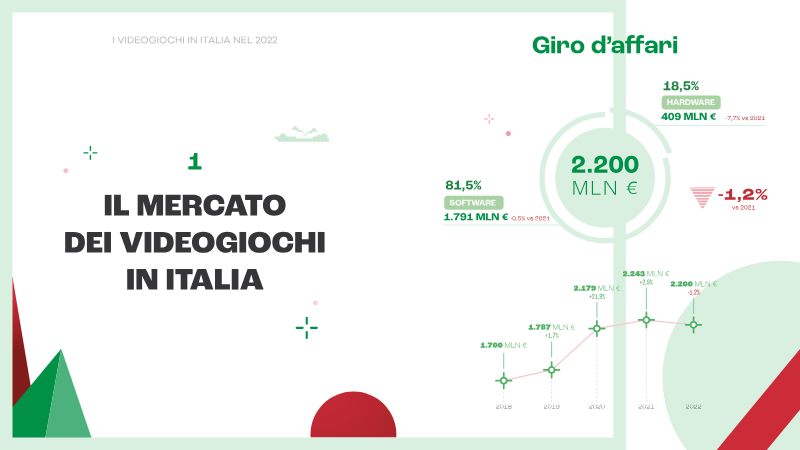
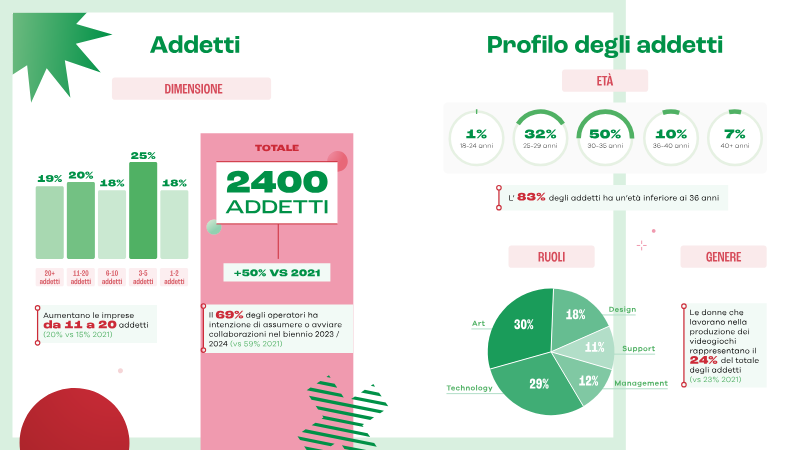
IIDEA – Italian Interactive Digital Entertainment Association · 2024
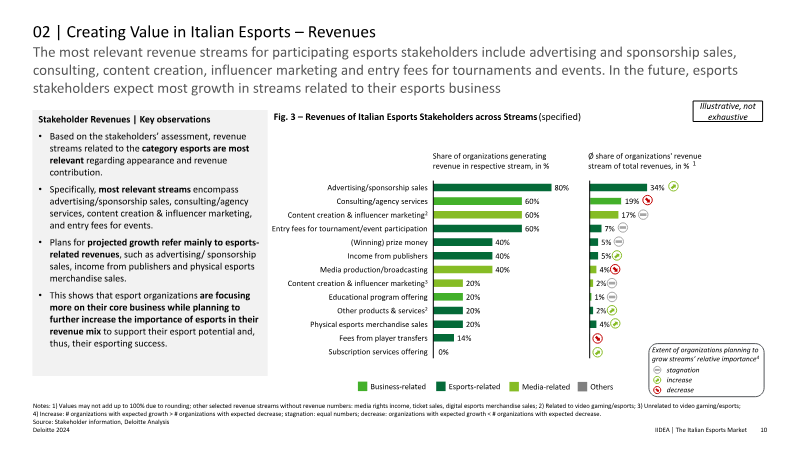
IIDEA – Italian Interactive Digital Entertainment Association · 2024
IIDEA – Italian Interactive Digital Entertainment Association · 2024
IIDEA – Italian Interactive Digital Entertainment Association · 2023

IIDEA – Italian Interactive Digital Entertainment Association · 2023

IIDEA – Italian Interactive Digital Entertainment Association · 2022
Interactive Software Federation of Europe · 2022