1 free read left. Create a free account for unlimited reading + AI research.
Create free accountReport Korea Creative Content Agency
1 free read left. Create a free account for unlimited reading + AI research.
Create free accountReportKorea Creative Content Agency
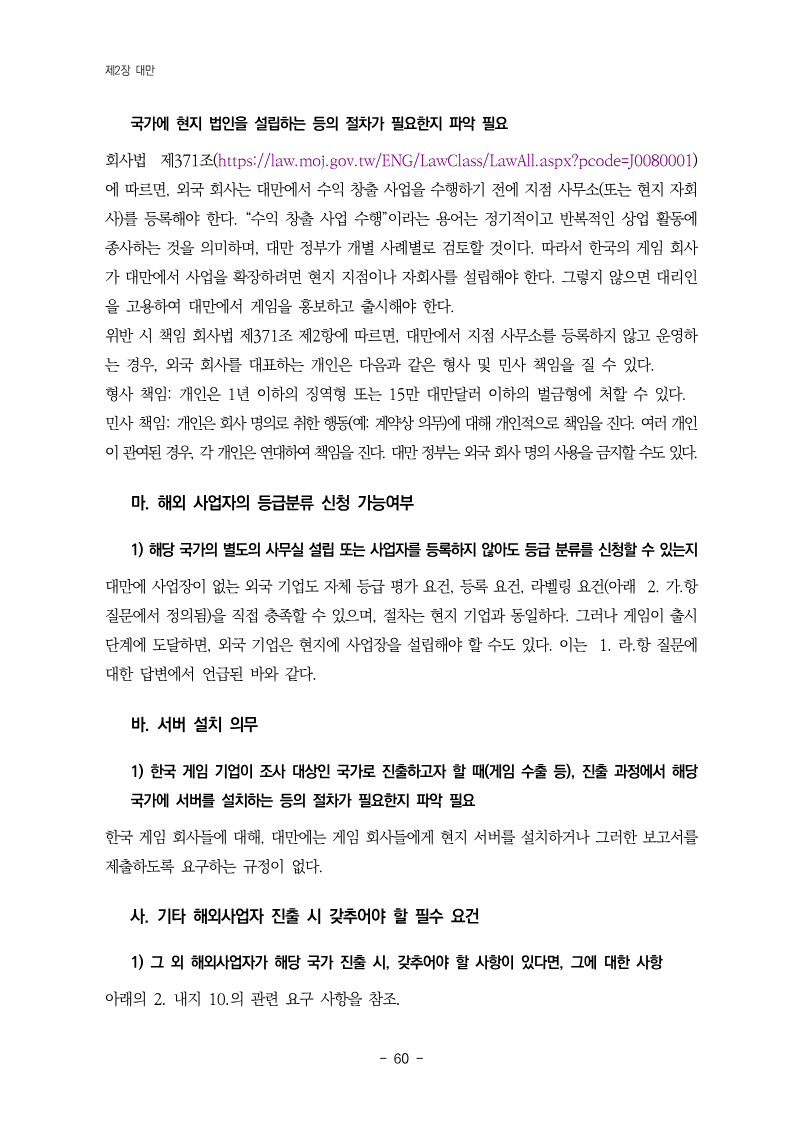
Foreign game entities must establish a local business presence or appoint a local representative to operate legally in these markets.
The 2024 Global Game Policy and Legislation Research Report provides a comprehensive analysis of the legal and regulatory environments for the game industry across five key export markets: Singapore, Taiwan, Brazil, Australia, and India. The primary objective of this research is to equip game developers and publishers with the necessary insights to navigate diverse international compliance requirements, ranging from age rating systems and consumer protection laws to data privacy mandates and financial regulations.
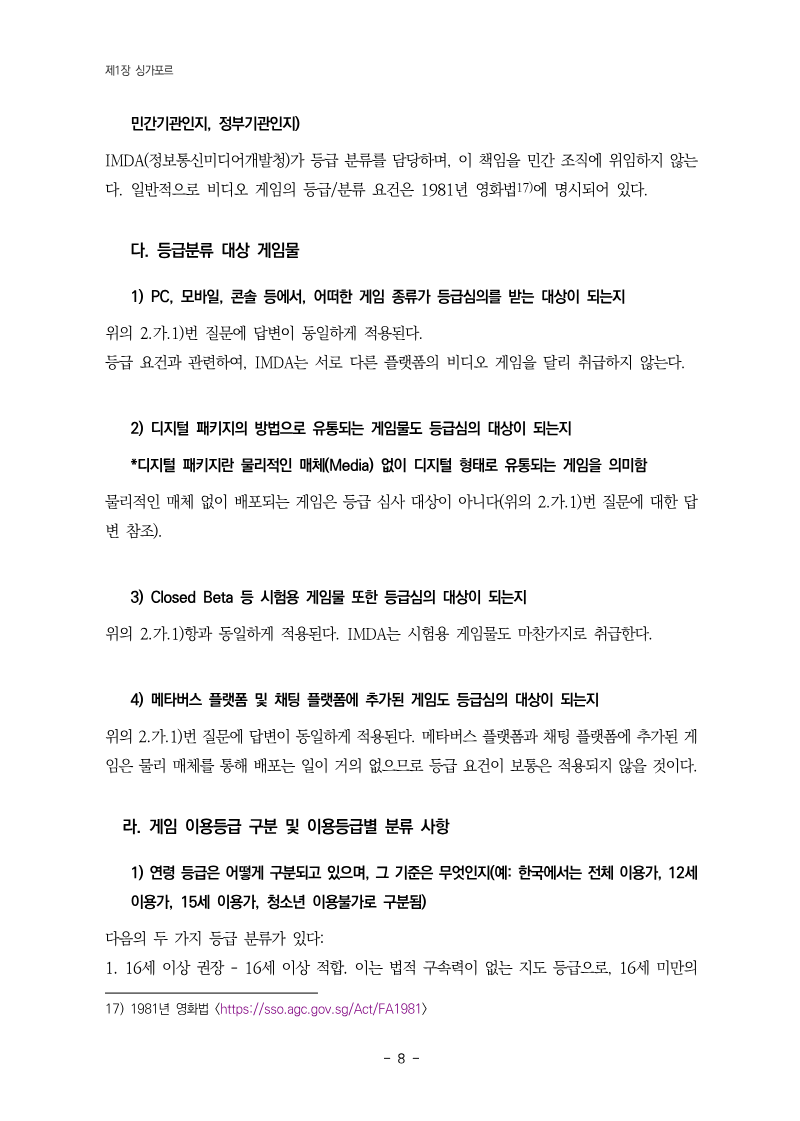
The findings reveal a fragmented global landscape where regulatory approaches vary significantly by region. While no country mandates local server installation, Taiwan and Australia impose strict requirements for local business registration or the appointment of local representatives for foreign entities. Age rating systems are universally emphasized, though implementation methods differ; for instance, Singapore and Brazil utilize government-led or IARC-based systems, whereas India currently lacks a mandatory federal rating framework, relying instead on self-regulation and judicial pressure. Probability-based item regulations are most stringent in Taiwan and Australia, where recent policy shifts have tightened oversight on loot boxes and simulated gambling to protect minors.
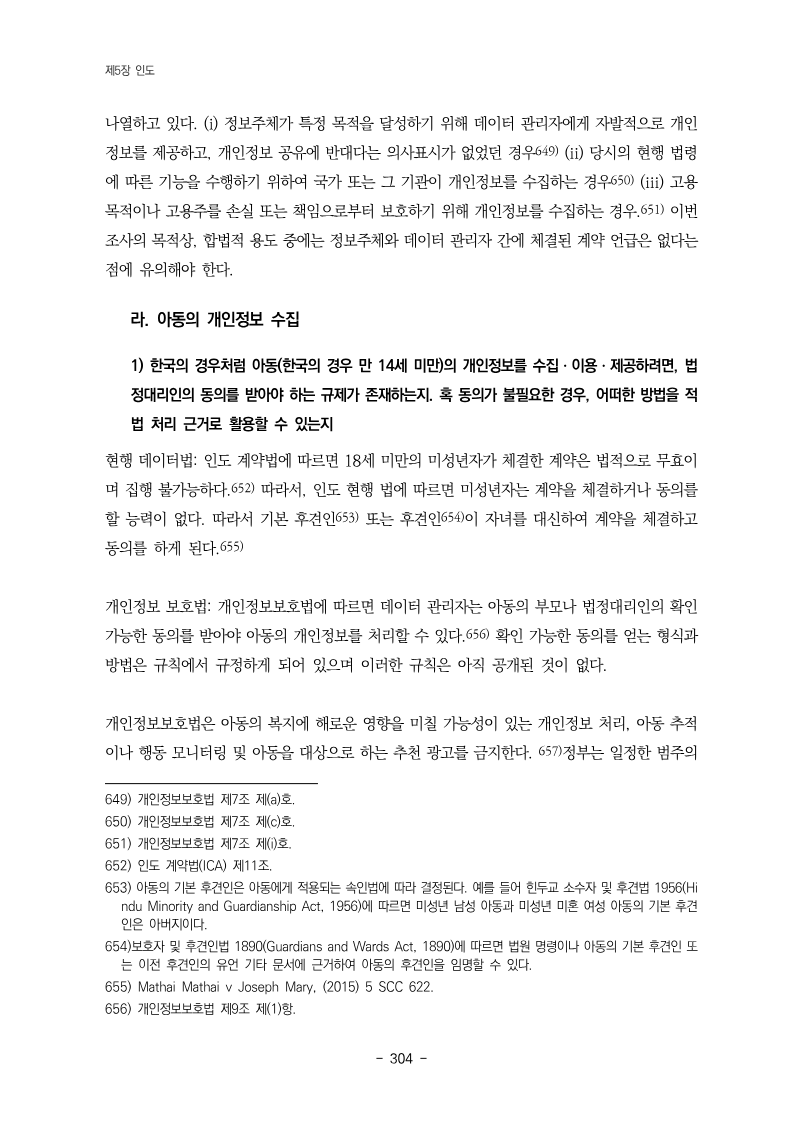
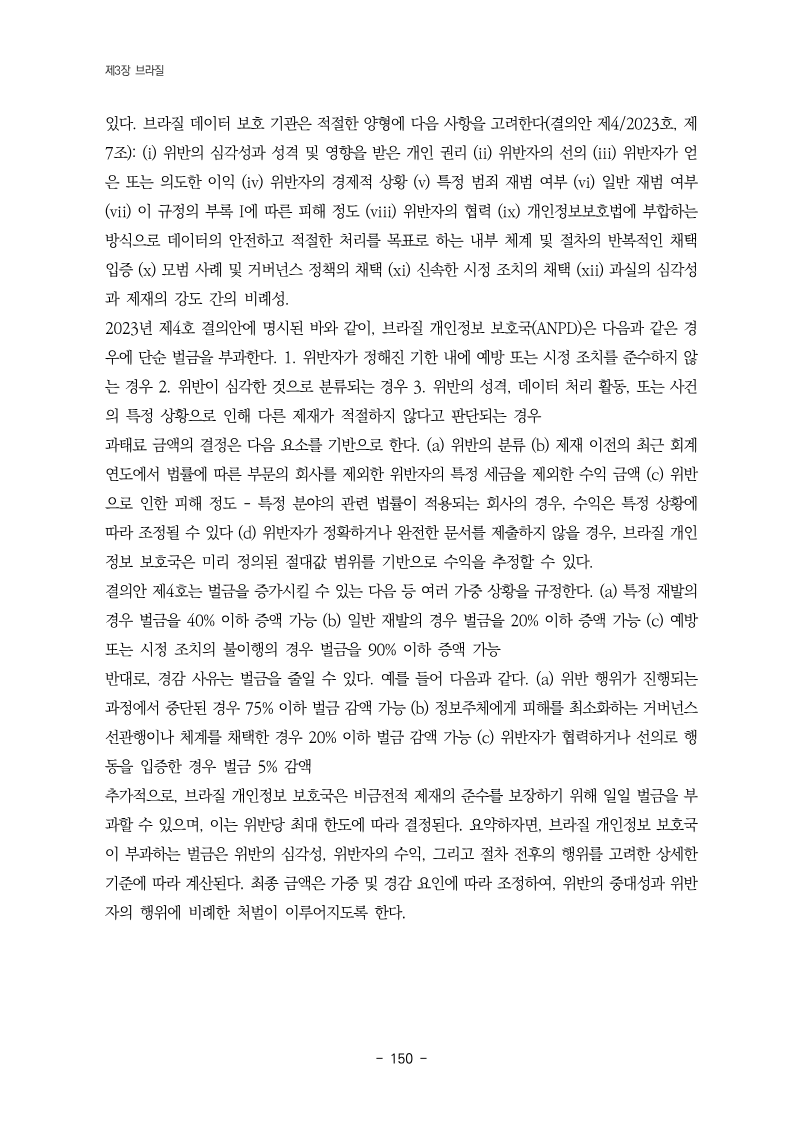
Data privacy and consumer protection emerge as critical areas of convergence. All analyzed jurisdictions enforce strict protocols regarding the collection of minors' personal information, typically requiring verifiable parental consent. Furthermore, stringent data breach notification requirements—such as India’s six-hour reporting window for specific cyber incidents and Brazil’s three-day notification rule—underscore the high stakes for non-compliance, which can result in substantial fines based on global revenue. Additionally, the report highlights a growing global intolerance for "dark patterns" in subscription services and deceptive advertising, particularly regarding influencer marketing and the transparency of economic interests.
Ultimately, the report concludes that while the industry enjoys a degree of operational autonomy in some regions, the trend is moving toward more rigorous, risk-based oversight. Success in these markets requires a proactive approach to compliance, particularly regarding local consumer laws, financial transaction security, and the evolving ethical standards surrounding AI-generated content and accessibility. Businesses are advised to maintain robust internal monitoring systems to adapt to these shifting legal frameworks and to ensure that their services align with local cultural and social expectations regarding child protection and fair play.

Korea Creative Content Agency · 2025

Korea Creative Content Agency · 2025
Korea Creative Content Agency · 2025
Korea Creative Content Agency · 2025

Korea Creative Content Agency · 2025
Korea Creative Content Agency · 2025

K-GAMES – Korea Association of Game Industry · 2025
KOCCA – Korea Creative Content Agency · 2025

KOCCA – Korea Creative Content Agency · 2025



KOCCA – Korea Creative Content Agency · 2025

KOCCA – Korea Creative Content Agency · 2025

KOCCA – Korea Creative Content Agency · 2025