Digital Games
Company
Documents about Digital Games
Relationship Investigation between Time Investment and Language Learning Based on Digital Games
The International Journal of Serious Games article by Al-Obaydi, Pikhart, Tawafak and Klimova examines whether time spent playing non-instructional digital games relates to second-language development among EFL college students.
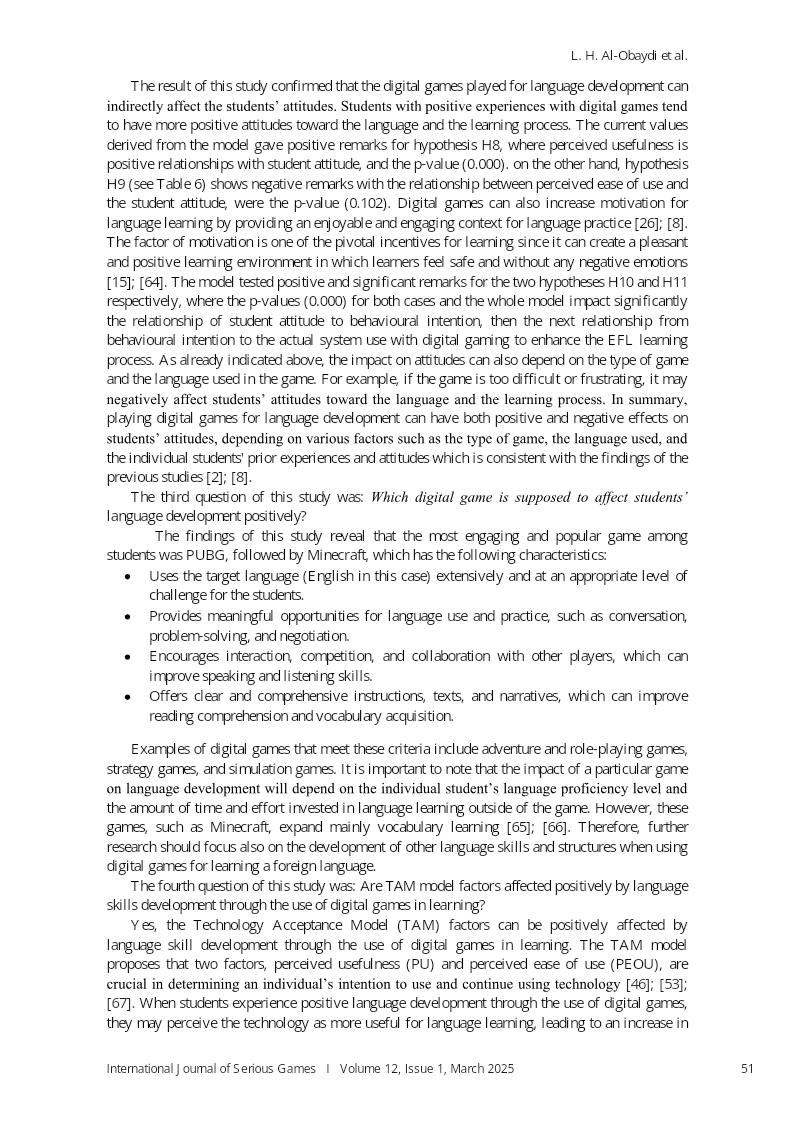
- The authors found a weak relationship between time spent playing digital games and TAM factors, and report that time of play showed no meaningful impact on perceived usefulness or perceived ease of use.
- Language skill development had a high impact on the TAM factors, with path coefficients of 0.627 on perceived ease of use and 0.595 on perceived usefulness.
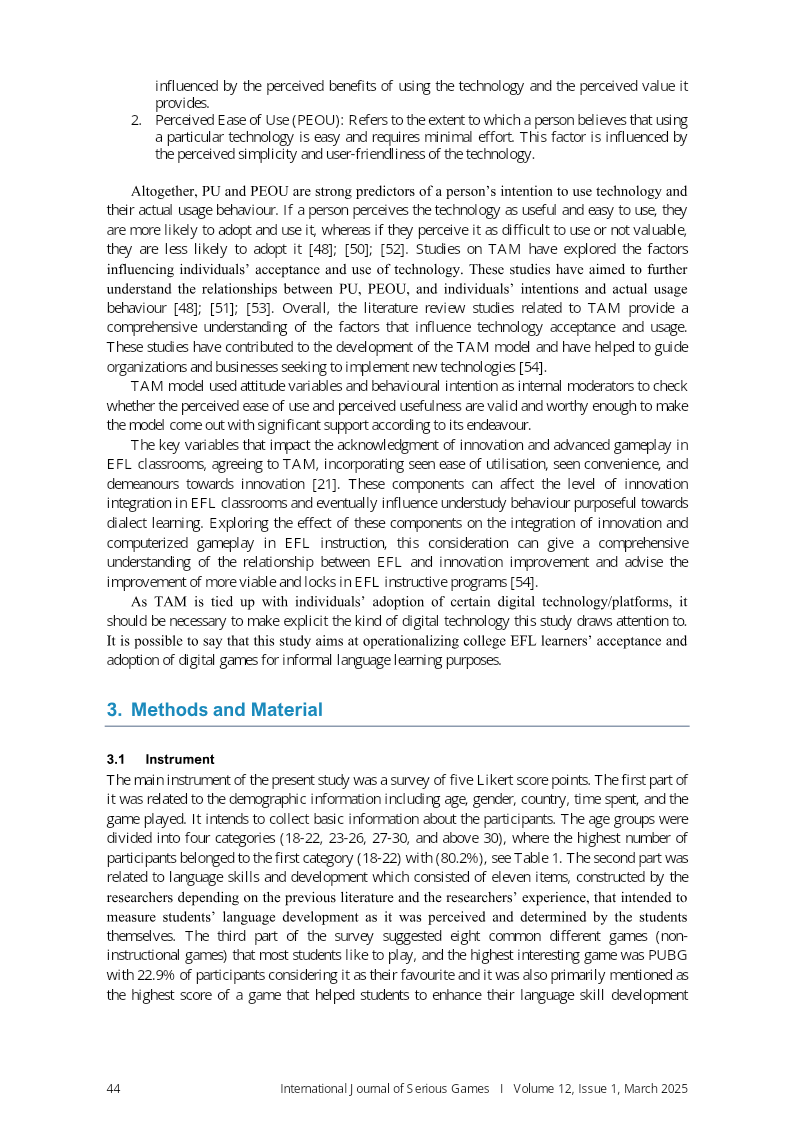
- Among the eight non-instructional games surveyed, PUBG was chosen by 22.9% of participants as their favourite game.
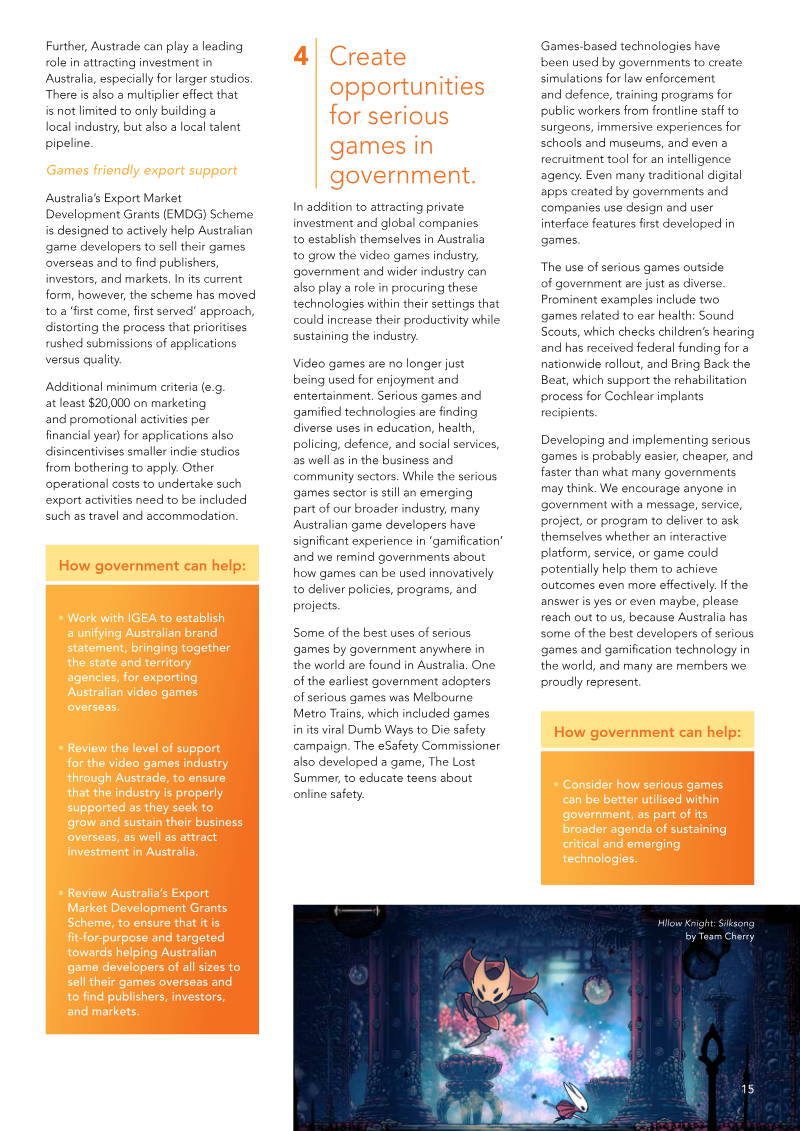

Australian Video Games Industry Policy Platform: February 2025
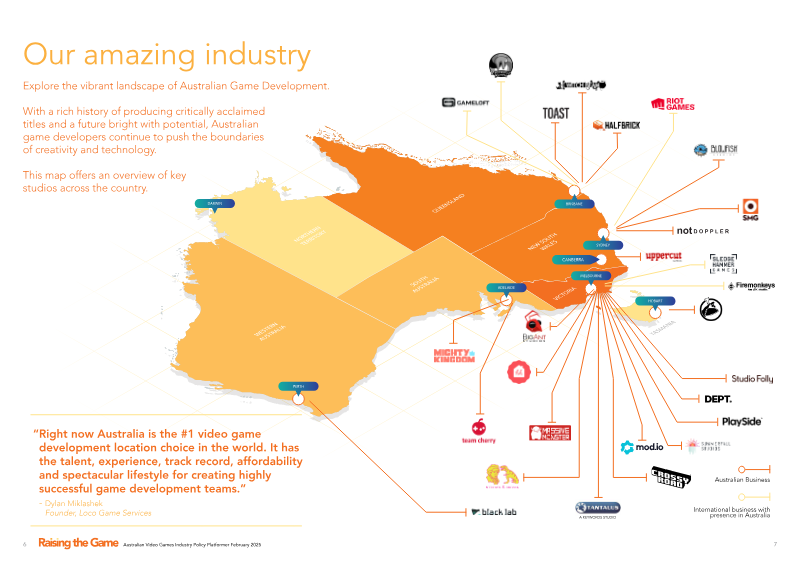
Australia's video games industry is positioned for growth but remains small relative to both domestic demand and international peers.
- The Australian video games industry aims to reach a $1 billion valuation by 2030, building on its 2024 fiscal year performance of $339.1 million in revenue.
- The sector currently supports 2,465 full-time positions, with 93 percent of its revenue generated from international markets.
- Over 50 percent of Australian game studios anticipate continued income growth, signaling strong potential for expansion into a global powerhouse.
Historical Consulting for Digital Games: From General Reflections to CEE Game Industries
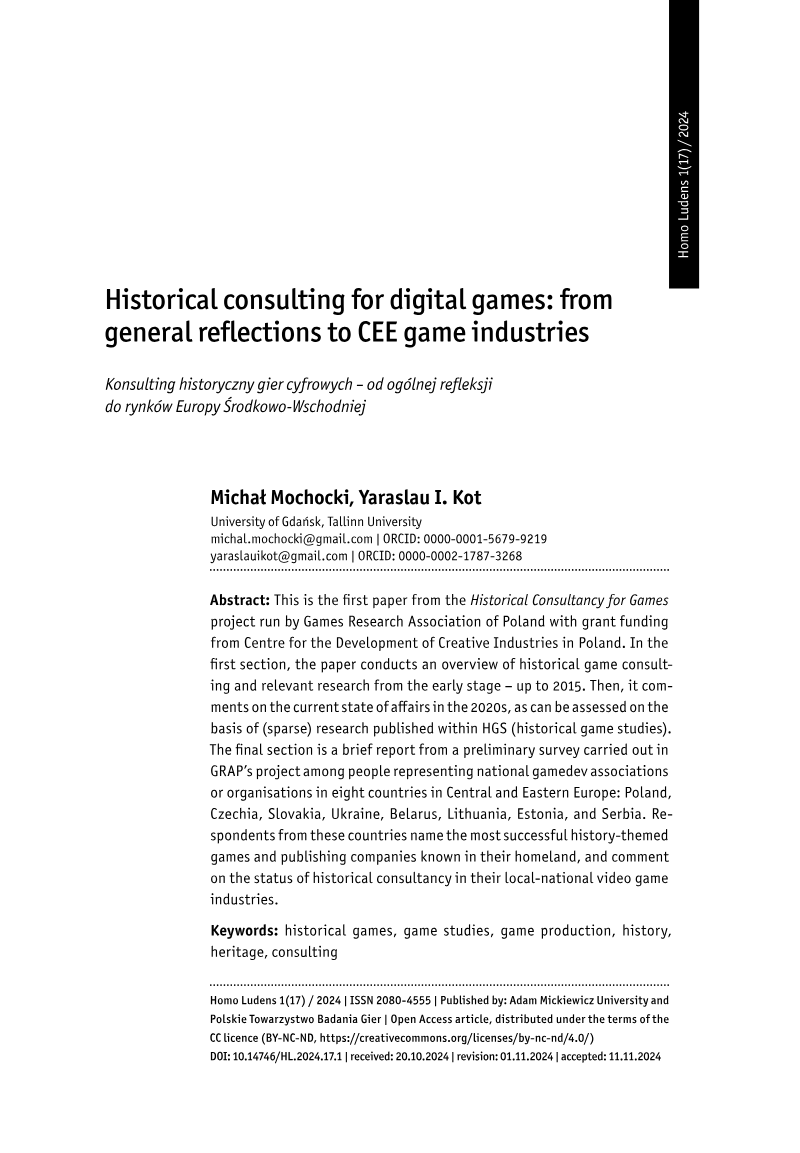
This paper, the first from the Historical Consultancy for Games project run by the Games Research Association of Poland, reviews historical game consulting from early research up to 2015 and comments on the state of the field in the 2020s based on sparse research within historical game studies.
- Among the CEE countries surveyed, academic experts are the default source for historical consultancy, mentioned by every country except Slovakia.
- Only Ukrainian, Lithuanian and Serbian respondents said historical consultancy is an established practice in their country, while Belarus limits it to a single company.
- As of 2015, only Ubisoft and Blackmill had permanently hired historians among the companies Collewijn researched.
German Games Industry: 2025
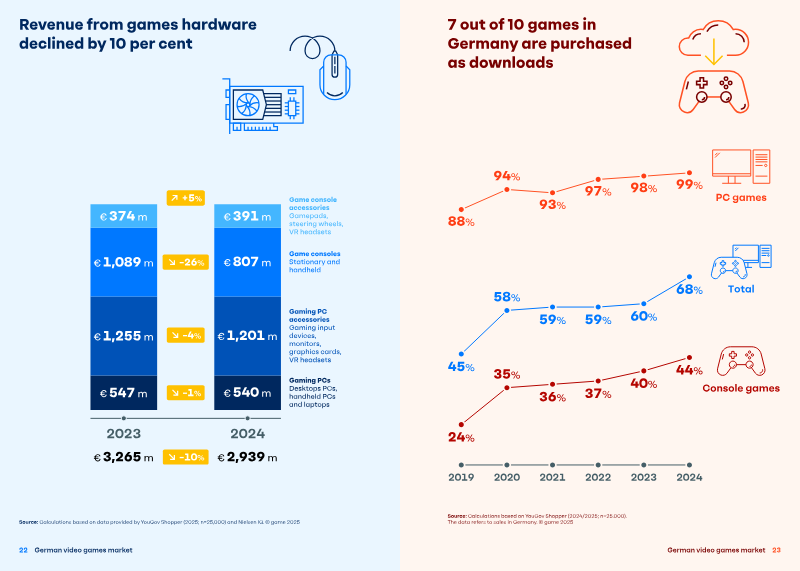
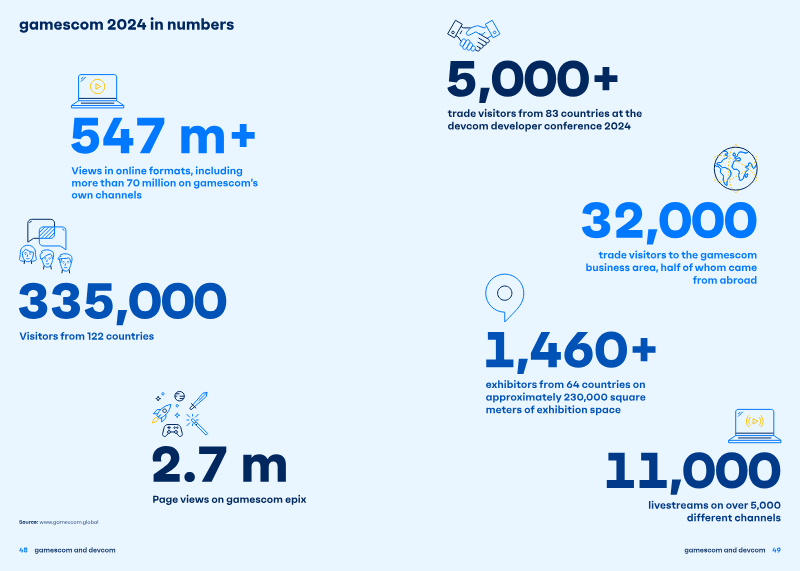
Germany's games industry went through a difficult 2024.
- The German games market contracted by 6% in 2024, resulting in total revenue of €9.4 billion and the first recorded decline in industry employment and active companies.
- Federal funding is set to increase to €125 million annually by 2026, supported by new competitive tax incentives designed to improve Germany's international market standing.
- Germany remains Europe's largest games market and the fifth largest globally, supported by a robust player base of 37.5 million people with an average age of 39.5.
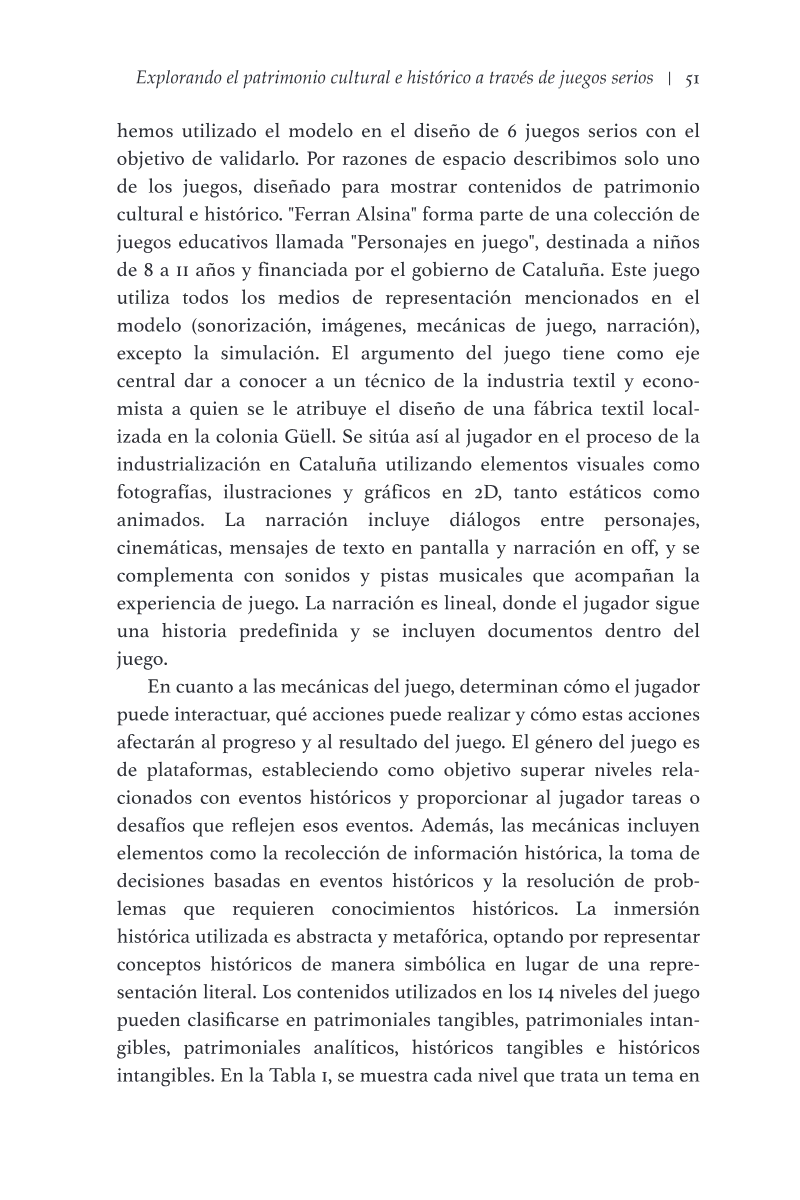
Explorando el Patrimonio Cultural e Histórico a Través de Juegos Serios
The paper, published in the Transactions of the Digital Games Research Association (Vol.
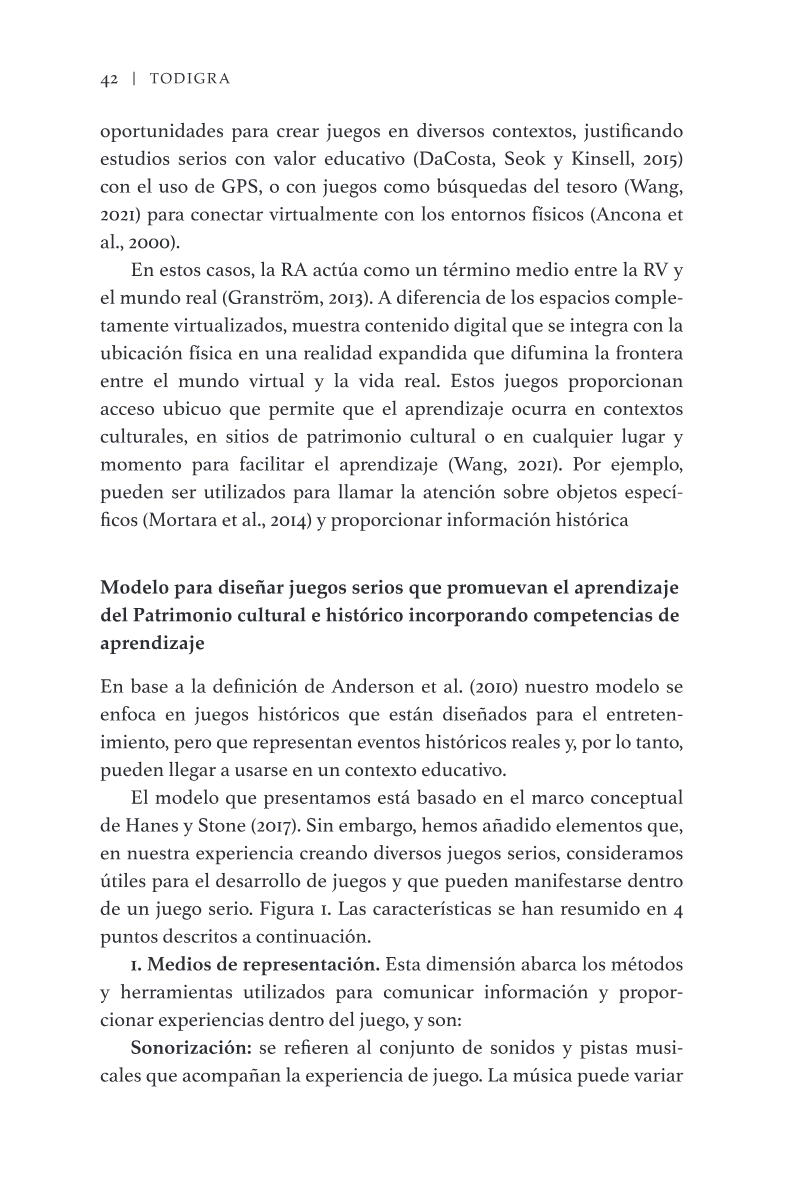
- The authors state that the model's four dimensions are representation media, historical immersion, heritage and historical content, and learning competencies.
- The authors report that using the model across nine serious games, and their evaluation, confirmed it as a useful tool for designing and analysing heritage serious games.
- The model was particularly effective, according to the authors, at identifying which content is relevant to use in the game and at speeding up the design process.
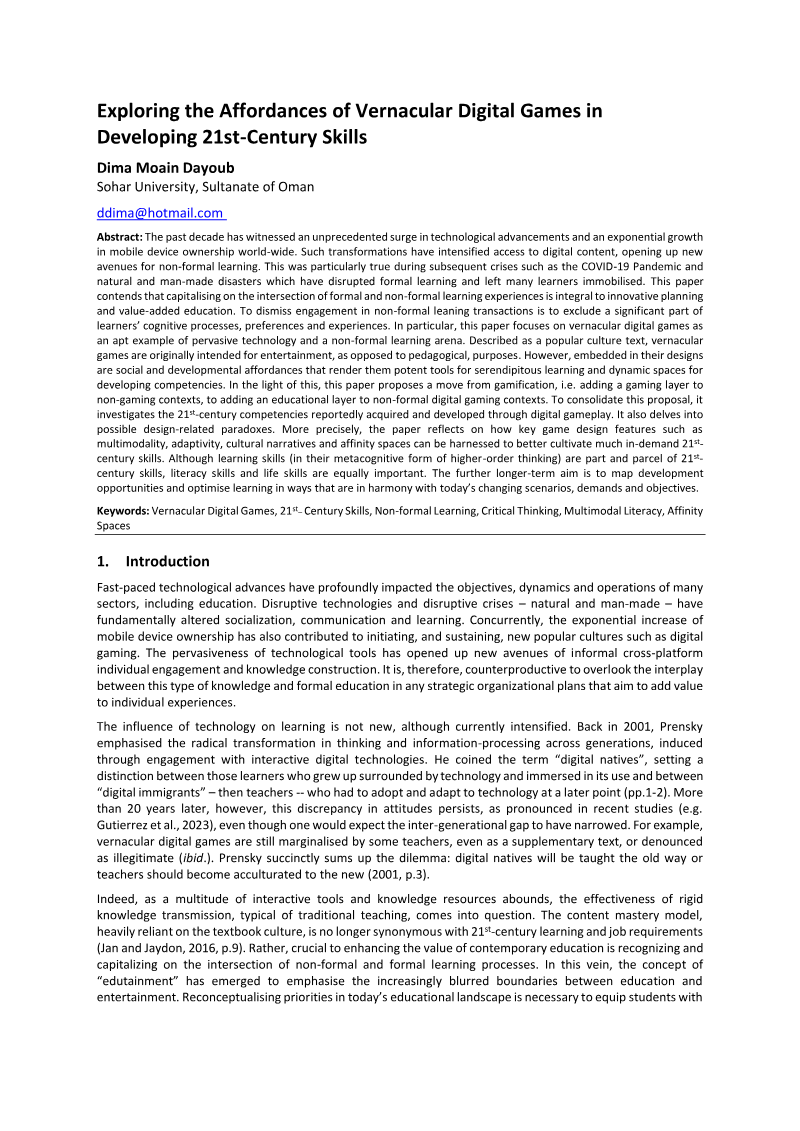
Exploring the Affordances of Vernacular Digital Games in Developing 21st-Century Skills
This paper argues that the boundary between formal and non-formal learning should be bridged rather than dismissed, and it proposes shifting the focus from gamification, which adds game elements to non-game contexts, toward adding an educational layer to entertainment games that were never designed for pedagogy.
- The paper argues for adding an educational layer to entertainment games not designed for pedagogy, rather than gamification, which adds game elements to non-game contexts.
- Vernacular digital games are presented as capable of cultivating 21st-century competencies such as critical thinking, collaboration, multimodal and information literacy, emotional competence, and technology literacy, but no single game or context can develop them alone, so a holistic combination of learning environments is needed.
- Design features shape outcomes: multimodality supports literacy but excessive or purposeless multimedia can impose cognitive load, while adaptivity sustains flow by balancing challenge and skill.
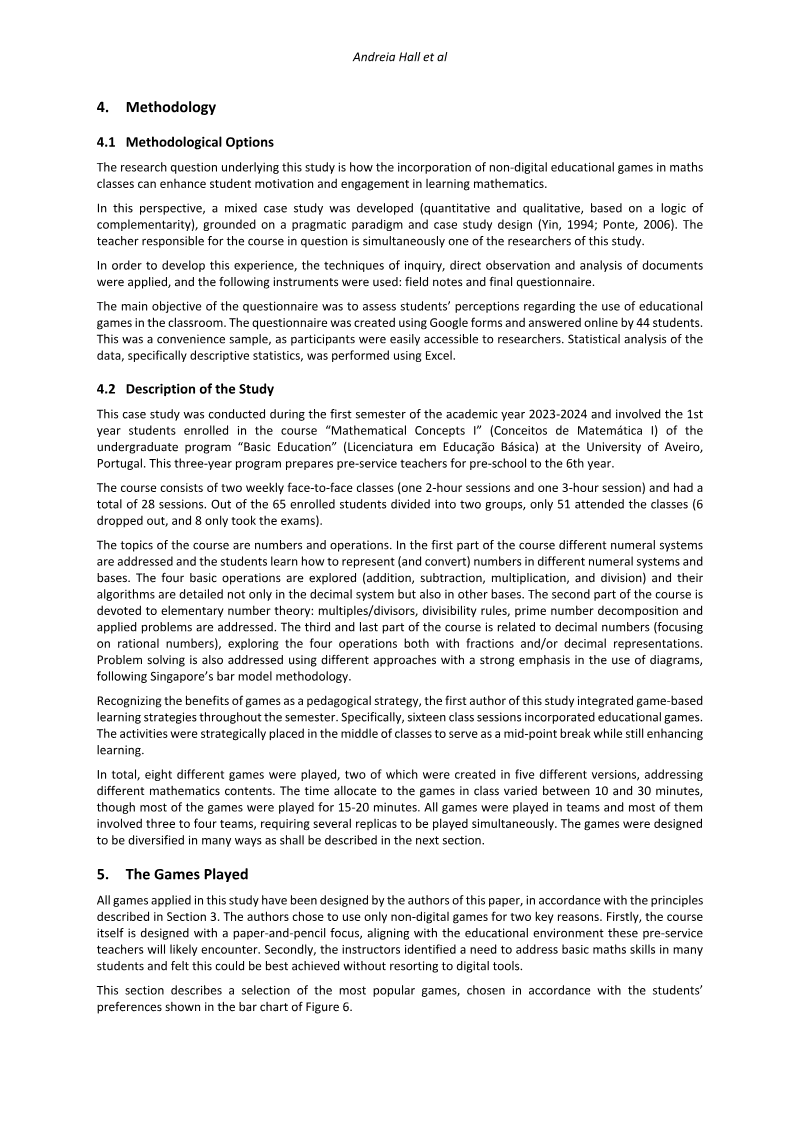

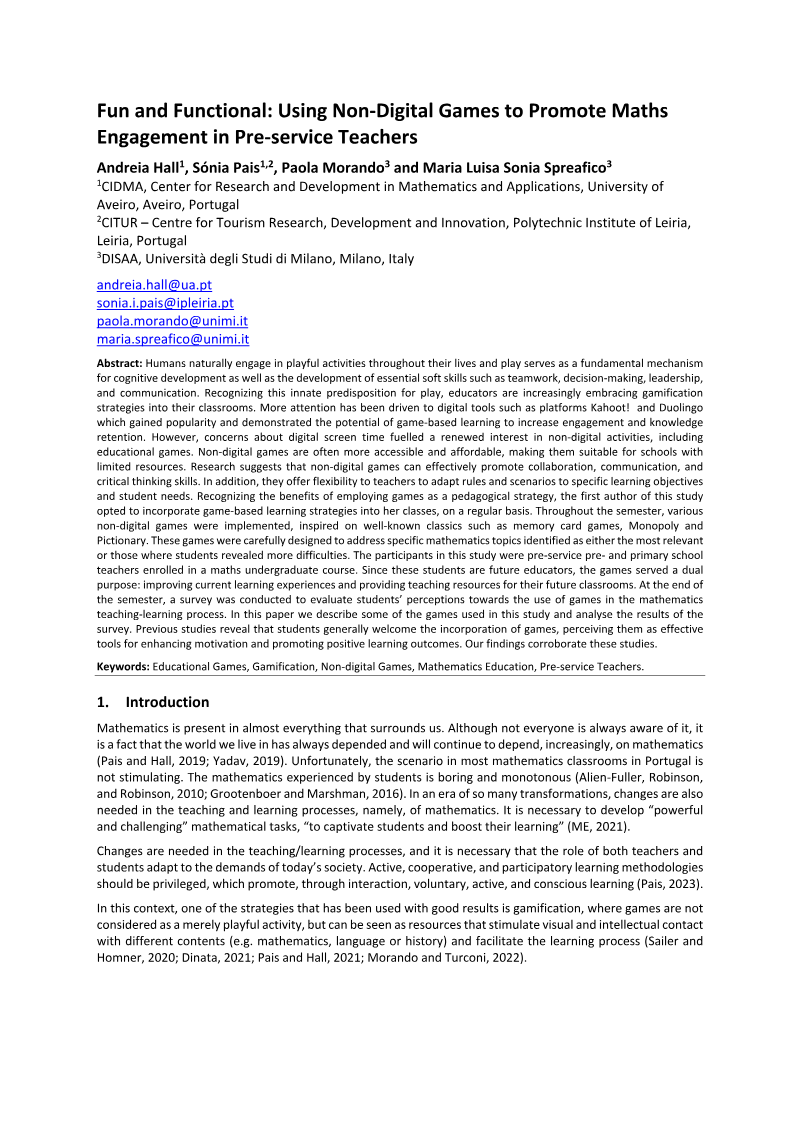
Fun and Functional: Using Non-Digital Games to Promote Maths Engagement in Pre-service Teachers
This study by Andreia Hall, Sónia Pais, Paola Morando and Maria Luisa Sonia Spreafico examines non-digital educational games in maths classes at the University of Aveiro, Portugal.
- Students responded very positively to the games, with no respondents reporting dislike of them.
- Garden Animals was the most preferred game, selected by 70.5% of students who answered the question on preferred games.
- Most students reported enjoying maths more because of the educational games used in class.
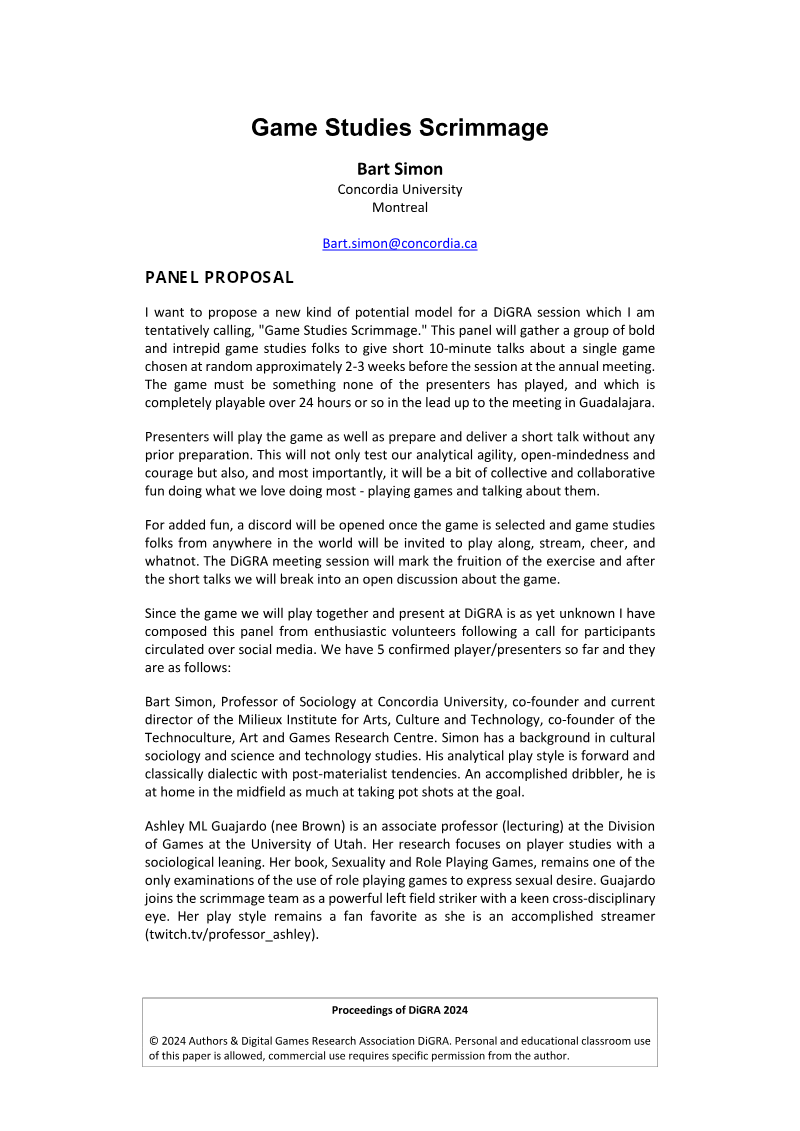
Game Studies Scrimmage
The document is a panel proposal submitted to DiGRA, the Digital Games Research Association, for an experimental session titled "Game Studies Scrimmage."
- The document is a DiGRA panel proposal for an experimental session called "Game Studies Scrimmage," in which scholars play an unfamiliar game and give ten-minute analytical talks, aiming to test analytical agility and foster collaborative enjoyment.
- A randomly selected game would be chosen two to three weeks before the annual meeting in Guadalajara and must be completable within about 24 hours.
- A Discord server would be opened so researchers worldwide can participate, stream, and comment on the session.
Big Brother Meets Joystick: Ethical Perspectives on Surveillance Imagery in Digital Games
This paper examines how surveillance is depicted in digital games and evaluates those depictions from an ethical and epistemological standpoint.
- Games shape players' imaginaries of surveillance, and their depictions, both visual and mechanical, can either normalize questionable monitoring practices or make distributed surveillance visible and open to critical reflection.
- The authors propose a two-dimensional framework for analyzing surveillance in games: visual aesthetics (e.g., eye-in-the-sky cameras, scan lines and glitches, blue/green overlays and binary code) and ludic, rule-based embedding.
- Many games, including some ostensibly critical of surveillance, reward players for hacking cameras or data mining in consequence-free minigames, which can create a false sense of empowerment.
Newsgames as a Case Study for the Value and Challenges of Archiving Digital Games
This analysis explores the value and challenges of archiving digital newsgames, drawing insights from a research team's archive of 101 newsgames.
- Newsgames are shaped by low budgets and a perceived disposability akin to print news, making them especially vulnerable to loss.
- Only 27% of the 101-game collection was identified as allowing contemporary public play as of 2023, a rate the authors find troubling given their ties to established news and academic institutions.
- The academic record suffers from selection bias: free, web-playable, widely distributed newsgames are far more likely to be documented in scholarship, while paid, platform-specific, or locally confined titles are often omitted.
Intentional and Accidental Tropes of Polish Heritage in Sienkiewicz-Themed Digital Games
This paper investigates the intentional and accidental incorporation of Polish national heritage tropes in digital games based on the works of Henryk Sienkiewicz, particularly his "Trilogy."
- The paper analyses how Polish national heritage is embedded in digital games adapted from Henryk Sienkiewicz's historical novels, combining Umberto Eco's tripartite model of intentionality with Stuart Hall's encoding-decoding framework.
- Its central questions are which national-heritage elements developers deliberately implement, which elements Polish-affiliated players feel must be explained to international audiences, and which tropes are treated as transparent or too obvious to mention.
- The corpus comprises four games tied to Sienkiewicz's Trilogy, set in the seventeenth-century Polish-Lithuanian Commonwealth: The Witcher 3: Hearts of Stone, Hellish Quart, Mount & Blade: With Fire & Sword, and the ironic 8-bit mini-game With Fire and Sword: Spiders within Observer.
The Inadvertent Construction of Leaders in Digital Games
This qualitative research project investigates how individuals, particularly women, non-gender individuals, and people of color, develop leadership skills and opportunities through their experiences in digital game organizations.
- Leadership in digital games is often inadvertent: many participants did not seek the role but were pushed into it through in-game performance or a predecessor's sudden departure, sometimes while concealing their gender from guild members.
- Most participants had already left their leadership roles by the time of interview, frequently citing burnout, after experiencing stress and being undercut by other members.
- The study is a qualitative project based on semi-structured interviews with 20 leaders (combining 2015–2023 interviews with 2024 follow-ups) across World of Warcraft, EVE Online, and Clash of Clans, analyzed through categorization analysis and grounded theory.